Scents Michigan Gardeners Use To Discourage Moles And Where To Apply Them
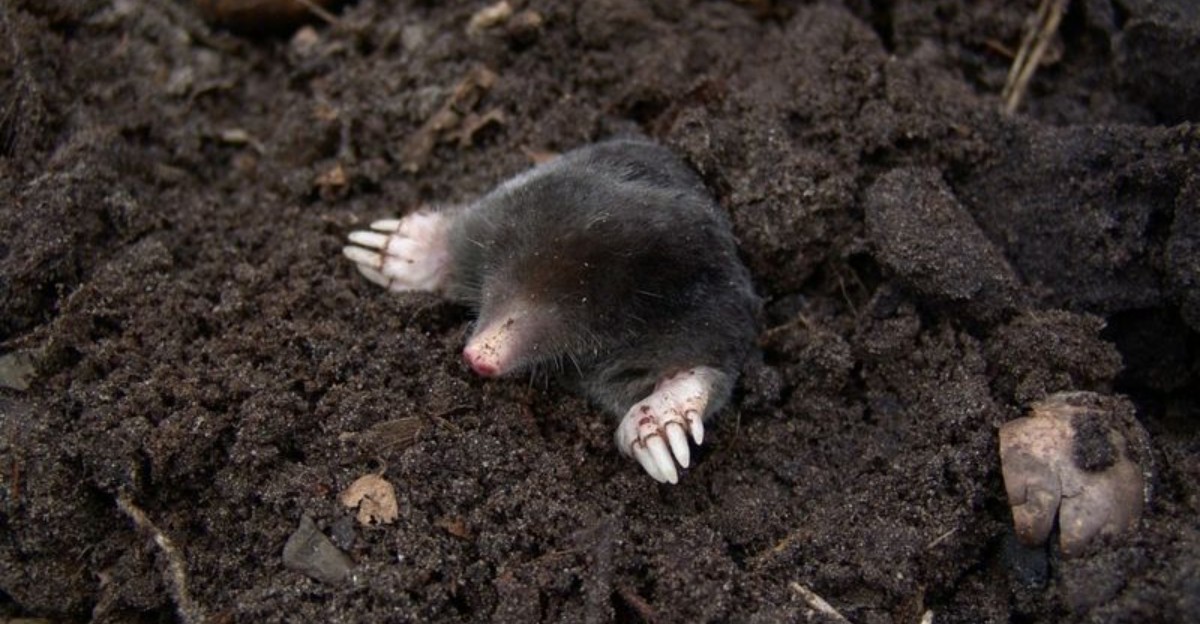
Moles can wreak havoc on a Michigan lawn, and certain scents have become a popular natural deterrent for gardeners hoping to avoid more invasive removal methods.
These underground pests rely heavily on smell to navigate their tunnel systems, which means strong, unfamiliar scents placed directly into or near active tunnels can disrupt their usual paths and encourage them to move elsewhere.
Options like castor oil-based repellents are commonly used, often applied directly into tunnel openings or worked into the surrounding soil where activity is highest.
Placement matters just as much as the scent itself, since applying deterrents in the wrong spot can mean moles simply reroute around the treated area instead of leaving entirely.
Knowing where and how to apply these scents gives Michigan gardeners a more targeted approach to discouraging mole activity.
1. Castor Oil-Based Repellents Around Tunnels
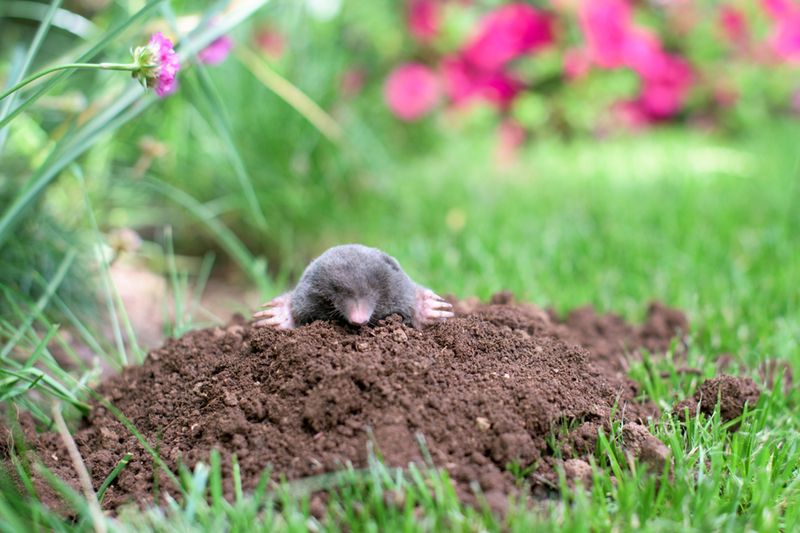
Ask around any Michigan neighborhood, and castor oil comes up fast as the go-to mole scent. Gardeners love it because it is easy to find and simple to spread across lawns and garden beds.
The idea is pretty clever. When castor oil soaks into the soil, it coats the ground and the tiny critters moles feed on, leaving behind a smell and taste moles find unpleasant.
Many people believe this makes the earth feel less welcoming, nudging moles to move their tunnels somewhere else instead of settling in your yard.
You will find these products as sprays, granules, and liquid concentrates that hook up to a garden hose. Most work best when you water them in afterward, which helps the oil sink down to where moles actually travel.
Results, though, can swing quite a bit. Soil type, moisture levels, and how heavy the mole activity is all play a part. Sandy soil drains faster, while clay holds scents longer, so your neighbor’s success may not match yours exactly.
For the best shot, apply castor oil products right over active ridges and near tunnel openings. Spreading it randomly across the whole yard wastes product and rarely helps.
Patience matters here too. Moles may not leave overnight, and you might need a few rounds before you notice fewer fresh mounds.
Think of castor oil as one helpful tool rather than a guaranteed cure, and pair it with other steps for stronger, longer-lasting results across your garden.
2. Garlic Scents Around Problem Areas

Garlic packs a punch that people either love or hate, and moles seem to land firmly in the hate camp. That sharp, lingering odor is exactly why gardeners sometimes turn to it as a natural deterrent.
The strong smell of crushed garlic or garlic-based sprays is thought to bother a mole’s sensitive nose. Since these animals spend their lives underground relying heavily on smell and touch, a pungent scent in their path may encourage them to dig elsewhere.
Here is where smart placement comes in. Rather than dousing your entire yard, gardeners focus garlic near active spots, such as fresh mounds, raised ridges, and tunnel openings.
Your Michigan Garden Changes Every Week. Your Plan Should Too.
Gardening in Michigan changes quickly throughout the season. Every Friday you’ll receive a simple weekly plan showing exactly what to plant, prune, fertilize, harvest, and protect so you never miss the right timing.
Concentrating the scent where moles actually travel gives you a better chance of nudging them along.
You can make a simple garlic spray at home by blending cloves with water, letting it sit, then straining and applying it around trouble zones. Some folks tuck crushed cloves directly into open tunnels for a stronger hit.
Keep your expectations realistic, though. Garlic is not a proven, science-backed solution, and its effect tends to fade quickly once the smell weakens. Rain, sun, and time all pull the odor away.
Because of that, you will likely need to reapply often to keep the scent noticeable. Many gardeners treat garlic as a low-cost experiment worth trying alongside other methods.
Used near the right spots and refreshed regularly, garlic can be a handy addition to your mole-discouraging routine without harming your plants or soil.
3. Mint Aromas Along Garden Edges
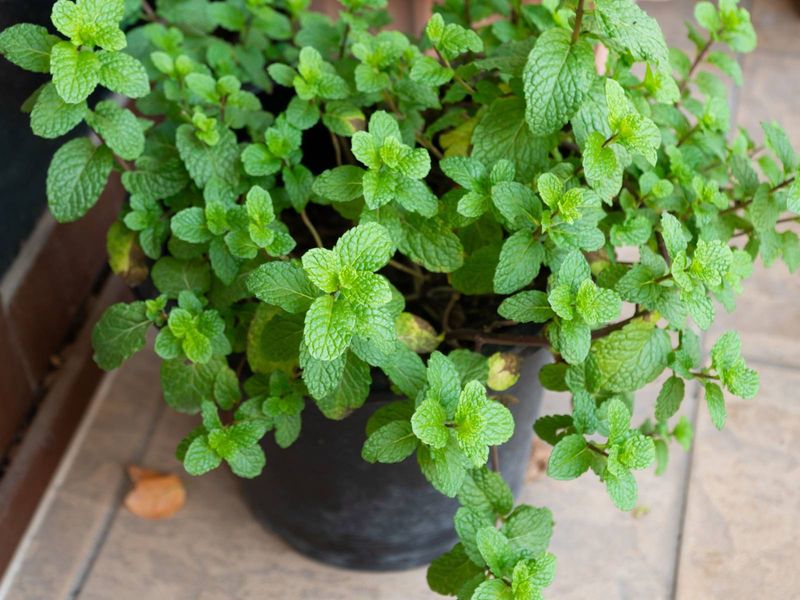
Mint smells wonderful to us, but its bold, cool aroma is a bit much for many garden pests. That is why gardeners often slip it into their planting plans when hoping to discourage unwanted visitors.
Planting mint along borders and edges can create a fragrant barrier of sorts. The strong oils in mint leaves release a scent that some animals prefer to avoid, so lining pathways and bed edges may help steer critters away from your prized plants.
There is a catch worth knowing. Mint spreads fast and can take over a garden if you let it roam free. Many Michigan gardeners keep it in pots or buried containers to enjoy the aroma without the invasion.
You can also crush fresh mint leaves and scatter them near ridges or tunnel entrances for an extra burst of scent. Peppermint oil, diluted and sprayed around problem areas, offers another way to spread that sharp fragrance.
Be honest with yourself about what mint can do, though. On its own, mint will not clear moles from your yard, since these diggers are chasing food underground rather than lingering near surface smells.
Still, the plant earns its spot for other reasons too. Mint attracts helpful pollinators, adds greenery, and gives you fresh leaves for tea and cooking.
Think of mint as a pleasant, multitasking edge plant that supports your bigger mole-discouraging plan. Combined with other tips, its scent adds one more layer of protection around the areas you care about most.
4. Marigolds Near Vulnerable Plantings
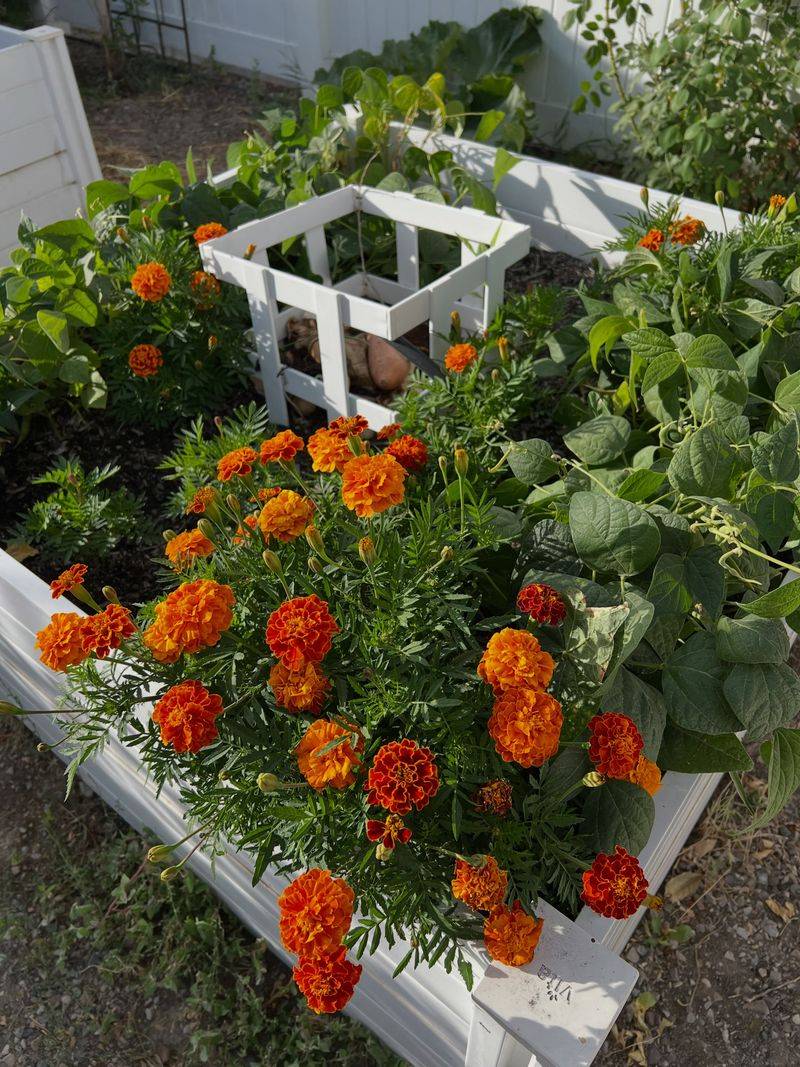
Few flowers brighten a garden quite like marigolds, with their cheerful orange and gold blooms. Beyond good looks, they carry a scent that gardeners have leaned on for generations to guard tender plants.
Their spicy, earthy aroma is often planted near vegetable rows and flower beds in hopes of discouraging pests. Placed around lettuce, tomatoes, and other favorites, marigolds add color while filling the air with a fragrance some critters find off-putting.
Gardeners love how easy these flowers are to grow. They thrive in Michigan summers, handle heat well, and bloom for months with very little fuss, making them a rewarding choice for beds of all sizes.
A word of honesty helps here. Marigolds are not a proven way to clear moles from a yard, since moles tunnel underground seeking grubs and worms rather than nibbling on flowers above.
What marigolds can do is support a healthier garden overall. They draw in pollinators and certain beneficial insects, and some gardeners believe their roots may bother tiny soil pests that moles feed on.
For the best effect, tuck marigolds along the edges of beds and near plants you most want to protect. Grouping them creates a stronger scent presence and a lovely splash of color at the same time.
Rather than relying on marigolds alone, treat them as a friendly companion in your garden strategy. Their beauty, low upkeep, and pest-confusing scent make them a delightful addition while you tackle mole problems with other methods too.
5. Apply Repellents Near Active Tunnels
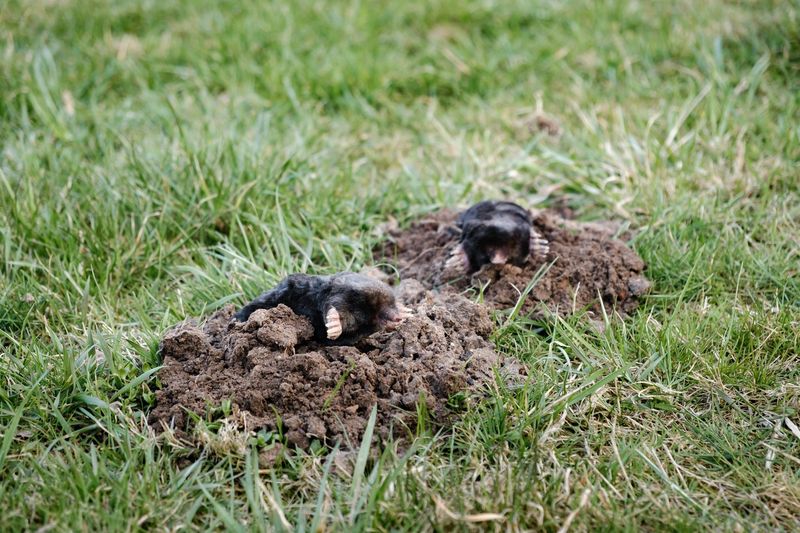
Placement is everything when it comes to scent repellents, and this is where many gardeners go wrong. Spreading products randomly across the whole yard wastes time, money, and effort.
Moles live in a network of tunnels, so the smart move is treating the spots they actually use. Fresh ridges, new mounds, and open tunnel entrances mark the highways where moles travel underground.
Before applying anything, take a walk around your yard and look for signs of recent activity. Raised ridges that feel soft and springy under your foot usually mean a mole passed through lately.
Once you spot these active areas, focus your repellent right there. Applying castor oil, garlic, or store-bought products near working tunnels gives the scent a real chance to reach the mole and change its path.
You can also press down a few ridges and check the next day to see which ones pop back up. The ones that reappear are active tunnels worth targeting, while flat ones may be abandoned.
This targeted approach saves your supplies and boosts your odds of success. Instead of guessing, you are placing scents exactly where they matter most.
Keep in mind that mole tunnels can stretch surprisingly far, so you may find several active zones across your property. Treating each one gives you broader coverage.
By watching for fresh activity and aiming your efforts carefully, you turn a hit-or-miss method into a focused plan. Precision, not volume, is the secret to discouraging moles with scents.
6. Reapply After Rain

Michigan weather loves to keep gardeners on their toes, and rain shows up often throughout the growing season. Every shower that rolls through can wash away the scents you worked hard to apply.
Outdoor odors simply do not last forever. Sun, wind, and especially rainfall break down repellents and rinse them deeper into the soil or away from the spots you targeted.
This means a single application rarely holds up for long. After a good rain, the garlic, castor oil, or store-bought product you spread may lose much of its punch, leaving your yard open to moles again.
The fix is simple but takes commitment. Plan to reapply your chosen repellent after heavy rain, following the directions printed on any labeled product you buy.
Those labels exist for good reason. They tell you how often to reapply, how much to use, and how to stay safe, so reading them carefully pays off every time.
Keeping a small notebook or phone reminder can help you track when you last applied something. That way, you are not left guessing whether your yard still has protection.
During rainy stretches, you might need to refresh scents more often than during dry weeks. Staying consistent keeps the odor strong enough to actually bother moles.
Think of repellent application like watering plants. It is an ongoing task, not a one-time job.
By staying on top of reapplication, especially after Michigan’s frequent showers, you give your scent strategy the steady presence it needs to keep discouraging moles all season long.
7. Avoid Creating Better Mole Habitat
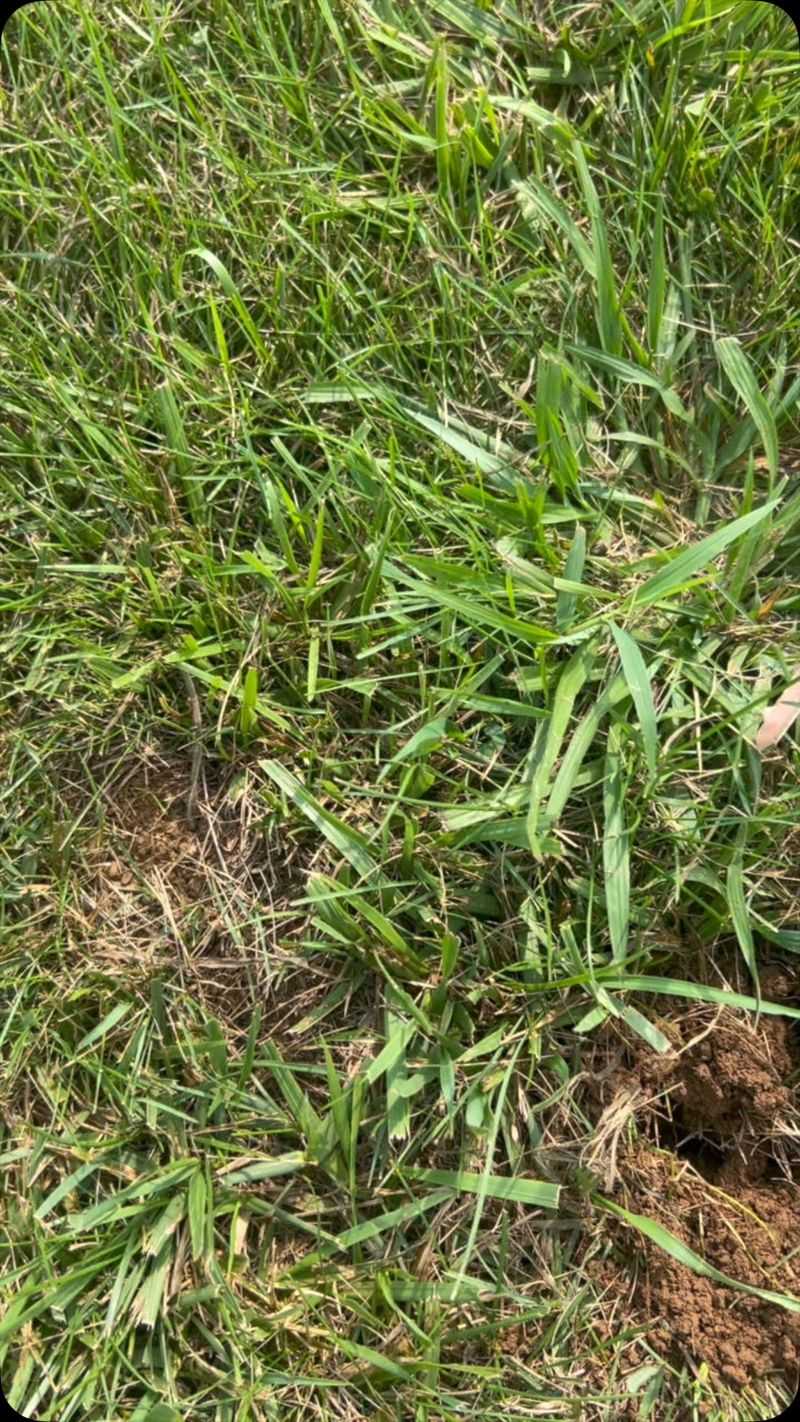
Sometimes the very things we do to help our lawns end up rolling out a welcome mat for moles.
Moles are attracted to areas with abundant soil organisms and easy-to-dig soil. Maintaining healthy drainage and turf can help reduce conditions that make mole activity more noticeable.
Thick layers of thatch add to the problem. That spongy buildup of dry grass and roots holds moisture and gives soil pests a cozy hideout, which in turn feeds hungry moles.
Poorly cared-for lawns often struggle with these issues. Weak grass, compacted soil, and standing water all combine to make your yard more appealing to underground visitors.
The good news is that better lawn habits can flip the script. Water deeply but less often, letting the soil dry a bit between sessions so worms stay lower and moles lose easy meals.
Raking or dethatching your lawn each season keeps that spongy layer thin. Aerating compacted soil helps too, improving drainage and encouraging stronger roots.
Feeding your grass properly and mowing at the right height builds thick, healthy turf that resists pests naturally. A robust lawn simply offers moles less reason to move in.
By tackling the root conditions that attract them, you make your whole yard less inviting. This quiet, behind-the-scenes work often does more to discourage moles than any single scent ever could.
8. Combine Scents With Better Prevention
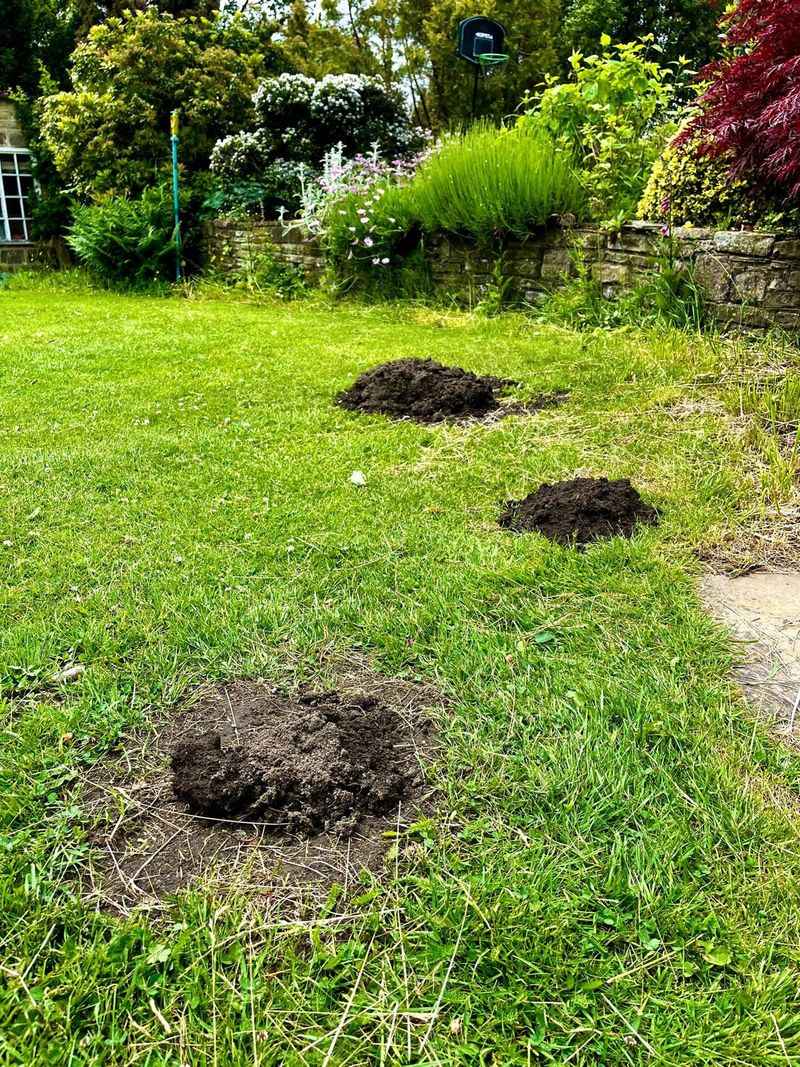
Relying on scents alone is a little like locking one door and leaving the rest wide open. The best results come when you weave several methods together into one steady plan.
Smart gardeners treat repellents as just one piece of a bigger puzzle. Castor oil, garlic, and mint can help, but they shine brightest when paired with good habits and regular attention.
Start by keeping an eye on tunnel activity. Walking your yard often and pressing down fresh ridges tells you where moles are working, so you know exactly where to focus your efforts.
Healthy turf plays a huge role too. Thick, well-fed grass with good drainage gives moles fewer reasons to settle in, quietly supporting everything else you do.
Managing your watering makes a real difference as well. Avoiding overwatering keeps worms and grubs from crowding near the surface, which trims the mole buffet down to size.
For the plants you treasure most, add extra layers of protection. Raised beds, buried barriers, and targeted repellents around high-value areas help guard your favorites when it matters most.
Combining these steps builds a defense that no single trick can match. Each method covers the weak spots of the others, giving you steady, reliable results over time.
Patience and consistency tie it all together. Moles rarely vanish overnight, but a well-rounded routine gradually makes your yard far less inviting.
By blending scents with smart prevention, you set yourself up for a healthier lawn and a garden you can truly enjoy season after season.