Is Your Snake Plant Taking a Winter Break in Michigan? Here’s Why That’s Perfectly Normal
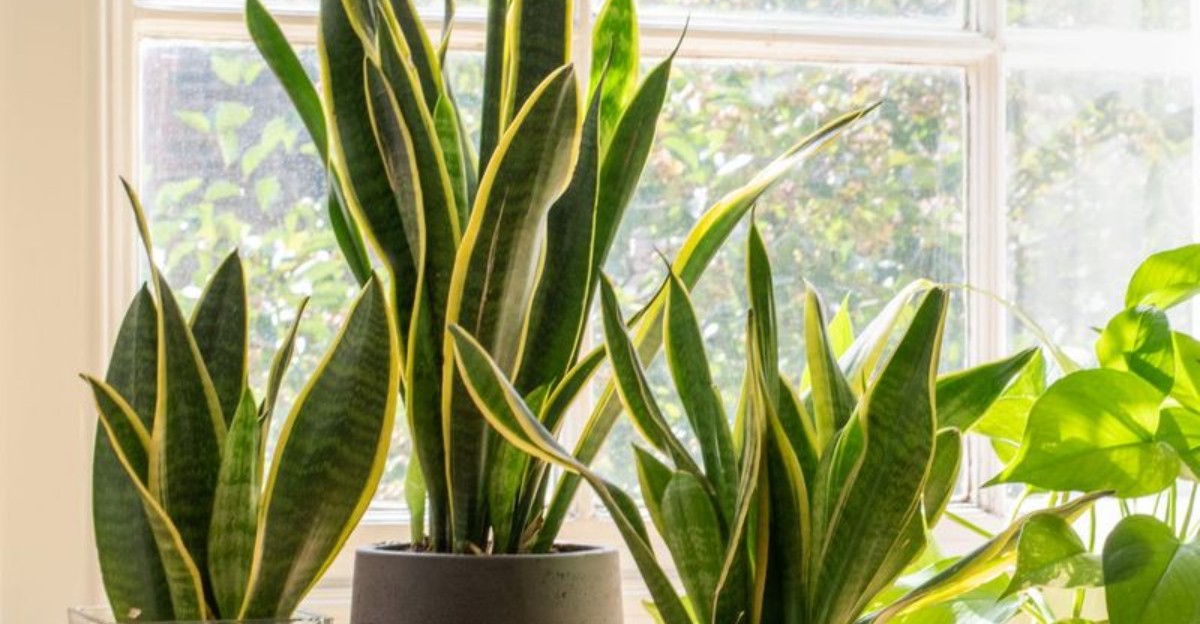
A certain spiky houseplant can go months without pushing out a single new leaf, and it is often healthier for it. That surprised me the first time I noticed it on my own windowsill.
The plant originally comes from dry parts of tropical Africa. It uses a special kind of photosynthesis that lets it keep its pores closed during the day, which saves water. In winter, that thrifty habit gets even more extreme.
I know how frustrating it can be when a favorite plant just sits there, looking frozen in time. Here in Michigan, our gray January skies can make anyone worry that something has gone wrong. You start poking the soil and wondering if you missed a sign.
What if the stillness is the plant doing exactly what it should? The real question is whether you can resist the urge to fuss over it.
1. Those Stiff Snake Plant Leaves Are Hiding a Clever Winter Strategy
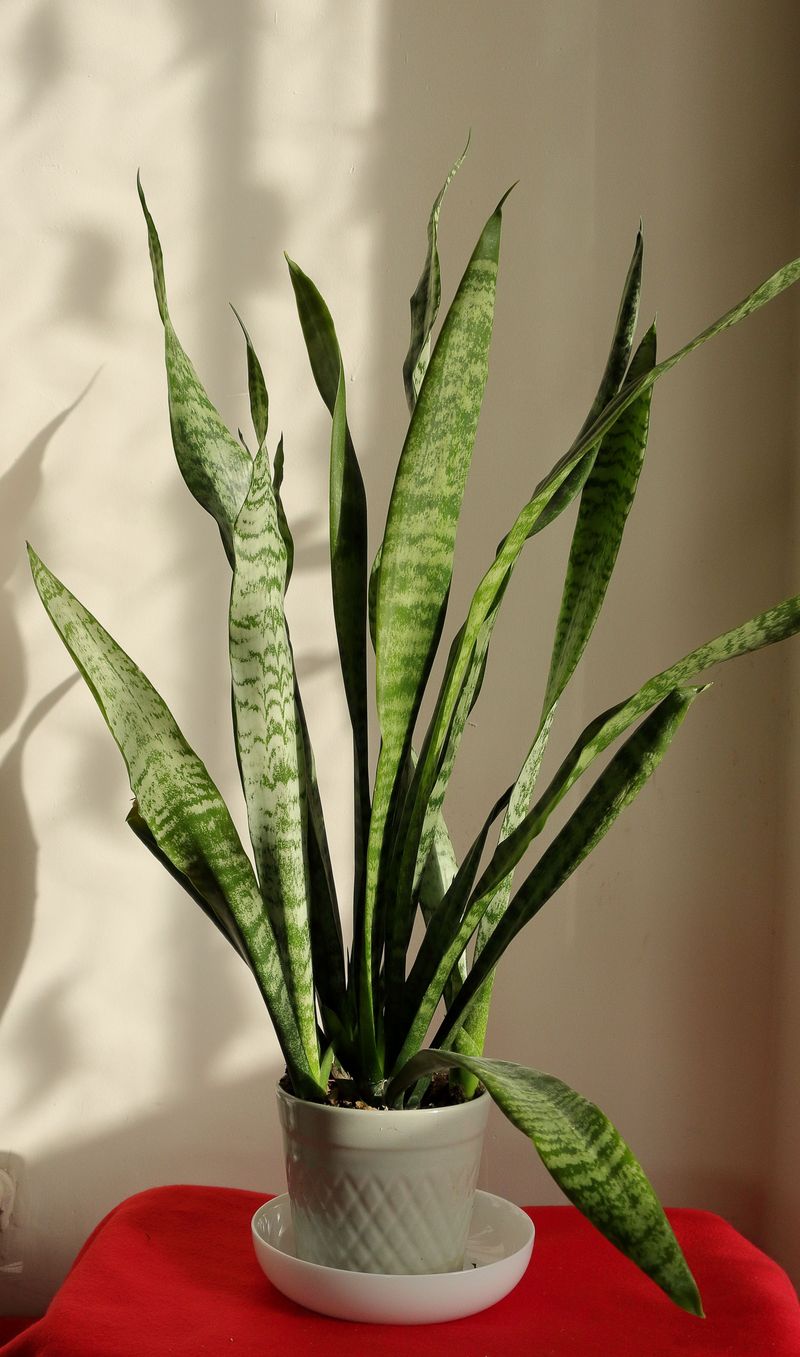
Short days are the real trigger here. Around the winter solstice in December, many parts of Michigan get only about nine hours of daylight, and much of it is cloudy and weak.
Your snake plant notices that drop in light more than anything else. With less energy coming in, it slows its growth way down and shifts into a resting state, often called semi-dormancy. No new leaves may appear for months, and that is fine.
Indoor temperatures play a part too. Homes near windows often run cooler in winter, and snake plants grow fastest in warm rooms between about 70 and 90 degrees. When things cool down, the plant takes it slow.
What makes this plant so special is how it handles water. Snake plants use a process called CAM photosynthesis, which lets them open their leaf pores at night and keep them shut during the day. That habit helps them hold onto moisture in tough conditions.
In winter, this thrifty system lets the plant sit quietly and live off what it has stored in its thick leaves and roots. A pause in growth is a sign of a plant pacing itself, not a plant in trouble.
2. Your Watering Can Deserves a Long Winter Vacation
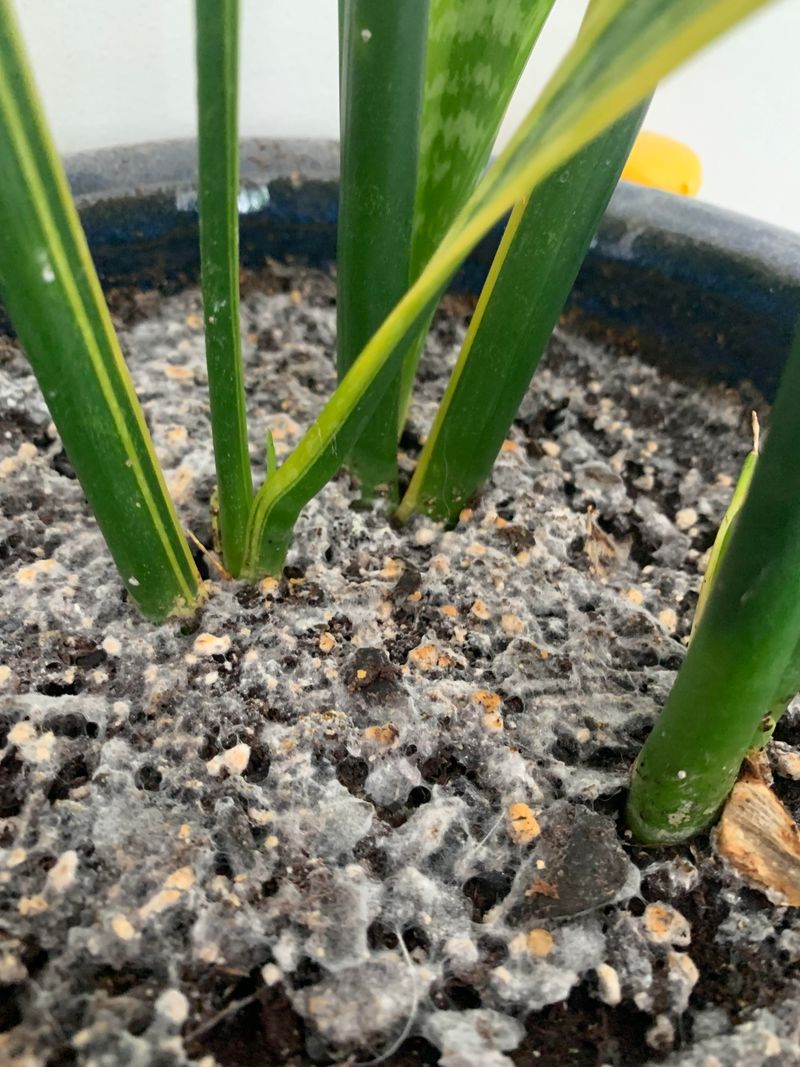
Overwatering is the top reason snake plants struggle indoors, and winter makes the risk much higher. A resting plant drinks very little, so soil stays wet for a long time.
Soggy soil invites root rot. Once rot starts, roots turn brown and mushy and can no longer move water to the leaves. University extension experts often point to too much water as the main problem for this plant.
Skip the calendar schedule. Instead, push a finger or a wooden chopstick a few inches into the soil. If you feel any moisture at all, wait.
Many growers find their snake plants need water only once every four to eight weeks in a Michigan winter. Large pots and cool rooms can stretch that even longer.
When you do water, soak the soil until it drains from the bottom hole. Then empty the saucer so the roots are not left sitting in a puddle. Room-temperature water is kinder than icy tap water.
I tend to think a slightly thirsty snake plant is a happy one. Its leaves store plenty of moisture, so a little dryness rarely causes harm.
3. Move That Sansevieria Closer to Your Brightest Window
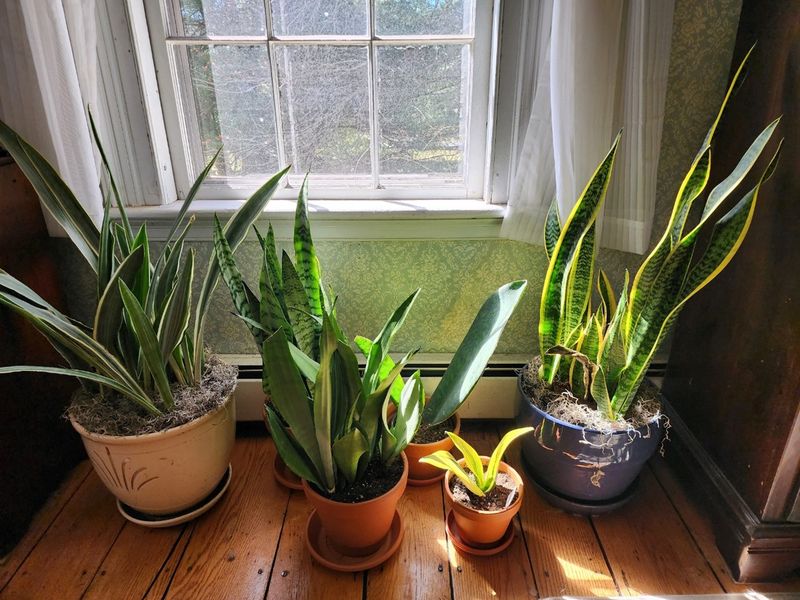
Snake plants earned their reputation as low-light champs, but they still grow better with more sun. Winter is the time to give them your best spot.
A south or west window usually gets the most light during Michigan winters. East windows work well too. Bright, indirect light keeps the leaves firm and helps hold their color and patterns.
Keep the plant a little back from the glass, though. Window panes can get very cold on January nights, and leaves pressed against them may get chilled.
Watch out for drafts as well. Doors that open to the outside, leaky windows, and cold air vents can drop the air around your plant fast. Snake plants prefer staying above about 50 degrees, and temperatures lower than that can damage leaves.
Heat sources need some space too. A spot right next to a radiator or forced-air register can dry the soil unevenly and stress the plant.
Here is a simple trick I like. Turn the pot a quarter turn every few weeks so every side gets its share of light. Your plant will stay straighter and more balanced through spring.
4. Save the Houseplant Fertilizer for Spring Snake Plant Growth
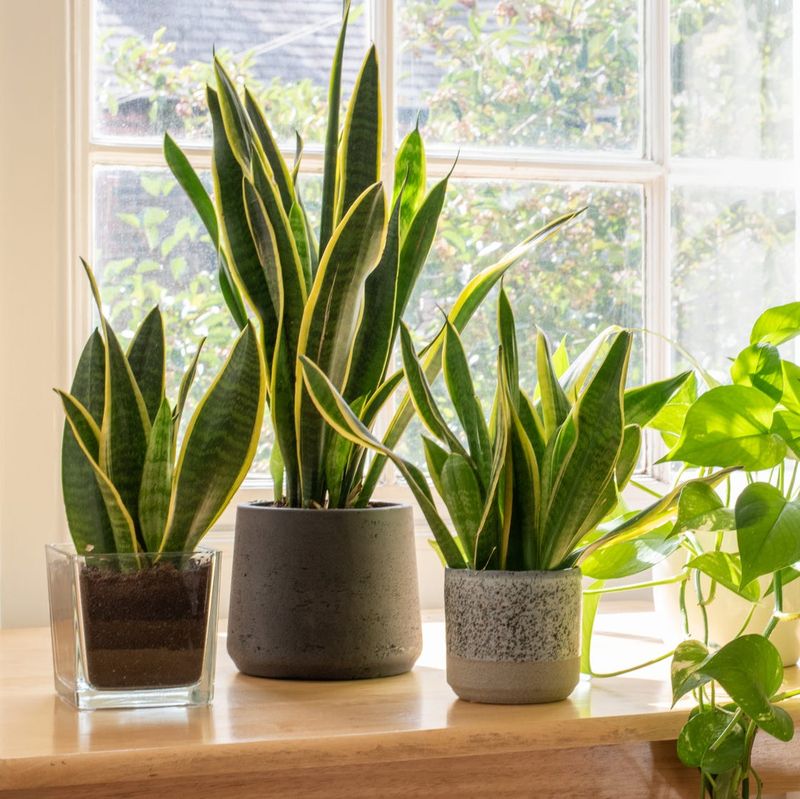
Feeding a sleeping plant is a bit like serving a big dinner to someone already in bed. The snake plant simply cannot use those nutrients right now.
When growth slows, the roots take up very little fertilizer. Extra salts from plant food can build up in the soil instead. Over time, that buildup may burn the roots and cause brown, crispy leaf tips.
Most houseplant experts suggest stopping fertilizer from late fall through winter. In Michigan, that usually means skipping it from about October until March or April.
Wait for clear signs of new life before you start again. A fresh, pointed leaf poking up from the soil is your green light. Longer days in spring will power that growth.
When you resume feeding, go light. A balanced houseplant fertilizer mixed at half strength once a month during spring and summer is plenty. Snake plants are light eaters even during their busy season.
If you notice a white crust on the soil surface, that is often leftover fertilizer salt. Flushing the pot with plain water in spring can help rinse it away.
5. Fast-Draining Cactus Mix Keeps Snake Plant Roots Happy
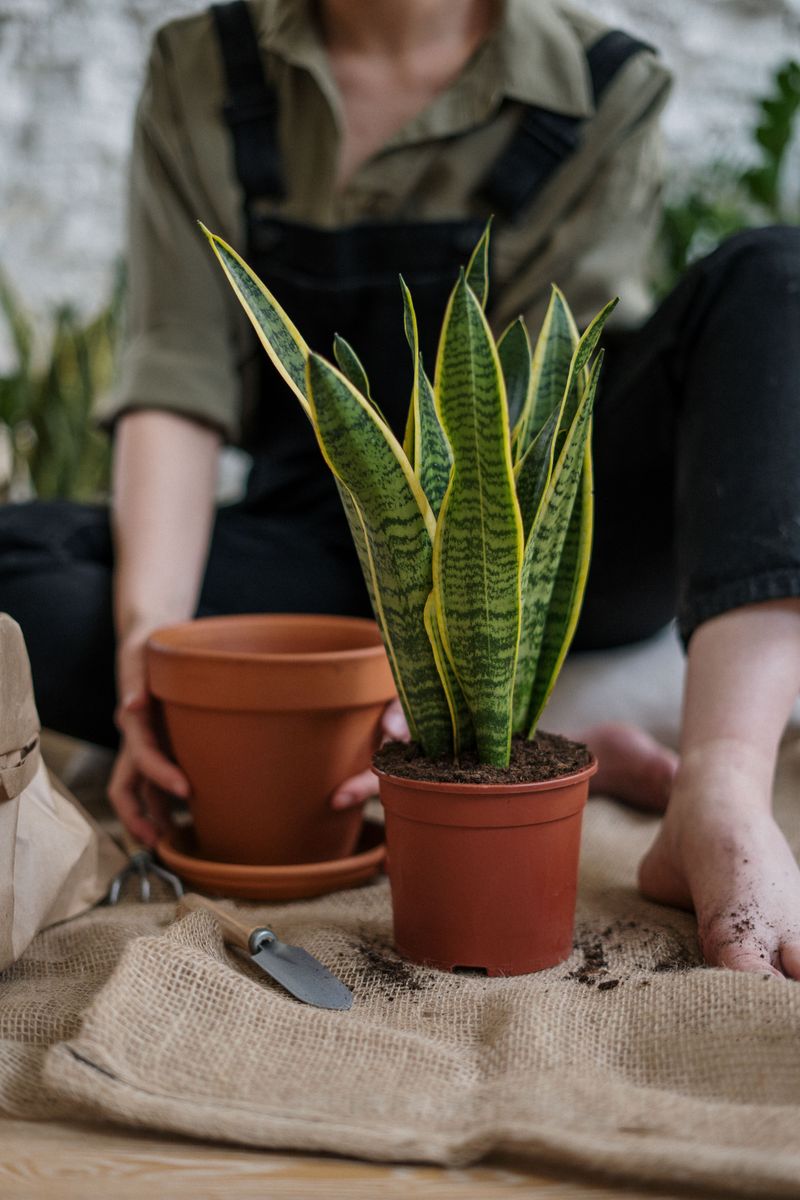
Soil might be the most overlooked part of winter snake plant care. Even careful watering goes wrong when the mix holds moisture like a sponge.
Snake plants do best in a gritty, fast-draining blend. Many growers use cactus and succulent mix, sometimes with extra perlite or coarse sand added. Water should run through quickly instead of pooling.
The pot matters too. A drainage hole is a must. Terracotta pots breathe and let soil dry faster, which is handy during long, cool months indoors.
So should you repot right now? Most experts say no. A resting plant has little energy to grow new roots, so winter repotting can set it back.
Spring is the better time. Snake plants actually like being a bit snug in their pots, so you may only need to repot every two to three years. Signs it is time include roots circling out the bottom or a pot that is cracking from pressure.
For now, just check that water drains well. If the soil seems to stay wet for weeks, make a note to switch to a grittier mix once the weather warms.
6. Mushy or Yellow Snake Plant Leaves Tell a Different Story
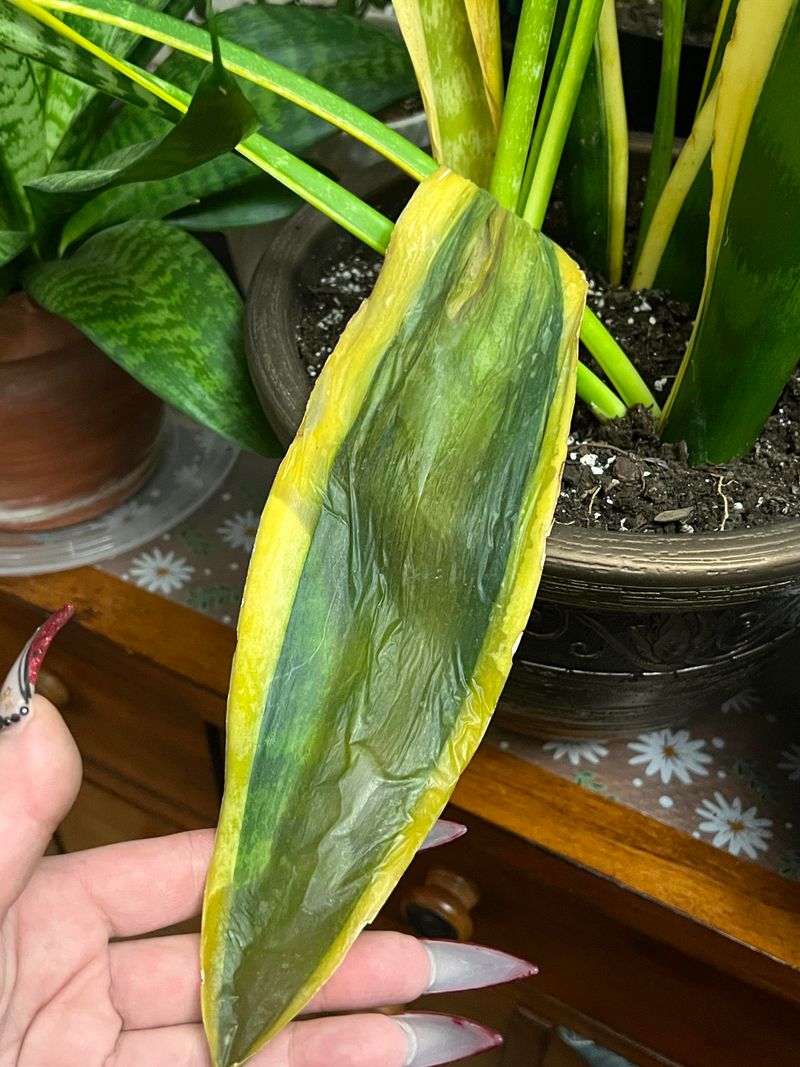
Resting and struggling can look alike at a glance, so it helps to know the difference. A healthy dormant snake plant mostly just looks the same, week after week.
Normal winter signs include no new leaves, soil that stays damp longer, and leaves that remain firm and upright. Colors may look a touch less vivid in dim light, but they should not fade badly.
Warning signs are different. Leaves that feel soft or mushy, turn yellow at the base, or start to lean and flop often point to root rot from too much water. A sour smell from the soil is another clue.
Cold damage can look like dark, water-soaked patches or scarring on leaves near a chilly window. Damaged spots will not heal, but the plant can push new leaves later.
If you suspect rot, slide the plant out and check the roots. Healthy ones are firm and pale, while rotten ones are brown and squishy.
Trim away the soft parts with clean shears and let the plant dry before replanting in fresh, gritty mix. Healthy leaf sections can even be rooted to start new plants.
7. Fresh Snake Plant Pups Are Your Reward Come Spring
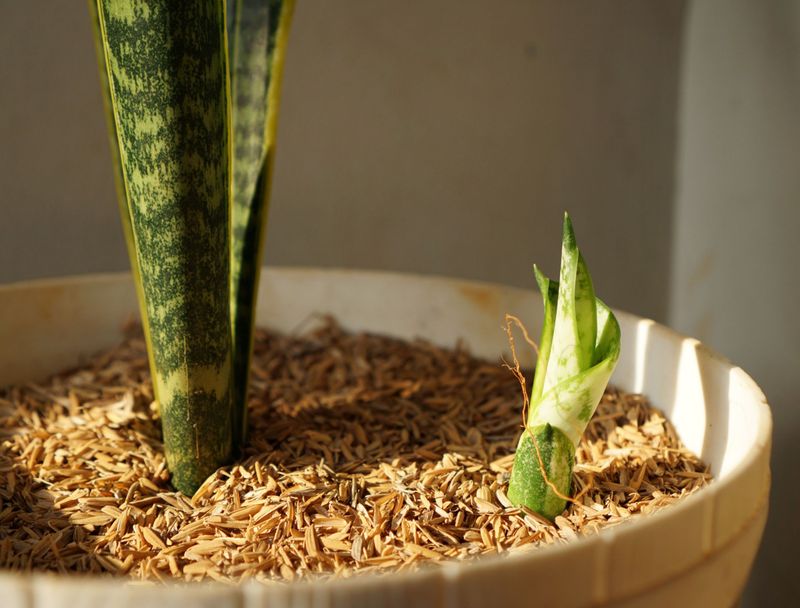
One thing I love about snake plants is how they reward patience. All that quiet winter rest sets them up for a strong comeback.
As Michigan days stretch longer in March and April, you may spot a pointed new leaf rising from the soil. Some plants also send out pups, which are small baby plants growing from underground stems called rhizomes.
That is your cue to shift back into growing season care. Water a bit more often, still letting the soil dry between drinks. Start that light, monthly feeding and consider repotting if roots are crowded.
Pups can be separated once they have a few leaves and roots of their own. Pot them up and share them with friends, or start a little snake plant family on another windowsill.
Some growers move their plants outside for summer once nights stay above about 55 degrees, usually late May or June in much of the state. Bring them back in well before fall chills.
The biggest takeaway is simple. A winter pause is normal, and less care is often better care. Give your plant light, dry soil, and time, and spring will handle the rest.