When To Prune North Carolina Fig Trees For Stronger Growth
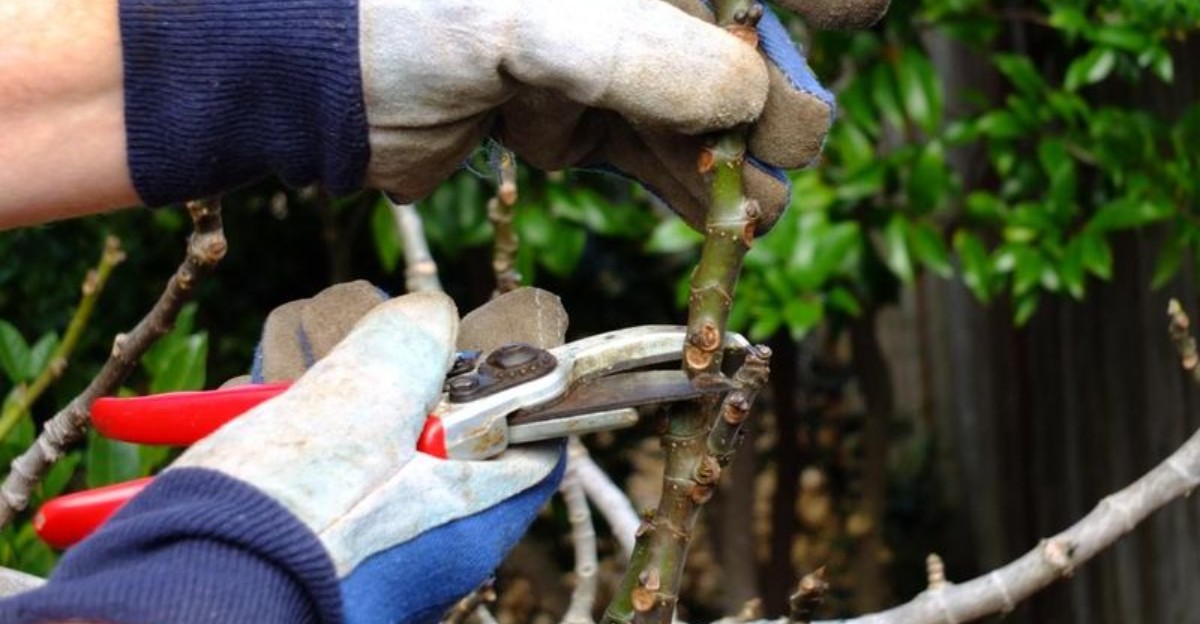
Pruning timing plays a bigger role in fig tree health than many North Carolina gardeners realize, and getting it wrong can mean sacrificing an entire season’s fruit production.
Fig trees generally respond best to pruning during their dormant period, when the tree isn’t actively channeling energy into new growth or fruit development.
Pruning at the wrong time can reduce fruit production if it removes branches that would have produced figs, especially in varieties that fruit on older wood.
Because fig varieties can differ slightly in their exact fruiting patterns, understanding a specific tree’s habits helps fine-tune the ideal pruning window even further.
Timing this task correctly sets up a fig tree for stronger, more productive growth in the season ahead.
1. Prune Heavily In Late Winter
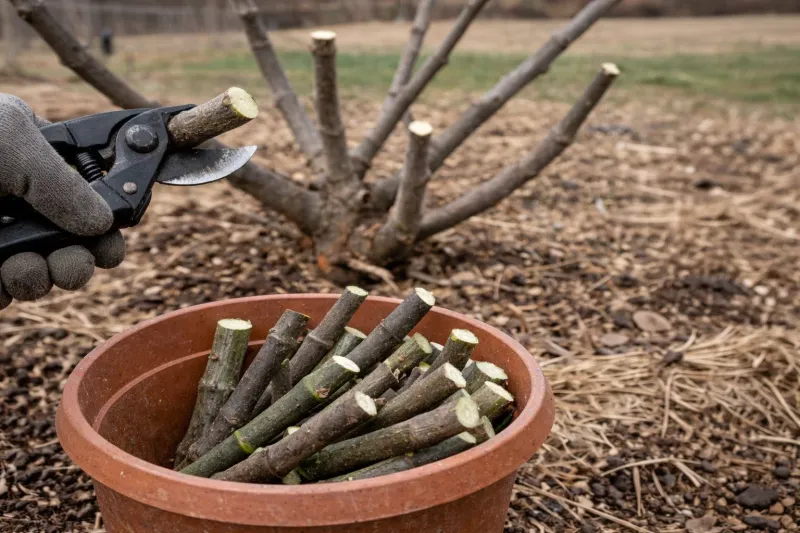
Late winter feels like the sweet spot for giving your fig tree a big trim. Around February in North Carolina, the tree is resting and not putting energy into leaves or fruit yet. That quiet season is your chance to shape it before spring wakes everything up.
When the branches are bare, you can see the whole structure clearly. There are no leaves in the way, so spotting crossing limbs or awkward growth becomes easy. Cutting during this dormant stretch means the tree heals quickly once warmer days arrive.
Big cuts made now push strong new shoots in spring. The stored energy in the roots and trunk flows into the branches you keep, helping them thicken and grow. That is why heavy shaping works best before the growing season starts rather than during it.
Grab a clean, sharp pair of pruners or loppers for the job. Remove tall, leggy limbs and lower the height if the tree feels too big to manage. Aim to keep an open shape that lets light reach the center.
Timing matters because pruning too early might expose fresh cuts to a hard cold snap. Waiting until the worst chill has passed protects the tree while still catching it asleep. Late February into early March usually lands in that safe window for most of the state.
Give your fig this yearly winter haircut, and you will notice healthier branches, better fruit, and a tree that stays the perfect size for picking.
2. Avoid Major Fall Pruning
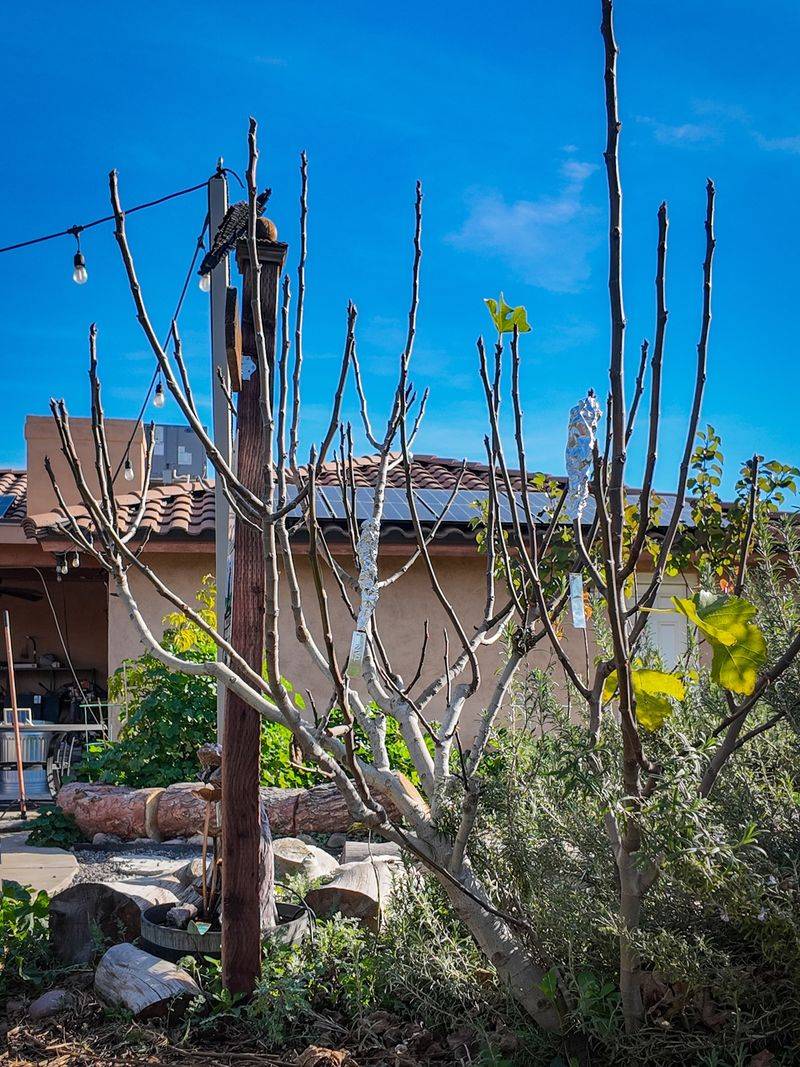
Fall might seem like a tidy time to trim, but heavy cutting then can cause trouble. As the weather cools, your fig tree is busy pulling energy down into its roots to rest. Big cuts interrupt that natural storing process.
When you remove lots of branches in autumn, you take away the energy the tree saved up for winter. That leaves it weaker heading into the cold months. A weaker tree has a harder time surviving frosty nights.
There is another problem too. Pruning tells the tree to grow, so a big fall trim can trick it into pushing out tender new shoots. Those fresh sprouts are soft and easily harmed when temperatures drop.
New growth in fall rarely has time to toughen up before the first freeze. Instead of helping, the trimming can leave your fig damaged in the very spots you cut. That sets it back for the next season.
Your North Carolina Garden Changes Every Week. Your Plan Should Too.
Gardening in North Carolina changes quickly throughout the season. Every Friday you’ll receive a simple weekly plan showing exactly what to plant, prune, fertilize, harvest, and protect so you never miss the right timing.
If you spot a broken or hanging branch, it is fine to snip that away for safety. Small, gentle cleanup will not hurt. The rule is simply to skip the big shaping projects until winter.
Think of fall as the time to let your tree wind down peacefully. Rake up fallen leaves, add a little mulch around the base, and let the fig prepare for its rest. Save your loppers for later.
By holding off on major fall pruning, you give your fig the strength it needs to face winter and burst back with energy come spring.
3. Remove Dry Or Damaged Branches First
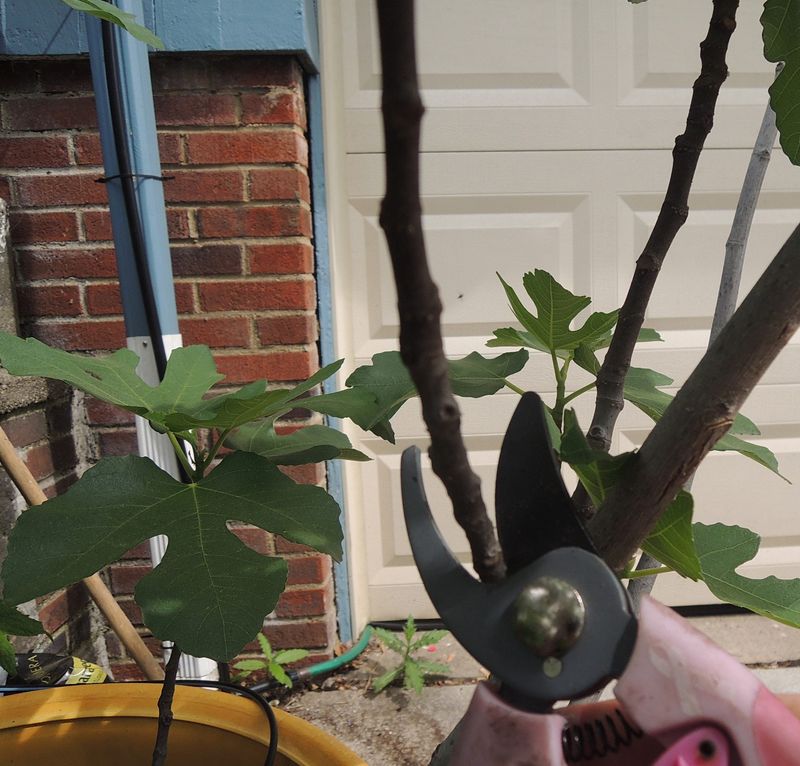
Before you make any fancy cuts, start with the branches that are no longer healthy. Broken, cracked, or diseased wood does nothing good for your tree. Clearing it out is always a safe first step.
Damaged limbs act like open doors for pests and disease. A cracked branch can let rot creep in, and a sickly limb can spread problems to healthy parts. Taking those away protects everything that is still growing well.
You can spot trouble by looking for wood that is brittle, discolored, or bare when it should have buds. Gently scratch the bark with your fingernail. If there is no green underneath, that branch is finished and ready to go.
Make your cut just above a healthy point, close to the trunk or a strong side branch. Use clean tools so you do not pass germs from one spot to another. Wiping your blades with rubbing alcohol between cuts helps a lot.
Clearing this wood also makes the rest of your pruning easier. Once the messy branches are gone, you can see the true shape of the tree. That clear view helps you decide what else needs trimming.
This kind of cleanup can happen almost any time of year without harm. There is no wrong season to remove a broken or unhealthy limb. Still, doing it during your winter trim keeps things simple.
Give your fig this quick health check first, and you will build a stronger, cleaner tree that stands up better to the seasons ahead.
4. Thin Crowded Branches For Better Airflow
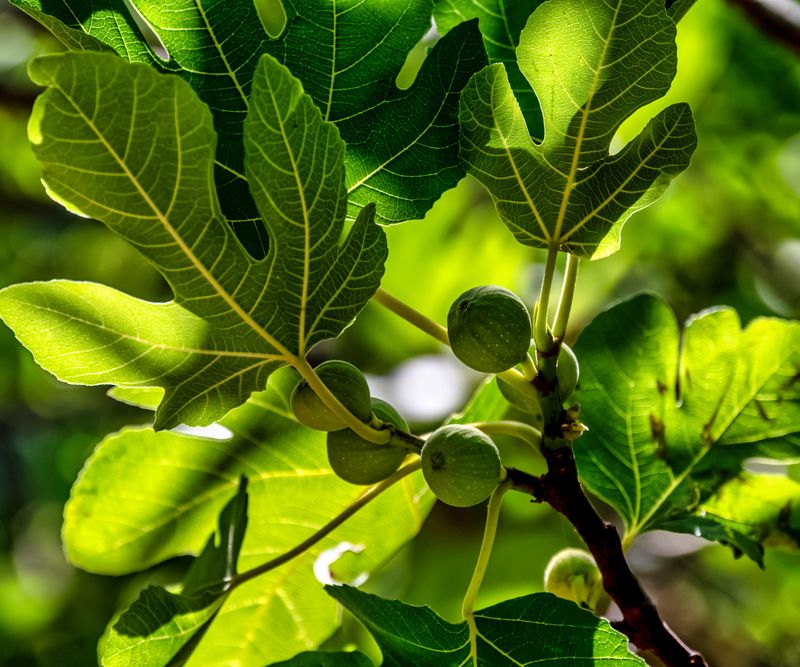
Sometimes a fig tree grows so many branches that they bump and crowd each other. When limbs pile up, the inside of the tree gets dark and stuffy. Opening it up brings big rewards.
Thinning means picking out a few branches to remove so the rest have room to breathe. Look for limbs that cross, rub together, or grow toward the center instead of outward. Those are the ones to snip.
More space between branches lets sunlight reach deep into the canopy. Sunlight helps figs ripen sweeter and encourages steady growth. A shady, tangled center rarely produces good fruit.
Airflow is another huge benefit. When breezes move freely through the branches, leaves dry faster after rain. Damp, still air invites mold and disease, so a breezy canopy keeps sickness away.
Try to keep your cuts spread out rather than clustered in one spot. Step back every few snips and study the shape. You want an open, vase-like form where light can touch every branch.
Do not worry about removing a bit of growth. Thinning does not weaken the tree if you avoid overdoing it. Focus on the busiest, most tangled areas first.
This job pairs perfectly with your late winter pruning, when bare branches make crowding easy to see. You will notice right away how much more open the tree looks.
With a few thoughtful cuts, your fig gains sunshine, fresh air, and healthier fruit. A tree that breathes well grows strong and gives you a better harvest each summer.
5. Shape Young Fig Trees Early
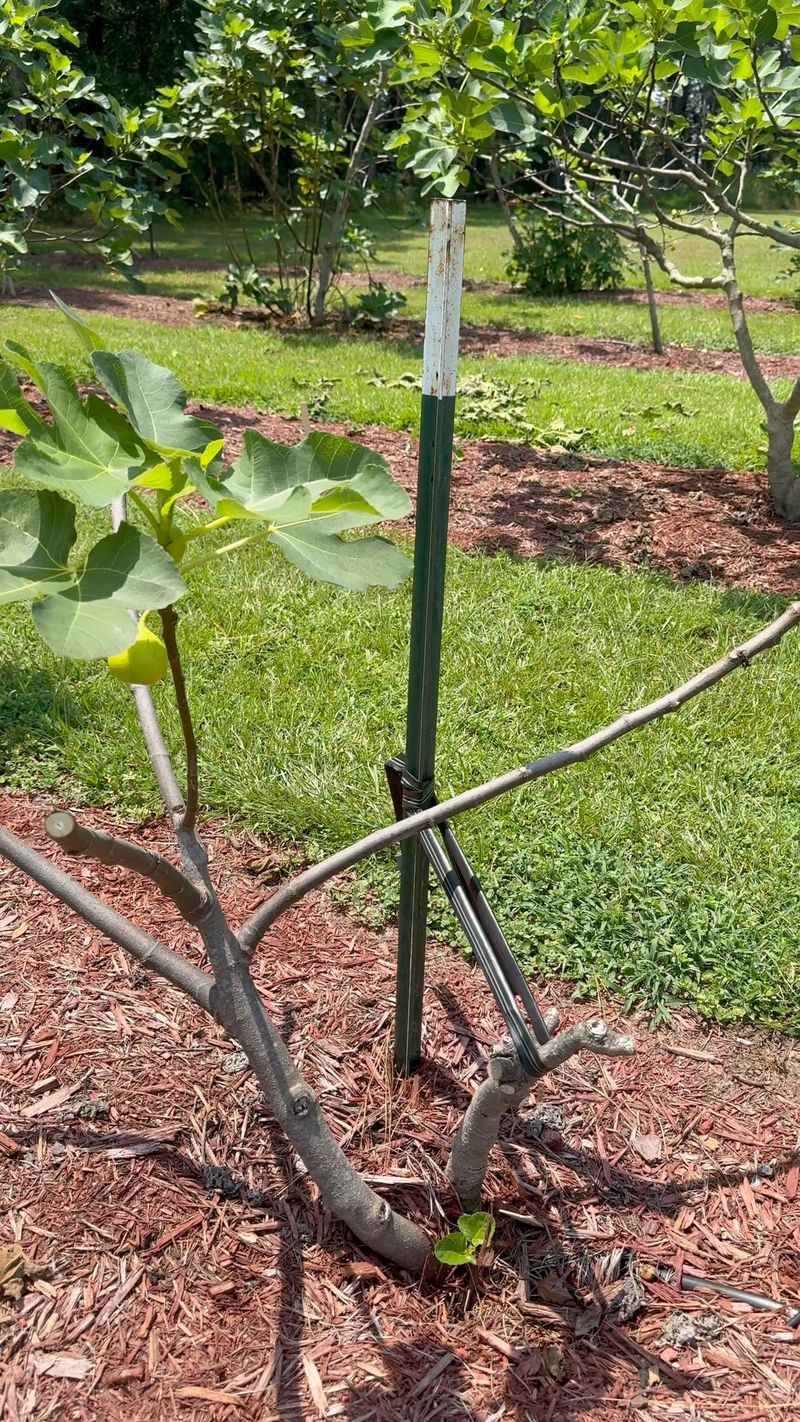
The best time to build a great fig tree is when it is still young. A small tree is like a fresh start, ready to be guided into whatever shape you choose. Early training pays off for years.
When your fig is only a couple of years old, its branches are thin and easy to trim. You can pick which limbs to keep and which to remove without much effort. Those early choices set the whole structure.
Aim to keep a handful of strong, well-spaced main branches. Spread them out so they point in different directions like spokes on a wheel. That balance gives the tree a sturdy frame as it grows.
Good spacing now means less crowding later. Branches that start out with room rarely tangle as they thicken. You save yourself big, difficult cuts down the road.
Shaping young trees also helps keep them at a friendly height. If you want to reach the figs easily, encourage a low, spreading form instead of a tall one. A short cut to the main stem pushes side branches to grow out.
Do not be shy about making these early cuts. It might feel odd to trim such a small tree, but strong roots will push fresh growth right back. The tree recovers quickly at this stage.
Put in a little effort while your fig is young, and you will enjoy a well-built, easy-to-manage tree that rewards you with plenty of fruit for many seasons to come.
6. Avoid Over-Pruning Mature Figs
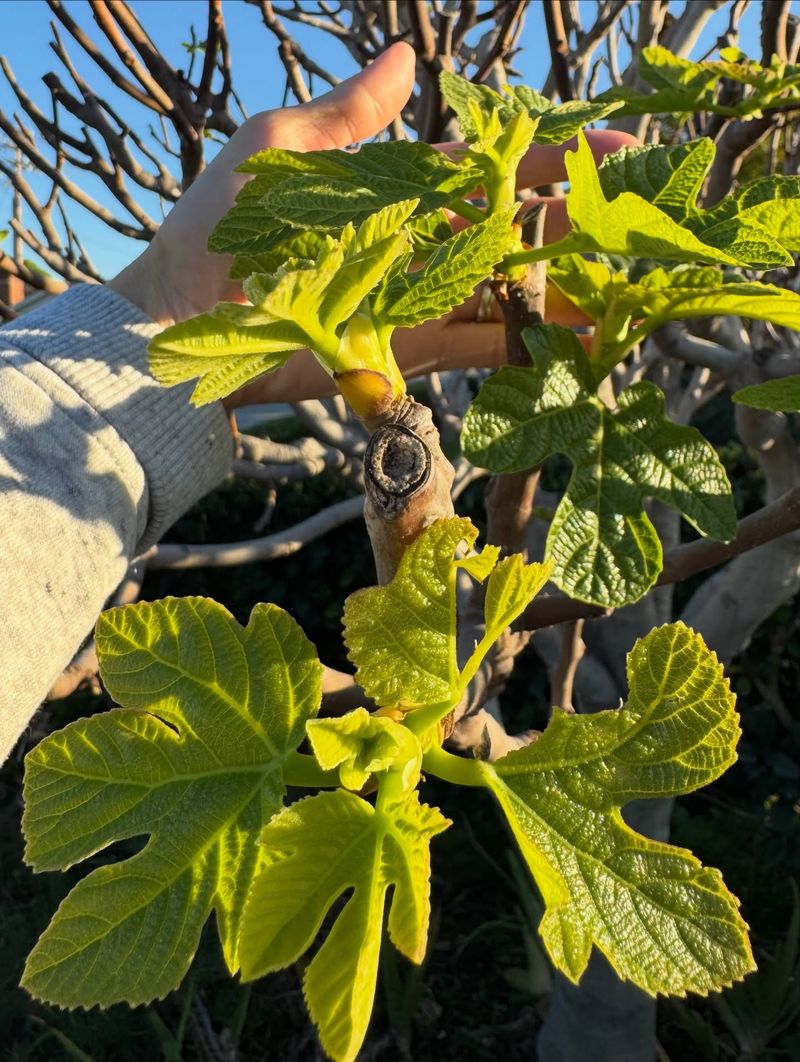
Once your fig tree is grown and established, less is often more. Big, established figs do not need heavy trimming every year. Cutting too much can leave you with fewer figs.
Figs store lots of energy in their branches, and much of that energy turns into fruit. When you remove too many limbs at once, you take away the wood that would have carried your harvest. The tree ends up growing leaves instead of figs.
Heavy pruning also shocks a mature tree. It scrambles to replace all that lost growth, pouring energy into new shoots rather than fruit. That trade-off is not worth it for most gardeners.
A gentle, gradual approach works far better. Trim a little each year to keep the size in check and remove any problem branches. Small yearly cuts keep the tree balanced without stressing it.
Think of it as light upkeep rather than a major overhaul. Snip the tallest limbs, clear a few crowded spots, and stop there. Your fig will thank you with steady fruit.
If a big tree has truly gotten out of hand, spread the heavy pruning across two or three years. Removing a bit at a time lets the tree adjust slowly and keep producing along the way.
Resisting the urge to cut everything back is one of the smartest moves you can make. A mature fig treated gently rewards you with bigger, sweeter harvests and a stronger frame that lasts for many warm North Carolina summers.
7. Remove Suckers And Unwanted Shoots
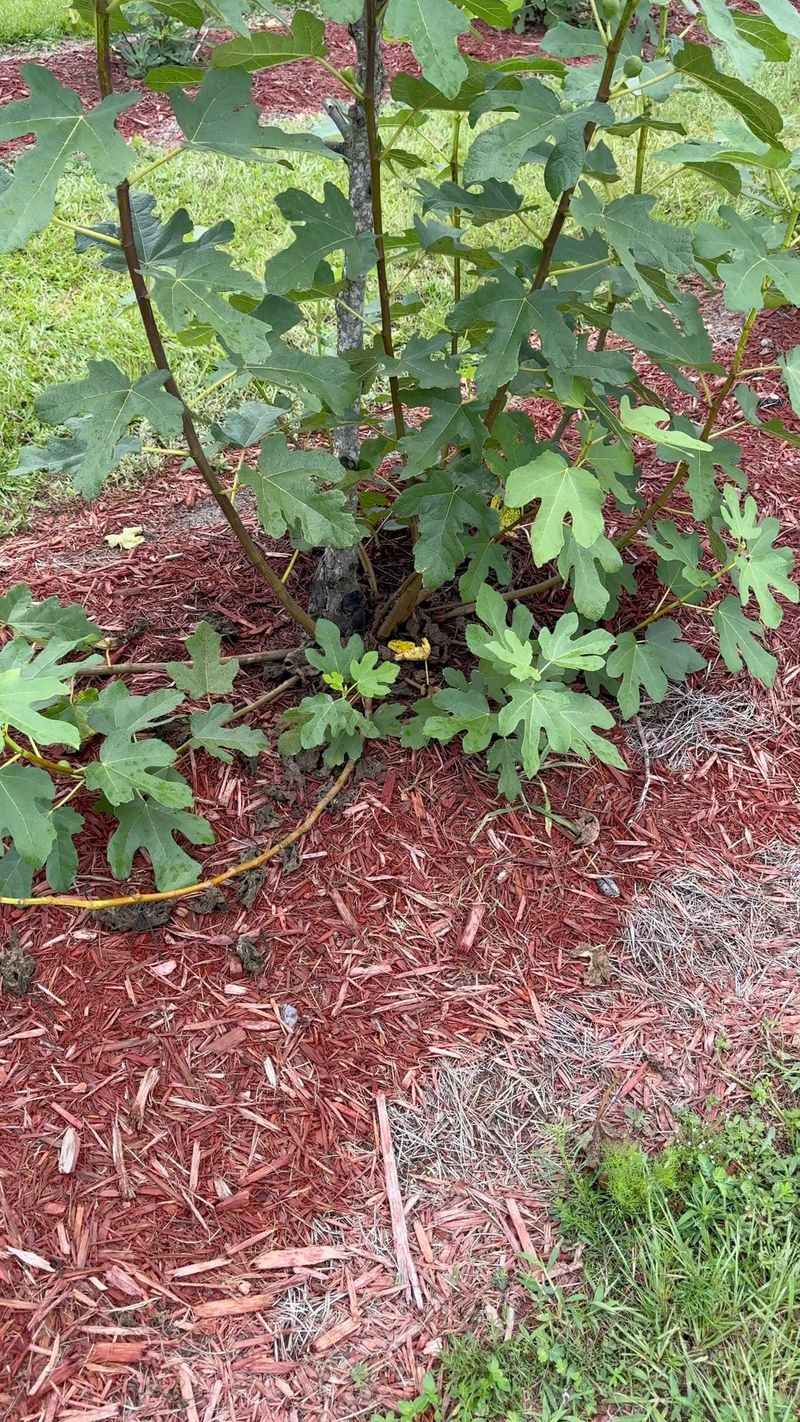
Fig trees love to send up little shoots from around their base. These sprouts, called suckers, pop up from the roots or low on the trunk. Left alone, they can steal energy from the main tree.
Suckers grow fast and greedy. Every bit of water and food they use is energy that could have gone into your figs. Pulling or cutting them keeps the tree focused where it matters.
You will usually spot suckers as thin, straight shoots shooting up from the soil near the trunk. Some gardeners see a whole ring of them in spring. They may look leafy and healthy, but they crowd the base and hide the main stem.
Remove them while they are young and soft. A quick snip at ground level, or a gentle pull for the smallest ones, does the trick. The earlier you catch them, the easier the job.
Some folks actually let suckers grow if they want a bushy, multi-stem fig. That works if you plan for it. Just decide on purpose rather than letting shoots take over by accident.
Check for suckers a few times each growing season, not only in winter. These shoots appear whenever the tree is active, so a regular walk around the base keeps them in check.
Clearing away unwanted shoots keeps your fig neat and directs its strength into the branches you care about. That focused energy means more fruit, tidier growth, and a tree that looks sharp all season long.
8. Match Pruning To Your Fig Variety
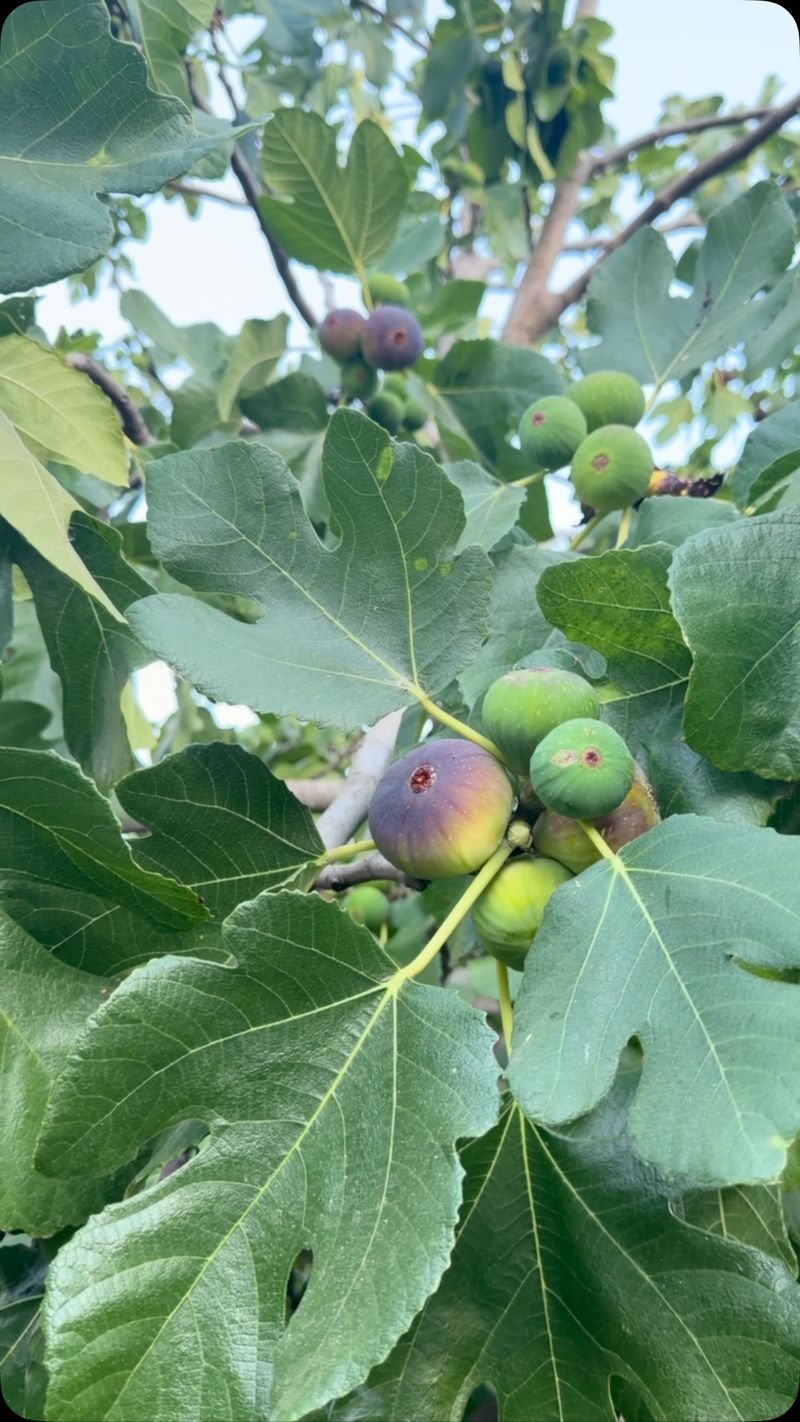
Not every fig tree behaves the same way, and that changes how you should prune. Some figs make fruit on old wood, some on new growth, and some on both. Knowing your type saves your harvest.
Trees that fruit on old wood carry their figs on branches from the year before. If you trim those branches too hard in winter, you cut off the very wood that would have given you figs. A light touch keeps the crop safe.
Figs that fruit on new growth are more forgiving. Since they make fruit on fresh shoots each spring, harder pruning can actually encourage more of those productive branches. You have more freedom with these.
Many common varieties in North Carolina, like Brown Turkey and Celeste, do well with steady but moderate trimming. Learning the name of your fig helps you look up its habits. A quick check tells you what to expect.
If you are not sure what type you have, watch where the figs form for a season. Notice whether fruit shows up on older branches or brand-new shoots. That clue guides your future cuts.
When in doubt, prune lightly and observe. You can always remove more next year, but you cannot put branches back once they are gone. Careful watching beats guessing.
Matching your pruning to your fig variety is the finishing touch that ties all these tips together. Understand your tree’s habits, and you will enjoy bigger, sweeter harvests year after year.