How Late Into The Season You Can Keep Harvesting Arugula In North Carolina
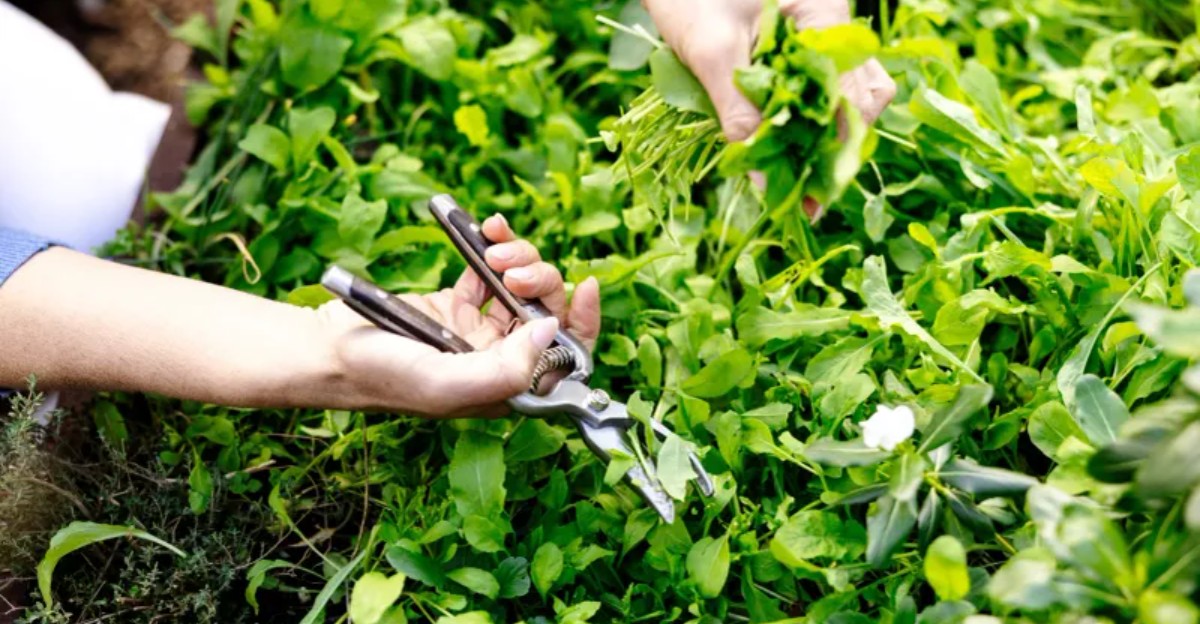
Arugula has a reputation as one of the toughest, most forgiving greens in a North Carolina fall garden, often outlasting other crops that call it quits at the first hint of real cold.
This peppery green actually improves in flavor once temperatures drop, developing a milder, sweeter bite than the sharper taste it carries during warmer weather.
Because arugula tolerates light frost without much trouble, harvesting can often continue weeks longer than gardeners expect, especially with a bit of row cover protection on the coldest nights.
The real limiting factor tends to be hard freezes rather than the calendar itself, meaning the exact cutoff shifts year to year depending on how mild or harsh a particular fall turns out to be.
Knowing how far this resilient green can actually be pushed lets North Carolina gardeners squeeze several extra weeks of fresh harvest out of a crop most people give up on too early.
1. Arugula Handles Frost Better Than Most Tender Greens
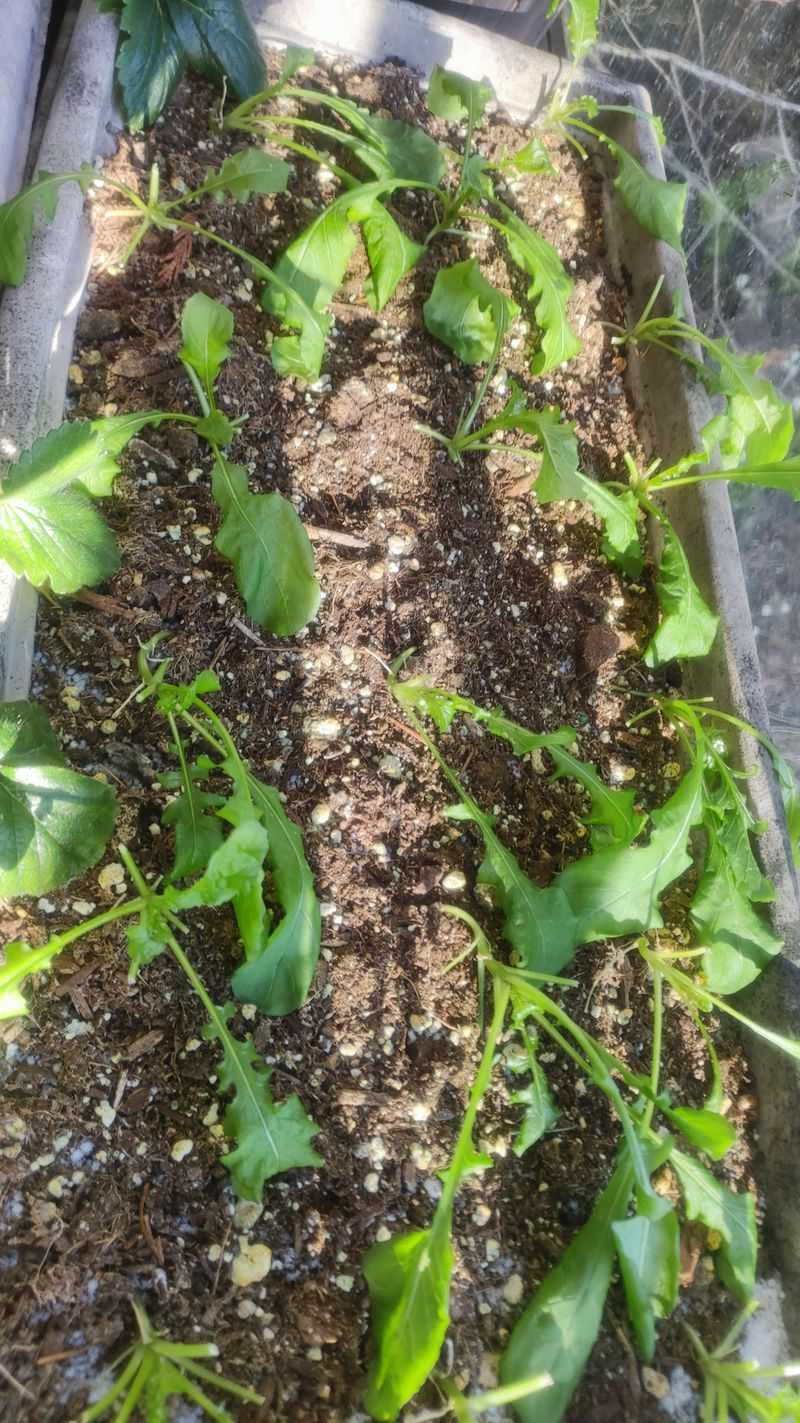
Walk out to the garden after the first chilly night of fall, and you might spot frost sparkling on your arugula. Don’t panic. That peppery little green is tougher than it looks, and it usually shrugs off a light frost with no trouble at all.
Arugula belongs to the mustard family, the same group as kale, collards, and turnips. Plants in this family are built for cool weather.
In fact, chilly temperatures make arugula taste better, since the leaves turn milder, sweeter, and more tender than the sharp, tough leaves you get in summer heat.
Of course, every plant has its limits. A light frost around 30 to 32 degrees causes little or no harm. Once temperatures drop into the mid 20s or lower, though, a hard freeze can damage exposed leaves, leaving them limp or spotted.
Young plants feel the cold the most. Their small leaves and shallow roots have less strength to bounce back, so seedlings need extra care if a hard freeze is coming. Older, well-rooted plants handle cold snaps much better.
North Carolina weather fits arugula almost perfectly. Fall and early winter often bring a cold night followed by a sunny, mild afternoon, and that pattern suits this green just fine. Leaves have time to warm up and recover before the next chilly evening arrives.
So keep an eye on the forecast. Relax when frost is light, and plan some protection when a hard freeze heads your way. With that simple habit, your arugula can keep producing long after tomatoes and peppers have called it quits.
2. How Long Harvest Lasts In Each Region
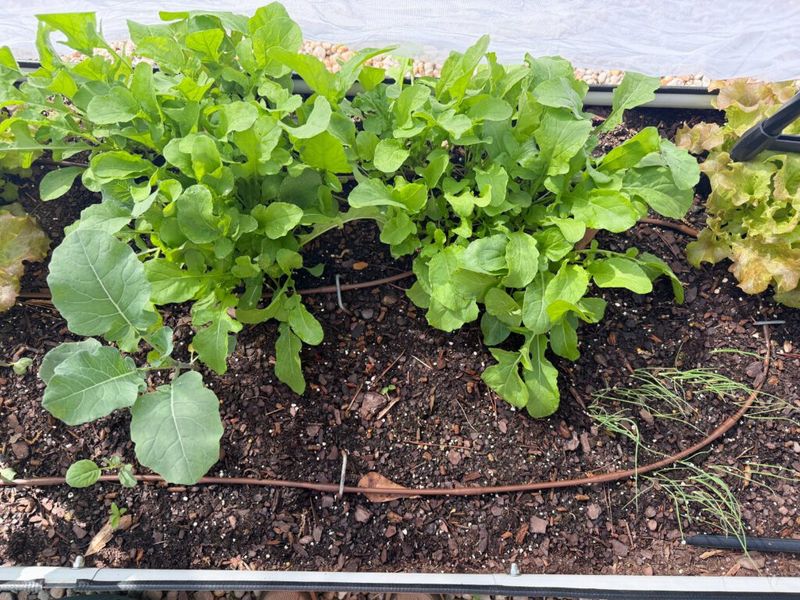
North Carolina stretches over 500 miles from the beaches to the Blue Ridge, and the weather changes a lot along the way.
A gardener in Wilmington and a gardener in Boone can plant arugula on the same day and see very different results. It all comes down to how long and how hard winter hits each area.
Out in the Coastal Plain, winters tend to stay mild. Arugula there often keeps producing through much of the winter, especially when tucked under a row cover. Many eastern gardeners pick fresh leaves in January and February without much fuss.
Your North Carolina Garden Changes Every Week. Your Plan Should Too.
Gardening in North Carolina changes quickly throughout the season. Every Friday you’ll receive a simple weekly plan showing exactly what to plant, prune, fertilize, harvest, and protect so you never miss the right timing.
Things get a bit chillier in the Piedmont, home to cities like Raleigh, Greensboro, and Charlotte. Here, arugula usually keeps going into December.
Add some protection, and you can often stretch your harvest much longer, sometimes right through the coldest weeks.
Mountain gardeners face the toughest conditions. Hard freezes arrive earlier and hit harder at higher elevations, so harvests typically end once those freezes settle in.
Low tunnels or cold frames change the story, though, and they can keep plants growing well past the usual cutoff.
Knowing your region helps you set realistic goals. A coastal grower can count on a long season, while a mountain grower should plan protection from the start.
Compared to colder states up north, North Carolina has a real advantage. Mild winters in the east and center of the state make winter salads possible, a treat that gardeners in Minnesota or Maine can only dream about without a greenhouse.
3. Harvest Leaves Instead Of Whole Plants
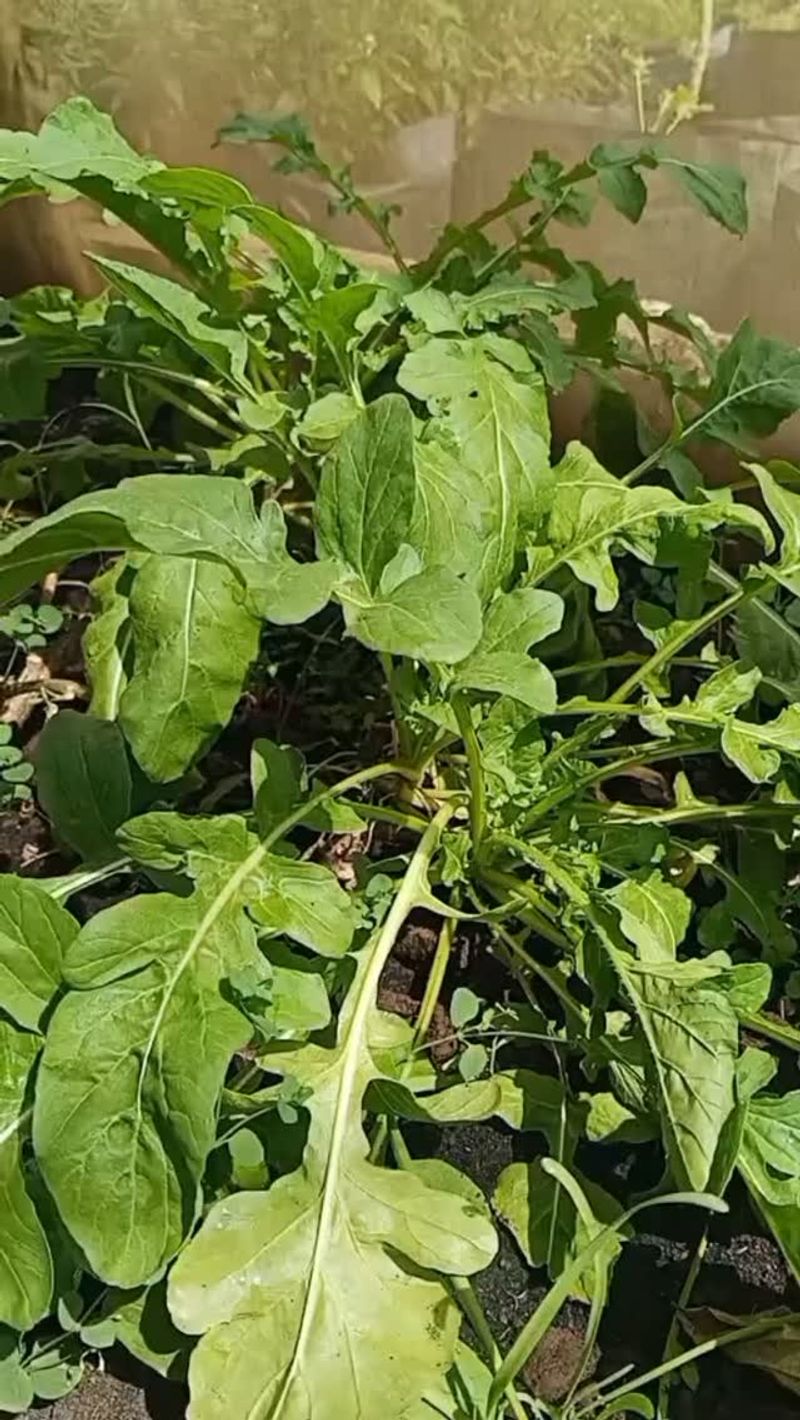
Pulling up a whole arugula plant for one salad is like eating the goose that lays golden eggs. A smarter move keeps the plant working for you week after week. Gardeners call it the cut-and-come-again method, and it’s wonderfully simple.
Every arugula plant grows from a small center called the crown. New leaves keep coming from that spot as long as it stays healthy. When you remove only the outer or bigger leaves, the crown stays safe and keeps pushing out fresh growth for the next picking.
You have two easy options. First, you can pick outer leaves once they reach about 3 to 4 inches long, working your way around the plant. Second, you can grab the whole bunch and cut it about an inch above the crown, then let it grow back.
Go easy late in the season. Cold weather and short days slow regrowth quite a bit, so avoid taking more than about a third of the plant at one time. Leaving plenty of leaves helps the plant gather energy and stay strong.
Sharp scissors make a clean cut and cause less stress than tearing leaves by hand. Rinse your harvest in cool water and store it in the fridge right away for the best crunch.
In North Carolina, this approach really pays off. One fall planting can give you many harvests spread over several months. That means more salads, more sandwiches, and more pesto from the same small patch of soil.
4. Succession Sowing Keeps The Harvest Going
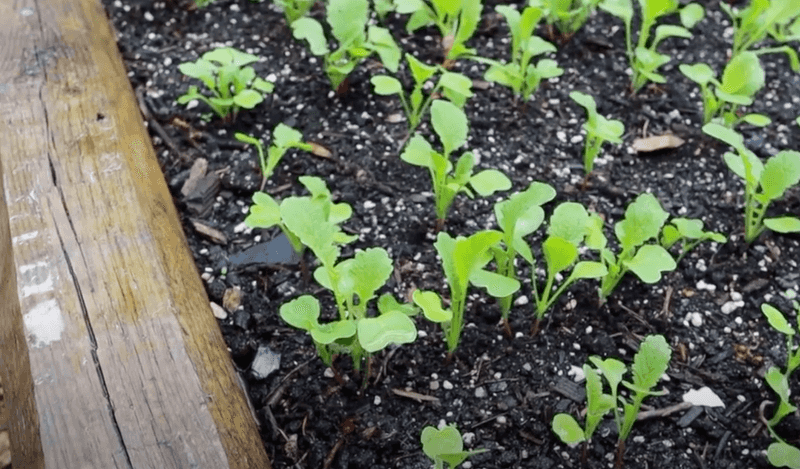
Smart gardeners never plant all their arugula seeds at once. Instead, they sow a little now, a little later, and a little more after that. This trick, called succession sowing, can keep fresh greens coming well into the cold months.
Here’s the reason it works so well. Each planting has a peak period when leaves are plentiful and tasty. After a while, older plants slow down, grow tough, or simply produce less, so a younger row ready to take over keeps your supply steady.
Timing is easy to remember. Sow small amounts every two to three weeks from late summer into fall. A short row or a single square foot at a time is often plenty for a family.
Where you live matters. Mountain gardeners should start earlier, often in late July or August, because cold arrives sooner up there.
Folks in the Piedmont and Coastal Plain can keep sowing later, sometimes into October, thanks to their gentler autumns.
Keep one thing in mind about late sowings. As days shorten and temperatures fall, seeds sprout and grow more slowly. A September planting might be ready in a month, while an October planting could take twice as long.
North Carolina’s long fall season is a gift for this method. Warm soil, cool nights, and weeks of pleasant weather give you room for several successful plantings.
With a simple calendar note to remind you, your garden can hand you arugula almost nonstop from fall into winter.
5. Row Covers And Low Tunnels Add Extra Weeks
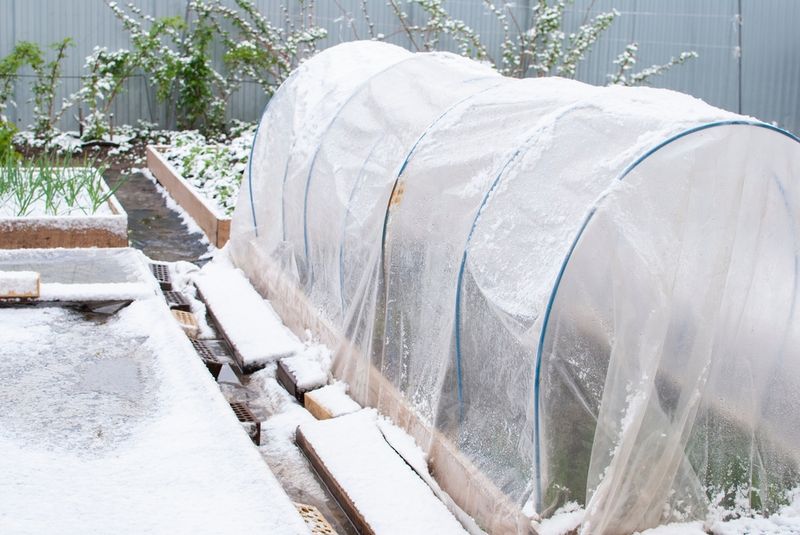
A few dollars worth of fabric and some wire hoops can turn a short arugula season into a long one. Frost protection doesn’t need to be fancy. Even the simplest setup makes a big difference on a freezing night.
So how does a thin sheet keep plants warm? During the day, soil soaks up heat from the sun.
At night, that warmth rises, and a cover traps it close to the leaves while also blocking wind, frost, and freezing rain. Get covers in place before a hard freeze arrives, not after.
Use hoops made from wire or bendable pipe to hold the fabric above the leaves, since fabric resting directly on plants can freeze to them. Secure the edges with rocks, bricks, or soil so wind can’t lift them.
During the coldest weeks, add a second layer of row cover or a sheet of clear plastic on top. Plastic holds heat better, but it has a catch. On sunny days, heat builds up fast underneath, so open the ends to let air flow and keep plants from cooking.
Check under the covers now and then. You’ll want to look for pests, water if the soil gets dry, and of course grab a handful of leaves for dinner.
Across the Piedmont and Coastal Plain, these covers can often carry arugula all the way through winter. Many North Carolina gardeners find that a low tunnel is the single best tool for fresh greens in January.
6. Growth Slows As Days Get Shorter
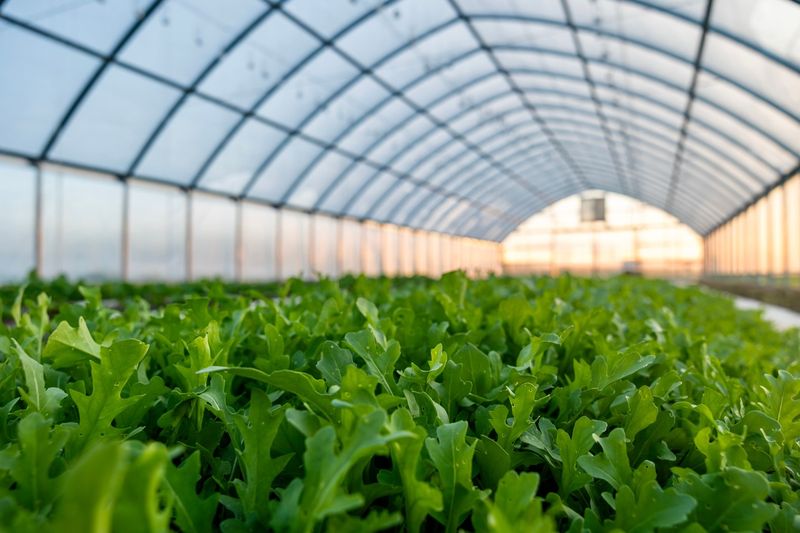
Sunlight is plant food, and in early winter the menu gets small. Even on a mild December afternoon, your arugula may barely seem to grow. The weather isn’t the main problem here, the calendar is.
When daylight drops to around 10 hours or less, plants slow way down. They simply don’t get enough light to fuel much new growth, even when temperatures feel pleasant.
Leaves you pick during this stretch won’t be replaced quickly, sometimes not for weeks. Planning ahead solves most of this.
Try to have fall plantings well grown and full of leaves before late November. Think of those big plants as a living refrigerator, holding greens ready for you to pick.
From roughly late November through mid-January, harvest more lightly. Take a few leaves from each plant rather than a big cutting from one. That way, every plant keeps enough leaves to stay healthy until brighter days return.
Good news comes after the winter solstice around December 21. Days start stretching a little longer each week. By late January and February, you’ll notice arugula waking up and pushing out fresh leaves again.
North Carolina gardeners feel this short-day period in early winter, and it affects every cool season green, from spinach to lettuce to kale.
Knowing about it keeps you from worrying that something is wrong with your plants. They’re just resting, waiting for the sun to linger a bit longer in the sky.
7. Avoid Harvesting Frozen Leaves
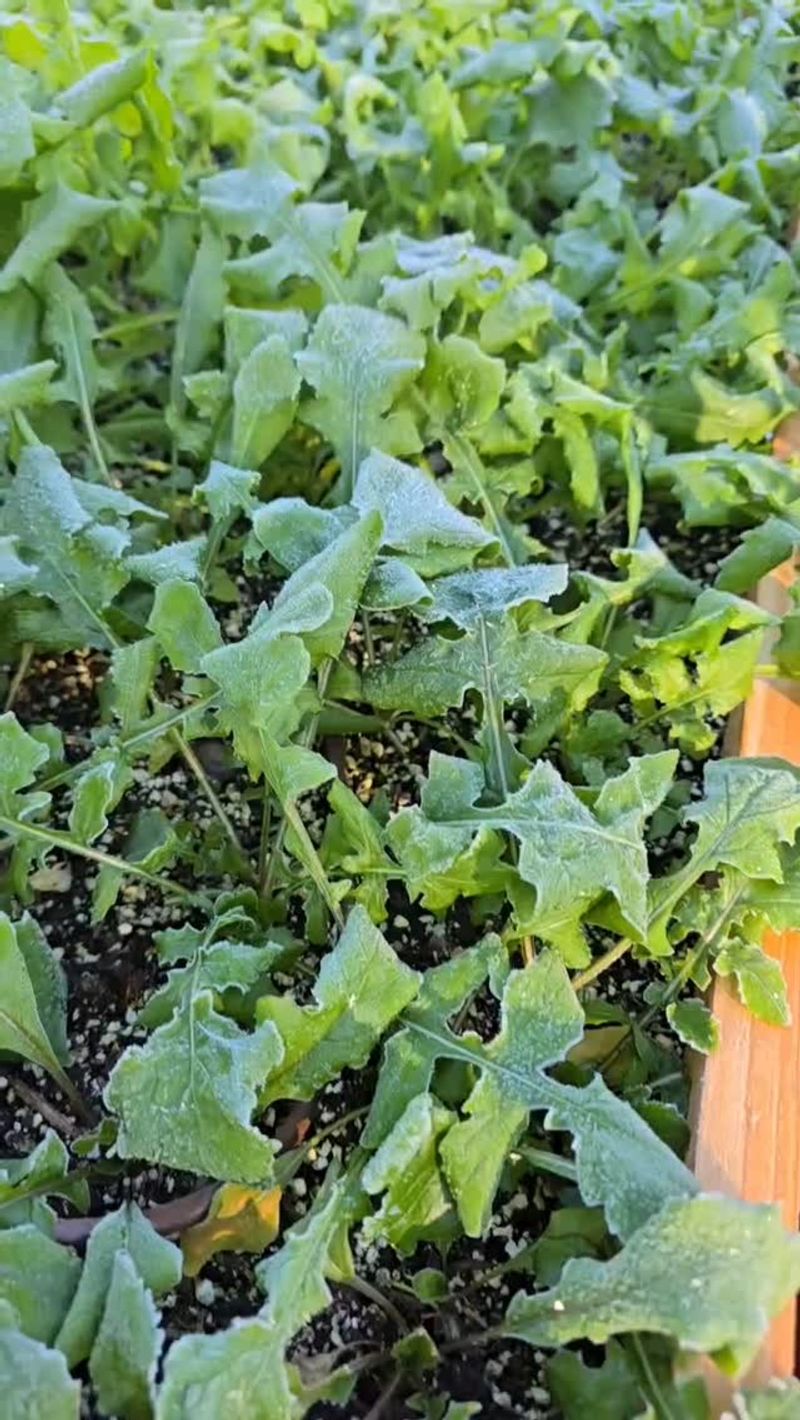
Patience at breakfast time saves your salad. On a frosty morning, stiff, icy arugula leaves may look ready to pick, but grabbing them then is a mistake many gardeners learn the hard way.
Frozen leaves are surprisingly fragile. Tiny ice crystals form inside them, and handling the leaves breaks their cell walls. Once they thaw, those leaves turn limp, dark, and mushy.
Leave them alone, though, and something amazing often happens. As the sun warms the garden, frozen arugula usually recovers fully and looks perfectly normal by lunchtime.
The plant has natural ways to handle the cold, as long as nobody squeezes or bends the leaves while they’re frozen.
The fix is easy. Wait until leaves have thawed in the late morning or afternoon before you harvest. If you use row covers, keep them in place until temperatures rise, since opening them too early lets cold air rush in.
Try making afternoon picking a winter habit. Leaves are soft, flexible, and at their best flavor in the warmer part of the day. Plus, your fingers will thank you for skipping the icy morning chore.
North Carolina weather makes this rule easy to follow. Frosty mornings very often warm into mild, sunny afternoons across much of the state.
So sip your coffee, let the garden wake up, and head out after lunch with your basket. Your arugula will be crisp, green, and ready.
8. Bolting Signals The End Of The Season
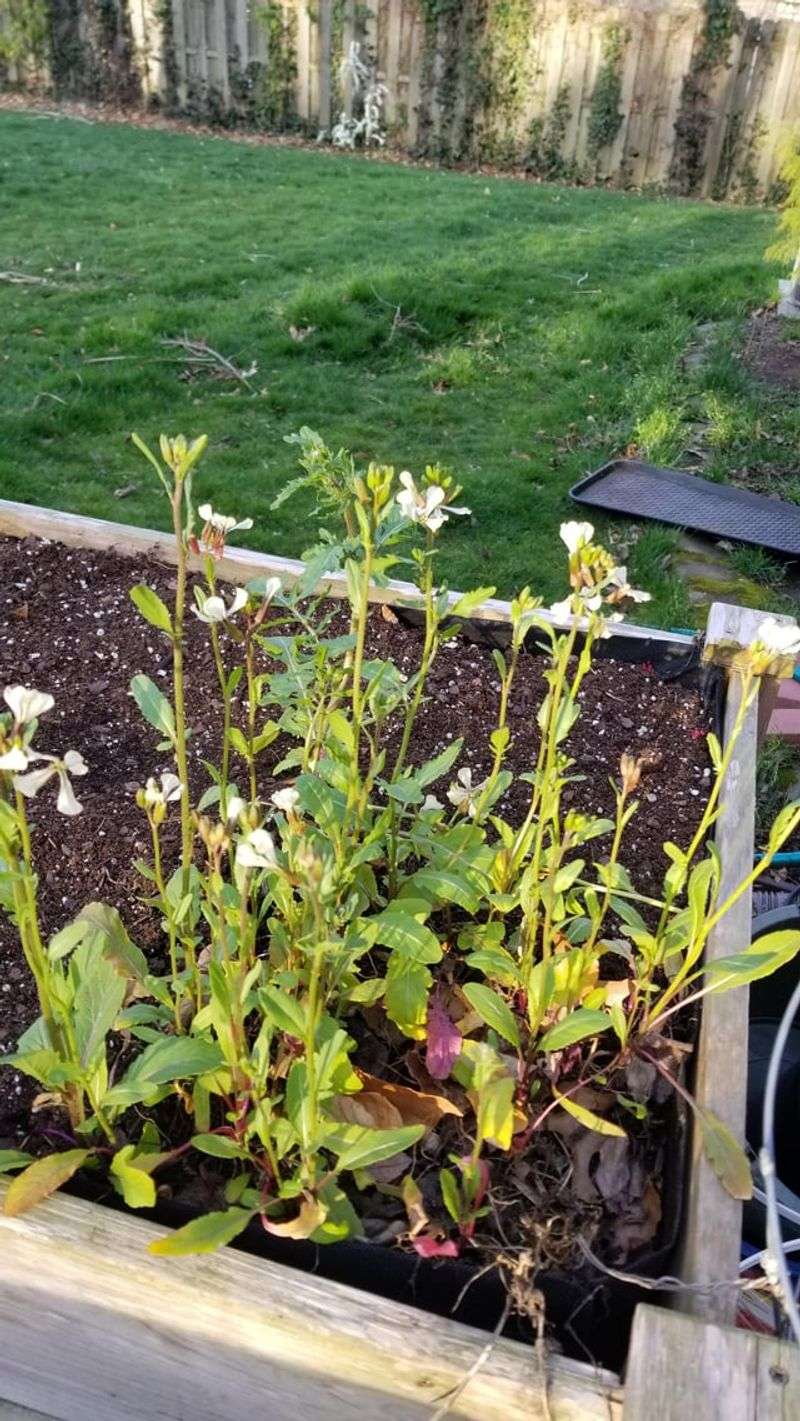
One spring morning, you’ll notice your arugula standing a little taller than usual. A thick stalk rises from the center, and soon small flower buds appear. Gardeners call this bolting, and it tells you the season is winding down.
Longer days and warmer temperatures in late winter and spring trigger the change. Overwintered plants sense that spring is here and shift gears. Their main goal now is making flowers and seeds rather than leaves.
Once that happens, the leaves change too. They grow tougher, smaller, and much more pungent, with a bite that can overpower a salad. Most people find them too strong to enjoy raw.
Plan a big harvest before bolting begins. When you see the first hint of a stalk, pick heavily and enjoy those final tender leaves. Snipping off early flower stalks can delay bolting slightly, buying you a few extra days.
Don’t rush to pull the plants, though. Arugula flowers are small, creamy white with dark purple veins, and they’re edible. They taste nutty and peppery, and they look lovely scattered over pasta or salad, while bees love them too.
Timing varies across North Carolina. Bolting starts earlier in the warmer Coastal Plain, often in late winter or early spring. Up in the cooler Mountains, it arrives later, giving growers there a longer spring harvest.
When the flowers fade, pull the plants, add them to the compost, and start dreaming about your next fall crop.