9 Spider Plant Care Tips North Carolina Houseplant Owners Should Know
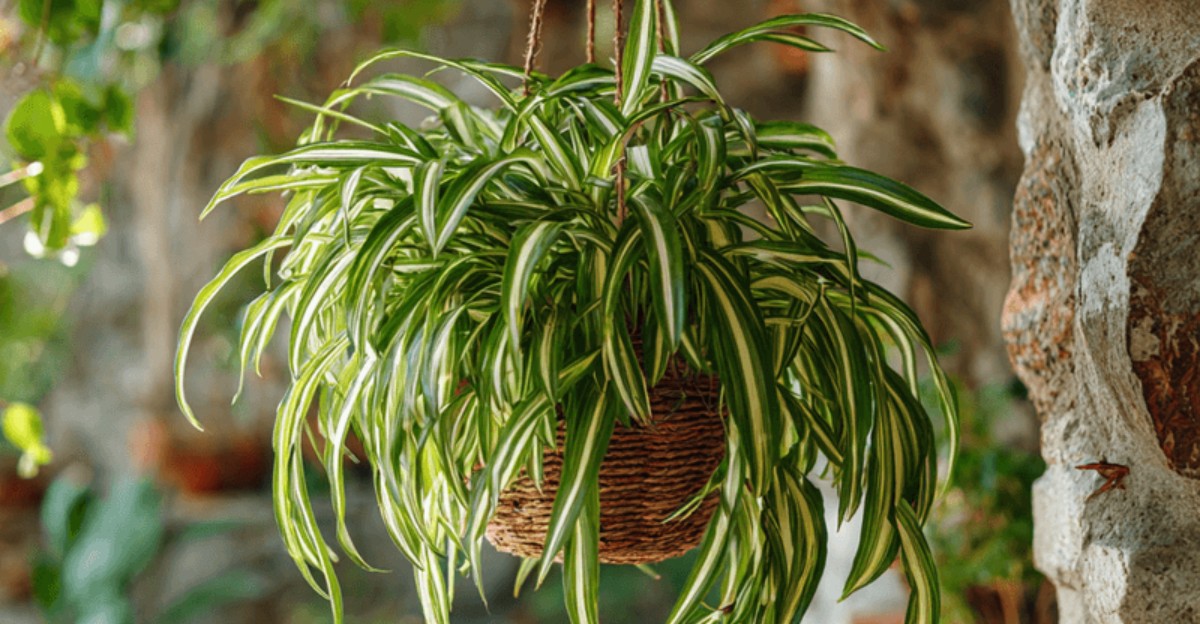
Spider plants have a reputation for being nearly indestructible, but North Carolina’s humidity and seasonal indoor changes can still affect how well these popular houseplants perform.
Because spider plants are sensitive to certain minerals commonly found in tap water, water quality can play a bigger role in leaf health than many owners expect.
Light levels, watering frequency, and even pot size all influence how vigorously a spider plant produces the small offshoots it’s known for.
Adjusting care slightly between North Carolina’s humid summers and drier indoor winter conditions can make a noticeable difference in overall plant health.
These practical tips help North Carolina houseplant owners get the most out of a plant that’s often underestimated.
1. Let The Soil Dry Slightly Between Waterings
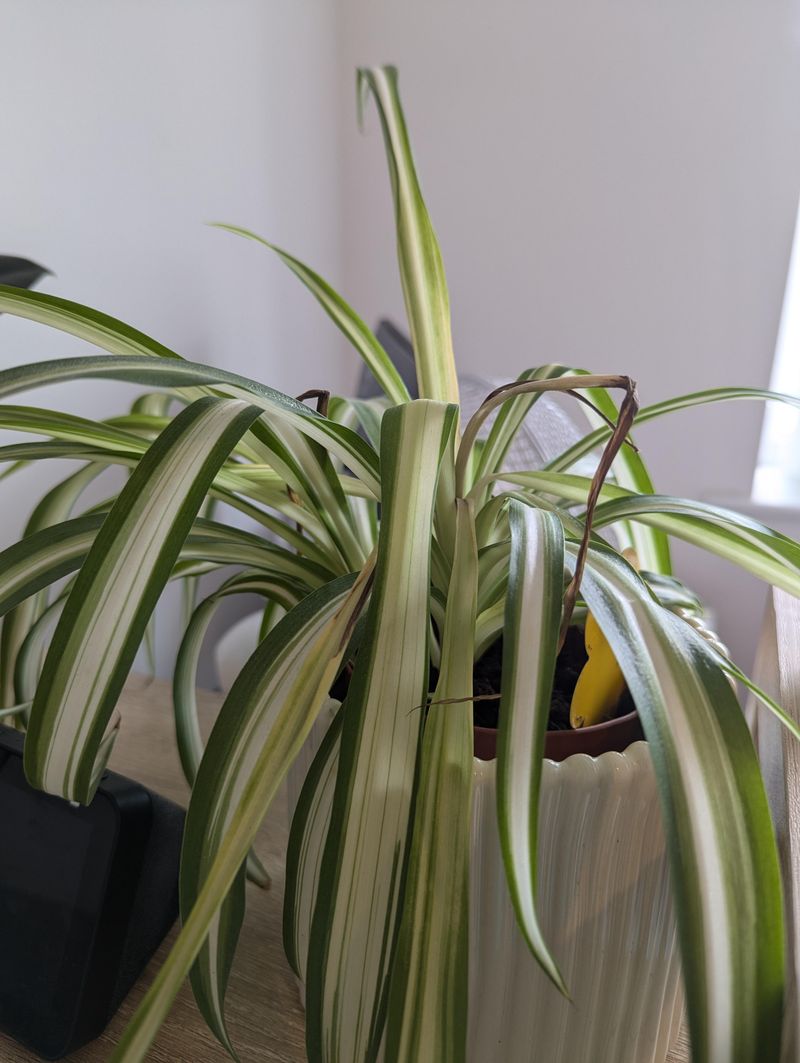
Spider plants like a little break between drinks of water. Their thick, fleshy roots store moisture, so they never want to sit in a soggy pot for long. Giving the top inch of soil a chance to dry out keeps those roots happy.
A quick test works best. Push your finger about an inch into the mix, and if it feels dry, grab your watering can. If it still feels damp, wait a couple more days before checking again.
When soil stays wet all the time, air cannot reach the roots. That lack of air causes the roots to rot, turn mushy, and stop taking up water the way they should.
A plant with rotted roots often looks droopy even though its pot is full of moisture, which confuses many new owners.
North Carolina homes can hold humidity, especially in older houses without strong air flow. That extra dampness means soil dries slower than you might expect, so watering on a strict schedule can backfire. Trust the soil, not the calendar.
When you do water, pour slowly until you see a little drain out the bottom. Then empty the saucer so the pot is not resting in a puddle. This deep soak reaches every root and flushes out extra minerals.
Over time you will learn your plant’s rhythm. Most spider plants enjoy water every week or so, but yours may want more or less depending on light, pot size, and room warmth. Watching the soil keeps you right on track.
2. Adjust Watering During Humid Weather
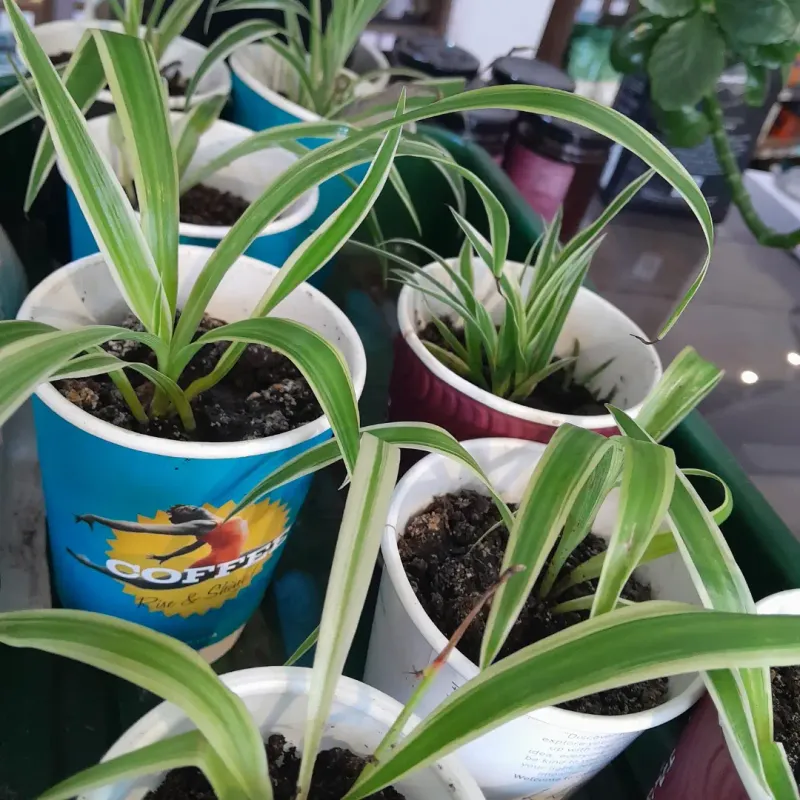
Summers in North Carolina bring thick, sticky air, and that humidity changes how your plant uses water. When the air is already full of moisture, water in the soil evaporates much slower. Your spider plant simply does not get thirsty as fast.
During these damp stretches, you can stretch out the time between waterings. A pot that needed a drink every week in spring might only need one every ten or twelve days in the muggy heat of July. Always check the soil first before adding more.
Indoor humidity climbs even higher when windows stay closed and air conditioning runs. Some rooms, like bathrooms or kitchens, trap extra dampness that keeps soil moist for days. Pay attention to which rooms feel stuffy.
Your North Carolina Garden Changes Every Week. Your Plan Should Too.
Gardening in North Carolina changes quickly throughout the season. Every Friday you’ll receive a simple weekly plan showing exactly what to plant, prune, fertilize, harvest, and protect so you never miss the right timing.
Overwatering during humid weeks is one of the most common mistakes. The plant looks fine, the owner waters out of habit, and slowly the roots start to suffer from too much moisture. Slowing down protects them.
You can use a cheap moisture meter or just your finger to stay accurate. Both tell you the same thing, which is whether the roots actually need water yet. Let the soil guide your timing.
Cooler, drier winter days flip the situation. Heaters pull moisture from the air, so soil dries quicker and your plant may want water more often.
Adjusting with the seasons keeps growth steady and leaves looking bright green no matter what the Carolina weather decides to do outside.
3. Give Bright But Indirect Light
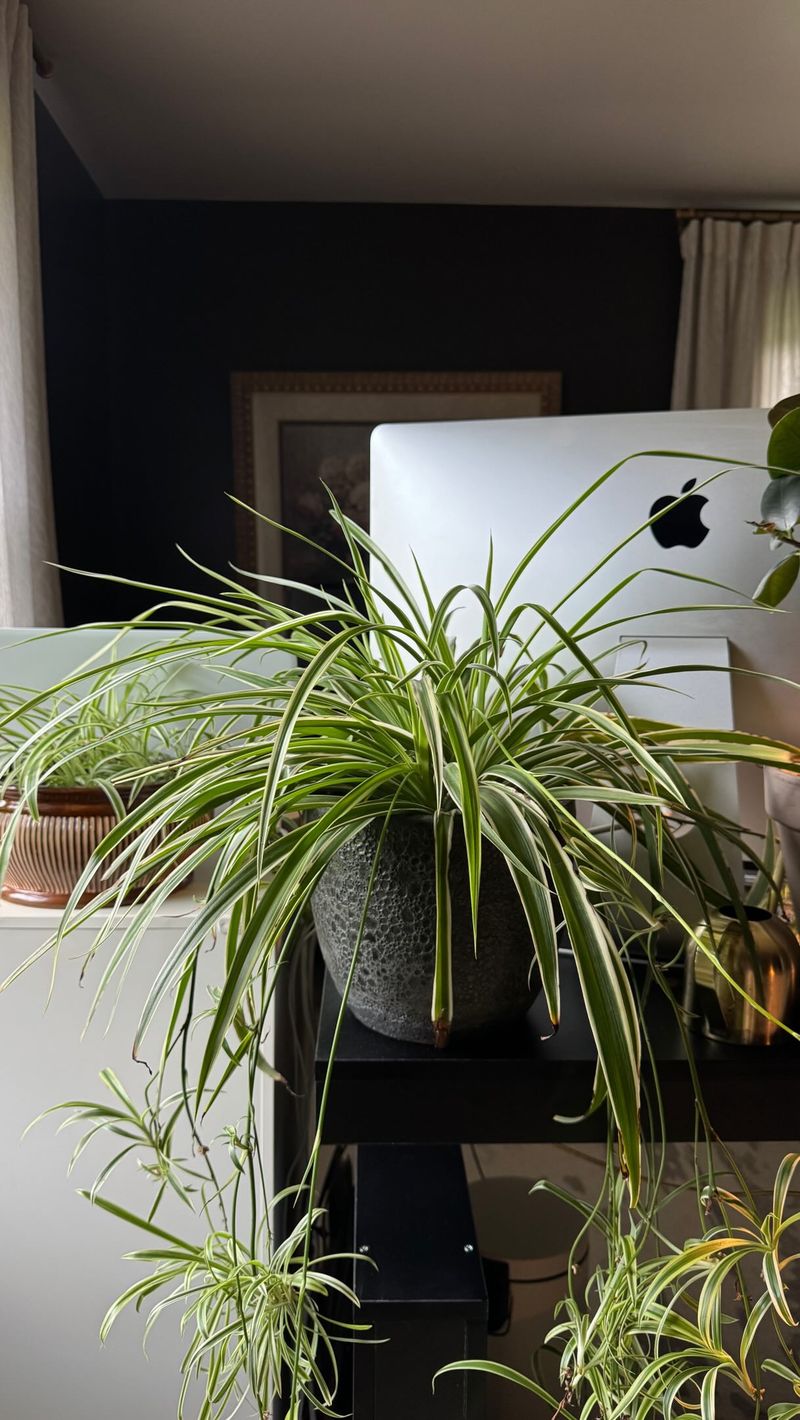
Light is like fuel for your spider plant, but the trick is finding the right amount. These plants love bright rooms filled with soft, filtered sunshine. That gentle glow keeps their leaves striped, full, and growing fast.
The problem comes with harsh, direct rays. Afternoon sun beaming straight through a west-facing window in North Carolina can get surprisingly hot. Those strong rays scorch the leaves, leaving pale or crispy patches that will not turn green again.
A spot near an east-facing window works beautifully. Morning light is softer, so your plant soaks up energy without any risk of burning. North-facing windows also offer steady, gentle light throughout the day.
If your brightest window gets intense afternoon sun, a sheer curtain solves everything. The thin fabric scatters the light and takes away the sting while still keeping the room nice and bright. Your plant gets all the good stuff and none of the harm.
Watch how your plant behaves and it will tell you what it wants. Leaves that stretch out long and thin usually crave more light. Leaves that look bleached or scorched are begging for a bit of shade.
Spider plants can even handle lower light, though they grow slower and produce fewer babies. If a room feels dim, moving the plant closer to the window helps a lot.
Finding that sweet spot of bright yet gentle light rewards you with thick, arching leaves and plenty of new plantlets to share with friends.
4. Watch For Brown Leaf Tips
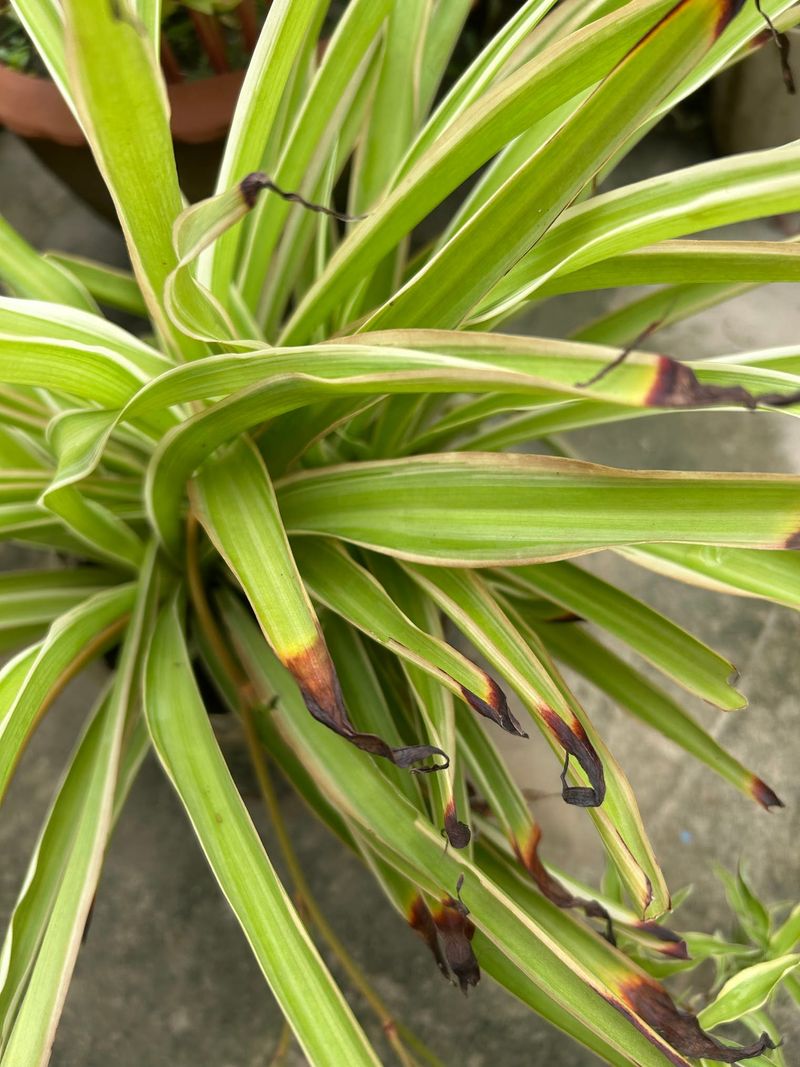
Brown leaf tips are the classic spider plant puzzle, and almost every owner runs into them. The good news is that brown tips are a message, not a disaster. Your plant is telling you something needs a small adjustment.
Several things can cause those crispy edges. Inconsistent watering, where the soil swings from bone dry to soaking wet, often stresses the leaves. Steady watering habits usually clear the problem right up.
Tap water is another common culprit. Some tap water contains fluoride and dissolved minerals that can accumulate in potting soil and contribute to brown leaf tips. Those minerals collect at the leaf tips and turn them brown.
Dry indoor air plays a role too, especially in winter when heaters run nonstop. Spider plants enjoy a little humidity, so a nearby pebble tray or an occasional misting can ease the crispiness.
Too much fertilizer leaves behind salt in the soil, and that salt also shows up as browning. If you have been feeding often, cut back and flush the pot with plenty of plain water.
Before changing anything, take a moment to figure out the real cause. Guessing and switching your whole routine at once can make things worse. Look at your watering, your water source, the humidity, and your feeding schedule one at a time.
You can trim the brown tips with clean scissors to keep the plant looking tidy. Follow the natural leaf shape for a neat cut. Fix the root cause, and fresh growth will come in perfectly green.
5. Use Well-Draining Potting Mix
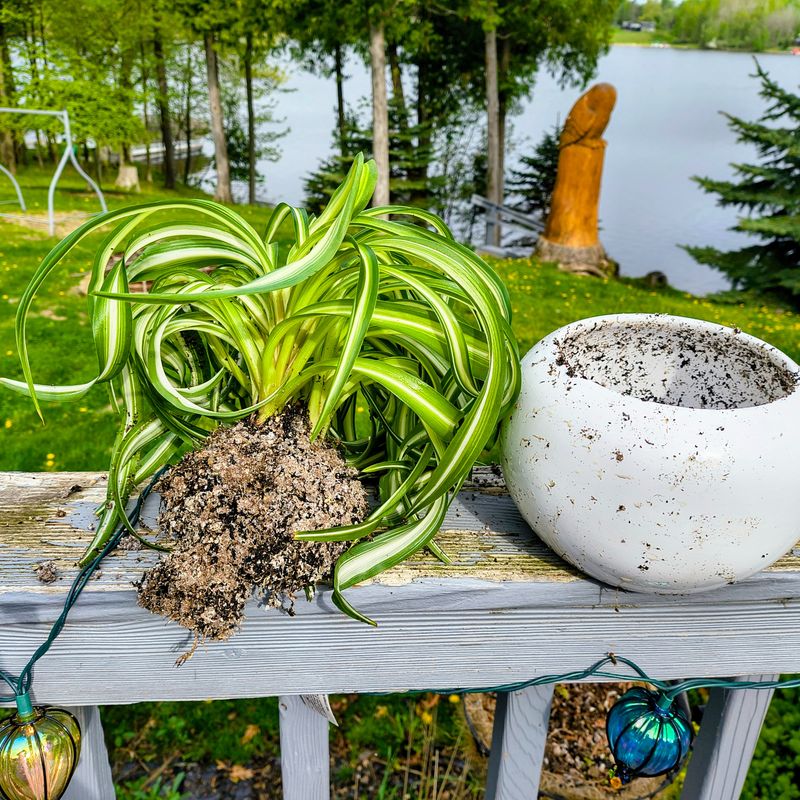
The right soil makes a huge difference for a spider plant, even though it is easy to overlook. These plants want a light, fluffy mix that lets water flow through quickly. Good drainage protects those thick roots from sitting in water.
A basic all-purpose potting mix works well as a starting point. To boost drainage even more, stir in a handful of perlite or coarse sand. Those extra bits create air pockets that keep the soil from packing down tight.
Heavy or compacted soil is the enemy here. When a mix turns dense, water gets trapped and the roots stay soggy for far too long. That trapped moisture leads straight to root rot and a struggling plant.
Old soil can also break down over time and lose its fluffy texture. If your plant has been in the same pot for a couple of years, the mix may be tired and clumpy. Fresh soil brings back that loose, airy feel roots love.
The pot matters just as much as the soil. Always pick a container with drainage holes in the bottom so extra water has somewhere to go. Decorative pots without holes trap water and cause trouble.
North Carolina humidity means soil holds moisture longer, so quick drainage becomes even more valuable here. A well-draining mix balances out that extra dampness in the air.
When you get the soil right, watering becomes simple and worry-free. The roots breathe, the leaves stay green, and your spider plant grows strong and full.
6. Avoid Overfeeding
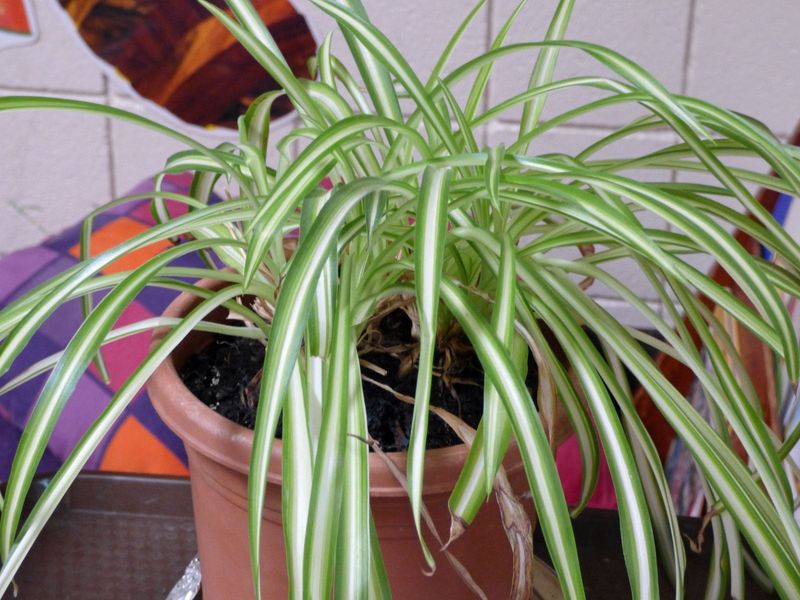
Spider plants are light eaters, and that surprises a lot of people. They pull most of what they need from decent soil and steady light. A little fertilizer helps, but pouring on too much does far more harm than good.
When you feed too often, extra salts pile up in the soil. Those salts cannot all be used by the plant, so they sit in the pot and build up over time. The result usually shows as brown leaf tips and slow, weak growth.
A gentle schedule keeps things balanced. Feeding once a month during spring and summer with a diluted liquid fertilizer is plenty. Use about half the strength listed on the label to stay on the safe side.
During fall and winter, your plant slows down and rests. Growth nearly stops, so it does not need feeding at all during those cooler months. Holding off gives the roots a break.
Signs of overfeeding include a white crust on the soil surface or around the pot rim. That crust is leftover salt, and it is a clear signal to stop and flush the soil with plain water.
Flushing is simple. Run water through the pot several times so it drains out the bottom, carrying away the built-up salts. Do this every few months if you feed regularly.
Less really is more with these plants. A light hand with fertilizer keeps the leaves striped and strong, and it saves you from chasing brown tips later on.
7. Repot When Roots Become Crowded
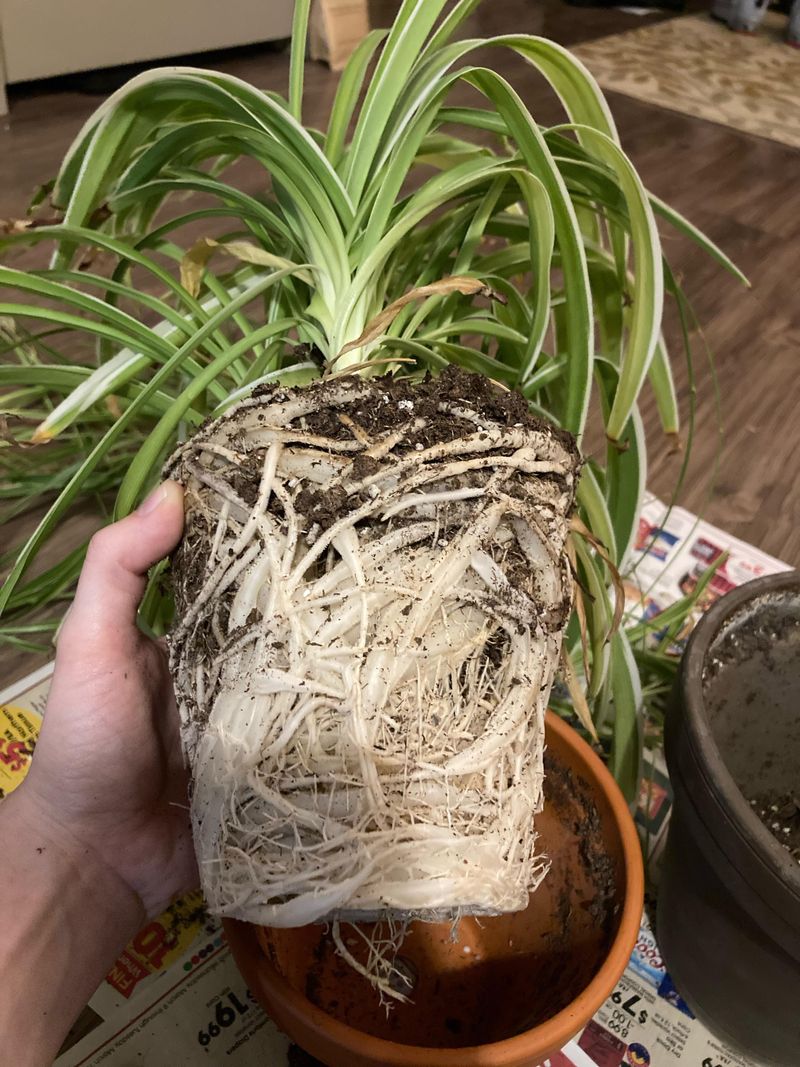
Spider plants grow fast, and their roots fill a pot quicker than you might guess. Those thick, tuber-like roots keep expanding until they run out of room. When that happens, the plant becomes root-bound and needs a bigger home.
You can spot a crowded pot by a few clear signs. Roots poking out the drainage holes or pushing up above the soil are real giveaways. Water that runs straight through without soaking in points to the same problem.
A root-bound plant also dries out super fast because there is more root than soil. If you find yourself watering constantly, crowded roots are likely the reason. Repotting fixes that in one afternoon.
Pick a container only one or two inches wider than the current one. Too big a jump means lots of extra soil that stays wet and can trouble the roots. A slight size up is just right.
Gently slide the plant out and loosen the tangled root ball with your fingers. Set it into fresh, well-draining mix and fill in around the sides. Water it in to help the soil settle.
Spring is the best season for repotting since the plant is entering its active growing stretch. It bounces back quickly and starts pushing out new leaves.
Most spider plants enjoy a fresh pot every one to two years. Giving them that extra space rewards you with fuller foliage, healthier roots, and plenty of energy left over to produce those charming baby plantlets.
8. Keep Them Away From Temperature Extremes
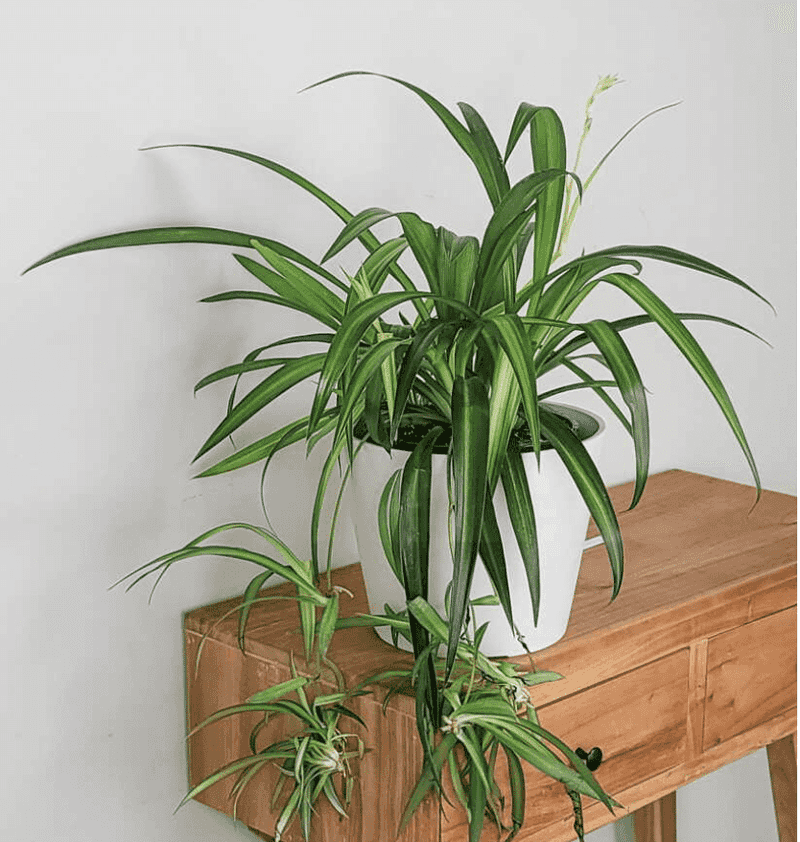
Spider plants like to stay comfortable, much like people do. They thrive in normal room temperatures between about sixty and seventy-five degrees. Sudden swings and harsh spots stress them out fast.
Cold drafts are a real concern in North Carolina winters. A plant sitting right beside a chilly window or near a door that opens often can catch cold blasts of air. Those cold snaps damage leaves and slow growth.
Heat causes just as much trouble. Placing a plant close to a heating vent, radiator, or the top of a warm appliance dries it out quickly. The blowing hot air pulls moisture from the leaves and leaves them crispy.
Air conditioning vents create the opposite problem in summer. That steady stream of cold air chills the plant and dries the soil unevenly. Keep the pot out of the direct flow.
Sudden temperature changes shock the plant too. Moving it from a warm room to a cold porch, or setting it in a spot with big day-to-night swings, can cause leaves to droop or brown.
The best plan is to find a steady, calm spot away from vents, doors, and drafty windows. A shelf or table in the middle of a room often stays wonderfully even in temperature.
When your plant feels settled and stable, it puts its energy into growing rather than recovering from stress. Steady warmth keeps those long striped leaves reaching out full and healthy all year round.
9. Propagate Plantlets For More Spider Plants
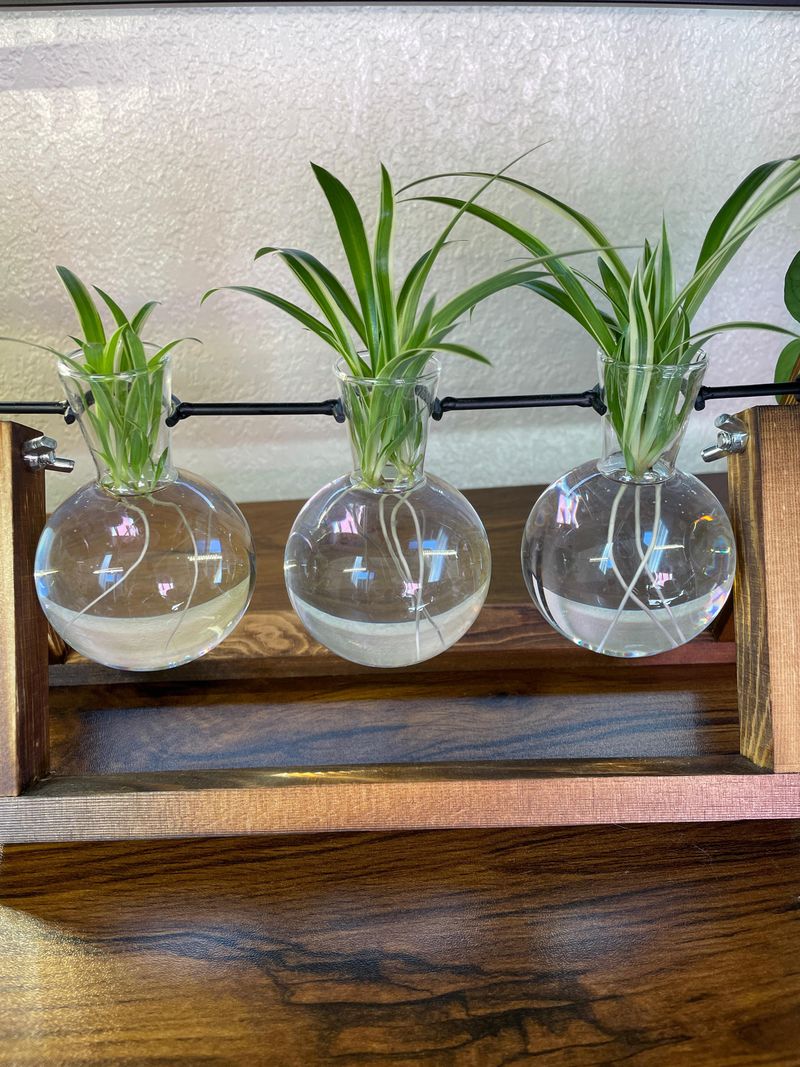
One of the best perks of a spider plant is the free babies it hands you. Healthy, mature plants send out long stems tipped with tiny plantlets, often called spiderettes. Each little baby can grow into a whole new plant.
These plantlets appear when your plant is happy and well cared for. Good light, steady watering, and a comfy spot all encourage the plant to produce them. So plenty of babies is actually a sign you are doing things right.
Rooting them is wonderfully easy. You can snip a plantlet and set the bottom in a small glass of water, changing the water every few days. Within a couple of weeks, little white roots start to sprout.
Another method skips the water step entirely. While the baby is still attached to the parent, press its base into a small pot of moist soil sitting nearby. Once roots grab hold, cut the stem connecting it to the parent.
Soil rooting often gives sturdier results since the roots grow used to dirt from the start. Water rooting is fun because you get to watch the roots form.
Either way, once roots reach an inch or two long, plant the baby in a small pot with well-draining mix. Keep it lightly moist as it settles in.
Sharing these plantlets makes a sweet, free gift for friends and family. Before long, one thriving spider plant can turn into a whole collection spreading joy through your home.