Feeling colder mornings, Wisconsin bees need these 8 late-blooming flowers still open in your beds
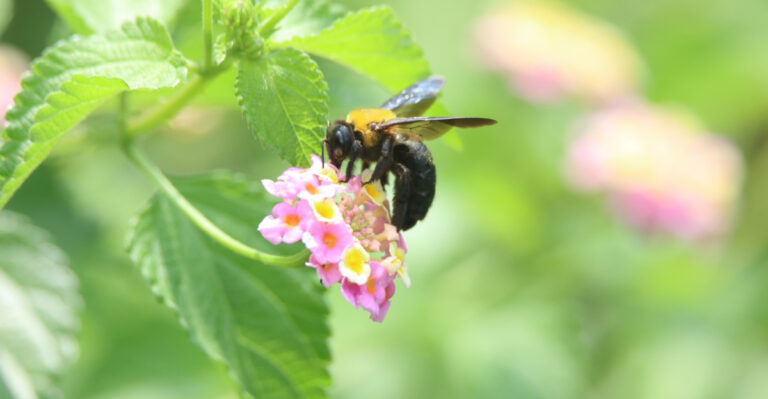
When frosty mornings creep into Wisconsin, most summer flowers start to droop and fade away. But bees, especially bumble bee queens getting ready for winter, still need food to survive.
A few tough, late-blooming flowers can keep your garden buzzing well into fall. Planting these beauties gives Wisconsin bees the nectar and pollen they need before the cold really settles in.
1. New England Aster (Symphyotrichum novae-angliae)
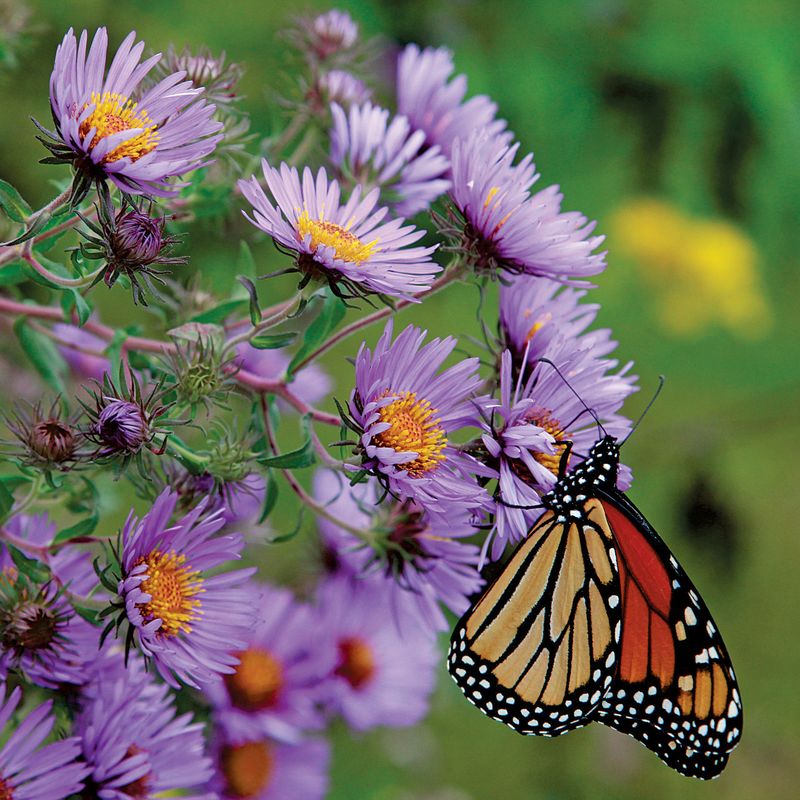
Ask any fall gardener in Wisconsin what lights up their beds in September, and the New England aster usually tops the list. Those purple, pink, and white daisy-like petals surround a sunny yellow center that practically shouts autumn.
Bees flock to this plant when almost everything else has quit blooming. Native bees and migrating monarchs treat a patch of asters like a roadside diner, refueling on the last big nectar supply of the year.
Blooming from late summer straight through fall, this native handles Wisconsin’s cool nights without complaint. Give it room to spread and you will have a dependable pollinator magnet season after season.
2. Goldenrod (Solidago spp.)
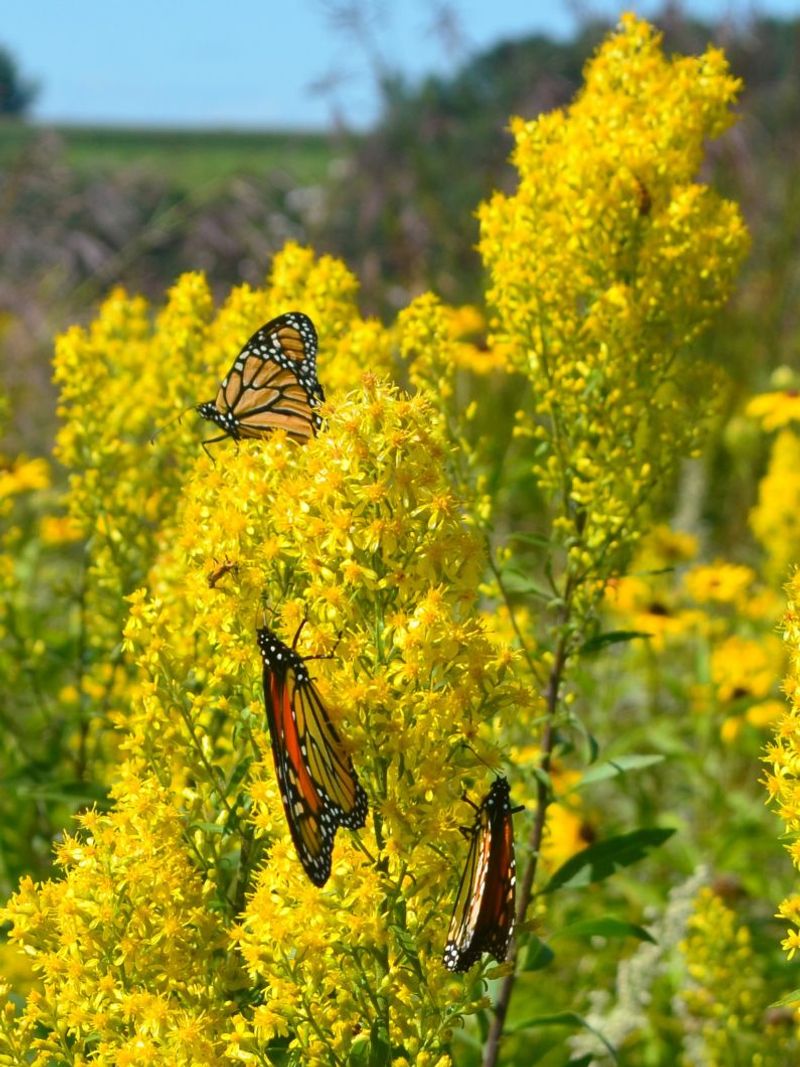
Poor goldenrod gets blamed for fall allergies, but the real culprit is ragweed blooming nearby. Set the record straight and you will discover one of the hardest-working late-season plants in any Wisconsin garden.
From August through October, its bright golden spikes explode with activity. Dozens of native bee species, plus butterflies, crowd onto the tiny flowers to stock up before winter.
Because it thrives in ordinary soil and full sun, goldenrod asks for very little. Tuck it into a sunny corner of your Wisconsin beds and let it become a glowing beacon for pollinators through the chilly weeks ahead.
3. Spotted Joe Pye Weed (Eutrochium maculatum)
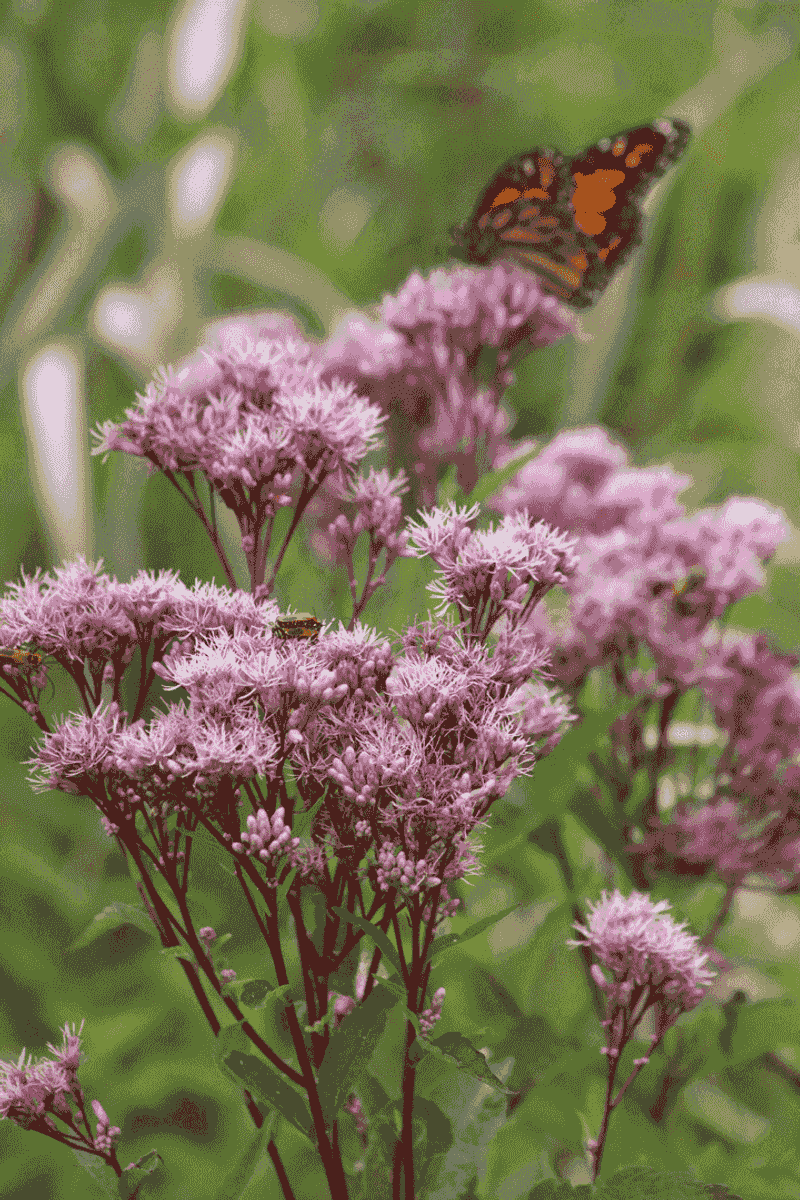
Standing head and shoulders above most garden plants, spotted Joe Pye weed brings drama to the back of the border. Its dusty mauve flower clusters sit atop stems that can reach six feet or more.
Come September and October, those big fluffy heads turn into landing pads for hungry bees. The sheer size of each flower cluster means pollinators can feast without hopping around too much.
Native to Wisconsin’s wet meadows, it loves moist soil and does not mind a shady spot. If you have a low, damp area that other flowers avoid, this towering beauty will fill it and feed your local bees at the same time.
4. Great Blue Lobelia (Lobelia siphilitica)
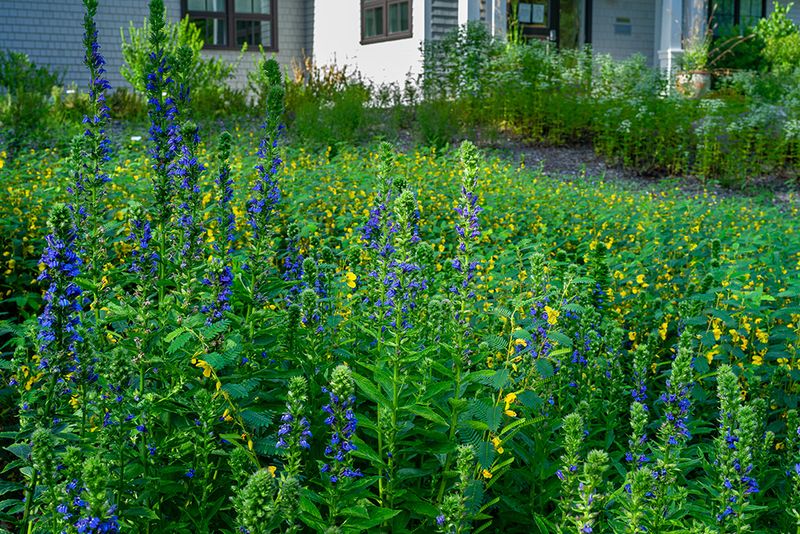
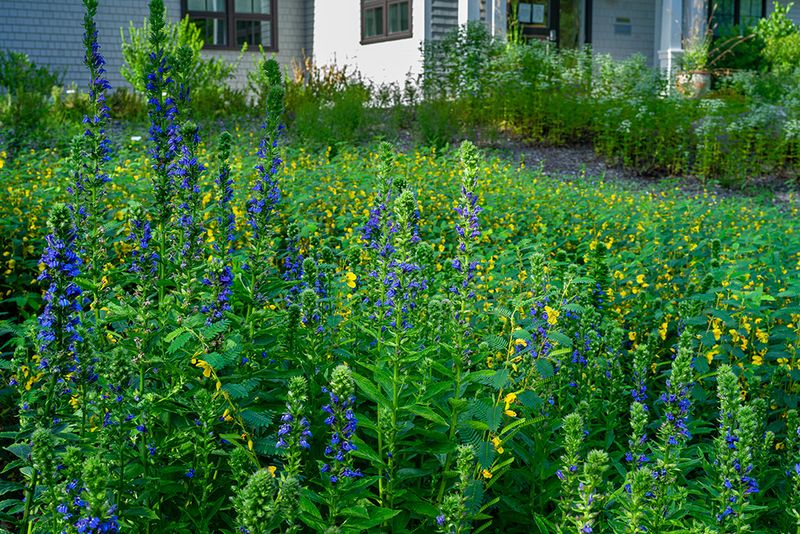
True blue flowers are rare in nature, which makes great blue lobelia something special in a Wisconsin garden. Its rich blue spikes stand out like little exclamation points in the fading fall landscape.
Blooming from September into October, the tubular flowers are shaped just right for bees to crawl inside and gather nectar. Bumble bees in particular love working their way up each spike.
Give this perennial some moisture and a bit of shade, and it rewards you with color when most of the garden has gone quiet. It pairs beautifully with yellow blooms for a striking late-season contrast.
Your Wisconsin Garden Changes Every Week. Your Plan Should Too.
Gardening in Wisconsin changes quickly throughout the season. Every Friday you’ll receive a simple weekly plan showing exactly what to plant, prune, fertilize, harvest, and protect so you never miss the right timing.
5. Bottle Gentian (Gentiana andrewsii)
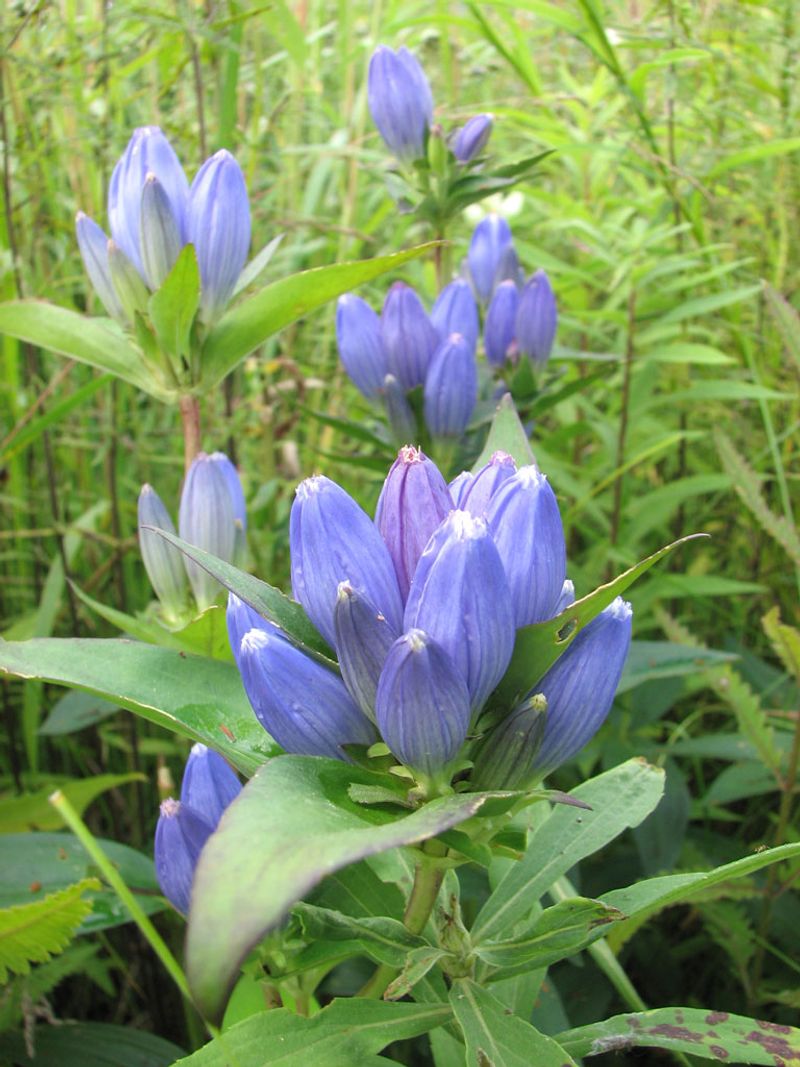
Here is a flower that plays hard to get. Bottle gentian never fully opens, keeping its deep blue petals sealed like a tiny bottle, and only the strongest bees can pry them apart.
Watching a determined bumble bee muscle its way inside is one of the small joys of a Wisconsin fall garden. That built-in workout means only the best pollinators earn the nectar reward inside.
Blooming September through October, this unusual native prefers moist soil and cooler spots. Plant it and you will have a conversation starter and a bumble bee favorite rolled into one quirky package.
6. Ironweed (Vernonia fasciculata)
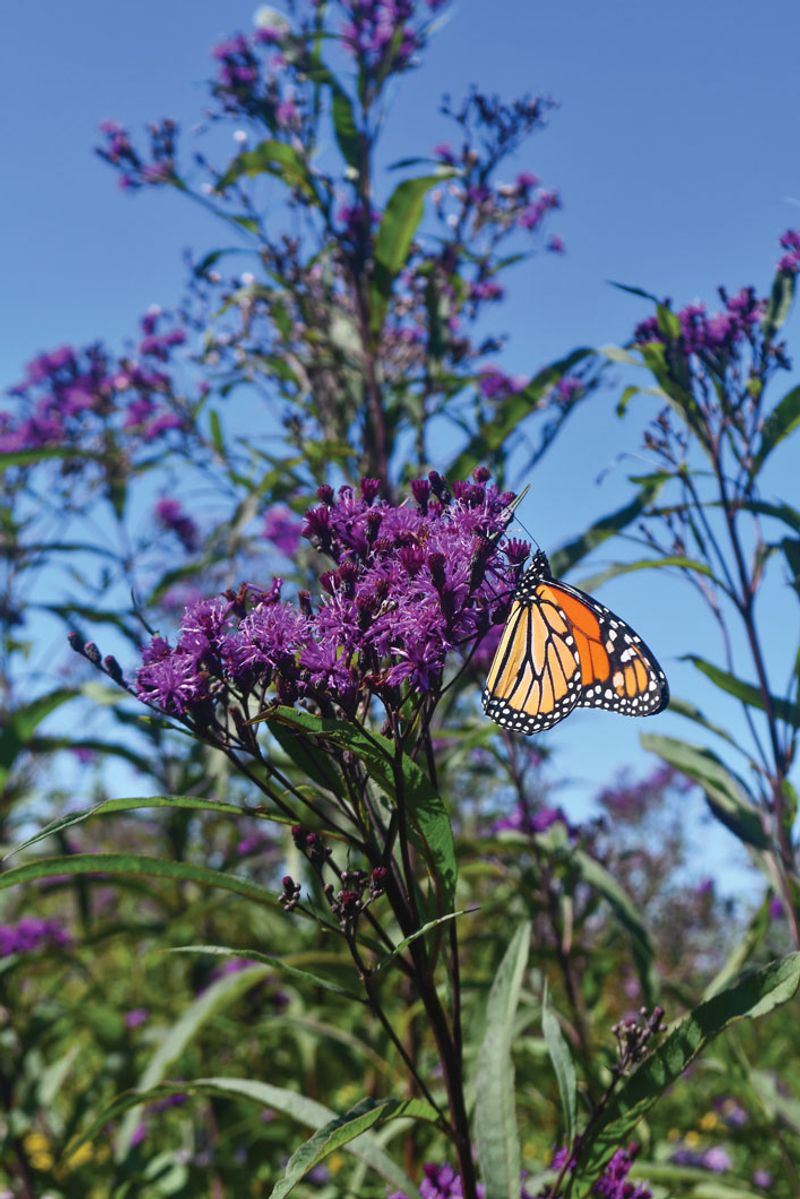
Tough as its name suggests, ironweed shrugs off heat, cold, and neglect while putting on a jaw-dropping violet-purple display. The color is so intense it almost glows against a gray autumn sky.
From August into October, its flat-topped clusters draw a steady parade of bees and butterflies. Pollinators seem to appreciate that ironweed keeps serving nectar long after softer plants have thrown in the towel.
Robust and upright, it fits nicely into naturalized beds and prairie plantings across Wisconsin. Once established, it needs almost no fussing, which makes it a favorite for gardeners who want beauty without the babysitting.
7. Sneezeweed (Helenium autumnale)
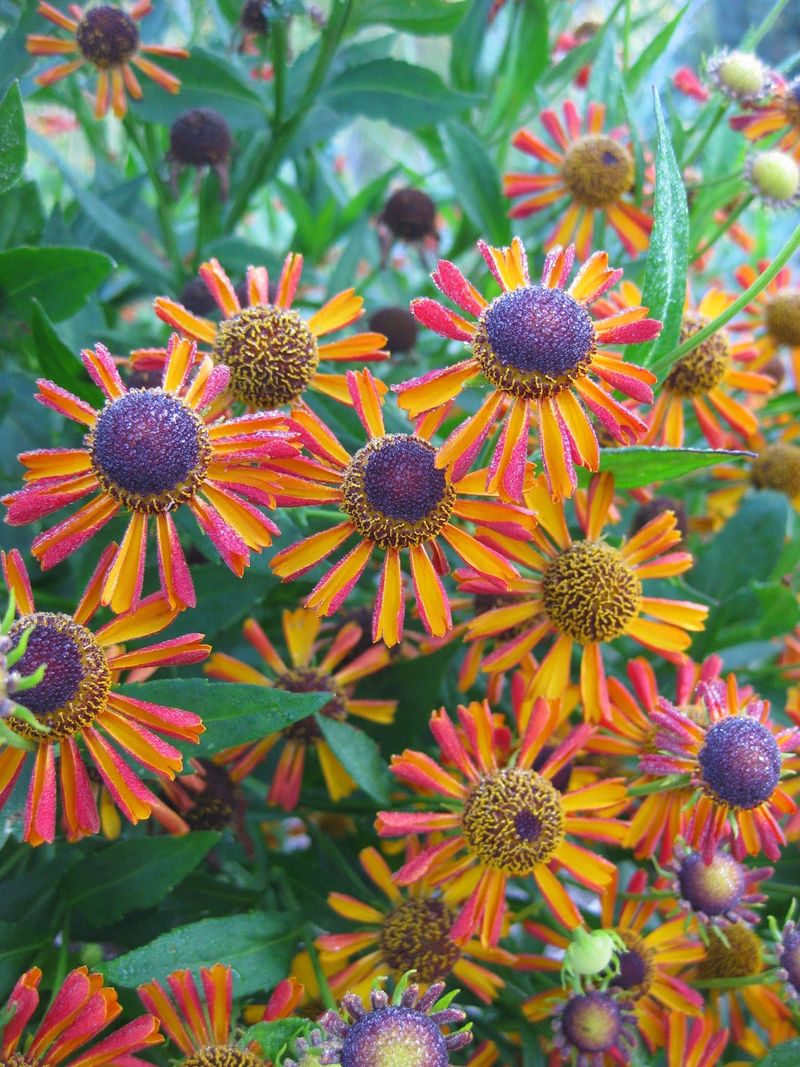
Do not let the name scare you off, because sneezeweed will not make you sneeze at all. The odd title comes from an old habit of drying its leaves, not from any pollen problem.
What it actually does is set the garden ablaze with yellow, orange, and reddish daisy-like blooms. Those warm colors stretch the season into October and sometimes even November across Wisconsin.
When frost threatens and other flowers have called it quits, sneezeweed keeps handing out nectar to grateful bees. Plant it in full sun with steady moisture and enjoy one of the last splashes of color your Wisconsin beds will offer all year.