This August Garden Habit From Amish Tradition Is Winning Over Wisconsin Homeowners
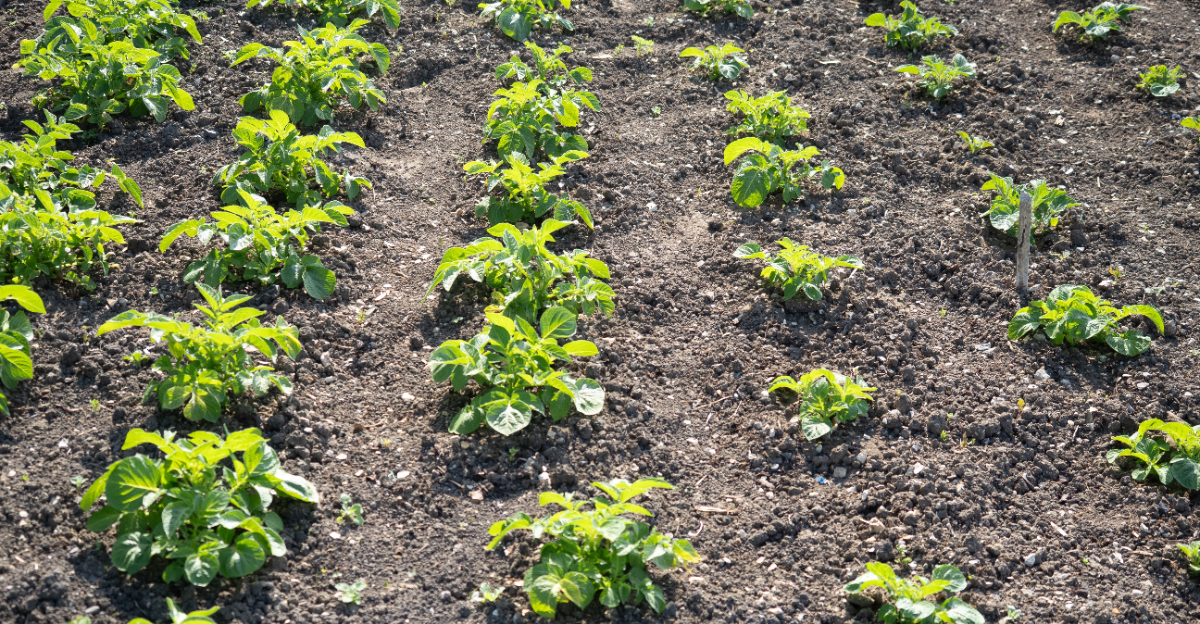
Quiet gardens across Wisconsin are already holding a secret you haven’t noticed yet. Bare soil after harvest feels normal to you, but it costs precious weeks.
Amish farmers never let their dirt sit empty for very long. Wisconsin gardeners are gently adopting that forgotten discipline right now.
Succession planting means replacing spent crops with fresh plantings immediately. Nothing sits idle in your garden beds, nothing goes to waste.
Old-world farming wisdom skips fancy tools entirely. Timing and patience matter far more than any expensive store-bought fertilizer.
Fall harvests multiply when you keep the soil constantly working. Curiosity spreads faster than the crops themselves right now.
Neighbors notice thicker beds while you still see empty dirt. Nobody needs greenhouses, tunnels, or any special zones to pull this off.
Just a subtle shift in mindset separates full baskets from bare ground. Once you see how this quiet method works, stopping becomes unthinkable.
What The Amish Succession Planting Habit Involves
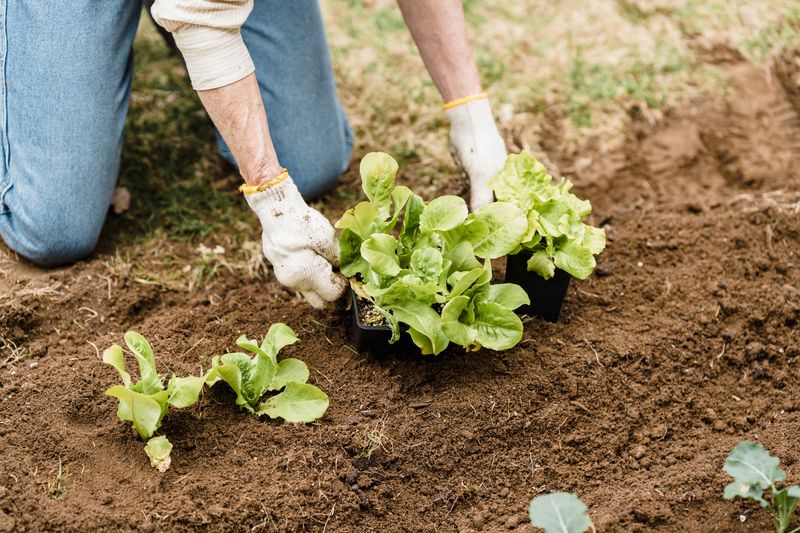
Old habits grow the best food. Succession planting is the practice of replanting a garden bed the moment a crop finishes producing.
Succession planting is a long-standing practice in many Amish farming communities, who often treat their gardens like a living schedule rather than a one-time event.
This Amish garden habit works because soil does not rest idle between harvests. Every square foot keeps earning its place in the ground all season long.
The timing is deliberate and precise. Amish growers track their frost dates and count backward to figure out exactly when a new crop can still mature before cold arrives.
Nothing fancy is required to get started. A packet of seeds, a cleared bed, and a rough understanding of your local frost window are all you need.
With fast-maturing crops like radishes or lettuce, some gardeners are able to harvest two or more rounds from the same plot each year. That kind of output can change how gardeners use their space.
Wisconsin homeowners who have adopted this practice say it feels almost meditative. You are always planting something, always watching something grow, and always harvesting something fresh.
Once established, many gardeners find the routine easy to maintain. Seeing how much food one bed can produce often encourages them to keep going.
Bare Soil Risks You Are Probably Overlooking
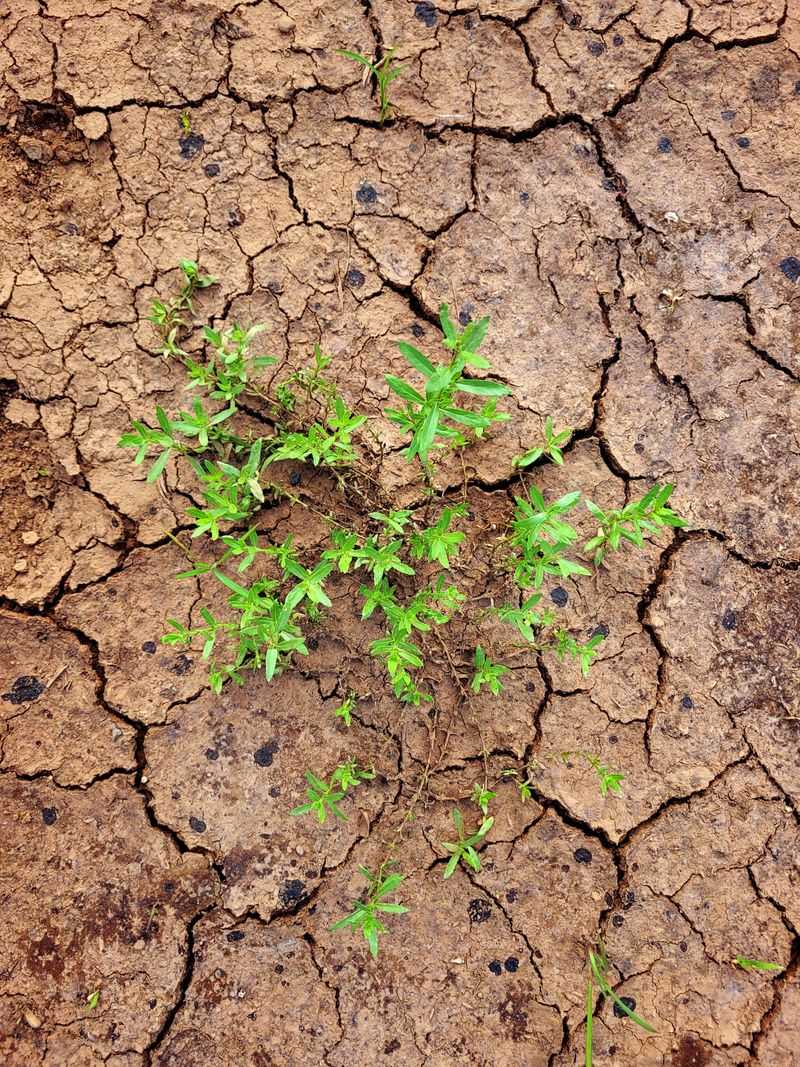
Bare soil doesn’t stay static. It degrades gradually when left exposed. When a garden bed sits empty after harvest, weeds move in fast. They are opportunistic, and they treat open soil like a personal invitation.
Sunlight bakes unprotected earth, breaking down its structure and drying out moisture that took weeks of watering to build. That damage compounds quickly in August heat.
Rain also causes real harm to bare beds. Without plant roots holding things together, soil erodes and compacts with every heavy shower.
Beneficial insects lose habitat when beds go empty. Ground beetles, predatory wasps, and other helpful bugs prefer areas where plants are actively growing and offering shelter.
Soil microbes also slow down without plant roots feeding them. Those microbes are responsible for breaking down nutrients into forms your next crop can actually absorb.
Your Wisconsin Garden Changes Every Week. Your Plan Should Too.
Gardening in Wisconsin changes quickly throughout the season. Every Friday you’ll receive a simple weekly plan showing exactly what to plant, prune, fertilize, harvest, and protect so you never miss the right timing.
Empty beds also signal to pests that there is nothing worth protecting. That sounds fine until you realize it also means no competition for the weeds taking root nearby.
The Amish approach treats bare soil as a problem to solve immediately. Replanting quickly is not just about food production; it is about keeping your soil ecosystem alive and working.
Healthy soil stays healthy when it stays busy. Keeping beds planted through August protects everything you worked to build since spring.
Understanding Wisconsin’s Frost Date Window
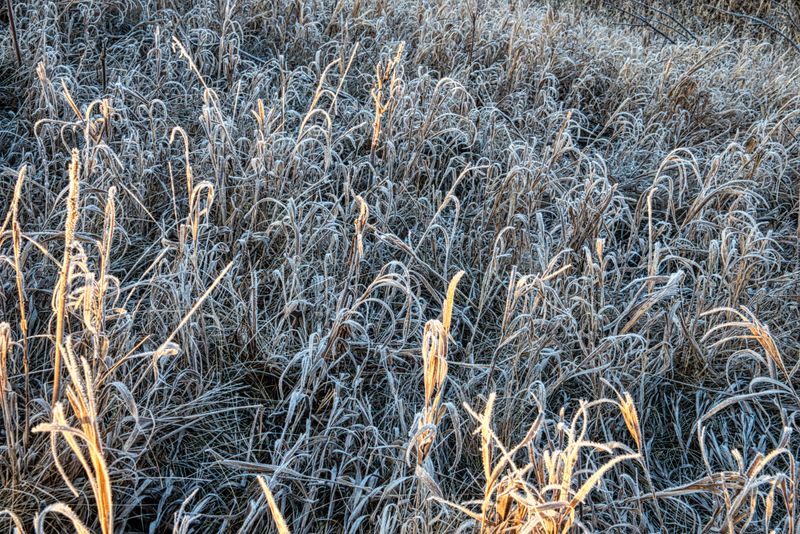
Frost does not wait for you to feel ready. Knowing your local frost date is the single most important piece of information for late-season planting success.
According to NOAA climate data, most of Wisconsin typically sees its first fall frost somewhere between late September and mid-October, though exact timing varies by year.
Counting backward from that frost date tells you exactly how many growing days you have left. A crop that needs 45 days should generally go in the ground by mid-August, depending on your local frost date.
This is where the Amish garden habit becomes a math exercise as much as a farming practice. Precision matters when the window is tight and temperatures are already dropping at night.
Check your county’s average first frost date through the National Oceanic and Atmospheric Administration website. That number becomes your planning anchor for every late-season decision.
Cold-hardy crops can push the window a bit further. Kale, spinach, and arugula handle light frost surprisingly well, giving you a small buffer if the weather turns early.
Row covers and cold frames can help extend your growing timeline, often by several weeks depending on conditions.
The Amish often use simple wooden cold frames to protect late-season beds from sudden temperature drops.
Understanding your frost window transforms guesswork into a real plan. Gardeners who know their dates plant with confidence instead of anxiety.
Best Crops To Replant This Time Of Year
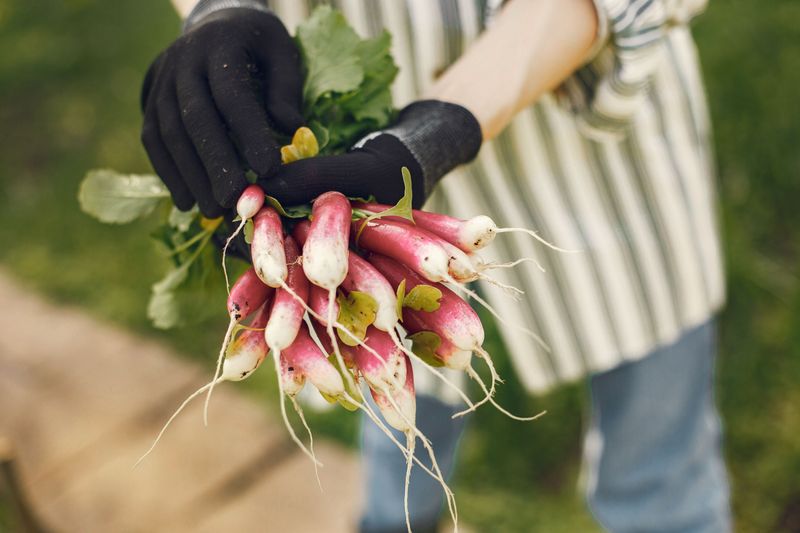
August replanting is not a free-for-all. Some crops thrive when started now, and others simply do not have enough time to reach harvest before frost arrives.
Radishes are the speed champions of the vegetable world. Many varieties mature in just 25 days, making them an almost foolproof choice for late-season succession planting.
Spinach is another powerhouse pick for August beds. It grows quickly, tolerates cool temperatures beautifully, and actually tastes sweeter after a light frost touches the leaves.
Arugula brings a peppery punch and grows fast enough to harvest within 30 days of planting. It is one of the easiest crops to tuck into any empty corner of a bed.
Kale deserves serious attention for fall gardens. Certain varieties like Lacinato and Red Russian handle cold well and keep producing leaves even as nights turn chilly in September.
Lettuce works well in August if you choose loose-leaf varieties and give plants some afternoon shade. Direct heat can cause bolting, so positioning matters more than it does in spring.
Bush beans are a stretch but can work in southern parts of the state if planted in early-to-mid August, depending on your local frost timing. They need around 55 days and warm soil to produce well.
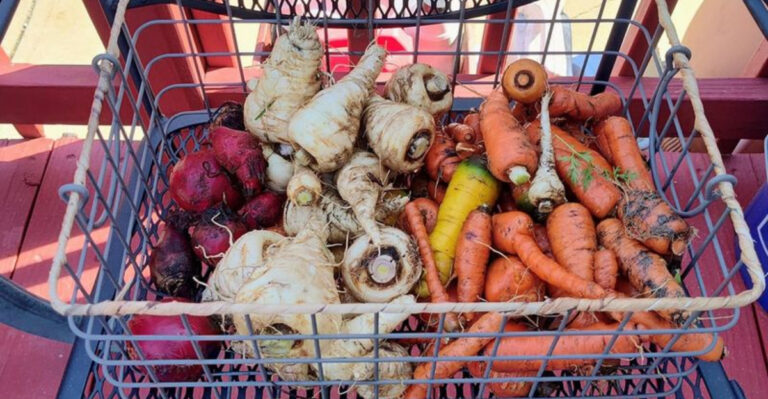
Turnips and beets round out the list nicely. Both are root vegetables that store well after harvest, giving you food that lasts well past the growing season itself.
Speed Matters More Than People Realize
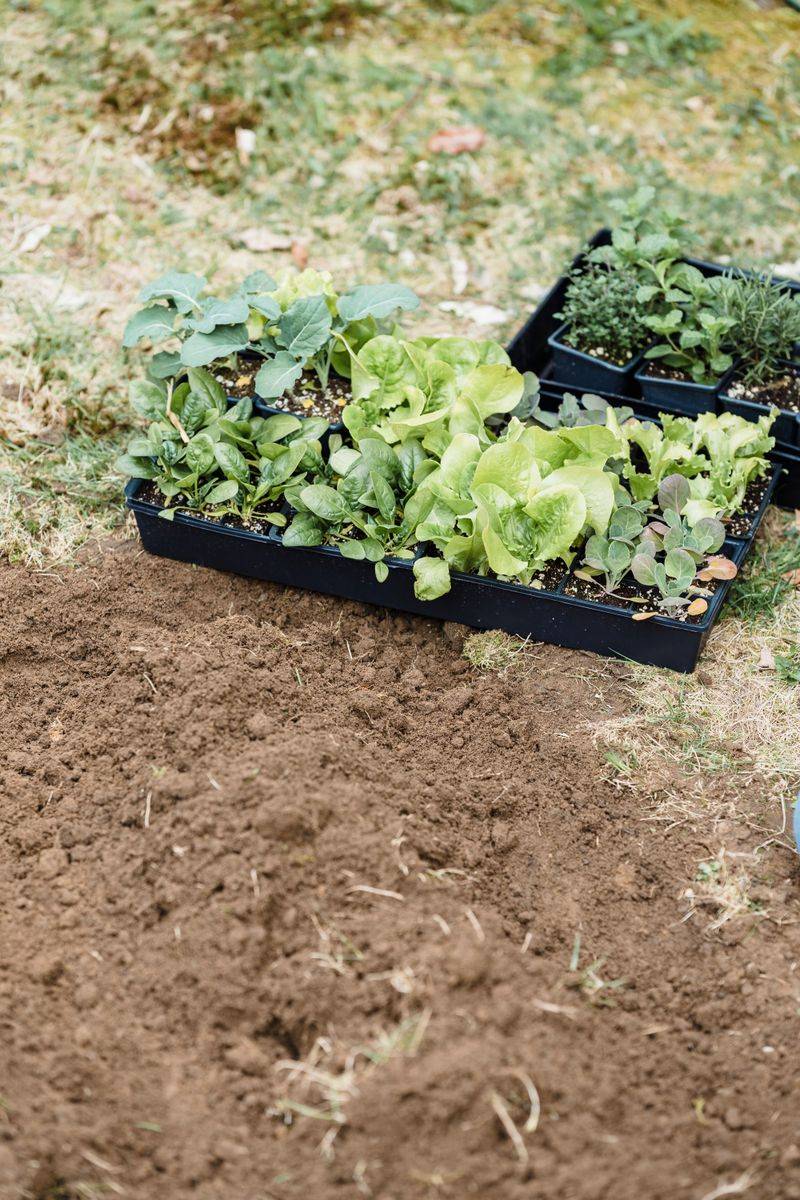
Delays in replanting can reduce your harvest window. In August, waiting even a few extra days can mean missing the chance for a full round of harvest before frost arrives.
The Amish do not let a harvested bed sit overnight if they can help it. Clearing, amending, and replanting happen in the same afternoon whenever possible.
Timing matters for soil prep as well. Adding a thin layer of compost and working it in quickly is far better than spending a week doing a deep renovation before planting.
Seeds germinate faster in warm August soil than they do in cool spring earth. That warmth is a hidden advantage of late-season planting that most gardeners do not think to use.
Starting seeds indoors a week early gives transplants a head start. Moving established seedlings into a cleared bed can save time compared to direct sowing from scratch.
Watering consistently right after planting accelerates germination even further. Soil that stays evenly moist in the first week sends seeds into growth mode quickly and reliably.
Thin your seedlings early and without hesitation. Crowded plants compete for nutrients and slow each other down, which is a problem you cannot afford when time is already short.
Moving fast is not about being careless; it is about respecting the season. The gardeners who act quickly in August are the ones still harvesting fresh food in October.
How This Habit Extends Your Growing Season
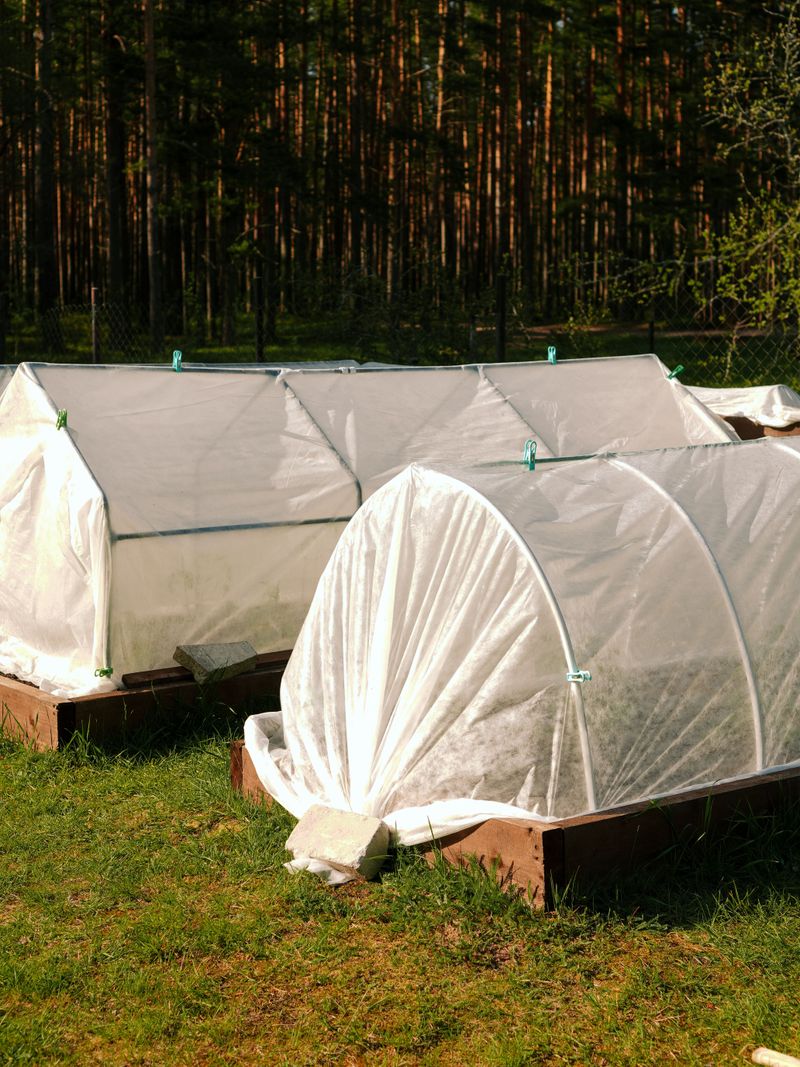
Most gardeners think the season ends when summer does. Succession planting challenges that assumption and can extend your harvest calendar weeks further into fall.
By replanting empty beds in August, you create a second wave of production that hits its peak just as your summer crops wind down. The timing creates a seamless overlap of abundance.
Cold frames extend this further by trapping daytime heat around tender plants at night. A simple wooden frame with an old window on top can keep greens alive through hard frosts.
Row covers made from lightweight fabric can protect plants from light frost, typically down to around 28 degrees Fahrenheit depending on the fabric weight. Draping them over hoops above your beds adds weeks of productive growing time.
The Amish garden habit also changes how you think about spring. Gardeners who push their fall season naturally start planning their spring successions earlier, creating a year-round rhythm of planting.
Preserving late-season harvests through freezing or fermenting compounds the benefit even further. A kale crop harvested in October can be preserved to provide food well into the winter months.
Many gardeners who try this method find it takes less extra effort than expected. The habit fits naturally into a weekly garden routine.
The growing season is often longer than most people realize. This approach allows you to keep gardening later into the season than typical timelines suggest.