8 broadleaf evergreens that scorch in Wisconsin winter wind unless you shield them now
Winter in Wisconsin can be tough on broadleaf evergreens, especially when cold, dry winds sweep across your yard and steal moisture from their leaves. When the ground freezes, roots cannot replace that lost water, and by early spring you might spot ugly brown patches on your favorite shrubs.
The good news is that a little effort right now, like watering deeply, adding mulch, and setting up burlap screens, can save these plants. Here are eight evergreens worth protecting before the worst of the season hits.
1. Boxwood (Buxus spp.)
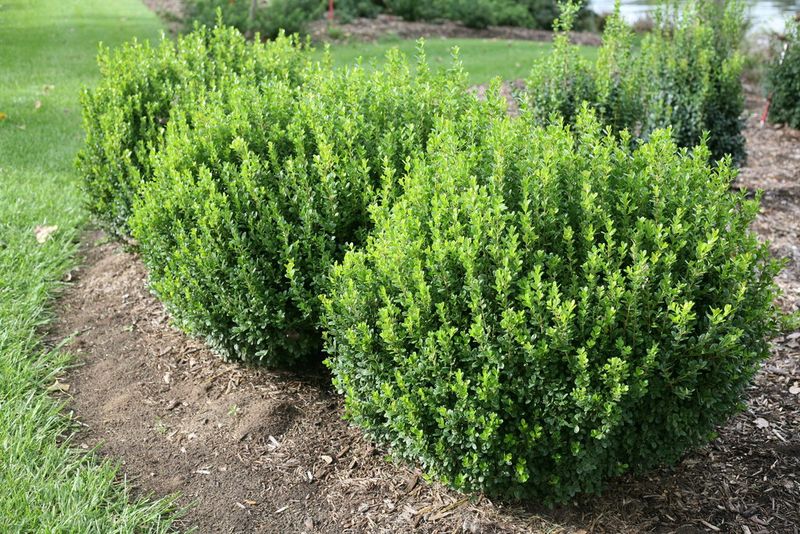
Few shrubs anchor a Wisconsin garden the way boxwoods do, with their tidy shape and dense green leaves that hold their color long after the flowers fade. That reliability comes with a catch, though, because boxwoods are one of the first plants to show winter burn once the drying winds arrive.
The browning almost always shows up on the south or west sides, right where the low winter sun and gusty air hit hardest. Wrapping them in burlap or building a simple screen keeps that punishing combination off the leaves.
A deep soaking before the ground freezes gives boxwoods a reserve of moisture to lean on through the cold months. Pair that with a few inches of mulch, and you give these Wisconsin favorites a real fighting chance at staying green.
2. Holly (Ilex spp.)
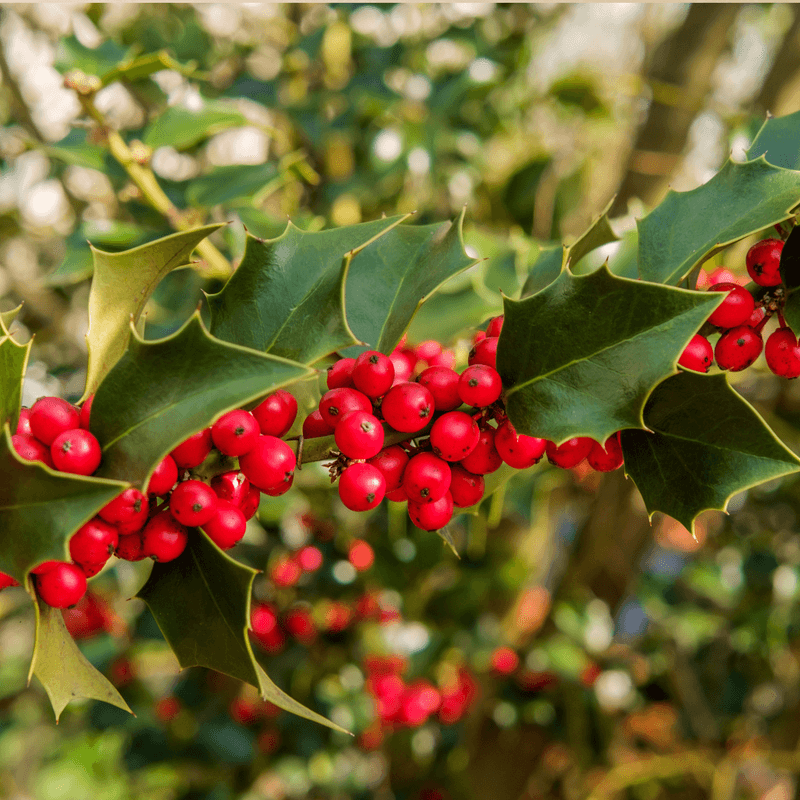
Glossy leaves and bright red berries make holly look like it was made for the holidays, but those same leaves take a beating once real winter settles into Wisconsin. Their broad surfaces lose water quickly when the wind picks up and the sun bounces off the snow.
Desiccation is the technical word for what happens, and it leaves the foliage looking scorched and crispy by March. Holly planted in open, exposed spots suffers the most because there is nothing to slow down the wind.
An anti-desiccant spray applied on a mild, above-freezing day in late fall coats the leaves with a waxy film that slows moisture loss. Combine that with steady autumn watering, and your Wisconsin holly keeps those cheerful berries looking their best.
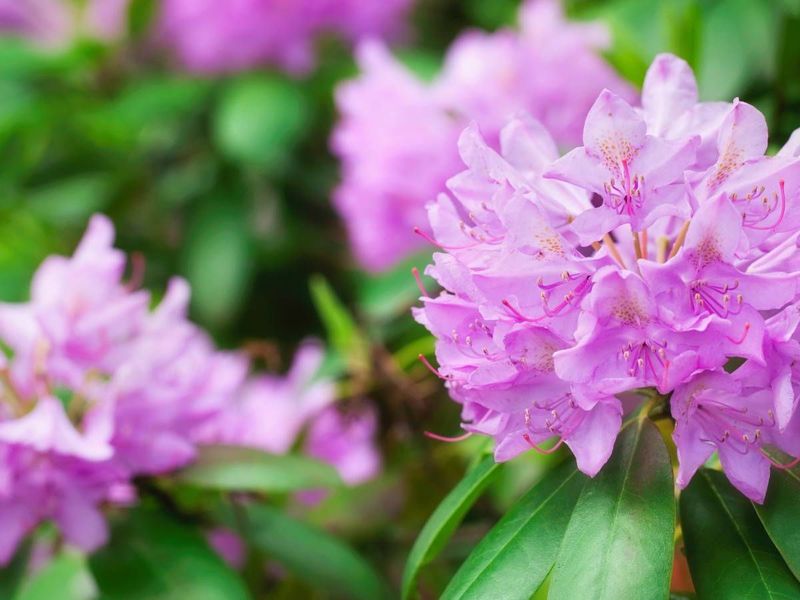
3. Rhododendron (Rhododendron spp.)
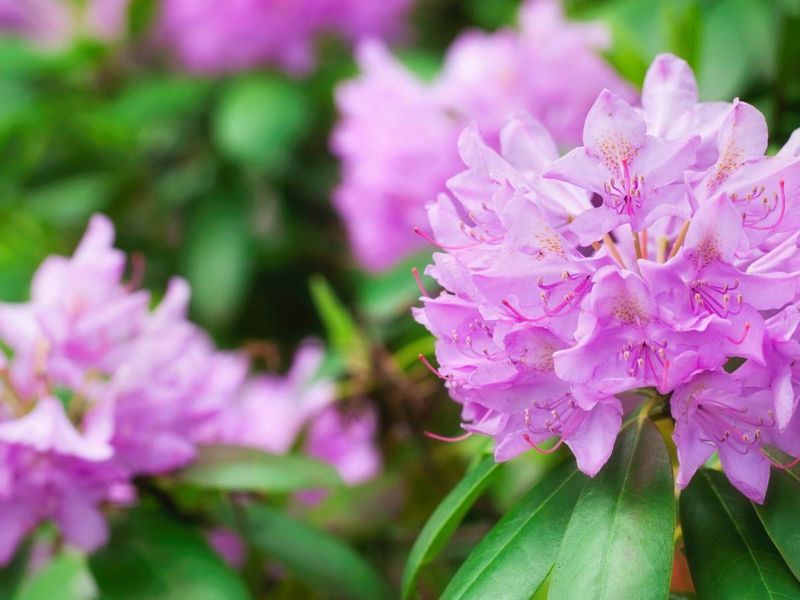
Watch a rhododendron on a frigid morning and you will notice its big leaves curling and drooping like they are trying to hug themselves. That is the plant’s own way of cutting down on water loss, and it tells you just how vulnerable those broad leaves are to Wisconsin winters.
Because the leaf surface is so large, rhododendrons lose moisture fast when cold winds blow and the sun shines. The frozen soil below cannot resupply that water, so the tips brown and the damage creeps inward.
Planting them in partial shade on the east or north side of a building shields them from the harshest sun and wind. Add a windbreak and a generous drink before freeze-up, and your Wisconsin rhododendrons will reward you with spring blooms instead of burned leaves.
4. Evergreen Azaleas (Rhododendron spp. evergreen varieties)
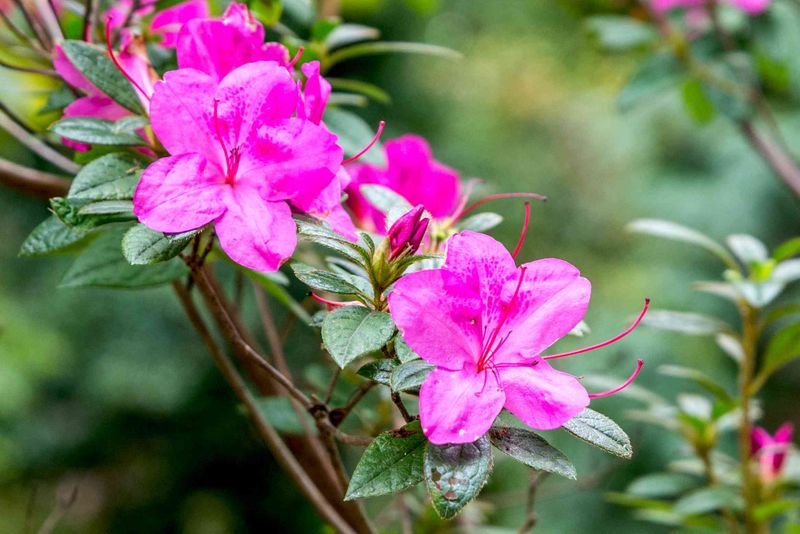
Cousins to the rhododendron, evergreen azaleas bring a softer, finer texture to the garden with their smaller leaves and generous spring flowers. Those delicate leaves, unfortunately, dry out and brown just as easily when Wisconsin’s winter winds go to work.
Your Wisconsin Garden Changes Every Week. Your Plan Should Too.
Gardening in Wisconsin changes quickly throughout the season. Every Friday you’ll receive a simple weekly plan showing exactly what to plant, prune, fertilize, harvest, and protect so you never miss the right timing.
Fun fact: unlike deciduous azaleas that drop their leaves and skip the whole problem, evergreen types hang on to their foliage all winter, which is exactly why they need extra help.
Tucking them into a sheltered corner away from the wind makes a noticeable difference. A layer of mulch to insulate the roots and a burlap screen on the windward side keep these tender Wisconsin bloomers from ending up scorched by April.
5. Wintercreeper Euonymus (Euonymus fortunei)
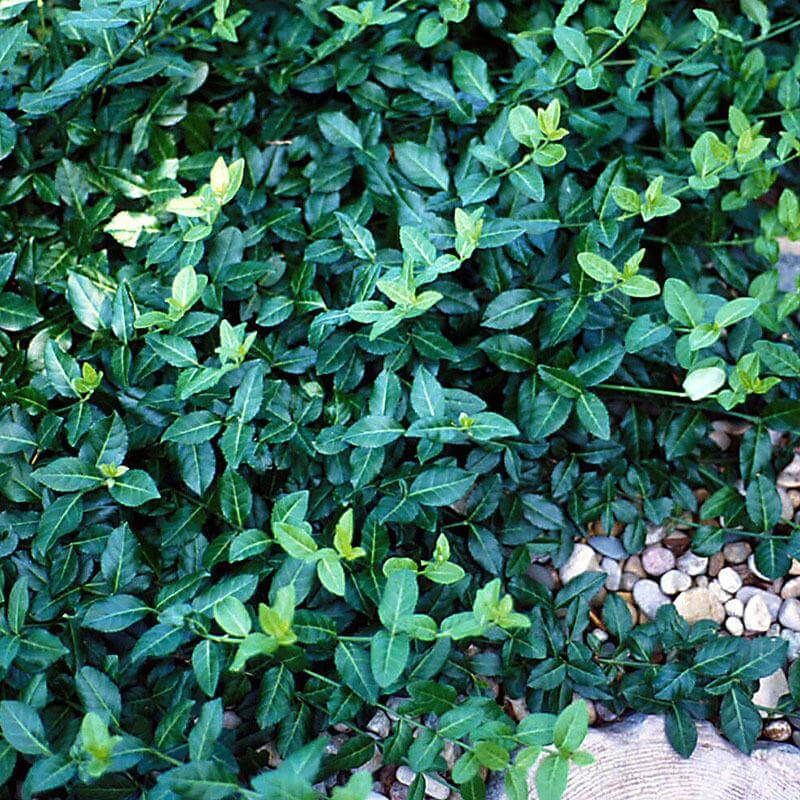
Don’t let the name fool you, because wintercreeper euonymus can struggle in a real Wisconsin winter despite sounding perfectly cold-hardy. This versatile plant works as both a low groundcover and a climbing shrub, which makes it a handy choice for tricky spots.
Out in the open, though, its leaves often turn bronze or brown from wind desiccation, especially where snow cover is thin and the wind never stops. Exposed slopes and corners are the usual trouble zones.
Keeping the roots insulated with mulch helps a lot, since it traps warmth and moisture in the soil. Giving wintercreeper a spot with some natural protection, like near a fence or wall, lets this Wisconsin workhorse stay green through the season.
6. Mountain Laurel (Kalmia latifolia)
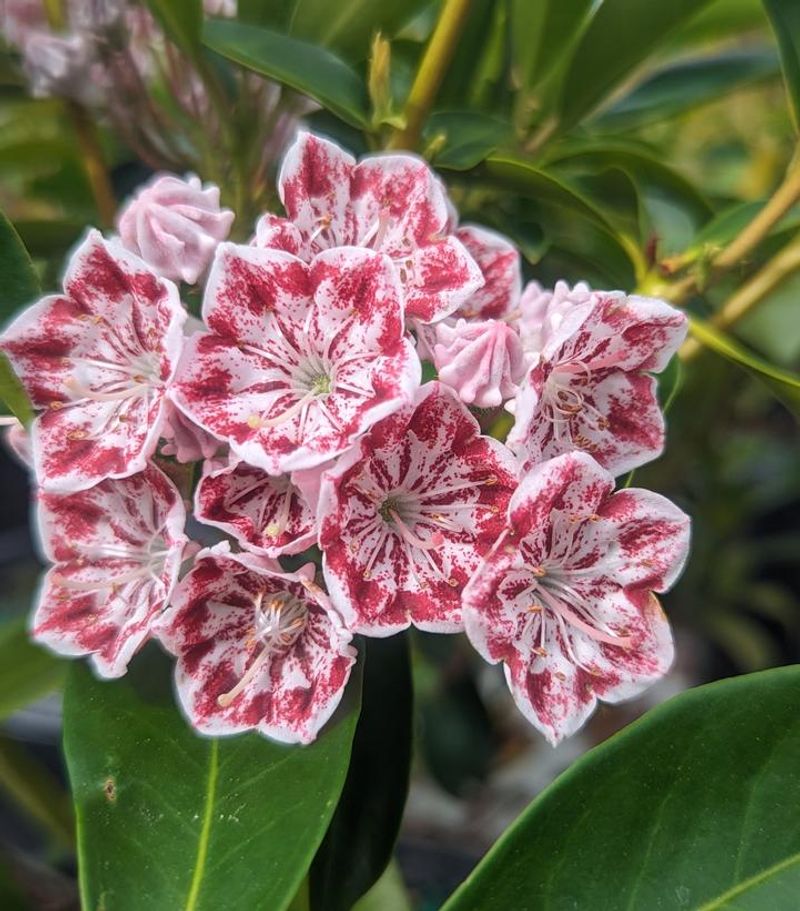
Native and normally tough, mountain laurel has real staying power in the right conditions, with leathery leaves and stunning cup-shaped flowers come summer. Its hardiness runs from USDA Zones 5 through 9, and parts of Wisconsin sit right at that northern edge.
Growing a plant at the very limit of its range means asking a lot of it, and mountain laurel responds by scorching when the wind and reflected sun off the snow get intense. The leaf edges brown first, then the damage spreads.
Choosing a protected planting site, such as a spot backed by trees or a structure, cuts down on wind exposure. With mulch, a fall soaking, and a windbreak, this Wisconsin-adapted native holds up far better through the coldest stretch.
7. Japanese Aucuba (Aucuba japonica)
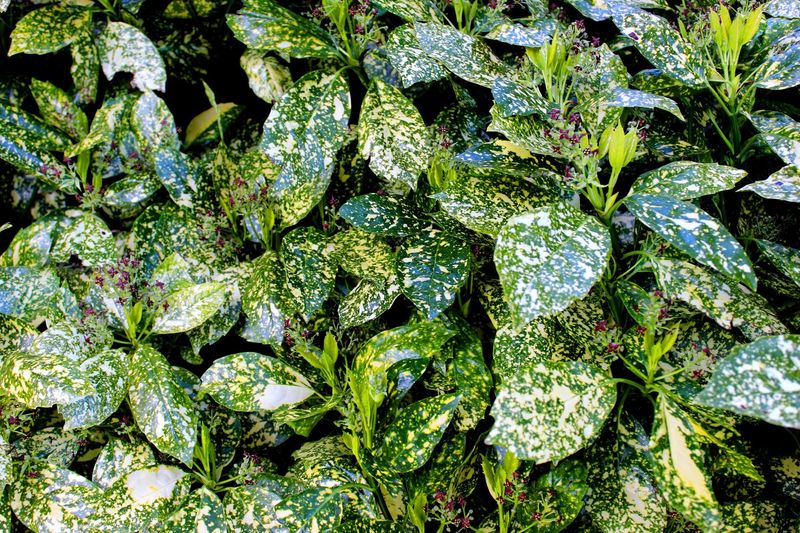
Speckled with gold like sunlight caught on the leaves, Japanese aucuba is a showstopper that many Wisconsin gardeners can only dream of growing outdoors. Certain cultivars stretch into USDA Zone 6, which puts them at the marginal edge of survival in the warmer pockets of the state.
Because it is barely hardy here, aucuba scorches easily, sometimes even in conditions milder than what other evergreens shrug off. Its leaves can burn if left in an open, sunny, windy spot without any cover.
Planting it in a shaded, sheltered corner is the single best thing you can do for it. Add a windbreak, keep the roots mulched, and water well before freeze-up, and you might just coax this bold beauty through a Wisconsin winter looking better than expected.