Why Fall Is The Best Time To Plant Many Oregon Native Shrubs
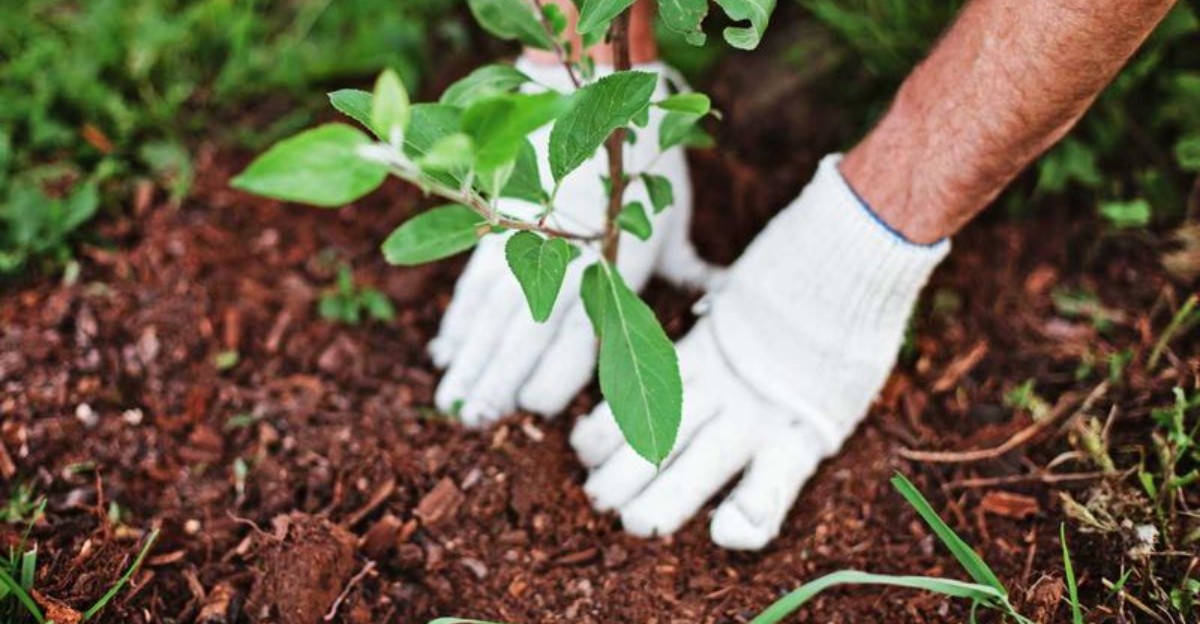
Native shrubs can settle into an Oregon landscape surprisingly well when you give them the right start.
Planting during the cooler part of the year gives roots time to establish before they have to deal with another stretch of summer heat, and seasonal moisture can make the transition easier on young plants.
That timing can also make your gardening routine simpler. Newly planted shrubs generally have less heat stress to contend with, while cooler conditions allow them to focus energy on root development.
You can use the opportunity to add structure, habitat, and year-round interest to your yard without putting as much pressure on new plants.
Choosing species suited to your local soil, light, and moisture conditions is still important, but the season you plant can give your shrubs a valuable head start. A little planning now can pay off with stronger, more established plants later.
1. Cooler Air Reduces Transplant Stress
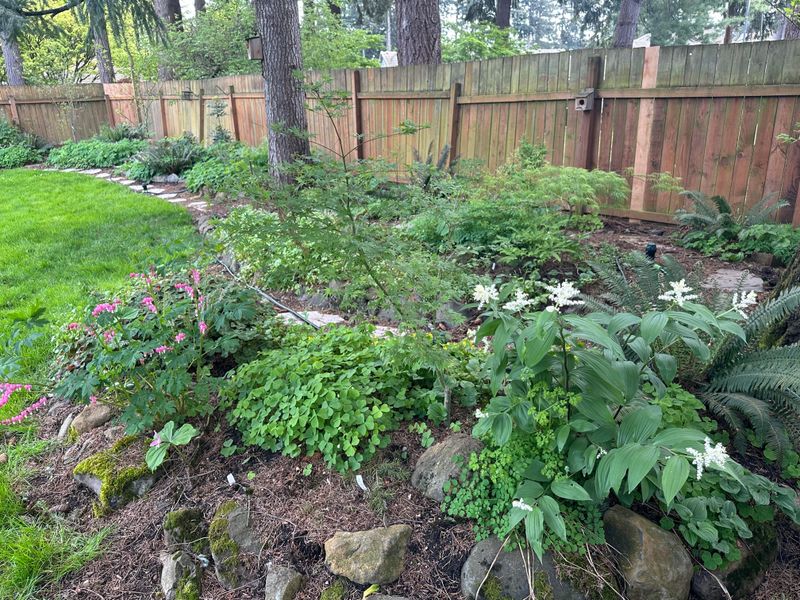
Moving a shrub from a pot into the ground is a big change for the plant. Hot weather makes that change much harder. Cooler fall air gives plants a gentler start.
When temperatures drop, shrubs lose less water through their leaves. That means they stay hydrated and calm during the move. Summer heat, on the other hand, can leave new plants wilted and weak.
Native shrubs handle the cool air well because they are built for it. The mild days and chilly nights match what these plants are used to. They can focus their energy on settling in.
You will notice less drooping and fewer sad-looking leaves in fall. The plant feels less shocked by its new home. This helps it recover faster and stay healthy.
Try to plant on a cloudy day for even better results. Overcast skies keep the sun from stressing tender roots and leaves. Oregon’s gray autumn days are perfect for this task.
Give your shrub a good drink right after planting. Even in cool weather, that first watering helps the roots reach out. From there, the mild air keeps things easy.
Lower stress means stronger plants down the road. A shrub that starts calm grows better than one that struggled from day one. Fall gives your natives the peaceful beginning they need.
2. Warm Soil Helps Roots Keep Growing
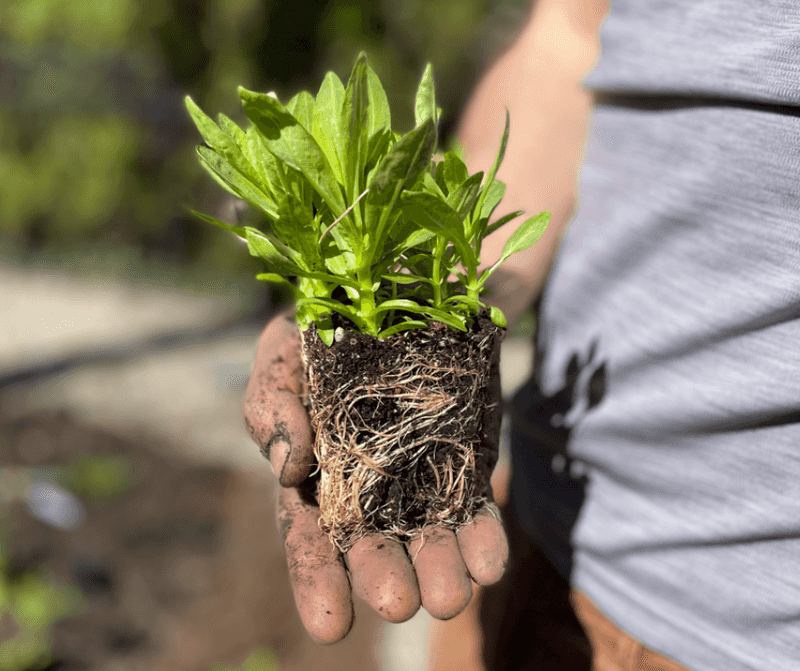
Even when the air turns chilly, the ground stays warm for weeks. All summer long, the soil soaked up heat from the sun. That stored warmth lingers well into fall.
Warm soil is exactly what roots love. Roots keep growing as long as the ground is not too cold. This gives your shrub a chance to spread out underground.
The leaves may stop growing as the season cools. Below the surface, though, the plant stays busy. Roots stretch and dig deeper while no one is looking.
This hidden growth is a huge advantage. A shrub with strong roots can find water and food more easily. It builds a solid base before the cold really sets in.
Fall soil often stays warm through October and beyond. That gives natives plenty of time to get established. By winter, they already have a good grip on the earth.
Your Oregon Garden Changes Every Week. Your Plan Should Too.
Gardening in Oregon changes quickly throughout the season. Every Friday you’ll receive a simple weekly plan showing exactly what to plant, prune, fertilize, harvest, and protect so you never miss the right timing.
To help, avoid packing the soil too tightly around the roots. Loose, warm soil lets roots move and breathe. A layer of mulch also keeps that warmth locked in longer.
Think of it as a head start you cannot see. While the top of the plant rests, the bottom keeps working. That balance is what makes fall planting so effective for shrubs.
3. Fall Rain Can Supply Much Of The Needed Moisture
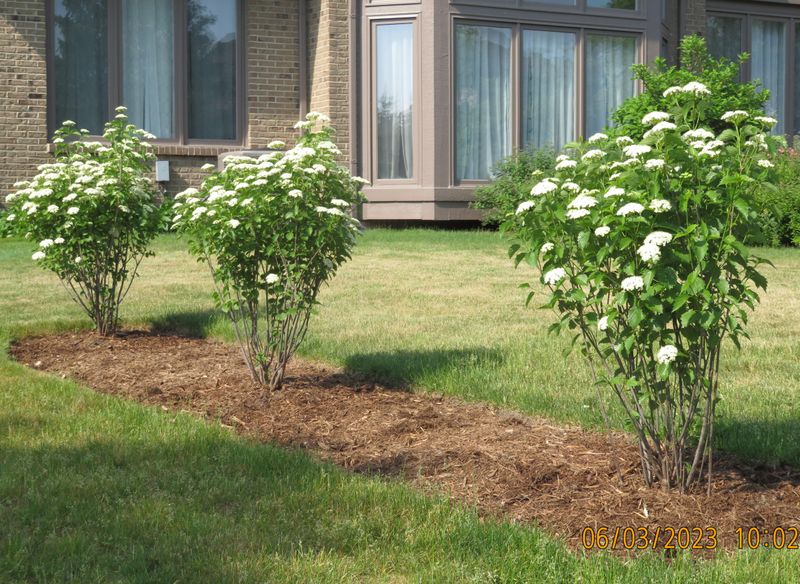
Oregon is famous for its rainy weather, and fall is when it begins. Those steady showers are a gift for new plants. They deliver water right where it is needed.
Instead of dragging out the hose every day, you let the sky do the work. Rain soaks deep into the soil naturally. This reaches roots better than a quick sprinkle ever could.
Newly planted shrubs need plenty of moisture to settle in. Fall rain keeps the ground damp for weeks at a time. That steady supply helps roots grow without stress.
You also save money on your water bill. Free rain does the job that summer watering would cost you. That is a nice bonus for any gardener.
Rainwater is often better for plants than tap water too. It has no chlorine or added chemicals. Plants tend to respond well to a good natural soaking.
Keep an eye on very heavy storms, though. Make sure your soil drains well so roots do not sit in puddles. Adding compost can help water move through more easily.
For most fall days, the gentle drizzle is just right. It keeps things moist without drowning the roots. Nature handles the watering while you enjoy the season indoors.
4. Roots Have Time To Establish Before Summer
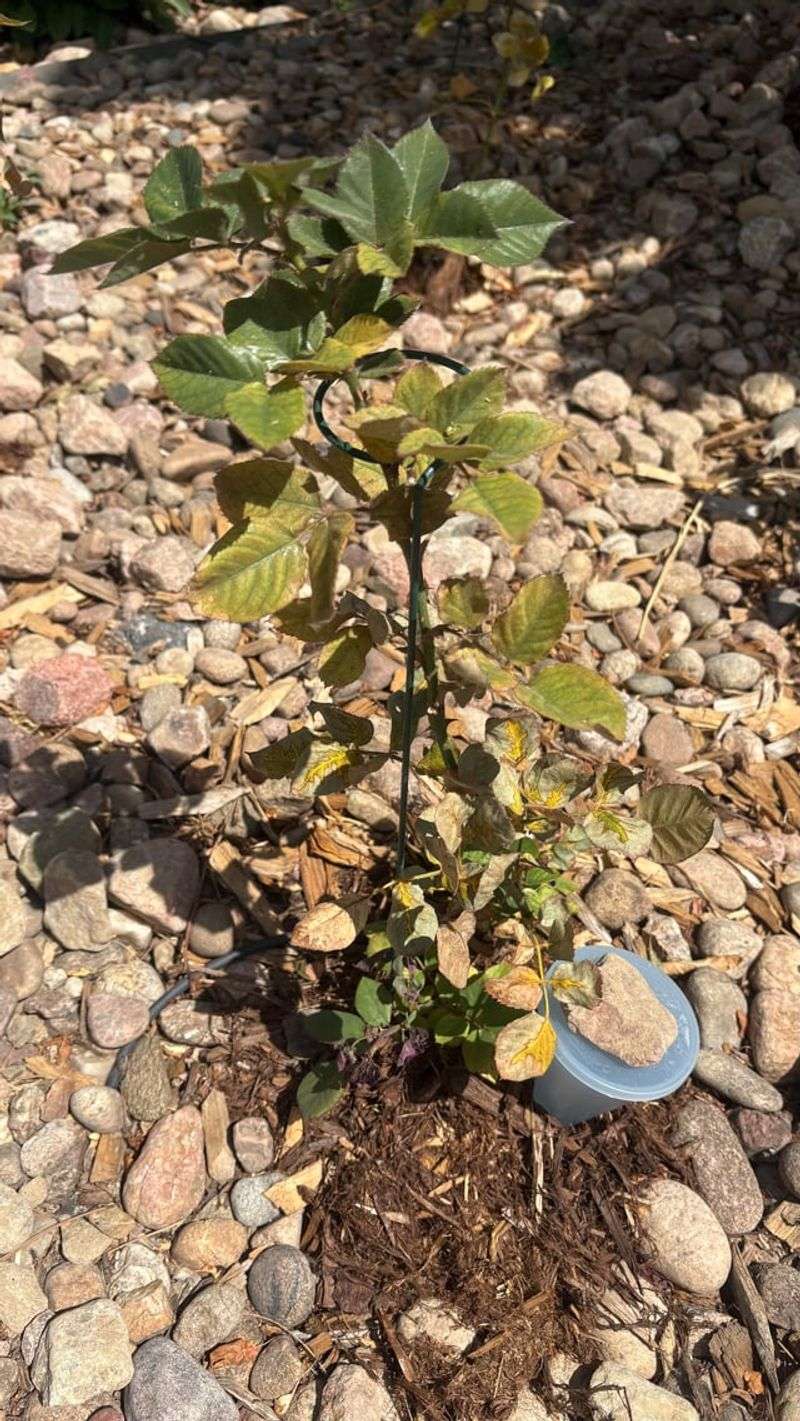
Summer in Oregon can get hot and dry. Plants that are not ready for it can really struggle. Fall planting fixes that problem ahead of time.
By planting now, your shrub gets many months to build roots. Fall, winter, and spring all pass before the heat returns. That is a long window for growing strong underground.
A shrub with deep, wide roots can handle dry spells with ease. It reaches water far below the surface. Shallow-rooted plants dry out much faster.
Think of roots as the plant’s lifeline. The bigger and stronger they are, the healthier the whole plant becomes. Fall gives them the time they need.
Plants set out in spring have far less time to prepare. Summer arrives before their roots are ready. That leads to more watering and more worry for you.
Oregon natives are tough, but even they need a good foundation. A fall start lets them grow that base without pressure. By summer, they stand ready for anything.
You will see the payoff during the hottest months. While other plants wilt, your natives stay steady. Their deep roots keep them cool and hydrated.
Planning ahead like this saves effort later. A little work in fall means an easier summer. Your future self will thank you for the head start.
5. Native Shrubs Can Settle In During Winter
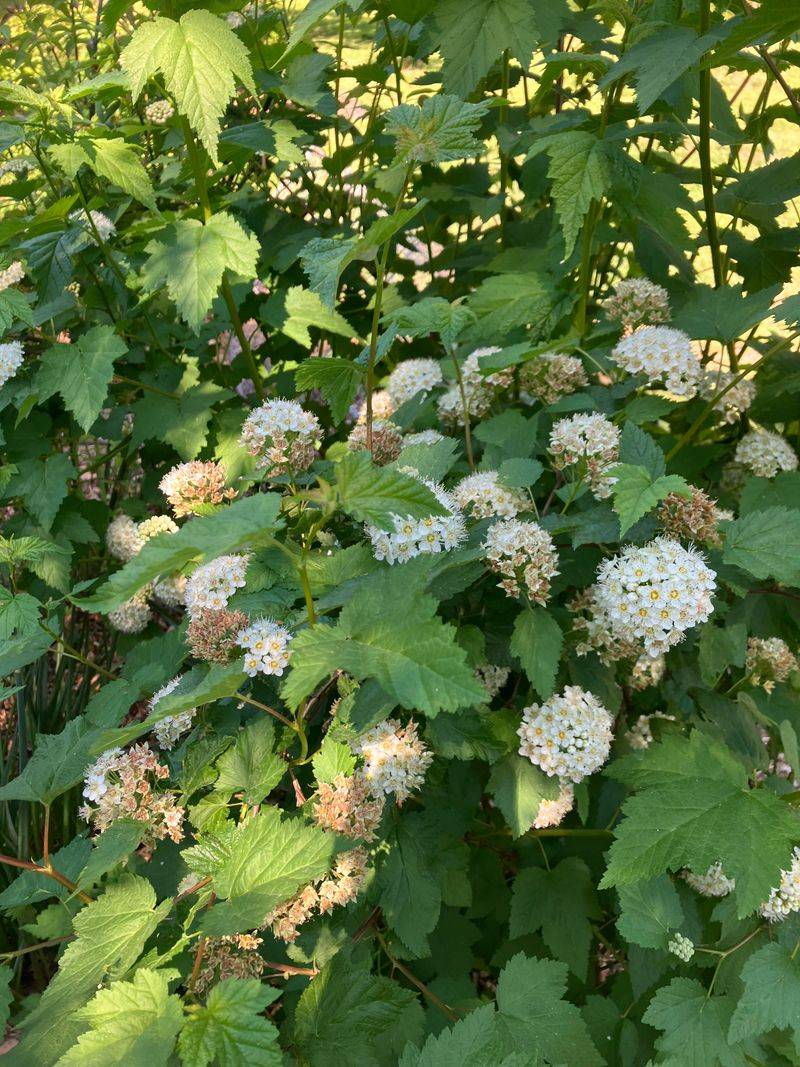
Winter looks like a resting season, but plants are quietly at work. Native shrubs use these cool months to settle into their new spot. The slow pace suits them well.
Above the ground, the shrub seems still and sleepy. Below, roots keep making small moves whenever the soil is not frozen. This gentle progress adds up over time.
Oregon winters are usually mild and wet, not harsh. That makes them friendly for young natives. The plants ease into their surroundings without much stress.
Because these shrubs come from the region, they know winter well. They are built to handle the rain, cold, and short days. There is no shock to their system.
This settling period is like a long, calm rest with benefits. The plant conserves energy while still bonding with the soil. Come spring, it is ready to take off.
You do not need to do much during these months. A layer of mulch protects roots from the coldest snaps. Beyond that, nature takes care of the rest.
Avoid disturbing the shrub while it rests. Let it stay put and do its quiet work. Patience now leads to strong growth later.
By the time buds appear, your shrub is already at home. Winter did the settling job for free. That is a smart way to grow.
6. Fall Planting Reduces The Need For Summer Water
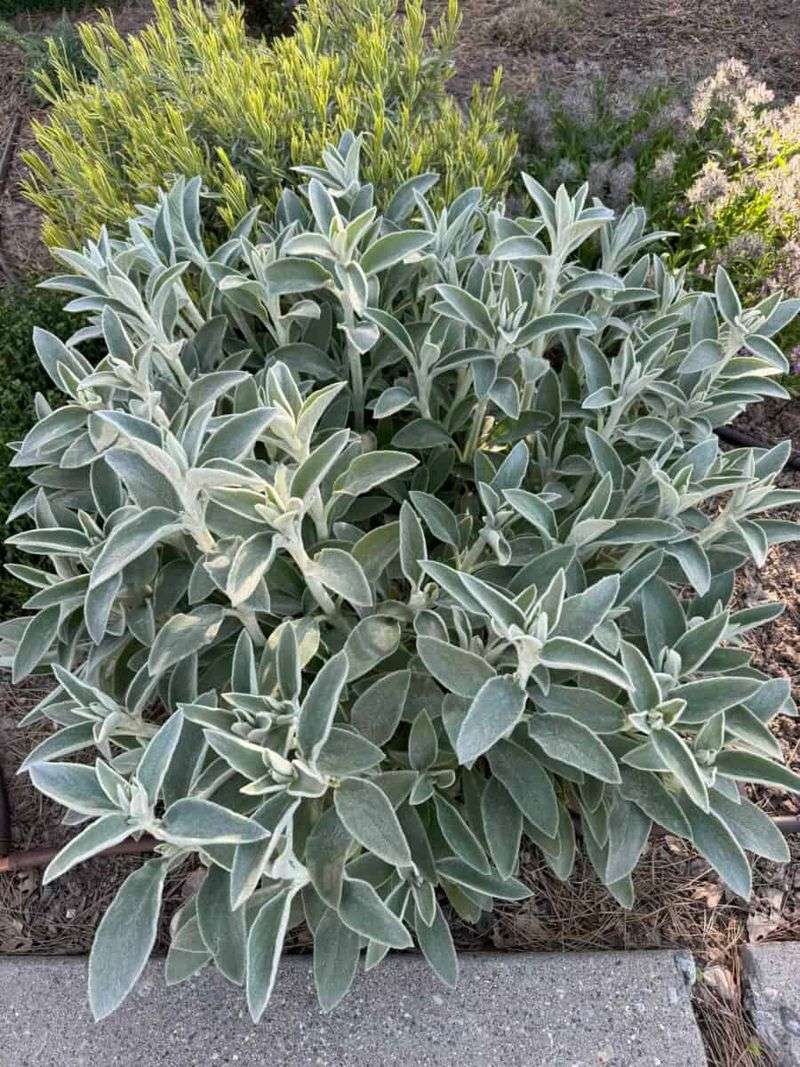
Watering all summer long can feel like a chore. Fall planting cuts down on that job in a big way. It sets your shrubs up to need less help later.
Because roots grow deep during the cooler months, they reach water on their own. By summer, the plant is much less thirsty. You spend less time holding a hose.
Native shrubs are already good at handling dry summers. Give them a fall head start, and they become even tougher. Many need almost no extra water once established.
This is great news for busy people. Fewer watering trips mean more free time. It also means one less thing to remember on hot days.
Your water bill will show the difference too. Less summer watering means real savings. Over the years, those savings add up nicely.
Saving water is also kind to the environment. Oregon can face dry stretches and water limits. Plants that need little water help the whole community.
To make this work, plant natives suited to your area. They already know how to survive local summers. A fall start just makes them stronger.
Once your shrubs are settled, you can relax during the heat. They stand on their own with little fuss. That freedom is one of the best rewards of fall planting.
7. The Soil Is Often Easier To Work Before Winter
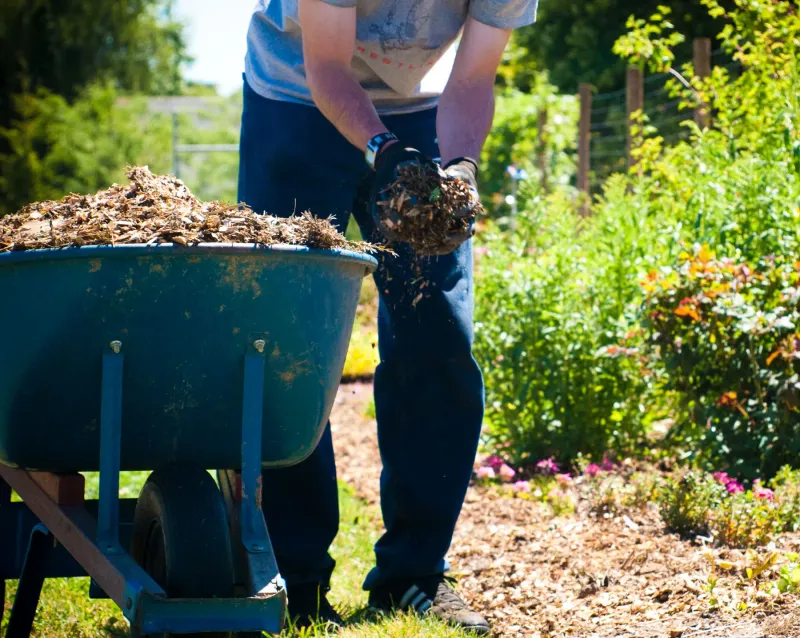
Digging in dry summer dirt can be really hard. The ground turns tough as a rock and fights your shovel. Fall soil is a whole different story.
Early rains soften the ground and make it easier to dig. The soil crumbles and moves without much effort. Your back will notice the difference right away.
Loose, damp soil is also better for planting. Roots can spread out into the softened earth. They settle in faster when the ground welcomes them.
Summer soil often cracks and hardens into clumps. That makes planting a struggle and can harm roots. Fall avoids that whole headache.
You can shape planting holes more cleanly in moist soil. The sides hold together instead of falling apart. This gives your shrub a neat, cozy spot.
Mixing in compost is easier too when the ground is soft. It blends smoothly with the loosened dirt. Your shrub gets a rich, welcoming home.
Try to work the soil after a light rain, not a heavy one. Slightly damp soil is perfect, while soggy mud is not. A good balance keeps things easy.
Less effort means you can plant more in one day. That helps if you want several shrubs in the ground. Fall makes the whole job smoother and quicker.
8. New Shrubs Get A Head Start On Spring Growth
Spring is when gardens wake up and burst with life. Shrubs planted in fall are ready for that moment. They have a real head start on everything else.
While spring-planted shrubs are just getting settled, your fall natives are already rooted. They can pour their energy into new leaves and flowers. That leads to faster, fuller growth.
All those quiet months of root building pay off now. The plant has a strong base to grow from. Fresh shoots appear sooner and look healthier.
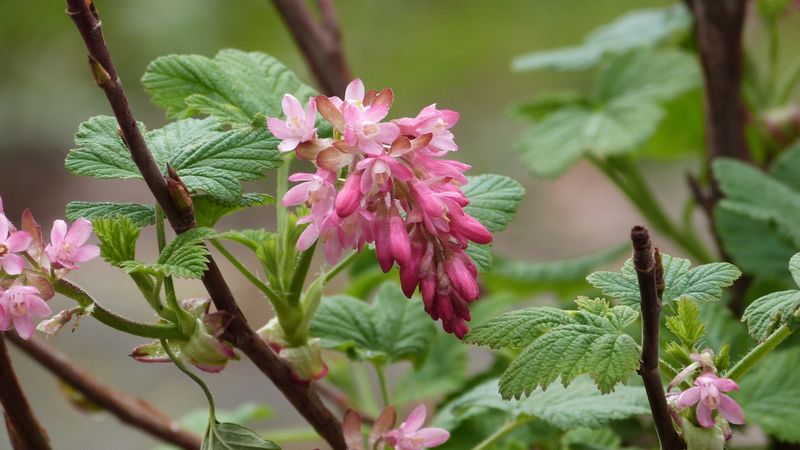
Red-flowering currant and other natives often bloom beautifully after a fall start. The extra time makes their spring show even better. You get more color and more blooms.
This early growth also helps the shrub stay ahead of weeds. A strong, established plant fills its space quickly. That leaves less room for unwanted plants.
You will spend less time babying spring plantings. Your fall shrubs handle themselves with confidence. That means more time to enjoy the garden.
The difference is easy to see side by side. Fall-planted shrubs simply look more mature by summer. Their head start shows in every leaf.
Getting shrubs in the ground now sets up a lovely spring. When warm days return, your garden will already be thriving. That payoff makes fall planting well worth it.