9 Reasons Your Lawn Stays Thin No Matter How Much You Fertilize
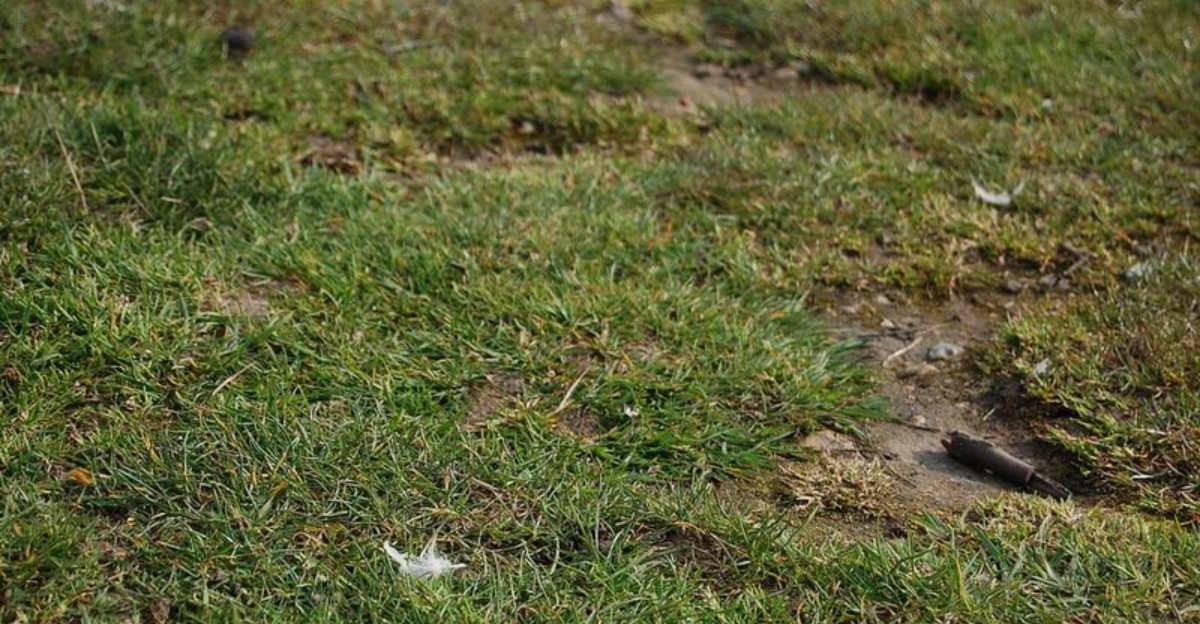
You water it, you feed it, yet your lawn stays thin. Soil hides problems your fertilizer bag rarely fixes. Underneath, your roots stall long before the blades ever show real damage.
Compacted ground blocks airflow while you feed the surface. Nutrients sit useless when soil chemistry turns unfavorable. Shifting pH quietly wastes the money you spend on feed.
Thatch forms a barrier water simply cannot cross. Meanwhile, heat intensifies hidden failures beneath your feet. Shade, drainage, and microbial life all quietly shape what you see.
Drainage problems trap water exactly where roots cannot use it. Microscopic organisms in your soil decide whether nutrients reach roots. None of this shows up on your fertilizer label.
Real change starts far below your surface, not on top of it. Once you understand what’s happening beneath your feet, you’ll want to know the rest.
1. Compacted Soil Blocks Roots From Breathing
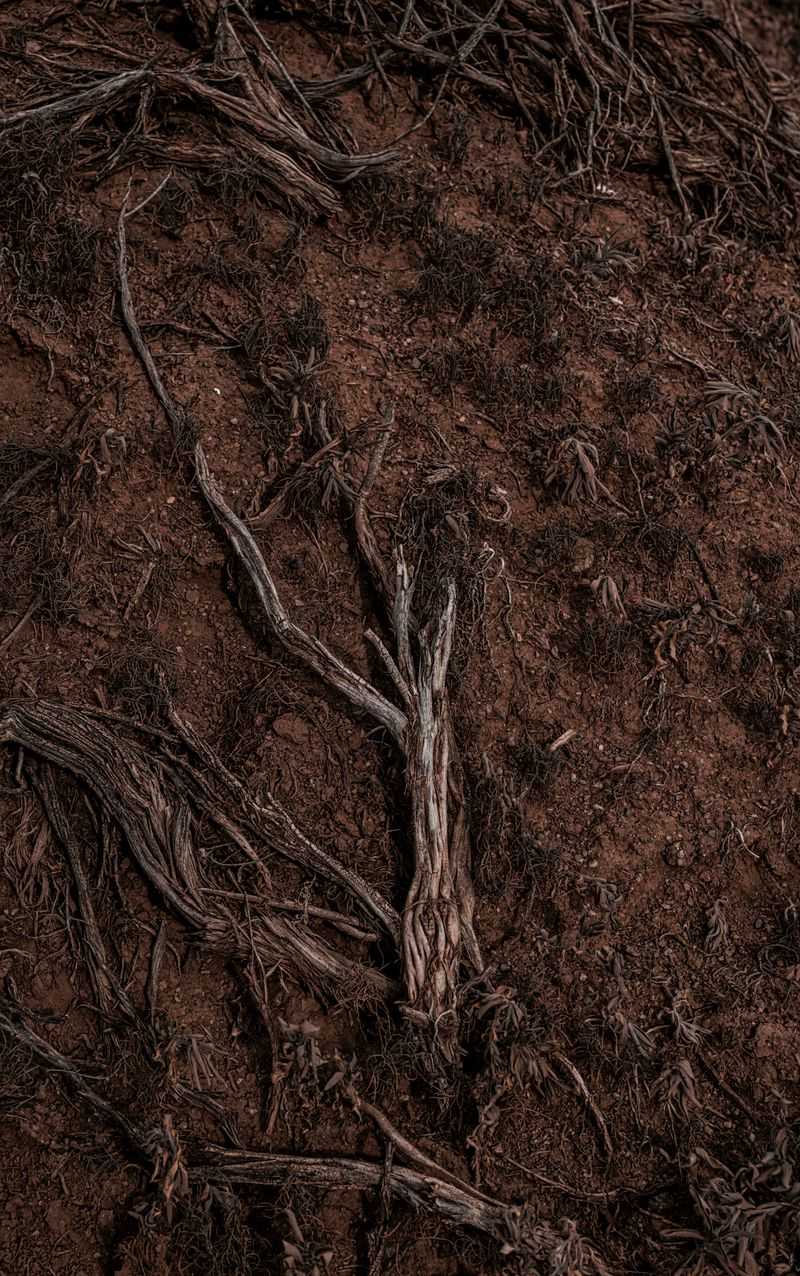
Push a screwdriver into your lawn right now. If it stops after an inch, you have found your problem.
Compacted soil squeezes out the air pockets that grass roots depend on. Without oxygen, roots stay shallow and stubby, and shallow roots cannot pull up the nutrients you just applied.
Foot traffic, kids playing, mower wheels, and heavy clay all press soil particles tighter together over the years. Water then runs off instead of soaking in, carrying your fertilizer toward the sidewalk.
September is prime time to fix it. Core aeration pulls thousands of small plugs out of the ground, opening channels for air, water, and food to travel down where roots live.
Rent a core aerator rather than using spike shoes or a spike roller, since spikes can press soil even tighter. Go over the lawn twice in different directions for heavier clay.
Leave the plugs on the surface and let rain break them down over two weeks. They return organic matter to the top layer as they crumble.
Follow aeration with overseeding and a light feeding, and you get three benefits from one afternoon of work. Roots can finally stretch, and next spring your grass will look noticeably fuller. Aerating once each autumn keeps stubborn soil from tightening back up.
2. Soil pH Has Drifted Out Of Range
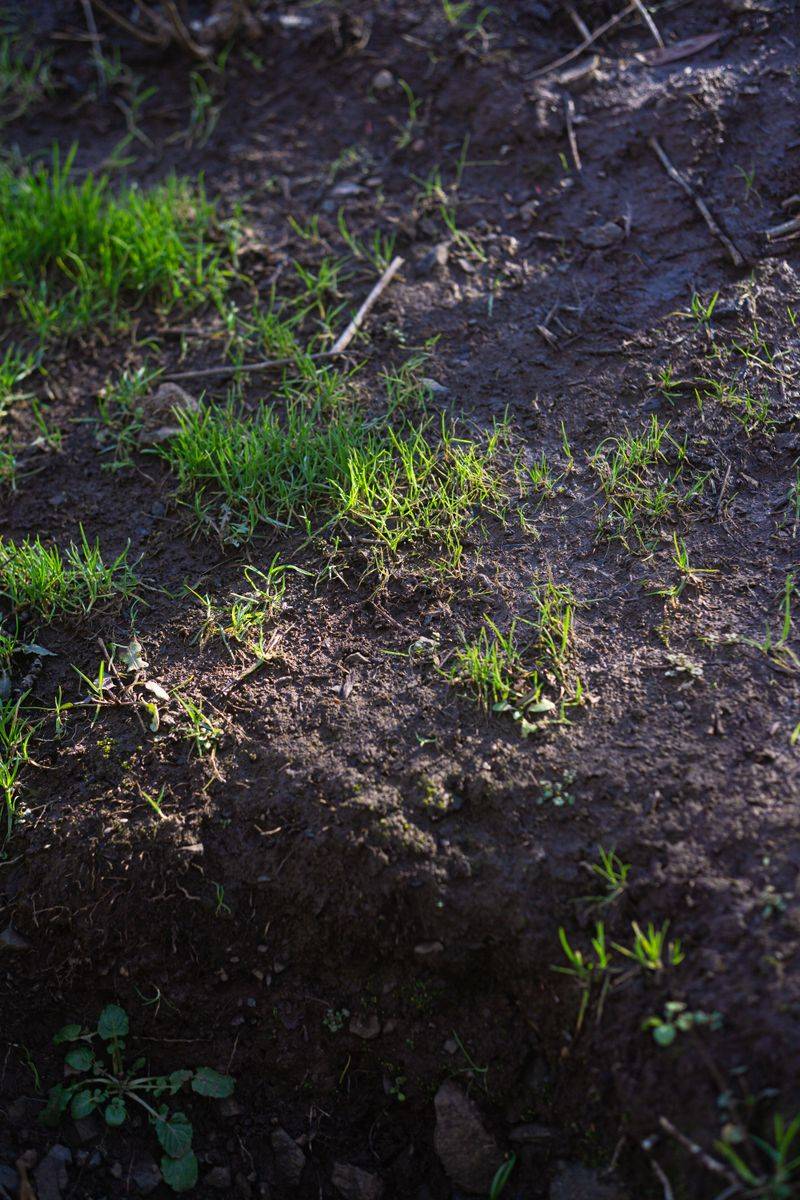
Fertilizer can sit in the soil unused, like groceries locked in a pantry with no key. Soil pH is that key.
Grass prefers a pH somewhere between 6.0 and 7.0. Outside that window, nutrients like iron, phosphorus, and nitrogen become chemically tied up and roots cannot absorb them.
Acidic soil is common under pine trees, in rainy regions, and anywhere fertilizer has been applied heavily for years. Alkaline soil shows up in dry climates and near old concrete or masonry.
A ten dollar test kit from the garden center gives you a rough reading in minutes. A mail-in test through your county extension office costs a bit more and tells you exactly how much lime or sulfur to add.
Pelletized lime raises pH slowly, so apply it in autumn and expect results over several months. Elemental sulfur lowers pH for soils that read too high.
Your Alabama Garden Changes Every Week. Your Plan Should Too.
Gardening in Alabama changes quickly throughout the season. Every Friday you’ll receive a simple weekly plan showing exactly what to plant, prune, fertilize, harvest, and protect so you never miss the right timing.
Resist the urge to dump a whole bag at once. Correcting pH gradually protects soil microbes and prevents shocking the roots.
Retest the following year to track your progress. Many homeowners discover their pale, thin turf greens up beautifully once pH comes back into range, without adding a single extra pound of nitrogen. Test before you feed, and your fertilizer finally earns its keep.
3. You Are Growing Grass In Too Much Shade
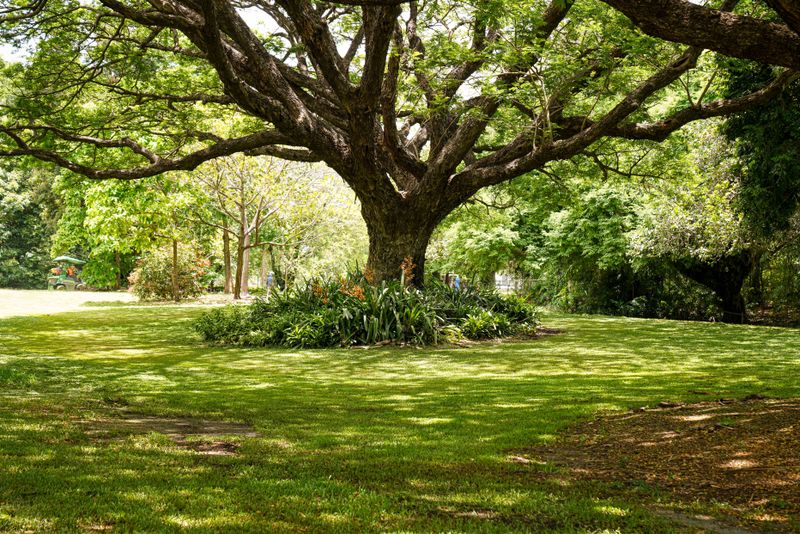
No amount of plant food replaces sunlight. Grass builds its own energy from light, and fertilizer is only a supplement to that process.
Areas under mature trees or along the north side of a house may get fewer than three hours of direct sun. Sun-loving types like Kentucky bluegrass and Bermuda thin out fast in those spots.
Feeding shaded turf more heavily actually backfires. The grass pushes weak, leggy growth that flops over and invites disease.
Start by letting light in. Prune the lower limbs of trees and thin the interior canopy so dappled sun reaches the ground through the day.
Then match the plant to the place. Fine fescues handle shade better than any other cool-season option, while St. Augustine tolerates it in warm regions.
Raise your mower an inch in shady zones so each blade has more surface area to capture the light it does receive. Cut back on watering too, since shaded soil stays damp much longer.
Some corners will not support turf no matter what you try. A bed of hostas, ferns, pachysandra, or a simple mulch ring looks intentional and saves you years of frustration. Working with your light instead of fighting it is the cheapest lawn upgrade available.
4. A Thick Thatch Layer Is Blocking Water And Nutrients
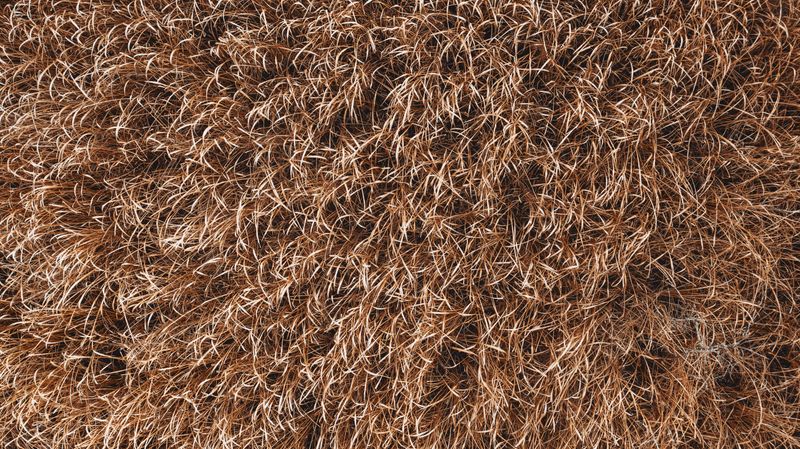
Peel back a small wedge of turf with a spade. That spongy brown mat between the green blades and the soil is thatch.
A half inch is healthy and helps hold moisture. Anything thicker acts like a sponge that soaks up fertilizer and water before either reaches the root zone.
Thick thatch builds when grass produces stems and runners faster than soil organisms can break them down. Heavy nitrogen use, infrequent mowing, and low microbial activity all speed it along.
Roots start growing inside the thatch layer instead of the soil, which leaves them exposed to heat and drought. The lawn then thins out in patches during stressful weather.
Power raking or vertical mowing pulls the mat out mechanically. September works well for cool-season grasses since they recover quickly in mild temperatures.
Expect a startling amount of debris. Rake it up, compost it, then overseed the thinned areas while the soil is freshly exposed.
Topdressing with a quarter inch of screened compost afterward feeds the microbes that digest thatch naturally.
Clippings left after mowing break down in weeks and do not contribute to the layer, despite the old myth. Clear the barrier, and your next feeding reaches soil instead of stalling halfway.
5. Mowing Too Short Weakens The Plant
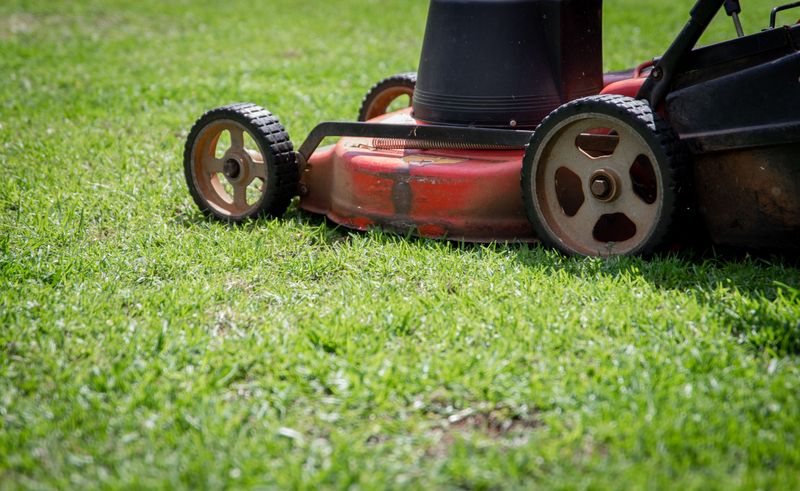
Here is a rule most people break every weekend. Removing more than one third of the blade height at once puts grass into survival mode.
Leaf blades are the factory floor where food gets made. Cut them too short and the plant must burn stored root energy just to regrow, leaving nothing for spreading sideways.
Scalped lawns also expose bare soil to sunlight, which is exactly what crabgrass and other weed seeds are waiting for. Thin turf and weeds feed each other in a loop.
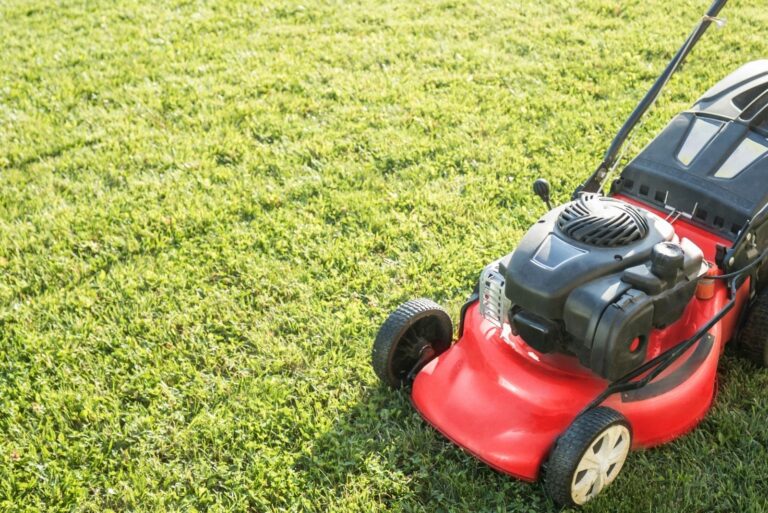
Raise your deck to three or three and a half inches for most cool-season grasses. Taller blades shade the soil, hold moisture, and encourage deeper roots that reach nutrients further down.
Sharpen the blade at least twice a season. A dull edge tears rather than slices, leaving frayed tips that turn tan and make the whole lawn look dull from a distance.
Mow when grass is dry so clippings spread evenly instead of clumping. Change your pattern each time to avoid pressing ruts into the same lines.
During September, keep the height up through the first few cool weeks, then drop slightly for the final cut of the year. Better mowing habits deliver visible thickening within a month, no extra product needed.
6. Watering Habits Encourage Shallow, Underdeveloped Roots

Ten minutes of sprinkling every evening feels responsible. Your grass disagrees. Light, frequent watering keeps moisture in the top inch of soil, so roots have no reason to travel downward.
When a dry spell arrives, those shallow roots cannot find reserves and the lawn thins in wide patches.
Soaking deeply once or twice a week trains roots to chase water down six inches or more. Deeper roots also reach fertilizer that has washed below the surface.
Measure your output with an empty tuna can. When it holds about an inch of water, you have given enough for the week in most soils.
Water early in the morning between dawn and nine o’clock. Evening watering leaves blades damp overnight, which invites fungus in the humid stretch of late summer.
Clay soils need a pause partway through so water can soak in rather than puddle. Run the sprinkler twenty minutes, wait an hour, then finish.
Sandy soil drains fast and may need two shorter sessions per week instead of one long one. September rain often covers part of the job, so check a rain gauge before turning anything on.
Adjusting your schedule costs nothing and builds the root depth that fertilizer alone can never create.
7. Grubs And Other Pests Are Working Underground
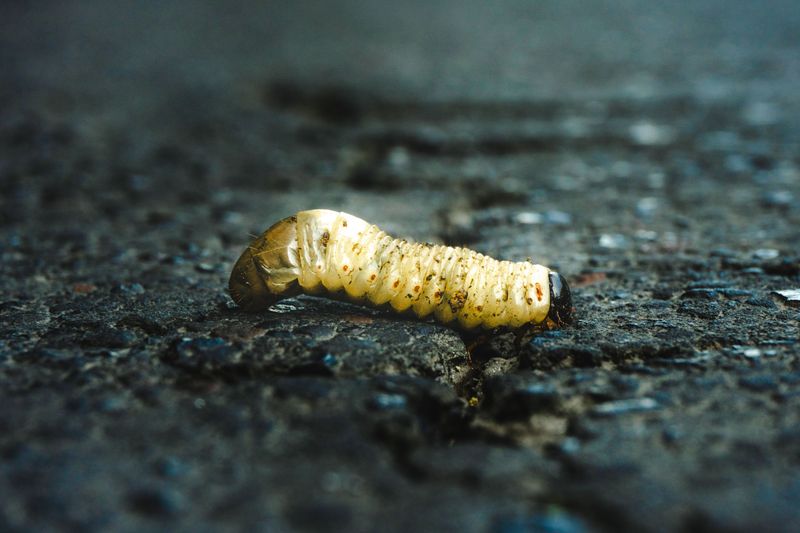
Turf that lifts up like loose carpet has a story to tell. Pests may be feeding on the roots below.
White grubs are the larvae of beetles, and they spend late summer feeding on grass roots a couple of inches down. Damaged roots cannot take up water or nutrients, so the lawn thins and browns in irregular patches.
Skunks, raccoons, and birds tearing at your turf are an obvious clue. They are digging for a meal, not targeting the grass itself.
Check by cutting a one foot square of sod and peeling it back. Finding more than five to ten C-shaped larvae in that space (thresholds vary by region and grass type) means treatment is worth considering.
Beneficial nematodes watered into moist soil offer a natural option and work best in late summer while grubs are small and near the surface. Milky spore targets Japanese beetle larvae over several seasons.
Chinch bugs, billbugs, and sod webworms cause similar thinning above ground. Pouring soapy water on a suspect patch drives them up where you can identify them.
Keeping turf thick and well rooted is your best long-term defense, since healthy lawns tolerate a modest pest population without visible damage. Solve the underground issue, and your fertilizer finally goes to the grass.
8. The Grass Variety Simply Does Not Suit Your Yard
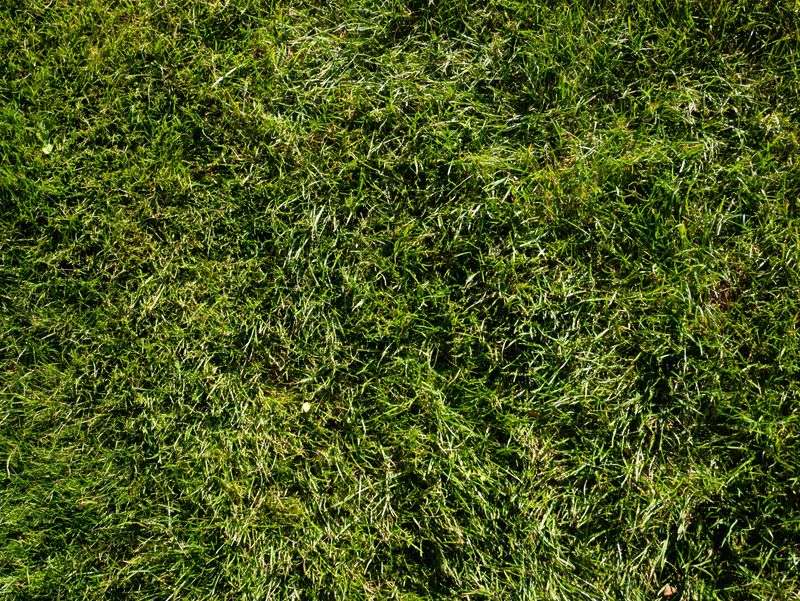
Sometimes the seed in the ground was chosen by a builder in a hurry, or by whoever had the cheapest bag at the hardware store.
Bargain mixes often contain annual ryegrass, which sprouts fast, looks great for one season, and then fades. Homeowners fertilize harder each year trying to revive something that was temporary by design.
Climate matters enormously. Cool-season grasses like fescue and bluegrass struggle in southern heat, while Bermuda and zoysia go dormant and brown in northern cold.
Some types spread on their own and fill gaps naturally. Kentucky bluegrass sends out underground rhizomes, while tall fescue grows in clumps and needs overseeding to thicken.
Read the label on any bag before buying. Look for named varieties, a weed seed percentage near zero, and a recent test date.
Turf-type tall fescue handles heat, drought, and foot traffic better than older varieties and blends well with bluegrass for a resilient mix.
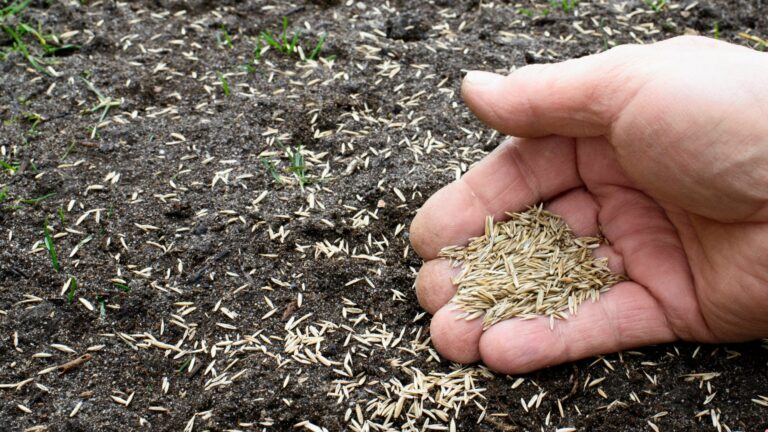
September is the ideal window for overseeding cool-season lawns, since warm soil speeds germination while cooler air reduces stress on seedlings.
Rake, seed, and keep the surface lightly moist for two weeks. Upgrading what grows there beats feeding a variety that was never suited to your yard.
9. Timing And Technique Of Feeding Are Off
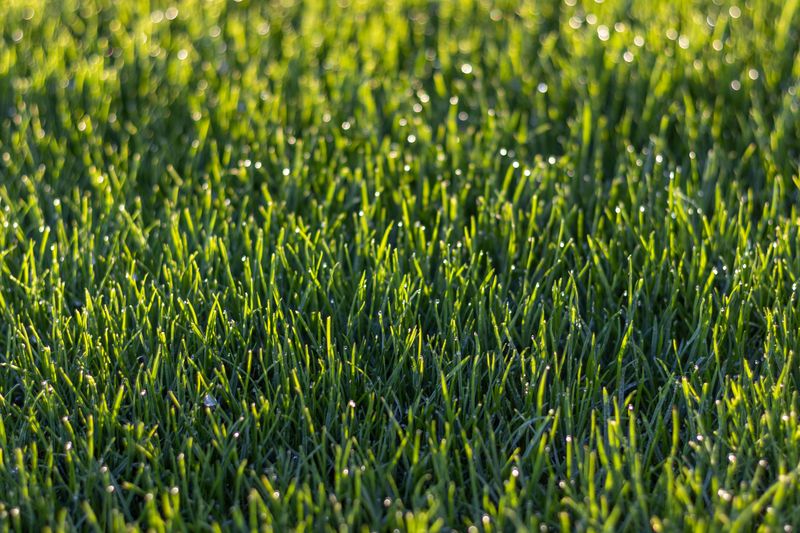
Fertilizer works best when timed and measured carefully; inconsistent application produces limited results.
Feeding cool-season grass heavily in midsummer pushes tender growth during the hardest weeks of the year. The same product applied in early September fuels root growth and repair instead.
Quick-release nitrogen gives a fast green flush that fades in weeks. Slow-release formulas feed steadily for a month or two and produce denser growth with less waste.
Spreader calibration trips up plenty of people. A setting too low leaves striped thin areas, and too high wastes product and can burn strips into the turf.
Walk at a steady pace, overlap wheel tracks slightly, and close the hopper when turning. Sweeping stray granules off hard surfaces back onto the lawn keeps them out of storm drains.
Nitrogen alone will not fix a soil short on potassium or iron. A soil test tells you which numbers on the bag actually matter for your yard.
Water lightly after applying granules so they dissolve and move toward the roots rather than sitting on blades.
Two well-timed feedings, one in early autumn and one about six weeks later, outperform four scattered applications with no plan behind them.