What To Do With Tired Tomato, Squash And Cucumber Plants In Alabama Gardens
Your garden stopped performing, and you already sense it clearly. Heat like this tests every gardener across Alabama. Plants you nurtured in spring now struggle by noon.
Leaves curl inward, hiding growth you worked so hard for. Nothing about your Alabama garden looks the same as June. Growth you trusted to continue has slowed considerably.
Watering more will not fix what your plants actually need. Timing matters more to you than effort right now.
Choices you make this week decide your fall harvest. Removing your stressed plants too soon limits potential.
Waiting too long costs you valuable growing days instead. Smart moves now separate your recovery from your setback. Production slows, but your garden has not stopped completely.
Roots still hold strength even when your leaves look tired. Every decision from here shapes what your garden becomes. Once you see what is really happening, you cannot look away.
1. Remove Yellowing Leaves To Reduce Disease Spread
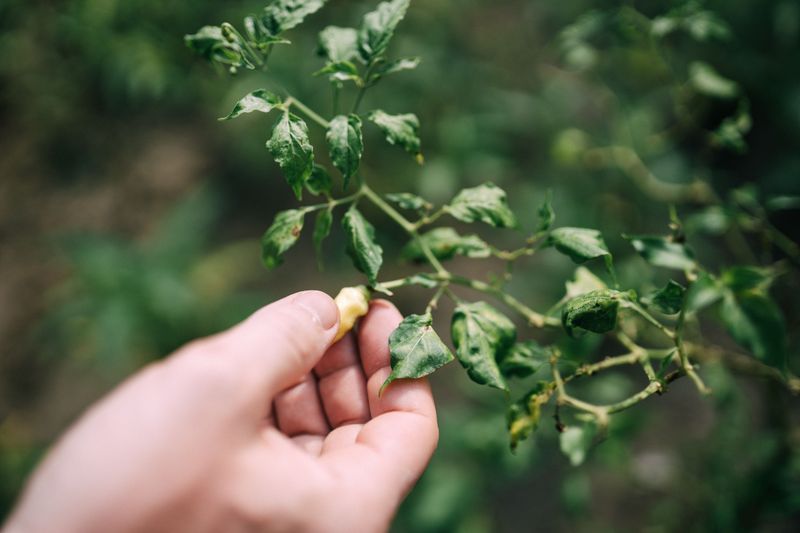
Yellow leaves are an early signal worth checking closely. Spotting them early gives you a real shot at stopping trouble before it spreads.
Diseased foliage on tired tomato, squash and cucumber plants can harbor fungal spores and bacteria. Those pathogens spread fast when leaves are left clinging to the vine.
Start at the base of the plant and work your way up. Snap or snip any leaf that looks yellow, spotted, or mushy at the stem.
Do not toss those leaves into your compost pile if they look diseased. Bag them and put them in the trash to break the disease cycle completely.
Removing bad leaves also improves airflow around the plant. Better airflow means less moisture sitting on stems, and less moisture means fewer fungal problems.
Focus on the lower third of your tomato plants first. That zone stays wet longest and tends to show disease symptoms before anywhere else on the plant.
For squash and cucumbers, watch for powdery mildew on older leaves. That white chalky coating spreads quickly to healthy growth if you leave infected leaves attached.
Clean your pruning shears between plants using a diluted bleach solution. One part bleach to nine parts water is enough to prevent cross-contamination between plants.
Stripping away spent foliage is not giving up on your garden. Giving your plants a clean slate is sometimes the most powerful move you can make.
2. Cut Back Heavily Spent Vines For Regrowth
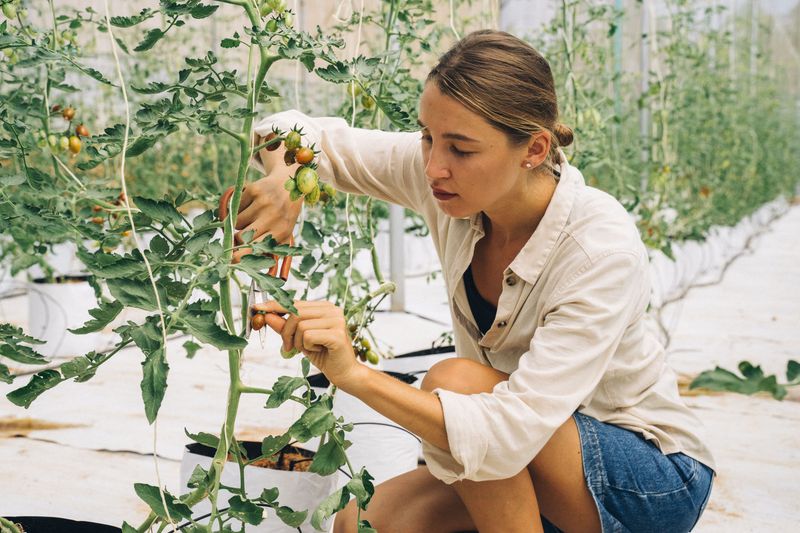
Spent vines look rough, but they are not always finished for the season. A good hard cutback can wake a struggling plant right back up.
Cucumber and squash vines that have stopped producing fruit are still rooted in living soil. Cutting them back signals the plant to redirect energy toward fresh new growth.
Trim cucumber vines back moderately, leaving enough healthy stem for new growth. Cut just above a leaf node to encourage lateral shoots to push out from that point.
Squash plants respond well to having old, woody stems trimmed close to the crown. New growth often sprouts from the base within a few weeks after a solid cutback.
Your Alabama Garden Changes Every Week. Your Plan Should Too.
Gardening in Alabama changes quickly throughout the season. Every Friday you’ll receive a simple weekly plan showing exactly what to plant, prune, fertilize, harvest, and protect so you never miss the right timing.
Tomatoes benefit from a technique called suckering combined with pruning. Remove any stems that are not carrying fruit and cut leggy growth back to a strong lateral branch.
After cutting, the plant puts its remaining energy into fewer stems. Fewer stems mean better fruit quality and faster ripening before the first frost arrives in fall.
Use clean, sharp pruning shears for every cut you make. Dull blades crush tissue instead of cutting it cleanly, which opens the door for infection at every wound site.
Always cut at an angle so water rolls off the cut end. Flat cuts hold moisture and can become entry points for rot-causing organisms hiding in the soil.
Cutting back is not a setback for a tired plant. Think of it as a reset button that can bring real results in just a few weeks.
3. Feed Plants Lightly To Extend Late Production
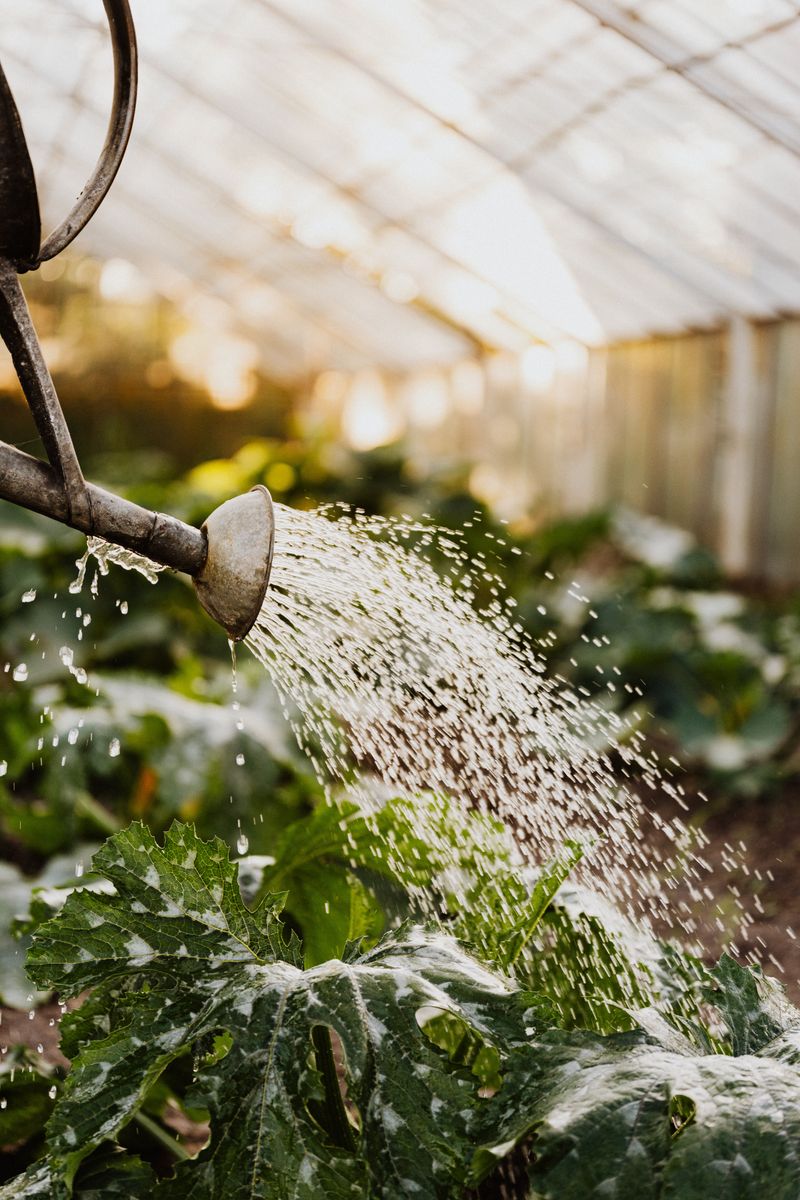
Nutrient-stressed plants often produce less fruit. A light feeding at the right moment can stretch your harvest season by several weeks.
Tired tomato, squash and cucumber plants are not done just because they look rough. They often just need a small nutritional boost to keep flowering and setting new fruit.
Avoid heavy doses of nitrogen at this stage of the season. Too much nitrogen pushes leafy green growth instead of the flowers and fruit you actually want right now.
Choose a balanced fertilizer with a lower first number on the label. Something like a 5-10-10 blend supports fruit development without triggering a burst of unwanted leafy growth.
Liquid fertilizers work faster than granular ones when plants are stressed. Mix a diluted fish emulsion or liquid tomato fertilizer and apply it directly to moist soil around the base.
Never fertilize bone-dry soil because concentrated nutrients can burn roots. Water the plant thoroughly first, then apply your diluted fertilizer once the soil has absorbed the moisture.
Feed every two weeks rather than weekly for worn-out plants. Overfeeding a stressed plant causes more harm than skipping a feeding entirely would.
Squash and cucumbers respond especially well to a light potassium boost late in summer. Potassium helps with fruit sizing and strengthens cell walls against heat and pest pressure.
A little food goes a long way when plants are already working hard. Smart, measured feeding is what separates a productive late-season garden from one that fades out early.
4. Water Deeply To Ease Ongoing Heat Stress
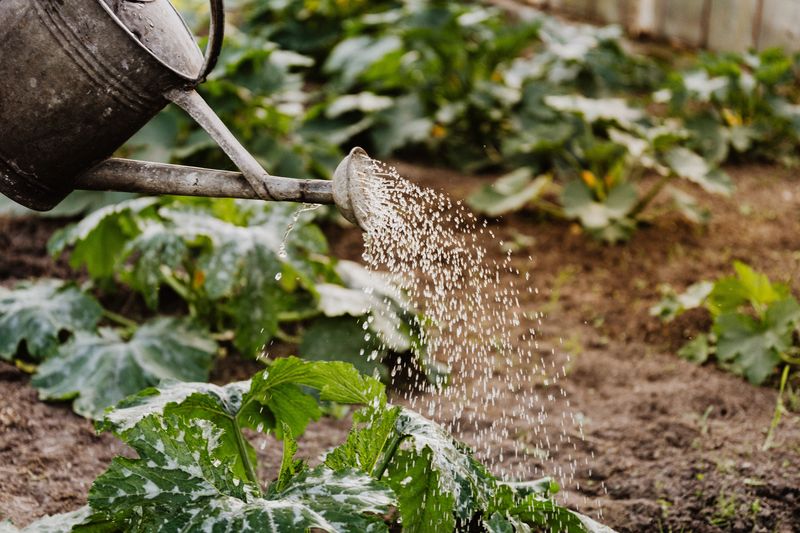
Alabama summers dry out soil quickly. Plants that wilt by noon often need deeper watering.
Shallow watering is one of the biggest mistakes gardeners make with tired plants. Frequent light sprinkles keep roots near the surface where heat and drought hit hardest.
Deep watering pushes moisture well below the surface into the soil profile. Roots follow that moisture downward, anchoring the plant in cooler, more stable ground.
Water your tomato, squash and cucumber plants at the base, not overhead. Wet foliage in hot, humid conditions increases the risk of fungal disease.
Soaker hoses and drip irrigation are your best tools for deep watering. They deliver moisture slowly and directly to the root zone without wasting water on surrounding weeds.
Water in the early morning so plants enter the hottest part of the day already hydrated. Evening watering leaves moisture on leaves overnight, which raises the risk of mildew and rot.
Check soil moisture by pushing your finger two inches into the ground near the plant. If it feels dry at that depth, it is time to water, even if the surface looks damp.
Mulching around plant bases keeps moisture locked in the soil much longer. A two-to-three-inch layer of straw or wood chips can noticeably reduce how often you need to water.
Consistent deep hydration during late summer keeps struggling plants alive and productive. Water is still the most powerful tool in any Alabama gardener’s toolkit.
5. Pull Plants Entirely Once Yields Drop Off
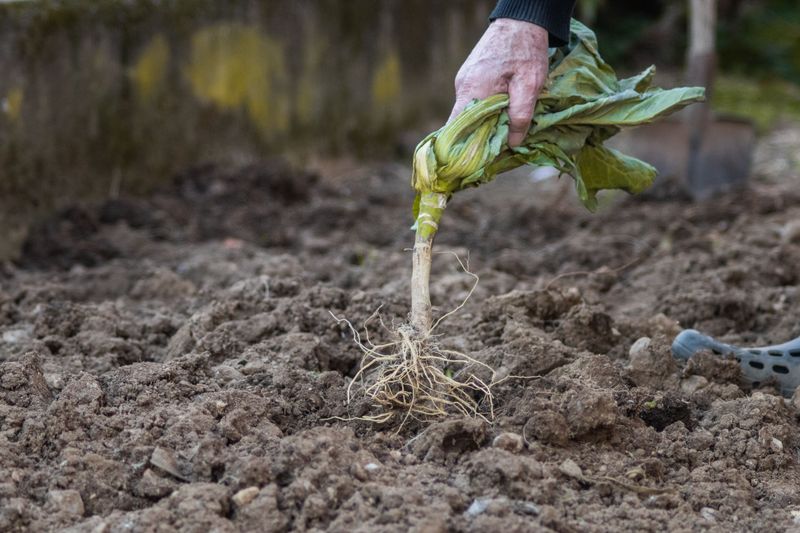
Some plants just run out of steam, and that is perfectly normal. Knowing when to pull them is just as important as knowing how to grow them.
Tomato, squash and cucumber plants have a natural lifespan, and pushing past it uses up time and resources with little return. Once fruit production drops significantly, it is usually smarter to remove the plant entirely.
Watch for these signals: fewer flowers, fruit that stops sizing up, and stems that feel hollow or papery near the base. Those signs tell you the plant has given everything it had.
Pulling plants at the right time frees up space and nutrients for whatever you plan to grow next. Crowded, spent plants also harbor pests that will move straight to your next crop.
Grab the plant at the base and pull firmly while rocking it side to side. Most roots will release from loosened soil without needing a shovel for smaller plants.
For larger tomato plants with deep root systems, use a garden fork to loosen the soil around the base first. Forcing a stubborn root system can break it apart and leave chunks behind.
Leaving root fragments in the ground is not a disaster, but clearing as much as possible gives your soil a cleaner start. Decomposing roots do add some organic matter back over time.
Remove any stakes, cages, or trellises and clean them before storing. Disease spores can survive on dirty metal and wood and reinfect your garden in the next growing season.
Pulling a spent plant is not failure. It is a confident, experienced gardener making room for something better.
6. Compost Healthy Debris Instead Of Tossing It
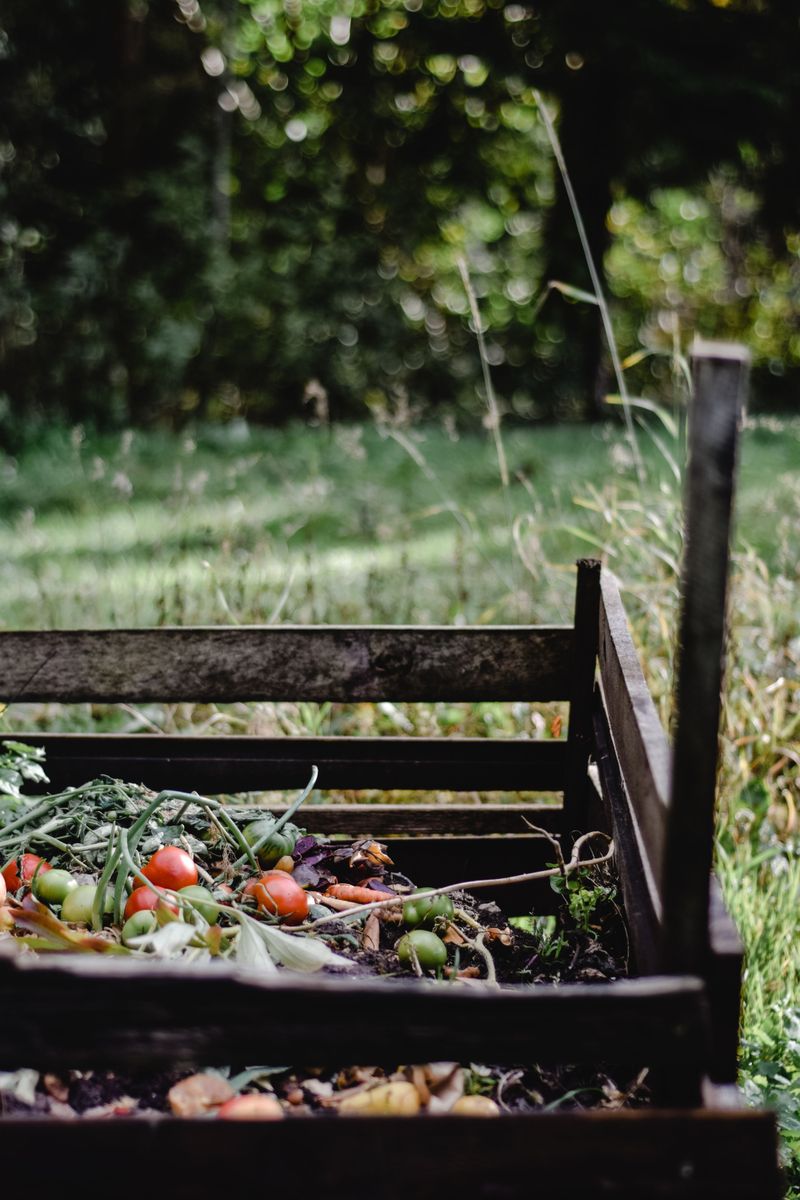
Most gardeners toss their pulled plants straight into the trash, and that is a missed opportunity. Healthy plant debris is free organic material your soil is begging for.
Not all spent plant material should go to compost, though. Only add debris that is free from visible disease, pest damage, or mold to your pile.
Squash vines, cucumber stems, and tomato foliage that look clean and green are excellent compost ingredients. They break down quickly and add nitrogen to the pile as they decompose.
Chop larger vines and stems into smaller pieces before adding them to the bin. Smaller pieces break down much faster, which means usable compost reaches your garden sooner.
Layer your plant debris with dry brown material like cardboard, straw, or dried leaves. That balance of green and brown keeps the pile cooking efficiently without turning slimy or smelly.
Turn your compost pile every week or two to speed up decomposition. Oxygen is what drives the breakdown process, and turning introduces fresh air throughout the pile.
A hot, active compost pile can be ready to use in as little as a couple of months. That timeline works perfectly if you plan to amend your soil before planting fall crops.
Finished compost improves soil structure, feeds beneficial microbes, and retains moisture better than unamended ground.
Adding it back to the same bed you harvested from closes a beautiful natural loop. Your garden gave you food all summer long. Composting is how you give something back.
7. Replant Fall Crops In Cleared Garden Space
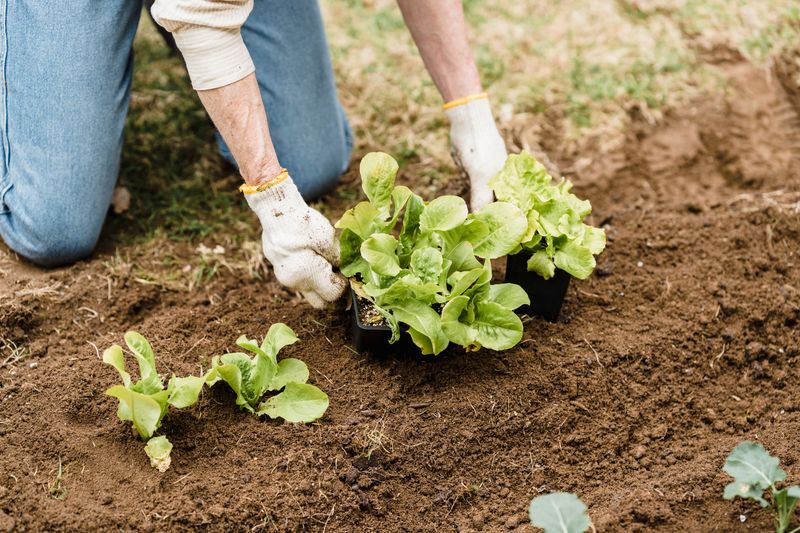
Cleared garden space is not empty space. It is opportunity waiting for seeds. Alabama’s fall growing season is one of the best-kept secrets in Southern gardening.
Cooler temperatures from September through November create near-perfect conditions for many vegetables that struggle in summer heat.
Once your tired tomato, squash and cucumber plants are removed, you have a productive window to fill. Crops like collards, kale, turnips, and lettuce thrive in that exact window.
Direct-sow fast-maturing crops like radishes and spinach for a quick fall harvest. Both can go from seed to table in under forty days when temperatures begin to ease up.
Transplants of broccoli and cauliflower started indoors in late July are ready to go into cleared beds by mid-August. Those crops prefer cool weather for heading up and will reward your timing.
Amend your cleared bed with a few inches of compost before planting anything new. Summer crops deplete nutrients fast, and fall plants need a refreshed soil environment to establish well.
Space your fall plants generously because good airflow prevents the damp-weather diseases that come with cooler nights. Crowded fall gardens struggle with mildew and fungal issues more than summer ones do.
Water transplants daily for the first week until roots establish in the warm late-summer soil. After that, fall rains usually take over and reduce your irrigation workload significantly.
Replanting cleared space keeps your garden earning its keep all the way to Thanksgiving. That is a win worth planning for every single year.
8. Protect Remaining Plants From Late-Season Pests
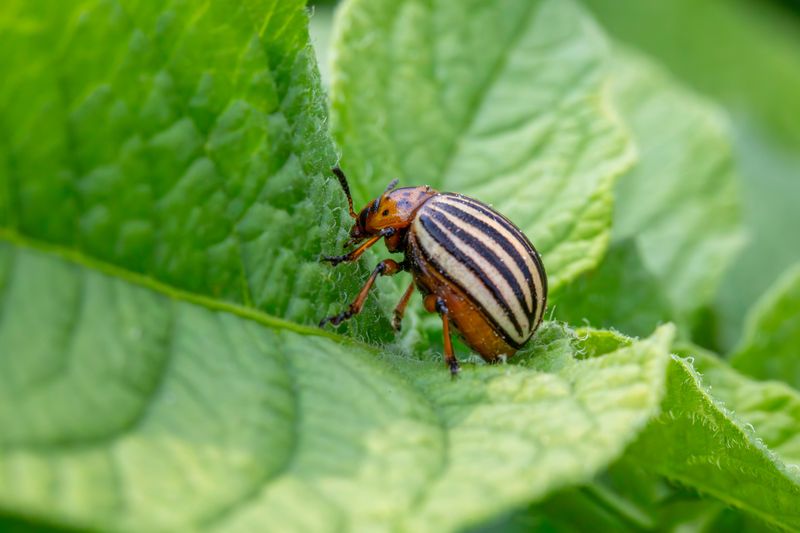
Late summer brings a fresh wave of pests that target weakened plants with striking efficiency. Squash vine borers, aphids, spider mites, and cucumber beetles become more active as temperatures peak, and stressed plants have fewer natural defenses against them.
Check the undersides of leaves every few days, since that is where pest populations begin. Aphid colonies and spider mite webs start small and multiply rapidly within a week.
Knock aphids off plants with a firm stream of water from your garden hose. That simple tactic removes most of the colony without any sprays needed.
For spider mites, look for fine webbing and tiny moving dots on leaf undersides. A diluted neem oil spray applied in the early morning, when beneficial insects are least active, helps disrupt pest life cycles while minimizing harm to pollinators.
Squash vine borers are trickier because the damage happens inside the stem. Look for sawdust-like frass at the base and cut into the stem to remove the borer manually.
Row cover fabric laid over plants creates a physical barrier against flying pests. Secure the edges with soil or rocks to keep it in place during storms.
Beneficial insects like ladybugs and parasitic wasps help keep pest populations in check naturally. Avoid broad-spectrum pesticides that wipe out helpful insects along with harmful ones.
Staying on top of late-season pests keeps your remaining plants productive longer. A small amount of attention now protects everything you have left to harvest.