The One Thing You Must Do To Michigan Red-Twig Dogwood Before September Ends
September in Michigan smells like wet leaves, cold gray mornings, and coffee you forgot on the porch rail. Your garden looks finished for the year, so you stop paying attention right when it needs you.
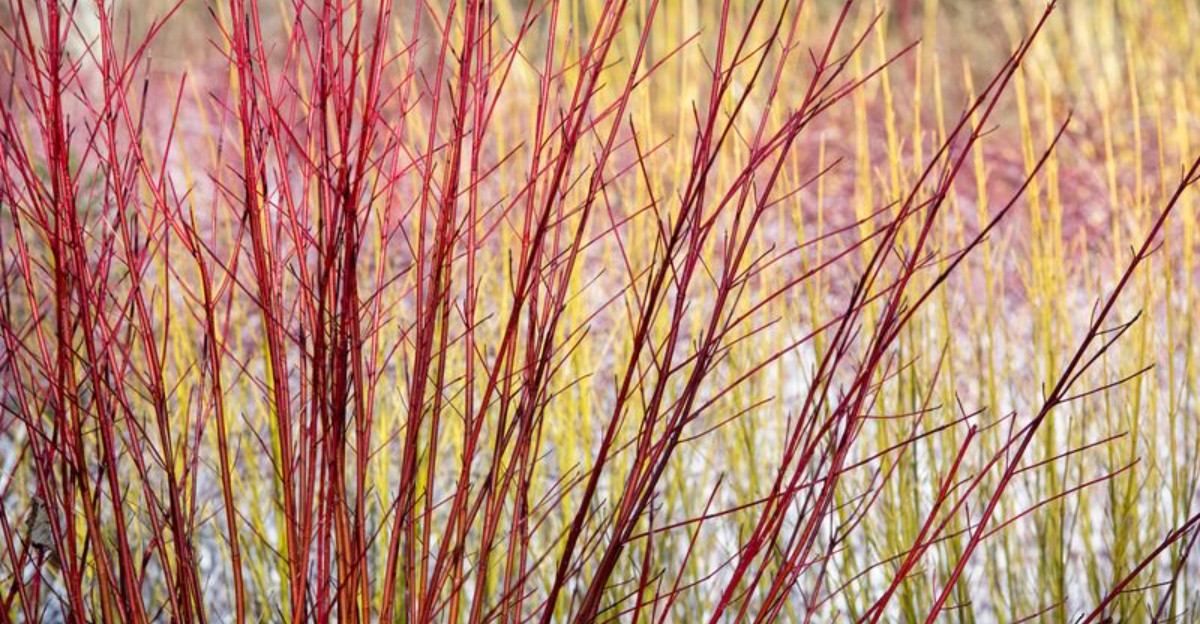
One shrub out back has quietly been keeping score of every dry week you shrugged off lately. Come January, that scorecard shows up in plain sight, standing out sharply against the white snow.
Michigan autumn moves fast, and the ground gets cold and stubborn sooner than most gardeners expect. The useful window is narrowing fast, especially in northern counties where frost arrives first.
It only takes about fifteen minutes right now. Skip it, and you’ll be looking at dull, lifeless stems all winter instead of bright red.
The Last Deep Watering Of The Season
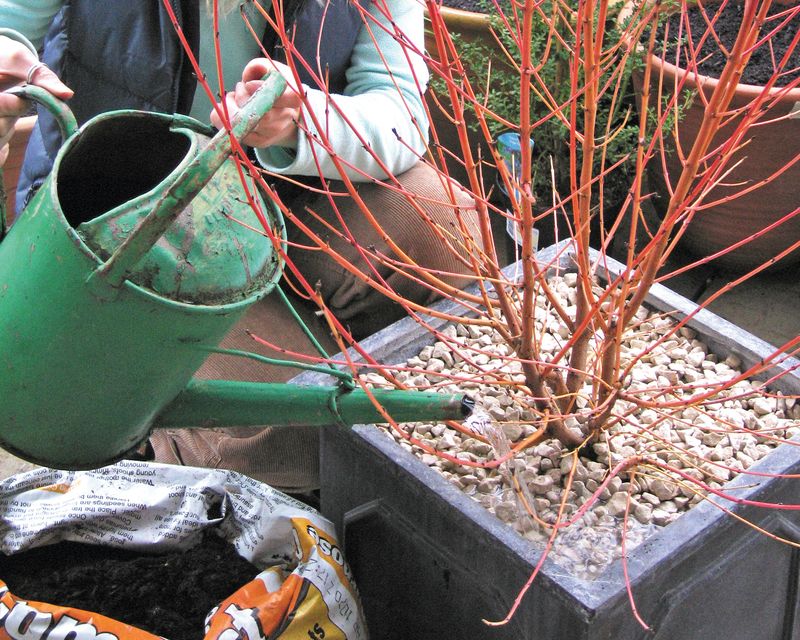
Here is the whole job in one sentence, give the shrub a slow, soaking drink now. Not a quick spray from the nozzle, but twenty minutes of low-pressure water at the base.
Red-twig dogwood grew up in Michigan wetlands, along stream banks and soggy roadside ditch edges. Those roots expect steady moisture, and a dry late summer leaves them running on empty.
September rain in Michigan can look generous while barely wetting the top inch of dry soil. Roots can run eight to twenty inches down, and that is where the water must reach.
A deep soak now fills the shrub with moisture it stores through the frozen months. Frozen ground blocks any refill, so whatever the plant stores in October has to last.
Bright winter stems depend on healthy young wood that ripened with enough water behind it. Thirsty plants produce thin, dull twigs that fade to a tired brown-gray by February.
Set the hose on a trickle and let it run beside the trunk for twenty minutes. Move it to the opposite side and repeat, so the whole root zone drinks evenly.
A slow, deep soak, enough to wet the soil eight to twelve inches down, is the target for mature plantings. Young shrubs planted this year need the same treatment, just a little less volume.
Fifteen minutes of your Saturday morning buys five months of bright color outside the window. That trade seems fair, especially in a Michigan January when color is in short supply.
Clay Soil, Shallow Roots, And Hidden Moisture Debt
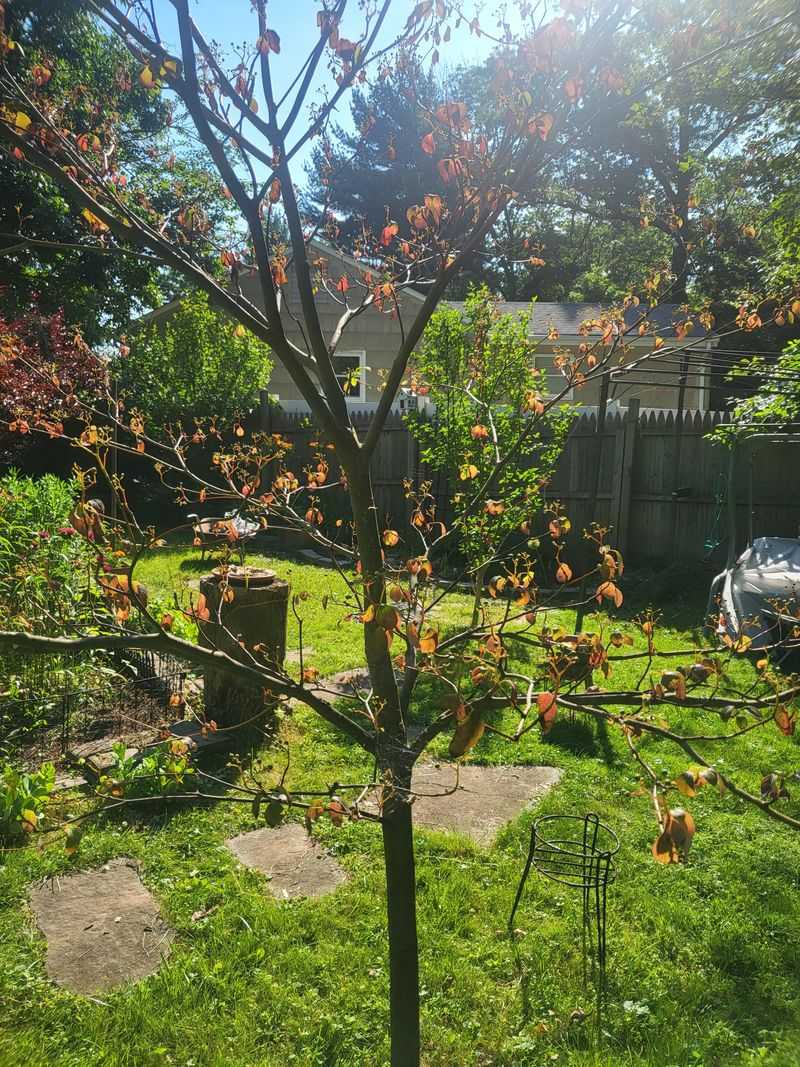
Michigan hands gardeners two tricky soils, heavy clay downstate and loose sand near the big lakeshore. Both fool you in different ways, and both leave this native shrub short on water.
Clay feels damp on top long after the moisture below has already been used up. Sand drains so fast that an inch of rain seems to vanish before dinnertime.
Roots on red-twig dogwood are fibrous and shallow, spreading sideways instead of digging down deep. Shallow roots dry out first, which makes this shrub an early complainer during any drought.
Moisture debt builds slowly across August and September, one hot week at a time, without drama. Leaves curl slightly, edges turn crispy brown, and a few drop early without anyone noticing.
Your Michigan Garden Changes Every Week. Your Plan Should Too.
Gardening in Michigan changes quickly throughout the season. Every Friday you’ll receive a simple weekly plan showing exactly what to plant, prune, fertilize, harvest, and protect so you never miss the right timing.
By mid-September the plant looks fine from the driveway while it quietly runs a deficit. Bark tissue thins, buds shrink, and next spring’s new growth quietly gets shortchanged.
You can check it yourself by pushing a long screwdriver into soil beside the shrub. If the blade stops after two inches, the root zone underneath is likely bone dry.
Lawn sprinklers can make the problem worse by training roots to stay near the surface. Those surface roots then freeze and thaw all winter long, which stresses the whole plant.
Understanding that debt makes the fix obvious, since you cannot repay it with light sprinkles. One long, slow soak settles the account far better than ten cheerful passes with a nozzle.
The Narrow Window Before Michigan’s First Hard Freeze
Timing matters here even more than technique, and the calendar in Michigan is not generous. Late September sits in the sweet spot between lingering summer heat and frozen ground.
Roots keep growing and absorbing water until soil temperatures drop toward forty degrees Fahrenheit. Across most of the state that happens through October, but the slowdown starts earlier.
First frost arrives around late September in the Upper Peninsula and the northern counties. Southern Michigan usually waits until mid-October, though surprise cold snaps show up every few years.
Watering before the end of the month gives roots warm soil and plenty of time to drink. Warm soil moves water into plant tissue much faster than cold, sluggish autumn ground does.
Waiting until November means pouring water onto cold soil that has largely stopped cooperating. The water just sits there, the roots idle, and a hard freeze locks everything in place.
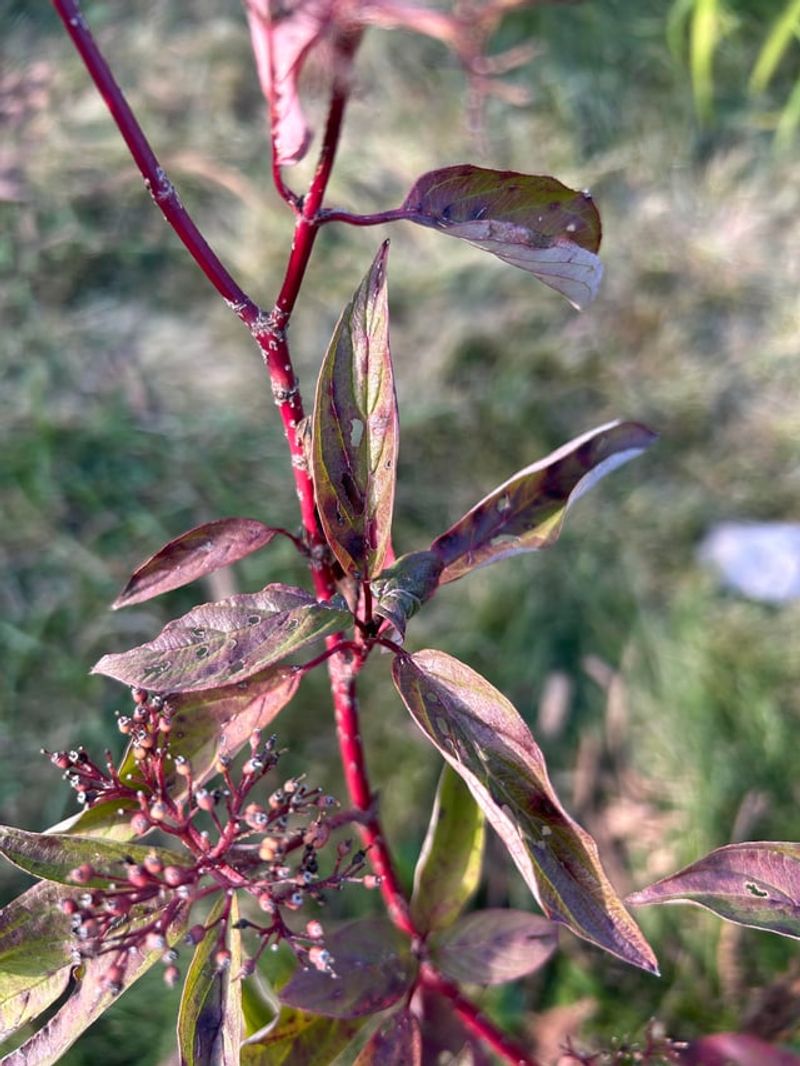
Leaf color offers a handy signal, since these leaves turn deep purple-red as nights cool. Once that color shows up strongly, the plant is already shifting into storage mode.
Mark a weekend before September thirtieth and treat it like an appointment you keep. Rain in the forecast does not cancel the job unless you expect an inch or more.
Gardeners who hit this window often report stems that glow scarlet by the first real snowfall. Those who miss it spend winter staring at dull twigs the color of old cardboard.
Light Sprinkles And Other Watering Missteps
Most gardeners water with good intentions and terrible aim, which this shrub notices right away. A quick five-minute pass with the nozzle wets leaves, mulch, and almost nothing useful.
Shallow watering trains roots upward, which is the opposite of what winter toughness requires. Deep, infrequent soaks pull roots downward, where the soil stays moist and steady far longer.
Skipping the job after one rainy afternoon is another very common slip around here. A quarter inch of drizzle barely dents a shrub that wants a full inch every week.
Spraying the foliage on cool September evenings invites leaf spot and powdery mildew trouble. Aim the water low, right at the soil, and keep the leaves as dry as possible.
Dumping water right against the trunk misses most of the important feeding roots entirely. Those roots spread out near the branch tips, sometimes two or three feet away from it.
Reaching for fertilizer in September feels helpful, but it pushes soft growth that freezes. Water is the main thing this plant needs from you during the fall stretch.
New plantings from this spring get forgotten most often, and they suffer the worst damage. Their root balls are small, so they dry out much faster than established shrubs.
Fixing these habits costs nothing except a slower hose and a little extra patience. Your reward arrives in January, glowing red above the snow while everything else looks tired.
A Simple Hose, Timer, And Mulch Routine
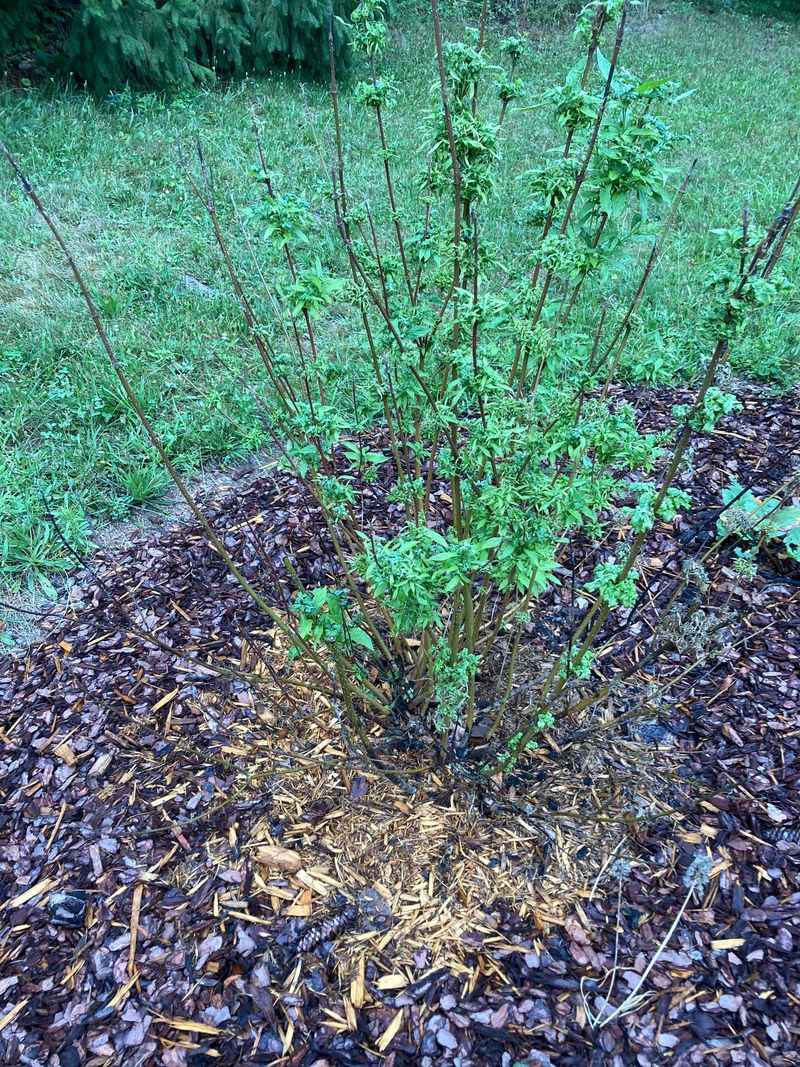
Grab a garden hose, a cheap kitchen timer, and one bag of shredded bark mulch. That short list handles the entire job, with no fancy equipment or garden gadgets required.
Start by clearing weeds and matted old mulch away from the base of the shrub. Bare soil lets you see exactly where water goes instead of guessing at it.
Lay a soaker hose in a loose circle under the outer branches, not near the trunk. Run it for thirty minutes, then check the soil with a trowel for damp depth.
You want moisture eight to twelve inches down, which usually takes a slow soak of twenty to thirty minutes. A regular hose set on low trickle does the same work in about twenty minutes.
Spread two or three inches of shredded bark once the soil has soaked all through. Keep the mulch a few inches off the stems so bark stays dry and healthy.
Mulch slows evaporation, buffers soil temperature, and keeps freeze-thaw cycles from heaving shallow roots. Shredded hardwood works better than big chips because it knits together and stays put.
Repeat the soak once more in late October if the autumn stays unusually warm and dry. Two good soakings carry most Michigan plantings straight through until the spring thaw arrives.
Total time invested comes to roughly forty minutes spread across two pleasant fall afternoons. Few garden chores pay back this much color for so little sweat and effort.
Vivid Winter Stems And Stronger Spring Growth
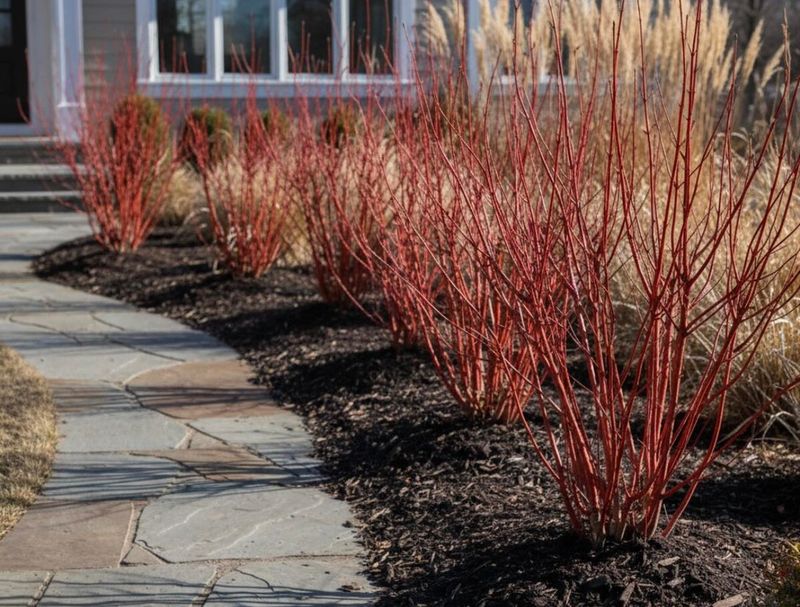
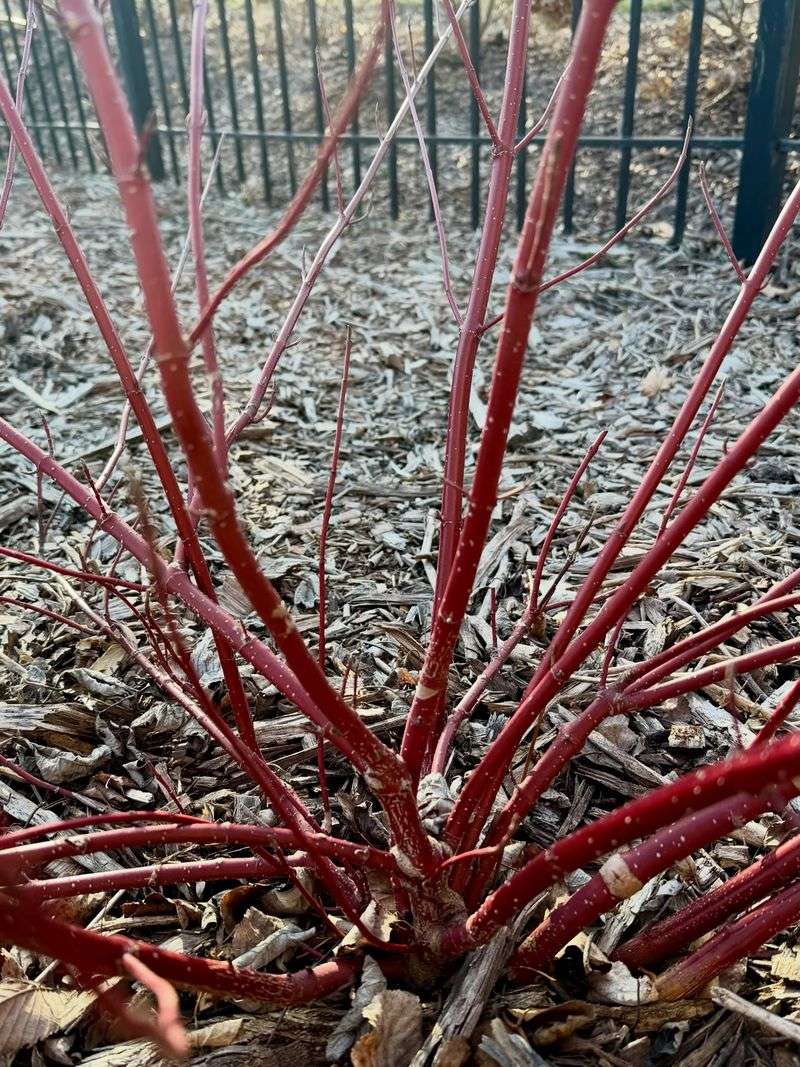
Picture a February morning, gray sky, white yard, and a burst of scarlet by the fence. That glow comes from pigments inside young stems, and hydration decides how strong it looks.
Cold nights and bright sunshine deepen the red, but only on healthy one-year-old wood. Stressed plants make skinny stems with muddy color that fades several weeks ahead of schedule.
Well-watered shrubs also hold their bark tissue better against harsh wind and road salt. Cracked bark on drought-stressed stems invites fungal cankers that tend to show up next June.
Spring arrives, and hydrated roots push new shoots several inches longer than thirsty ones do. Longer shoots mean more bright stems the following winter, so the benefit compounds every year.
Come March, cut about a third of the oldest, dullest canes down to the ground. Fresh young shoots replace them and carry the brightest color this shrub can possibly produce.
Skip any pruning this fall, since cutting now removes the very stems you want showing. Fall cuts also heal slowly and leave openings for disease during long, wet Michigan winters.
Next summer, keep a note to soak this shrub during every three-week dry stretch. Steady moisture from June through September prevents the scramble you are making right now.
Michigan winters run long, and small bursts of bright color somehow make them feel shorter. One September afternoon with a garden hose buys that feeling for five straight months.