What It Means For Your Colorado Lawn If You Shut Off Sprinklers Too Soon
Your soil is holding a secret right now. Crisp mornings convince you the season already quit. Nights turn cold while your ground stays stubbornly warm. Roots beneath your lawn keep stretching and drinking anyway.
Thin mountain air keeps stealing moisture you can’t see. Colorado soil holds heat long after you grab a sweater. Neighbors near you rush outside and call the season done.
That rush comes back in spring as brown patches you dread. Grass you stopped watching is still quietly working hard. Water keeps moving through roots you already forgot about.
Sunlight fades quickly, yet your soil temperature lags for weeks. Wind pulls extra moisture straight out of your exposed lawn. Colorado’s fall window outlasts whatever you assume about it.
Skipping water now sets your spring up for disappointment. Ignore this window, and spring hands you a costly bill.
Warm Soil And Thirsty Roots In Early Fall
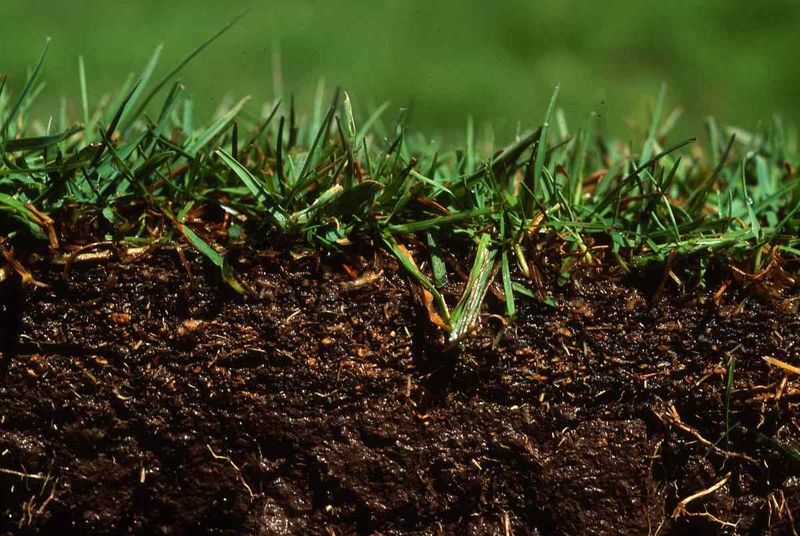
Grass has a secret second act, and it happens once the peak July heat finally backs off. Cooler air plus warm ground creates the best root growing stretch of the entire year.
Kentucky bluegrass and tall fescue, the two most common Colorado turf types, wake up in September. They push new roots downward while the top growth slows to a lazy crawl.
Cutting off water during that window stops root development before it accelerates. Roots stay shallow, which means next summer your lawn struggles the moment temperatures climb.
Soil temperatures near Denver typically stay above sixty degrees well into the middle of October in a normal year. Warm soil equals active roots, and active roots demand steady moisture to keep expanding.
Think of September and October watering as a savings account for July. Every deep soaking now becomes drought toughness later, when your hose bill really matters.
Turf that goes into winter with deep roots greens up faster and earlier. Neighbors will wonder what fertilizer you used, when moisture was the real answer.
Skipping fall water rarely shows damage right away, which is exactly what makes it sneaky. The bill arrives months later, usually around the first warm weekend in May.
Aim for roughly one inch of water weekly through September, split across two soakings. Light daily sprinkles encourage lazy surface roots that struggle during the first hot spell.
Push a screwdriver into the soil after watering to check depth. If it slides down six inches without a fight, moisture reached where roots live.
Colorado’s September Weather And The Moisture Gap
Front Range autumn is unpredictable, seventy five degrees Tuesday and snow flurries Thursday. Those swings lead homeowners to misjudge one cool morning as the end of the season.
Statewide, September rainfall averages around one inch in a typical year, and much of it arrives in quick bursts. Fast storms run off hard soil instead of soaking into the root zone.
Humidity here tends to hover low, often falling under thirty percent, so water evaporates at a stubborn pace. Wind from the foothills dries turf blades faster than most people expect in fall.
Your Colorado Garden Changes Every Week. Your Plan Should Too.
Gardening in Colorado changes quickly throughout the season. Every Friday you’ll receive a simple weekly plan showing exactly what to plant, prune, fertilize, harvest, and protect so you never miss the right timing.
A single chilly night does not reset the water needs of your yard. Afternoon sun still bakes south facing slopes and strips along hot driveways and sidewalks.
Check the forecast weekly rather than trusting the calendar page hanging in your kitchen. If highs stay near seventy and no rain appears, your grass still needs a drink.
Snow in early October happens here, melts by noon, and delivers almost no usable moisture. Treat that first dusting as scenery, not as a watering event worth counting.
Slope, soil type, and shade change everything from one side of a yard to the other. Clay holds water longer, while sandy patches near sidewalks dry out within a couple days.
Hand water hot spots instead of running the whole system for the entire yard. Targeted attention saves gallons and keeps the water bill from adding to monthly costs.
Mountain towns cool earlier, so their timeline shifts a week or two ahead. Denver, Fort Collins, and Pueblo lawns generally keep drinking until late in October, though timing shifts with elevation and local weather.
The Calendar Trap Most Homeowners Fall Into
Labor Day passes, and many Colorado homeowners assume the season is over. Out come the pumpkins, in goes the hose, and the controller gets switched off.
Sprinkler blowout appointments book fast, so folks schedule them for the second week of September. Once that truck leaves, watering ends whether the weather agrees or not.
Most companies typically stay busy through late October, and earlier appointments are usually convenience, not necessity. Booking mid October gives turf four extra weeks of moisture with minimal frost risk.
Another common slip involves trusting one rainy weekend to carry the lawn for a month. A half inch storm wets the top two inches and evaporates by Wednesday afternoon.
People also forget that shorter days reduce evaporation but do not remove plant water use. Roots keep drinking quietly, even while the grass above barely grows between mowings.
Homeowners with new sod or fall seeding face the highest risk from an early shutoff. Young grass has tiny roots and dries out within a day or two.
Write a reminder for mid October instead of relying on a vague autumn feeling. Future you, standing over brown patches in spring, would appreciate the small effort.
Watch for city watering rules, which sometimes lift restrictions once demand drops in September. Extra flexibility makes deep, less frequent soakings easier to schedule around cool mornings.
The calendar makes a terrible irrigation manager because it ignores soil, sun, and wind. Your fingers pressed into the ground offer far better advice than any date.
Winter Desiccation And Spring Brown Patches
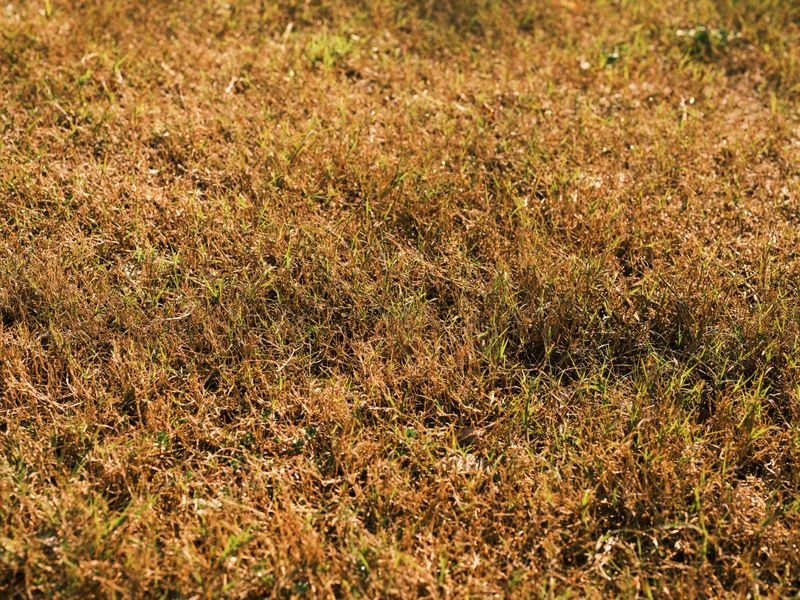
Turf experts have a name for thirsty winter damage, and it sounds almost poetic. Desiccation simply means grass crowns dried out while everyone assumed the yard was resting.
Colorado winters bring sunny, windy, snowless stretches that pull moisture from exposed turf. Frozen ground blocks replacement water, so plants sit there slowly drying in plain sight.
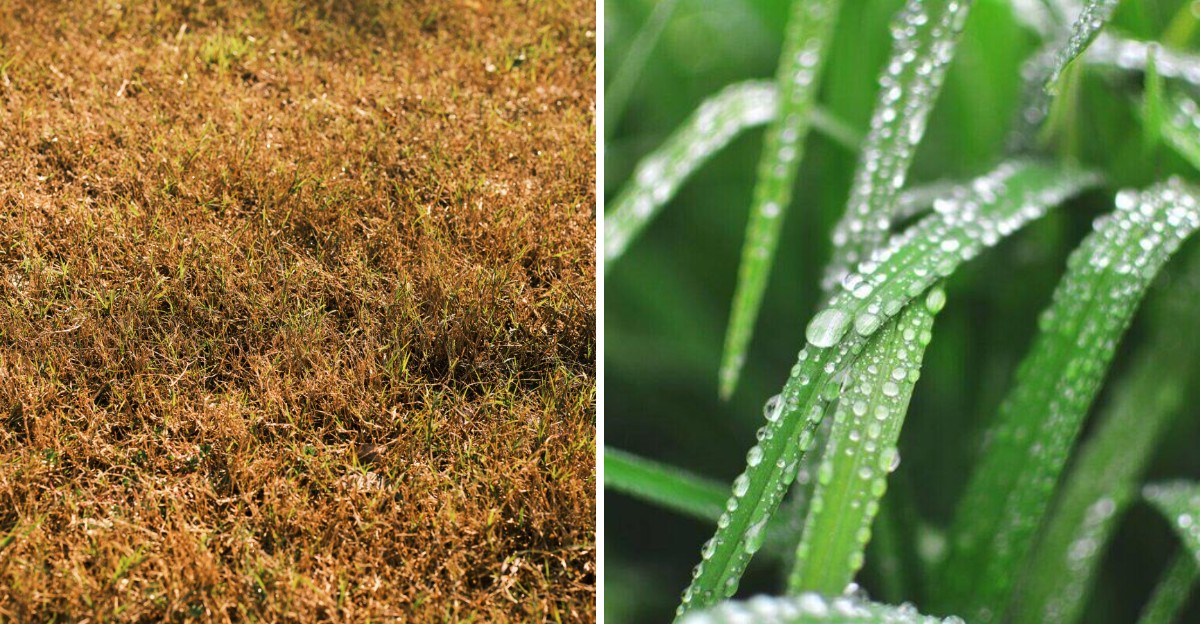
Damage shows up as straw colored patches, usually on south slopes and near hot pavement. Those areas thaw daily, refreeze nightly, and lose water with every sunny afternoon.
Grass entering winter with dry soil has almost no reserve to handle that process. Moist soil, on the other hand, holds heat and insulates crowns through cold snaps.
Spring arrives, everything greens up, and stubborn tan sections just sit there looking rough. Repairing those patches means seed, topsoil, and weeks of babysitting during windy April.
Weeds notice thin turf immediately and move in before your first mow of the year. Bare ground in April is prone to crabgrass growth by the middle of June.
Water once monthly during dry winter spells when temperatures rise above forty degrees. Midday application lets moisture soak in before the ground refreezes after sunset.
Use a hose end sprinkler for winter watering since the main system sits drained. About ten minutes per zone is a reasonable starting point, though timing depends on your sprinkler output and soil type.
Trees, shrubs, and turf all benefit from the same winter drink on warm days. One afternoon of effort protects an entire landscape investment worth thousands of dollars.
A Smarter Watering Schedule Through October
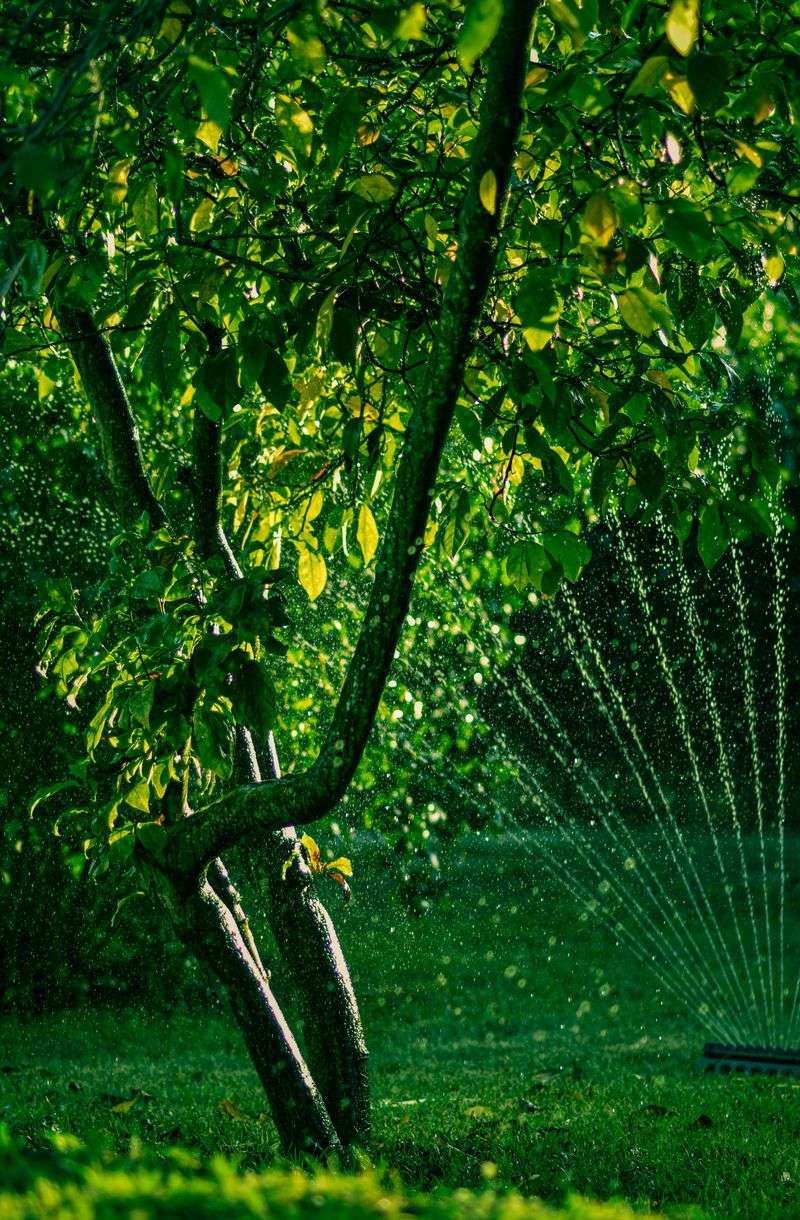
Fall watering follows one friendly rule, less often but considerably deeper each time. Stretching intervals trains roots to chase moisture downward instead of lounging near the surface.
Through September, two soakings weekly usually keep bluegrass happy across most Front Range yards. Early October often drops to once weekly, depending on temperature and rainfall totals.
Run zones in short cycles with breaks between, since clay soil accepts water slowly. Three ten minute cycles beat one thirty minute flood that runs down the gutter.
Morning watering remains the smartest choice because wind stays calm and evaporation stays low. Evening soakings leave blades damp overnight, which invites fungus into shaded corners.
Tuna cans placed around the lawn measure output better than any guess or app. Run a zone twenty minutes, then check how much water collected inside each can.
Adjust the controller rather than abandoning it, since most models have a seasonal percentage setting. Dropping to seventy percent in September handles the change without rewriting every schedule.
Keep mowing height around three inches because taller blades shade soil and slow evaporation. Scalping the lawn in fall undoes much of the watering work you just did.
Aerating in September lets water reach roots instead of pooling on compacted ground. Core plugs look messy for a week, then break down and feed the soil.
Pair the final deep soaking with a fall fertilizer application for stronger spring color. Nutrients need moisture to travel down where hungry roots can actually use them.
Blowout Day And Cold Season Care
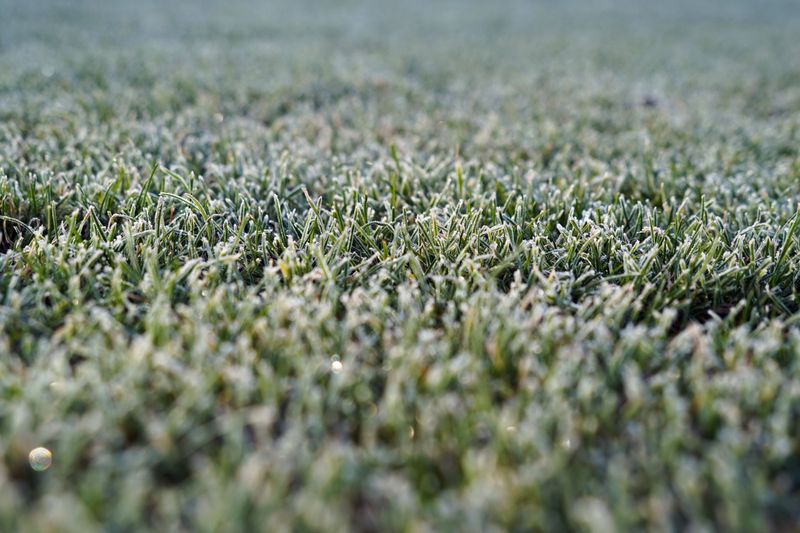
Blowout day often marks the end of the watering season. Timing that appointment well protects both your pipes and the grass growing above them.
Pipes need clearing before hard freezes reach the ground, usually around mid to late October. A light frost overnight does not freeze buried lines, so panic is unnecessary.
Schedule the service for the third or fourth week of October in most Colorado cities. Mountain properties and high valleys should aim for late September or very early October.
Give the lawn one generous soaking a day or two before the compressor arrives. That final drink carries roots through the first several weeks of cold weather.
After the blowout, keep a hose and a spray head accessible in the garage. Winter watering requires only a warm afternoon, a spigot, and about thirty spare minutes.
Watch for dry winters, which Colorado delivers often, especially during low snowpack years. Yards under continuous snow cover need less help than bare, wind blasted ones.
Mulch leaves into the turf with a mower instead of bagging every single one. Shredded leaves hold surface moisture and feed soil microbes through the cold months.
Mark a calendar reminder for December, February, and March warm spells above forty degrees. Three winter waterings handle most Colorado landscapes without any noticeable cost increase.
Come April, your lawn wakes up green while the block compares notes on brown spots. Visible results, earned with a garden hose and decent timing.