Should You Fertilize Florida Zoysia Grass In September? Don’t Assume The Answer Is Yes
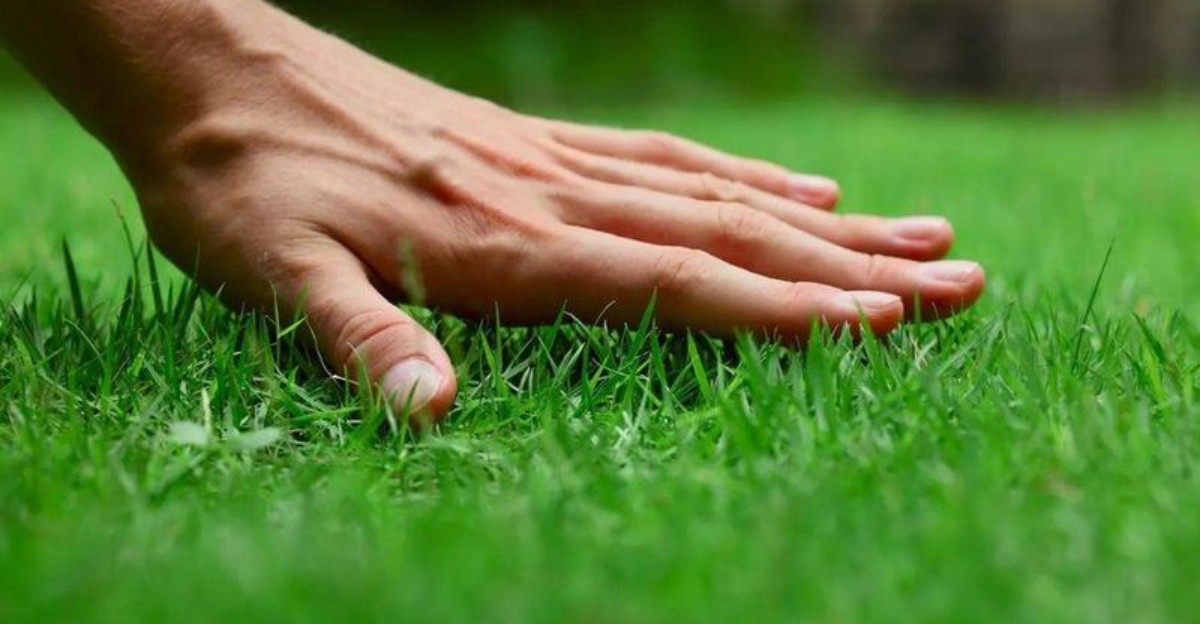
Everyone tells you September is fertilizer season, but your Zoysia grass didn’t get that memo.
Cooler nights and shorter days signal something different to warm-season grass than they do to your to-do list. While you’re eyeing that bag of fertilizer sitting in your garage, your lawn is already prepping to slow down, not gear up.
Feed it nitrogen now and you force out fresh, tender growth at the exact moment your grass should be toughening up for cooler weather ahead.
That new growth won’t stand a chance. A single cold snap can wipe it out fast, leaving you with brown patches you didn’t have before you “helped.”
Florida’s mild fall can trick you into thinking summer rules still apply, but your grass is running on a different clock entirely.
Before you reach for that bag, ask yourself if you’re feeding your lawn or setting it up to fail. Sometimes the most helpful move is putting the fertilizer down and walking away.
1. Know What Your September Zoysia Lawn Is Actually Asking For
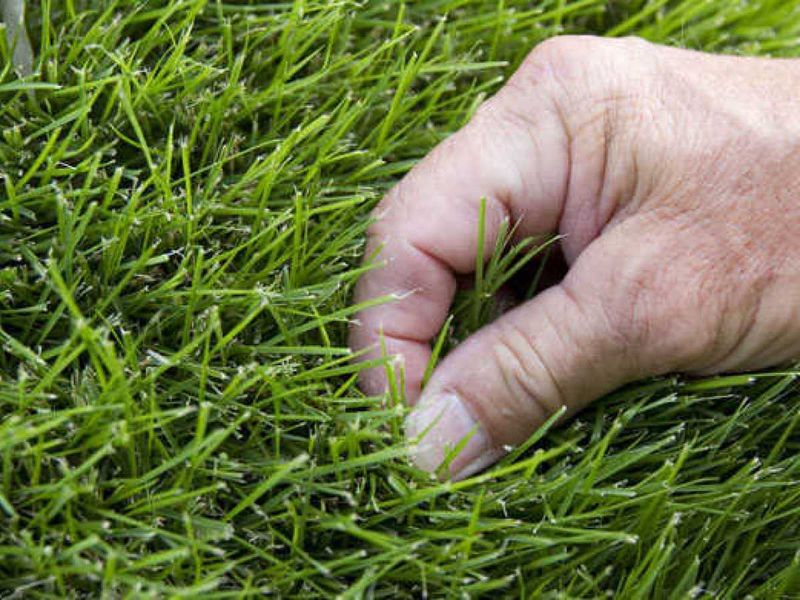
Grass talks, just not in words. In September, many Zoysia lawns begin transitioning as weather patterns change, although the exact timing depends on where you are in Florida.
Uniform tan or brown color in fall often means the turf is settling into dormancy. Mottled patches of green mixed with brown usually mean the lawn is on its way into or out of that resting stage.
Yellow leaf blades tell a different story. In high-pH Florida soils, yellowing can point to iron or manganese being hard to reach, and an iron product can perk up color without pushing a growth spurt.
Disease adds another wrinkle to the conversation. Dollar spot tends to show up when nitrogen has been too skimpy, while large patch becomes a real threat once soil temperatures sit between 65 and 75 degrees in autumn.
So the honest answer to whether your lawn needs food in September depends on which of those signals you are seeing. A slowing, evenly colored lawn is behaving exactly as designed.
Walk the yard before deciding anything. Kneel down, part the blades, look at the soil surface, and notice whether clippings still pile up after mowing.
That five-minute inspection is worth more than any calendar reminder on your phone.
2. Check The Grass Color Before Reaching For Fertilizer
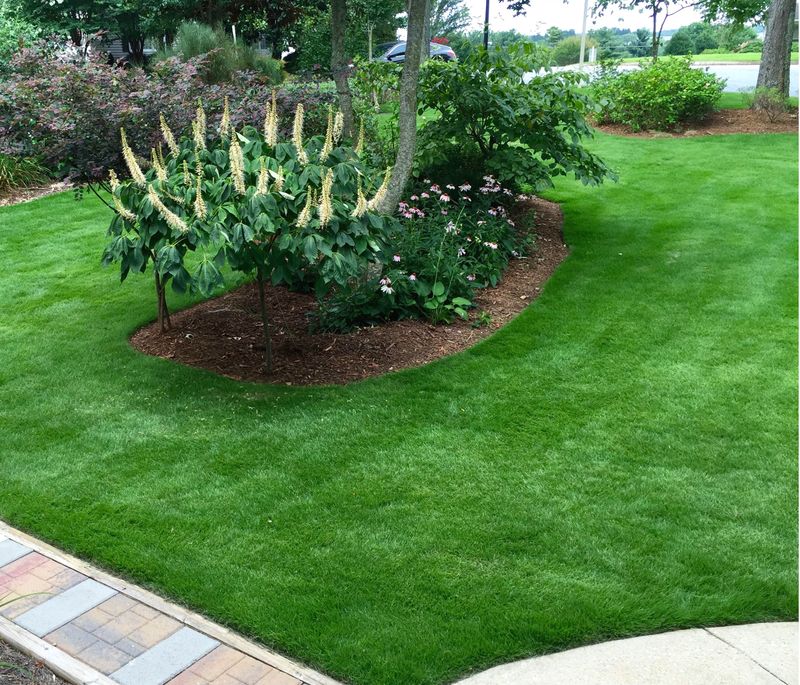
Color is the cheapest diagnostic tool you own. Before the spreader comes out, stand at the edge of the lawn and really look at the shades in front of you.
An even tan or light brown blanket across the yard in fall and winter typically points to natural dormancy. That uniform look is a sign of a plant conserving energy, not one begging for a meal.
Yellow is the shade worth pausing over. Pale, yellowish blades with green veins often mean iron or manganese is locked up, which happens frequently in Florida’s higher-pH sandy soils.
An iron application can restore a richer green temporarily without triggering the flush of tender growth that nitrogen creates. Think of it as cosmetic help rather than a full nutrient program.
Your Florida Garden Changes Every Week. Your Plan Should Too.
Gardening in Florida changes quickly throughout the season. Every Friday you’ll receive a simple weekly plan showing exactly what to plant, prune, fertilize, harvest, and protect so you never miss the right timing.
Patchy color deserves closer inspection too. Circular tan spots, sunken rings, or thinning areas may involve disease or insects instead of hunger, and fertilizer would not solve either one.
Snap a phone photo every couple of weeks through September. Comparing images helps you notice whether the lawn is fading gradually, which suggests seasonal change, or dropping color quickly in specific spots, which suggests something else entirely.
That small habit makes the fertilize-or-wait decision far less of a coin flip.
3. Avoid Late Nitrogen When Zoysia Is Slowing Down
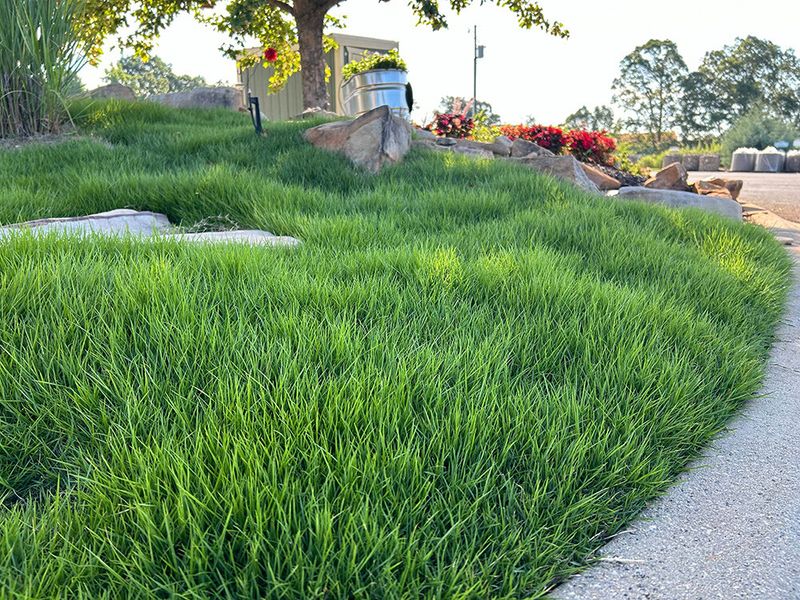
Here is the part that surprises most homeowners: a late nitrogen feeding can set your lawn back the following spring rather than helping it.
Nitrogen pushes soft, leafy growth. When that tender tissue shows up right as temperatures cool, it becomes the most fragile part of the plant during the first chilly snap.
Large patch disease loves the same conditions. Research on warm-season turf shows that late-fall nitrogen raises the odds of this fungal issue considerably, and the damaged rings can linger visibly for months.
Many turf specialists recommend avoiding unnecessary late-season nitrogen applications, with timing depending on region, grass condition, and local recommendations. The goal is giving the grass time to harden off naturally.
Root reserves matter more than blade color this time of year. Zoysia stores carbohydrates below ground to fuel green-up later, and forcing top growth diverts energy away from that savings account.
If you already fed the lawn in August, September is a fine month to simply step back. Mow, water thoughtfully, watch for disease, and let the plant follow its own schedule.
Skipping a feeding feels lazy, yet restraint is genuinely part of good lawn care. Your spring lawn will show the difference.
4. Use Soil Testing Instead Of Guessing At Nutrient Needs
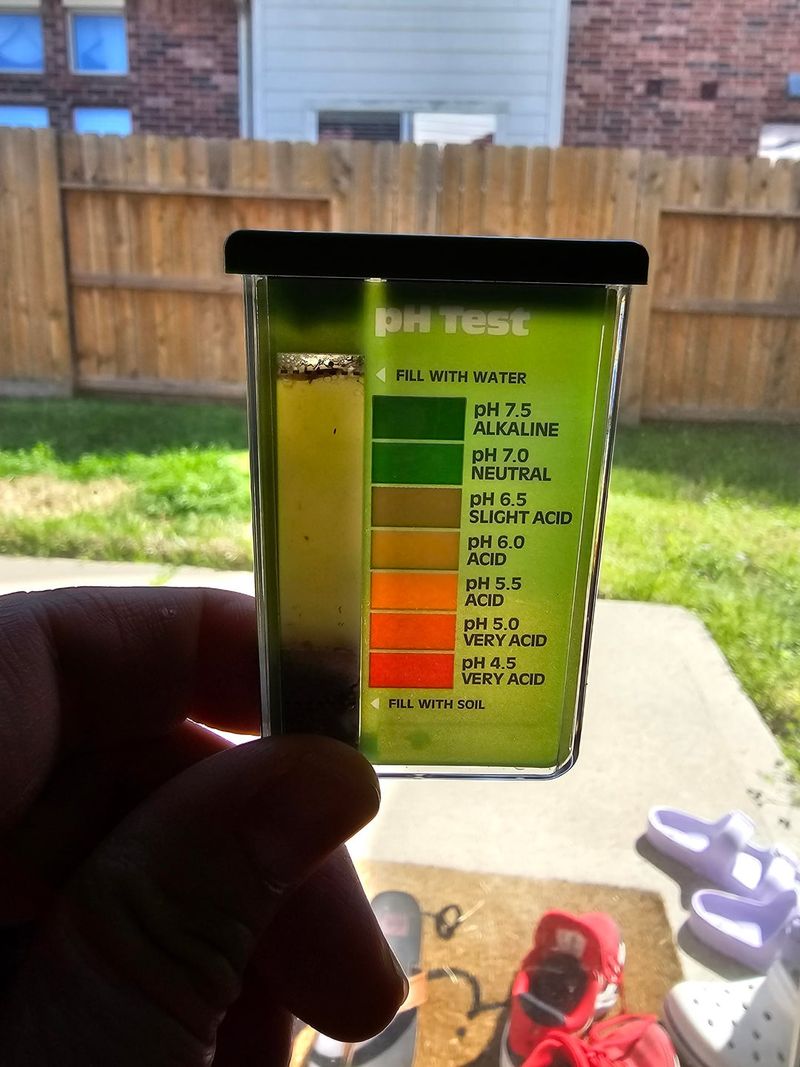
Guessing at nutrients is like seasoning soup blindfolded. A soil test removes the mystery for the price of a takeout lunch.
Florida’s sandy soils drain fast and often hold little organic matter, which means nutrients such as magnesium, potassium, and iron can run short while others sit in plenty. A lab report spells out exactly which ones need attention.
Phosphorus is a good example of why testing matters.
Application of phosphorus-containing products is generally restricted across the state unless a test documents an actual deficiency, so buying a generic three-number blend may put down something your yard cannot legally or usefully receive.
Timing the test around September works nicely. Local application bans frequently lift at the end of the month, and having results in hand lets you act with purpose instead of grabbing whatever bag is on sale.
Collection is simple. Pull small plugs from several spots across the lawn, mix them in a clean bucket, and send the combined sample to your county Extension office following their instructions.
Results usually include pH, which explains a lot about those yellow blades discussed earlier. High pH ties up iron, and no amount of nitrogen fixes that particular puzzle.
Test once, then plan the next year with real information.
5. Remember North Florida And South Florida Follow Different Timelines
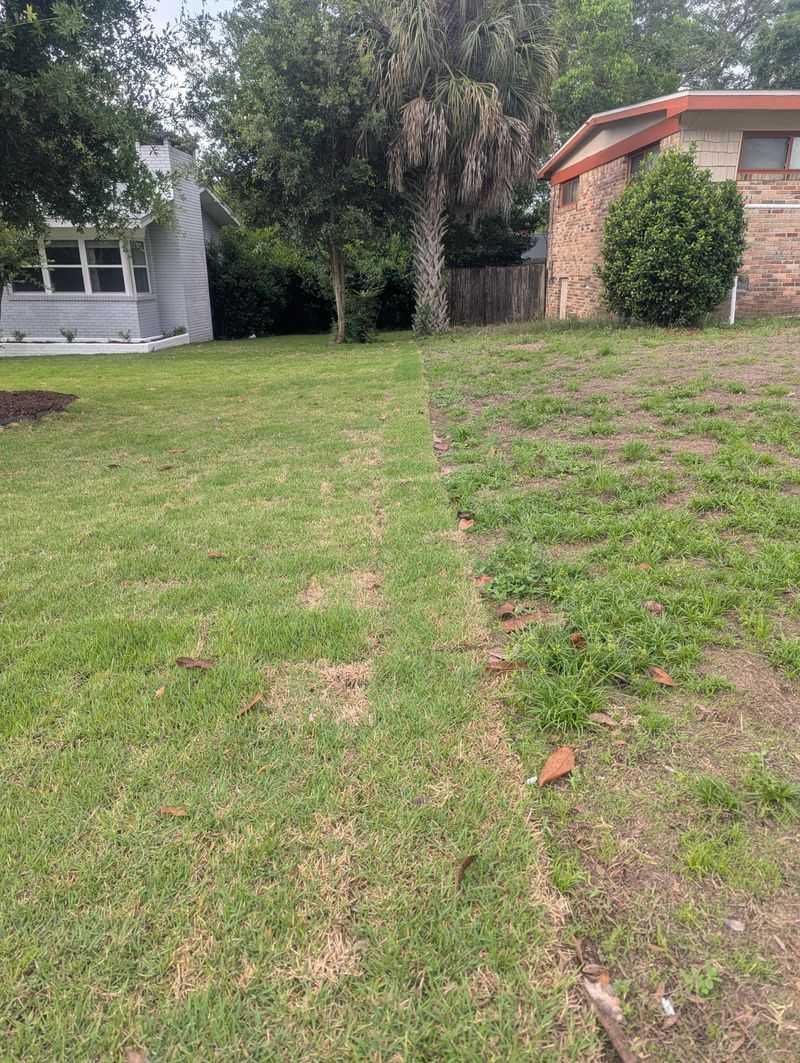
Florida stretches far enough that two lawns in the same state can be living in different seasons during September.
Up north, Zoysia generally goes dormant through winter. Cooler nights arrive earlier, growth winds down sooner, and fall sod installation is usually discouraged because young roots may suffer cold injury before establishing.
Down south, the story flips. The Zoysia growing season commonly runs from March into October, and in the mildest areas the turf may stay semi-green all winter without fully resting.
UF/IFAS publishes separate annual fertilization guidelines for north, central, and south Florida precisely because those growth windows differ. A recommendation written for Jacksonville does not transfer cleanly to Naples.
Central region sits in the middle, which honestly makes it the trickiest zone. Some years the grass keeps growing into November, other years it fades in October, so watching actual growth beats following any single date.
Practical takeaway: figure out which region you live in, then find the matching Extension publication for your grass type. Those documents list pounds of nitrogen per thousand square feet per year and appropriate application windows.
Neighbors two counties away may fertilize on a totally different schedule and both of you can be right.
6. Watch Local Fertilizer Rules Before Spreading Anything
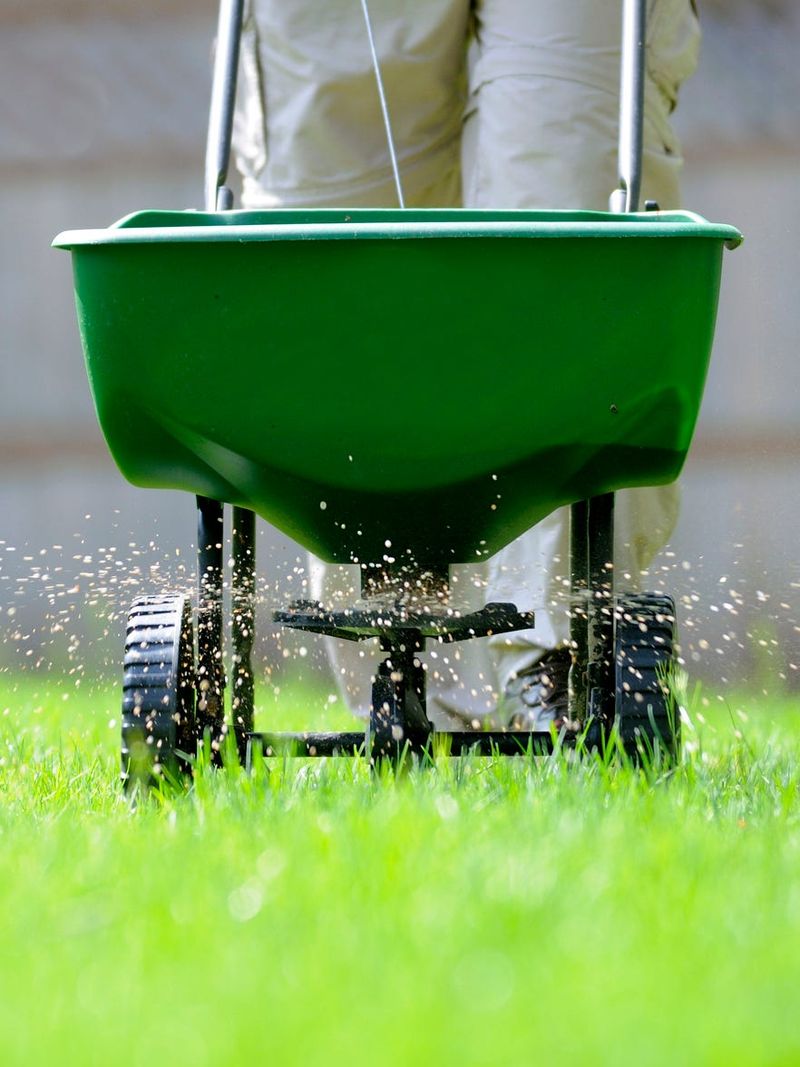
Legal trouble over lawn food sounds far-fetched until you read your county ordinance.
Many counties and cities have seasonal fertilizer restrictions, often during the summer rainy season, but the exact dates vary by location.
That means a large share of homeowners cannot legally fertilize during most of September.
Some places go longer. Miami-Dade and Palm Beach counties, among others, extend restrictions through October 31, so the window opens even later there.
The reasoning connects to rainfall. Summer storms wash unused nutrients into canals, lakes, and bays, where they feed algae blooms that harm fish and water quality, so the bans protect waterways during the wettest stretch.
Buffer zones apply too. Application is frequently prohibited within roughly 10 to 25 feet of any water body, depending on the local rule and whether a deflector shield is used.
Once the blackout lifts, many ordinances also require that at least half of the nitrogen be slow-release. Reading the bag label matters as much as reading the calendar.
Fines are a real possibility for violations, and they are an annoying way to learn a lesson. A quick search for your county name plus fertilizer ordinance takes about two minutes and saves genuine headaches.
7. Feed Weak Zoysia For A Reason Not Just A Calendar Date
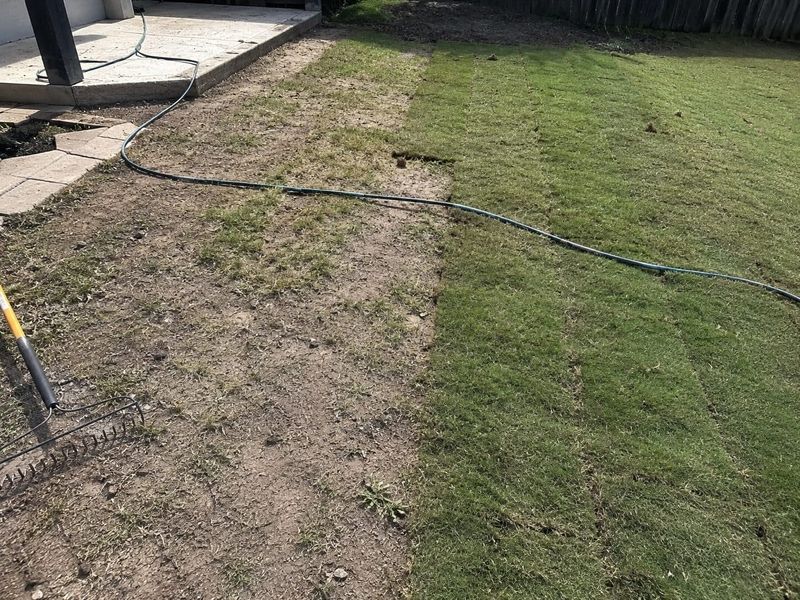
A thin, struggling patch of Zoysia is not automatically a hungry patch of Zoysia. Diagnosing first saves money and prevents new problems.
Weakness in Florida lawns often traces back to drought stress, compacted soil, shade, insects like billbugs or chinch bugs, or fungal activity. Fertilizer addresses none of those, and extra nitrogen can worsen several.
Overfeeding brings its own baggage. Too much nitrogen encourages lush leaf growth at the expense of roots, thickens thatch, and leaves the turf more appealing to pests and pathogens.
Disease patterns help point the way. Dollar spot tends to appear when nitrogen has been consistently low, while large patch gets noticeably worse after late nitrogen, meaning the same nutrient plays hero and villain depending on timing.
Let a soil test plus honest observation drive the choice. If the report shows a real shortage and local rules allow application, a measured feeding makes sense.
If the lawn simply looks tired after a hot, soggy summer, improving irrigation habits and mowing height often does more good than any bag of granules.
Think of fertilizer as medicine rather than a snack. You would not take vitamins for a sprained ankle, and turf works on similar logic.
Match the treatment to the actual cause.
8. Build Strong Roots Instead Of Forcing Late Leaf Growth
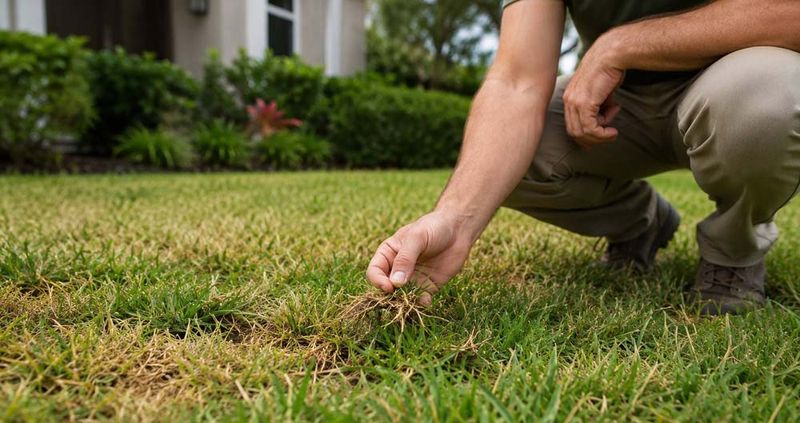
Roots are the unglamorous heroes of a good lawn. Nobody photographs them, yet they decide how your turf handles cold snaps and spring green-up.
If a soil test shows a need, a properly timed fertilizer application with appropriate nutrient levels can support overall turf health heading into cooler weather.
Potassium contributes to sturdier cell structure, better stress tolerance, and improved hardiness. It helps the plant hold its ground rather than sprint upward.
Nitrogen does the opposite at this time of year. Heavy nitrogen drives top growth that drains stored energy and leaves the root zone underdeveloped right when reserves matter most.
Check your soil test before adding potassium, since sandy soils leach it readily but some yards already have adequate levels. Blind applications waste product and money.
Other root-friendly moves cost nothing at all. Mowing at the higher end of the recommended range for your Zoysia variety encourages deeper rooting, and watering less often but more deeply trains roots to chase moisture downward.
Relieving compaction in high-traffic areas helps too, though aeration is generally better done during active growth than at the tail end of the season.
Strong roots now mean a faster, more even wake-up later.
9. Prepare Zoysia For Cooler Months Without Overdoing Fall Care
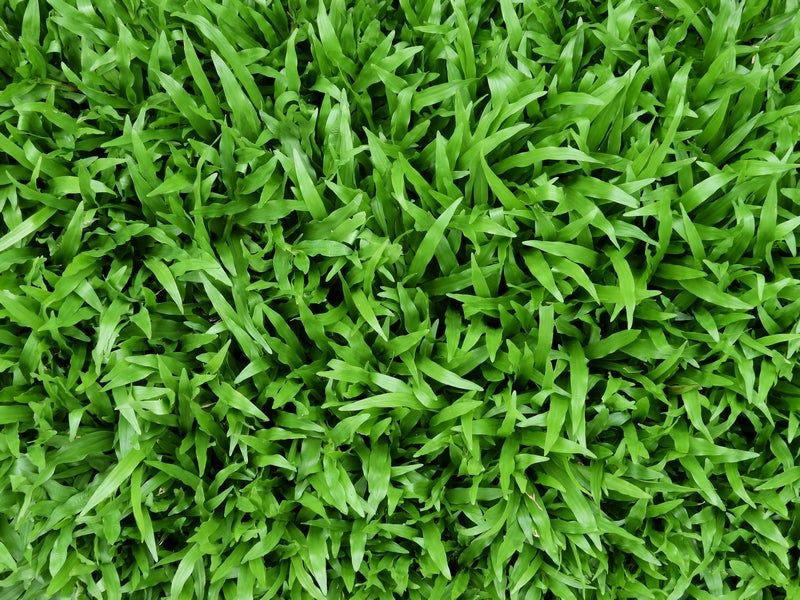
Autumn lawn care in Florida is mostly about doing less, and doing it thoughtfully.
As temperatures ease downward, Zoysia naturally shifts toward rest. Pushing growth during that transition leaves the turf more exposed to cold damage, so gentle maintenance beats aggressive projects.
Stretch out the mowing interval as growth slows, cutting when the grass actually needs it rather than every Saturday out of habit. Keep the blade sharp so cuts stay clean.
Water less frequently too. Deep soakings when the lawn shows signs of thirst work better than shallow daily sprinkles, and shifting irrigation to early morning reduces the long overnight leaf wetness that fungi enjoy.
Clear fallen leaves and yard debris regularly. Damp mats of leaves block light and create cozy hiding spots for disease organisms and insects.
Fall is also prime timing for a pre-emergent herbicide to head off winter weeds before they sprout. Follow label rates carefully and note any restrictions near water.
Keep an eye out for large patch as soil temperatures slide into that 65 to 75 degree range. If your yard has a history of it, a preventive fungicide applied at the right moment can spare you a rough-looking spring.
Patience really is the main tool this season.