Why September Grass Seed Often Performs Better Than Spring Seed In Ohio
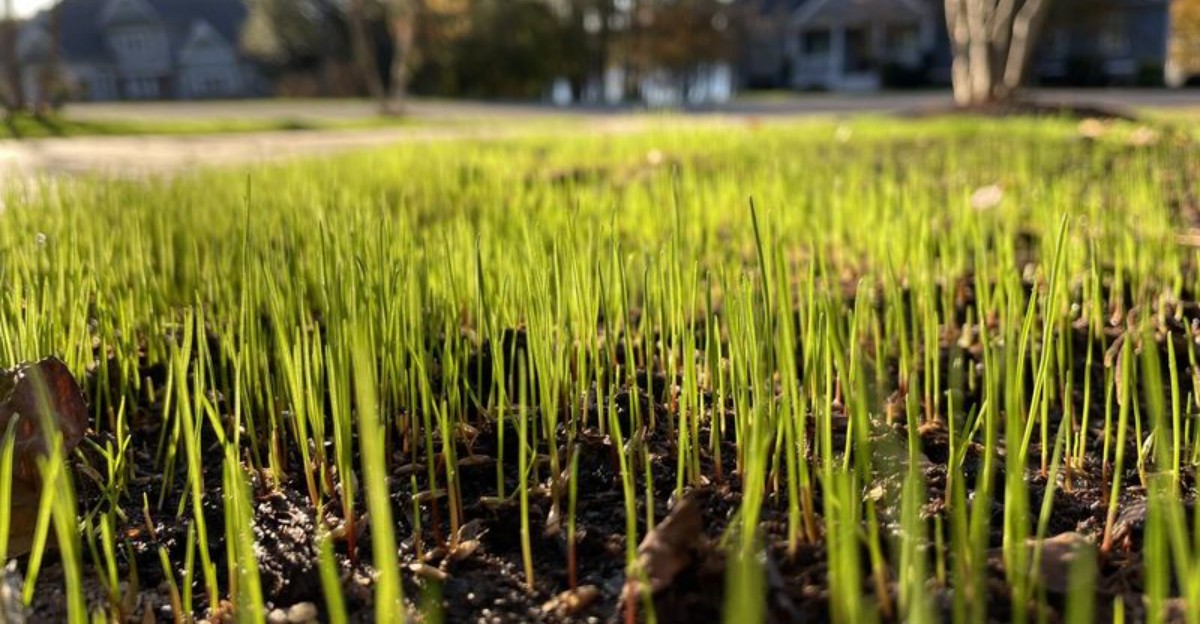
By the end of an Ohio summer, plenty of yards look tired, patchy, and a little embarrassed. Heat, drought, and backyard foot traffic leave behind bare spots that catch every neighbor’s curious eye.
Then the calendar flips, mornings turn cool, and heavy dew sits on the lawn like a promise. Something about that shift changes what happens under your feet, even if the yard looks unchanged.
Most folks try to fix their yard in April, when the garden centers are packed and hopeful. Local weather, however, rarely reads the same script that eager homeowners write for it in spring.
Timing, it turns out, does more heavy lifting than any bag you drag home from the store. Your lawn keeps a secret calendar of its own, and it clearly refuses to share it.
Warm Soil In September Sprouts Seed Faster
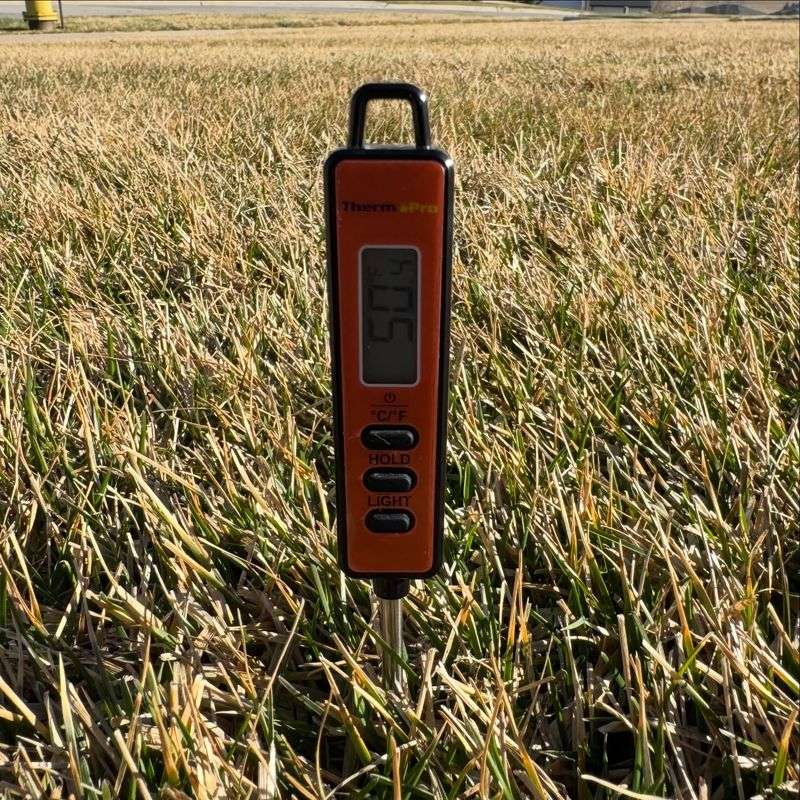
Soil hangs onto summer heat long after the air turns crisp, and that leftover warmth really matters. Seed responds to soil temperature, not to the calendar hanging on your kitchen wall.
Across most of Ohio, September soil sits near 60 to 70 degrees, a sweet spot for sprouting. Kentucky bluegrass, tall fescue, and ryegrass all wake up quickly inside that comfortable window.
April soil tells a different story, often staying cold and soggy well past the first warm weekend. Seed can sit there for weeks, waiting, while you wonder what went wrong.
Faster sprouting means faster cover, and faster cover means fewer bare patches for weeds to claim later. Young plants also collect plenty of sunny days before the first hard frost arrives.
A cheap soil thermometer settles the whole debate in about two minutes for under fifteen dollars. Push the probe three inches down each morning and write the number down.
Northern Ohio cools a bit sooner than the southern counties, so timing shifts by a week or two. Cleveland yards do best early in the month, while Cincinnati lawns can wait longer.
Here is a handy trick: watch the lilac leaves and the corn harvest as informal timing cues. Old-timers swear by those signals, and they are usually close enough.
Warm ground paired with cool air is a combination that spring simply cannot copy. That single difference explains much of why autumn lawn repairs turn out so well.
Cool Air Keeps Young Grass From Stress
Picture a seedling as a toddler in July, sweating through a heat wave with no shade nearby. September hands that same seedling a light jacket and a cool glass of water instead.
Daytime highs in Ohio drift into the seventies during September, while nights slip toward the fifties. Cool-season grasses love that spread and grow hard without burning through their stored energy.
Heat stress makes tender blades curl, fade, and thin out before roots ever get established. Mild weather removes that pressure and lets the plant spend its energy on steady growth instead.
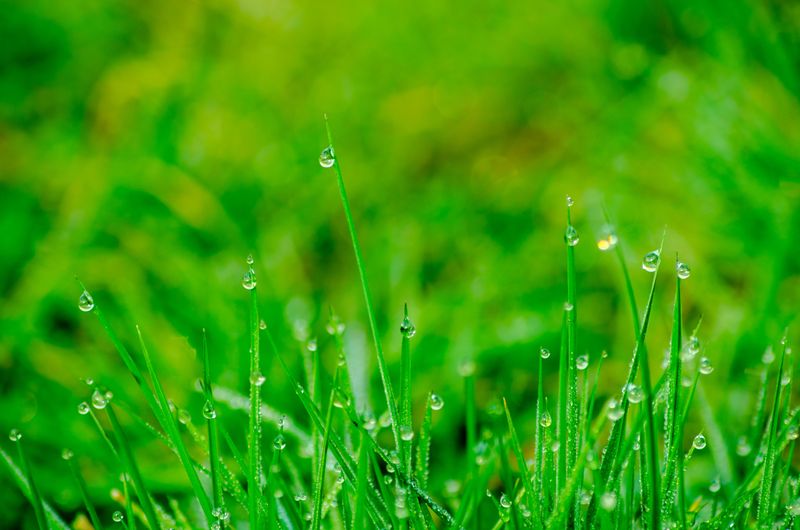
Morning dew in fall acts like a free light watering, keeping the surface damp for hours. Spring mornings can turn dry and windy, which dries a young seedbed surprisingly fast.
Your Ohio Garden Changes Every Week. Your Plan Should Too.
Gardening in Ohio changes quickly throughout the season. Every Friday you’ll receive a simple weekly plan showing exactly what to plant, prune, fertilize, harvest, and protect so you never miss the right timing.
Fungus problems also calm down as humidity drops and nights turn cooler across the state. Brown patch and pythium trouble summer lawns far more than they trouble autumn ones.
Less stress means you water less often, which saves money on the September utility bill. A light sprinkle once or twice a day usually keeps the top layer moist enough.
Newly sprouted grass in mild weather looks noticeably greener and thicker within three short weeks. Spring plantings often look tired by late June, since that same comfort disappears quickly.
Comfort is not a luxury for baby grass, and it decides whether the stand survives winter. Ohio autumn hands over that comfort without asking you to do much at all.
Fall Rain Handles The Watering For You
Ohio skies get generous in autumn, dropping steady rain that spring often delivers in sudden bursts. New seed prefers frequent gentle sips over one dramatic flood every other week.
September and October in Ohio average around three inches of rain each month. Cooler air also slows evaporation, so that moisture lingers in the top inch of soil.
Spring storms can be heavy enough to wash seed into the street or pile it in low spots. Nobody enjoys finding a thick stripe of grass growing along the curb.
Dependable rainfall means far less babysitting with a garden hose during your busy work week. Many homeowners only water on the dry, breezy days between passing rain systems.
Rain also softens hard clay soil, common across central Ohio, so roots push through easier. Spring clay tends to stay cold, sticky, and stubborn for weeks.
Still, do not hand the whole job to the clouds and walk away smiling. Check the soil with your finger. The top inch should feel like a damp sponge.
Sprinklers set for ten minutes twice a day work well until seedlings reach mowing height. After that, switch to deeper, less frequent watering two or three times each week.
Straw or seed blankets hold that rain in place on slopes and along driveway edges. A thin layer is plenty, since you should still see soil peeking through it.
Free water falling from the sky beats an expensive irrigation bill in any season. Autumn just happens to hand out the most reliable version of it.
Weed Pressure Drops After Crabgrass Fades
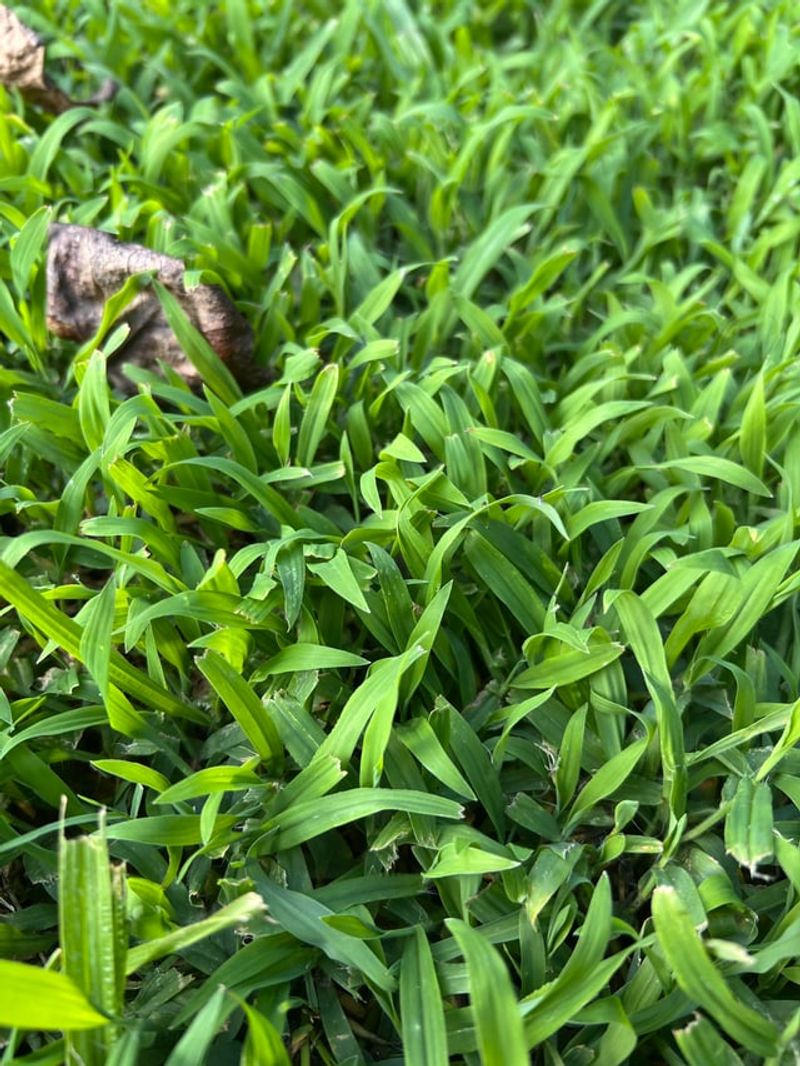
Crabgrass runs the show all summer long, then quietly gives up once the nights turn chilly. By mid September it stops producing new plants and slowly fades from the lawn.
Spring seeding drops baby grass into stiff competition with thousands of hungry crabgrass sprouts. Guess which one usually comes out ahead during a hot, humid June.
Annual weeds finish their life cycle in fall, so far fewer competitors show up beside your seed. Perennial weeds slow down as well, pushing their energy down toward the roots.
Open ground is basically an engraved invitation for weeds, and September fills it with grass instead. A thick stand shades the soil and blocks many crabgrass seeds next spring.
Broadleaf weeds such as dandelion and clover can be sprayed later in the fall season. Wait until the new grass has been mowed three or four times first.
Check labels carefully, because most weed preventers also stop grass seed from sprouting. Products containing mesotrione are the usual exception for fall seeding projects.
Fewer weeds also means you skip the worry of spraying harsh products near tender seedlings. Your lawn gets a clean start without juggling a complicated chemical schedule.
Fun fact: one crabgrass plant can produce tens of thousands of seeds in a single season. Denser turf is the cheapest defense available against that yearly seed avalanche.
Timing your seeding when weeds are packing up is simply smart strategy for Ohio yards. The window opens every September, and no negotiation is required.
Roots Grow Deep Before Winter Arrives
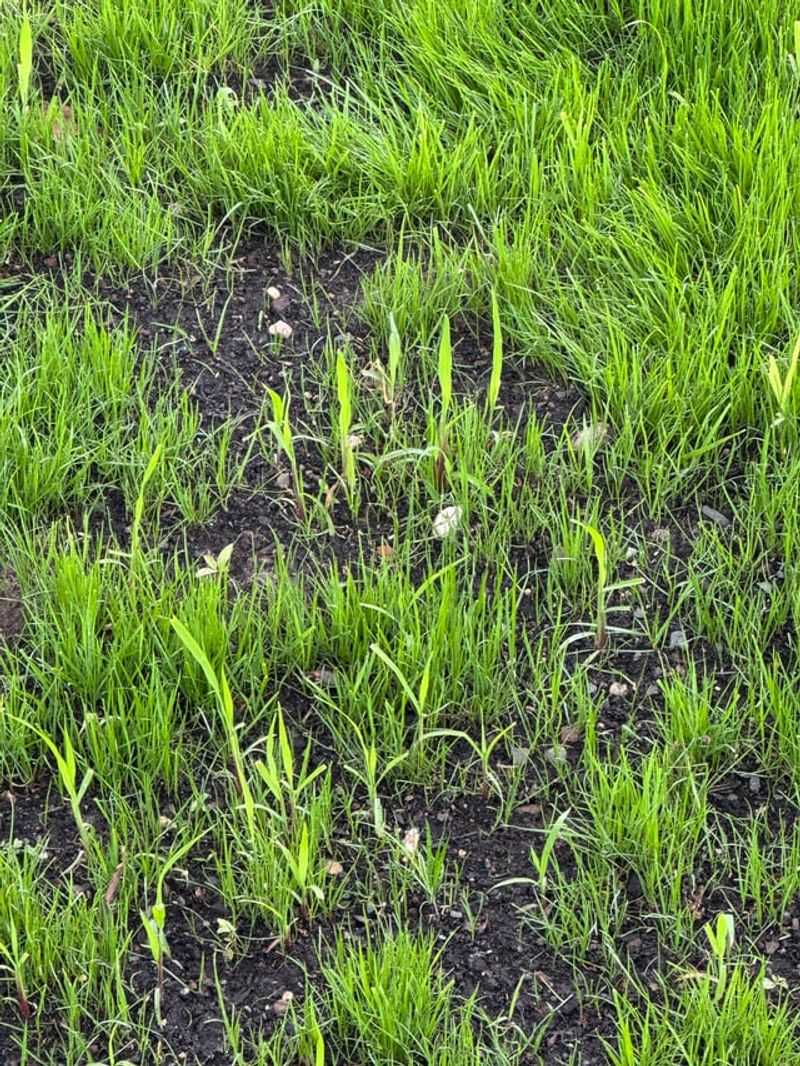
What happens underground in October decides how well your lawn handles next August. Grass keeps building roots long after the blades stop stretching upward.
Soil stays workable until roughly Thanksgiving in most Ohio counties, even after frost nips the tops. Young roots take advantage of every single one of those quiet, cool weeks.
Deep roots reach water that shallow roots cannot, which matters during a dry July. Spring seedlings rarely build that kind of depth before the summer heat shows up.
Fall seeded grass also gets a second strong growth surge the following spring. By then the plants are established rather than starting over from scratch.
A starter fertilizer with phosphorus helps roots develop faster during those cool weeks. Ohio rules allow phosphorus when seeding, so read the bag label closely.
Skip heavy nitrogen right after seeding, since it pushes soft top growth instead of roots. A balanced starter product handles the job much better for new seedlings.
Roots also anchor seedlings against frost heave, which shoves weak plants out of the ground. Well rooted grass shrugs off the constant freeze and thaw cycles.
Keep mowing until growth stops, usually late November in southern Ohio and earlier up north. Cutting at three inches protects the crowns while roots quietly finish their work.
Think of autumn as a savings account your lawn draws from all next summer. Deposits made now pay out later, when sprinklers struggle through a July drought.
Spring Seedlings Meet Summer Heat Too Soon
Every April, hopeful homeowners scatter seed and picture a magazine lawn by Memorial Day. Then late June arrives and quietly cancels the entire plan.
Spring grass gets maybe eight to ten weeks before serious heat settles over Ohio lawns. That stretch is rarely long enough to build a real root system.
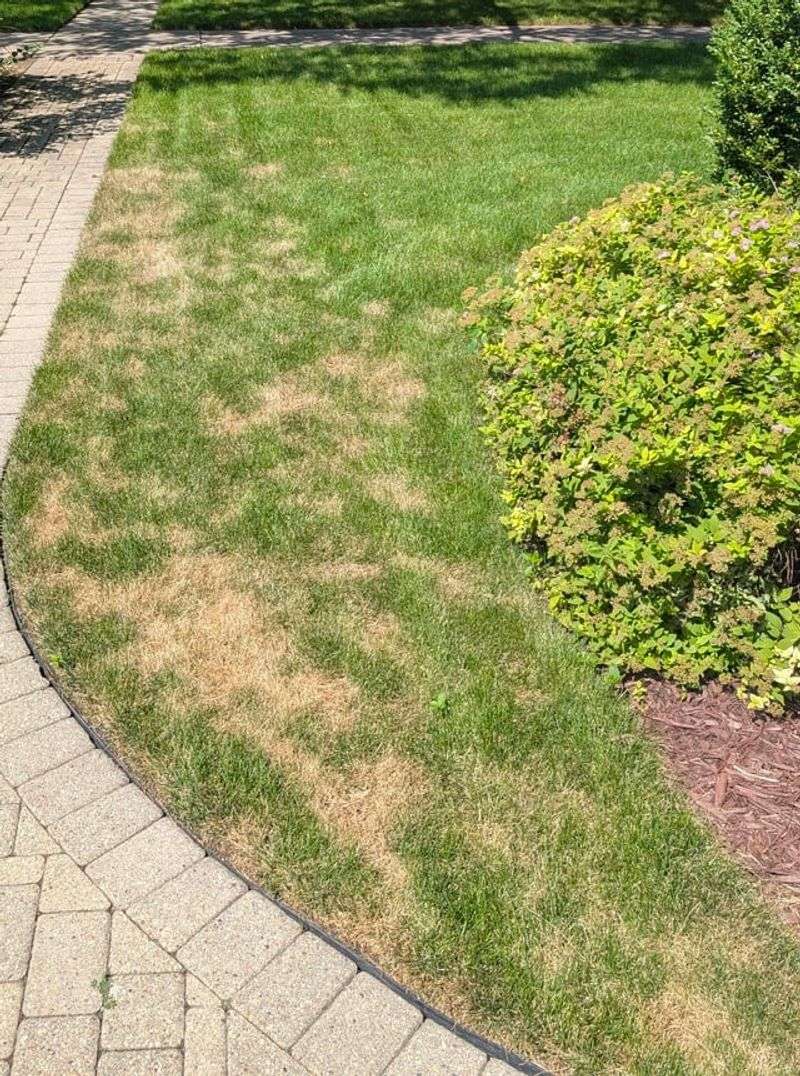
Shallow roots plus ninety degree afternoons equals brown patches by the Fourth of July. Homeowners then blame the seed brand, though the timing was the real problem all along.
Summers here regularly deliver two or three dry spells lasting more than ten days. Young spring grass rarely handles that kind of stretch without heavy daily watering.
Fall seeded lawns get roughly nine cool months before facing their first real summer. That extra stretch of time changes everything about their odds of surviving.
Spring also brings mud, mowing, kids, and dogs tracking across the same fragile patches. Traffic on soft new growth undoes a whole weekend of careful work.
Watering a spring lawn through July gets expensive and often feels like a losing battle. Fall seeding lets rain and cool nights carry most of the load.
None of this means spring seeding is pointless when you need an emergency repair. Just treat it as a temporary patch rather than a full lawn makeover.
April feels like the right month because the garden centers say so very loudly. Your lawn, however, quietly casts its vote for September every single year.
Herbicide Schedules Fit Fall Seeding Better
Here is the trap that catches many Ohio homeowners every March without fail. Crabgrass preventer and grass seed cannot share the same lawn at the same time.
Pre-emergent products build a barrier that stops seeds from sprouting, including the ones you paid for. So spring forces an awkward choice between weed control and growing new grass.
September sidesteps that conflict entirely, because crabgrass preventer belongs in April rather than autumn. You seed now and apply that barrier next spring, right on schedule.
Broadleaf sprays also work beautifully in October when weeds pull nutrients toward their roots. The product rides along with those nutrients and finishes the job for good.
Hold off spraying anything on freshly seeded areas until after about four mowings. Most labels spell out that waiting period somewhere in the very small print.
Mesotrione based starter products are the rare exception, since they protect seedlings while blocking weeds. Read the directions twice before you spread or mix anything new.
Fall applications also drift less, because winds often calm down after summer storms. Calmer conditions keep sprays on target and off your neighbor’s tomato plants.
Planning the year backward helps: seed in September, prevent in April, spot spray in October. A simple yearly rhythm beats guessing your way through every single season.
Fewer conflicts on the calendar means fewer wasted bags sitting in the garage corner. Your wallet notices the difference even if the neighbors never do.
Autumn Cleanup Gives New Grass Room
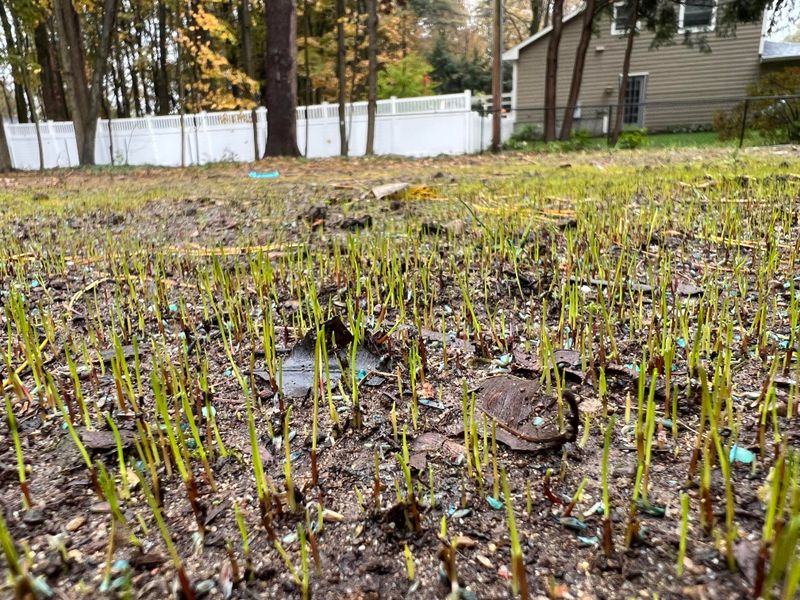
Leaves, thinned out shade, and the end of mowing season all work in your favor. September acts like a cleanup crew that shows up without sending a bill.
Trees start dropping leaves, which lets more sunlight reach thin areas under the maples. Shady spots that struggled all summer finally get a turn in the sun.
Core aeration pairs perfectly with September work and opens up stubborn, compacted Ohio clay. Seed falls into those open holes and makes excellent contact with bare soil.
Rake or blow leaves weekly so young seedlings are not smothered under a wet mat. Ten minutes on a Saturday prevents some genuinely ugly bare patches later.
Summer weeds and garden beds also finish up, freeing your weekends for lawn work. Nothing competes for your attention the way those busy July projects do.
Grub damage shows up in September too, so check for spongy turf before seeding. Fixing that problem first keeps you from planting seed into a grub buffet.
Mow short, around two inches, right before you spread seed across the lawn. Bag the clippings so seed reaches actual dirt instead of sitting on thatch.
Fall leaf mulch, chopped fine with a mower, also feeds the soil over winter. Just keep the layer thin enough to see green grass through it.
Everything about the season lines up, from the weather down to your free time. Lawns here get one truly great window each year, and it opens now.