Why Boxelder Bugs Cover Sunny Ohio Walls Every Fall
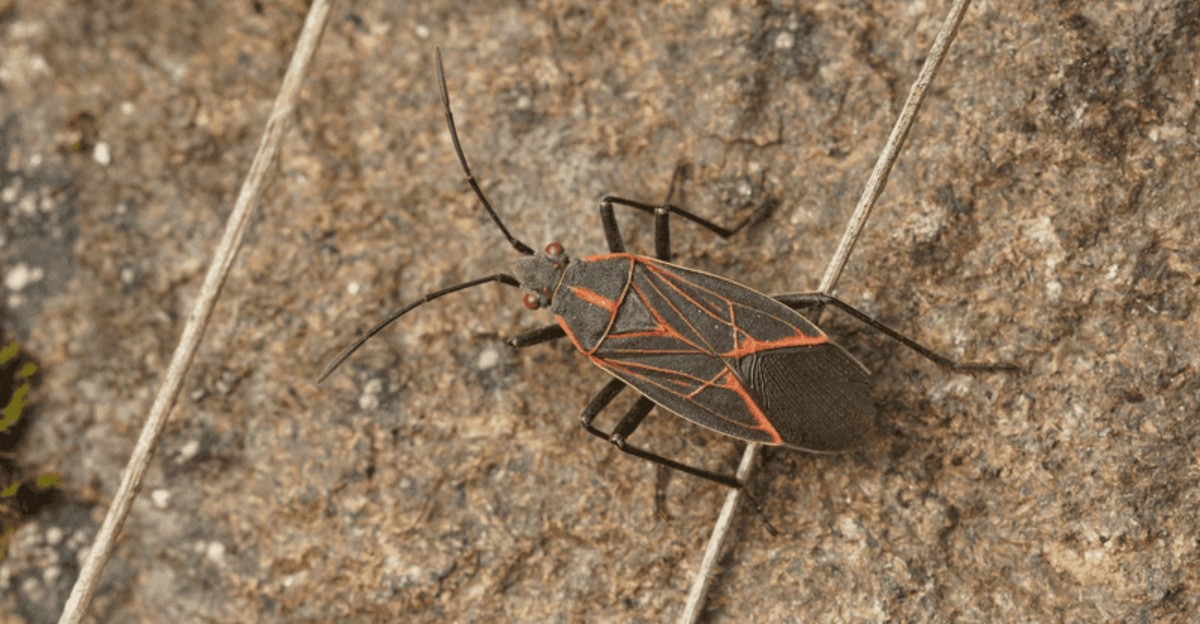
Black bugs trimmed in bright red lines can cover the side of a house on a warm afternoon. Hundreds may gather on siding and window frames at once.
Boxelder bugs are harmless to your health, though the sheer number of them can be unsettling.
Their name comes from the boxelder tree, whose seeds are a favorite summer food. Homes near those trees, or certain maples, tend to see the biggest crowds as weather cools.
Walls facing south and west draw the most attention, and the pattern repeats in Ohio neighborhoods each year.
Squashed bugs leave stains and a bitter odor, so a vacuum works better than a swatter. Gaps around windows and siding deserve attention too, since some will slip indoors.
Where they gather on your house hints at where they hope to spend the winter.
1. Sun-Warmed Siding Draws Them In As Temperatures Drop
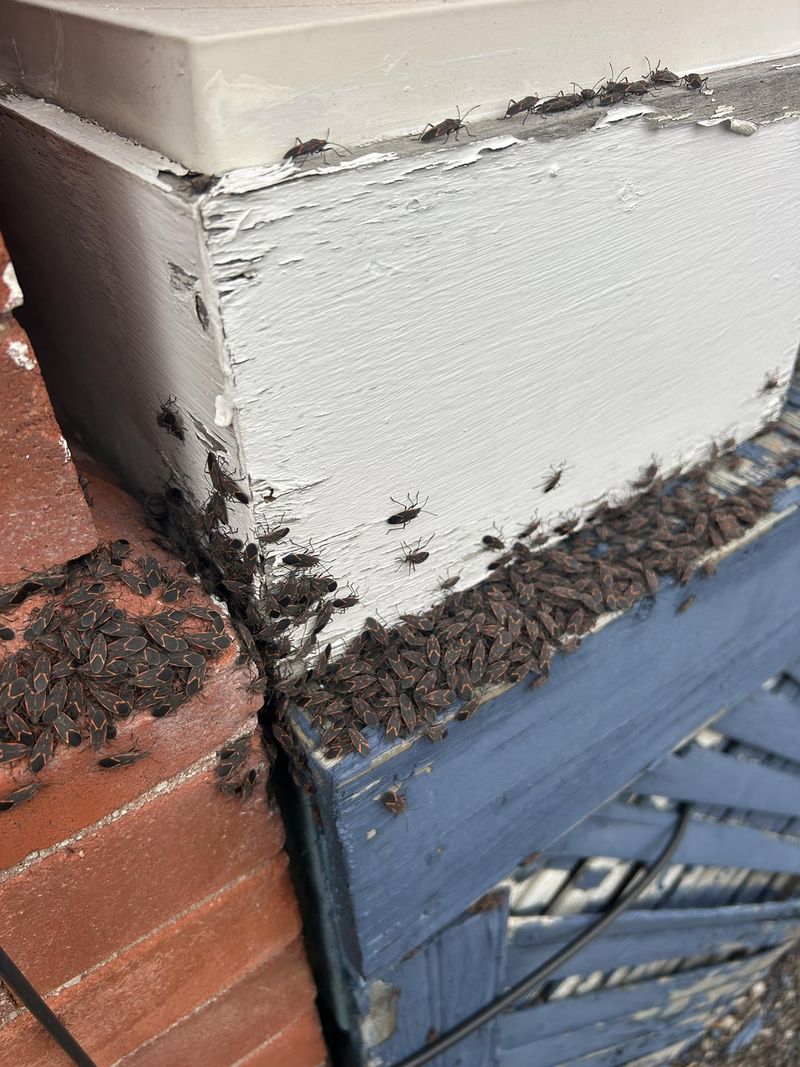
Walk past the south side of your house on a bright October afternoon and you might spot a living polka-dot pattern. Boxelder bugs love that spot because it soaks up the most heat.
Cooler nights in fall push these insects to look for warmth before winter arrives.
South- and west-facing walls catch strong afternoon sun, so they warm up faster than shaded sides. Light-colored siding, brick, and stone can all hold enough heat to attract a crowd.
Timing varies across Ohio, since northern counties near Lake Erie often cool off earlier than southern areas along the Ohio River.
Weather plays a big role too. A string of warm, sunny days after a chilly stretch tends to bring the biggest gatherings, while cloudy or rainy weeks may keep numbers low.
Homes near open yards or tall trees often see more bugs than houses surrounded by heavy shade.
If you notice them gathering, take it as a seasonal signal rather than a sign of trouble inside. They are simply following the warmth, and your wall is the warmest thing nearby.
A garden hose with a strong spray can knock clusters off siding for a short time. Soapy water sprayed directly on the bugs may also help reduce groups you can reach, though more may arrive on the next sunny day.
2. Red-Edged Black Wings Help Separate Them From Lookalikes
Not every red and black bug on your porch is a boxelder bug. Getting a good look matters before you decide what to do.
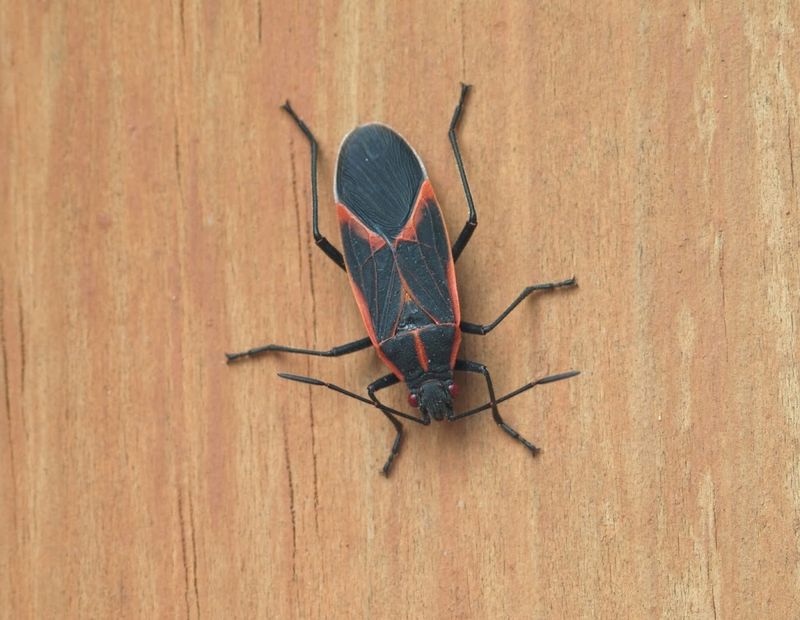
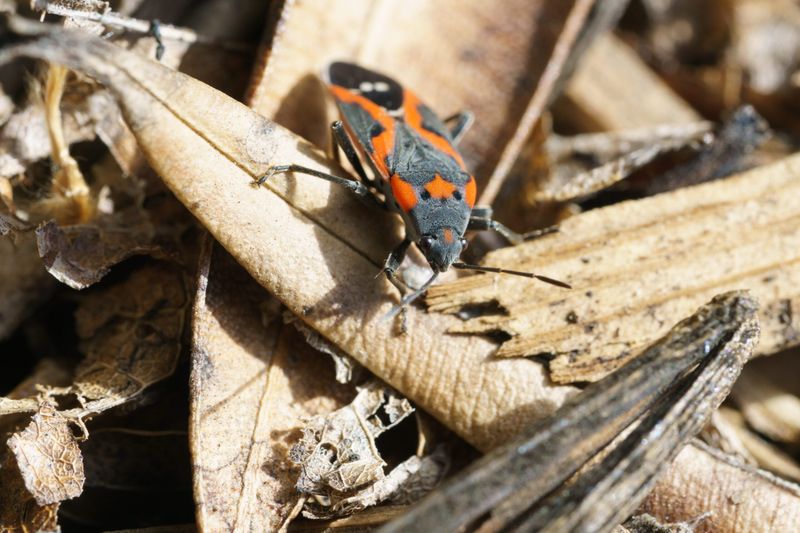
Adults are roughly half an inch long with a flat, oval body that is mostly black or dark gray.
Thin red or orange lines trace the edges of the wings and run along the area behind the head. When the wings lift, you may catch a flash of bright red on the back.
Young bugs, called nymphs, look quite different and are smaller with bright red bodies.
Gardeners in Ohio sometimes confuse them with milkweed bugs, which tend to stay near milkweed plants. Those have bolder orange and black bands rather than slim red outlines.
Kudzu bugs and brown marmorated stink bugs also invade homes in fall, but neither shares the same red trim.
Your Ohio Garden Changes Every Week. Your Plan Should Too.
Gardening in Ohio changes quickly throughout the season. Every Friday you’ll receive a simple weekly plan showing exactly what to plant, prune, fertilize, harvest, and protect so you never miss the right timing.
A quick photo on your phone can help if you are unsure. Your county Extension office can often confirm an identification from a clear picture.
Knowing the right insect keeps you from using the wrong control method. It also spares you worry over a pest that may need a completely different approach, since some lookalikes behave in other ways around plants and homes.
3. Seeds Of Female Boxelder Trees Are Their Main Food Source
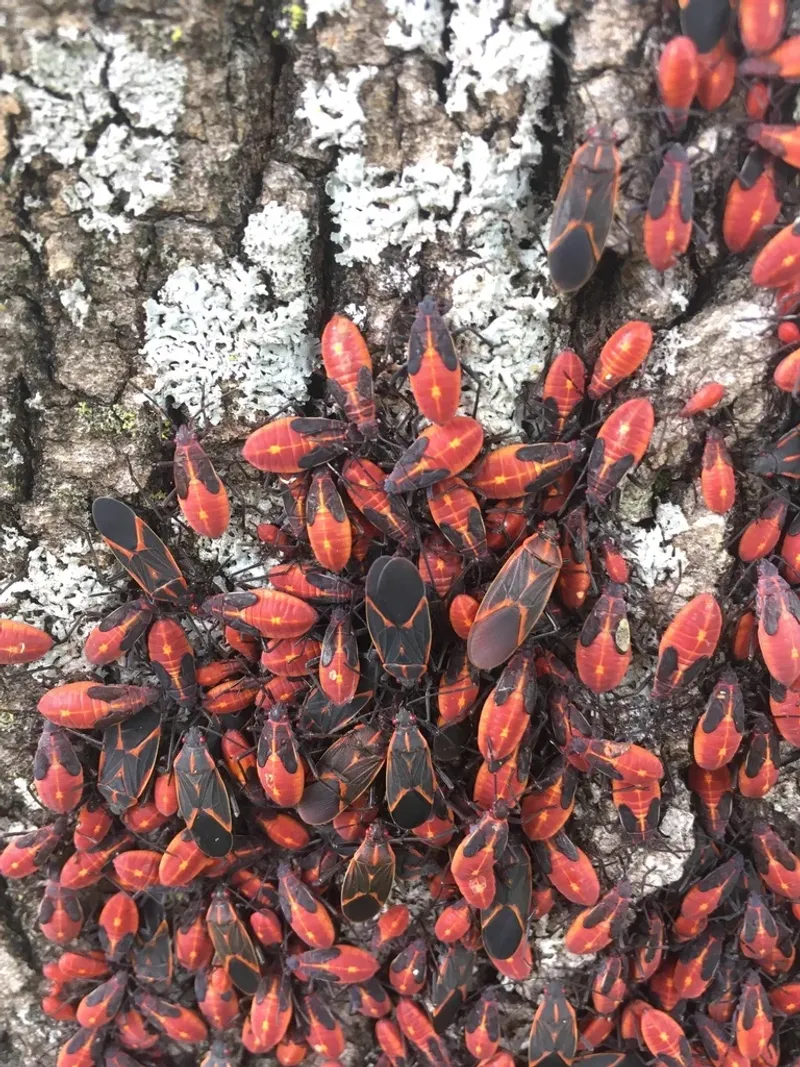
Follow the bugs back far enough and you will usually find a boxelder tree. These native maples grow along streams, fencerows, and empty lots all over the state.
Boxelder trees come in male and female forms, and only females produce the winged seeds the bugs prefer.
Adults and nymphs feed by sucking juices from those seeds through a needle-like mouth. They may also feed on leaves and tender twigs, and sometimes on related maples.
Homes near a seed-bearing female tree often see larger groups in fall.
Some people remove female trees to cut down on local numbers. Results can be limited, though, because the insects can fly in from trees on nearby properties or wooded areas.
Across Ohio, boxelder is common enough that removing one tree rarely solves the issue alone.
Before cutting anything, check whether the tree is actually female by looking for hanging seed clusters in late summer. Male trees lack those seeds, so taking one out may change very little.
Feeding usually causes only minor spotting on seeds or leaves. Healthy trees generally handle it without serious harm, so treating the tree itself is not typically recommended.
4. Clustering On Walls Is A Prelude To Finding Winter Shelter Inside Cracks
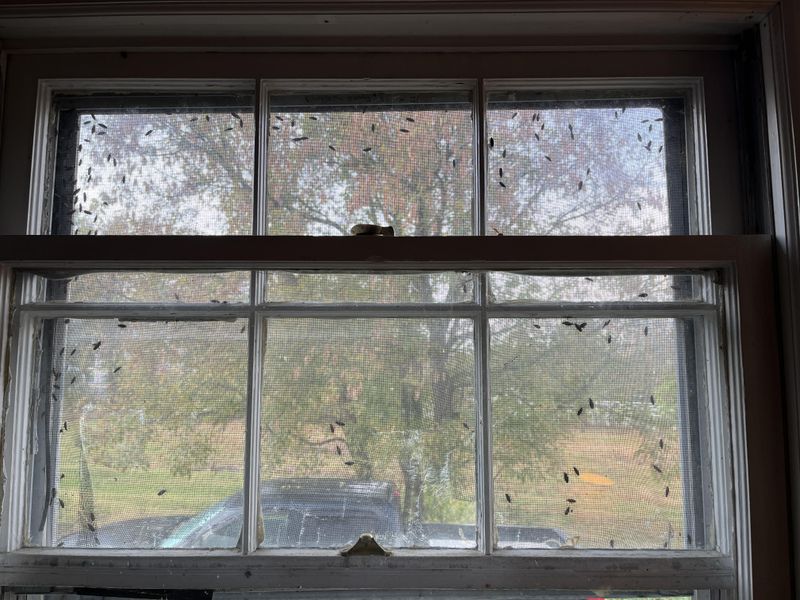
Sunbathing is only step one. Once the bugs warm up on your siding, they start poking around for a tight spot to hide.
In nature, they tuck themselves into tree bark, rock piles, and leaf litter to wait out the cold.
Houses offer plenty of similar hiding places. Gaps around windows, loose siding, attic vents, and spaces under eaves all look appealing.
Once inside a wall void, they settle in and stay mostly inactive through winter.
Watching where clusters gather can give you useful clues. Bugs crowding around a window corner or a utility line often point straight to an opening worth sealing.
Fall in Ohio brings a short window when you can see this behavior clearly before freezing weather sends them out of sight.
Grab a notepad and jot down the spots that draw the most activity. That list becomes a handy repair guide later.
Some bugs will hide outside in mulch or under boards rather than entering the house at all. Every home is different, so the number that actually gets inside can vary a lot from year to year and even from one side of the house to another.
5. Warm Winter Days Can Bring Hidden Bugs Out Indoors
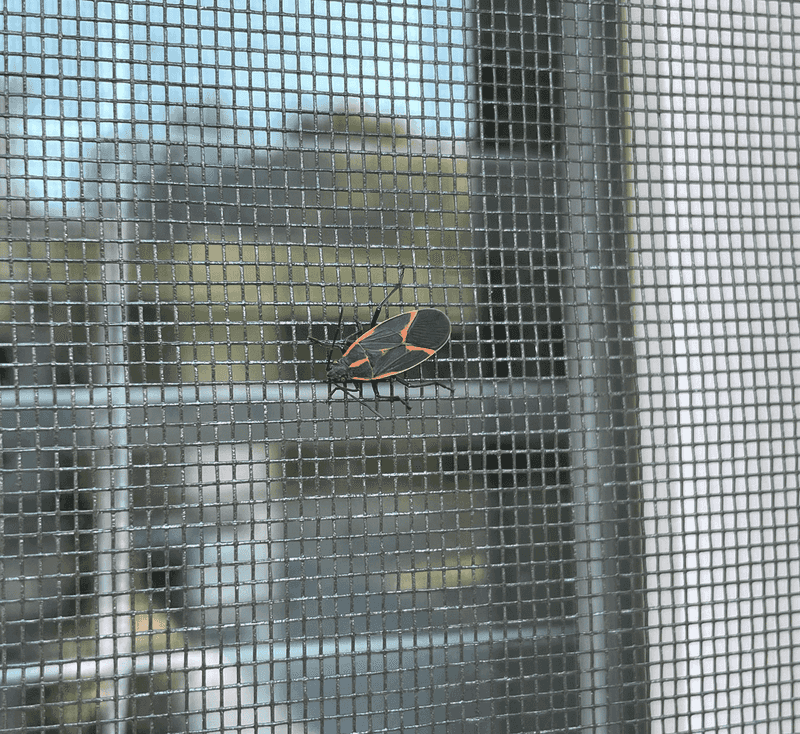
January feels like an odd time to see insects, yet a sunny window can wake them right up. Bugs sleeping inside your walls react to heat.
When sunshine warms an outer wall, or the furnace heats nearby spaces, some bugs become active again.
They often crawl toward light, so windows, lamps, and skylights tend to attract them. You might find a few on curtains or slowly wandering across a sunny floor.
Late winter and early spring can bring more sightings as the weather swings between cold and mild.
Ohio winters often include brief thaws, so these surprise appearances may happen more than once.
Bugs that wander indoors usually cannot reproduce or feed inside your home. Many simply weaken over time because the indoor air is too dry for them.
A vacuum works well for removing them. Empty the bag or canister outside afterward so they do not crawl back out.
Try not to crush them on fabric or light walls. Their bodies can leave a reddish stain, and that mark can be hard to clean from curtains, carpet, or painted surfaces.
6. They Pose Little Threat To People Or The House
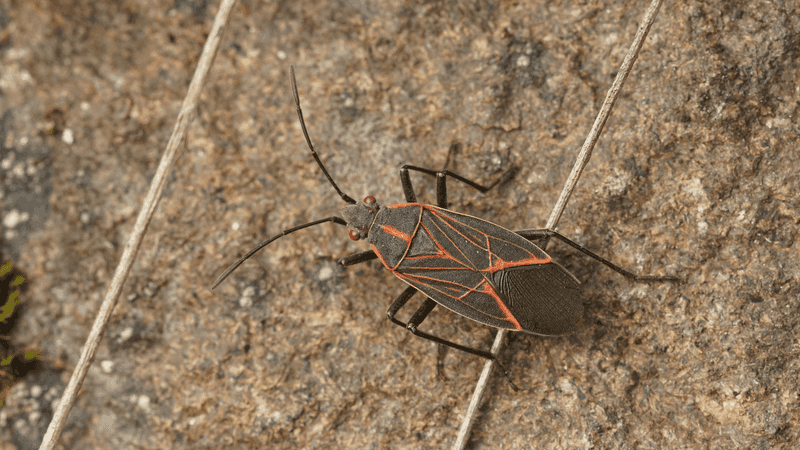
Good news first. Boxelder bugs are mostly a nuisance and rarely a real problem.
They do not chew wood, eat fabric, or damage the structure of your home.
Biting is uncommon, though a bug pressed against bare skin might give a mild pinch. Reactions are usually minor and fade quickly.
They also do not carry diseases that affect people or pets.
Their main downsides are staining and smell. Crushed bugs can release a strong odor and leave reddish marks on walls, drapes, or upholstery.
Large numbers can feel unsettling, especially for guests or kids who are not used to seeing them.
Spraying insecticides indoors is generally not recommended, since it often does little and can leave residue near family and pets. Ohio State University Extension and similar sources usually point homeowners toward vacuuming and sealing instead.
If they gather on a garden plant, damage tends to be light. Some fruit may show small marks, but serious harm is not typical.
Keeping calm and focusing on simple cleanup usually works best. A handheld vacuum near the windows during peak weeks can make a big difference without much effort, and it keeps the indoor mess under control.
7. Caulking Gaps Before Cold Weather Keeps More Of Them Outside
Prevention beats cleanup every single fall. Sealing your home before the bugs show up can cut down on how many sneak inside.
Late summer or very early fall is a smart time to start, since clusters often build once nights turn cool.
Walk around your house and check windows, door frames, and spots where pipes, wires, or cables enter. Small cracks are easy to miss, so take your time.
A good outdoor caulk works well for narrow gaps around trim and frames.
Larger openings may need foam sealant or weatherstripping. Torn window screens and gaps under doors deserve attention too, because bugs slip through surprisingly small spaces.
Vents and soffits can be covered with fine mesh screening while still allowing airflow.
Caulk often seals best when applied on a dry, mild day, so check the label for temperature guidance. In northern Ohio, cooler fall weather may arrive a bit sooner, so earlier repairs can help.
Sealing will not stop every bug from getting in. Older homes in particular may have hidden gaps that are hard to reach.
Even so, fewer openings usually mean fewer winter surprises, and the same work can also help with drafts and heating costs.