The Best California Fruit Trees To Plant Before Winter Arrives
A Sacramento gardener stands in the driveway with a five-gallon lemon tree in the trunk, shovel already leaning against the fence, wondering if October is the right moment or if waiting until January makes more sense.
That hesitation is smart, because California has two separate planting seasons, and mixing them up costs money and good roots without much upside to show for it.
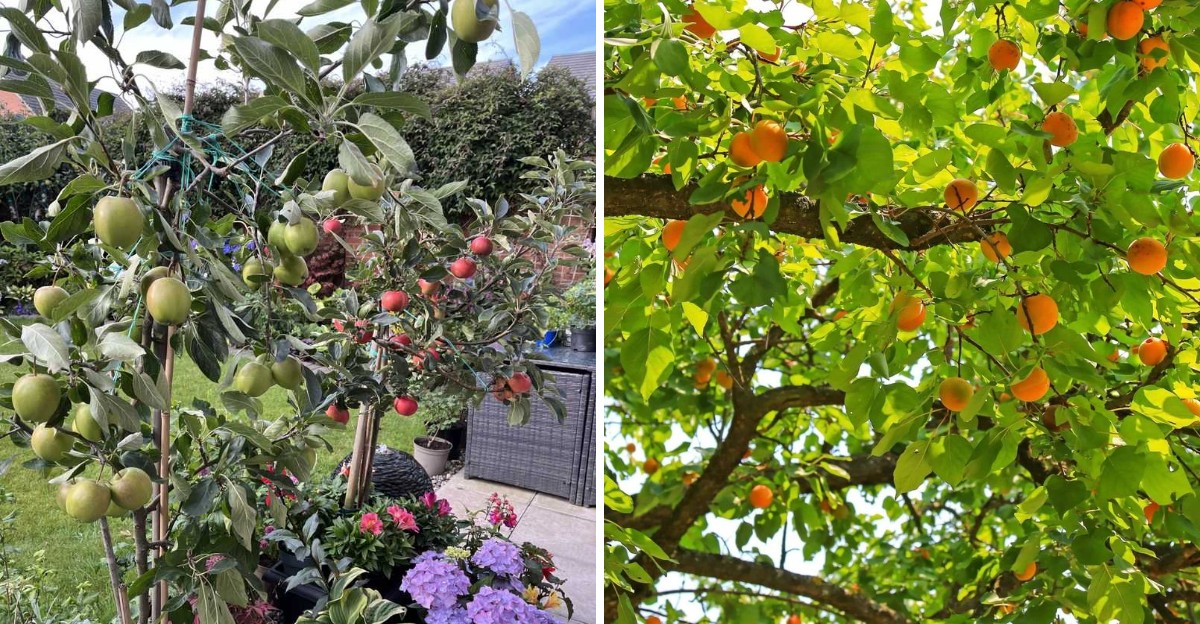
University of California Agriculture and Natural Resources draws a clear line. Evergreen fruit trees such as citrus and avocado settle in nicely during fall, while classic deciduous trees like apple and peach are best bought bare root during winter dormancy.
Most gardeners assume all fruit trees follow the same planting calendar, missing this crucial split that determines whether October or January is actually the smarter move.
This list sorts out which is which, with four solid fall picks, a plain warning about deciduous trees, and a fair take on container planting if waiting simply is not going to happen.
1. Citrus Thrives With A Fall Start
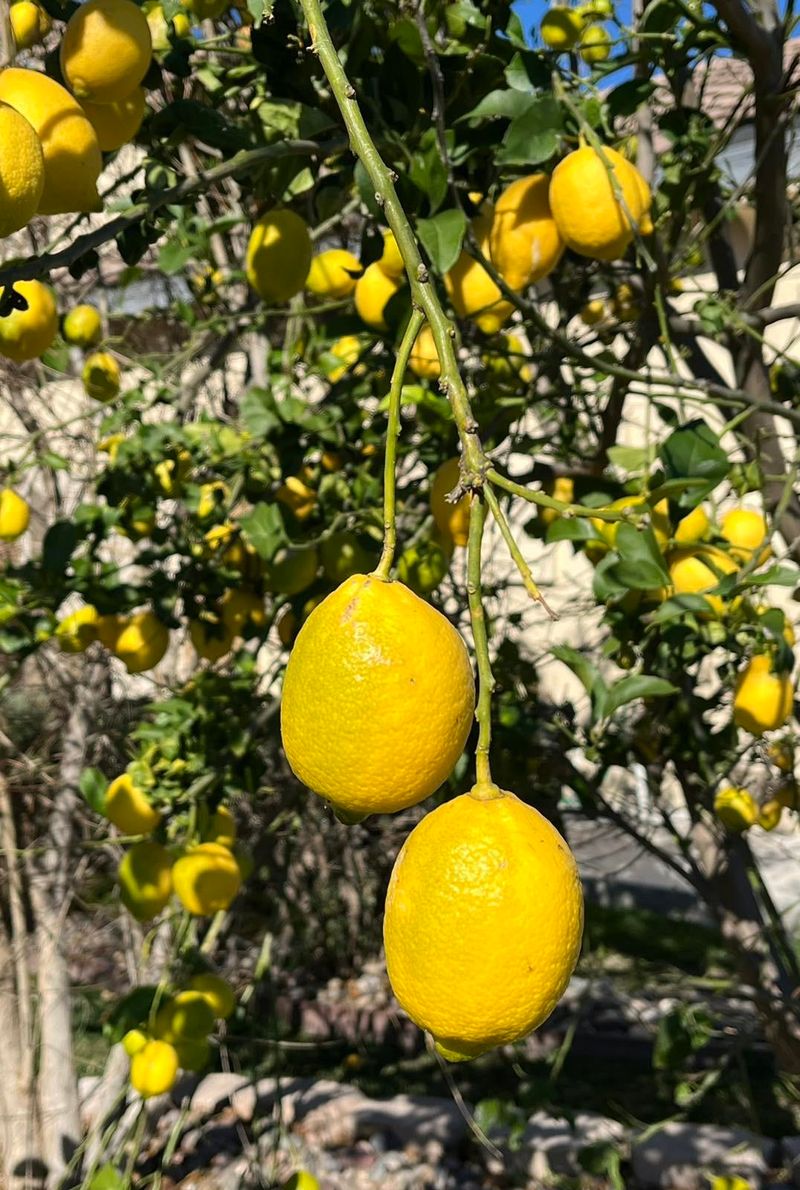
Glossy leaves year-round are the first clue that citrus plays by different rules than most other fruit trees sold at a nursery each season.
Lemons, oranges, mandarins, and limes never drop their foliage and never go fully dormant, so nurseries cannot ship them bare root the way they do apples.
They arrive in pots, roots wrapped in soil, ready to plant whenever the weather cooperates across most regions of the state without much fuss.
Autumn cooperates beautifully in most of California. Soil still holds summer warmth, which encourages root growth, while the air has cooled enough that new leaves are not scorching.
Winter rains then water the tree for free during its first tender months, saving considerable effort on the gardener’s part throughout that establishment period.
Pick a spot with at least six to eight hours of sun and drainage that actually drains, since citrus roots sulk badly in soggy clay soil.
Set the graft union several inches above the soil line and resist the urge to bury the trunk deeper than it sat in the pot.
Frost is the honest catch worth mentioning here. In colder inland valleys or foothill pockets, a young citrus can be nipped by a hard freeze unexpectedly.
Skip heavy fertilizing until spring arrives properly. Feeding now pushes soft growth that frost loves to ruin during any unexpected cold snap that rolls through.
2. Avocado Handles Container Planting Well
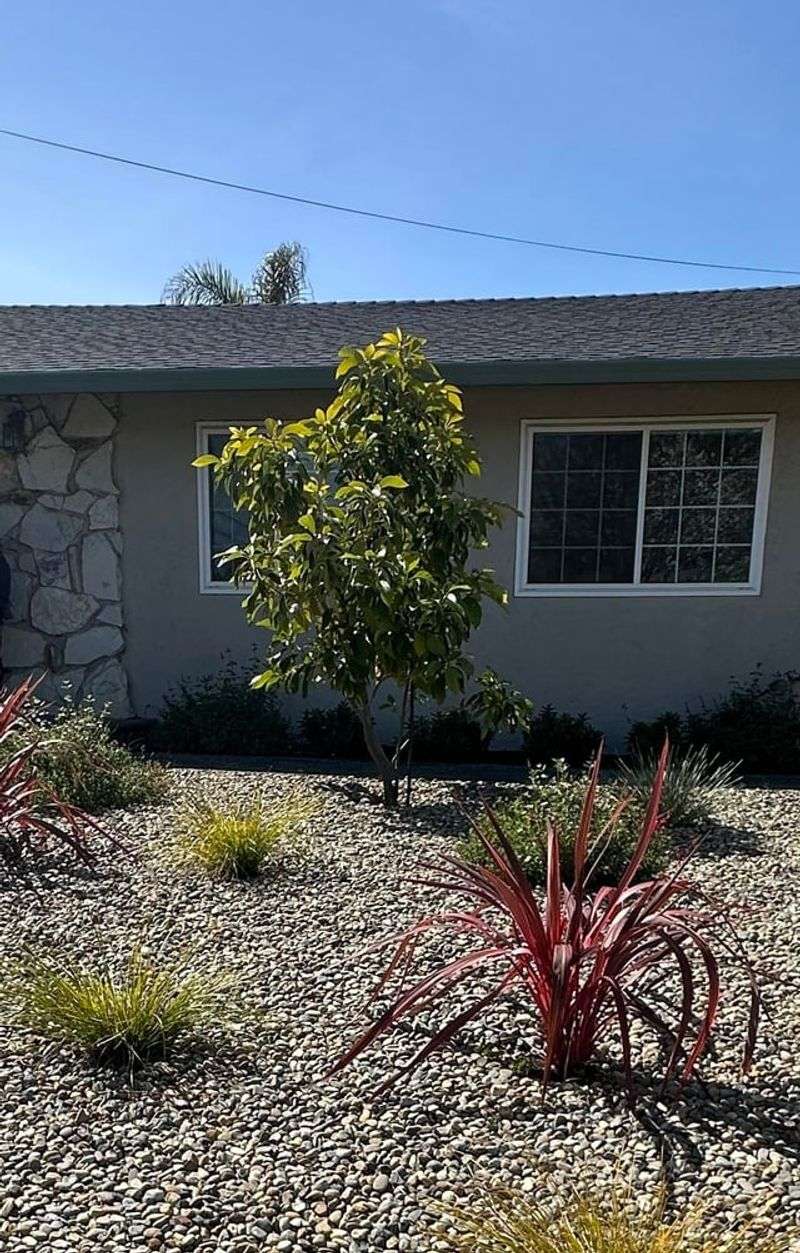
Ask any Southern California homeowner about their avocado tree, and you will hear either pure devotion or a cautionary tale about drainage gone wrong somewhere along the way.
Both reactions come from the same root cause. Avocados are evergreen, sold only in containers, and extremely picky about wet feet sitting around their roots.
Fall planting suits them because the ground stays warm while the sun loses its bite, giving young trunks a gentler introduction to direct sunlight.
Many growers paint the trunk with diluted white latex paint for protection against sunburn, a common problem for young avocado trees planted in full exposure.
Your California Garden Changes Every Week. Your Plan Should Too.
Gardening in California changes quickly throughout the season. Every Friday you’ll receive a simple weekly plan showing exactly what to plant, prune, fertilize, harvest, and protect so you never miss the right timing.
Plant on a mound, seriously. Build one about twelve to eighteen inches high and three feet across, especially in clay soil that drains poorly.
Root rot caused by Phytophthora is the single biggest problem UC researchers flag for backyard avocados, and good drainage is the main defense against it.
Hass is the household favorite, though Fuerte and Bacon handle cooler pockets better than the more popular variety most people default to buying.
Water thoughtfully during the first year. Deep soaks, then let the top couple inches dry before watering again, avoiding the constant moisture that invites rot.
Fruit takes patience, usually three to four years from a grafted tree, before the first real harvest arrives to reward all that careful establishment work.
3. Fig Trees Establish Quickly In Fall
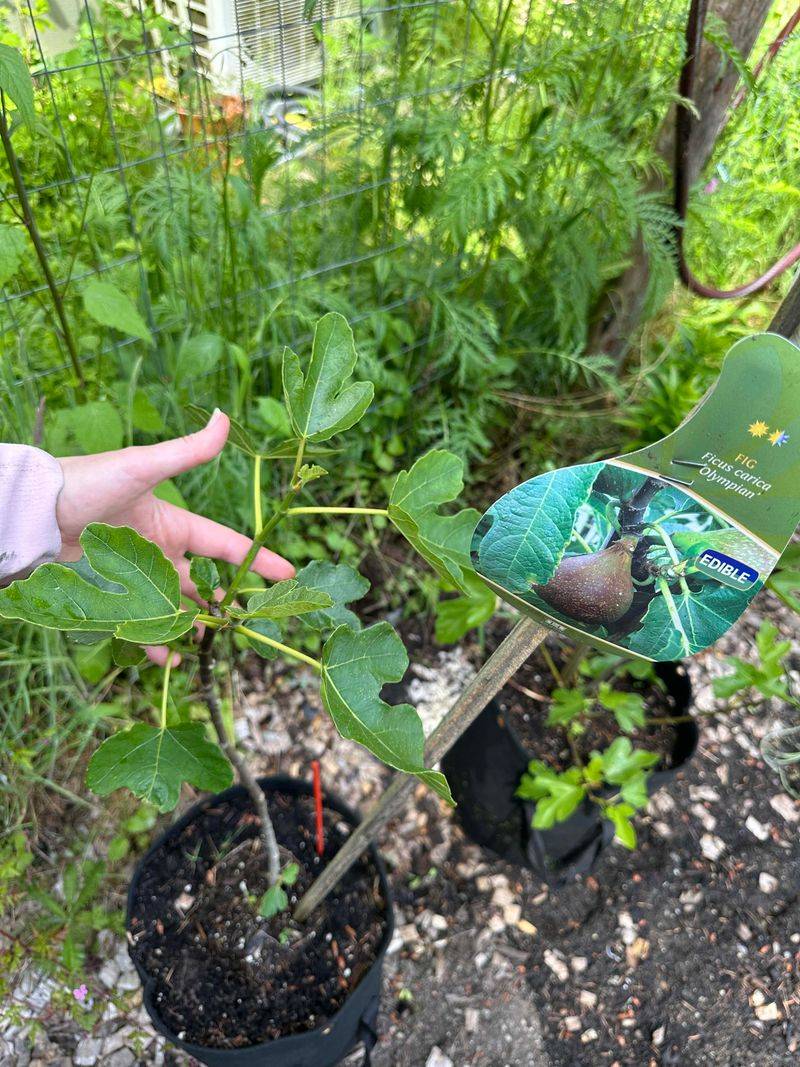
Few trees forgive rookie mistakes like a fig does. Toss one in decent soil, give it sun, and it grows with the enthusiasm of a weed.
Central Valley gardeners often describe figs as the tree that plants itself, requiring remarkably little intervention once it settles into a decent spot.
Container figs go in the ground happily during fall without much complaint. Although figs drop their leaves in winter and technically count as deciduous, they establish fast regardless.
Roots spread wide and shallow, so choose a spot with room to accommodate that growth pattern without crowding nearby structures or other plants.
Some gardeners deliberately restrict roots to encourage fruiting instead of endless leafy growth, using a container or buried barrier to limit expansion intentionally.
Black Mission, Brown Turkey, Kadota, and Panachee all perform across much of the state without much regional variation in success rates worth noting.
Figs tolerate heat, shrug off mediocre soil, and need far less water than most stone fruit once roots reach down into the ground properly.
Skip nitrogen-heavy fertilizer entirely with this tree. Overfed figs produce leaves the size of dinner plates and very little fruit worth picking come harvest time.
Prune during dormancy to keep the canopy reachable, because birds will happily harvest anything above ladder height before you ever get the chance.
4. Persimmon Adapts To Many California Climates
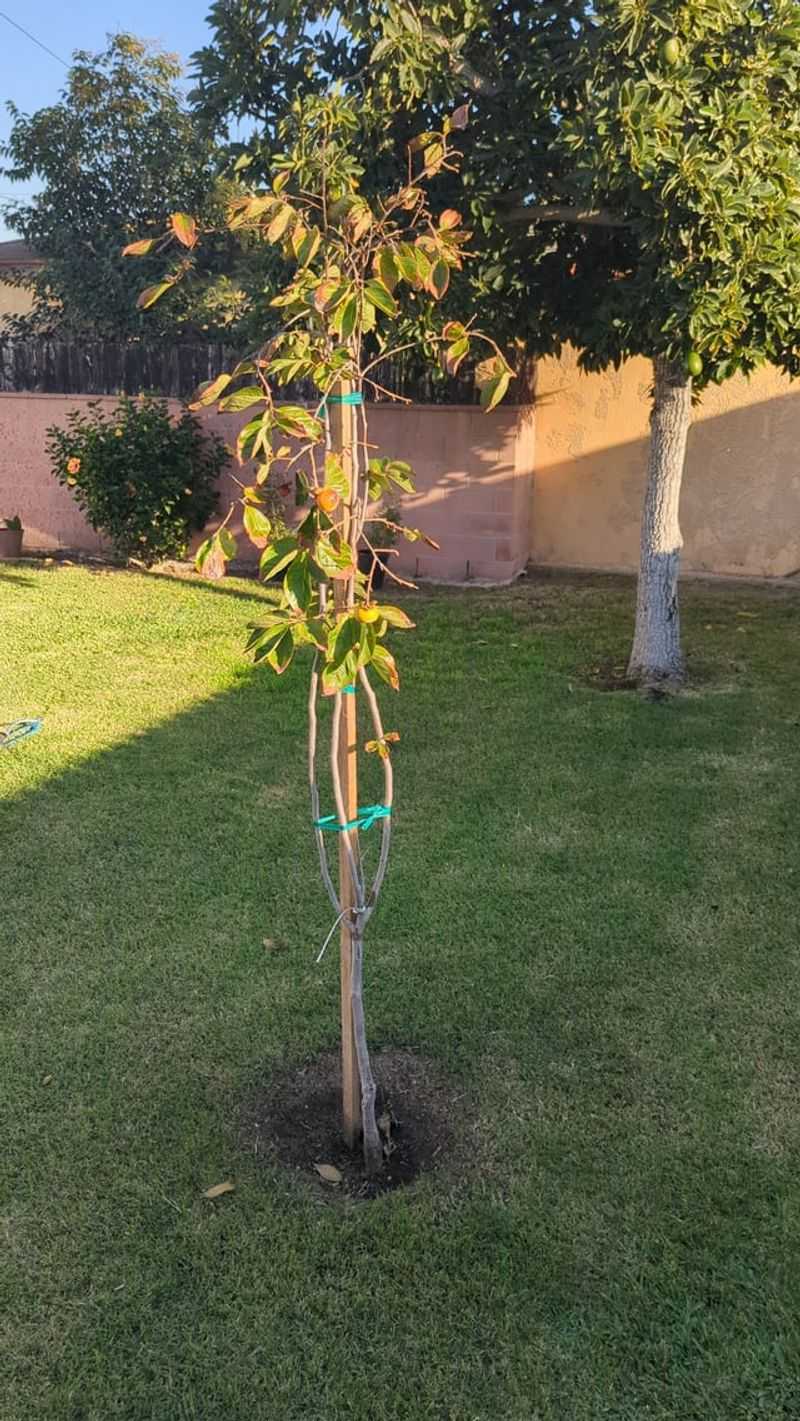
Orange globes hanging on bare gray branches in November look almost like ornaments someone forgot to take down after the holidays passed by already.
Persimmons put on that show every fall, and they do it across a remarkable range of California conditions, from coastal fog to valley heat extremes.
Two names matter at the nursery worth knowing before you buy. Fuyu stays firm and crunchy, eaten like an apple straight off the tree.
Hachiya must be squishy-soft before eating, otherwise the astringency will pucker a face into next week from that first unwary bite taken too soon.
Container persimmons planted in fall get a head start on root growth before spring arrives and the tree begins actively pushing new growth again.
Toughness is the selling point here overall. Persimmon trees handle clay better than peaches, need moderate water, and face few serious pests in home gardens.
Deer nibble young leaves though, so a cage around the trunk earns its keep during those vulnerable early years before the tree matures fully.
Give the tree full sun and space for a canopy reaching fifteen to twenty feet, planning ahead for that eventual mature size from the start.
Harvest with clippers, leaving a bit of stem attached, since fruit stores for weeks on the counter afterward once picked at the right moment.
5. Deciduous Trees Still Do Best Bare Root
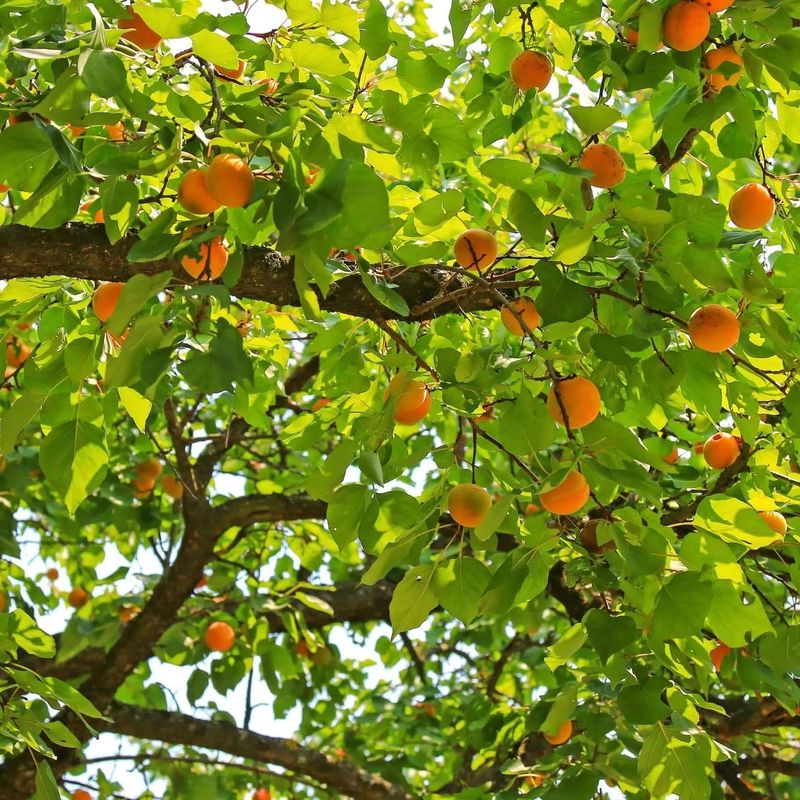
Straight talk time here. Apple, pear, peach, plum, apricot, and cherry trees are not autumn projects in California, no matter how tempting the fall display looks.
University of California Agriculture and Natural Resources guidance points to dormant-season bare-root planting as the standard for these species, backed by decades of consistent results across the state.
The reasoning is practical. Bare-root trees arrive with no soil and no circling roots, which means their root system spreads directly into your native ground.
Container trees grown in light nursery mix sometimes struggle to push roots out into heavy clay, creating problems that show up years later unexpectedly.
Price is the other factor worth considering carefully. A bare-root peach frequently costs a fraction of the same variety in a five-gallon pot.
Selection swings the argument further too. Nurseries stock dozens of bare-root varieties in winter, including low-chill peaches and apples bred for mild winters.
Chill hours matter enormously here for anyone gardening in a milder region. Coastal and desert gardeners need low-chill cultivars that show up reliably during bare-root season specifically.
Use the remaining fall weeks to prep instead of planting prematurely. Test drainage, amend a wide planting area, order varieties, and mark locations for later.
6. Bare Root Season Arrives This Winter
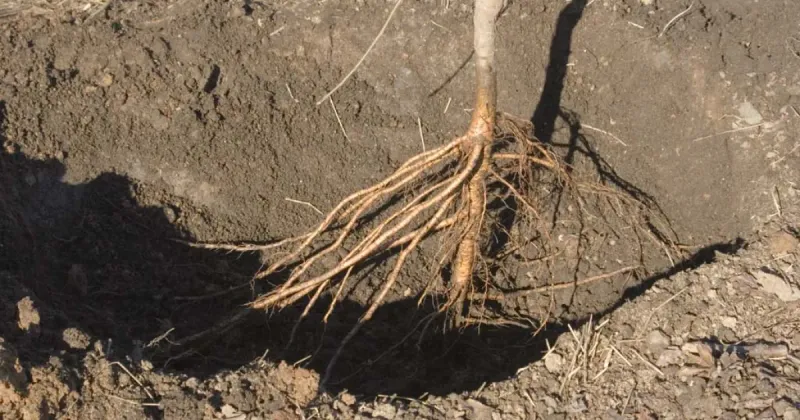
Mark the calendar for December right now. From roughly December through February, California nurseries fill bins with dormant, leafless trees standing in damp sawdust.
That stretch is the best buying window of the entire year for deciduous fruit, offering both better prices and far wider selection than any other season.
Dormancy is what makes the whole system work so well. A sleeping tree can have its roots washed clean, shipped, stored cold, and replanted without much complaint.
Shopping early in the season pays off considerably. Popular varieties such as Santa Rosa plum and Fuji apple vanish quickly once word spreads among local gardeners.
Inspect roots before buying anything at all. Look for plenty of fibrous feeder roots, flexible wood, and no dried-out or blackened tips anywhere visible.
Plant the same day if possible for the best results. Otherwise, heel the roots into moist sawdust or a bucket of damp mulch temporarily.
Dig a hole as wide as the roots spread naturally, no deeper than the original soil line, skipping rich amendments directly in the planting hole.
Water it in, head the tree back to about knee height for easy future picking, and let winter rain do the rest of the work.
7. Container Trees Bridge The Gap Until Then
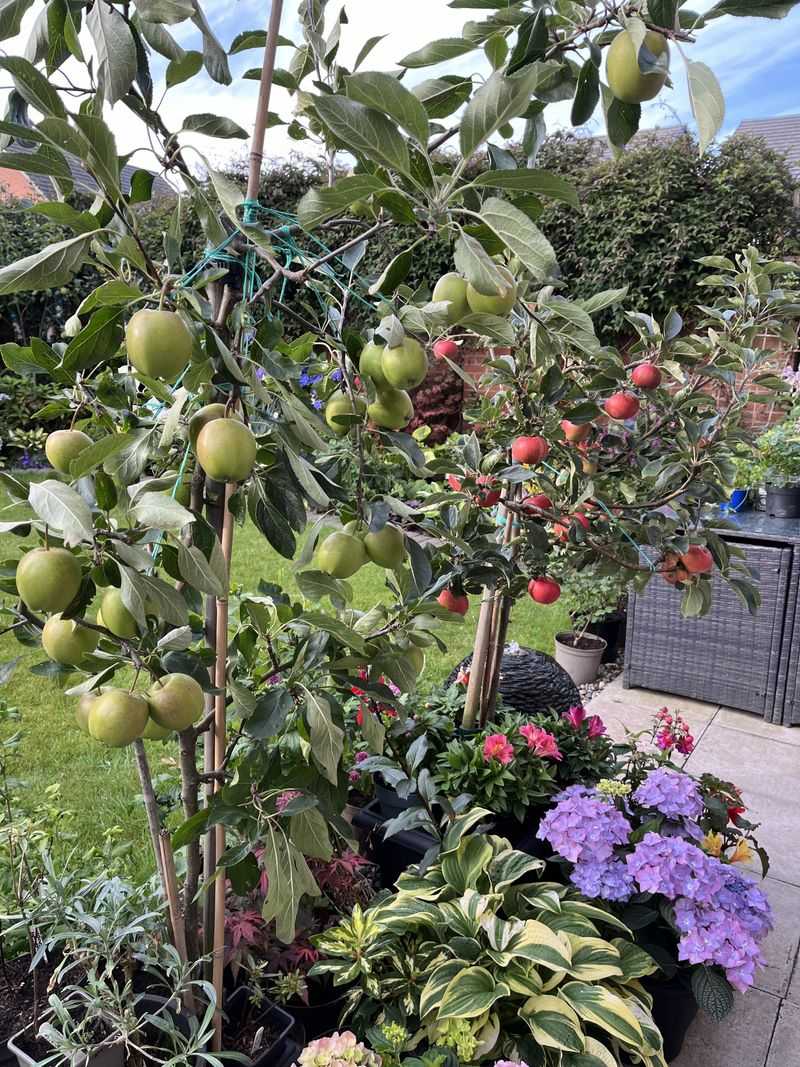
Waiting until January is not everyone’s temperament, and that is fair enough. A container-grown apple or peach planted in October will grow perfectly well if handled carefully.
The trade-off is money and variety, not survival, so anyone impatient can still succeed with the right technique applied at planting time.
Expect to pay considerably more for less choice though. Fall container stock leans toward common cultivars, and chill-hour matching becomes harder in coastal or desert areas.
Technique matters more with potted trees than with bare-root ones. Slide the root ball out and inspect it carefully before committing to the planting hole.
Roots circling the outside should be teased loose or sliced vertically in three or four places with a clean knife, preventing future strangulation problems.
Wash or shake some nursery mix off the outer roots so they contact native soil directly rather than staying trapped in their original growing medium.
Plant at the same depth the tree sat in the pot, with the graft union well above grade to avoid rot problems later.
A sensible compromise exists here worth considering. Plant one container tree now to satisfy the itch, then return in January for bare-root trees at lower cost.