The One Thing You Must Do To Crape Myrtles In California Before August Is Over
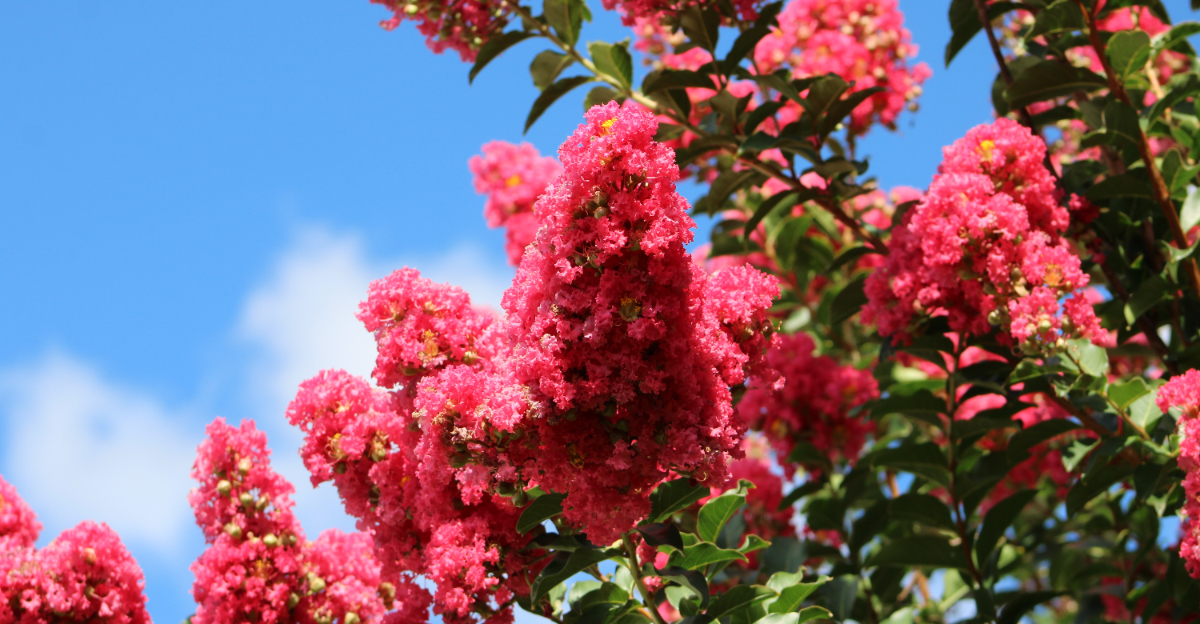
Crape myrtles can still look impressive in late August, even as the season starts quietly working against them.
Blooms may be fading, fresh growth may be slowing, and the plant can seem like it needs nothing more until fall.
That is exactly why one timely task is easy to overlook. Done before the month ends, it can help the tree finish summer in better shape and avoid carrying unnecessary problems into the next season.
The timing matters more than the task itself, because waiting too long can reduce the benefit or create extra stress as conditions begin to change.
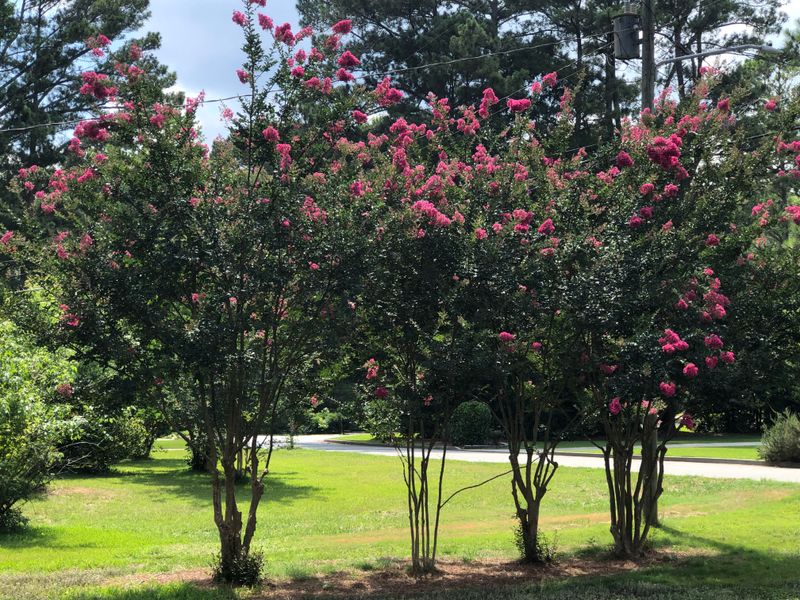
If your crape myrtle has been flowering hard through the California heat, this is the moment to give it one last bit of attention before summer starts slipping away.
1. Snipping Off Spent Flower Clusters Now
Timing beats effort with this job. A crape myrtle that gets its finished flowers removed in the first half of August often responds within two to three weeks.
The faded clusters look like small brown knobs sitting at the tips of branches. Once you spot one, you will see dozens more.
Each one is telling the tree the same message: flowering season is done.
By clipping them away, you change that message. The tree redirects its stored sugars into forming new flower buds instead of finishing seeds.
Warm weather makes the whole thing work. Long, hot days give the plant plenty of energy to push a fresh flush of color before nights cool down.
Start at the outside of the canopy where most spent blooms sit. Work your way around the tree in a slow circle so you do not miss a side.
Sharp pruners matter more than expensive ones. Clean cuts heal fast and reduce the chance of pests moving into torn wood.
Drop the clippings into a bucket as you go. Seed pods left on the ground can sprout volunteer seedlings in your beds next spring.
Fun bit of trivia: crape myrtles bloom on new wood, which is exactly why this small trim triggers more color instead of less.
2. Deadheading Before Seed Pods Take Over
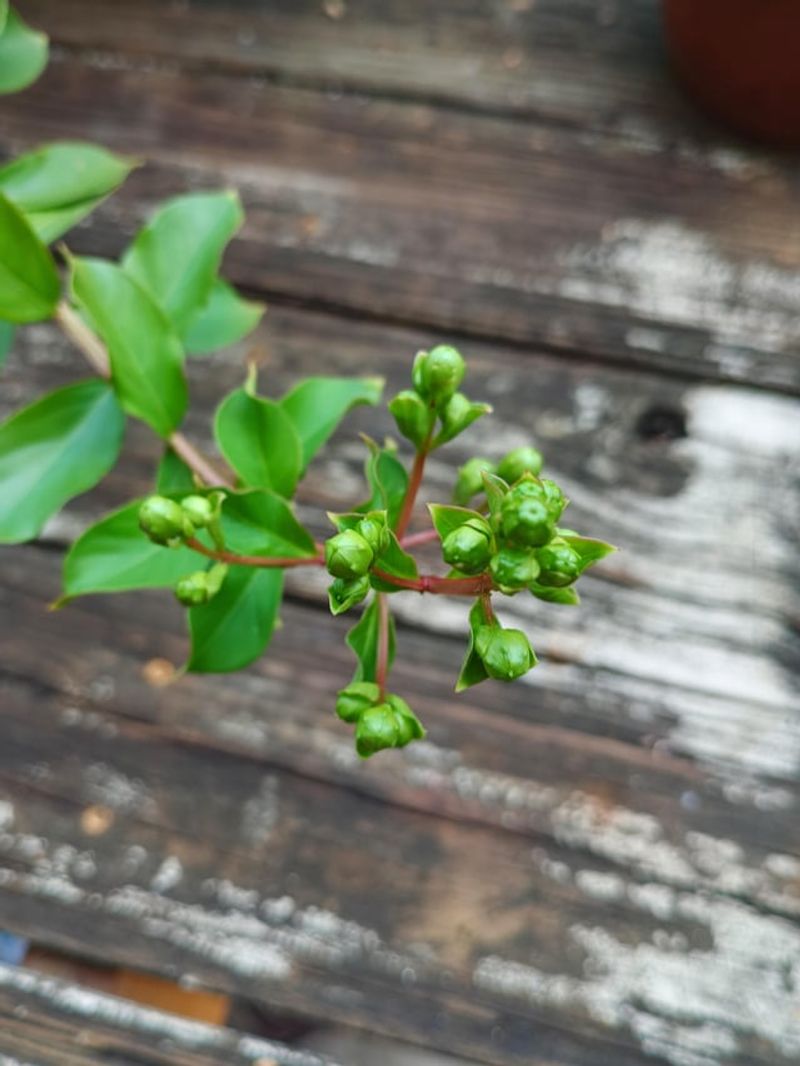
Seed production is expensive work for a tree. Every round green pod that swells at a branch tip is pulling energy that could have gone toward another wave of flowers.
Left alone, those pods harden into woody brown balls. They hang on through winter and rattle in the wind.
Catching them while they are still soft and green is the goal. At that stage the tree has not fully committed its resources, so it switches back to blooming easily.
Wait too long and the response gets weaker. By September, cooler nights slow everything down and the tree simply coasts toward dormancy.
Feel a cluster between your fingers to check. Squishy and light means you are still in the sweet spot. Hard and rattling means you missed it for this round.
Even late removal is not wasted. Clearing old pods keeps the branches from bending under winter rain and improves how the tree looks all season.
Your California Garden Changes Every Week. Your Plan Should Too.
Gardening in California changes quickly throughout the season. Every Friday you’ll receive a simple weekly plan showing exactly what to plant, prune, fertilize, harvest, and protect so you never miss the right timing.
California gardeners in warmer inland valleys often get two full flushes using this trick. Coastal yards with cooler summers may only get one, and that is fine.
Think of it as gentle redirection rather than surgery. You are nudging the plant, not reshaping it, and the payoff shows up in color.
3. Cutting Just Below The Faded Blooms
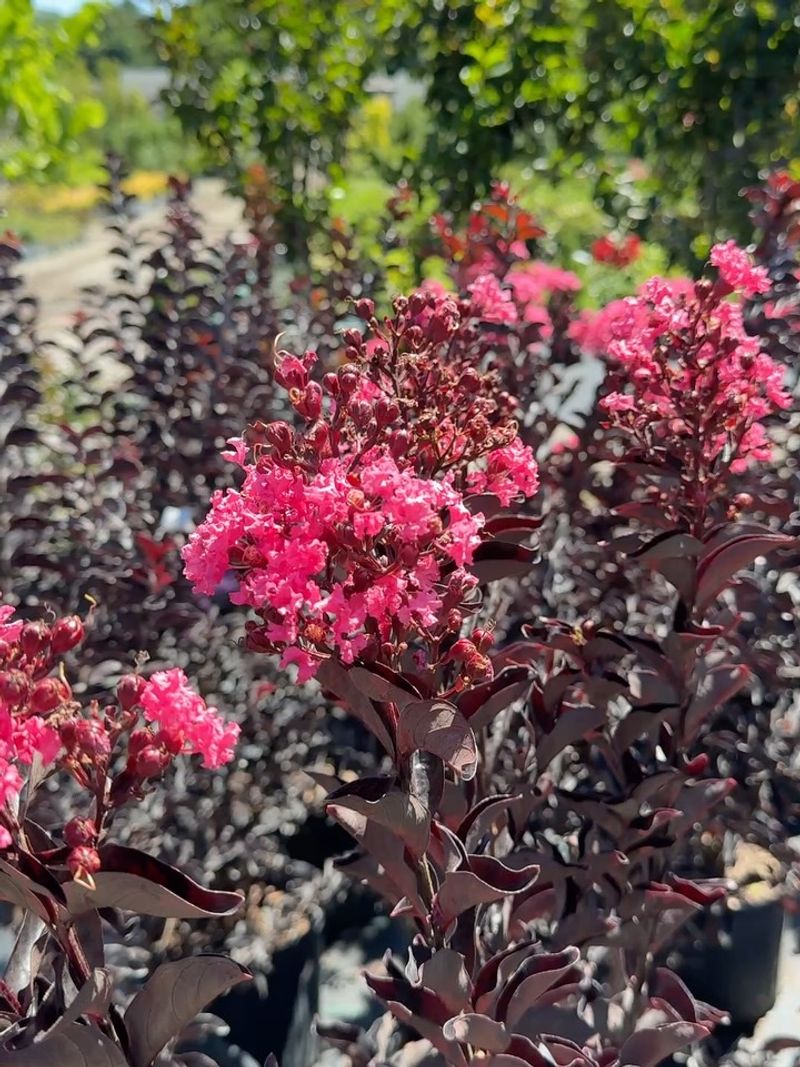
Placement is where most folks get nervous. The rule is simple though: snip about two to four inches below the dried flower head.
Look for a spot just above a pair of leaves or a small side shoot. Cutting there gives the new growth a clear place to emerge.
Pencil-thin stems are your target. Anything thicker than a pencil is structural wood, and it should stay right where it is.
Angle the blade slightly so water runs off the cut instead of pooling on it. Small detail, but it helps the wound seal cleanly.
Some branches carry two or three spent clusters bunched together. Follow the little stems down to where they join, then make one cut instead of three.
Avoid leaving long bare stubs sticking out. They look awkward and rarely produce anything useful.
Work in good light so you can actually see the leaf nodes. Squinting into shade leads to sloppy cuts and missed spots.
A quirky habit worth picking up: step back every few minutes and look at the whole tree. Your eyes catch uneven spots that your hands never notice up close.
Within a couple weeks, tiny green shoots appear right below each cut, each one carrying a flower bud at its tip.
4. Leaving The Main Branch Structure Alone
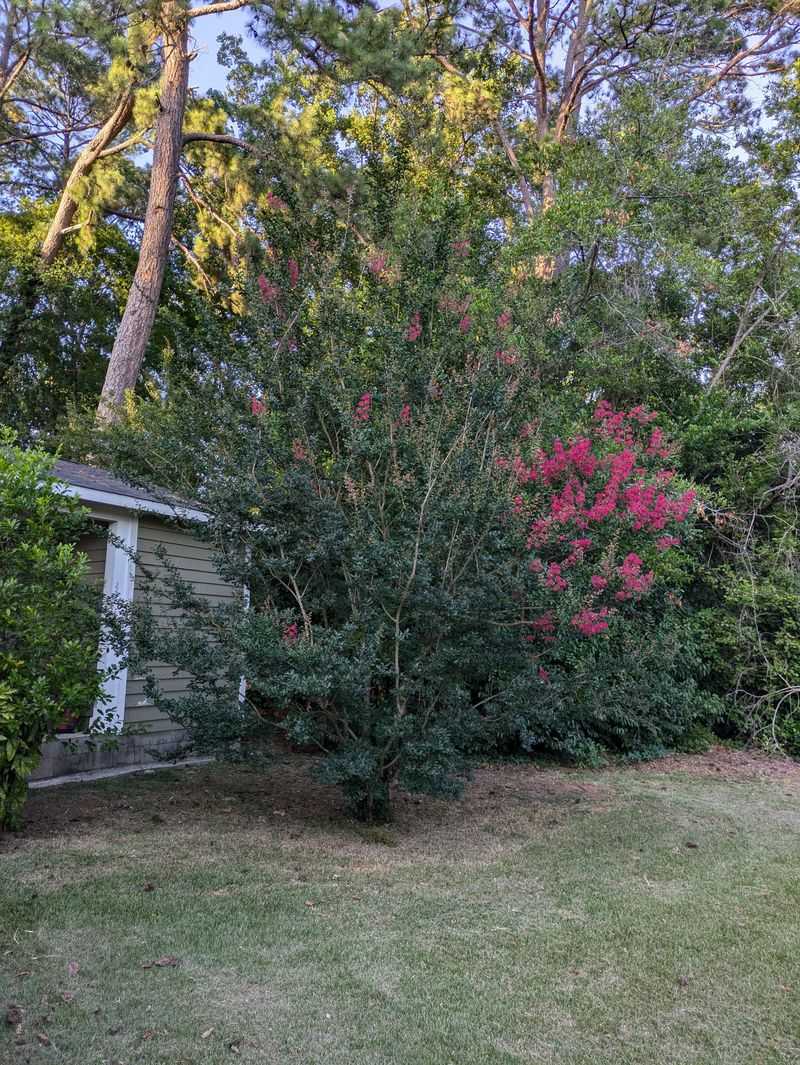
Smooth, peeling bark and graceful curving trunks are the best part of a mature crape myrtle. Those features take years to develop, and one careless afternoon can erase them.
Trunks and thick scaffold limbs should never be touched during a late-summer cleanup. Save any structural decisions for the dormant season.
The reason comes down to healing time. Big wounds made in August have fewer weeks to close before rain and cool weather arrive.
Open cuts on major limbs also invite boring insects and fungal problems. Small twig cuts, by contrast, seal over quickly and cause almost no stress.
Picture the tree as having two layers. The outer skirt of thin flowering twigs is fair game. The inner framework of trunks and main branches is off limits.
If a branch bothers you because it rubs or hangs low, tie a ribbon on it. Come back in winter and handle it properly then.
Suckers popping up from the base are the one exception. Those thin whips can be snapped or clipped off any time without harm.
Protecting the framework pays off visually too. That mottled cinnamon and gray bark becomes the star attraction once leaves drop in late fall.
5. Skipping The Late-Summer Crape Topping
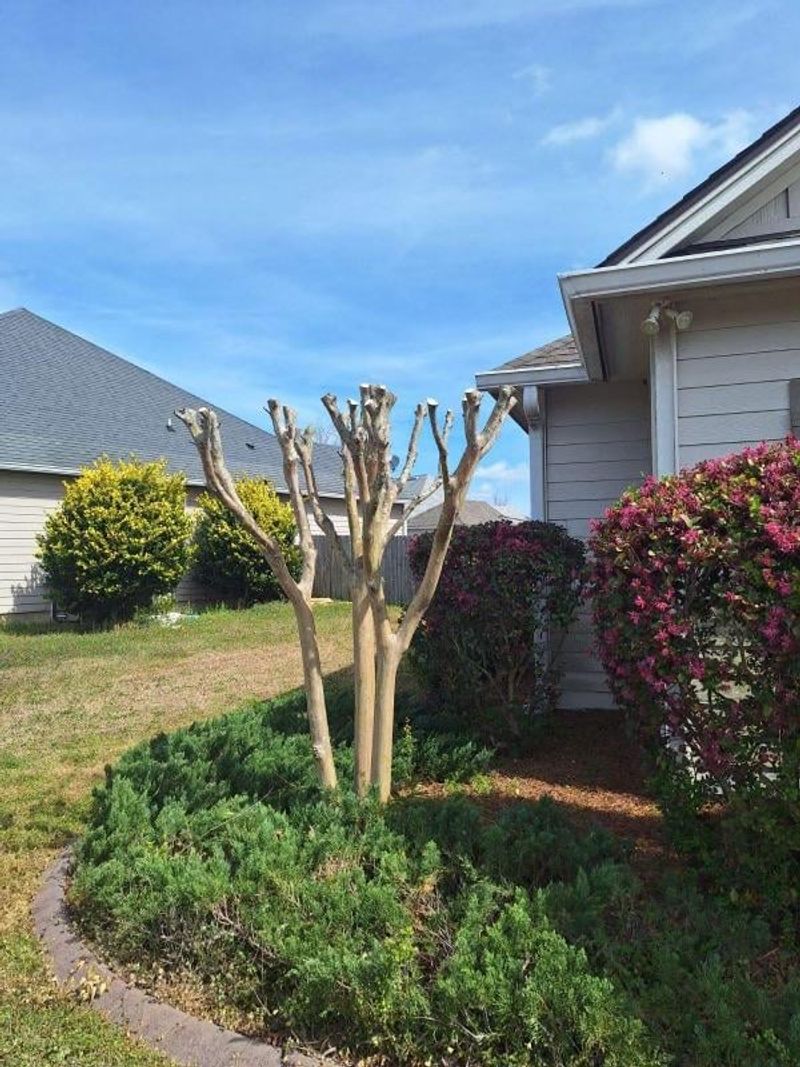
Drive through almost any neighborhood in winter and you will spot them: crape myrtles chopped down to thick, knobby stumps. Gardeners have a blunt nickname for it, and none of it is a compliment.
Topping the tree removes years of growth in minutes. What grows back is a cluster of skinny, whippy shoots that flop over the moment flowers get heavy.
Doing that in late California summer is even rougher. The plant loses most of its leaves right when it needs them to store energy for winter.
Those big cuts also create swollen knuckles at the top of each stub. Once formed, they never go away.
Weak attachment is the real problem. Regrowth from a topped limb snaps easily in wind or heavy rain.
Light deadheading gives you the opposite result. Blooms come back on sturdy stems that hold themselves upright.
If your tree feels too tall for its spot, the honest answer is that it was planted in the wrong place. Chopping it yearly only makes it uglier.
Better plan: enjoy the height, thin a few crossing branches in winter, and consider a naturally compact variety next time you plant.
6. Why A Light Cleanup Beats A Hard Prune
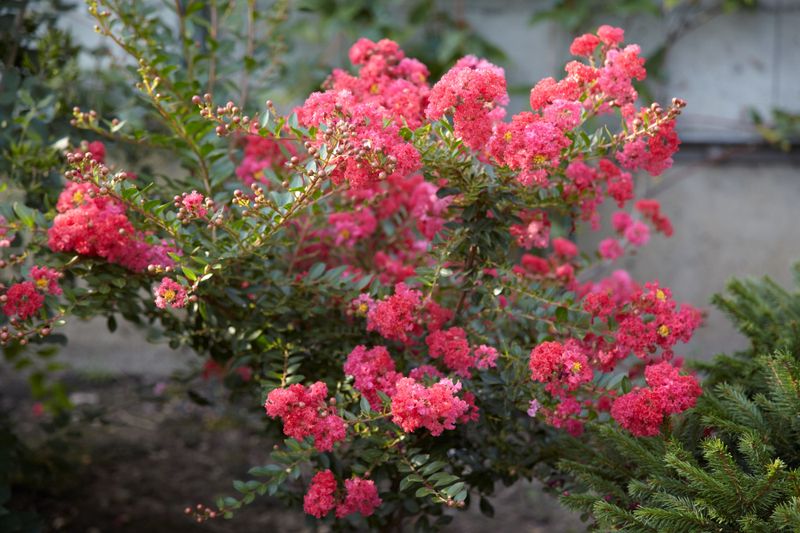
Less really is more with these trees. A light pass with pruners removes maybe five percent of the plant, yet it delivers most of the benefit you are after.
Hard pruning strips away leaves, and leaves are the factory that makes food. Take too many and the tree spends the rest of the season just catching up.
A gentle cleanup leaves the canopy full. Photosynthesis keeps humming, roots keep storing, and the plant has energy left over for a bloom encore.
Shape stays natural too. Nobody wants a lollipop on a stick when they could have a flowing, vase-shaped small tree.
Time is another win. Twenty to thirty minutes handles a medium tree, while a hard prune eats an entire weekend and creates a mountain of debris.
Recovery differs wildly. Small twig cuts callus over in days. Large cuts stay open for months. There is a pest angle as well. Aphids and scale insects love the soft, sappy regrowth that follows severe cutting.
Keep the mindset of a barber giving a trim rather than a lumberjack clearing land. Your tree will look better this fall and every year after that.
7. Fresh Growth Can Still Push Before Fall
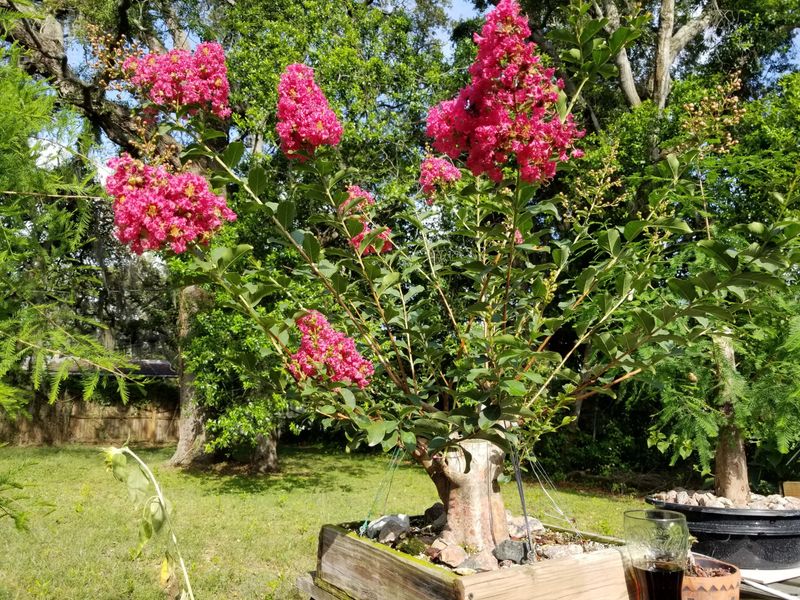
Six weeks. That is roughly how long a crape myrtle needs to go from a fresh cut to open flowers when temperatures stay warm.
Do the math on an early-August trim and you land somewhere in mid to late September for the next show. Some inland California gardens stretch that into October.
Heat is the engine here. Long sunny days keep the tree metabolizing quickly, which speeds up bud formation dramatically.
Water helps too. A deep soak after deadheading gives roots what they need to fuel that new push.
Skip heavy nitrogen fertilizer at this point. Too much late feeding produces leafy shoots with soft tissue that struggles in cooler weather.
A light dose of compost around the root zone is plenty. Gentle nutrition, not a growth spurt, is the goal.
Watch the tips of new shoots for tiny green clusters. Those are flower buds, and once you spot them you know the timing worked.
Second flushes tend to be slightly smaller than the first. Still, having color in September when most summer flowers have quit feels like a small victory.
Cooler coastal spots may only get a modest response. Even then, the tree looks tidier and heads into winter in better shape.
8. Removing Seed Heads Keeps The Tree Looking Cleaner
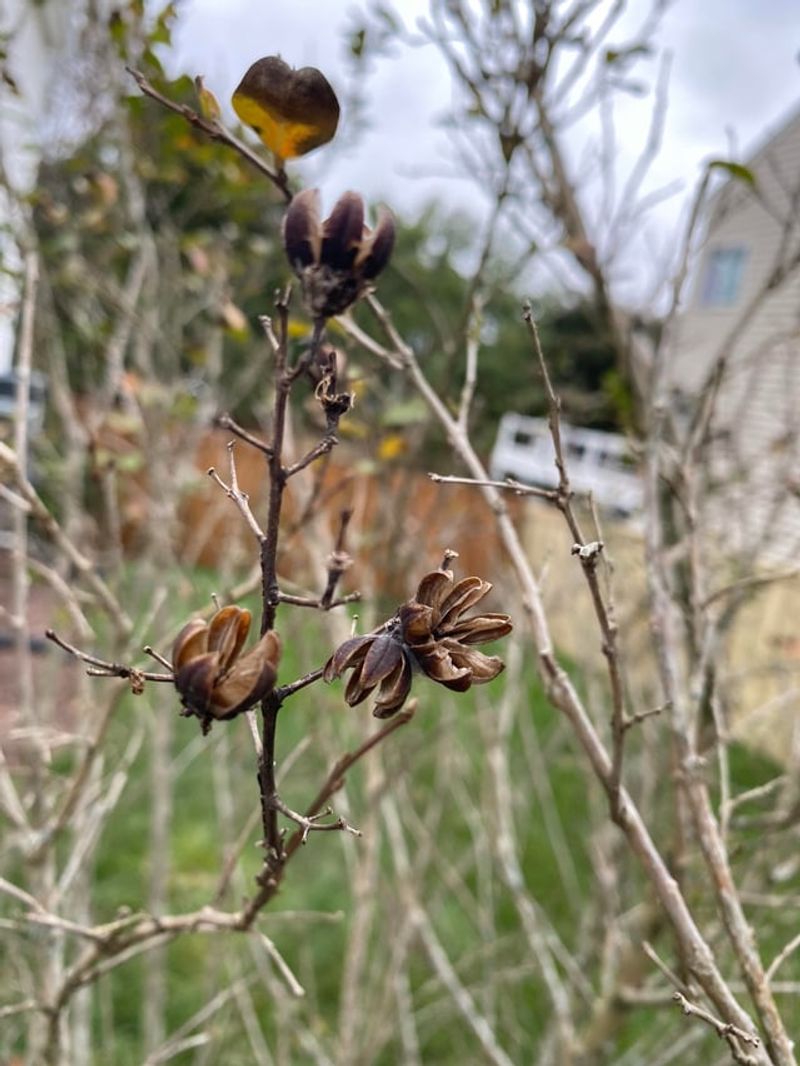
Appearance alone justifies the effort. Brown seed clusters scattered through green leaves make even a healthy tree look neglected.
Clear them out and the whole plant sharpens up. Branch tips read clean, foliage looks greener, and remaining flowers stand out more.
Winter benefits show up later. Bare branches without dangling pods reveal the sculptural trunk lines that make these trees so popular.
Weight matters as well. Old pods collect rainwater and pull thin branches downward, sometimes leaving a permanent droop.
Volunteer seedlings become less of a headache too. Fewer pods means fewer surprise sprouts in your mulch and lawn next spring.
Sweeping up afterward takes two minutes and finishes the job. Bag the clippings rather than tossing them in a bed.
Mildew and sooty mold sometimes cling to old flower debris. Removing it cuts down on material that carries problems into the next season.
Neighbors notice, honestly. A crape myrtle with crisp branch tips and fresh blooms in September stands out on any street.
Best of all, the task never feels like a chore. Ten minutes here, ten minutes there, and you keep the tree looking sharp with almost no effort at all.