Indiana House Walls Are Covered With Red And Black Bugs Every Warm Afternoon
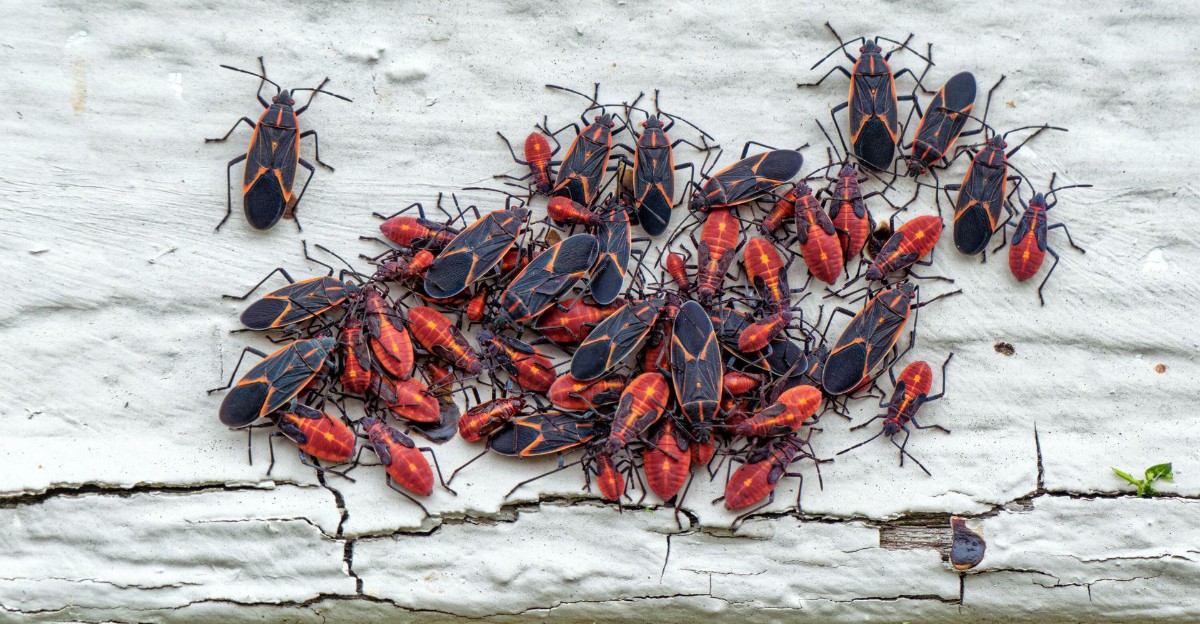
The sunny south side of your house looks like it caught a rash sometime around lunch. By three o’clock the siding seems to be moving, and no, you are not imagining things.
Warm September afternoons in Indiana have a sneaky way of turning quiet walls into crowded stadium bleachers. They arrive early, stay past sunset, and don’t seem to mind an audience.
Neighbors swap theories across the fence, blaming the mulch, the gutters, or that one big leaning tree. Most of those guesses miss by a mile, though the tree theory lands closer than folks expect.
Sunlight, warm siding, and a little autumn restlessness make a strange kind of magic on brick and vinyl. Your house never signed up to be the most popular spot on the block this season.
The Bug Behind The Autumn Sunbathing Habit
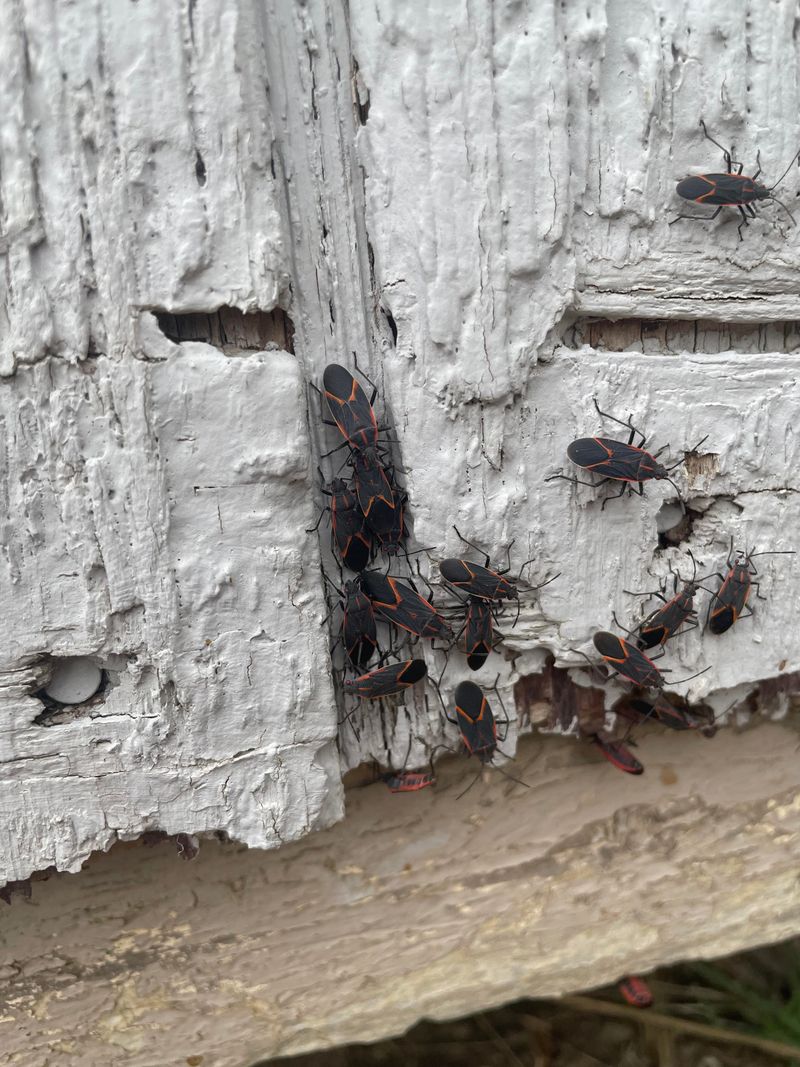
Half an inch long, black as charcoal, and striped with red like tiny racing decals. Boxelder bugs are the uninvited guests parked on your siding every sunny Indiana afternoon.
Adults gather in loose clusters, shuffling slowly, crawling over each other, and rarely showing any hurry. Young ones look different, smaller and bright red, with stubby wings still forming on their backs.
They do not bite people, sting pets, or chew through wood, wiring, drywall, or insulation. Their mouthparts work like straws built for plant juice, not for skin or lumber.
The real complaint is the mess, since crushed bugs leave reddish smears on light-colored paint and curtains. Squashed ones also release a sour, musty smell that lingers on fabric and fingers.
Indiana sees them most in spring and again in early fall, when temperatures bounce up and down. September sun warms siding quickly, and the insects follow that heat like sunbathers chasing a beach chair.
Homeowners often assume the swarm means a hidden nest tucked inside the wall cavity somewhere. In reality the bugs breed outdoors on seed-bearing trees and simply commute to your warm wall.
Numbers can reach the hundreds on one sunny section while the shaded north side stays empty. That lopsided pattern is usually the clearest clue you are dealing with this particular insect.
Knowing the culprit changes the whole plan, because random sprays aimed at general pests waste money. Treat the sunny wall, the source tree, and the gaps, and the crowd thins fast.
South-Facing Walls Draw The Biggest Crowds
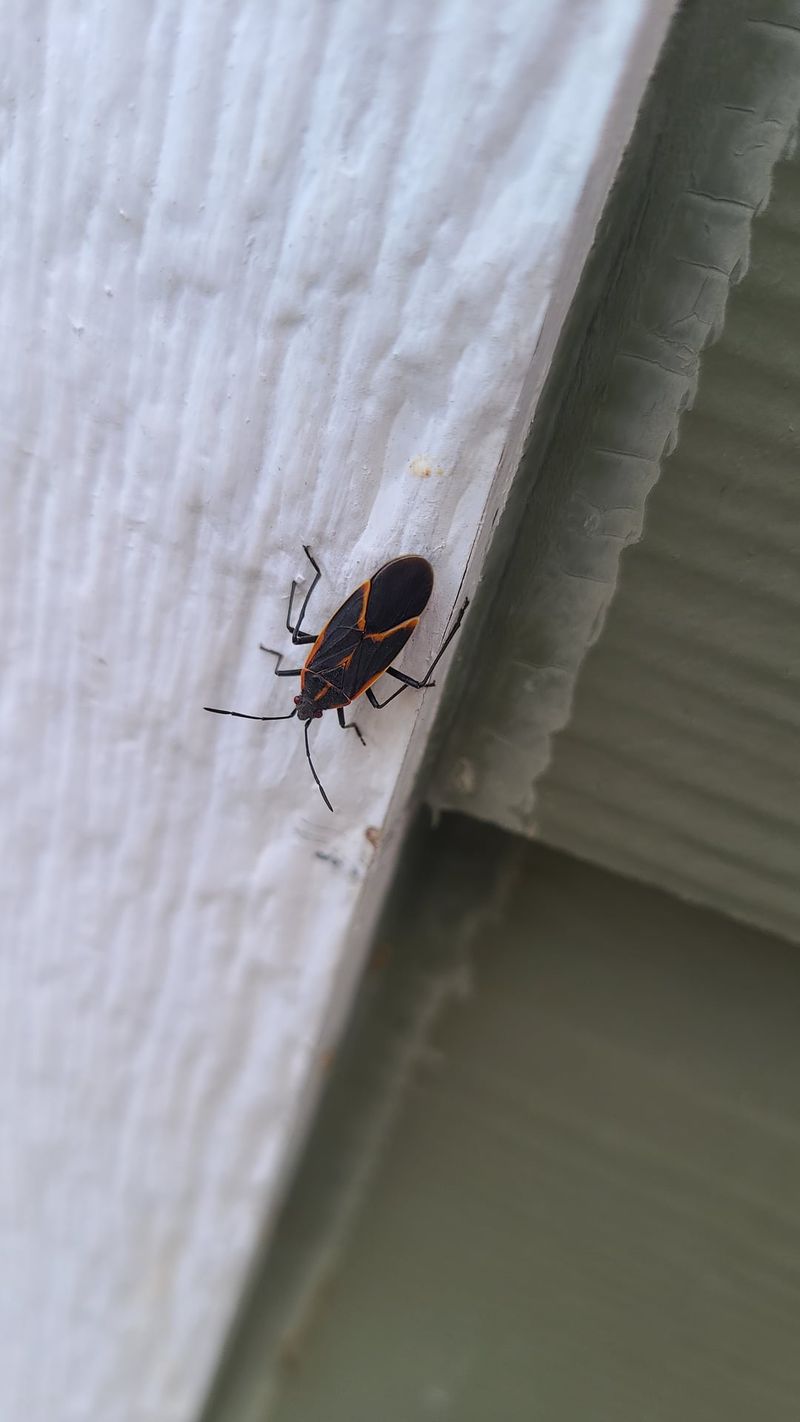
Sunshine hits the south wall first and holds onto that warmth long after the air cools. Boxelder bugs read that heat like a dinner bell and pile on by early afternoon.
Vinyl, brick, and stucco all store solar heat, sometimes running fifteen degrees above the shady side. Insects with cold-blooded bodies use that free warmth to stay active as nights turn chilly.
Indiana Septembers swing wildly, with sixty-degree mornings followed by afternoons pushing well into the eighties. Those swings push the bugs to bask hard whenever the sun finally breaks through.
Peak activity usually lands between one and five o’clock, then fades as shadows stretch across the yard. Come morning the wall looks clean again, which fools plenty of people into thinking it ended.
Your Indiana Garden Changes Every Week. Your Plan Should Too.
Gardening in Indiana changes quickly throughout the season. Every Friday you’ll receive a simple weekly plan showing exactly what to plant, prune, fertilize, harvest, and protect so you never miss the right timing.
White and light gray siding attracts bigger crowds because pale surfaces reflect light and glow warmly. Dark trim, window frames, and door casings also collect clusters that squeeze into tight seams.
Timing matters for treatment, since spraying an empty wall at nine in the morning accomplishes little. Wait for the crowd to gather, then work while they sit still in the sun.
Cooler weather does not end the gathering; it actually pushes the insects to seek shelter. Cracks near soffits, window frames, and utility lines start looking like cozy winter apartments.
Watching the wall for a few afternoons tells you where they enter and where they concentrate. That small bit of detective work saves hours of guessing later in October.
Nearby Trees Behind The Seed Supply
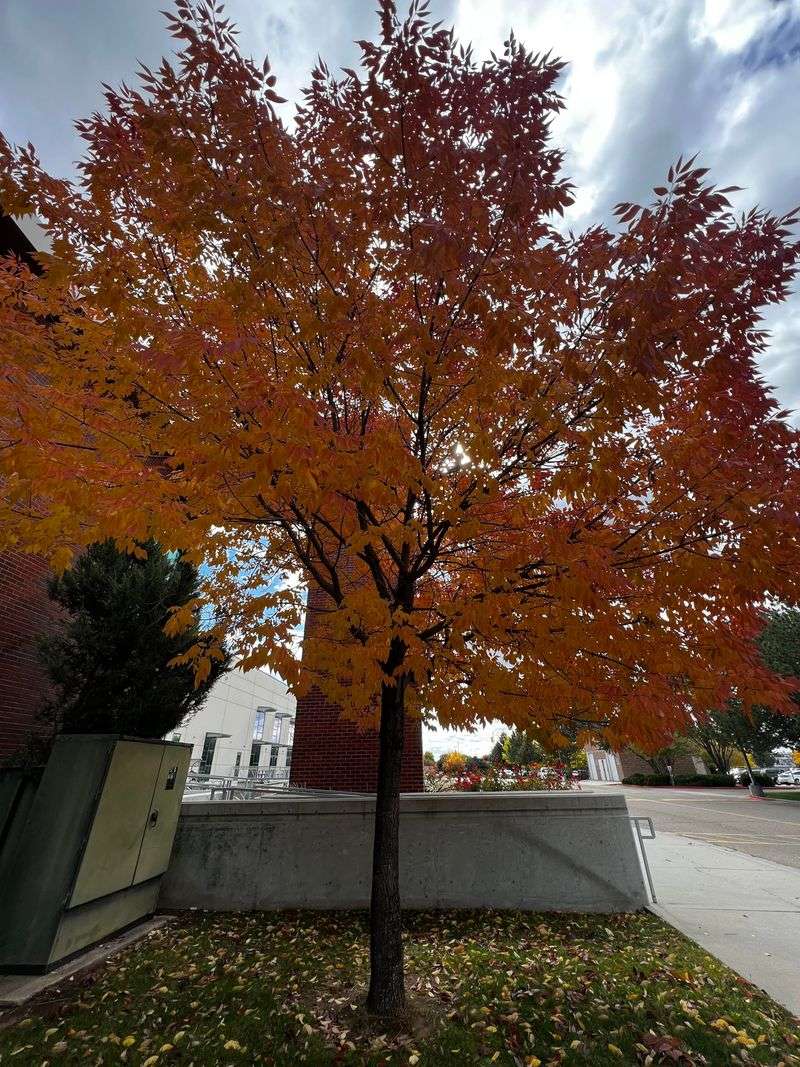
Every siding gathering has a source, usually a tree standing within a few hundred feet. Female boxelder trees, a kind of maple, produce the papery seeds these bugs depend on.
Seeds hang in clusters called samaras, the winged helicopters kids love to toss into the air. Bugs feed on those seeds all summer, building numbers that show up on your wall in fall.
Male boxelder trees make no seeds, so they rarely support a large population nearby. Silver maples and ash trees can also feed them, though boxelder remains the favorite host.
Fun fact, the insect’s Latin name, Boisea trivittata, means three striped, matching the red lines on its back. Entomologists have tracked its link to boxelder trees since the 1800s.
Raking fallen seeds each autumn removes food and cuts next season’s crowd noticeably. A stiff yard rake and an old tarp handle that job in a single afternoon.
Cutting down a healthy shade tree feels drastic, and most Indiana homeowners would rather not. Replacing only a heavy-seeding female boxelder is a fair compromise if the tree already struggles.
Bugs can travel a couple of miles, so a neighbor’s tree may be the real supplier. In that case focus on the wall and the gaps rather than the landscape.
Mapping nearby trees gives you honest expectations about how many visitors to expect each year. Homes ringed by boxelders will see them yearly, no matter how tidy the siding stays.
Common Cleanup Mistakes That Stain Siding
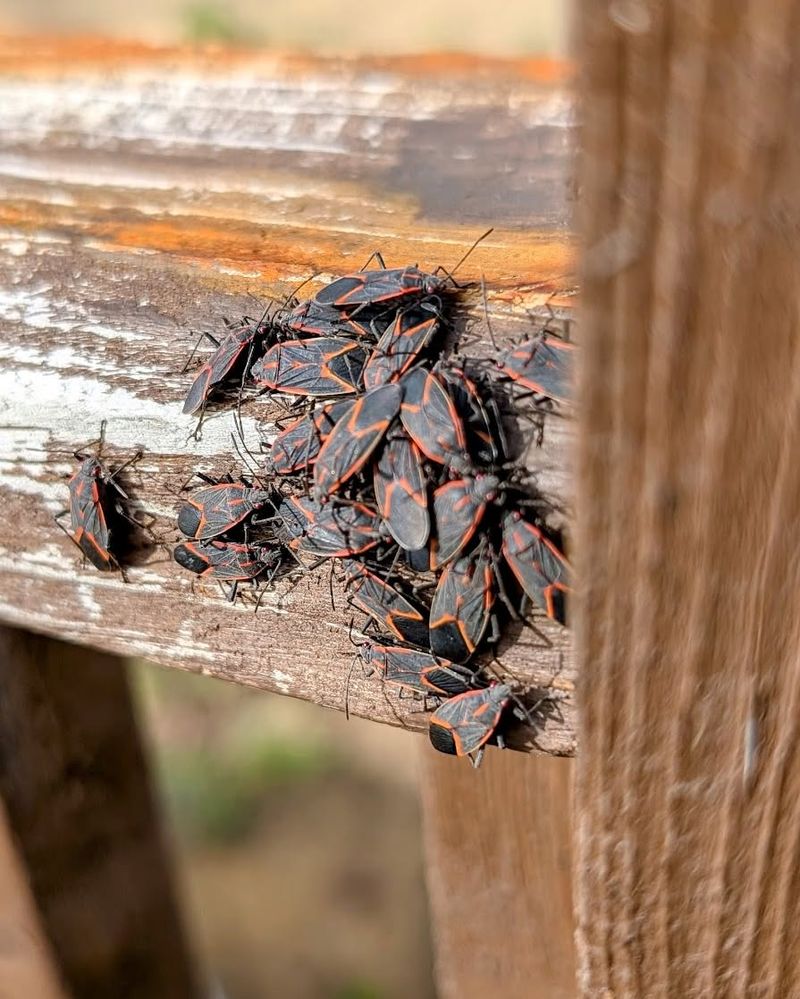
Grabbing a rolled newspaper feels satisfying for about two seconds, then reality sets in. Smashed boxelder bugs leave orange-red stains that soak into siding, curtains, and carpet fibers.
Crushing also releases a defensive odor that draws more of them toward the same spot. Wiping the mark later with soap rarely removes that pigment once it has set.
Another common misstep is spraying broad insecticide across the whole yard every single weekend. Those treatments harm pollinators, cost real money, and barely dent the population on the wall.
Vacuuming with a household upright pulls bugs into the bag where they keep releasing odor. A shop vacuum with a disposable liner works better and keeps that smell outside.
Bug bombs inside the house are a poor match for a problem that starts outdoors. Fogging rooms leaves residue on counters and does nothing about the sunny wall outside.
Sealing gaps in November, after the insects already moved in, traps them behind the drywall. They wander out through light fixtures and ceiling vents all winter, which nobody enjoys.
Power washing at full pressure knocks bugs off, but also forces water behind siding panels. A gentler rinse does the same job without inviting mold into the wall.
Patience beats panic here, since the season is short and numbers fade after a hard frost. Careful cleanup now keeps your paint clean and your living room free of that musty smell.
Same-Day Wall Cleanup With Soapy Water
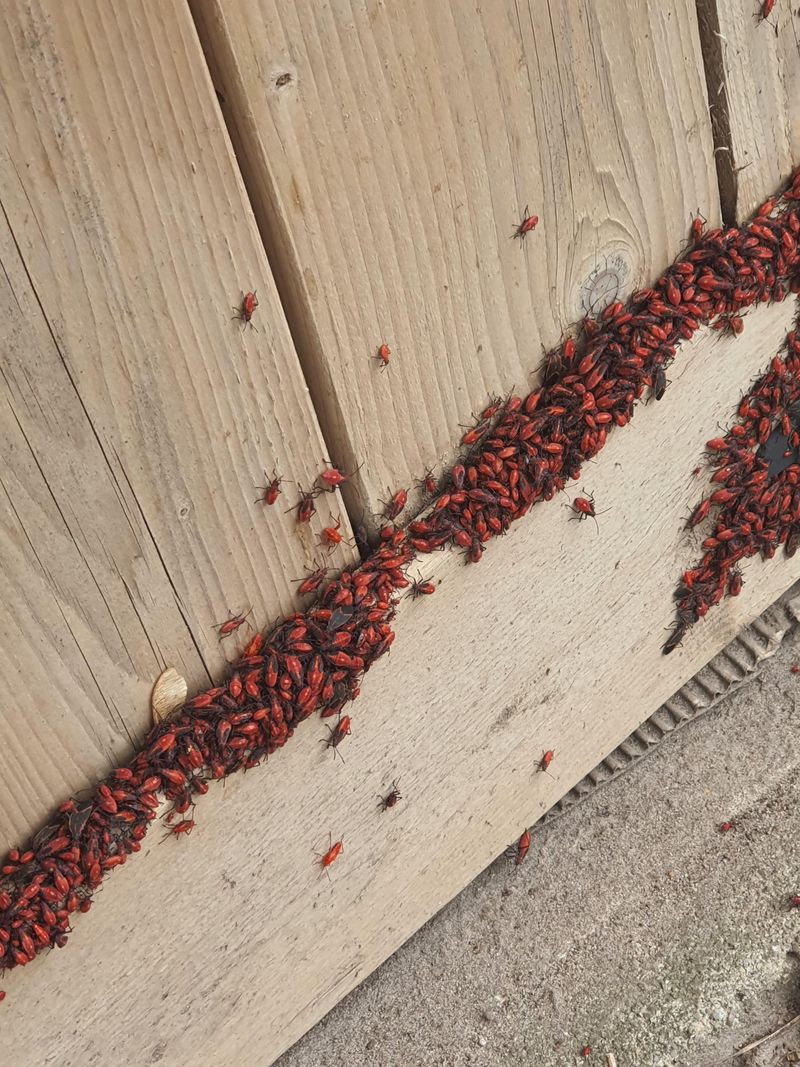
Dish soap and water in a garden sprayer remain the cheapest fix most Indiana homeowners try. A few tablespoons per gallon breaks down the waxy coating that protects these insects.
Spray directly onto the cluster, because the mixture works on contact and leaves nothing behind. Rinse the siding afterward so soap film does not dull the paint or vinyl.
A shop vacuum holding a few inches of soapy water handles heavy gatherings fast. Suck them up, dump the water far from the house, then rinse the canister.
Timing helps, so work in mid afternoon when the crowd sits still and warm on the wall. Early morning cleanup catches only a handful of stragglers hiding deep in the seams.
Indoor strays call for a vacuum hose or a tissue, not a shoe or a magazine. Lint rollers work surprisingly well on curtains, lampshades, and window screens.
Labeled insecticides containing pyrethroids can help on badly covered walls, applied exactly as the directions state. Late afternoon applications last longer because sunlight breaks these products down quickly.
Repeat treatment every week or two while warm weather holds, since new arrivals keep flying in. One session will not settle the matter for the rest of September.
Consistency wins this one, and the whole routine takes about twenty minutes per pass. By mid October the wall usually looks like siding again instead of a parking lot.
Sealed Gaps For A Calmer Next Spring
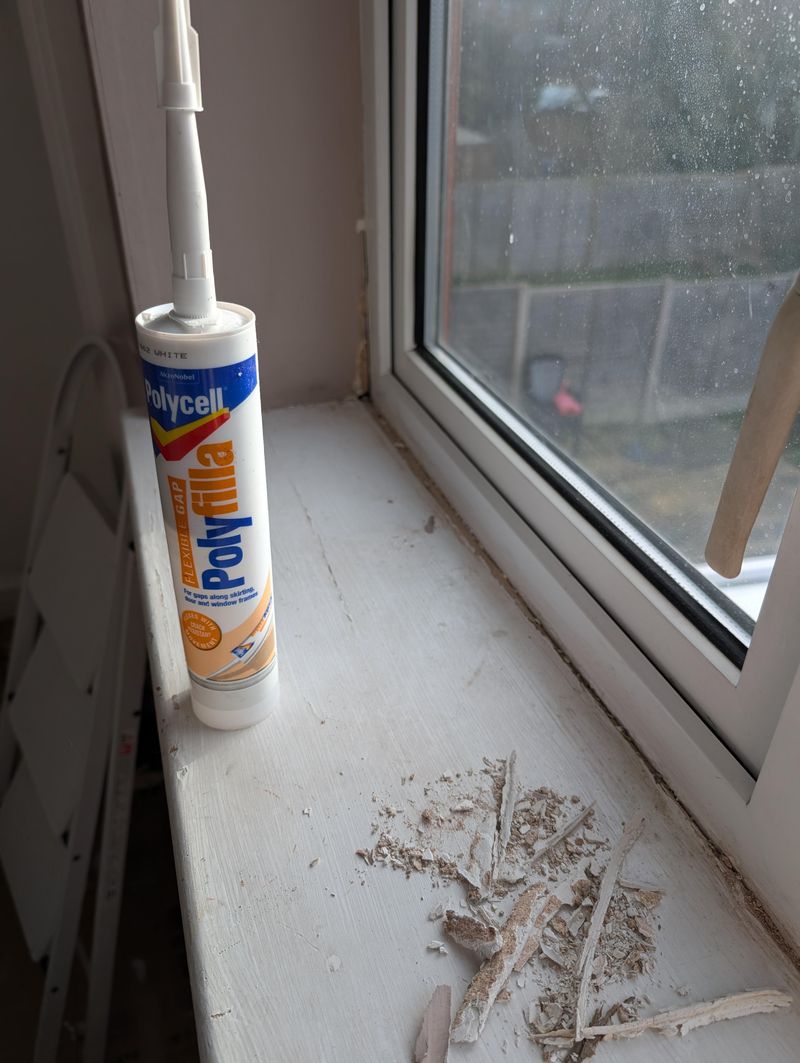
Come the first cold snap, the crowd on your wall starts hunting for a door. Boxelder bugs squeeze through openings thinner than a pencil, tucking into wall voids and attics.
Late September is the sweet spot for sealing, before the insects settle into hiding places. Caulk around window frames, door trim, and any spot where pipes or wires enter.
Expanding foam handles bigger openings near the foundation, soffits, and utility penetrations. Foam backer rod plus caulk gives a cleaner finish on wide, awkward gaps.
Screens matter more than people realize, especially attic vents, gable vents, and dryer exhausts. Fine mesh hardware cloth blocks entry while still letting the house breathe properly.
Door sweeps and fresh weather stripping stop the steady trickle that sneaks in behind everyone. A gap under the garage door is a favorite highway for wandering insects.
Trimming vines and pulling mulch back from the foundation removes shelter right against the wall. Less clutter near the siding means fewer places to gather before dusk.
Homes sealed in early fall report far fewer indoor sightings come February and March. The insects still visit the sunny wall, but they stay outside where they belong.
A weekend with a caulk gun pays off for several seasons, not just this one. Your siding still gets sunbathers next September, though your living room stays off the guest list.