These 8 Indiana Perennials Give You Months Of Color And Almost Never Need Dividing
Indiana will humble you. One week it’s 85 degrees and your plants are thriving.
The next, a late frost rolls in and you’re standing in your garden feeling personally betrayed by the weather. If you’ve ever lost a plant to this state’s particular brand of meteorological chaos, you know exactly what I mean.
The good news? Some perennials actually laugh in the face of Indiana’s mood swings.
These eight tend to bloom for months and generally stay happy in one spot without ever asking to be divided. Without the digging them up every few years.
Without the splitting and replanting. You put them in the ground, and they generally just get on with the job of being beautiful.
Plant these once and your garden will likely reward you season after season, while you spend your weekends doing literally anything else.
Coneflower (Echinacea Purpurea)
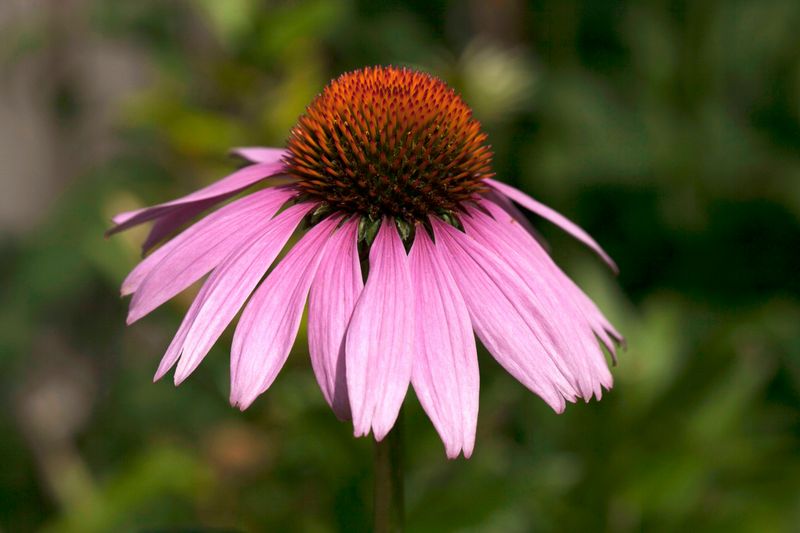
Few plants earn their place in a garden the way coneflower does. This native powerhouse blooms from June through October, giving you nearly five months of bold, rosy-purple color without asking for much in return.
Coneflower is one of the best Indiana perennials for low-maintenance yards. It handles heat, tolerates drought, and handles poor soil conditions that would stress many other perennials.
The spiky orange center of each bloom acts like a magnet for butterflies and bees. Goldfinches also flock to the seed heads in fall, so leaving them standing through winter turns your garden into a wildlife buffet.
It tends to stay happy in one spot for years. Coneflower spreads slowly and politely through self-seeding, filling gaps over time without ever taking over the whole bed.
Plant it in full sun for the best flower production. It can handle partial shade but may get a little leggy and produce fewer blooms in shadier spots.
Removing blooms is optional. If you snip spent flowers early in the season, you encourage more blooms.
If you leave them alone later in summer, birds get their reward.
Spacing plants about 18 to 24 inches apart gives them room to breathe and reduces fungal issues in humid Indiana summers. Water deeply but infrequently once established.
Echinacea also has a long history in herbal medicine, which makes it a conversation starter at every garden party. It is tough, beautiful, and genuinely earns its keep year after year.
Black-Eyed Susan (Rudbeckia Fulgida)
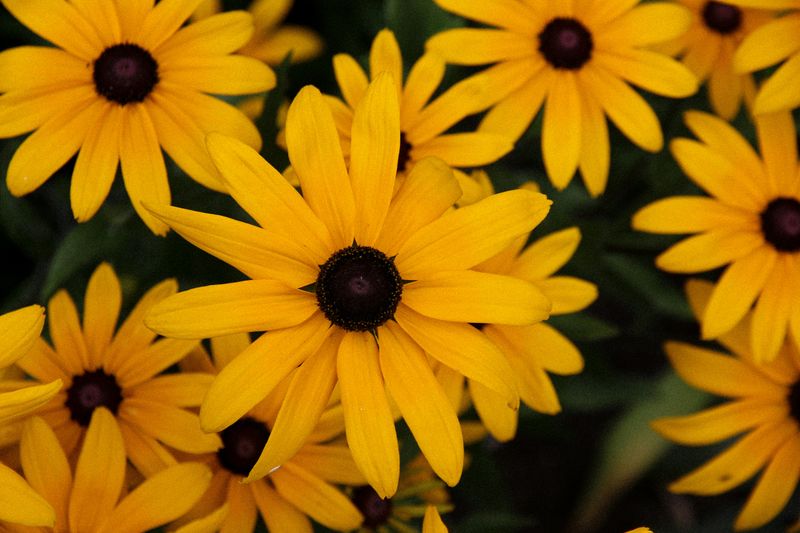
Sunshine in flower form. Black-eyed Susan bursts onto the scene in late June.
It keeps those golden blooms coming well into October. That makes it one of the longest-performing plants you can grow.
Rudbeckia fulgida is the perennial species to choose over the biennial types. It returns reliably every year, forms tighter clumps, and stays more compact in the garden bed without sprawling everywhere.
The contrast between the bright yellow petals and the deep chocolate-brown center is striking from across the yard. It pairs beautifully with purple coneflowers, creating a classic Midwest prairie look that never goes out of style.
Your Indiana Garden Changes Every Week. Your Plan Should Too.
Gardening in Indiana changes quickly throughout the season. Every Friday you’ll receive a simple weekly plan showing exactly what to plant, prune, fertilize, harvest, and protect so you never miss the right timing.
This plant thrives in full sun and average soil. It actually performs worse in rich, heavily amended soil, so skip the extra fertilizer and let it grow lean and strong.
Black-eyed Susan handles Indiana clay soil better than most perennials. Its roots push through compacted ground and anchor the plant firmly through summer storms and wind.
Deer tend to pass it over in favor of more palatable plants nearby. Rabbits generally show little interest in it as well
The seed heads that remain after flowering provide food for birds through fall and early winter. Leaving the stems standing also adds structure to the garden when everything else has gone dormant.
Clumps grow slowly and rarely need splitting. Once established, this plant rewards your patience with more blooms and a fuller presence every single season.
Catmint (Nepeta Racemosa)
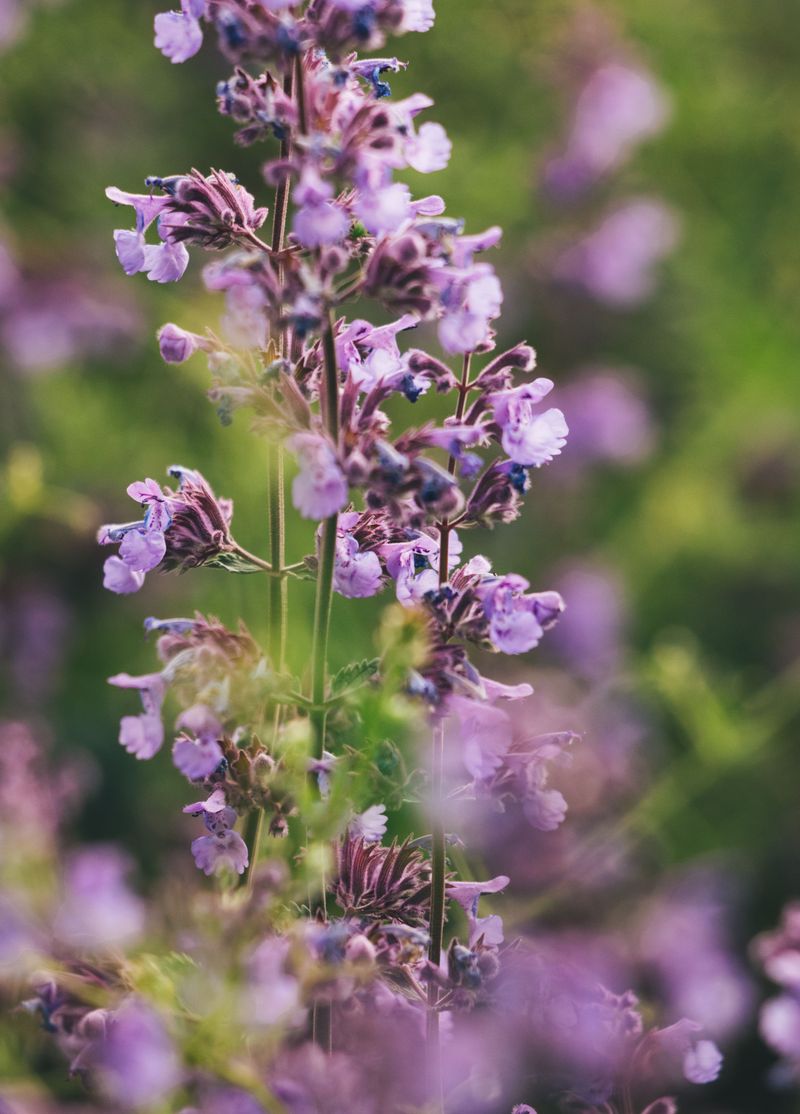
Catmint earns its reputation quietly. From May through September it spills over garden edges in soft waves of lavender-blue, with a clean, herbal scent that hits you before you even bend down to look at it.
Cut it back by half after the first flush of flowers fades in early summer. Within two to three weeks, a fresh round of blooms appears as if nothing happened, giving you a second and sometimes third wave of color.
This is a drought-tolerant gem once roots are established. Water it through the first season, then step back and let it do its thing through hot Indiana summers without complaint.
Catmint works beautifully as a border edging plant. Its mounding, cascading habit softens hard edges along walkways, driveways, and fence lines where other plants might look stiff or awkward.
Pollinators are strongly drawn to it. Bumblebees hover over the flower spikes constantly during peak bloom, making it one of the most wildlife-friendly choices in any sunny garden.
Yes, cats are sometimes attracted to it, though not as intensely as they respond to catnip. Most garden cats will rub against it occasionally without causing serious damage to the plant.
Full sun produces the most compact growth and the heaviest bloom. In partial shade, stems tend to flop and the flower show becomes noticeably less impressive.
Dividing is usually not required for years. Clumps stay tidy and manageable, slowly expanding outward without the aggressive spreading behavior that makes some perennials a headache to manage long-term.
Coreopsis (Coreopsis Verticillata ‘Moonbeam’)
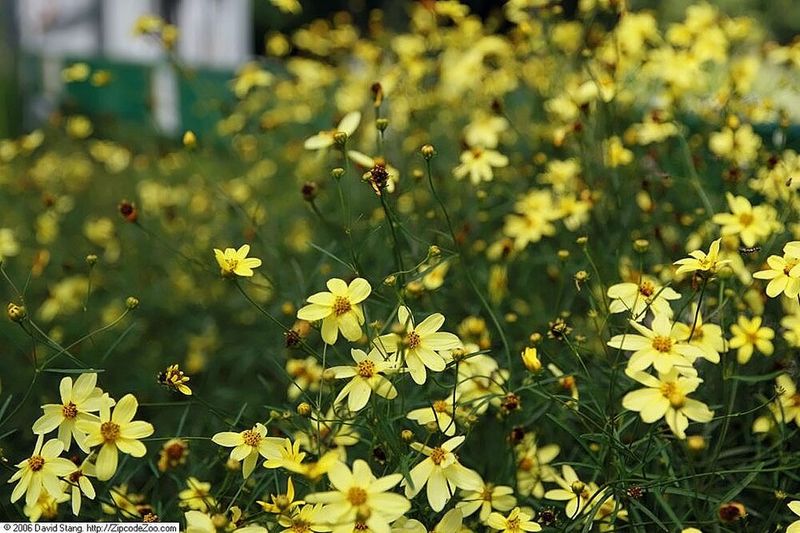
Moonbeam coreopsis glows. The pale, creamy-yellow flowers sit above thread-fine foliage like tiny stars scattered across a green cloud, creating a texture unlike anything else in the summer garden.
Bloom time runs from June through October, which puts it firmly in the five-month club. The flowers are smaller than most coreopsis varieties but appear in such abundance that the overall effect is stunning from even a distance.
One of the best traits of this cultivar is its heat tolerance. It thrives in full sun and actually intensifies its bloom production during the hottest weeks of an Indiana summer when other plants start to sulk.
Moonbeam pairs effortlessly with deeper colors. Plant it next to purple salvia, blue catmint, or hot-red gaillardia for contrast that looks intentional and professionally designed without requiring much planning.
Deadheading is helpful early in the season to encourage continuous flowering. But once mid-summer arrives, the plant becomes a self-cleaning machine that barely needs any attention from you.
Soil drainage matters more than soil richness for this plant. It prefers lean, well-drained ground and struggles in wet or waterlogged spots, especially during winter when soggy roots are most vulnerable.
Clumps expand slowly and stay well-behaved in the border. Dividing is rarely necessary, though you can split mature plants every four to five years if you want to propagate more without spending money.
Moonbeam earned the Perennial Plant of the Year award back in 1992, and it has been proving that recognition was well-deserved ever since.
Salvia (Salvia Nemorosa ‘May Night’)
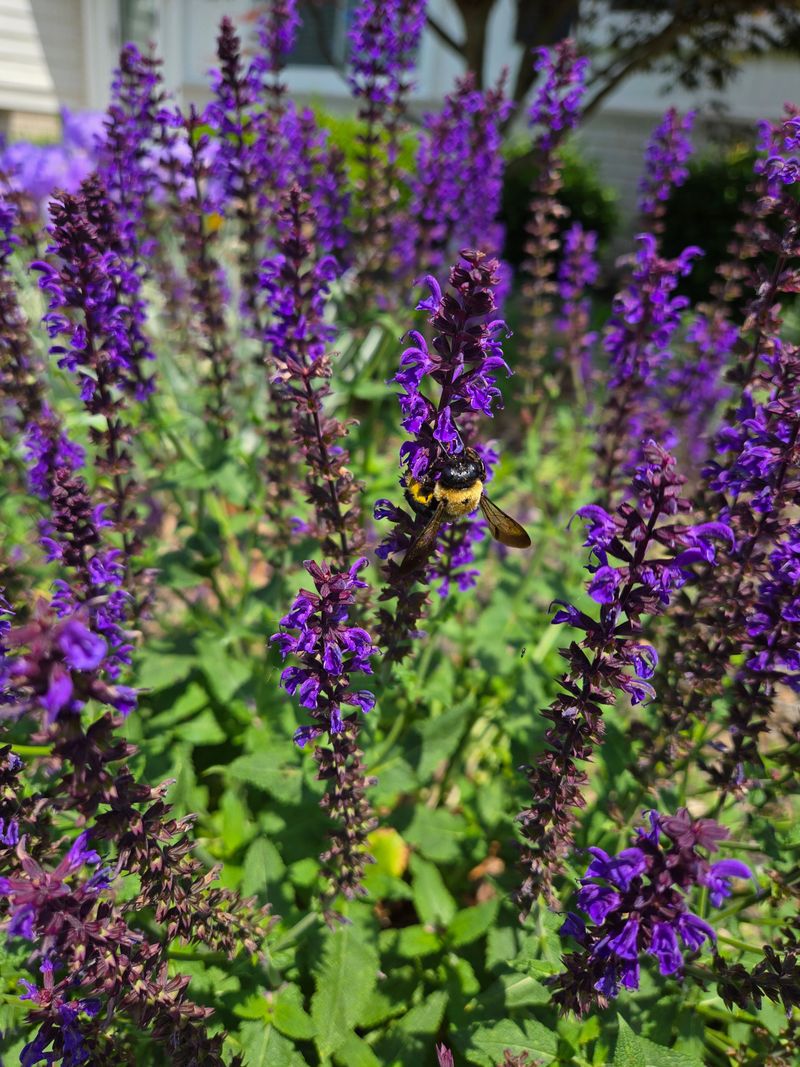
The name says May Night, but this salvia is anything but a one-night act. Deep indigo-purple flower spikes shoot up from compact foliage in late spring and keep performing well into fall with just a little encouragement from you.
Cut the spent spikes back to the base leaves after the first bloom wave in June. New flowering stems emerge quickly, and the show restarts within weeks, giving you repeated waves of that rich purple through the entire growing season.
May Night earned the Perennial Plant of the Year award in 1997. That recognition was not just about looks.
It was about consistency, reliability, and the kind of low-maintenance performance that busy gardeners genuinely need.
Full sun is non-negotiable for this plant. In shaded spots, the stems get floppy and the flower production drops dramatically.
Give it the sunniest bed you have and it will reward you generously.
The fragrant foliage is a natural deterrent for deer and rabbits. Both animals tend to avoid aromatic herbs, which makes May Night a smart choice for gardens surrounded by woods or fields.
Pollinators treat the flower spikes like a buffet line. Hummingbirds, bumblebees, and smaller native bees all visit regularly during peak bloom, adding movement and life to the garden.
It stays compact, reaching about 18 inches tall and wide. It holds its shape all season without any help from you.
Just clean, structured growth that holds its shape from spring through the first hard frost.
For gardeners who want reliable color with almost no effort, May Night salvia tends to deliver season after season for most gardeners.
Russian Sage (Perovskia Atriplicifolia)
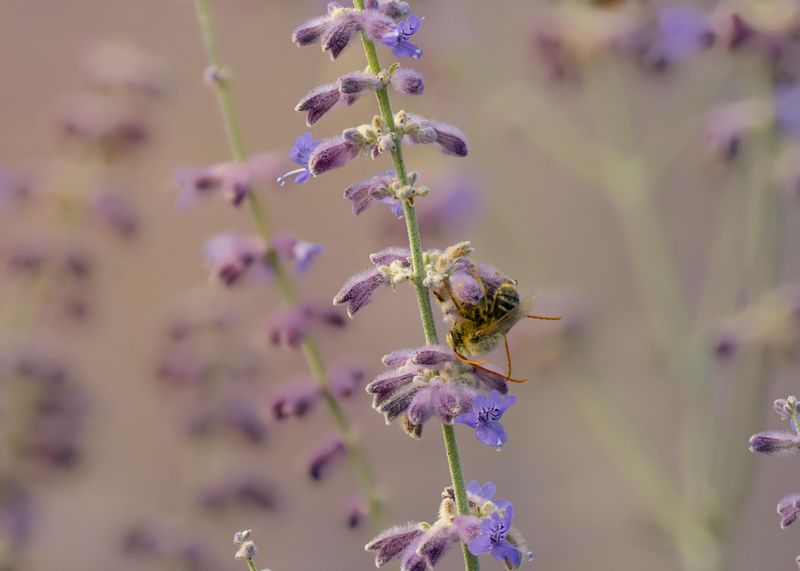
Image Credit: © Frank Cone / Pexels
Stand at the edge of the garden on a breezy summer day and watch Russian sage sway. The silvery stems and lavender-blue haze give it a dreamy quality that’s hard to find elsewhere.
From July through October, silvery stems and blue flowers make it one of the easiest plants to work into an existing border.
Russian sage is built for tough conditions. It thrives in full sun, tolerates heat and humidity, and once established, handles drought periods that would put noticeable stress on less established plants.
The aromatic foliage smells like a blend of sage and lavender when brushed. Deer and rabbits find it unappealing, which is a significant advantage in areas where browsing pressure is a constant frustration for gardeners.
Cut stems back hard to about six inches in early spring before new growth emerges. This keeps the plant compact and prevents the woody base from becoming too sprawling over time.
Plant it near coneflowers or ornamental grasses and the wispy texture does the rest, making the border feel layered without any extra effort.
Technically classified as a sub-shrub, Russian sage develops woody stems at the base that persist through winter. This structure is part of what makes it so long-lived without needing division.
Once planted in well-drained soil, this plant essentially takes care of itself, asking for almost nothing while giving back season after season.
Cranesbill Geranium (Geranium ‘Rozanne’)
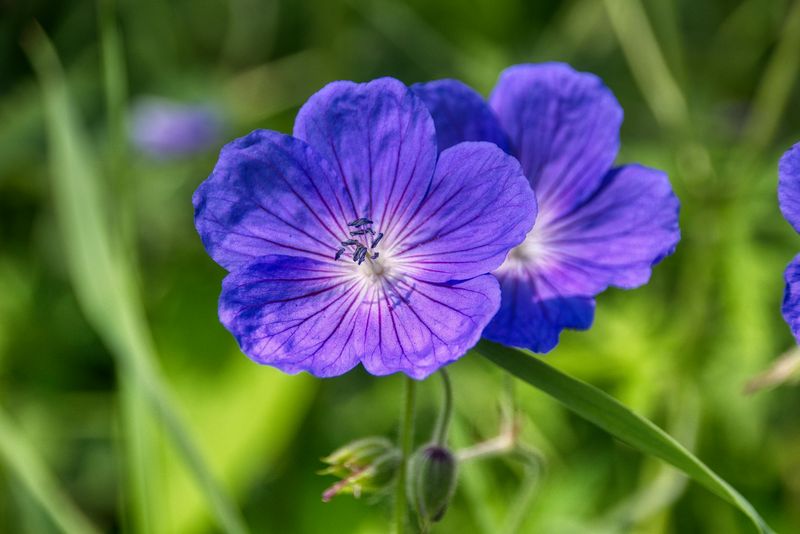
Image Credit: © Paparazzi Ratzfatzzi / Pexels
Rozanne is the perennial that garden designers quietly recommend to every client who wants maximum color with minimum work. Violet-blue flowers with white centers spill outward from a central mound from late spring all the way through October.
This is not the annual geranium sold in spring pots. Cranesbill geranium is a true perennial that returns each year, spreads gracefully without becoming invasive, and never once asks you to divide it.
Rozanne holds the Royal Horticultural Society Award of Garden Merit. In perennial gardening circles, that recognition carries real weight, and Rozanne has spent decades proving it was deserved.
It tolerates partial shade better than most flowering perennials on this list. A spot that gets morning sun and afternoon shade suits it well, making it one of the few options for less sunny garden areas.
The foliage is attractive even when the plant is not in bloom. Deeply lobed, slightly textured leaves form a low, spreading mound that works as effective ground cover between taller plants in mixed borders.
Rozanne stays relatively compact in full sun but spreads more loosely in shadier spots. Either way, it never becomes aggressive or difficult to manage, which is part of what makes it so universally loved.
It handles Indiana winters without complaint, retreating to the ground and returning reliably each spring. It winters over on its own, without you lifting a finger.
For shaded corners or mixed borders where other bloomers struggle, Rozanne fills the gap beautifully every season.
Gaillardia (Gaillardia X Grandiflora)
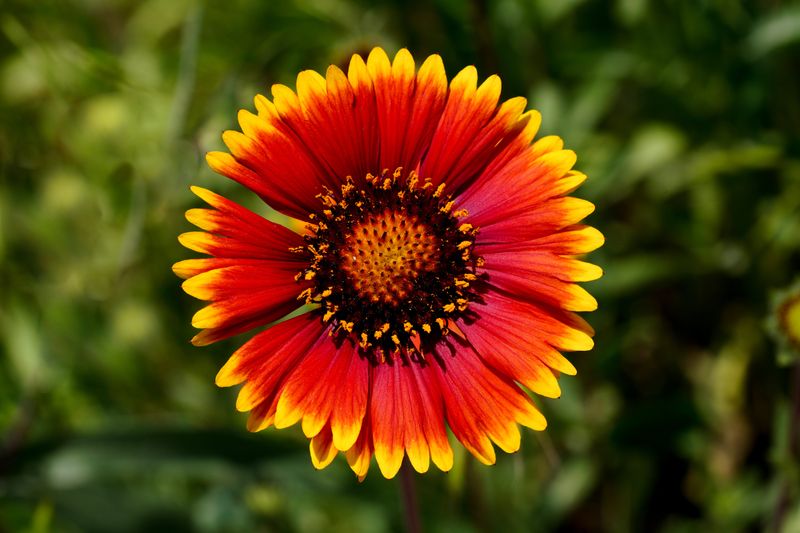
Gaillardia looks like it was painted by someone who could not decide between red, orange, and yellow, so it chose all three at once. The bold, daisy-like blooms are some of the most eye-catching flowers in any summer garden.
Also called blanket flower, this plant blooms from June through October in full sun. It thrives in heat and handles drought without flinching, making it one of the most dependable Indiana perennials for hot, exposed garden spots.
The flowers attract butterflies and bees consistently throughout the bloom season. The seed heads that follow are also eaten by birds in fall, extending the plant’s ecological value well beyond its showy flowering period.
Gaillardia prefers lean, well-drained soil over rich, amended ground. Too much nitrogen produces lush foliage but fewer flowers, so resist the urge to fertilize heavily and let the plant perform on its own terms.
Removing spent blooms regularly keeps new flowers coming at a steady pace. Snip the faded heads back to a side bud or to the base foliage to maintain momentum through the hottest weeks of summer.
It stays compact, typically reaching 12 to 18 inches tall. Tidy by nature, it holds its shape and its clumps for several seasons without any intervention.
Winter drainage is the one thing to watch carefully. Gaillardia can rot in wet, poorly drained soil during cold months, so raised beds or sandy-loam areas give it the best chance of returning reliably each spring.
Among all the long-blooming Indiana perennials, gaillardia brings the boldest, most fiery color that stops visitors in their tracks every single time.