The Texas Native Tree Serious Homeowners Are Choosing This September Instead Of Bradford Pear
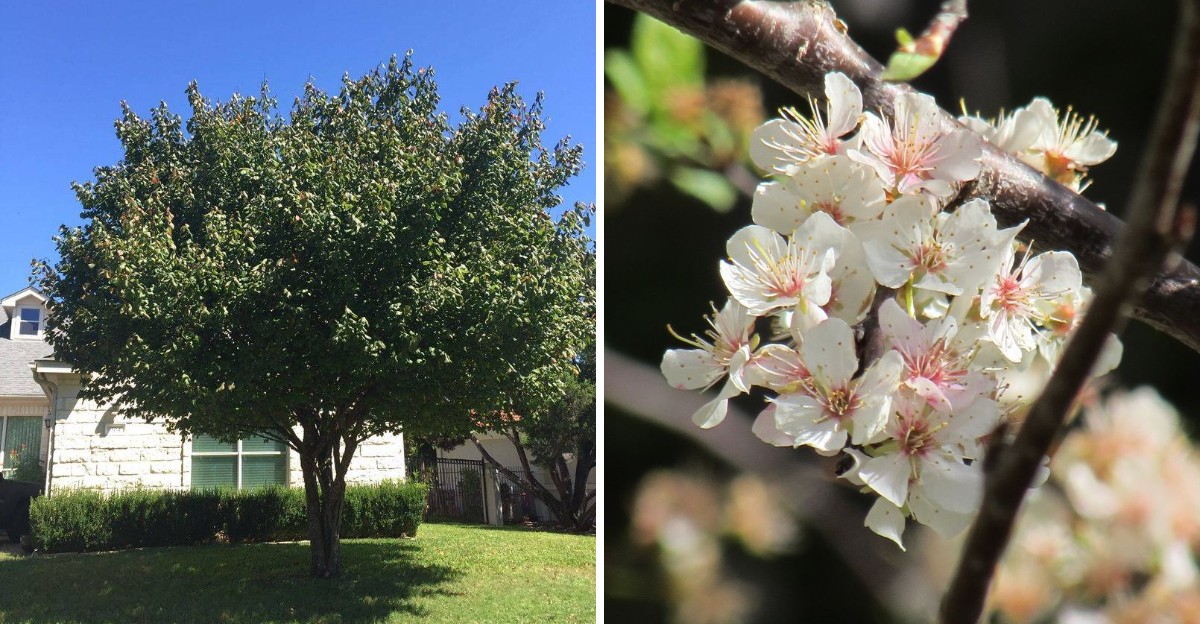
Bradford pear had its moment in Texas. Fast growing, dramatically white in spring bloom, and widely available at every nursery in the state.
For decades it seemed like the obvious ornamental tree choice. Then the problems arrived and they were impossible to ignore.
Structural failure as the trees matured. Invasive spreading into natural areas. A spring bloom fragrance that most people describe with considerably less enthusiasm than the flowers deserve.
Bradford pear’s reputation has collapsed in Texas, and serious homeowners are no longer planting it.
What they’re planting instead is a native Texas tree that delivers everything Bradford pear promised and does it without the structural risk, the invasive spread, or the ecological damage.
Plant Mexican Plum This September Instead Of Bradford Pear
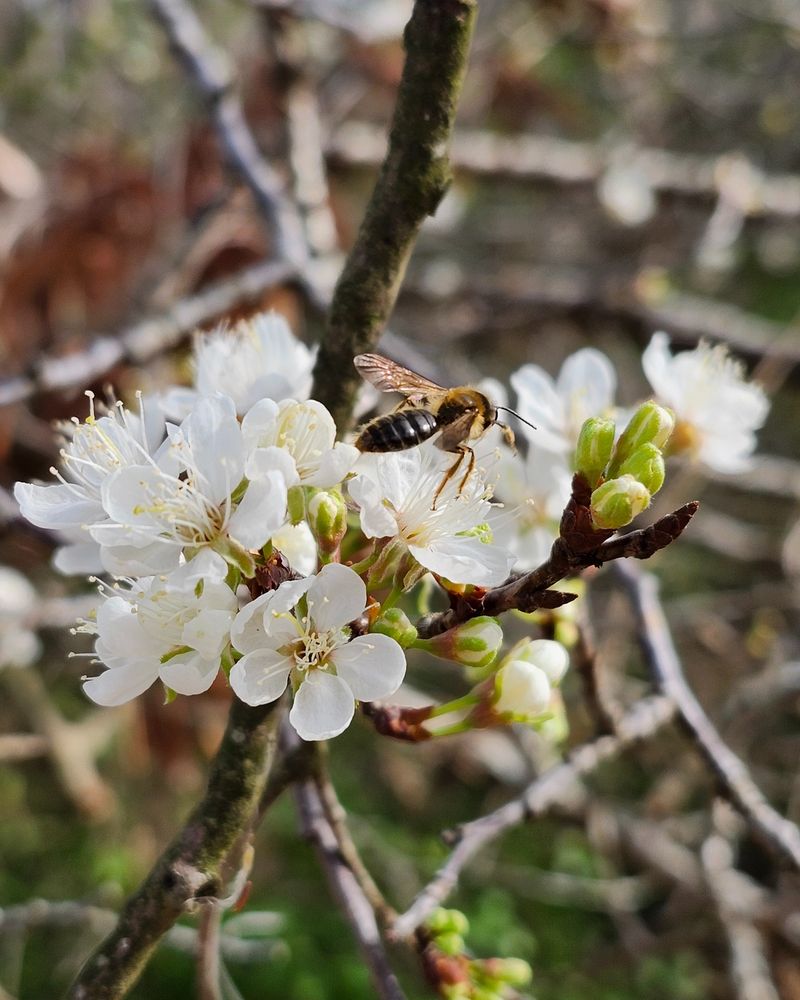
Picture a small tree that greets spring with clouds of white blossoms and later hands out snacks to hungry birds.
That tree is the Mexican plum, known by scientists as Prunus mexicana, and it grows wild across much of Texas.
Fall is the best time to get one in the ground. When you plant in September, the roots have cool months to settle in before the summer heat returns. That head start makes a big difference in how strong your tree becomes.
Unlike the fast but troublesome Bradford pear, this native does not break apart in storms or take over wild spaces. It belongs here. The soil, the bugs, and the weather all match what it needs.
You get several treats from one tree. Spring brings fragrant flowers. Summer offers green shade.
Late summer and fall deliver small fruit and pretty leaf color. That is a lot of value from a plant that asks for very little in return.
Most Mexican plums stay under twenty five feet tall, so they fit nicely in normal yards. They work as a standalone showpiece or as part of a mixed border with other native plants.
Choosing this tree is also a kind gesture toward local wildlife. Bees visit the blooms, and birds enjoy the fruit later on. Your yard becomes a small helping station for nature.
If you have been thinking about replacing an old Bradford pear, this September is the perfect chance to swap in something better.
The Mexican plum rewards patience with beauty and purpose for many years.
Why Mexican Plum Makes Sense For Texas Yards
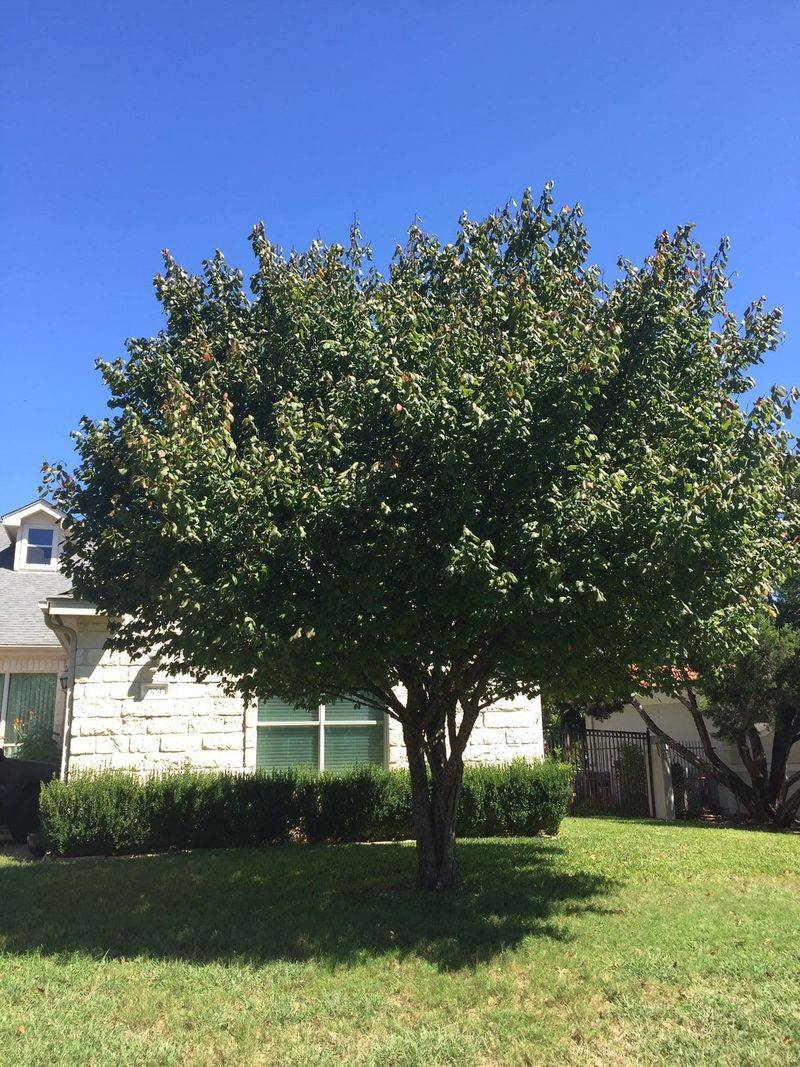
Being a true Texas native gives the Mexican plum a huge advantage. It grew here long before anyone planted a lawn, so it already knows how to handle dry spells, clay soil, and blazing summer sun.
That toughness means less work for you. Once the tree is settled, it rarely needs babying. You water less, spray less, and worry less than you would with a fussy imported tree.
Adaptability is one of its best traits. It grows in full sun or part shade, and it puts up with many different soil types as long as water drains away instead of pooling. Homeowners in both city lots and country acres have good luck with it.
Your Texas Garden Changes Every Week. Your Plan Should Too.
Gardening in Texas changes quickly throughout the season. Every Friday you’ll receive a simple weekly plan showing exactly what to plant, prune, fertilize, harvest, and protect so you never miss the right timing.
Here is something neat about its shape. The trunk often bends and twists in interesting ways, and the bark takes on a dark, flaky look with age. Even in winter, when the leaves are gone, the tree stays pleasant to look at.
Because it offers something in every season, one Mexican plum does the job of several plants. Spring flowers, summer greenery, fall fruit and color, and winter structure all come from a single trunk.
It also plays well with others. Pair it with native grasses, wildflowers, or shrubs, and you build a landscape that supports local birds and bees. Everything works together the way nature intended.
For a homeowner who wants beauty without a huge chore list, this tree checks the boxes. It is dependable, it is handsome, and it truly belongs in Texas soil. That mix of good looks and easy care is hard to beat.
The Spring Flowers That Make Mexican Plum Stand Out
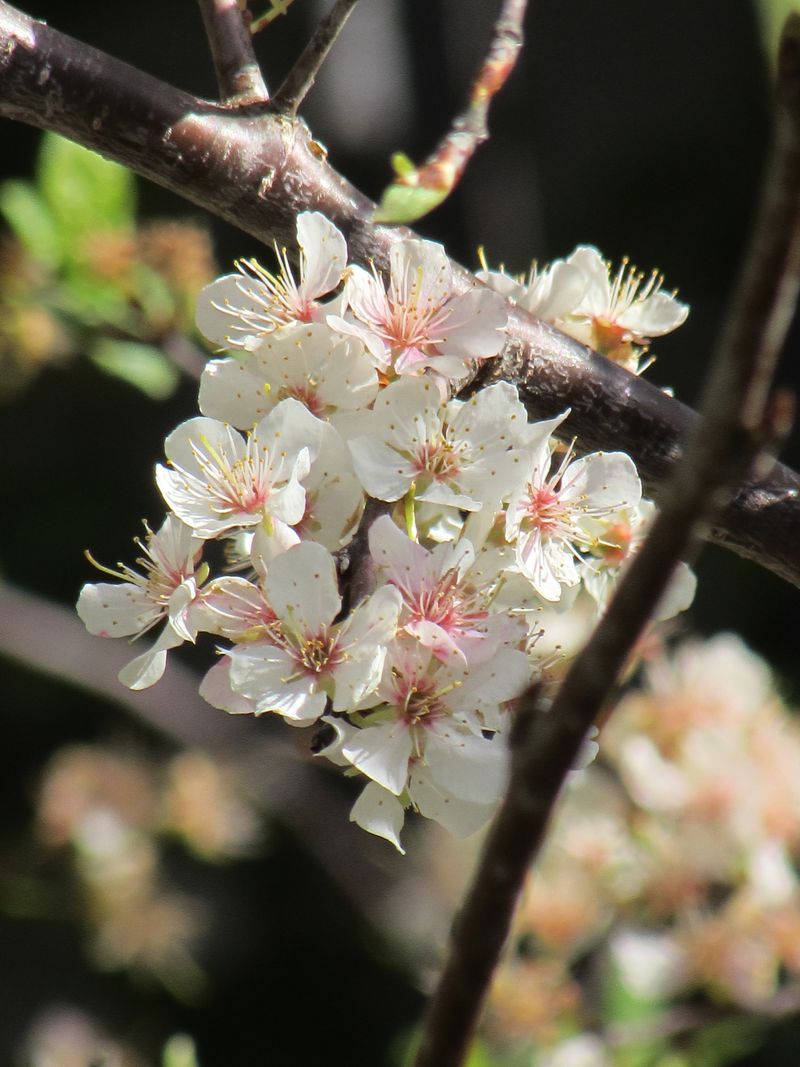
There is a moment in early spring when the Mexican plum steals the whole show. Before most trees wake up, its bare branches burst into snowy white blooms that seem to glow against the still-brown landscape.
The flowers carry a soft, sweet smell that drifts across the yard. Stand near one on a calm morning and you will catch the scent right away. It is a gentle reminder that warmer days are coming.
Because these blooms show up so early, they are a lifeline for pollinators. Bees and other insects are hungry after winter, and this tree offers them one of the first big meals of the season.
That early feast matters more than people realize. When you help bees get an early start, you help gardens, farms, and wild plants all around your neighborhood. One small tree can make a real difference.
The blossoms usually cover the branches for a couple of weeks. During that stretch, your yard becomes a bright focal point that neighbors will notice and admire.
After the petals drop, the tree leafs out with fresh green growth. The flower show may be short, but it packs a big punch of beauty and cheer while it lasts.
If you love watching the seasons change, this early bloomer gives you a front-row seat. Plant it where you can see it from a window or porch, and you will look forward to that white burst every single year.
Few native trees announce spring with such style. The Mexican plum does it quietly, sweetly, and generously, feeding wildlife while lifting your mood at the same time.
Mexican Plum Produces Fruit For Wildlife
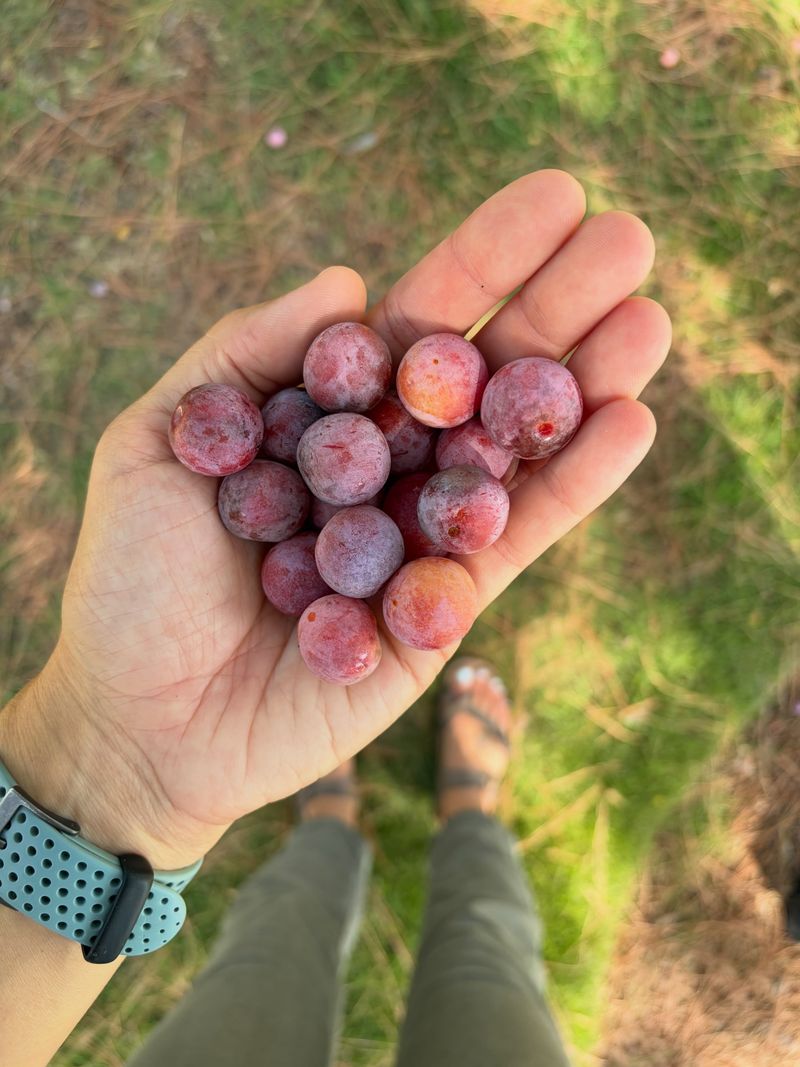
Come late summer, the flowers turn into small plum-like fruits about the size of a marble. They ripen to a rosy or purple color, and while they may look tiny, they are a big deal for the animals nearby.
Birds are the main fans. Mockingbirds, cardinals, and other songbirds happily snack on the fruit, and small mammals often join the feast too. Your tree basically runs a free wildlife buffet.
Some folks harvest the fruit for jams and jellies, since it can be tart but tasty when cooked with sugar. If you would rather leave it for the critters, that is a fine choice as well.
Keep in mind that fruit amounts change from year to year. Weather, the tree’s age, and pollination all play a part. Some seasons you get a heavy crop, and other seasons the tree takes it easy.
Younger trees may skip fruiting altogether while they focus on growing roots and branches. Patience pays off, because production usually improves as the tree matures.
Having a nearby pollinator or a second plum can boost the harvest. Bees moving between flowers help more fruit form, so a bee-friendly yard is a fruitful yard.
Even a light crop does good work. Every plum that feeds a bird helps keep your local ecosystem humming along, and that is a quiet kind of gardening success.
If watching wildlife brings you joy, this tree delivers front-yard entertainment. Set up a chair, grab a drink, and enjoy the show as feathered visitors drop by for a bite each and every fruiting season.
Choose The Right Spot Before Planting
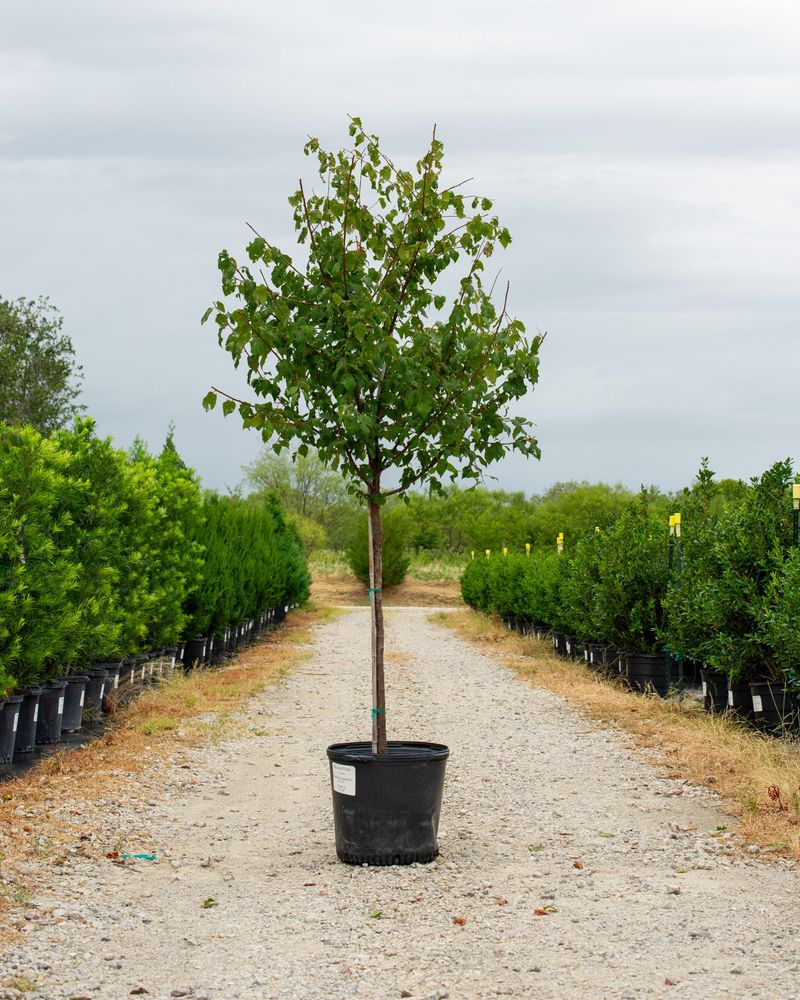
Before you dig a single hole, take a slow walk around your yard. Finding the right spot now saves you a world of trouble later, because a happy tree starts with a smart location.
Sunlight comes first. Mexican plum loves full sun but will accept partial shade. Aim for a place that gets at least six hours of direct light for the best flowers and fruit.
Drainage is just as important. These trees do not like soggy roots, so skip low areas where rainwater collects. If water sits after a storm, pick a higher, better-draining spot instead.
Think about size too. Most of these trees reach fifteen to twenty five feet tall and spread out nicely. Give yours room to grow without crowding a house, fence, or power line.
Look up before you commit. Overhead wires can cause big problems as the tree stretches upward. A clear sky above the planting site keeps things simple down the road.
Also consider the view. Since spring blooms and fall color are such treats, plant where you can enjoy them from a porch, patio, or kitchen window.
Roots need space underground as well. Keep the tree a safe distance from driveways, sidewalks, and septic lines so it can settle in without conflict.
Mark the spot with a stake and picture the tree full grown. This little bit of daydreaming helps you avoid regret and moving chores later.
When you match the plant to the perfect place, everything else gets easier. Good light, good drainage, and plenty of room set your Mexican plum up for a long, healthy life in your yard.
Give A New Mexican Plum Tree A Strong Start
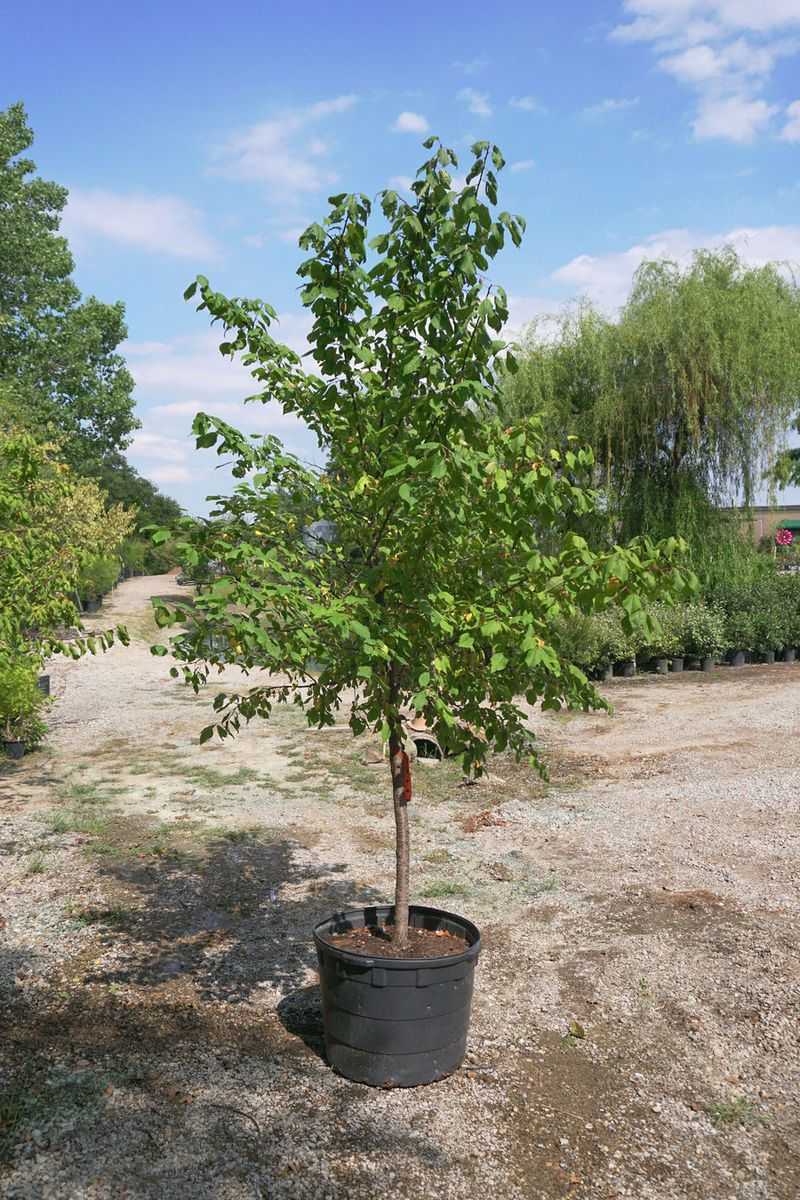
Getting a new tree off to a great start comes down to a few simple habits. Fall planting already gives you an edge, and a little care during those first months locks in success.
Water is the star of the show. Right after planting, give the roots a slow, deep soak so moisture reaches down where new roots grow. Shallow sprinkles just are not enough.
During the establishment period, keep the soil evenly moist but never swampy. A good rule is to water deeply once or twice a week, adjusting for rain and temperature.
Check the soil with your finger before each watering. If the top few inches feel dry, it is time to water. If it still feels damp, wait a day or two.
Mulch is a helpful friend here. Spread a few inches of wood mulch around the base, but keep it from touching the trunk. Mulch holds moisture and blocks weeds.
Avoid drowning the roots, since soggy soil can cause rot. The goal is steady moisture, not a puddle. Balance is everything during these early months.
Skip heavy fertilizer at first. A young tree needs to build roots, not race to grow tall. Let it settle in naturally through the cool season.
By spring, your tree should be ready to push out fresh growth and maybe even a few blooms. That reward makes the effort feel worth it.
Stay consistent through the first full year, and your Mexican plum will grow into a tough, self-reliant tree. After that, it mostly takes care of itself, giving you beauty and wildlife value for decades to come.