The Non-Native Grasses Pushing Out Texas Prairies
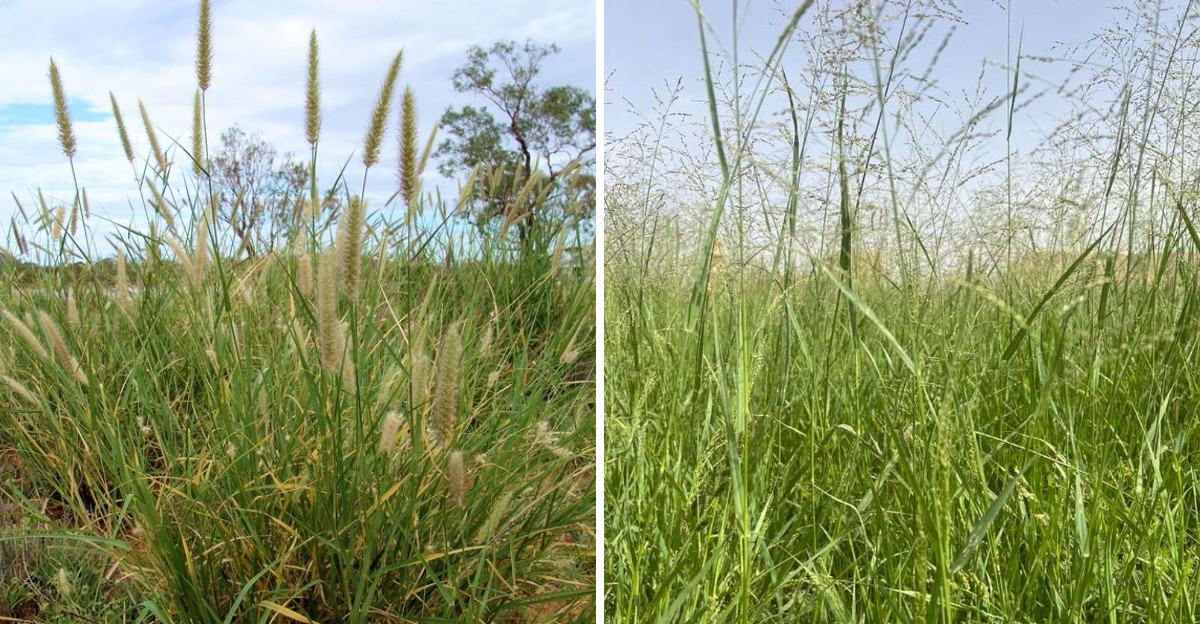
Many of the grasses taking over Texas prairies didn’t sneak in. They were planted on purpose.
Ranchers and land managers once brought them over from Africa, Asia, and Europe, hoping to solve real problems. These grasses grew fast, fed cattle, and held soil in place after years of drought and erosion.
Decades later, the downside is hard to ignore. Many of these grasses spread far beyond where they were planted.
They form dense stands that crowd out native wildflowers and bunchgrasses, leaving little food or shelter for quail, pollinators, and other wildlife. Some even change how often wildfires burn.
What looks like an ordinary grassy field may actually be a quiet takeover in progress. Learning to spot these invaders is the first step toward bringing native prairie back.
1. King Ranch Bluestem
A famous ranch gave this grass its name, but the grass itself traveled a long way to get there. King Ranch bluestem comes from Asia and parts of Europe. People noticed it growing on the King Ranch in South Texas in the 1930s.
Ranchers liked it right away. It grew fast, handled drought, and held soil in place. Highway crews planted it along roads all over the state to stop erosion. For a while, everyone thought it was a winner.
Time told a different story. The grass spread from roadsides into pastures, parks, and prairie remnants. It forms thick, tangled stands that leave almost no room for anything else.
Native grasses like little bluestem and Indiangrass get squeezed out. Wildflowers have a hard time poking through.
Wildlife feels the change too. Quail and other ground birds need open space and a mix of plants.
A solid carpet of one grass gives them fewer seeds and insects to eat. Cattle are not huge fans either, since the grass gets tough and less tasty as it matures.
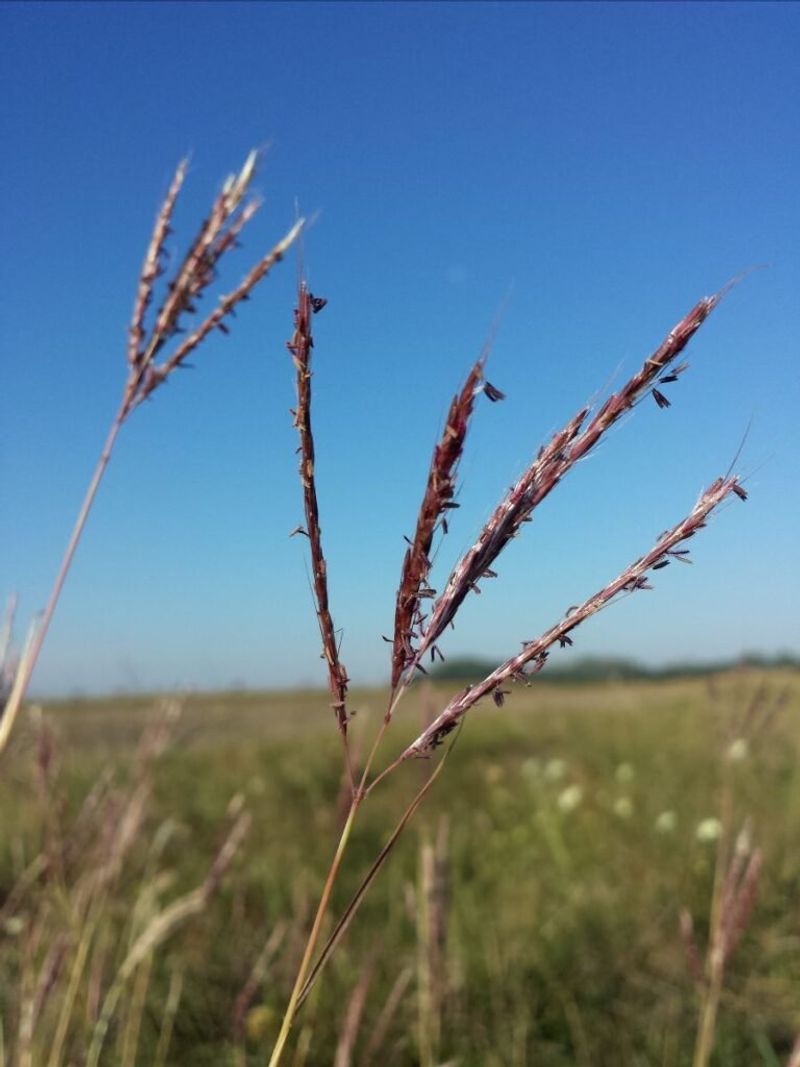
So how do you spot it? Look for a short to medium grass with fuzzy, reddish or silver seed heads in summer and fall.
The stems often bend at the knees, and the plant turns a rusty color in winter. Patches along highways are a classic sign.
Getting rid of it is hard, but not hopeless. Some land managers use well-timed burning, mowing, and careful herbicide treatments.
Replanting with native seed helps fill gaps before the bluestem returns. If you have a small yard, pulling young plants early works best.
2. Kleberg Bluestem
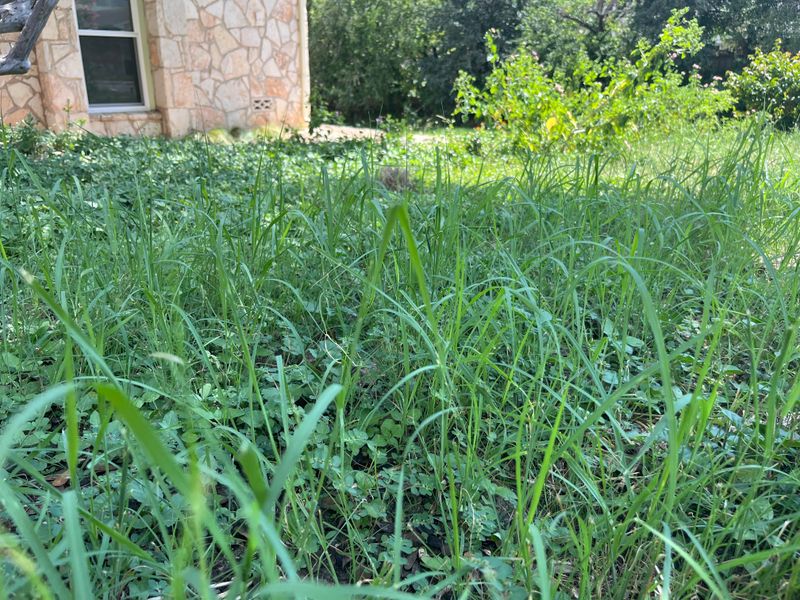
Ever heard of a grass with a cousin problem? Kleberg bluestem is a close relative of King Ranch bluestem. Both belong to a group called Old World bluestems, and both cause trouble in Texas.
Kleberg bluestem was brought over as food for cattle. Its name honors the Kleberg family, who ran the King Ranch for many years. Planting it seemed like a helpful idea in a hot, dry region.
The grass had bigger plans. It escaped pastures and moved into prairies, ditches, and roadsides.
You will find it most often in South Texas and along the Coastal Bend. It is taller and coarser than many native grasses, with bluish stems that can reach several feet high.
Your Texas Garden Changes Every Week. Your Plan Should Too.
Gardening in Texas changes quickly throughout the season. Every Friday you’ll receive a simple weekly plan showing exactly what to plant, prune, fertilize, harvest, and protect so you never miss the right timing.
The biggest issue is how crowded it makes things. Its thick growth hogs sunlight, water, and space. Native plants that once grew side by side get pushed to the edges. Over the years, a colorful prairie can turn into a plain sea of one grass.
Animals notice the difference. Deer, rabbits, and birds lose the variety of seeds and leaves they depend on.
Butterflies and bees lose the wildflowers that feed them. Even cover for nesting birds shrinks, since the grass grows in a way that is less useful than native bunchgrasses.
Want to help? Learn to tell it apart from native bluestems. Local extension offices and native plant groups often host field days where you can see it up close.
If you own land, avoid buying seed mixes that list Old World bluestems. Choose native mixes instead, and check them carefully before planting.
3. Johnsongrass
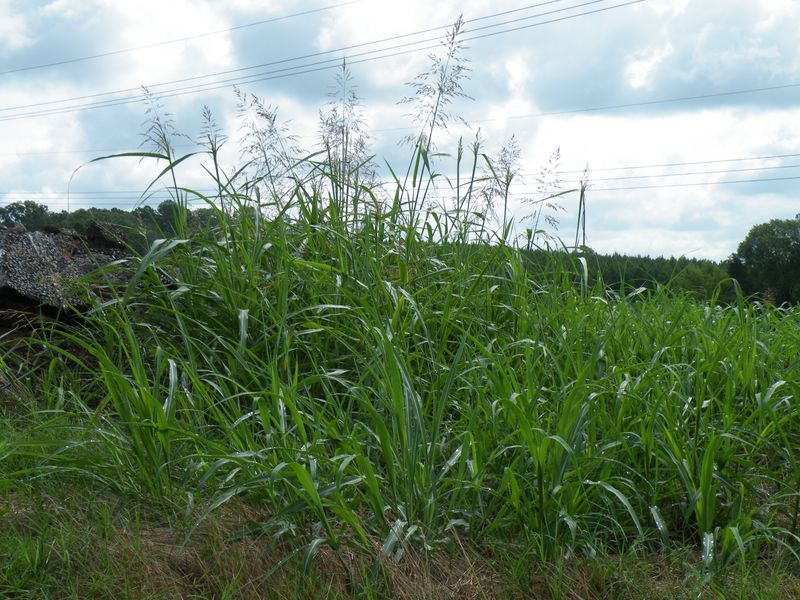
Farmers have been fighting Johnsongrass for more than 150 years, and the grass is still winning plenty of battles. It arrived in the United States in the 1800s. A man named William Johnson planted it in Alabama, and the name stuck.
Here is what makes it so tough. Johnsongrass spreads two ways. It makes tons of seeds, and it grows thick underground stems called rhizomes.
Chop up those rhizomes with a plow, and each piece can sprout a new plant. Talk about a sneaky trick!
You can find it in crop fields, along fences, in ditches, and in leftover patches of prairie. It grows tall, sometimes over six feet. The wide leaves have a white stripe down the middle, and the big seed heads often look purple.
Native plants struggle to keep up. Johnsongrass grows fast and shades out shorter grasses and flowers. Once it takes hold, it can cover a whole area in just a few seasons.
There is also a hidden danger for animals. When the grass gets stressed by drought or frost, it can build up compounds that are poisonous to cattle and horses.
Ranchers have to be very careful about letting animals graze it after a cold snap or a dry spell.
Some practical tips can help. Pull small plants before they form seeds, and try to get all the roots. Mow often to weaken the rhizomes over time.
Clean mowers and tools before moving to a new field so you do not carry seeds along. Patience matters, since this grass rarely leaves after one try.
4. Bermudagrass
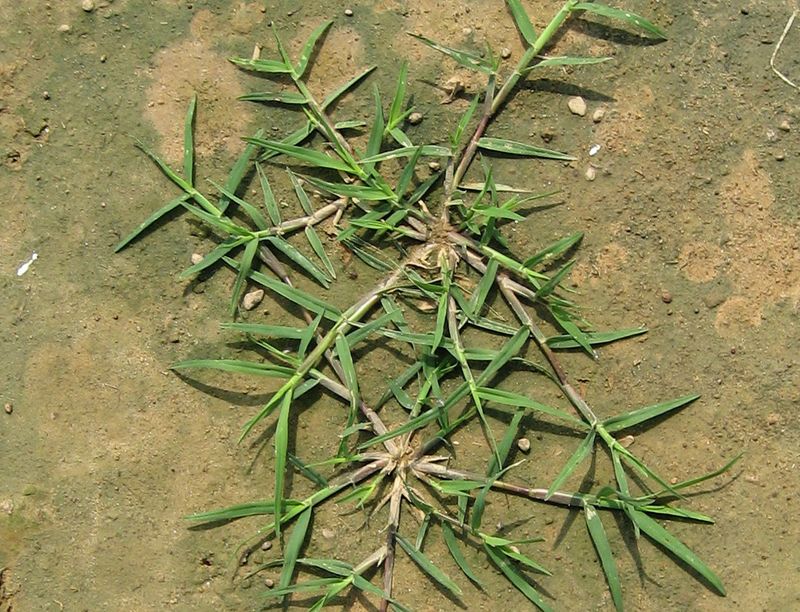
Look down at almost any Texas lawn, ballfield, or golf course, and you will probably see Bermudagrass. It is everywhere. Most people never think of it as a problem, but prairie lovers know better.
The grass actually comes from Africa, not Bermuda. It handles heat, drought, and heavy foot traffic like a champ. That is why so many homeowners and ranchers plant it on purpose. Kids playing soccer probably love it.
Trouble starts when it escapes. Bermudagrass spreads using runners that crawl across the top of the ground.
It also sends stems underground. Those two travel routes let it creep into flower beds, gardens, and native prairie plantings with ease.
Once it moves in, it forms a tight mat. Native seeds have a hard time reaching the soil. Young wildflowers and bunchgrasses get smothered before they can grow strong.
Many people who try to turn a lawn into a prairie garden find Bermudagrass is their biggest headache.
Fun fact: a single runner can grow several inches in a week during hot summer weather. That speed is great for patching a bare yard, but not so great for a meadow full of bluebonnets.
If you want to start a native garden, plan ahead. Many gardeners cover the area with dark plastic or cardboard during summer to weaken the grass.
Others dig deep to remove the underground stems. Build edging around flower beds to slow the runners. Keep an eye out each spring, since a few hidden bits can bounce back quickly.
5. Buffelgrass
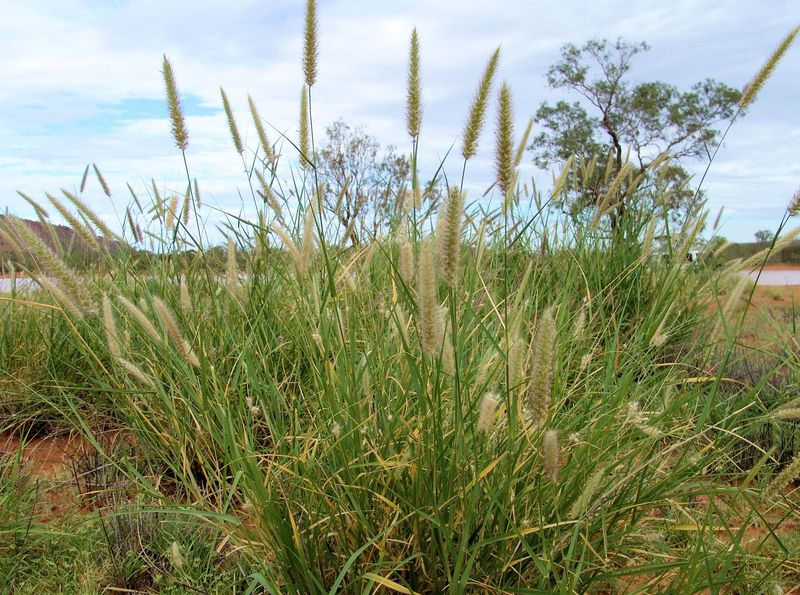
Drive through South Texas brush country, and you might see golden clumps of grass waving beside the mesquite trees. Pretty, right? Many of those clumps are buffelgrass, and they bring a fiery problem with them.
Buffelgrass is native to Africa and parts of Asia. Ranchers planted huge areas of it in South Texas to feed cattle. It survives long droughts and bounces back fast after rain. On paper, it looked perfect for a dry region.
In the wild, it acts like a bully. It grows in dense stands that crowd out native grasses, cactus, and wildflowers.
Seeds spread easily on wind, water, animals, and even car tires. Over time, a varied landscape can become a buffelgrass field.
Fire is the scariest part. Native South Texas plants are not used to frequent, very hot fires. Buffelgrass grows close together and dries out into perfect fuel. When it burns, flames get hotter and spread faster.
Many native plants cannot recover, but buffelgrass comes right back, sometimes even stronger.
That cycle worries scientists in Texas and nearby states like Arizona. In the Sonoran Desert, buffelgrass fires threaten giant saguaro cactus. Texas land managers watch closely to keep similar problems from growing here.
What can you do? Learn its look. Buffelgrass has bristly, bottlebrush seed heads that range from purple to tan. If you hike, brush off your shoes and clothes before leaving an area.
Landowners can pull young plants by hand, roots and all, and bag the seed heads so they do not scatter.
6. Guineagrass
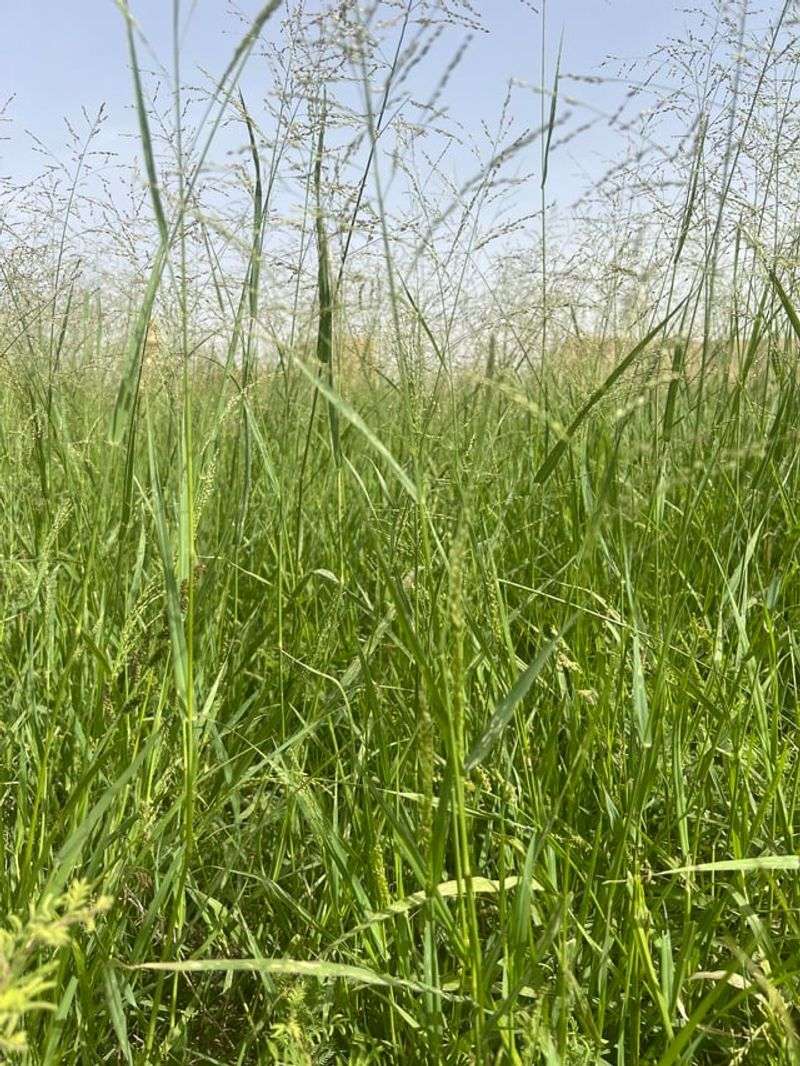
Picture walking along a shady creek and finding grass taller than your head. Okay, that sounds fun, but in South Texas it often means guineagrass has taken over. This giant is one of the region’s sneakiest invaders.
Guineagrass comes from Africa. It was planted in many warm places around the world as cattle feed. In Texas, it spread fast along creeks, rivers, and ditches. The Rio Grande Valley has been hit especially hard.
Size is its secret weapon. Guineagrass grows in thick, coarse clumps that can reach eight feet or more.
Those tall leaves block sunlight from reaching the ground. Native plants underneath simply cannot get enough light to thrive.
Riverbanks matter a lot to wildlife. Birds rest there during migration. Ocelots, rare wild cats found only in a few parts of South Texas, need thick native brush for hiding.
When guineagrass replaces native shrubs and plants, it changes the whole habitat. Animals lose the food and shelter they count on.
Did you know? The Rio Grande Valley is one of the best bird-watching spots in North America. Keeping its riverbanks healthy helps hundreds of bird species, from green jays to colorful orioles.
Fighting guineagrass usually takes teamwork. Wildlife refuges and volunteer groups often host workdays to cut and remove it. Some areas get replanted with native trees and shrubs that eventually shade the grass out.
If you live nearby, join a local cleanup or a native plant society. Even a few hours of help can protect a stretch of creek for years to come.