8 Frost Tolerant Vegetables Colorado Gardeners Can Keep Harvesting Into October
Frost doesn’t wait for your permission before it drops over Colorado. Tomatoes in your garden buckle fast after the first hard chill. Basil in your beds goes limp overnight, blackened by dawn.
Peppers sulk fast, dropping leaves off your plants without warning. Squash vines flatten into limp ribbons across your rows. Yet your kale stands tall, daring the frost to push harder.
Spinach in your beds shrugs off ice and grows anyway. Carrots underground turn sweeter as your cold snap deepens. Brussels sprouts intensify flavor with each freeze you survive.
Garlic keeps rooting deeper in your soil while summer crops fold. Neighbors rake brown leaves while your baskets keep filling fast. Snow may follow, your harvest keeps moving forward.
Colorado rewards you for planting straight through this exact shift. You’re about to learn exactly which crops turn frost into fuel.
1. Kale Sweetens Up After A Hard Frost
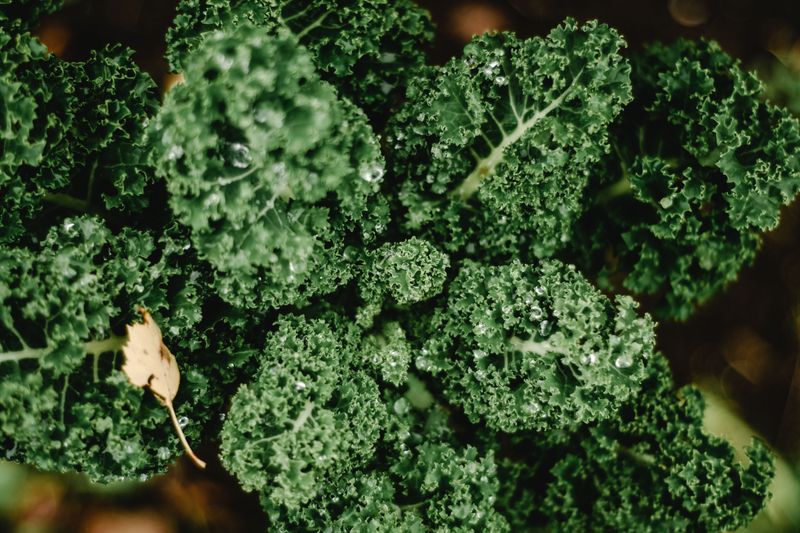
Frost hits kale and the leaves answer by turning sweeter, which honestly feels like a garden magic trick. Starch stored inside those leaves converts into sugar as natural protection against freezing night temperatures.
Many Colorado growers can harvest kale well into late fall, even when Front Range mornings dip into the twenties. Lacinato and Red Russian varieties shrug off cold better than most other garden greens.
Pick outer leaves first and leave the small center crown alone so the plant keeps producing. Treated that way, one healthy plant can feed a family for several more weeks.
Water deeply during early September so roots stay strong before the soil temperature really drops. Dry soil freezes faster and stresses plants far more than evenly moist soil does.
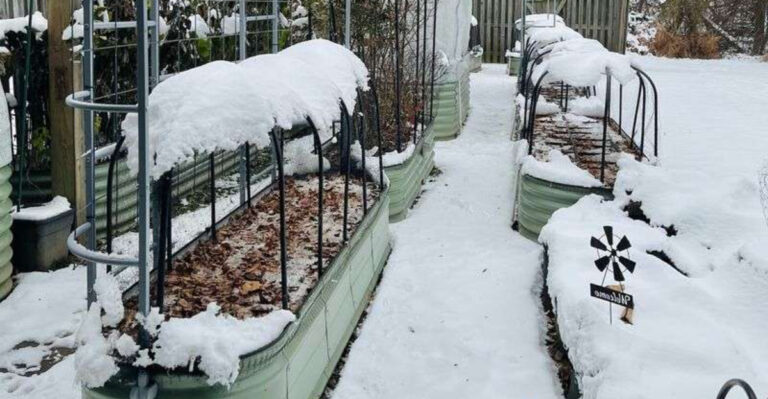
A floating row cover tossed over the bed on a twenty degree night buys extra harvest time. Old bedsheets work fine too, provided you pull them off by midmorning for sunlight.
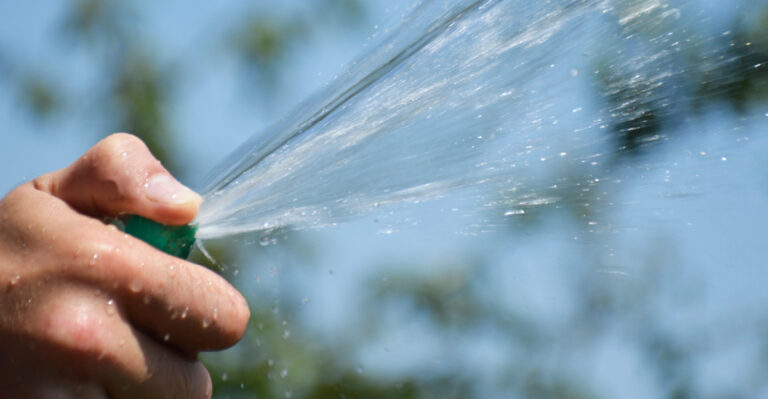
Aphids sometimes cluster on the undersides of leaves during unusually warm September afternoons in Colorado. A strong blast from the garden hose knocks them loose without any spray at all.
Harvest during the afternoon once the leaves have thawed, since frozen leaves bruise very easily. Kale picked around two in the afternoon keeps its crunch much longer inside the refrigerator drawer.
Here is a fun bit of history: kale has fed cold European gardens for centuries. A Colorado October barely counts as a challenge for such an experienced old crop.
2. Spinach Holds On Under Cold October Skies
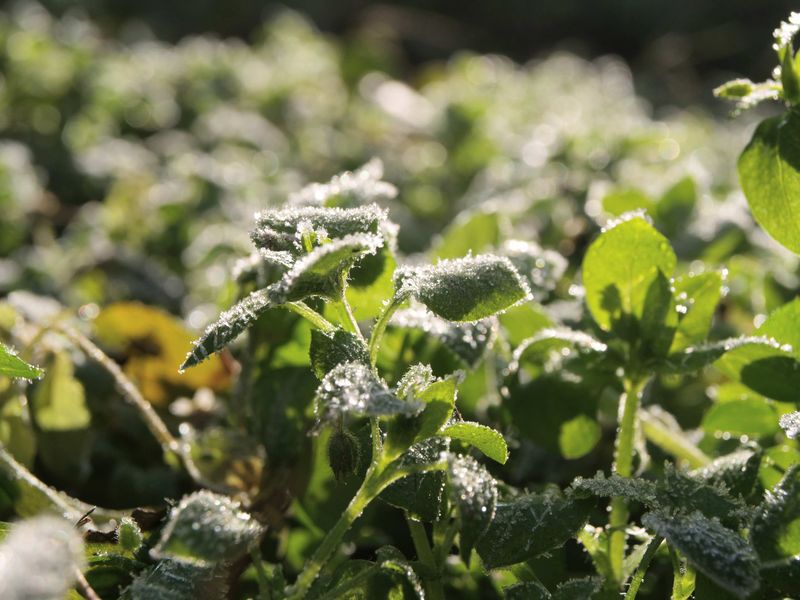
Spinach behaves like a crop that secretly enjoys bad weather, perking up as afternoons cool down. Seeds sown in early September germinate quickly and grow fast in cool Colorado soil.
Mature leaves survive temperatures near twenty degrees, and small seedlings handle cold even better. Bloomsdale and Winter Bloomsdale have earned loyal fans among gardeners along the Front Range.
Cold nights concentrate sugars, so October spinach tastes noticeably richer than the watery summer version. Salads made in fall have a nutty depth that June spinach cannot match.
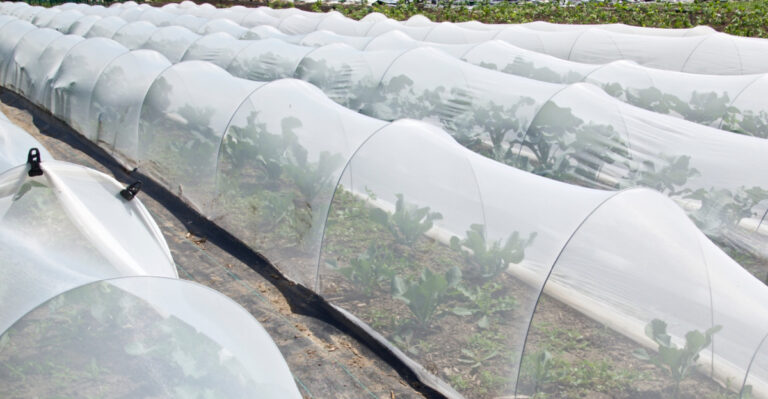
Low tunnels built from wire hoops and plastic turn a spinach bed into a mini greenhouse. Some Colorado gardeners use them to extend harvest into late fall, though results vary by season and setup.
Your Colorado Garden Changes Every Week. Your Plan Should Too.
Gardening in Colorado changes quickly throughout the season. Every Friday you’ll receive a simple weekly plan showing exactly what to plant, prune, fertilize, harvest, and protect so you never miss the right timing.
Harvest outer leaves one at a time instead of cutting the whole plant down. Regrowth continues whenever daytime temperatures climb back above forty five degrees.
Slugs love damp fall mulch, so check under leaves after any rainy stretch. A shallow dish of beer set in the bed catches surprising numbers overnight.
Avoid heavy nitrogen feeding this late, because soft new growth freezes much more easily. A light compost topdressing gives plants everything they need for the last stretch.
Colorado sunshine stays intense even in October, so plants can dry out between waterings. Check soil moisture weekly, especially in raised beds that drain faster than ground beds.
Spinach roots can sometimes survive under snow and resprout in early spring, though results depend on mulch and weather. Gardeners who leave the bed alone get an early harvest without planting again.
3. Carrots Turn Candy Sweet In Frozen Ground
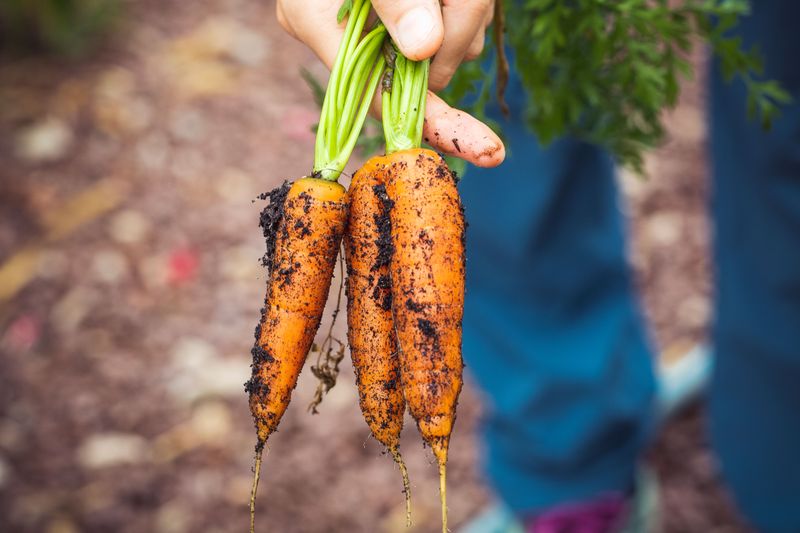
Something wonderful happens underground when frost settles over a carrot bed in early October. Roots convert stored starch into sugar, and the flavor jumps from good to fantastic.
Colorado gardeners often call frost-touched carrots candy carrots, and kids finish them like snacks. Nantes and Danvers types develop that sweetness fastest in our cool mountain soils.
Leave roots in the ground rather than harvesting everything at once during September. Soil acts as a natural refrigerator that holds quality better than any crisper drawer.
Pile six inches of straw over the row before the first hard freeze arrives. Mulch keeps the ground workable so you can pull dinner even after a snowstorm.
Tops may wilt and flop after a cold night, which alarms first-time growers. Roots underneath stay firm and sweet, so ignore the sad-looking greenery above.
Voles occasionally tunnel into mulched beds, leaving chewed shoulders on the biggest roots. Hardware cloth buried along the bed edge discourages most of that underground traffic.
Water the row thoroughly before pulling carrots out of dry, compacted Colorado clay soil. Damp ground releases roots without snapping them halfway down, which saves a lot of frustration.
Carrots sown around mid-July usually size up perfectly for October and November harvests. Mark your calendar now so next summer’s planting window does not slip past.
Sweetness keeps improving for weeks, so late pulls often taste better than early ones. Save a short row specifically for Thanksgiving and enjoy the difference at dinner.
4. Brussels Sprouts Peak When Nights Get Cold
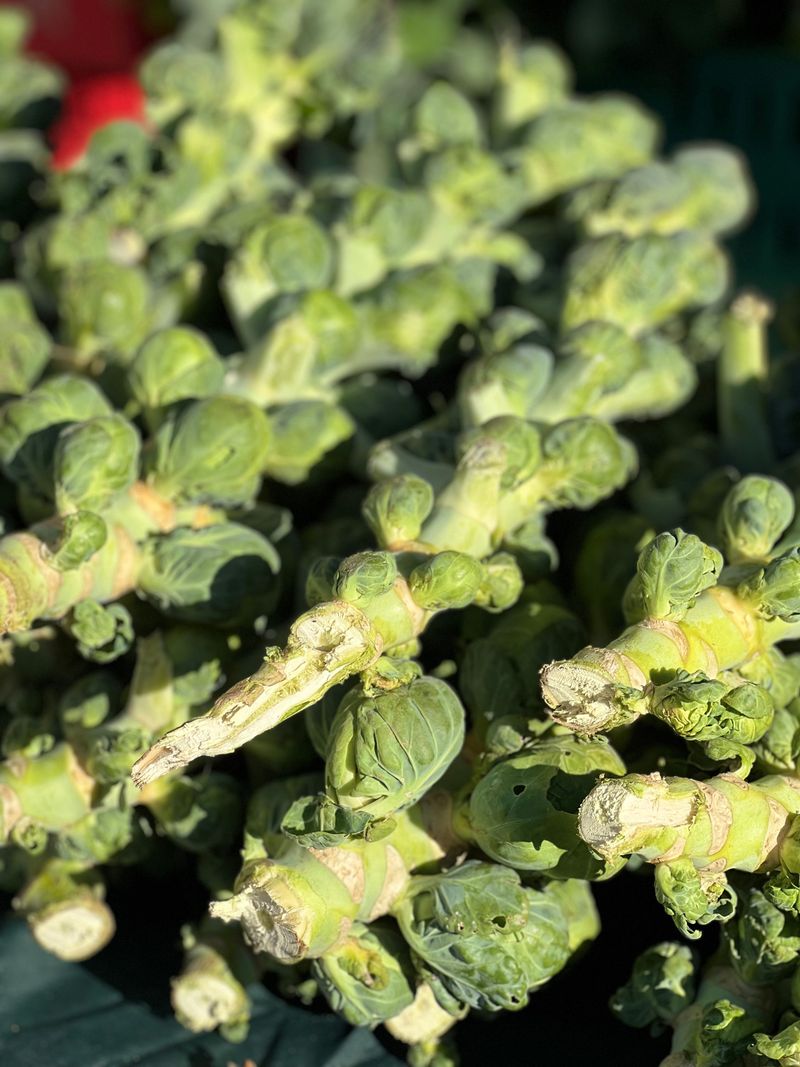
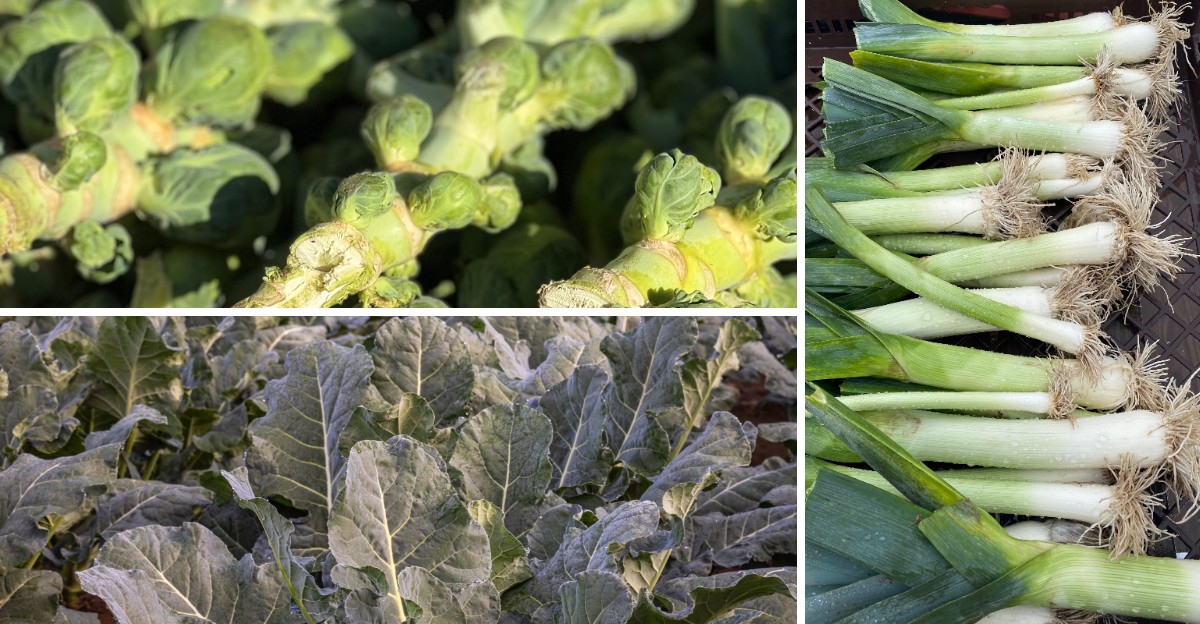
Brussels sprouts spend the whole summer looking like an awkward science experiment on a stalk. Then October arrives, frost lands, and the little green buttons finally taste like dessert.
Sprouts handle temperatures down to fifteen degrees with little to no protection. Plants can keep standing in Colorado gardens well into November under light snow.
Harvest from the bottom of the stalk upward, twisting off firm sprouts as they size up. Lower buttons mature first, and the top of the plant continues filling in slowly.
Pinching out the growing tip in mid-September pushes energy into the remaining sprouts. That trick, called topping, helps everything finish before hard winter weather settles in.
Cabbage worms can still chew leaves during warm September afternoons in Colorado gardens. Bacillus thuringiensis handles them safely, and a few holes rarely hurt the sprouts themselves.
Stake tall plants because Front Range wind topples top-heavy stalks with impressive regularity. A sturdy bamboo pole and soft twine prevent a very sad October morning.
Flavor after frost loses the bitterness that gives sprouts their unfair reputation. Roast them with olive oil and skeptics at the table change their minds fast.
Whole stalks cut at the base store for weeks in a cold garage. Snap off sprouts as needed and they stay fresher than loose grocery store ones.
Start seeds next April if you want a strong stalk ready by autumn. Sprouts need roughly one hundred days, so patience matters more than fancy fertilizer.
5. Leeks Stand Tall Through Snow And Wind
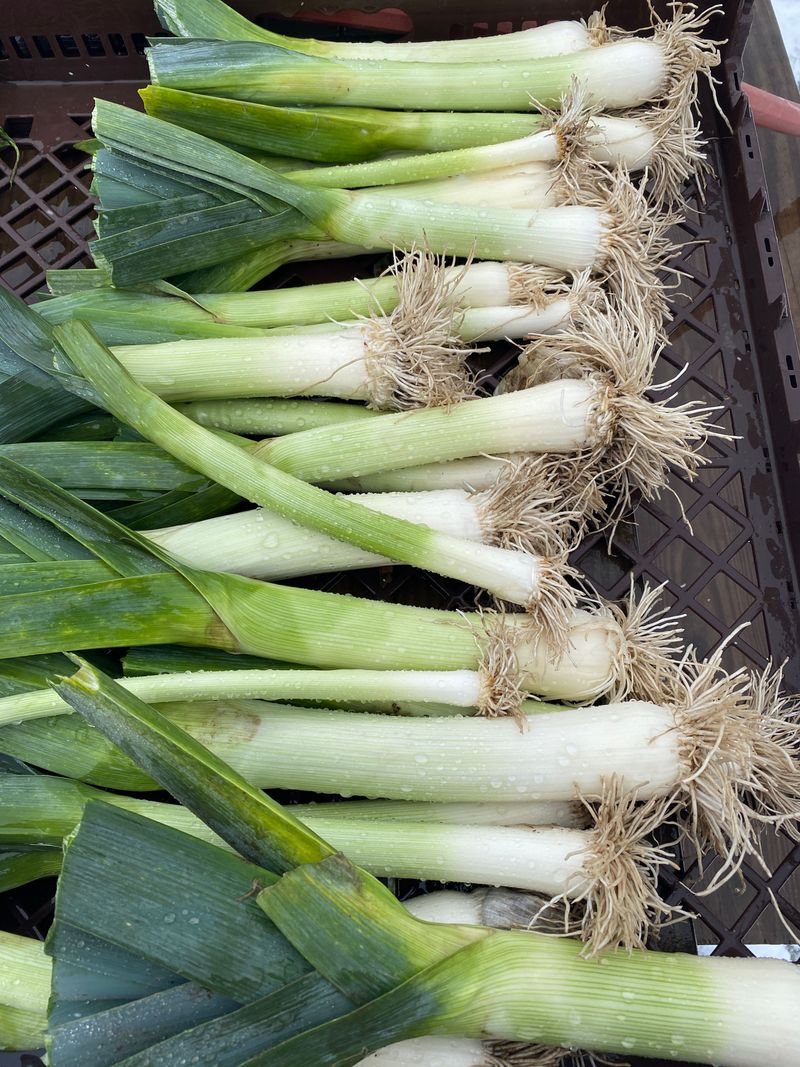
Leeks approach cold weather with the calm confidence of a crop wearing a winter coat. Thick white shafts tolerate temperatures in the teens and keep their texture perfectly.
Varieties labeled winter hardy, like Bandit and Tadorna, suit Colorado conditions especially well. Summer types size up faster but fade once serious cold weather rolls in.
Hilling soil around the stems during August produces longer, whiter, more tender shafts. Repeat the process once in September for a noticeable upgrade at harvest time.
Pull leeks with a garden fork instead of yanking, since roots grip cold soil tightly. Loosen from the side first and the whole plant lifts out cleanly.
Mulched leeks can stay in the ground and be harvested during a January thaw. Some Colorado gardeners dig them out from under six inches of crusty snow.
Grit hides between the leaf layers, which surprises anyone chopping leeks for the first time. Slice lengthwise and rinse under running water before cooking anything with them.
Potato leek soup on a snowy evening justifies every month of slow growth. Few garden crops repay patience so generously during the coldest part of autumn.
Leeks have long been linked to Roman-era diets and remain the national emblem of Wales. A vegetable with that resume clearly handles a chilly Colorado October without complaint.
Sow seeds indoors around late February for transplants ready by the middle of May. That long head start explains why fall leeks look so thick and impressive.
6. Collard Greens Keep Producing Past First Freeze
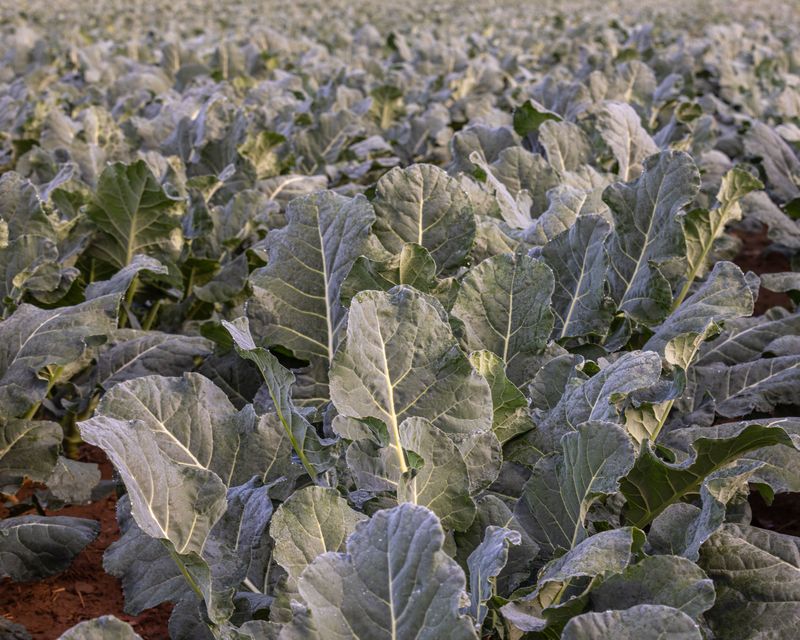
Southern kitchens made collards famous, yet Colorado gardens might be their secret happy place. Broad blue-green leaves handle nights near fifteen degrees without turning to mush.
Georgia Southern and Champion can produce steadily from September into mid-November, depending on conditions. Plants set out in midsummer reach full size right as cool weather arrives.
Frost improves flavor here too, softening the cabbage-like edge that some people dislike. October leaves cook faster and taste milder than anything harvested during hot August.
Snap leaves off near the stem, working upward and leaving the top rosette intact. Plants respond by pushing new growth from the center for several more weeks.
Collards appreciate steady moisture, especially in the dry air along the Front Range. One deep soaking each week beats daily sprinkles that never reach lower roots.
Watch for cabbage loopers hiding along the midrib during warm afternoons in early fall. Handpicking takes five minutes and keeps the leaves looking presentable for the kitchen.
Chopped collards freeze beautifully after a quick blanch in boiling water. Bags stashed in October become soup and stew ingredients throughout the coldest months.
A single mature plant can stand nearly three feet tall and wide. Give each one plenty of room, or your pathway disappears by early autumn.
Collards belong to the same species as kale, cabbage, and broccoli. Family resemblance shows up clearly in their shared love of chilly weather.
Try them braised with garlic and a splash of vinegar after the first freeze. The sweetness surprises people who only remember collards from long, slow simmering.
7. Parsnips Reward Gardeners Who Wait For Frost
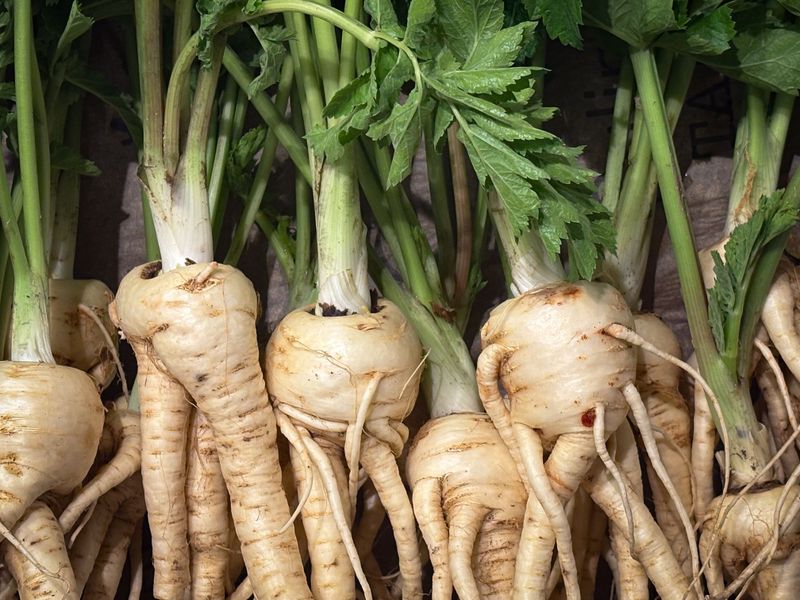
Parsnips practically demand frost before they agree to taste like anything special. Roots pulled in September seem bland, while the same roots in late October taste nutty and sweet.
Cold triggers the same starch-to-sugar change that carrots perform, only more dramatically. Gardeners who wait get a creamy, honey-flavored root worth every month of waiting.
Seeds need long growing seasons, so plant them by the middle of May. Colorado’s short autumn still leaves plenty of time for the crop to finish.
Germination tests patience because parsnip seeds take up to three weeks to appear. Keep the seedbed damp and resist digging around to check on progress.
Deep, loose soil produces straight roots, while rocky clay creates forked oddities. Raised beds filled with compost solve that problem in most Front Range yards.
Mulch heavily in late October and harvest right through winter as needed. Frozen ground can be stubborn, so a fork and some determination help enormously.
Roasted parsnips caramelize into something close to candy at four hundred degrees. Mashed with potatoes, they add a sweetness guests usually cannot identify.
Before sugar beets and cane sugar became widely available, some Europeans reportedly sweetened dishes with parsnips. A frosted October root still carries that old-fashioned dessert quality today.
Handle the leafy tops carefully because their sap can irritate skin in bright sunlight. Long sleeves and gloves prevent an itchy rash during harvest days.
Store harvested roots in damp sand inside a cold garage for winter meals. They hold firm for months and taste better than anything on the store shelf.
8. Turnips Deliver Roots And Greens In October
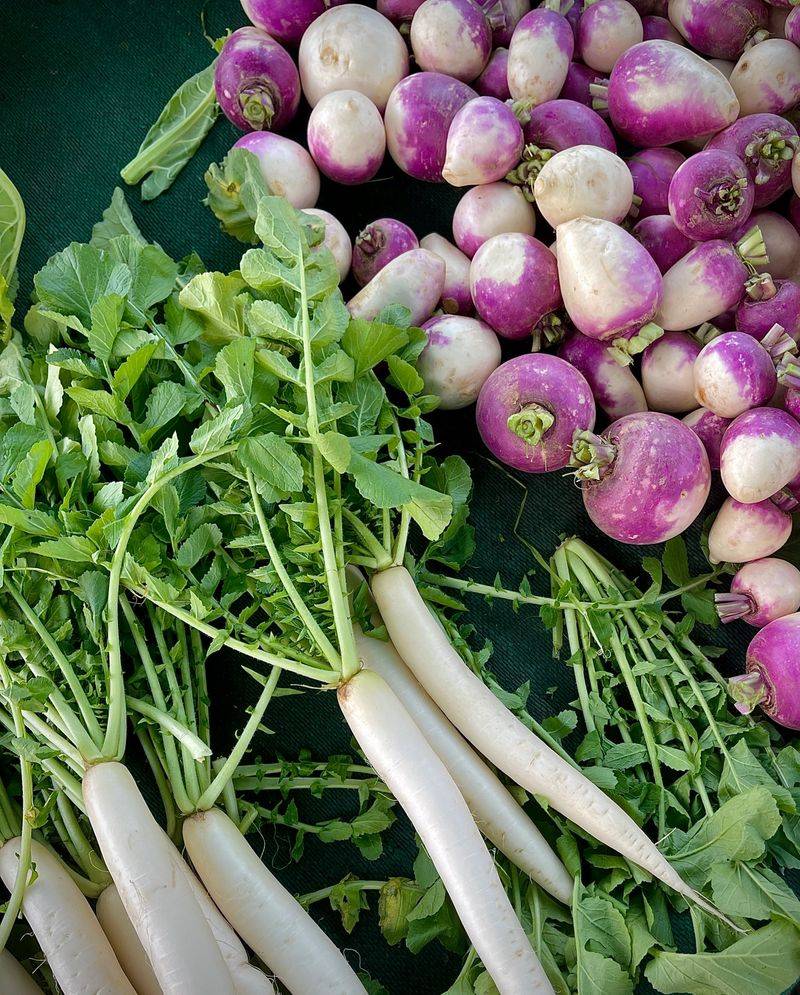
Two crops grow on one plant when you put turnips in the ground during August. Sweet roots develop below the soil while tender greens pile up above it.
Purple Top White Globe and Hakurei both handle Colorado frost with no fuss. Hakurei roots taste sweet enough to eat raw, sliced straight off the cutting board.
Greens tolerate temperatures around twenty degrees and often outlast the roots themselves. Cook them like spinach, or toss the smallest leaves into an autumn salad.
Thin seedlings to four inches apart, because crowded turnips produce tiny woody roots. The thinnings taste great, so nothing from that chore goes to waste.
Harvest roots at two or three inches across for the best texture. Larger ones turn fibrous and develop the strong flavor that scares people off.
Flea beetles pepper the leaves with tiny holes during warm early-season weather. Cool October temperatures shut those pests down, so late plantings look much cleaner.
A light frost sweetens roots in a way no summer planting can match. Roasted turnips with butter and thyme convert skeptics faster than any other method.
Straw mulch keeps the ground unfrozen, letting you pull dinner in November. Colorado soil often stays workable into late fall, which can give late crops an advantage.
Turnips mature in about fifty days, one of the fastest fall crops available. Seeds sown in late August still produce a solid harvest by mid-October.
Ancient Romans grew turnips widely and considered them ordinary peasant food. Modern chefs disagree, and a frosted homegrown root explains exactly why.