10 Muscadine Grape Varieties Virginia Backyard Growers Should Know
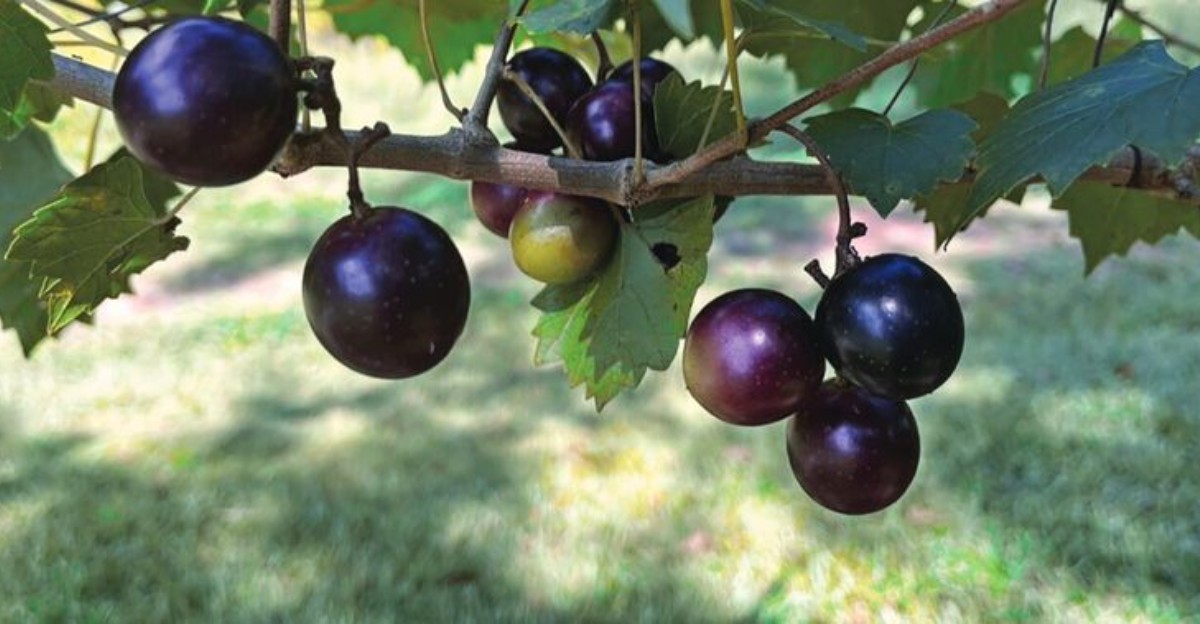
A ripe muscadine has a flavor that makes store-bought grapes seem a little boring. The thick skin, sweet juice, and bold taste are why many gardeners grow these backyard vines.
Muscadines are made for Virginia’s heat and humidity. They handle many common grape problems and can produce fruit for years with the right care.
Some varieties bring bronze, honey-sweet grapes, while others offer dark fruit for juice, jelly, or wine. The right choice depends on your space, growing conditions, and how you want to use the harvest.
A well-trained vine can eventually cover a fence, shade an arbor, and become a long-term garden favorite.
1. Carlos Brings Reliable Bronze Grapes To Home Gardens
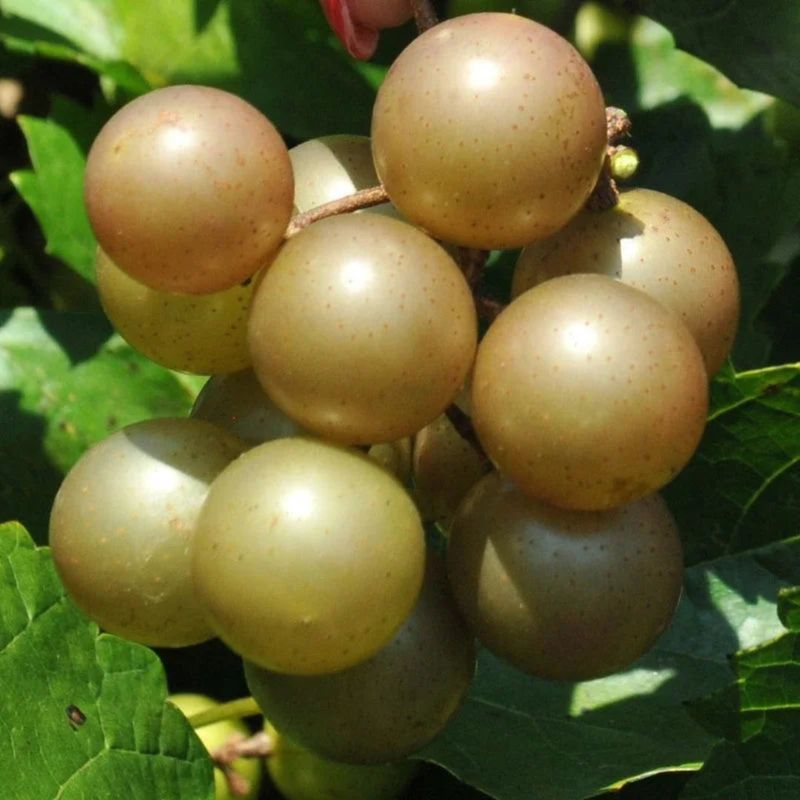
Ask any Southeastern grower for a dependable first vine and Carlos usually gets named within seconds. It is self-fertile, vigorous, and famous for cranking out heavy crops of medium bronze berries.
The flavor leans sweet with a pleasant tart edge, and the skins are thick enough to hold up in the kitchen. Fresh snacking works fine, but Carlos really shines in juice, white wine, and homemade preserves.
Cold hardiness is a big part of its reputation, which matters in Virginia where winter temperatures swing around quite a bit. Growers in cooler counties often lean on Carlos because it bounces back well after a hard freeze.
Disease tolerance adds to the appeal, including better tolerance of Pierce’s disease than many bunch grapes and good performance against common fungal problems. That can mean fewer sprays and fewer worried trips out to the trellis in humid July weather.
Give the vine full sun, decent drainage, and a sturdy single-wire trellis about five feet off the ground. Muscadine roots perform best in well-drained soil, so wetter clay sites may benefit from raised rows or improved drainage.
Because Carlos sets fruit on its own, one plant is enough to get a harvest going. Many gardeners still add a second variety nearby for a longer picking window.
Pruning happens in late winter, cutting last year’s growth back to short spurs along the main arms. Fruit ripens in a mid to late window, dropping when fully sweet.
If you want a workhorse rather than a novelty, Carlos earns its spot.
2. Magnolia Produces Productive Vines With Quality Fruit
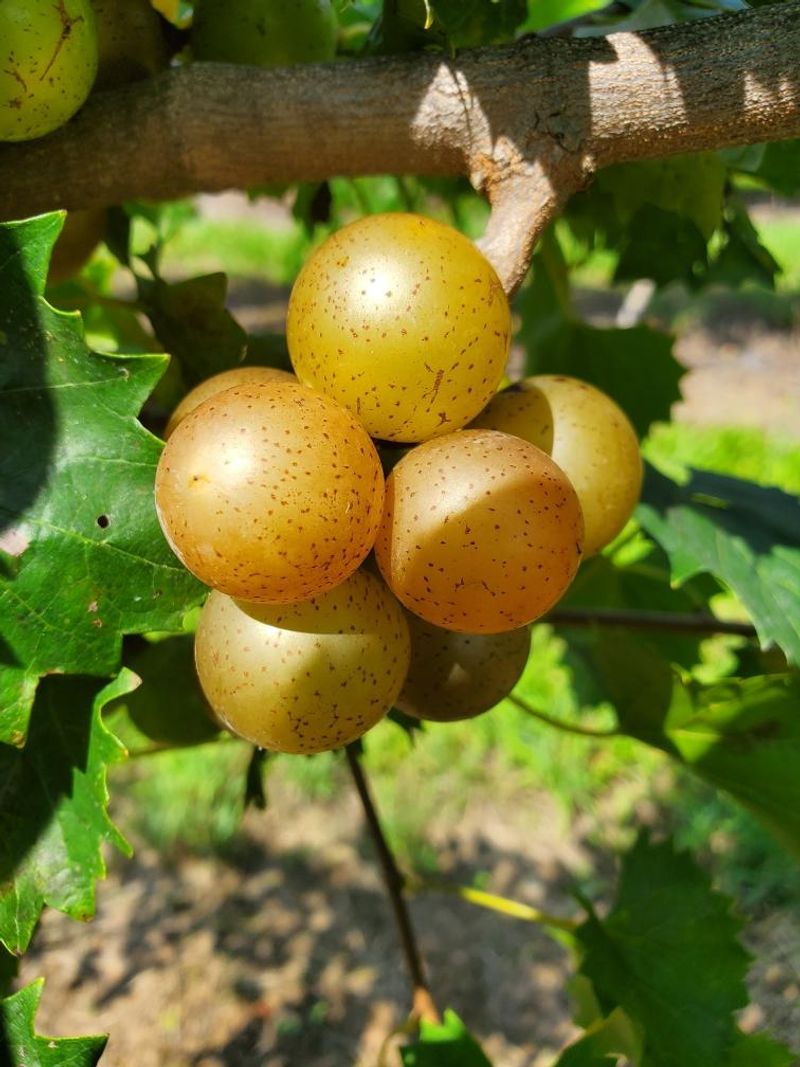
Magnolia has been quietly pleasing home growers for generations, and it rarely gets the spotlight it deserves. The vine is self-fertile, steady, and loaded with medium bronze grapes come mid-season.
Fruit quality is rated good by most growers, with a clean sweetness that makes excellent juice. Sugar content sits around 15 percent, which is plenty for a pitcher of homemade grape drink.
Two quirks are worth knowing before you plant. Skins run tough, and clusters sometimes ripen a bit unevenly, so you may pick the same vine two or three times.
White wine hobbyists love Magnolia for exactly those reasons, since uneven ripening matters far less once the fruit hits the press. Jelly makers appreciate the firm skins too, because they carry plenty of pectin.
Your Virginia Garden Changes Every Week. Your Plan Should Too.
Gardening in Virginia changes quickly throughout the season. Every Friday you’ll receive a simple weekly plan showing exactly what to plant, prune, fertilize, harvest, and protect so you never miss the right timing.
Cold tolerance is respectable and disease resistance holds up in muggy weather, both handy traits for gardens east of the Blue Ridge. Airflow helps, so avoid tucking the vine against a solid wall where humidity lingers.
Plant Magnolia about twelve to twenty feet from its neighbor, because muscadines stretch farther than most people expect. Crowding leads to shaded fruit and a sticky mess of tangled canes.
Fertilize lightly in spring with a balanced feed, then stop by midsummer so the wood hardens before autumn. Mulch keeps roots cool and cuts down on weeding.
For anyone who cans, juices, or dabbles in winemaking, Magnolia is an easygoing partner with a long track record.
3. Nesbitt Adds Large Dark Grapes To Yards
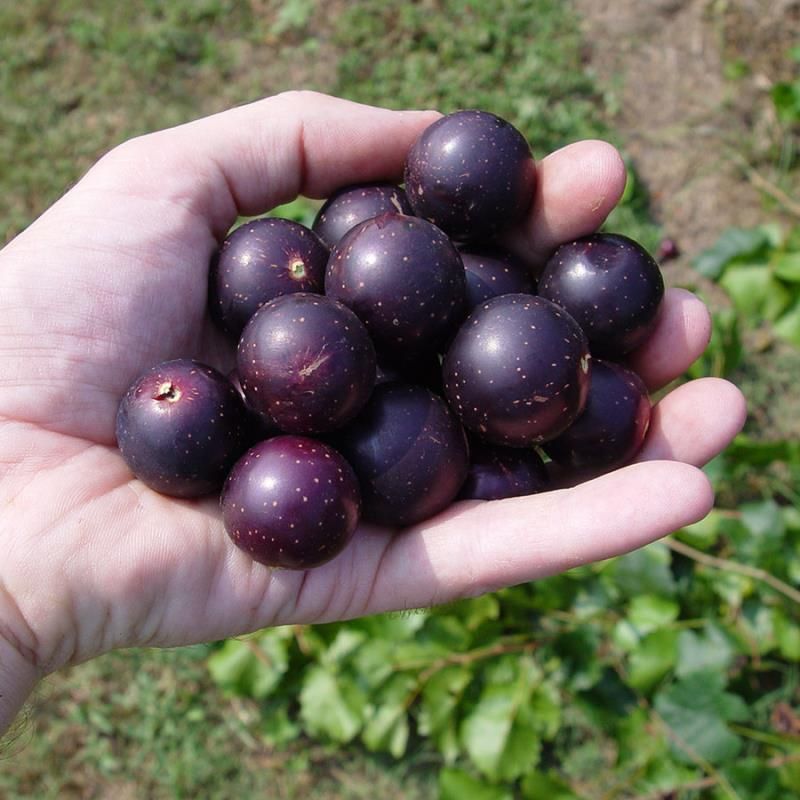
Picture a handful of glossy black grapes so plump they barely fit between your fingers. That is Nesbitt at peak ripeness, and it is one reason the cultivar keeps showing up on home garden recommendation lists.
The vine is self-fertile and produces high yields of medium-large fruit with a sweet, musky punch. Skins are thick and a touch chewy, which purists consider part of the muscadine experience.
Ripening lands in the mid to late stretch of the season, so Nesbitt pairs nicely with an earlier variety. Stagger your planting and the picking basket stays busy for weeks.
Health is where Nesbitt truly wins. The vines grow vigorously, resist ripe rot better than many cultivars, and carry good cold hardiness for changeable winters.
Fresh eating is a favorite use, though the fruit also turns into rich juice, deep-colored jelly, and homemade wine. Kids tend to spit the skins, and honestly, nobody minds.
Train the main trunk straight up to your wire, then let two arms run in opposite directions. Rub off side shoots on the young trunk so energy goes where you want it.
Watch for bird pressure as the berries darken, since dark fruit seems to attract extra attention. Lightweight netting solves the problem without much fuss.
Harvest when berries release with a gentle tug rather than a yank. Underripe muscadines taste sharp and never improve off the vine.
Nesbitt rewards patience with real backyard bragging rights.
4. Scuppernong Delivers A Classic Muscadine Flavor
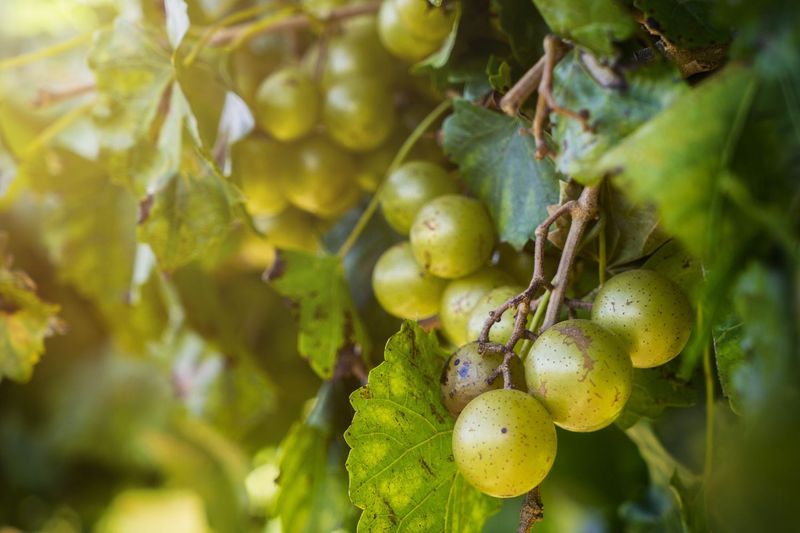
Few fruits carry as much Southern folklore as the Scuppernong. Grandparents used them for pies, wine, and porch-side snacking long before nurseries printed glossy catalogs.
The berries are large and greenish-bronze, turning golden as sugar builds. Flavor is sweet with a gentle tang, plus floral hints that people compare to honeysuckle and orange blossom.
One detail trips up new growers constantly. Traditional Scuppernong vines are female-flowered, so they need a self-fertile muscadine planted nearby for good fruit set.
Pair it with Carlos or Noble within roughly fifty feet and pollination takes care of itself. Bees and other insects handle the rest while you sit back.
Ripening runs from late summer into early fall, which fits the rhythm of a growing season quite comfortably. Fruit tends to drop when ready, so a clean sheet under the arbor makes collection easy.
Worth clearing up: many folks call every bronze muscadine a scuppernong. True Scuppernong is one specific old cultivar, not a catch-all name.
Give it a strong overhead arbor if you want shade plus dessert, because the vine grows enthusiastically. Annual winter pruning keeps the canopy from turning into a jungle.
Thick skins slip off easily when fruit is fully ripe, leaving sweet pulp behind. Cooks simmer the hulls separately for old-fashioned pies.
Planting a Scuppernong feels a little like adopting a piece of regional history, and it tastes far better than nostalgia alone.
5. Noble Offers Dark Fruit For Juice And Wine
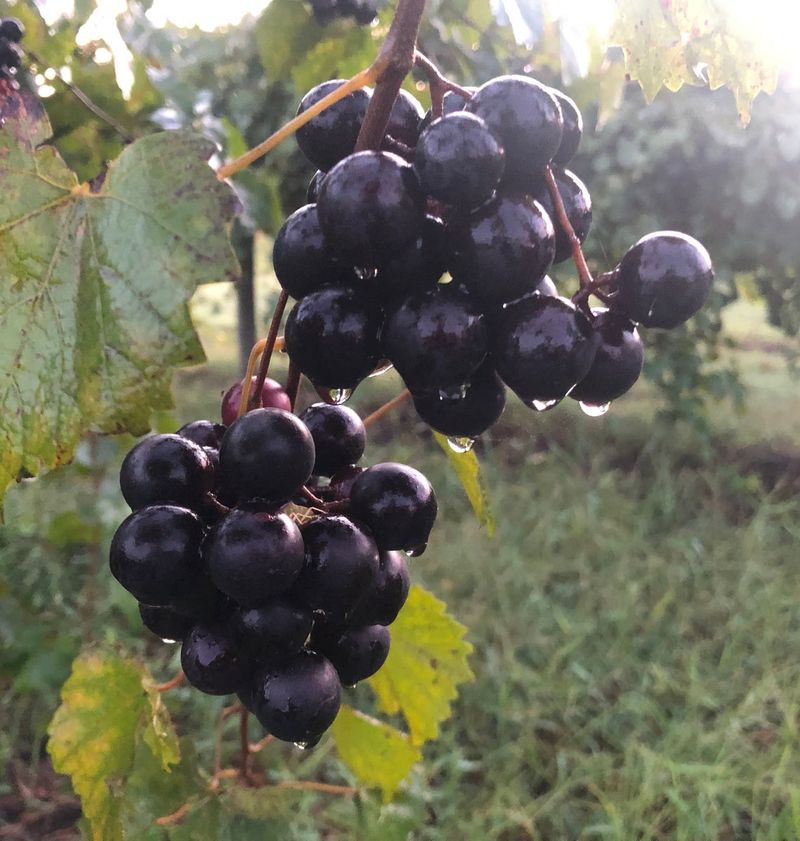
Winemakers reach for Noble when they want color that holds. Its rich red pigment stays stable, which is why commercial juice and wine producers across the Southeast plant it by the acre.
Berries run small to medium and deep purple-black, ripening in an early to mid window. In nearby North Carolina, September is typically harvest month, and Virginia growers see a similar timeline.
The vine is self-fertile, vigorous, and winter hardy, three traits that make it forgiving for beginners. Yields are generous once the plant reaches its third or fourth year.
Fresh eating is possible, though the thick skin and modest berry size push most people toward processing. Think bold red wine, deep purple juice, and jelly with real backbone.
Because Noble is self-fertile, it doubles as a pollinator for female varieties like Scuppernong. Gardeners often plant the two side by side for that reason.
Soil should drain well, with a pH near 6.0 to 6.5 for best nutrient uptake. A soil test through your local Virginia extension office takes the guesswork out.
Prune hard each winter, leaving spurs with two or three buds. Overgrown vines shade themselves and fruit quality slides.
Fun bit of history: Noble came out of North Carolina breeding work aimed squarely at juice and wine quality. That heritage still shows in every glass.
If your goal is a pantry full of homemade grape products, Noble belongs on the trellis.
6. Southern Home Adds Unique Leaves And Dark Grapes
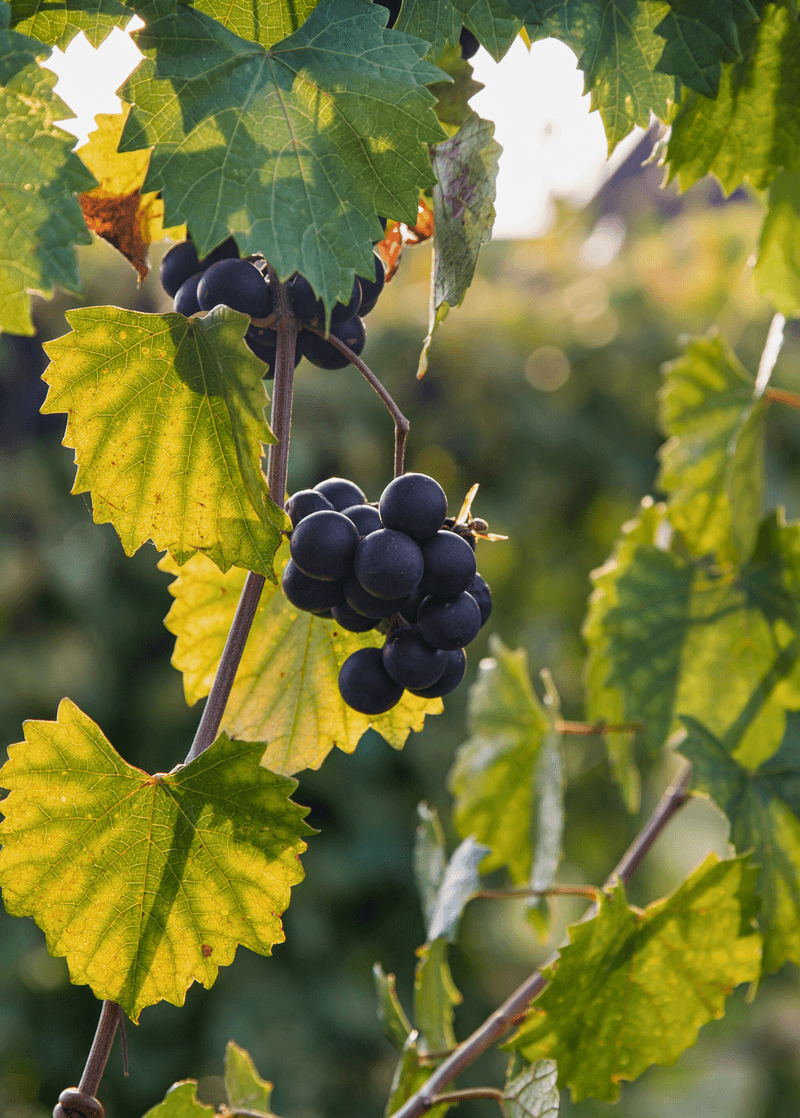
Here is the oddball of the bunch, and it wears its strangeness proudly. Southern Home has deeply cut, maple-like leaves that look nothing like a typical muscadine.
Gardeners plant it as much for looks as for fruit, training it over pergolas and shade structures. The foliage alone turns heads at neighborhood cookouts.
Fruit is medium-large and deep purple-black, with an aromatic flavor that skips the heavy musk most muscadines carry. Sweet with a tangy finish, it appeals to people who think traditional muscadines taste too wild.
Harvest stretches out remarkably long, starting around mid-August and trickling along into October or even November. A few grapes here, a bowl there, all season long.
The vine is self-fertile, highly productive, and resists many fungal diseases along with Pierce’s disease. Humid summers are exactly the conditions where that toughness pays off.
Use the fruit fresh, juice it, or turn it into jelly and wine. Its flavor makes an interesting blending component for home vintners.
Build a strong support before planting, because this variety grows with real enthusiasm. Flimsy fencing will sag by year three.
Trivia worth sharing: Southern Home is a hybrid, which explains those unusual leaves and its non-muscadine aroma. It came from Florida breeding work aimed at combining ornament with harvest.
For a backyard that needs shade, curb appeal, and dessert all at once, few vines multitask this well.
7. Delicious Produces Sweet Fruit For Fresh Eating
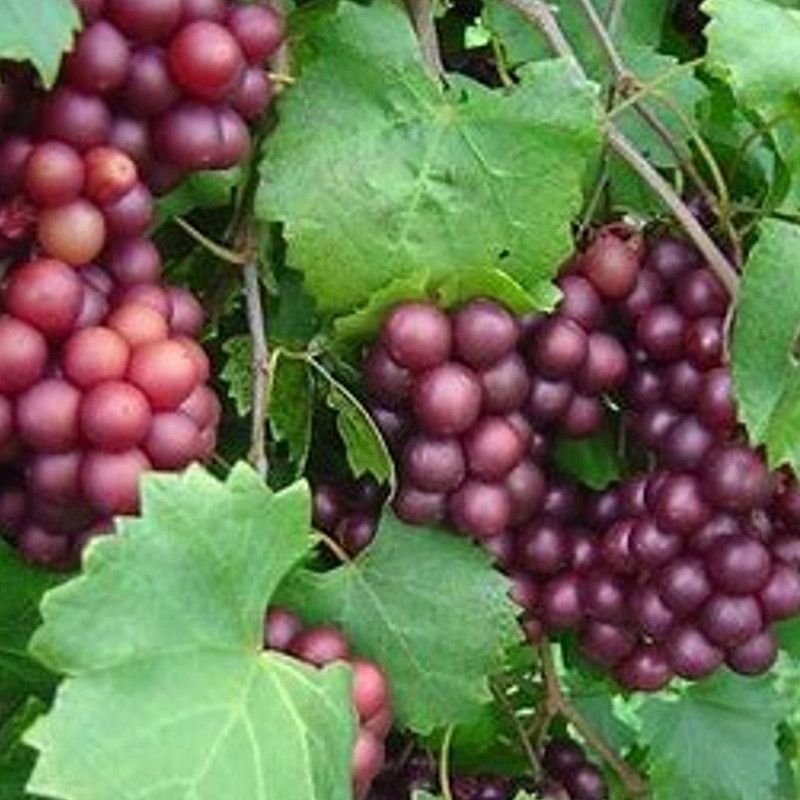
Some varieties are named modestly. Delicious skips the humility and tells you exactly what it is going for.
The big draw is timing. Fruit ripens two to three weeks ahead of many other muscadines, and it ripens evenly instead of dribbling in.
Berries are medium-large and black, with an intensely sweet taste that makes snacking dangerous. Skins are thin and edible, so no spitting required.
Self-fertile flowers mean a single vine will produce, which suits small yards and patio-side plantings. Yields are high once established.
Bred in Florida, this cultivar carries good vigor and disease resistance, traits that translate well to warm, sticky summers. Airflow and full sun keep leaves clean.
Fresh eating is the headline use, though a few home winemakers report promising results. Sweet muscadine wine from early fruit frees up the press before the late varieties arrive.
Plant in spring after frost risk fades, setting the vine at the same depth it grew in the pot. Water weekly the first season while roots establish.
Thin-skinned grapes bruise, so pick into shallow containers rather than deep buckets. Refrigerate promptly and eat within a week for best texture.
Because it ripens early, Delicious helps stretch a harvest calendar that might otherwise crowd into a single busy month. Pair it with a late variety and you snack from August into October.
Families with grape-loving kids tend to plant this one first.
8. Ison’s Muscadine Brings Large Grapes To Trellises
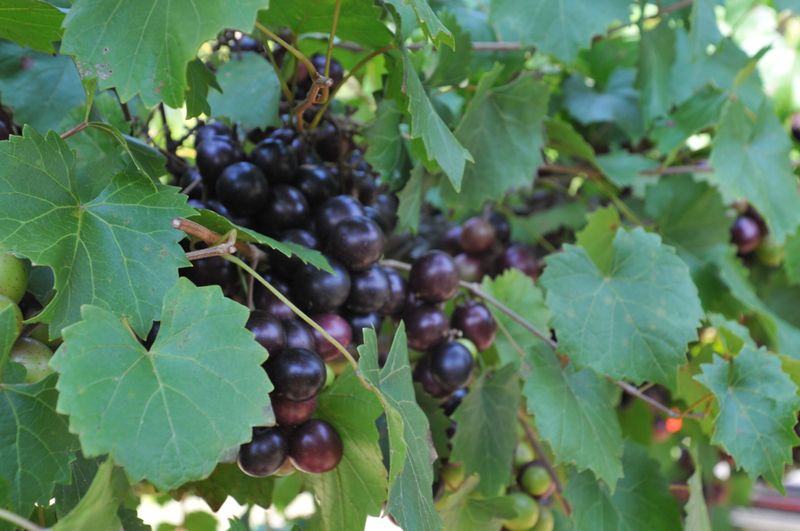
Nineteen percent sugar. That number alone explains why Ison keeps landing on best-of lists for home growers.
Clusters are genuinely pretty, holding medium-large to large black berries that ripen uniformly in the early to mid season. Uniform ripening means fewer picking trips and less fruit lost to birds.
The skin is tender enough to eat, which is good news nutritionally since muscadine skins hold much of the antioxidant content. Chew the whole grape and you get the full benefit.
Self-fertile flowers make Ison a one-plant solution, and it pollinates female varieties planted nearby. Versatility extends to the kitchen, where it performs for fresh eating, juice, jelly, and wine.
Disease resistance and productivity are both rated highly, a combination that keeps maintenance reasonable for busy gardeners. Fewer sprays, more picking.
Space vines roughly fifteen feet apart on a strong wire supported by sturdy end posts. Muscadine wood gets heavy, and sagging trellises are a common rookie regret.
Feed lightly in the first two years, then increase gradually as the vine fills its space. Too much nitrogen gives you leaves instead of grapes.
Expect a light first crop in year two or three, with serious production by year four. Patience is part of the deal with any perennial fruit.
Ison was selected and popularized by a long-running Georgia nursery family, and its staying power says plenty about consistent performance.
9. Late Fry Delivers Large Bronze Fruit Later In Season
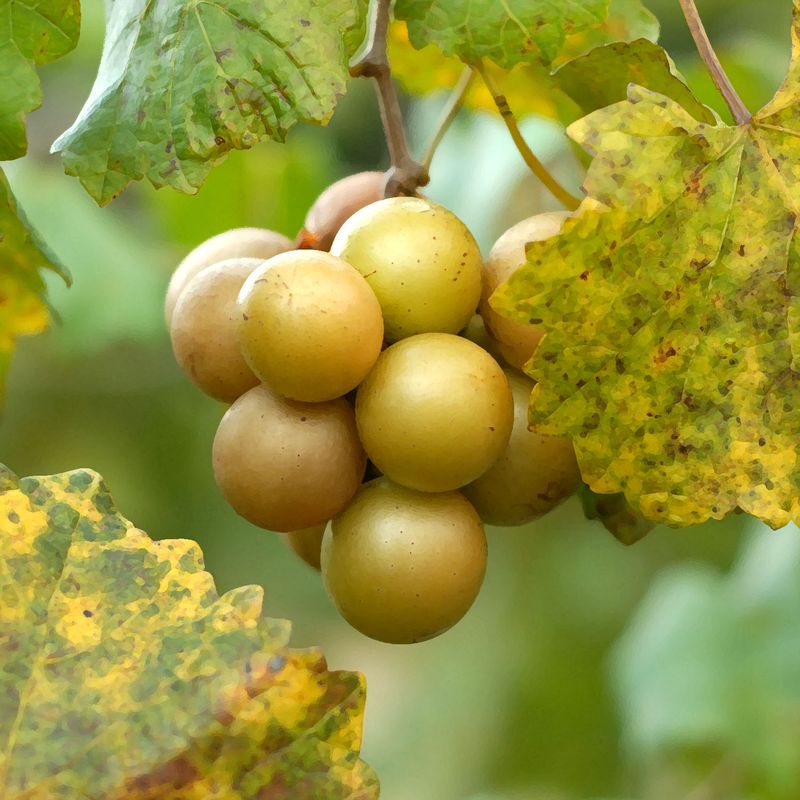
Twenty percent sugar and berries the size of small plums. Late Fry is the variety that makes visitors ask what on earth you are growing.
Fruit comes in bronze, juicy, and packed with traditional muscadine flavor. Skins are edible, so the whole grape goes down easily.
The name gives away its best trick. Ripening arrives late, extending the picking season after earlier varieties have finished.
For Virginia growers, that late window means grapes in the basket when the mornings start turning cool. Pair it with an early type and your harvest runs for two solid months.
Vines are vigorous, highly productive, and self-fertile, with strong disease resistance and good cold hardiness. Heat and humidity across the Southeast rarely slow it down.
Big berries need support, so build your trellis with pressure-treated posts and heavy gauge wire. Sagging fruit near the ground invites rot and critters.
Because the fruit hangs late, keep an eye on early frost dates in cooler parts of the state. A protected south-facing spot helps fruit finish sweet.
Harvest by rolling berries off gently rather than pulling clusters. Muscadines ripen berry by berry, not all at once.
Large-fruited types like Late Fry make wonderful gifts, since a single bowl looks impressive without any arranging. Neighbors will start hinting for cuttings.
If you want the last grapes of the year and the biggest ones too, Late Fry does both jobs well.
10. Triumph Gives Early Dark Grapes For Backyard Growers
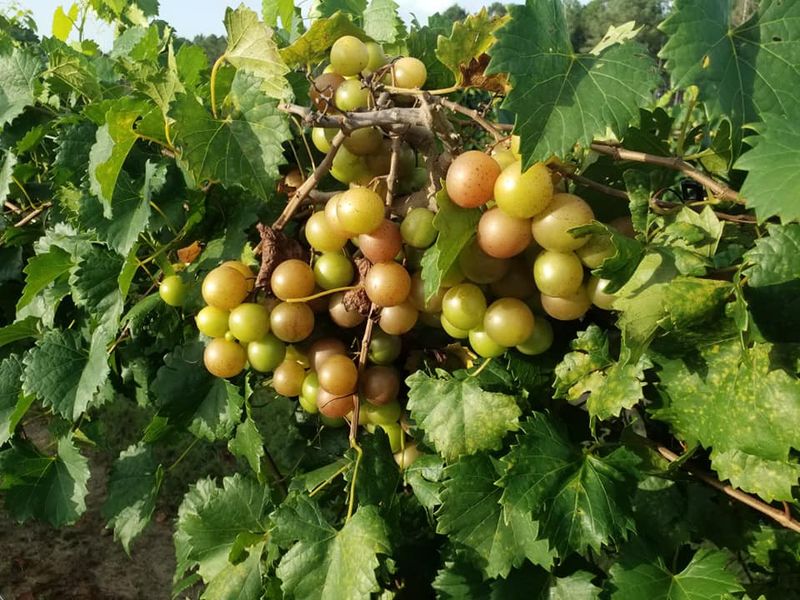
Crunch is the word growers keep using for Triumph. The pulp has a satisfying firmness that sets it apart from softer muscadines.
Berries are medium-large with an unusual bronze-pink blush, which looks striking in a bowl. Flavor is straightforwardly sweet without heavy musk.
Timing is its other selling point. Triumph ripens early in the muscadine season, giving impatient gardeners their first grapes well before the late varieties wake up.
The vine is self-fertile, vigorous, and high yielding, so a single plant delivers a real harvest. Production stays reliable year after year once roots are deep.
Cold hardiness and good disease resistance round out the package, both useful in Virginia where spring weather rarely follows a script. Established vines handle temperature swings without much drama.
Fruit works across the board: fresh snacking, juice, jellies, and wine. Home vintners like the early harvest because it spreads out the work.
Give Triumph full sun and a well-drained site, then prune back to spurs each winter while the vine is leafless. Clean cuts and good airflow prevent most problems.
Young vines benefit from a tree guard or mulch ring to keep mowers and string trimmers at a safe distance. Trunk damage sets a vine back badly.
Planting Triumph alongside Late Fry is a smart combination for any yard, since one starts the season and the other finishes it. Two vines, months of grapes, very little fuss.