A Strange Pink Haze Is Settling Over Alabama Yards This October And It Has Nothing To Do With Weather
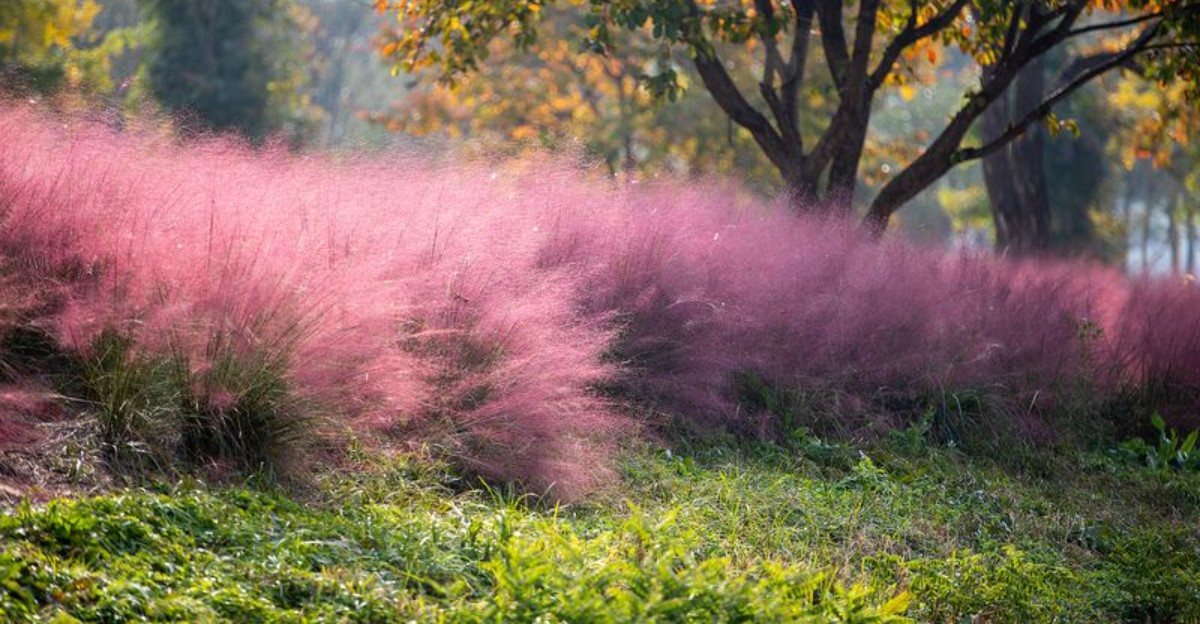
If you’ve noticed pink clouds hovering over Alabama lawns, driveways, and roadside beds this month, you’re not imagining things, and it isn’t fog.
It’s a native perennial grass that spends most of the year as a modest clump of fine green foliage, then saves its best show for fall.
In early fall, it sends up hundreds of airy flower stalks that blend into a single rosy haze, especially in the low light of early morning and evening.
Flower stalks usually emerge in late September, and color builds through October. It’s also tough, drought-tolerant, and rarely bothered by deer.
Below, we cover what it is, when it blooms, why some clumps never turn pink, and how to get yours looking its best next fall.
The Native Grass Behind The Rosy Cloud
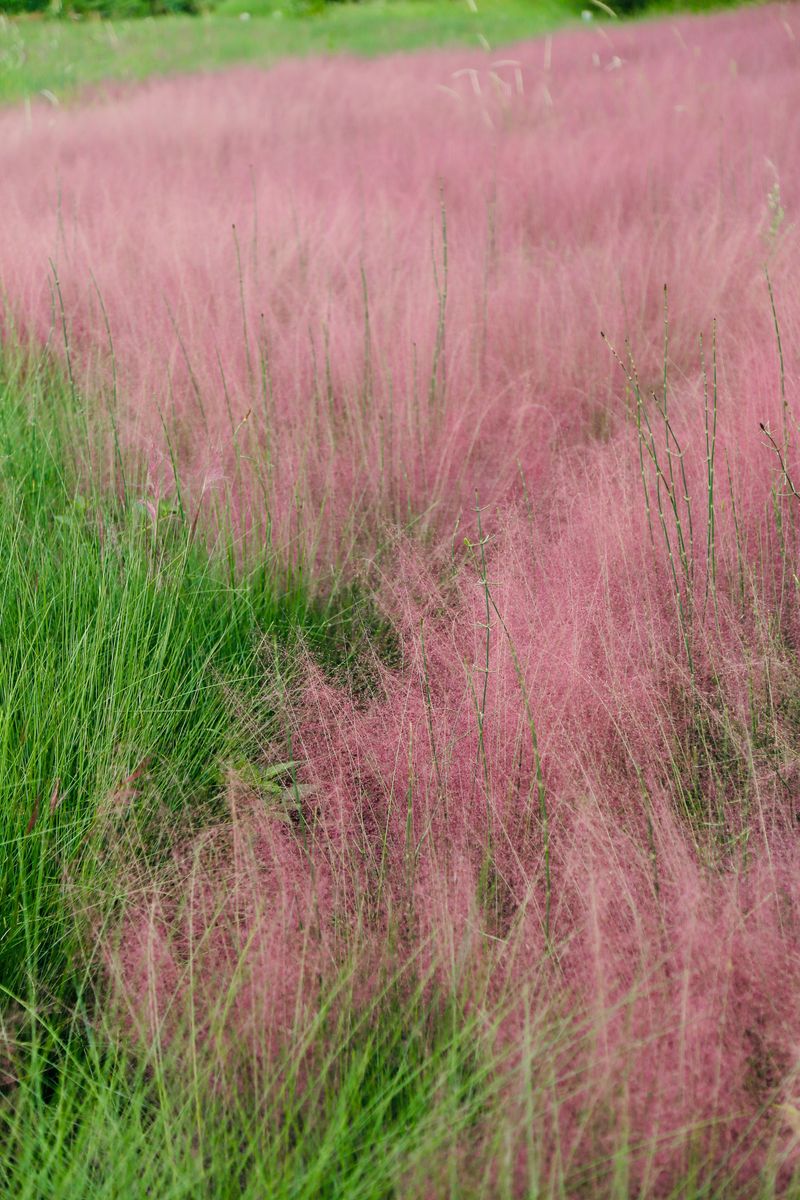
Walk past a bank of it at sunset and you might reach out to touch fog. The cloud is actually pink muhly grass, Muhlenbergia capillaris.
Each clump sends up hundreds of thread thin flower stalks in fall. Those stalks carry tiny blooms that read as one solid haze from a distance.
Foliage stays green and fountain shaped most of the year, roughly two feet tall. When flowering starts, the plant appears to grow noticeably within days.
Alabama gardeners sometimes assume it came from a catalog out west. It is native to the eastern United States, including woods and prairies across the South.
Coastal folks call it gulf muhly, since it thrives in sandy soil near Mobile Bay. Inland yards grow the same species with slightly different attitude.
Color ranges from cotton candy pink to a dusty purple, depending on light and cultivar. Backlighting from a low sun makes the difference dramatic.
Cultivars like Regal Mist push deeper rose tones, while White Cloud blooms pale and silvery. Both behave the same way in the garden.
Nurseries sell it small, which fools people into planting too many. Give one plant two seasons and it fills a surprising amount of space.
Deer generally leave it alone, and rabbits show little interest either. That alone earns it a spot in plenty of rural Alabama landscapes. Drought doesn’t bother an established clump much, which matters during a dry summer.
October Timing And The Bloom Window In Alabama
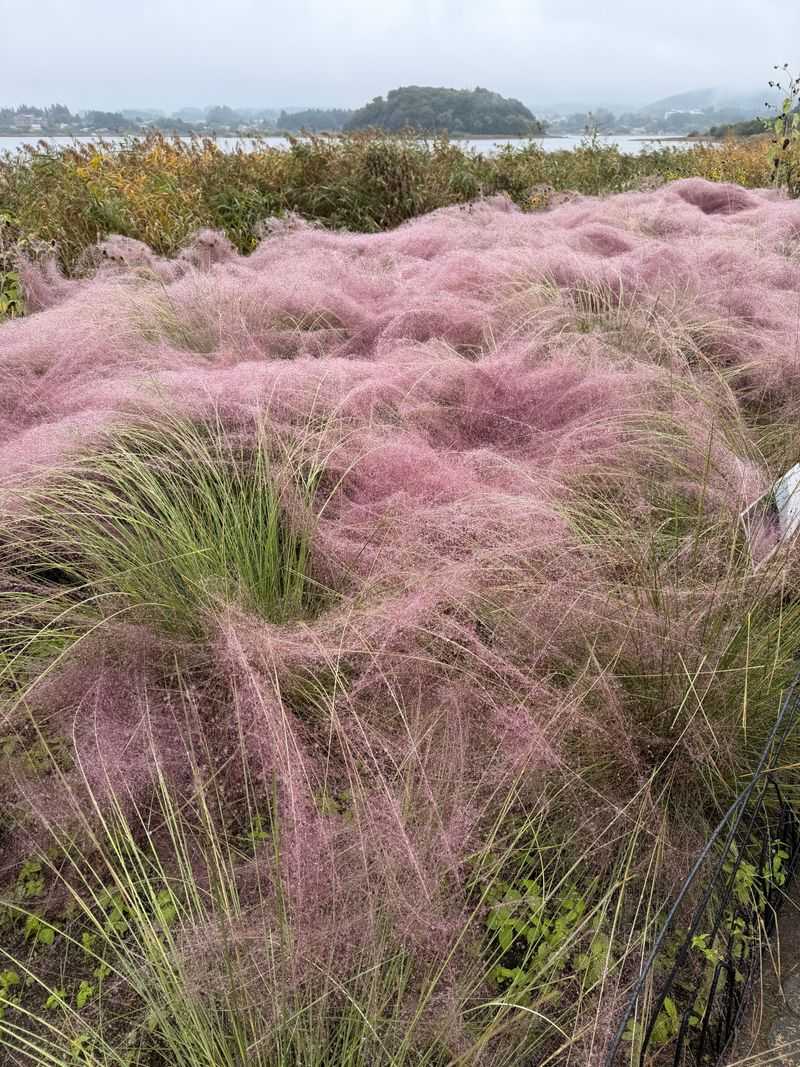
Timing is the whole trick with this plant, and October is the payoff. Flower stalks usually emerge in early fall, and color builds through October.
Gardeners report that north Alabama yards around Huntsville often color up a touch earlier than the coast. Mobile and Baldwin County gardens are said to stay showy into early November.
Shorter days are widely thought to trigger the bloom more than temperature does, according to gardening extension resources. Cloudy weeks only mute the show, they do not cancel it.
Peak color lasts roughly three to four weeks in most Alabama gardens. After that the plumes fade to a soft beige that still catches frost nicely.
Morning and evening are when the haze looks its best, thanks to low angled light. Midday sun flattens the color into something almost gray.
Your Alabama Garden Changes Every Week. Your Plan Should Too.
Gardening in Alabama changes quickly throughout the season. Every Friday you’ll receive a simple weekly plan showing exactly what to plant, prune, fertilize, harvest, and protect so you never miss the right timing.
Photographers in Alabama plan weekend trips around this window every year. Public gardens post updates once the first stalks blush.
First year plants sometimes skip the show or bloom thinly, which worries new owners. Patience usually solves that by the second autumn.
Planting in spring gives roots a full season before the first bloom attempt. Fall planting works too, though the display may wait a year.
Hurricane season rains can flatten stalks temporarily, especially near the Gulf. Clumps generally stand back up within a few sunny days.
If you missed it this year, plan to watch for the first stalks early next fall. Neighbors often ask for cuttings mid bloom, which rarely works well. Point them toward a nursery instead and keep your clump intact.
The Overwatering Mistake That Mutes The Color
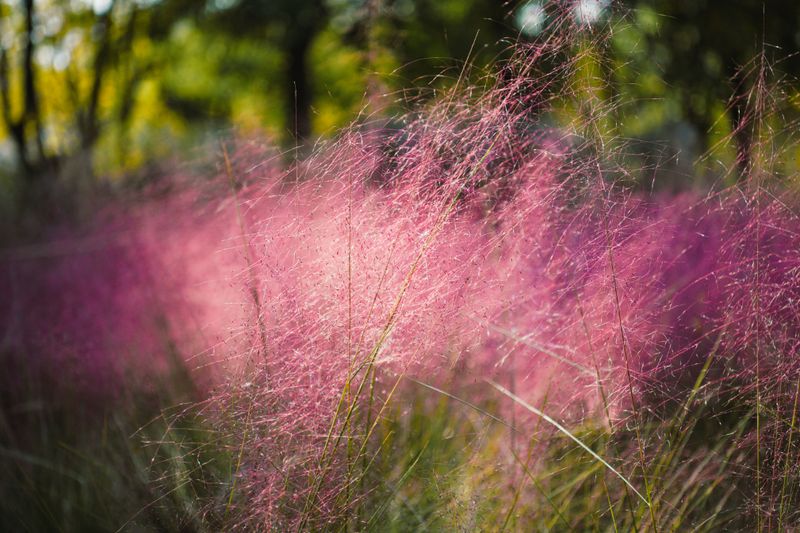
Overwatering is the usual cause when a clump grows loose and open. Extra water and fertilizer make lush green growth and weak flower stems.
Muhly grass evolved in lean, sandy, sometimes rocky ground across the Southeast. Pampering it with compost rich beds works against that genetic memory.
Heavy red clay in north Alabama holds water long after a storm passes. Roots sitting in soggy soil rot, and blooms thin out or fail to appear.
Sprinkler systems cause plenty of trouble, since lawn schedules run far too often. A clump on a daily irrigation zone rarely blooms well.
Shade is the second common error, and four hours of sun will not do. Six or more hours of direct light produces the thickest haze.
Crowding matters too, because a plant squeezed between shrubs stretches and leans. Three feet of elbow room keeps the fountain shape tidy.
Cutting the grass back in October ruins the very thing people planted it for. Save the shears for late winter and enjoy the plumes.
Mulch piled against the crown traps moisture and invites soft, mushy stems. Keep mulch thin and pulled back a few inches.
Container plantings dry out faster, so those do need occasional attention. Ground planted clumps mostly want to be left alone.
Fertilizer labels tempt new owners with promises of bigger blooms. Skip it. This grass blooms best in lean soil.
Think benign neglect rather than daily fussing, and the color repays you. The lazy gardener genuinely wins this one.
Sunlight, Drainage, And A Simple Spring Cutback
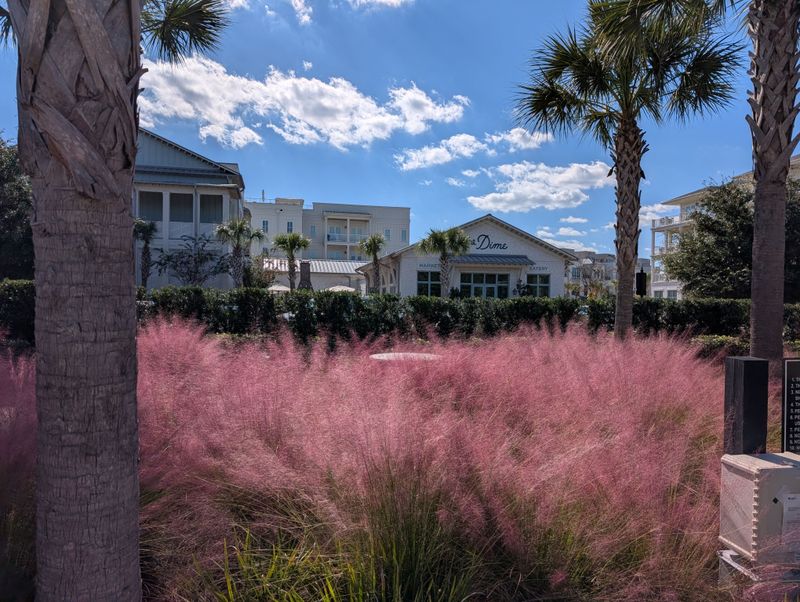
Fixing a sulking clump usually takes a shovel, not a bottle of plant food. Move it somewhere sunny and the difference shows the next fall.
Drainage comes first in Alabama clay, and a raised berm solves most problems. Mix in coarse sand or fine gravel to loosen the bed.
Plant the crown slightly high rather than sunk into a bowl. Water pooling around the base is the fastest route to trouble.
Late February or early March is the window for cutting old growth. Shear the clump to about four to six inches above the ground.
Hand pruners work on small plants, though hedge shears save your wrists. Some folks bundle the clump with twine first for a clean cut.
Dividing every three or four years keeps the center from going hollow. Dig in early spring, split with a sharp spade, and replant immediately.
New transplants want steady moisture for the first six or eight weeks. After that, taper off and let rainfall handle the rest.
Lean soil produces stiffer stems that hold their plumes upright, so there’s no need to feed the roots.
Grouping three or five plants reads better than a single lonely clump. Mass plantings create that famous fog effect along a driveway.
Space each plant about three feet apart, measured center to center. Crowded rows lose the airy look within two seasons.
A tired old clump often revives within one season after these changes. Gardening often rewards patience.
Fall Curb Appeal And Backyard Wildlife Benefits
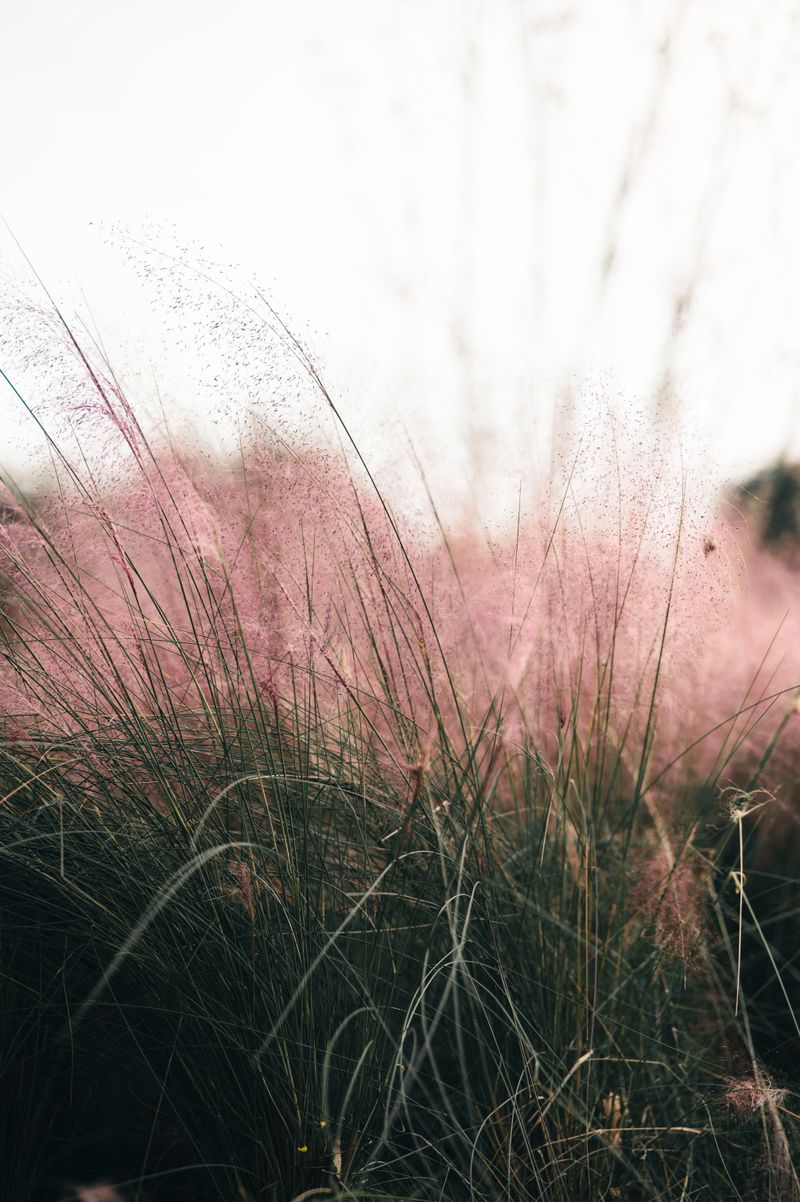
Some homeowners say a pink hedge noticeably boosts a front yard’s appeal in autumn. Beyond looks, the plant earns its keep with wildlife in Alabama yards. Small songbirds pick seeds from the stalks through winter.
Sparrows and finches treat a mature clump like a roadside diner. Dense bases also give shelter to beneficial insects during cold snaps.
Some skipper butterfly species are known to use native muhly grasses as host plants for caterpillars, according to regional wildlife gardening guides. That makes the planting useful long before October arrives.
Pollinators skip the flowers, since grasses rely on wind for pollen. The value sits in seed, cover, and caterpillar food instead.
Roots run deep and fibrous, which holds soil on slopes and ditch banks. Erosion control comes free with the pretty part.
Water bills drop once clumps settle in, since they shrug off dry spells. Alabama summers test plants, and this one passes.
Salt spray along the Gulf Coast bothers many ornamentals but not this grass. Beach house landscapes lean on it heavily for that reason.
Winter turns the plumes a wheat color that glows in frosty morning light. Leaving them standing gives the yard structure until March.
Pairing it with black eyed Susans or little bluestem stretches the season. Purple asters beside pink plumes make a fine October combination.
Some Alabama homeowners say passersby occasionally stop to ask questions. Many owners enjoy the attention it draws.
This plant offers strong visual payoff for relatively low maintenance. The grass asks for sun and mostly handles the rest.
Winter Care And The Return Of Next Year’s Pink
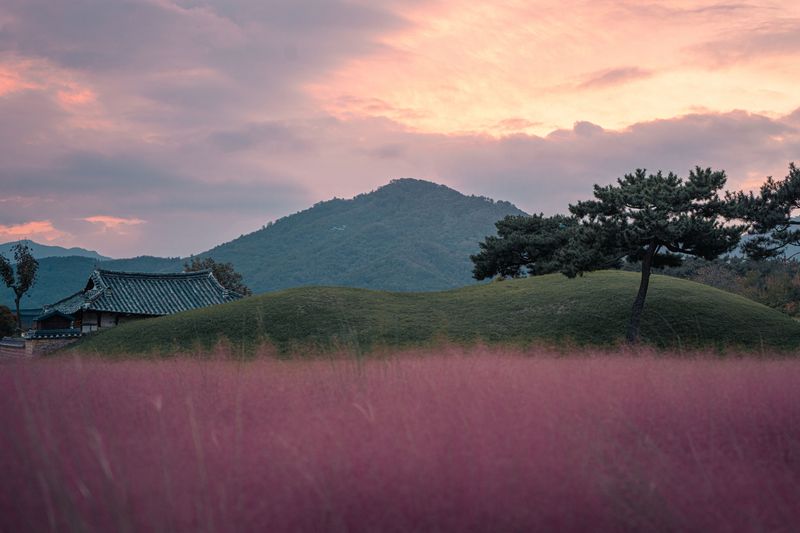
Keeping the haze on repeat comes down to a few habits, none of them hard. Resist the urge to tidy the clump before spring.
Old foliage insulates the crown during cold snaps in north Alabama. Bare crowns face more damage during an ice storm.
Once new green shoots appear at the base, the old growth has done its job. Cut then, and do not wait until shoots grow tall.
Clipping into fresh growth leaves blunt brown tips for the rest of the season. Timing beats technique with this particular chore.
Seedlings sometimes appear nearby, and they transplant easily in spring. Pot the extras and hand them to a curious neighbor.
Watch the center of older clumps for a bald, woody patch. That signal means division time has arrived.
Avoid piling leaves over the crown during fall cleanup, since wet mats smother it. Rake around the plant rather than onto it.
Check that nearby shrubs have not grown over the clump across the years. Shade creeps in slowly and steals the bloom.
Mowing crews sometimes scalp these clumps by accident in October. A ring of stones or a quick note prevents accidental damage.
Skip the spring fertilizer, even when the lawn crew offers a package deal. The grass performs better hungry than stuffed.
With that short routine, a single clump can perform for a decade or longer. Many Alabama plantings outlast the mailbox beside them.
Next October the haze returns without asking permission. That reliability is a welcome trait in a garden.