Something Is Already Changing Color In New Jersey Weeks Before Most People Start Looking
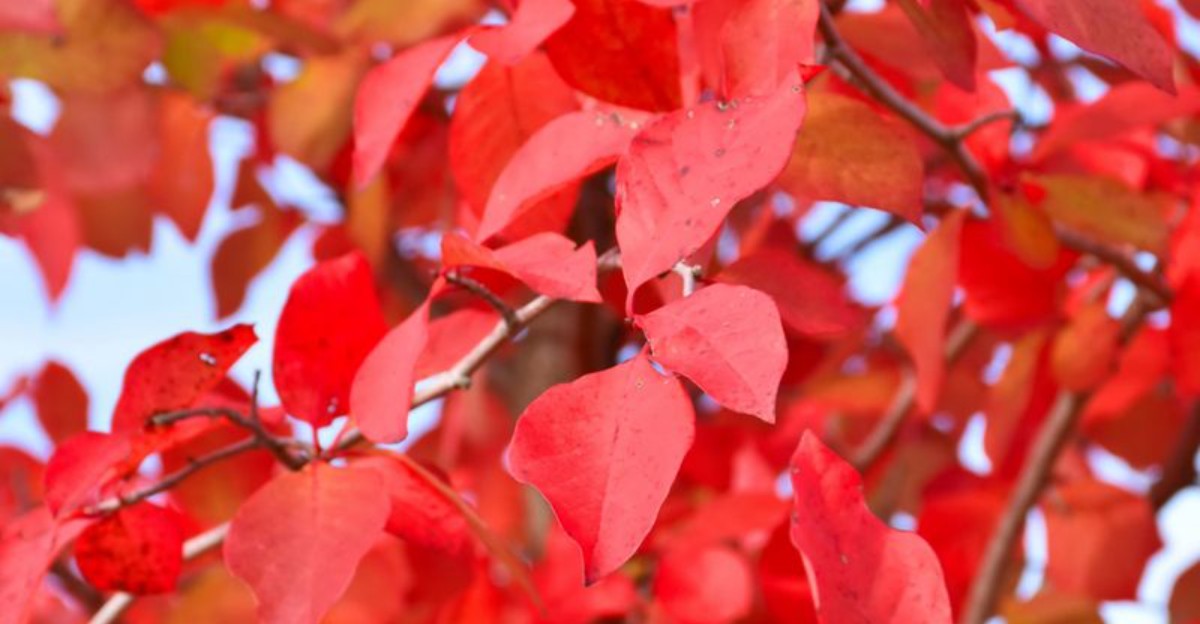
You spot it before you understand it. Along a New Jersey roadside, a lone tree glows deep scarlet. Neighboring trees around it stay in plain, ordinary summer green.
Drivers passing assume the tree is stressed or confused. Wrong on both counts. That tree follows a private timetable centuries in the making.
Its leaves shift color as chlorophyll retreats ahead of schedule. Nobody forced this early change, and it is not a sign of distress. Some trees like it predate the towns around them.
New Jersey hides more of these early risers than you realize. Your daily route likely passes it without stopping to look.
Once you learn its silhouette, you start spotting it everywhere. The weeks before October’s real show get dismissed as filler. This tree keeps its own calendar, and you need to see it.
Black Gum, One Of The State’s Earliest Scarlet Trees
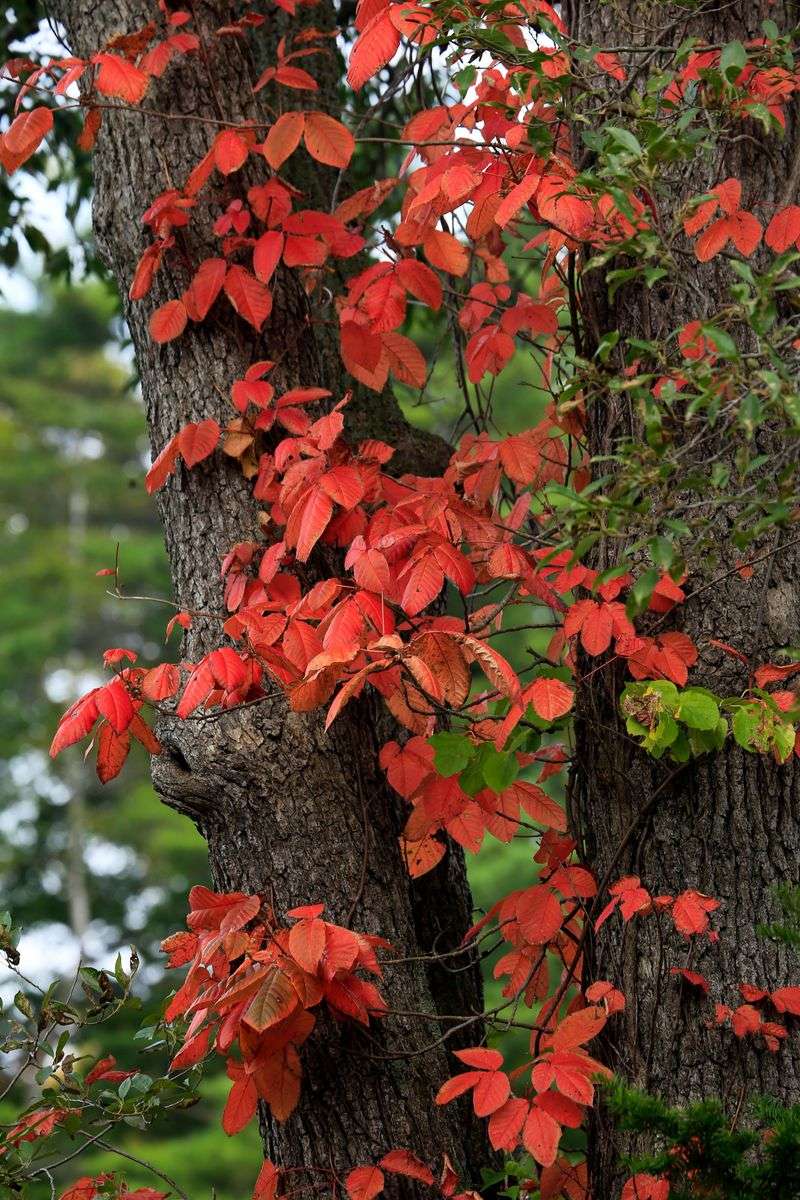
Long before maples get any attention, one native tree turns a sudden, striking red. Black gum, also called black tupelo, is the quiet culprit behind much of New Jersey’s earliest red.
Botanists know it as Nyssa sylvatica, a tree found in swamps, on ridges, and in old pastures. Its leaves turn glossy scarlet while most of the forest still looks stubbornly green.
The color often starts on a single branch, usually one catching the most afternoon sun. Within days, that branch glows crimson against a background of ordinary summer foliage.
Drivers spot it along highways and country roads across the state. Many assume the tree is stressed, but early red is simply its normal habit.
Black gum leaves are oval, smooth-edged, and thick, with a waxy shine that catches light. That shine is part of why the red looks almost wet, even on dry afternoons.
Black gums can live for centuries. Tree-ring studies have dated some New England specimens past 500 years, and old-growth swamp trees in Cumberland County, New Jersey, have been estimated at 400 to 500 years old.
Squirrels and birds care less about color and more about the small blue fruit. Those tart berries feed thrushes, robins, and wild turkeys through early autumn.
Once you learn the shape and shine, you will notice these trees everywhere each fall. The forest suddenly has a preview you can’t unsee.
Give the tree one glance in late summer or early fall and you will understand the fuss. It is New Jersey’s fall preview, arriving ahead of the maples.
Sunlight, Sugar, And The Chemistry Of Early Red
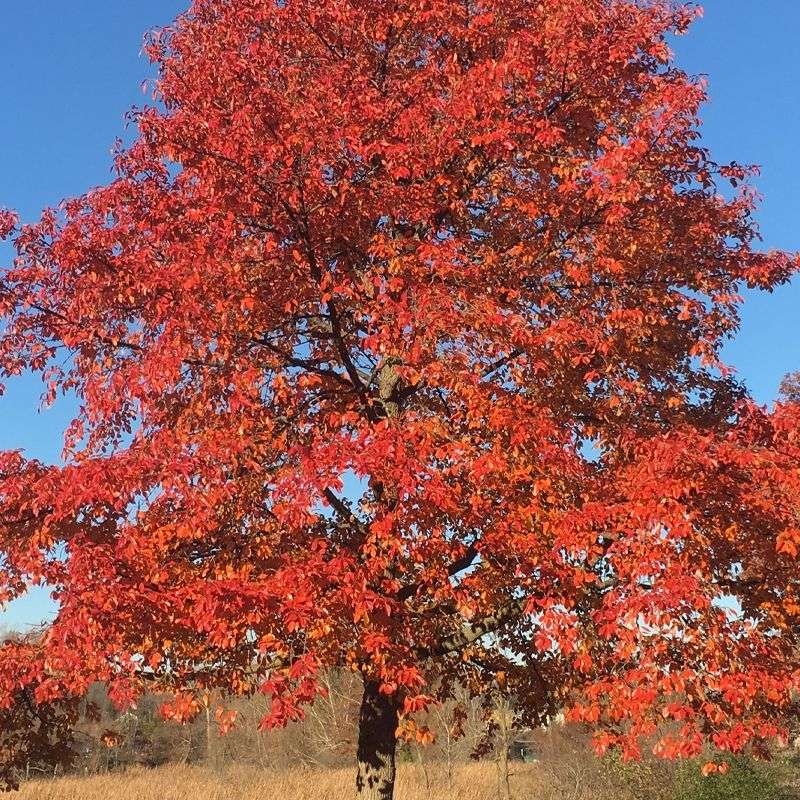
Red leaves are not just old green leaves fading out. The tree actively builds new pigments called anthocyanins as daylight shortens each fall.
Chlorophyll, the green pigment, breaks down first once nights turn cool and long. What remains underneath is a mix of yellows, oranges, and freshly made reds.
Black gum happens to be an eager anthocyanin producer, especially in bright sunlight. Sugar trapped in the leaves fuels that pigment factory during warm days and chilly nights.
One leading theory suggests the red acts like sunscreen, protecting leaf tissue during nutrient recovery. The tree pulls nitrogen back into its twigs before the leaf finally drops.
Your New Jersey Garden Changes Every Week. Your Plan Should Too.
Gardening in New Jersey changes quickly throughout the season. Every Friday you’ll receive a simple weekly plan showing exactly what to plant, prune, fertilize, harvest, and protect so you never miss the right timing.
Trees growing in full sun redden earlier than shaded neighbors in the same woodlot. Stress from drought or poor soil can nudge the color even further ahead.
New Jersey’s coastal plain sand and inland ridges both suit black gum well. Each site produces slightly different timing, which stretches the show across several weeks.
Warm autumns can mute the intensity, while cool, clear nights sharpen it beautifully. Rain and wind matter too, since soaked leaves drop before reaching peak brilliance.
Photographers chase this window because the contrast against green is strongest while the surrounding forest is still green. Once the maples and oaks turn, red against red does not pop the same way.
Curious kids can test it by comparing sunny and shaded leaves from one tree. The difference in color is usually obvious within a single afternoon.
Understanding the chemistry makes the sight more fun, not less. Every scarlet leaf is basically a tree doing careful bookkeeping before winter.
The Black Gum Color Calendar In New Jersey
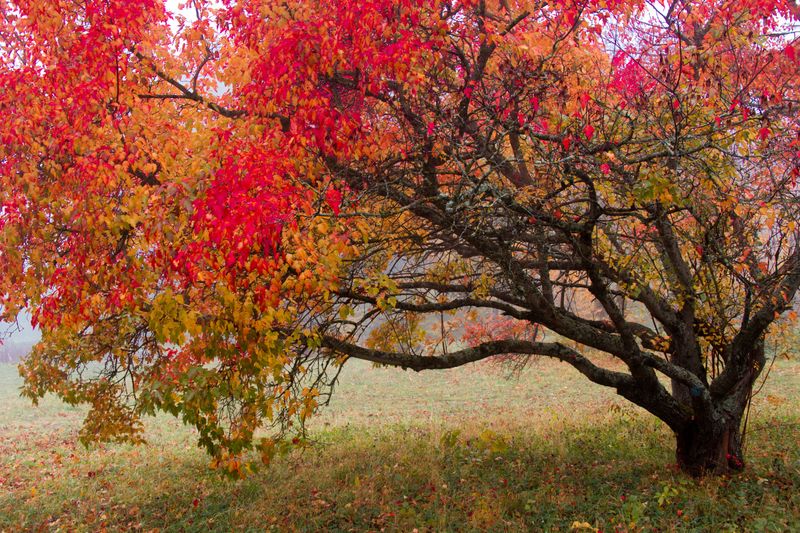
Expect the first scattered red leaves in late summer in southern New Jersey. Scattered red leaves show up while beaches are still crowded and humid.
Soon after, whole branches flush scarlet in the Pine Barrens and along swamp edges. Northern counties often follow a week or two later, but elevation matters more than latitude.
Peak black gum color usually lands in the weeks before mid-October. Maples, oaks, and hickories are just beginning their own turn around then.
Leaf drop comes fast once the tree finishes, sometimes within a week of peak. A single windy storm can strip a glowing crown down to bare gray twigs.
Ridge-top trees in Sussex and Warren counties often color ahead of valley trees. Cold air pooling and thinner soil both push the schedule forward.
Wet years delay things slightly, while dry summers speed the whole process along. Gardeners notice the same pattern in street trees and park plantings.
Near the coast, color tends to arrive a bit later than inland, since milder shore temperatures and later frosts slow the change. Trees around Cape May can lag inland trees by a week or more.
Southern New Jersey colors earlier than the north, but the immediate coast runs later than the inland pinelands.
Timing varies by tree, not just by region, which keeps the season interesting. Two black gums side by side can differ by a full week.
Plan trips earlier than you think, because by mid-October many black gums have already dropped their best leaves.
Keep a phone note each year with dates and locations where you spotted color. After two seasons, your personal calendar beats any regional forecast map.
Common Mix-Ups With Sassafras, Sumac, And Dogwood
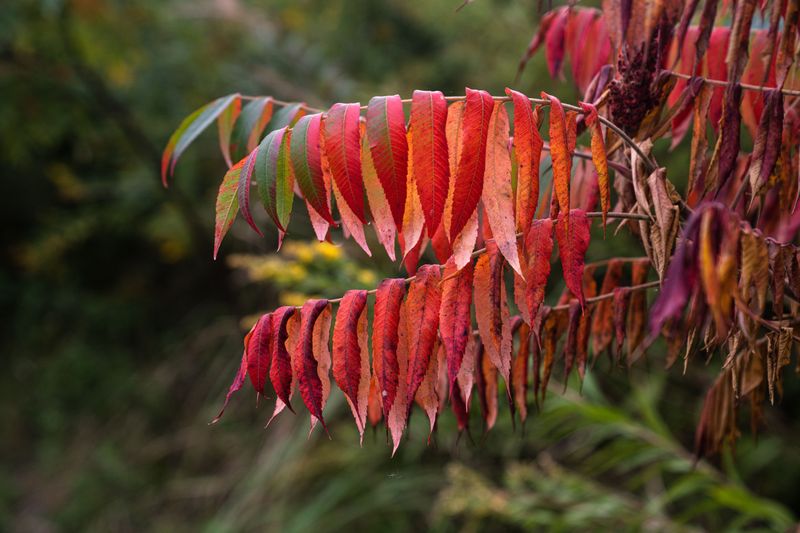
Plenty of people point at early red and confidently call it a maple. Sassafras, sumac, and flowering dogwood also turn early, which adds to the confusion.
Sassafras leaves come in mitten and three-lobed shapes, nothing like the smooth black gum oval. Its color leans orange and gold more often than pure scarlet.
Staghorn sumac forms shrubby clumps with long compound leaves and fuzzy red fruit spikes. Black gum stands tall and single-trunked, with branches that extend out nearly horizontally.
Flowering dogwood reddens early too, but its leaves show curved veins and a duller finish. Dogwood berries are bright red clusters, while black gum fruit is small and blue-black.
Another mix-up involves red maple, which occasionally throws early color in wet ground. Maple leaves have pointed lobes and grow in pairs directly across from each other.
Black gum leaves alternate along the twig instead of sitting opposite one another. That single detail settles most roadside arguments in about three seconds.
Bark helps as well, since mature black gum develops blocky, alligator-hide ridges. Older trunks look like stacked charcoal squares, which is hard to mistake.
Winter buds and horizontal branching give the tree a stiff, layered silhouette. Learning it once means recognizing it from a moving car for years afterward.
Field guides help, but photos of the glossy upper leaf surface are even better. Black gum leaves feel leathery and stiff compared with softer dogwood foliage.
Getting the identification right changes how you see roadsides and swamp edges. Suddenly the same drive you take daily looks far more interesting.
Prime Spots For Early Tupelo Color Across The Garden State
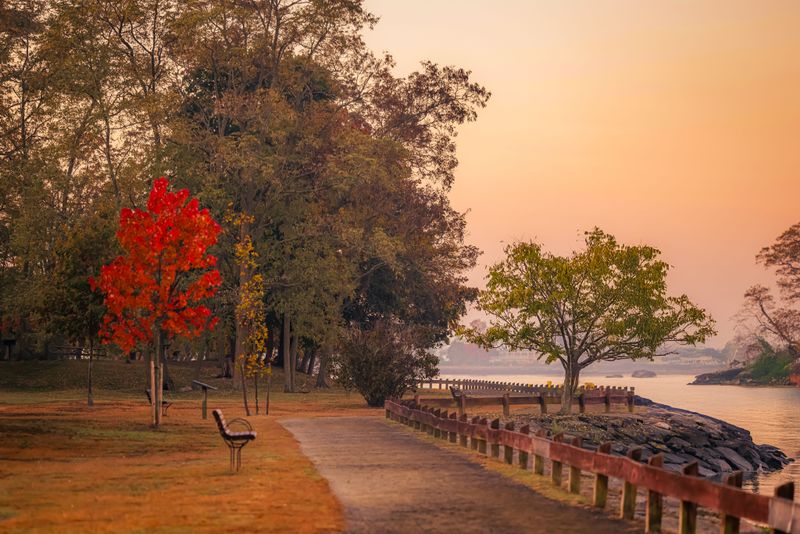
Swamps and pond edges are the classic hunting grounds for early tupelo color. Water-loving roots make black gum common in wet lowlands across the state.
The Pine Barrens deliver reliable early red around cedar swamps and stream corridors. Wharton State Forest and Batsto Village reward anyone willing to walk slowly.
Great Swamp National Wildlife Refuge in Morris County offers boardwalks and open water views. Scarlet crowns reflect on still ponds, which photographers appreciate deeply.
Along the Delaware Water Gap, ridge trees color early above the river corridor. Mount Tammany overlooks show scattered red patches weeks before the main event.
Cheesequake State Park blends coastal marsh and upland forest in one compact area. Black gum grows along several trails there, often right beside the path.
Belleplain State Forest and Parvin State Park cover the southern half nicely. Both hold mature specimens near water, where black gum color shows up reliably.
Neighborhood parks count too, since landscapers plant black gum for its shape and shade. Check school grounds, corporate lawns, and older cemeteries around your town.
Bring binoculars, because the first red often appears high in the canopy. Ground-level leaves may stay green while the top burns bright scarlet.
Early mornings give softer light and fewer crowds on popular boardwalk trails. Fog over a swamp with red crowns above it makes for a striking scene.
Respect wet habitats by staying on marked paths and boardwalks throughout your visit. Swamp soil recovers slowly, and your boots will thank you anyway.
Backyard Planting And Care For Future Autumn Shows
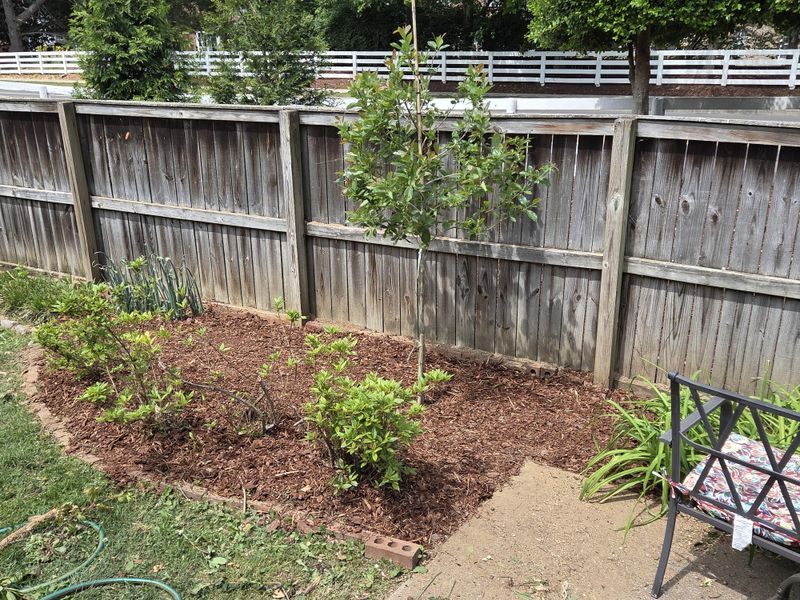
Homeowners who want this color can plant black gum and skip the road trip. The tree handles New Jersey clay, sand, and seasonal flooding without much complaint.
Choose a spot with full sun, since shade dulls the red considerably. Allow room for a mature height of roughly 30 to 50 feet and a spread of 20 to 30 feet in a typical yard, though old trees in the wild can grow considerably taller.
Confirm exact spacing with a local nursery or Rutgers Extension. Young trees resent transplanting because of a deep taproot that forms early. Buy container-grown stock and plant in spring for the smoothest establishment.
Water weekly through the first two growing seasons, especially during dry July stretches. Mulch three inches deep, keeping the material away from the trunk itself.
Skip heavy fertilizer, which pushes soft growth and weakens the tree’s natural toughness. Compost topdressing once a year does plenty for soil life and roots.
Pruning needs are light, mostly removing crossing branches while the tree is young. Late winter is the best window, before sap starts moving again.
Named varieties like Wildfire and Red Rage are selected for consistent color. Ask a nursery about disease resistance.
Wildfire even pushes new spring leaves in deep burgundy, which surprises visitors.
Deer occasionally browse young stems, so cage saplings for the first few winters. A simple wire ring solves the problem cheaply and quickly.
Bees love the small spring flowers, offering an early nectar source each year. Wildlife benefits arrive long before the tree becomes a neighborhood landmark.
Patience pays off, since visible impact typically arrives after several growing seasons. After that, your yard hosts the first color of the season every fall.