Why Alabama’s Storms Are Pushing Fire Ants To The Surface Right Now
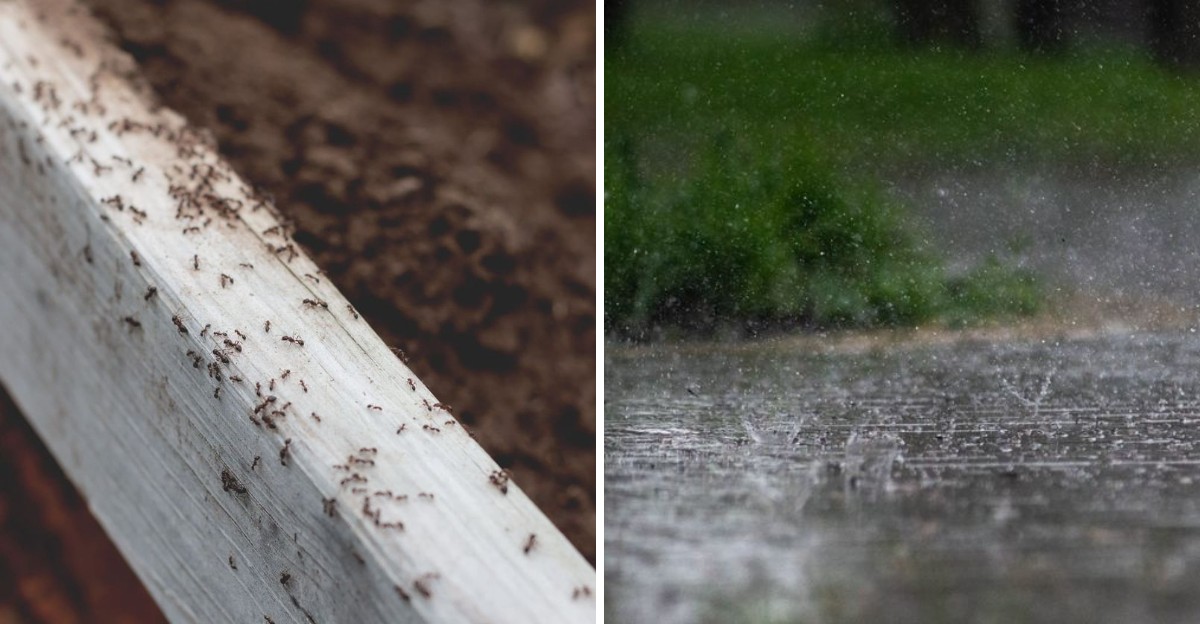
Rain unlocks a hidden world beneath your boots in Alabama. Fire ants sense the flood before you even feel it. Soggy tunnels push those colonies toward your flower beds fast.
Fresh mounds appear across your lawn almost overnight. You notice them quickly along driveways and fence lines. Warmth keeps colonies active in your yard longer. September storms in Alabama only push them closer to you.
Sunlight along your flower beds pulls them toward drier ground. Barefoot steps show you exactly how crowded that soil becomes. Poke a mound near your porch and watch it shift.
Weather shifts trigger fresh construction in your yard within hours. Cooler nights are coming, but colonies race against you. Understanding this rhythm changes how you handle your yard.
Storms this time of year test your soil hard. Humidity traps moisture beneath your feet after skies clear. What you do next determines how bad this gets.
1. Soggy Soil Turns Tunnels Into Bathtubs
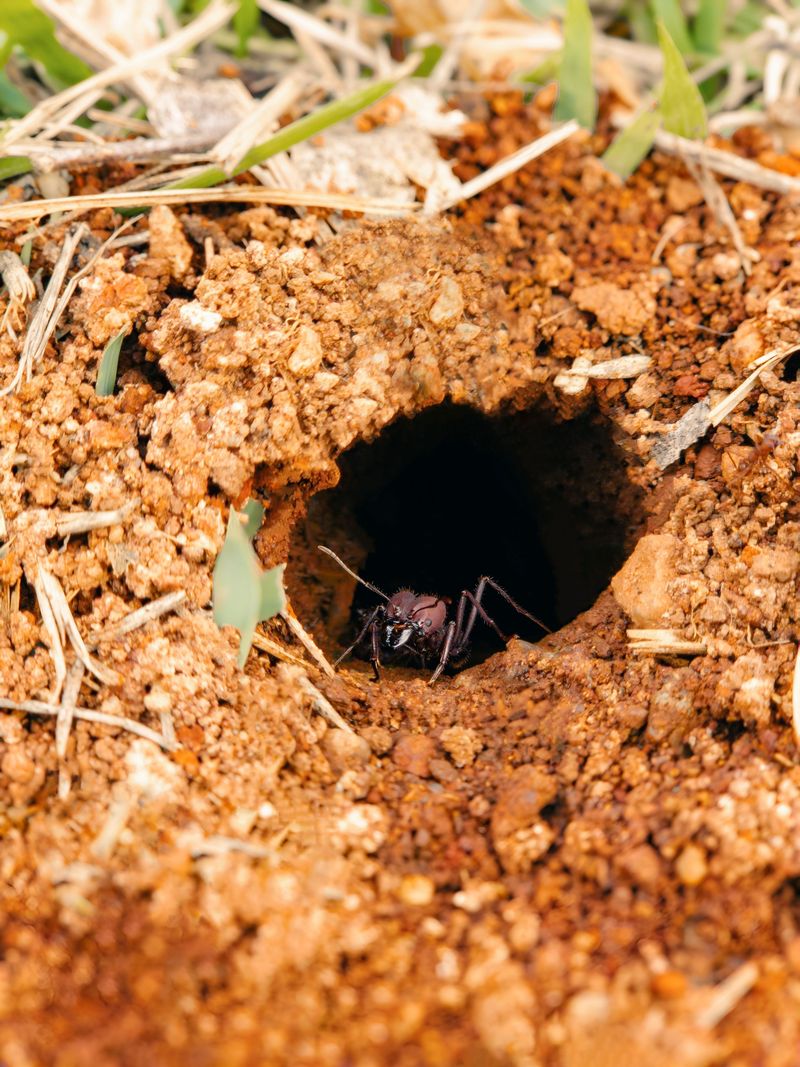
Picture a basement apartment during a downpour. That is roughly what a fire ant colony deals with when Alabama’s late-summer storms roll through.
Fire ant nests are built as networks of narrow tunnels reaching a foot or more below the surface. Water fills those lower passages first, squeezing air out and leaving the workers with soggy hallways.
Since ants breathe through tiny openings along their bodies, flooded tunnels are a problem they cannot ignore. Their solution is simple: move up.
The colony hauls brood, meaning eggs and young, toward the drier upper chambers near the surface.
All that digging and hauling pushes loose soil out the top, which is why mounds look taller and fluffier the morning after a storm. The classic dome shape works like an attic, warm and above the waterline.
For homeowners, the practical takeaway is timing. Treatments applied to saturated ground often wash away or sink past the nest, so waiting a day or two after rain usually gives better results.
Walking the yard in boots after a storm is also smarter than sandals. Mounds that were flat and hidden last week can be ankle-height surprises now.
A quick fun bit of history: fire ants are widely believed to have arrived near the port of Mobile sometime in the 1930s or 1940s, likely riding along in soil used as ship ballast.
Alabama’s clay-heavy ground and steamy climate turned out to be a comfortable landing spot, which is part of why the state still sees such heavy activity every rainy stretch.
2. Warm September Ground Keeps Colonies Wide Awake
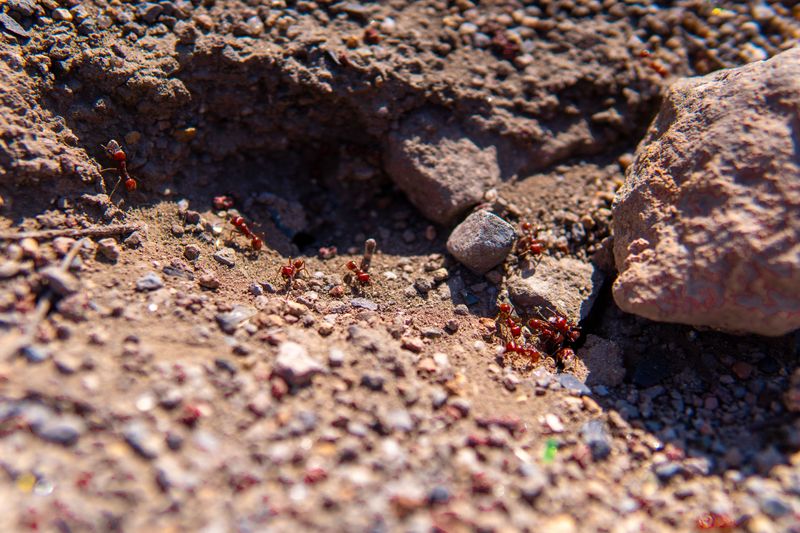
Soil holds heat like a cast-iron skillet. Even when mornings finally hint at fall, the top few inches of Alabama ground stay in the seventies and eighties through September.
Fire ants are busiest when soil sits between roughly 70 and 85 degrees. That range describes the state almost perfectly right now, so colonies are foraging, tending brood, and expanding rather than settling down.
Add storm water to warm dirt and you get a burst of visible construction. Workers repair damage, rebuild collapsed tunnels, and often shift the whole nest a few feet to better-drained ground.
Your Alabama Garden Changes Every Week. Your Plan Should Too.
Gardening in Alabama changes quickly throughout the season. Every Friday you’ll receive a simple weekly plan showing exactly what to plant, prune, fertilize, harvest, and protect so you never miss the right timing.
Homeowners frequently assume a mound moved because of something they applied. More often the colony relocated on its own after water made the old address unpleasant.
Because activity is high, baits work unusually well during this stretch. Foragers are out hunting protein and oils, so they carry granules back to the queen quickly instead of leaving them to spoil.
A good rule is to scatter bait when the grass is dry and no rain is expected for about a day. Late afternoon tends to beat midday, since blazing sun can cook the bait’s appealing oils.
Watch where you see trails crossing sidewalks or mulch edges, too. Those pathways tell you the colony’s favorite routes, which helps you place bait where it gets found fast rather than guessing at random spots.
3. The Colony’s Flood Response
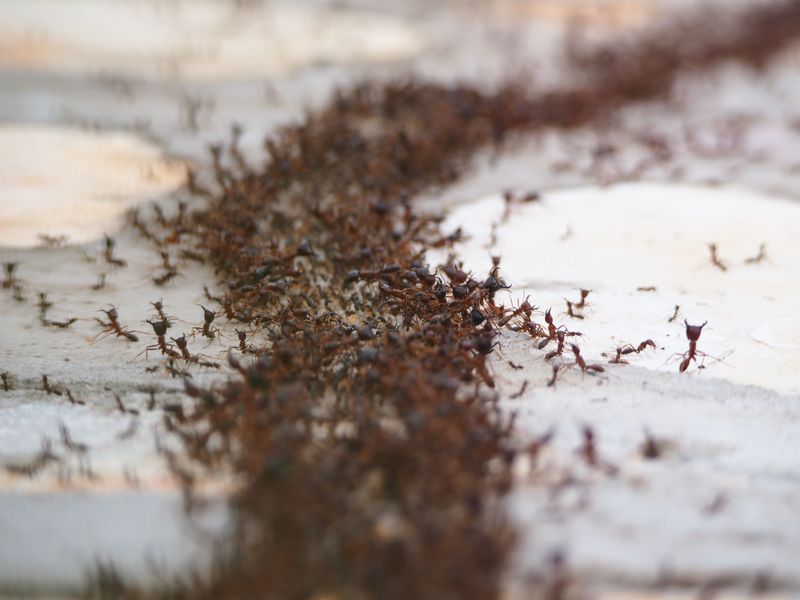
Few insect tricks are stranger than this one. When water rises fast, fire ants link legs and jaws to form a living raft that floats on the surface.
The workers on the bottom trap air against their water-repelling bodies, creating a cushion that keeps the group buoyant. Queens and brood ride on top, safe and dry.
Rafts can hold together for days, drifting along ditches, retention ponds, and flooded low spots until they bump into higher ground. Once they land, the colony starts digging a fresh nest, sometimes right in your yard.
Alabama’s heavy September rains and tropical systems make this a common sight along creeks and drainage swales. Homeowners near water often notice new mounds appearing in clusters after a flood recedes.
The safety piece matters here. A floating raft looks like a harmless clump of mud or debris, and brushing it with a hand, paddle, or boot triggers a fast, coordinated response.
If you spot one while cleaning storm debris, give it distance and use a rake or shovel instead of gloves alone. Avoid scooping floodwater trash bare-handed after a big rain event.
Curious detail: researchers at Georgia Tech studied these rafts with high-speed cameras and found the ants behave a bit like both a solid and a liquid, reshaping the group as conditions change.
It is a notable piece of structural behavior, even if you would rather admire it from across the yard.
4. Mound Height Is A Weather Forecast In Dirt
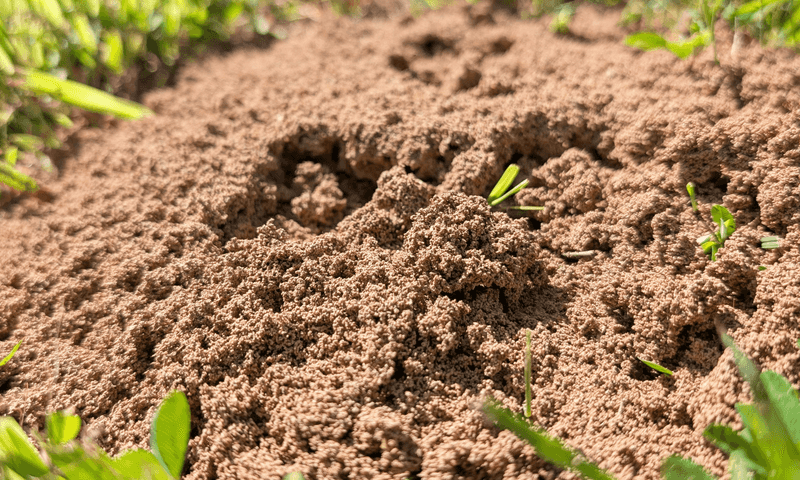
Old-timers in south Alabama used to say tall ant hills meant rain was coming. There is real logic hiding in that bit of porch wisdom.
Mounds act as solar-heated nurseries. Building them taller lifts brood chambers above wet soil and gives the colony better temperature control when the weather turns unsettled.
After a storm passes, workers often add height again because saturated ground stays waterlogged for days. The result is a mound that seems to grow overnight while your grass barely recovers.
Shape tells a story too. A crusty, hardened dome usually means an older, established colony, while a loose pile of fine granules points to recent rebuilding or a brand-new nest.
Mowing over these piles spreads soil and irritates the colony without solving anything. Better to treat first, wait a week or two, then flatten what remains with a rake.
Measuring roughly helps you track progress. Jot down mound locations on your phone, then check the same spots after treatment to see whether activity actually dropped.
One more practical note: mounds love sunny, disturbed edges. Driveway seams, sidewalk cracks, utility boxes, and the sunny side of raised beds all hold warmth and drain quickly, making them prime real estate.
Scanning those areas weekly through fall keeps small colonies from becoming persistent trouble spots by spring. Early attention beats a full-yard project later, and your bare feet will thank you next summer.
5. Storms Scatter New Queens Across The Neighborhood

Warm, humid air following a rainstorm is basically a dinner bell for winged fire ants. Those swarms of flying ants you see on muggy afternoons are mating flights.
Newly mated queens shed their wings, land, and burrow into soft, rain-softened soil to start colonies of their own. Damp ground makes digging far easier than baked summer clay.
A single queen can produce a small mound within a few weeks under favorable conditions, which explains those tiny nickel-sized piles that appear in September lawns.
Flights happen most often one to two days after significant rain, when temperatures sit in the seventies or eighties. Alabama’s stormy pattern this time of year sets up ideal conditions repeatedly.
For homeowners, the smart move is treating the whole yard rather than chasing individual mounds. Broadcast baits reach the small, hidden startup colonies that spot treatments miss entirely.
Two applications, spaced roughly two to three months apart, tend to keep numbers manageable. Fall and spring are the traditional windows recommended by extension programs across the Southeast.
Keep in mind that queens can travel several hundred feet or more on the wind, with some studies suggesting even greater distances, so neighbors matter. Coordinating treatments along a street or cul-de-sac gives everyone longer-lasting relief.
If you notice swarms clinging to porch lights or car hoods after a shower, that is your cue. Bait within the next week while young colonies are still tiny and easy to influence.
6. Waterlogged Yards Push Ants Toward Your Porch
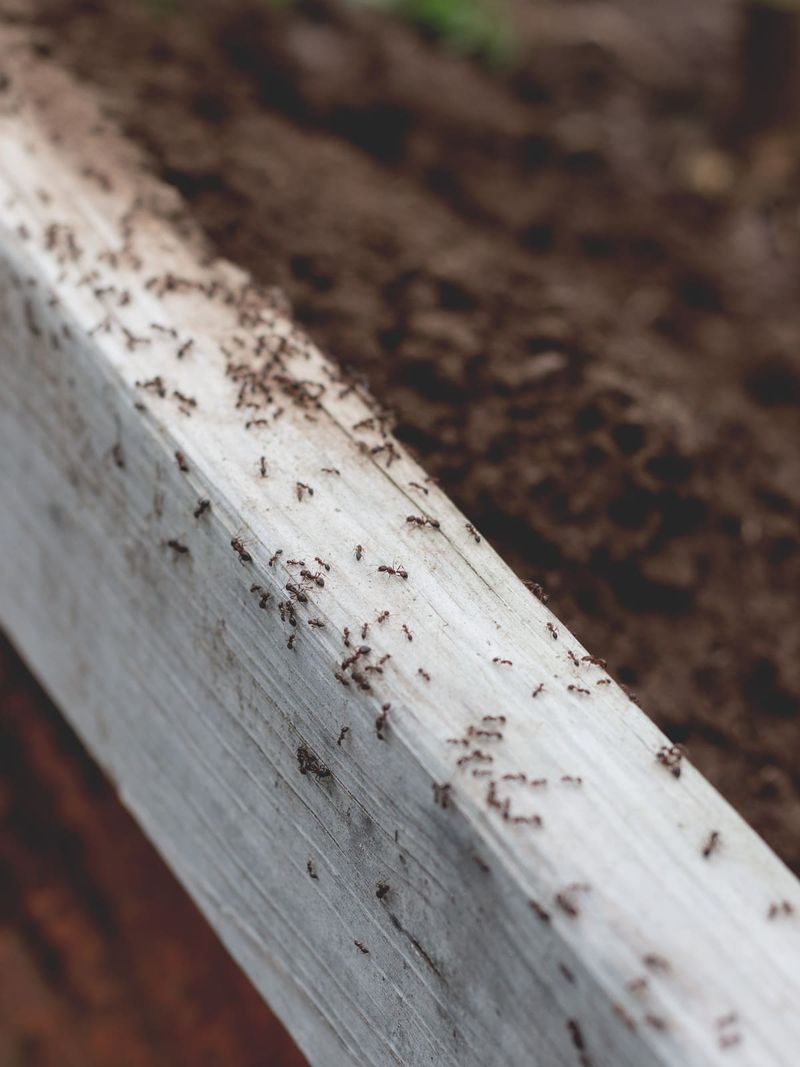
Here is the part many homeowners find frustrating. When soil floods, colonies look for high, dry, warm shelter, and houses fit that description beautifully.
Concrete slabs, porch steps, sidewalk expansion joints, and the soil under air conditioner pads all stay warmer and drain faster than open lawn. Ants notice.
Reports of indoor sightings climb after big Alabama rain events, usually in kitchens, bathrooms, and utility rooms where moisture and crumbs are easy to find. Pet food bowls are a favorite destination.
Sealing entry points helps more than people expect. Caulk around pipe penetrations, tighten door sweeps, and check where the siding meets the foundation for gaps.
Outside, pull mulch back a few inches from the foundation and trim shrub branches that touch the wall. Those bridges let foragers skip the ground entirely.
Indoors, skip the outdoor mound products. Use a bait labeled for interior use or simply wipe up trails with soapy water, then focus your real effort on the outdoor colonies feeding the problem.
Store pet food in sealed containers and rinse bowls nightly during rainy stretches. A film of grease on a bowl rim is a bigger attractant than most crumbs.
Also worth checking: electrical boxes, irrigation valve covers, and outdoor outlets. Fire ants are drawn to electrical fields and sometimes crowd into those spaces, which can cause frustrating equipment failures right when you need the sprinkler system working.
7. Bites Sting More When Colonies Feel Threatened
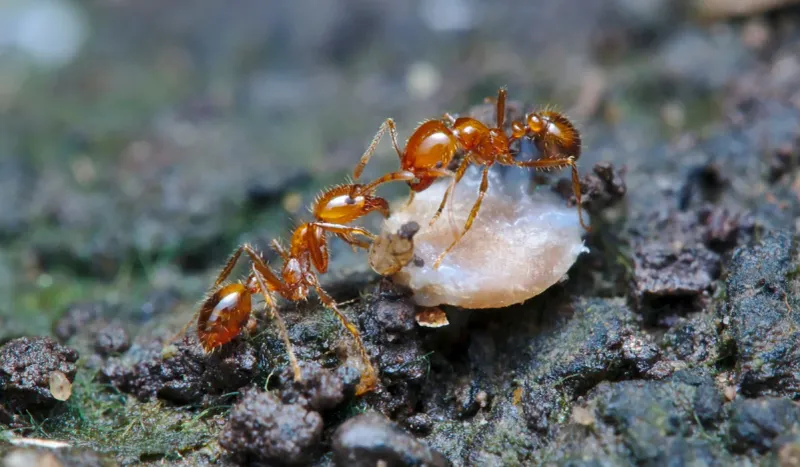
Anyone who has stepped in a fresh mound remembers the sensation. Fire ants grip skin with their jaws, then swing their abdomen to inject venom several times in a circle.
The result is a cluster of itchy red bumps that often develop small white blisters within a day. Severe allergic reactions are uncommon but possible, and estimates vary by source. Anyone with a known sensitivity should treat stings as an emergency.
Storm-stressed colonies defend themselves more aggressively because their brood sits close to the surface. Bumping a rebuilt mound brings workers out in seconds rather than minutes.
Cleanup after a storm is when many people get stung. Moving branches, dragging tarps, and raking soggy leaves all disturb nests hidden under debris.
Simple precautions carry real weight. Wear closed boots, tuck pant legs into socks, use leather gloves, and give a quick visual scan before kneeling anywhere.
If stings happen, wash the area with soap and cool water, then apply a cold pack. Hydrocortisone cream and an oral antihistamine ease itching, and resisting the urge to scratch reduces infection risk.
Swelling of the face or throat, trouble breathing, dizziness, or widespread hives calls for emergency care immediately. Families with known allergies should keep prescribed epinephrine handy during yard work season.
Teach kids what mounds look like, especially the fresh fluffy ones that appear after rain. A five-minute yard walk together, pointing out trouble spots, prevents a lot of tears during September play in the grass.
8. Drainage Fixes Beat Chasing Mounds All Season
Treating mounds one at a time feels productive, but it is a bit like mopping around a leaky pipe. Fixing the water usually does more.
Fire ants thrive in soggy, compacted, poorly drained soil because it stays soft and easy to tunnel. Low spots that hold puddles for hours become mound factories after each storm.
Start by watching your yard during the next downpour. Note where water pools, where it runs, and which areas stay squishy a day later.
From there, small projects pay off. Regrading a shallow dip, extending downspouts a few feet farther from the foundation, or adding a gravel-lined trench moves water along instead of letting it sit.
Core aeration in fall loosens compacted clay so rain soaks in rather than standing. Topdressing with a thin layer of compost improves structure over time.
Thick, healthy turf also shades soil and makes it harder for new queens to establish. Overseeding cool-season areas in September takes advantage of the same moisture the ants enjoy.
Keep debris piles, stacked firewood, and forgotten flower pots off the ground and away from the house. Each one creates a warm, sheltered spot that appeals to a relocating colony.
Combine drainage work with a fall broadcast bait and you address both the cause and the current residents. Yards handled that way tend to stay far quieter through the following spring, with fewer surprise piles greeting you after storms.