Why September Is The Wrong Time To Give Florida Muhly Grass Its Annual Haircut
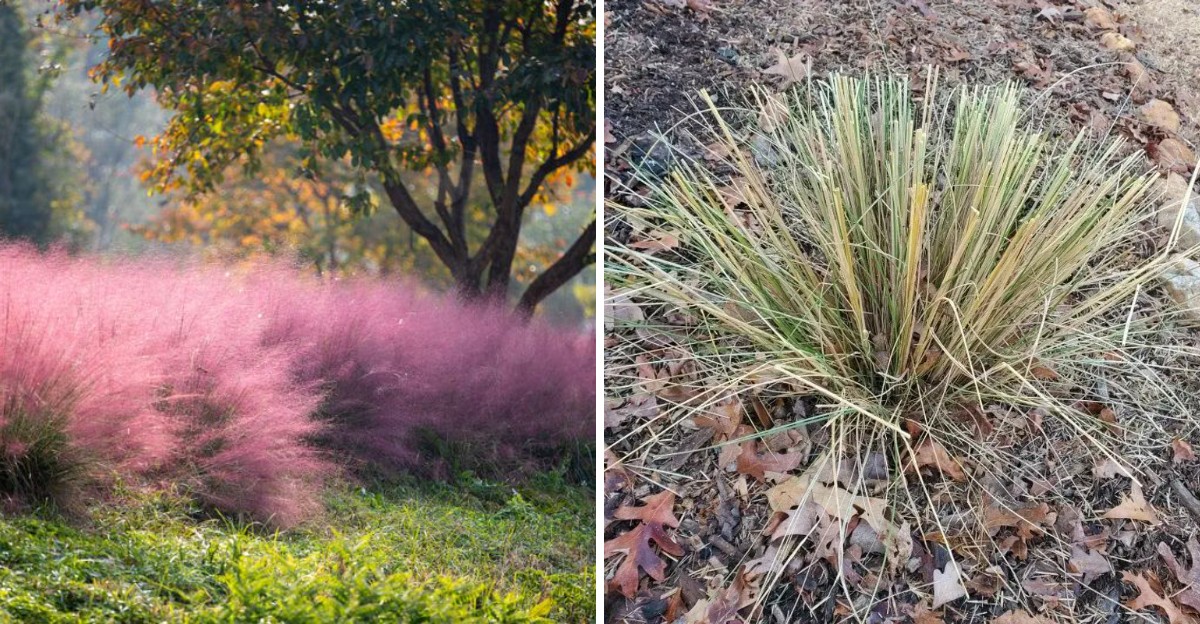
Grab the shears for that annual muhly grass trim, and you might chop off the entire reason people plant it in the first place.
Florida gardeners treat fall cleanup like a fixed date on the calendar, the same weekend every year without fail. Muhly grass doesn’t care about your calendar though.
This plant runs on its own internal clock, and cutting it back now, right before its biggest moment of the year, throws away weeks you can’t get back.
A specific window later in the season works far better, and most homeowners miss it because they’re too eager to tidy up early.
Hold off on that trim a little longer this year. Patience might be the one gardening skill nobody talks about enough.
1. Let September Muhly Keep Its Pink Plumes
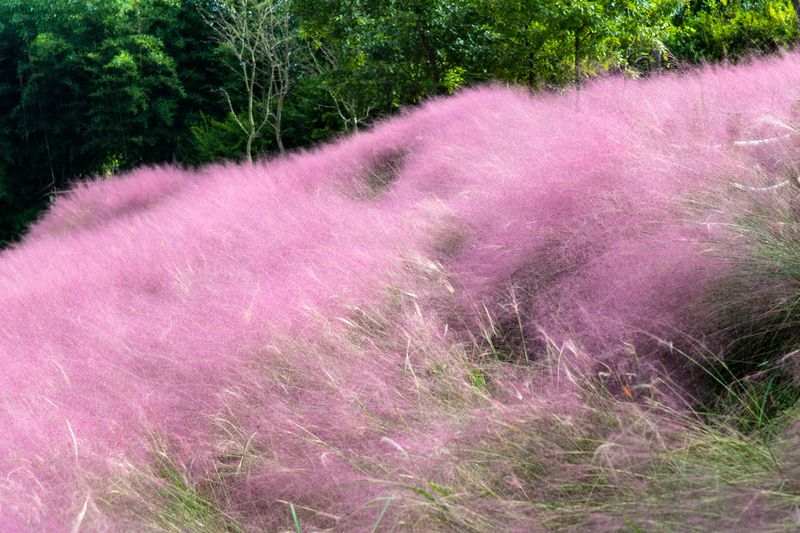
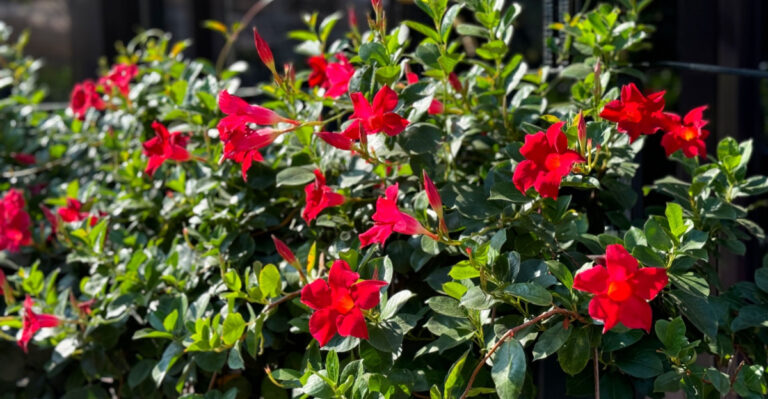
Picture a cloud of pink smoke hovering two feet above a sandy Florida bed. That is what Muhlenbergia capillaris does in autumn, and September is when the show starts loading up.
The plumes begin pushing out in late summer and early fall. Once they open, they can hold their color for four to eight weeks, sometimes hanging on until the first chilly nights arrive.
Reaching for shears in September means slicing off the very thing everyone stops to admire. The plant is already preparing its fall flower display, even when the clump still looks like a plain green mound.
Gardeners often mistake that green mound for an unfinished project. It is actually a plant halfway through its biggest performance of the year, quietly building stems it has been working on since spring.
A helpful trick is to mark your calendar in August with a simple note that says hands off. That one reminder saves more fall displays than any fertilizer ever will.
Fun bit of trivia: muhly grass is native to the state and grows wild along roadsides and pine flatwoods. Nobody trims those roadside clumps, and they put on the best show around, which tells you something about how little this plant asks from us.
2. Skip The Haircut Before The Fall Show
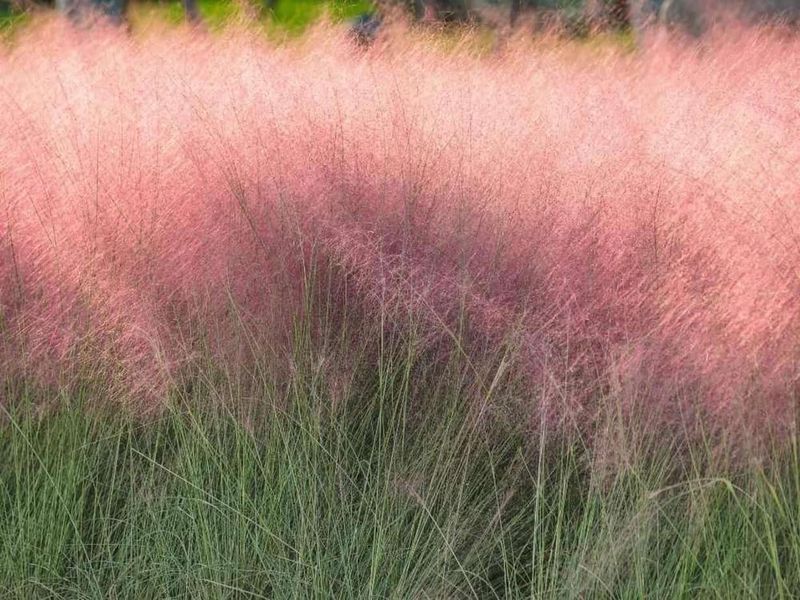
Think of muhly grass as a performer stretching backstage. Cutting it in September is like handing the singer a mop right before the curtain rises.
Landscapers sometimes schedule a big fall cleanup across every bed at once. Ornamental grasses get lumped in with hedges and groundcovers, and the muhly pays the price.
If you hire help, say clearly that the grasses stay untouched until late winter. Written instructions work better than a quick comment at the gate.
There is also a practical reason beyond looks. A plant heading into cooler months wants its energy stored in the roots, not spent regrowing blades it just lost.
Semi-evergreen grasses like this one keep photosynthesizing through mild winters. Those standing blades feed the crown, which is where next spring’s growth comes from.
One neighbor of mine trimmed hers every Labor Day weekend for three years straight and wondered why her yard stayed green while the house down the street turned pink.
Your Florida Garden Changes Every Week. Your Plan Should Too.
Gardening in Florida changes quickly throughout the season. Every Friday you’ll receive a simple weekly plan showing exactly what to plant, prune, fertilize, harvest, and protect so you never miss the right timing.
She switched her schedule, and by the following November her bed looked like a sunset had settled in it.
Tidiness feels satisfying, yet with muhly the messy look in September is the promise of something much better coming in October.
3. Those Tall Blades Are Setting Up The Bloom
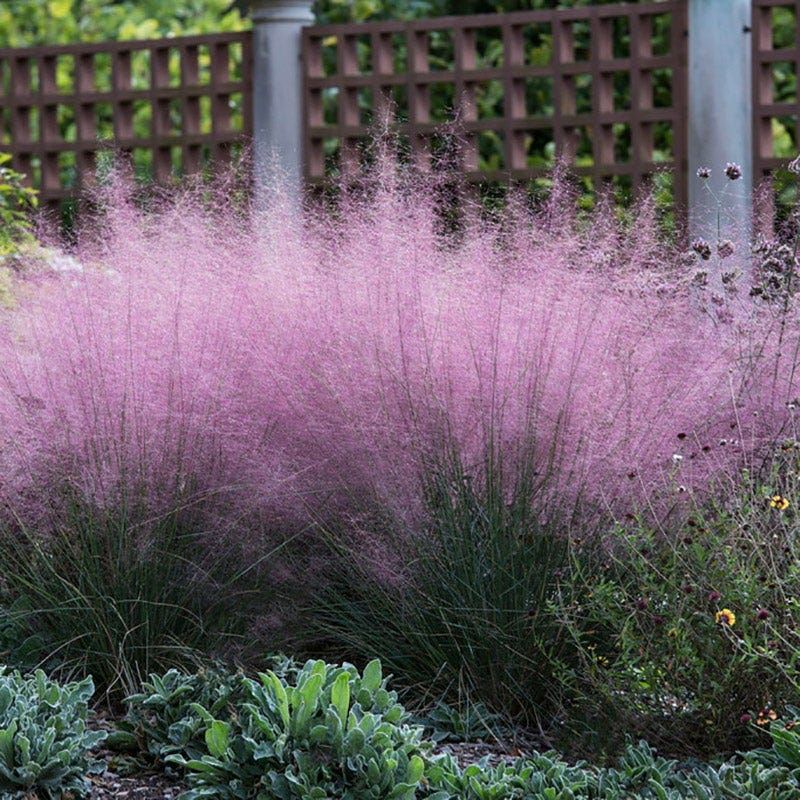
Every slender blade on that clump is a small solar panel. Through summer they soak up Florida sunshine and convert it into the fuel that builds flower stalks.
Shortening those blades in September removes foliage the plant is still using as it prepares for its fall display. A hard cut can therefore reduce the plant’s ability to put on the show you’re waiting for.
Look closely at a healthy clump in early September and you will often spot pale stems rising from the middle. Those are the future plumes, still folded and shy.
They emerge from the center outward, which is why a quick trim across the top catches them first. The outer blades survive the shears while the flowers take the hit.
A gentler approach is to comb through the clump with gloved fingers. Old brown blades from last season slide right out, tidying things up without touching a single flower stem.
That finger-combing trick takes about two minutes per plant and leaves the structure intact. Gardeners who learn it rarely go back to shears in autumn.
Height matters too. A mature muhly can reach three feet before blooming, and the flower stalks float above that, so anything that lowers the clump lowers the whole display.
4. Save The Shears For Late Winter
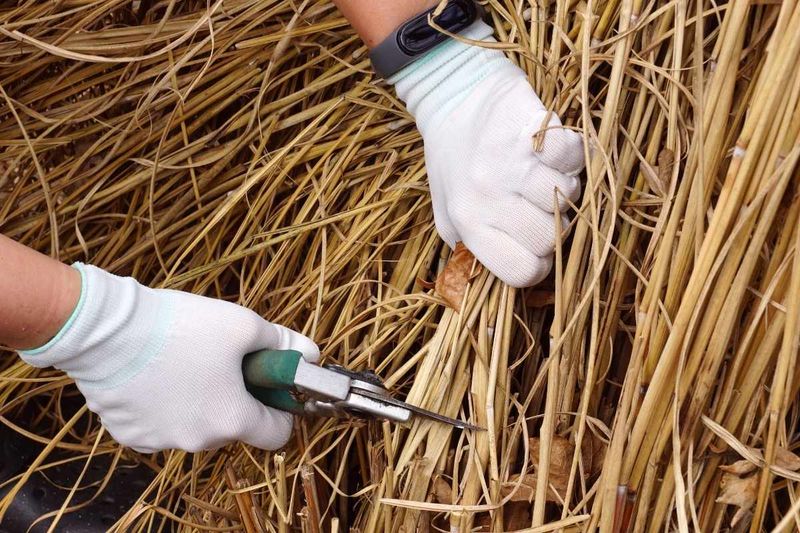
February and March are the sweet spot in central region. The grass sits quiet, the plumes have faded to soft tan, and new shoots have not yet appeared at the base.
Cut during that window and you remove a full year of old growth in one clean sweep. The crown responds with fresh green blades within a few weeks.
Aim for three to six inches above the ground. Going lower risks nicking the crown, and leaving much more makes the old stubble poke awkwardly through the new season’s growth.
Bundle the clump with twine or a bungee cord before cutting. It keeps everything upright, makes the cut level, and turns cleanup into lifting one neat sheaf instead of raking loose straw.
North Florida gardeners can push the timing slightly later since cold snaps linger. South Florida folks often cut in early February without any trouble at all.
Hand shears work fine for one or two plants. For a long border, hedge trimmers or a sharp sickle save your wrists considerably.
Whatever tool you pick, clean blades matter. A sharp edge slices cleanly while a dull one shreds the stems, leaving ragged ends that brown out and look rough for weeks.
5. Cut Now And You Could Cut Off The Show
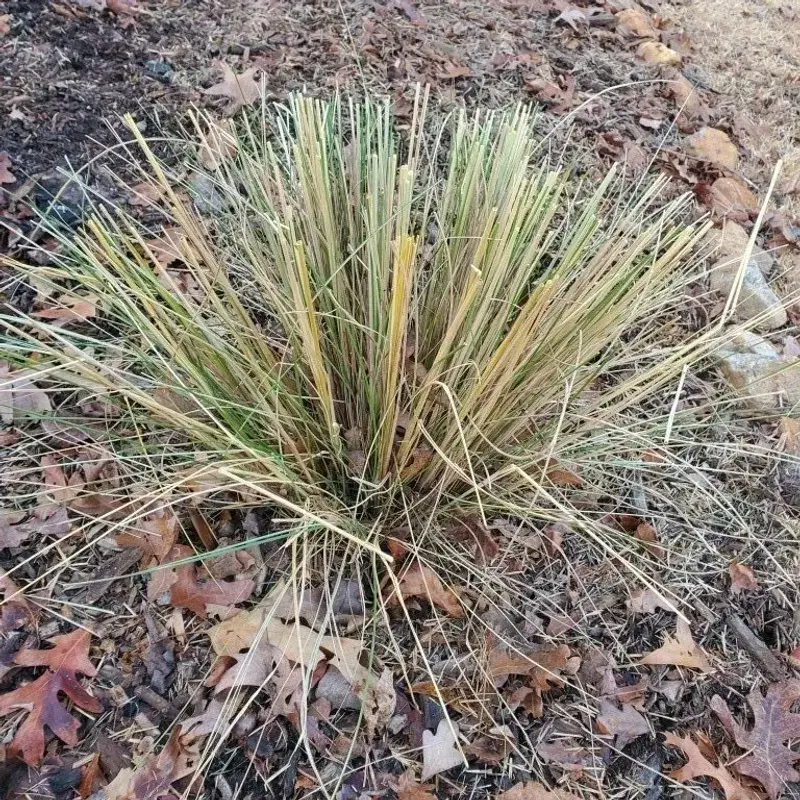
Here is the blunt math. Trim heavily in September and you may lose much of that year’s pink display.
The plumes only form once per season on stems the plant has been developing for months. Unlike roses or hibiscus, muhly grass does not rush out a second round of flowers after a haircut.
Miss the window and you wait until the following autumn. That is a long stretch to stare at a green mound where a pink cloud should be.
Warm weather makes matters trickier. A September cut in Florida can trigger tender new growth, and if a cool front rolls through, that soft growth gets nipped and the plant sulks.
Stress shows up in other ways too. Weakened clumps flop open in the middle, thin out at the edges, and take longer to bounce back the next spring.
Plenty of gardeners learn this the hard way once and never repeat it. The empty autumn is a pretty memorable teacher.
If a clump truly looks rough in September, trim the worst outer edges lightly and leave the center alone. Small corrections cost you very little, while a full shearing costs you the entire season.
6. Leave The Flower Stalks Standing
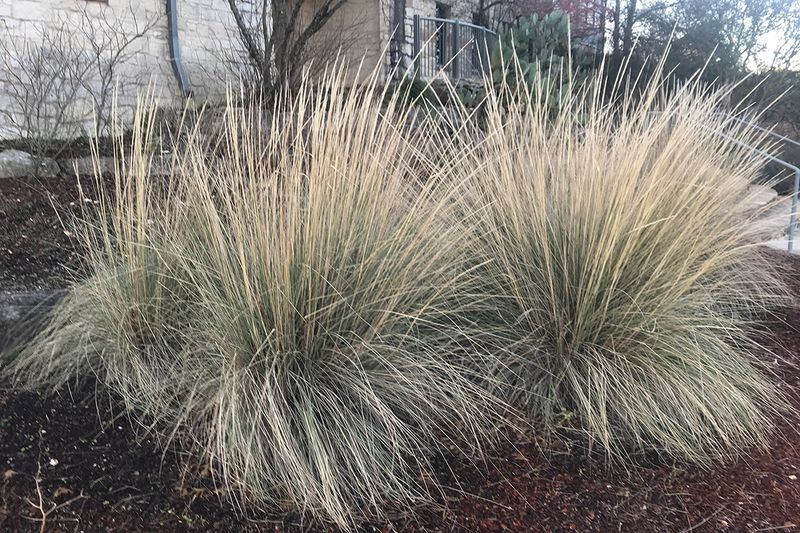
When the pink fades, something quieter takes over. The spent plumes turn a soft wheat color and catch low winter light in a way photographers love.
Morning dew collects on them. On rare frosty mornings in north Florida, the whole clump looks dusted with sugar.
Wildlife appreciates the leftovers more than we do. The standing plumes and dense base can also provide food, cover, and structure for small wildlife through the cooler months.
Standing grass also shields its own crown. Those layered blades trap a bit of warmth around the growing point during unexpected cold snaps.
Landscape designers use winter grasses for movement. Nothing else in a dormant bed sways the way a tall clump does when a breeze passes through.
Pair muhly with something structural like a saw palmetto or a boulder and the contrast holds up through the entire off season. The beige plumes read as texture rather than neglect.
One more perk: the seeds sometimes drop and sprout on their own. Volunteer seedlings around the parent plant are free additions you can dig up in spring and move wherever you like, which beats buying more from the nursery.
7. Let Full Sun Build A Bigger Fall Display
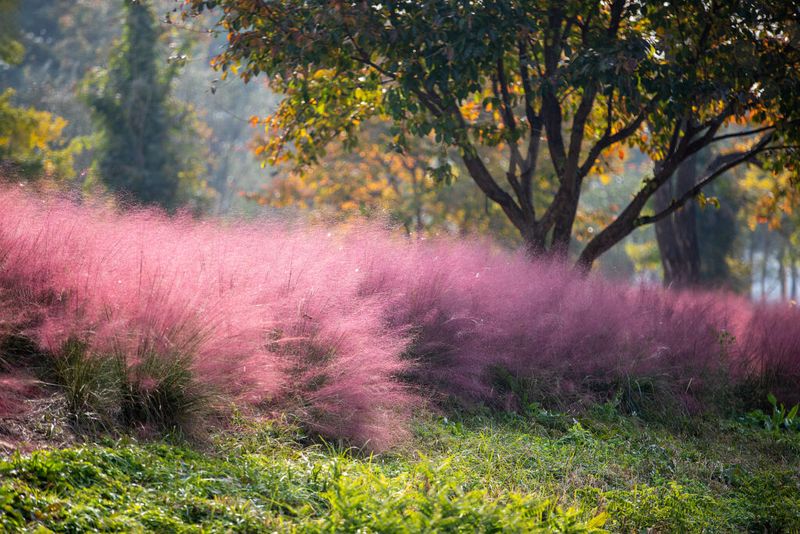
Sunlight is the real secret behind those dramatic pink clouds. Muhly grass wants at least six hours of direct sun each day, and more is generally better.
Plants tucked under oak canopies or beside north-facing walls stretch, lean, and bloom sparsely. Even flawless pruning timing cannot fix a shady spot.
If your clump has grown weak over a couple of seasons, look up before you blame your shears. A tree that filled out overhead may be the actual culprit.
Moving the plant is easier than people expect. Early spring, right after the late winter cut, is the ideal time to lift and relocate a clump.
Dig wide, keep the root mass together, and replant at the same depth in a sunnier patch. Water regularly for a month and the plant usually settles in without complaint.
Soil is rarely the problem in Florida. Muhly grass shrugs off sandy, poor ground and actually dislikes rich, soggy conditions.
Skip the heavy fertilizer too. Overfed clumps grow floppy and green with fewer flowers, which is the opposite of what anyone wants.
Sun, sharp drainage, and patience produce the thickest plumes. Those three things matter more than anything you do with a tool.
8. Trim Brown Tips Without Flattening The Whole Clump
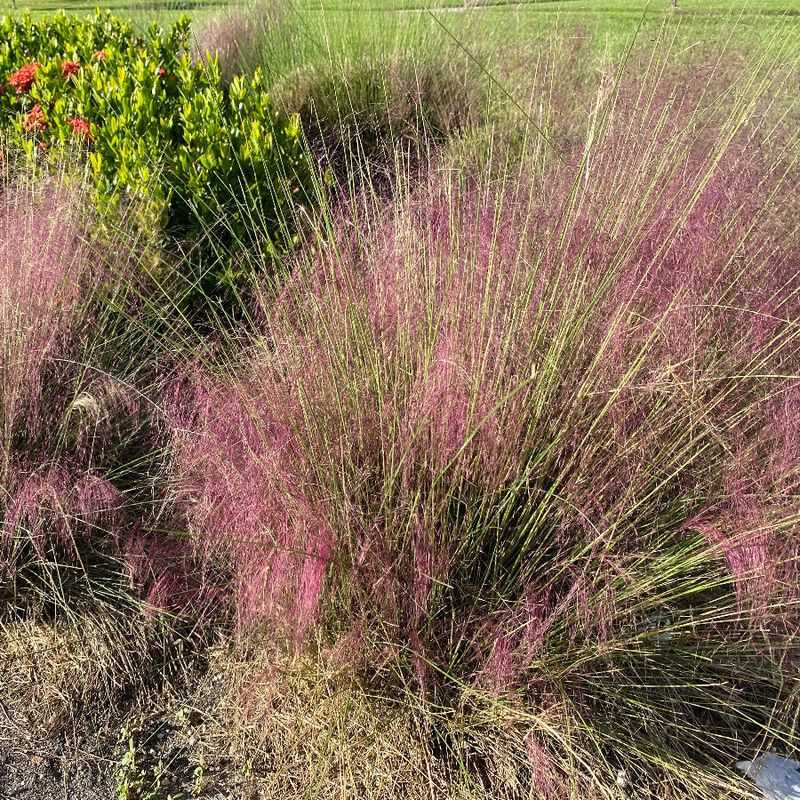
Nobody is asking you to ignore the plant entirely. Selective grooming is perfectly fine, even in September.
Brown tips happen after drought, after a salty wind, or simply because older blades finish their run. Snipping those individual tips is cosmetic work and harmless.
Use small snips instead of hedge trimmers. Follow the browned blade down to where green begins and cut there, one blade at a time if the damage is limited.
Finger-combing handles most of it. Pull gently upward through the clump with gloved hands and the fully spent blades release without resistance.
Anything that resists is still alive and still feeding the plant. That simple test keeps you from removing more than you should.
Avoid the temptation to even everything out with a flat top. A rounded, uniform trim across the surface catches the developing flower stems hidden in the center.
Spot-treating takes patience but costs the plant nothing. Ten minutes of careful picking leaves a clump that looks refreshed and still ready to bloom.
Worth remembering: a little ragged texture is part of the charm of native grasses. They are not boxwoods, and trying to make them behave like formal shrubs tends to backfire in both looks and health.
9. Time The Big Cut Before Spring Growth Begins
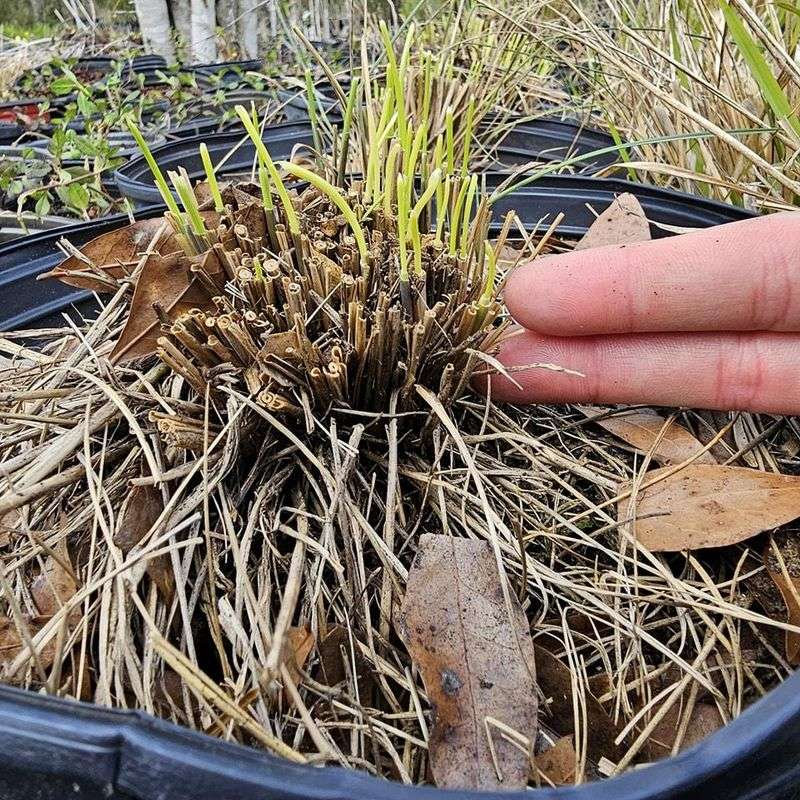
Watch the base of the clump as winter winds down. Tiny green points appear at ground level, and that is your signal the clock is ticking.
Cut before those shoots get tall and you get a clean, even flush of new growth. Cut after they reach several inches and you end up with blunt-tipped blades that stay ragged all season.
In central Florida the shoots usually show up in late February. Warm winters can pull that forward into early February, so checking beats guessing.
Set a reminder on your phone for the first week of February and go look. A thirty second inspection tells you everything.
Once cut, give the bed a light raking and pull any weeds that snuck in under cover of the old growth. The open crown makes weeding much easier.
A thin layer of mulch around the base helps, kept a few inches away from the crown itself. Piling mulch against the center invites rot.
Water once after cutting if rain has been scarce, then step back. By April the clump will be lush and green, and by the following autumn it will be throwing pink smoke into the air again, right on schedule.