Your empty milk jugs make free cloches that shield Oregon seedlings from the first frost
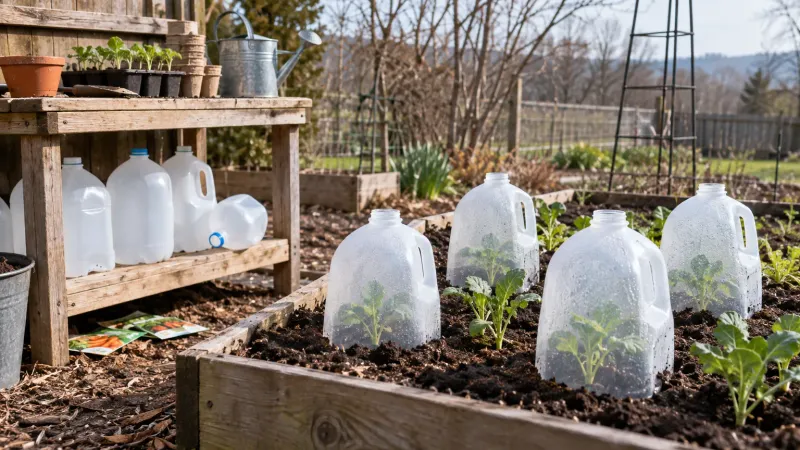
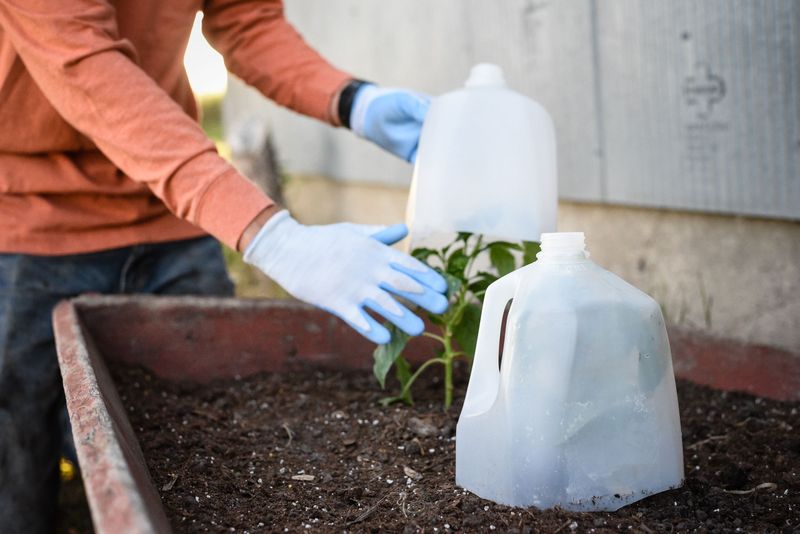
Chilly Oregon nights have a way of sneaking up on gardeners right when young seedlings are at their most vulnerable. A bottomless gallon milk jug placed over a small plant creates a temporary covered space that can help buffer a light frost or cold night, buying your seedling a little extra time.
The same jug you were about to toss into the recycling bin can become a low-cost tool for spring cold snaps or early fall frosts. Knowing how to use it safely, and when to reach for something stronger, makes all the difference.
A reused milk jug can help during a light frost
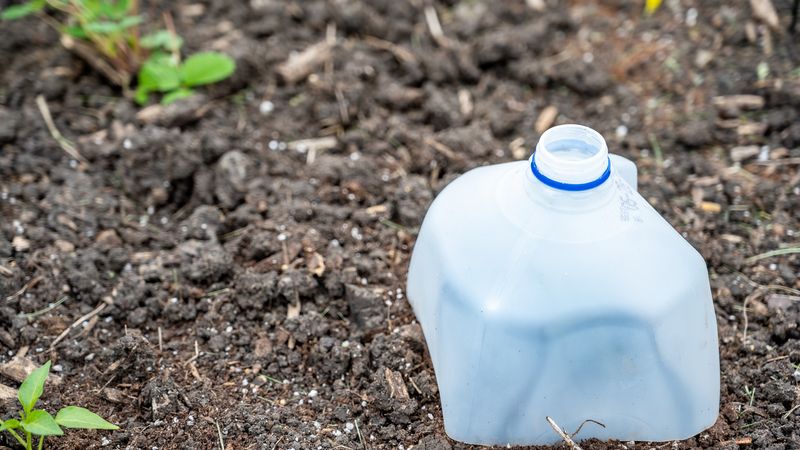
Plenty of gardeners have watched a promising seedling wilt after an unexpected cold night, and the frustration is real. A clean, empty gallon milk jug with its bottom cut off can act as a small temporary cloche, creating a covered space around a young outdoor plant that moderates the air and soil temperature nearby and limits moisture evaporation.
Oregon State Extension guidance specifically recommends this approach as a plant protector during cold weather, and separately notes that a bottomless gallon jug can help protect young tomato plants early in the season by trapping heat and limiting evaporation.
Think of the jug as a mini greenhouse built from something you already own. The key word is “can help.” The cloche moderates conditions around the plant, but how well it performs depends on the crop, the size of the plant, wind, exposure, how long the cold lasts, and whether the cover overheats during the day.
There is no fixed temperature rating for a milk jug, and the method does not guarantee that a plant stays above freezing.
The same setup works for both a late spring cold snap and an early fall frost, provided the event is light and short-lived. Gardeners who already have a jug on hand get a low-cost reuse of a container rather than a purchase, though calling it free only holds if the jug was already headed for the bin.
Setting realistic expectations before placing the cloche is what makes the whole approach worthwhile.
Choose a clean, roomy jug and remove its bottom
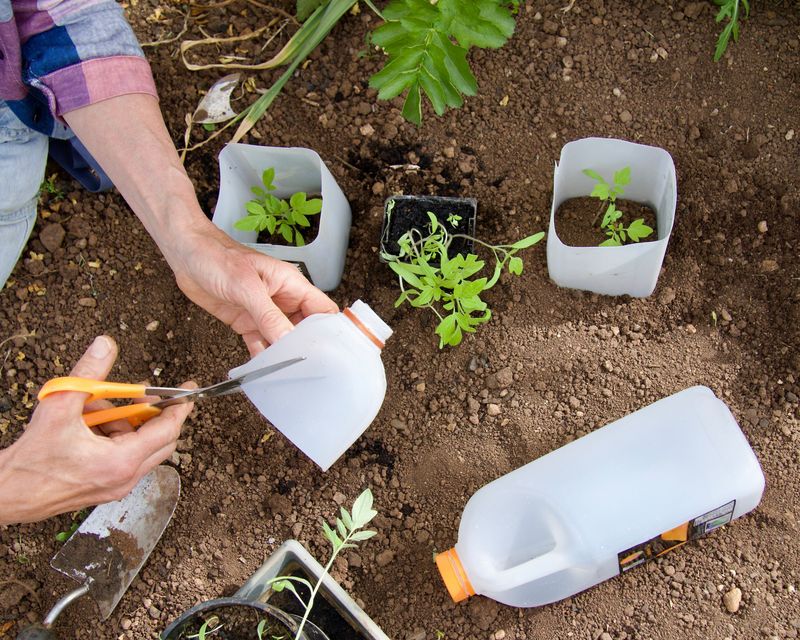
Start with a clean gallon jug, one that has been rinsed thoroughly so no residue remains inside. Dairy residue or other buildup can create unpleasant conditions for a young plant, so a quick wash with warm soapy water and a good rinse is worth the extra minute.
Avoid any jug that previously held bleach, chemicals, or anything other than milk or water.
To remove the bottom, use a sturdy pair of scissors or a box cutter and cut carefully around the base of the jug. Work slowly and keep your fingers clear of the blade.
Once the bottom is off, run your fingers along the cut edge and smooth or fold down any sharp points. Sharp plastic edges left near ground level can be a hazard for curious children and pets, so take a moment to address them before placing the cloche in the garden.
Your Oregon Garden Changes Every Week. Your Plan Should Too.
Gardening in Oregon changes quickly throughout the season. Every Friday you’ll receive a simple weekly plan showing exactly what to plant, prune, fertilize, harvest, and protect so you never miss the right timing.
Keep the cap. Oregon State Extension describes leaving the cap available for nighttime closure and daytime ventilation, and that simple feature is what makes the jug more versatile than a bottomless container alone.
The remaining upper portion of the jug needs to fit over the seedling with enough room that foliage is not pressed tightly against the plastic. Frost protection guidance from Colorado State Extension cautions that plants can be damaged where plastic presses directly against leaves during freezing conditions, and crowding also leaves no room for the plant to keep growing.
A standard gallon jug suits a small transplant well, but check the fit before committing to placement.
Place and anchor the cloche before cold arrives
Timing the placement matters more than many gardeners expect. Set the jug over the seedling before the expected cold arrives, ideally in the late afternoon before a chilly night, rather than scrambling outside after temperatures have already dropped.
Placing it early gives the air inside a chance to settle and lets the soil begin holding a little warmth under the cover.
Once the jug is in position, secure it so wind cannot lift or tip it. University of Minnesota Extension guidance on extending the growing season recommends anchoring lightweight plastic covers, and the same logic applies to a single jug.
Push a small mound of soil around the rim, press the rim gently into loose soil, or drive a short stake alongside the jug and tie or lean the jug against it. A soil staple bent over the rim also works in raised beds.
Colorado State Extension frost guidance similarly emphasizes anchoring covers in exposed garden spots where wind is a regular factor.
Oregon gardens can be surprisingly breezy, especially in the Willamette Valley during spring and across the high desert east of the Cascades on fall evenings. A jug that tips over in the night offers no protection and can damage the plant it was meant to cover.
Check that the foliage is centered inside the jug, not touching the sides, and that there is a bit of clearance between the plastic and the top leaves. A well-anchored, properly fitted cloche is ready to do its job without further fussing until morning.
Vent the jug by day and close it at night when needed
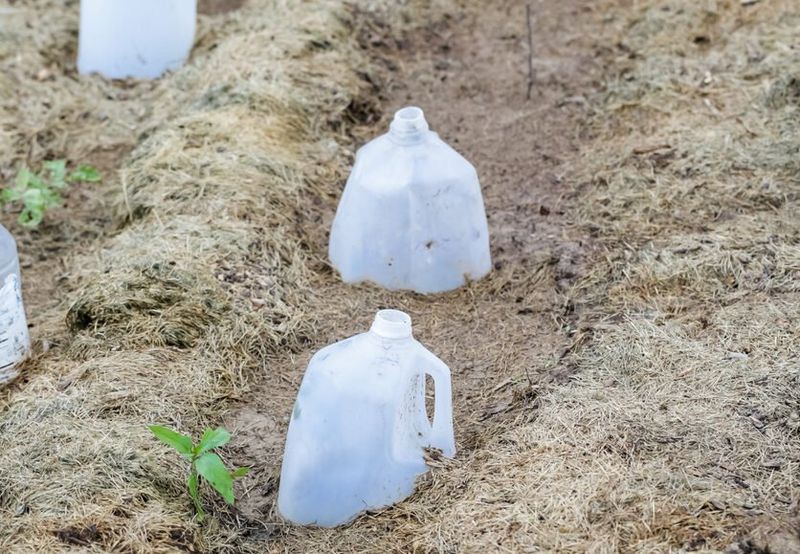
The most common mistake with a milk jug cloche is leaving the cap on through a sunny morning and then wondering why the seedling looks stressed. Transparent plastic traps heat fast.
Colorado State Extension notes that temperatures under a closed plastic cover can climb to damaging levels after only a limited amount of sunshine, and while that figure comes from a larger framed cover, the principle applies directly to a sealed milk jug sitting in direct sun. Remove the cap as soon as daylight brings warmth to the garden, or earlier if the sun is strong.
Oregon State Extension spring gardening guidance advises ventilating plastic milk-jug cloches during the day and closing them again at night when cold protection is still needed. That routine is not optional on sunny days.
You can simply unscrew the cap and set it nearby, or tip the jug slightly to create a gap at the base, depending on what your anchoring method allows.
RHS guidance on cloches also points out that bottle cloches can develop substantial condensation, and that regular ventilation helps reduce excess humidity inside the cover, which in turn lowers the risk of creating conditions favorable to mold or disease. Check the inside of the jug each morning for heavy water droplets pooling on the plant or sitting on soil for long periods.
Extension guidance on season extension reinforces that lightweight plastic covers need active monitoring for wind movement, changing forecasts, and plant growth. Treat the cloche as something that requires a quick daily check rather than a set-and-forget tool.
Replace the cap at night when a cold night is forecast, and leave it off when overnight temperatures are mild enough that the plant does not need the extra cover.
Use it with hardened seedlings and a suitable Oregon window
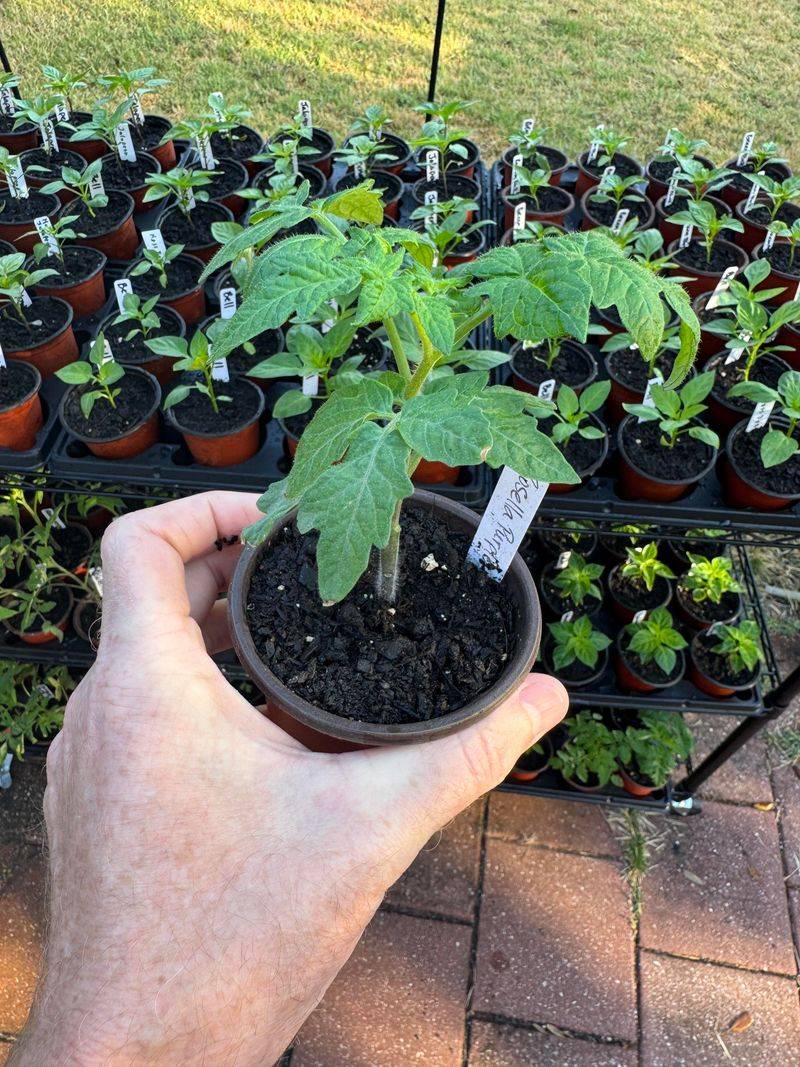
A milk jug cloche works best when the plant inside it is already reasonably prepared for outdoor life. Indoor-grown seedlings need to be gradually acclimated to outdoor light, wind, and temperature swings before transplanting, a process called hardening off.
Oregon State Extension spring guidance describes roughly a week of gradual outdoor exposure as often sufficient, depending on conditions. Skipping that step and relying on a jug to compensate is asking more of the cloche than it can reliably deliver.
Cool-season crops are the strongest candidates for this method. Lettuce, kale, chard, spinach, broccoli starts, and similar greens can tolerate some cold and respond well to a light frost buffer during an unexpected cold snap.
A hardened seedling of one of these crops, placed under a properly vented jug, stands a reasonable chance of getting through a chilly Oregon night in good shape.
Tomatoes, peppers, eggplants, and melons are a different story. Oregon State Extension cloche guidance identifies these crops as needing significant warmth and care, and a single milk jug does not eliminate cold risk for tender transplants placed before local frost danger has passed.
The jug may offer some help at the margins, but it is not a substitute for waiting until conditions are genuinely suitable.
Oregon’s regional differences matter here. West of the Cascades, maritime conditions keep winters mild and springs relatively forgiving, and Oregon State’s general vegetable gardening guidance notes that hardy crops in that region may need little or no protection.
Central Oregon and the high desert east of the Cascades face shorter growing seasons, later spring frosts, and earlier fall frosts. Central Oregon vegetable growing guidance reflects that growers there often need more cold-weather tools across a longer portion of the calendar.
High-elevation gardens face even tighter windows. Matching the method to your local planting window, rather than assuming the jug makes any date workable, is the practical approach.
Oregon vegetable gardening guidance underscores that planting windows vary substantially across the Willamette Valley, coastal areas, the Rogue Valley, the Columbia Gorge, and central and eastern Oregon. Check local last-frost and first-frost dates for your specific area before deciding whether a jug cloche gives you enough margin to act.
Do not rely on a milk jug during a hard freeze
Frost, a freeze, and a hard freeze are not the same event, and the difference matters when you are deciding whether a milk jug is enough. National Weather Service frost and freeze definitions explain that frost can form on surfaces when temperatures reach 32 degrees Fahrenheit or below, even when an above-ground thermometer reads slightly warmer.
A freeze at or below 32 degrees can damage many seasonal plants. A hard freeze at or below 28 degrees can kill nearly all seasonal plants that are not cold-hardy by nature.
A milk jug cloche is light, short-term protection suited to the frost-and-light-freeze end of that range. There is no jug-specific temperature threshold supported by testing.
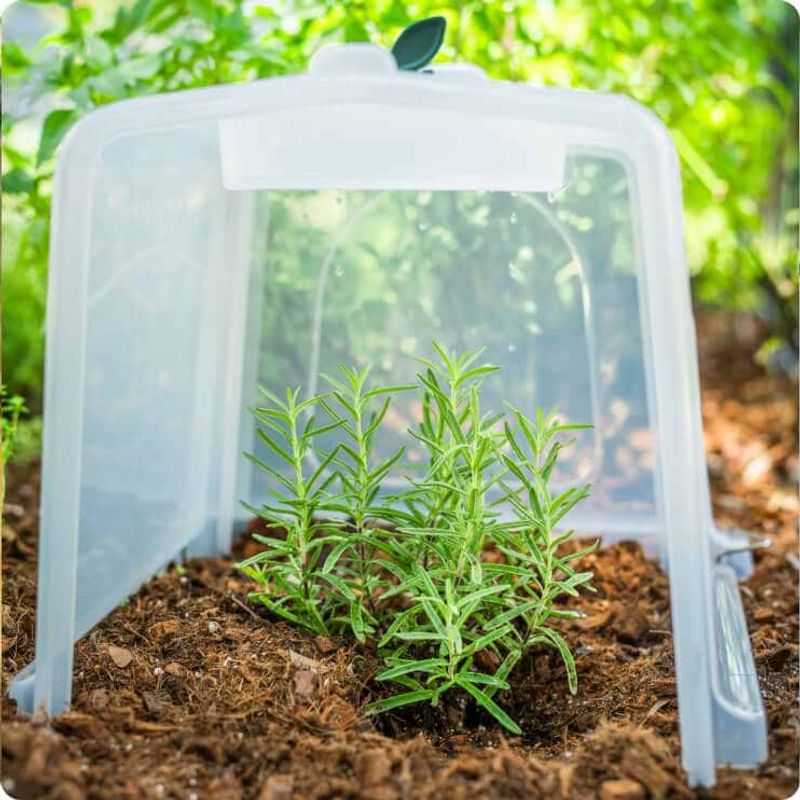
Colorado State Extension frost guidance provides quantified protection figures for framed plastic row covers and similar structures, but those numbers do not automatically transfer to a single milk jug, which is a different shape, thickness, and setup. Row cover performance data similarly reflects specific materials tested under controlled conditions, not a loose plastic container.
When a hard freeze is in the forecast, do not simply remove the jug and leave the seedling exposed. Instead, add a more substantial protection method, such as a frost blanket, a layer of straw mulch, or a framed cover, or move the plant to a sheltered or indoor location when that is possible.
The jug can stay in place as one layer, but it should not be the only layer when temperatures are forecast to drop well below freezing.
USDA hardiness zone labels describe average annual extreme minimum winter temperatures and are not a substitute for checking your local forecast. The USDA plant hardiness zone map is a useful planning reference, but it does not tell you what tonight’s low will be.
Watch local forecasts and act on what they actually say rather than on a zone label or a general regional assumption.
Remove the cover when warmth or plant growth makes it unsuitable
Knowing when to take the jug off is just as important as knowing when to put it on. Season extension guidance is clear that milk-jug cloches are temporary: remove the cover when foliage reaches the top of the jug or when daytime temperatures become warm enough that the cover creates more heat stress than cold protection.
Plants can outgrow a gallon jug faster than expected, especially in a warm spring week.
A quick daily checklist keeps things on track. Vent the cap each morning when sun is expected.
Close it at night only when cold protection is genuinely needed. Check for wind movement, condensation buildup, and any foliage pressing against the plastic.
RHS cloche guidance reinforces that these covers need regular inspection rather than passive use. If severe cold is in the forecast, supplement or replace the jug with a frost blanket or bring the plant inside rather than counting on the jug alone, as noted in Colorado State Extension frost protection guidance.
The jug is a reusable stopgap, not a substitute for watching local forecasts or meeting the plant’s normal growing needs. Rinse it out after the season, store it flat, and it is ready for the next cold snap.
A seedling that made it through a surprise frost because of a rinsed-out milk jug is a small, satisfying win, and that is exactly the kind of resourceful gardening that suits an Oregon spring.