7 native Oregon blooms that keep late hummingbirds fed long after the feeder runs dry
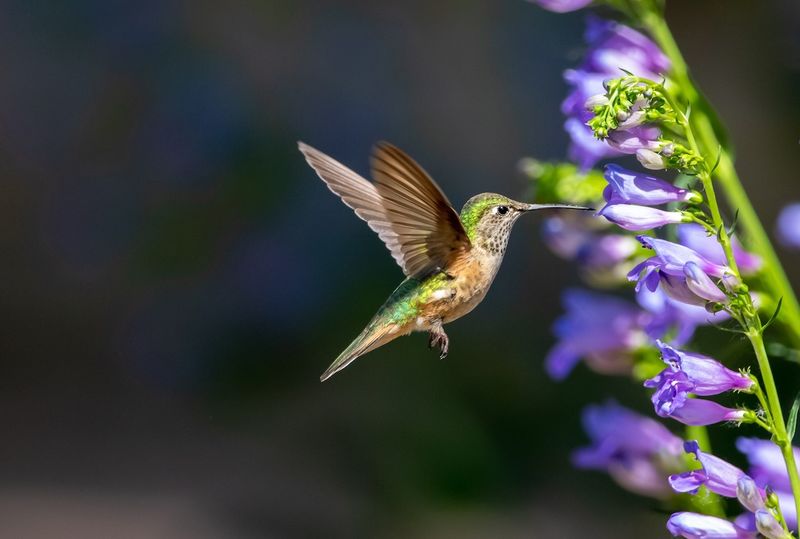
Every fall, there’s that bittersweet moment when you finally clean out the hummingbird feeder for the season. But the little zippers aren’t done fueling up yet, especially the ones bulking up for a big migration south.
The good news is that Oregon’s own wildflowers can carry the nectar torch long after your sugar water runs low. Here are seven native blooms that keep late hummingbirds fed and give you one more reason to feel good about your patch of the Willamette Valley.
1. Fireweed (Chamaenerion angustifolium)
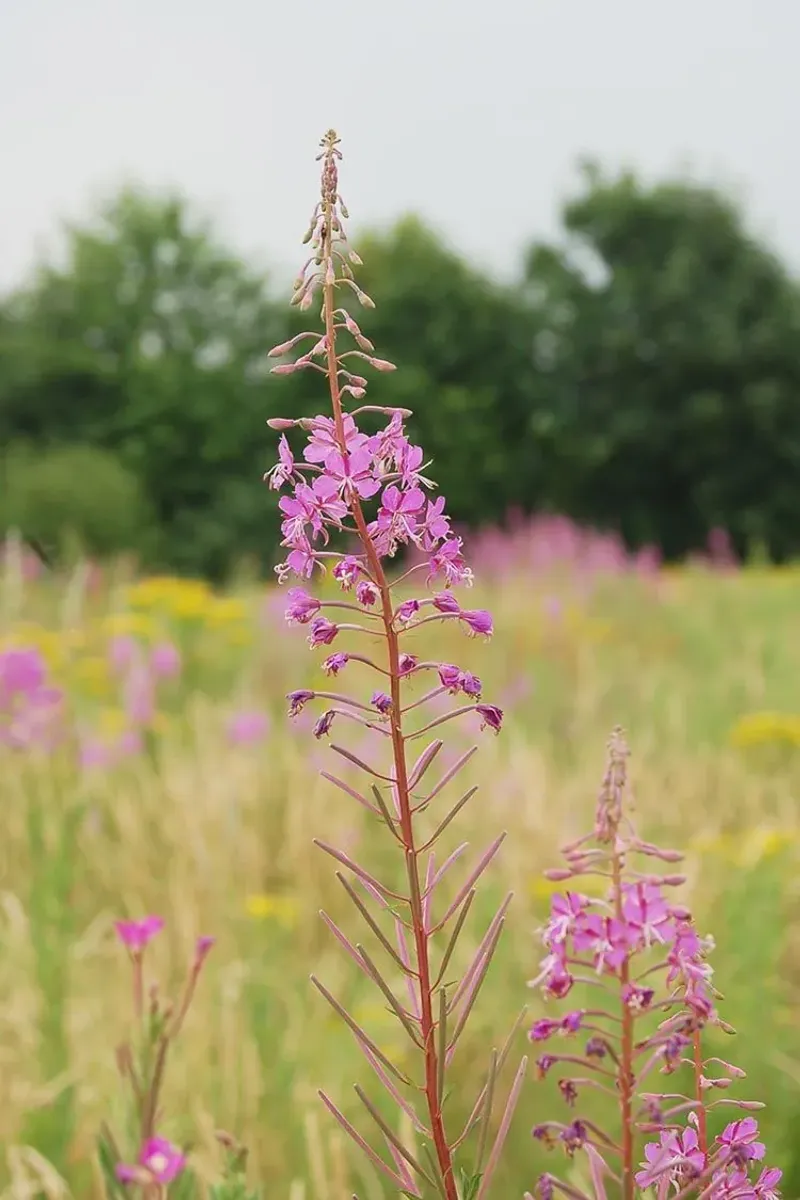
Anybody who has driven a mountain road in late summer has probably seen fireweed painting whole hillsides that hot shade of magenta. It earns its name by being one of the first plants to bounce back after wildfire, which tells you plenty about how tough it is.
For hummingbirds, fireweed is a nectar buffet that stays open from summer straight into autumn. Those tall pink spikes open from the bottom up, so there’s always a fresh flower or two ready right when other blooms are calling it quits.
West of the Cascades it settles into sunny, disturbed spots and doesn’t ask much of you. Give it room to spread, because it likes to wander through a bed.
If you have a wilder corner or a slope you’d rather not mow, fireweed can fill it with color and keep the late birds coming back.
2. Goldenrod (Solidago canadensis)
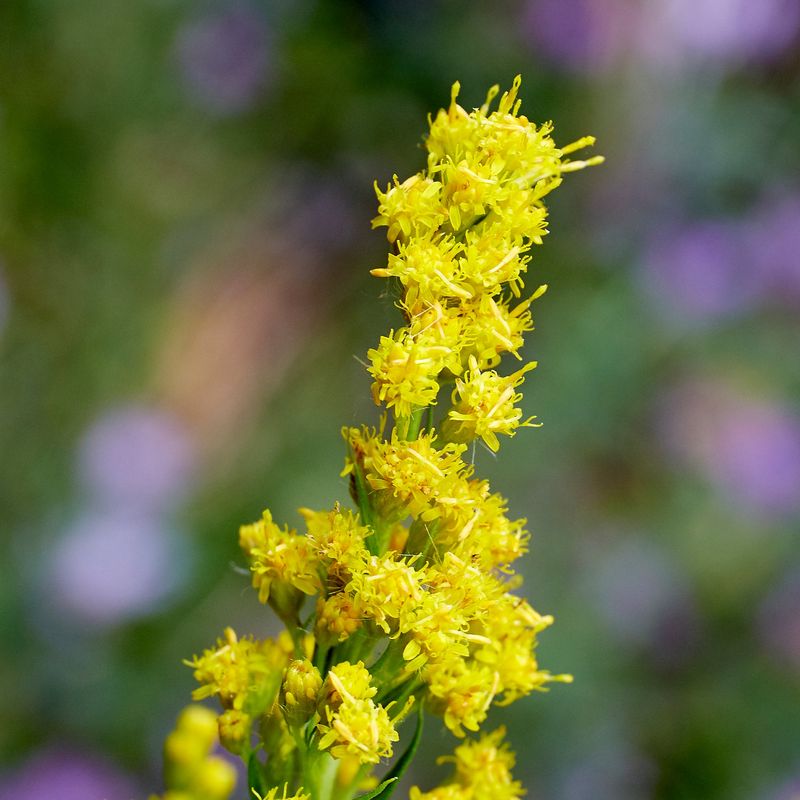
Poor goldenrod gets blamed for hay fever it never caused, when the real culprit is ragweed blooming at the same time. Once you forgive it, you get one of the cheeriest fall plants around.
Those bright golden plumes keep going through late summer and well into autumn, exactly the stretch when hummingbirds are hunting hard for calories before heading south. While bees crowd the flowers, the little birds often come for the tiny insects goldenrod attracts, which is a protein boost they need just as much as nectar.
It’s happy in average Willamette Valley soil and shrugs off our dry summers once established. Leave the seed heads standing through winter and you’ll feed finches too.
Consider it a hardworking native that pulls double duty for wildlife.
3. Scarlet Monkeyflower (Erythranthe cardinalis)
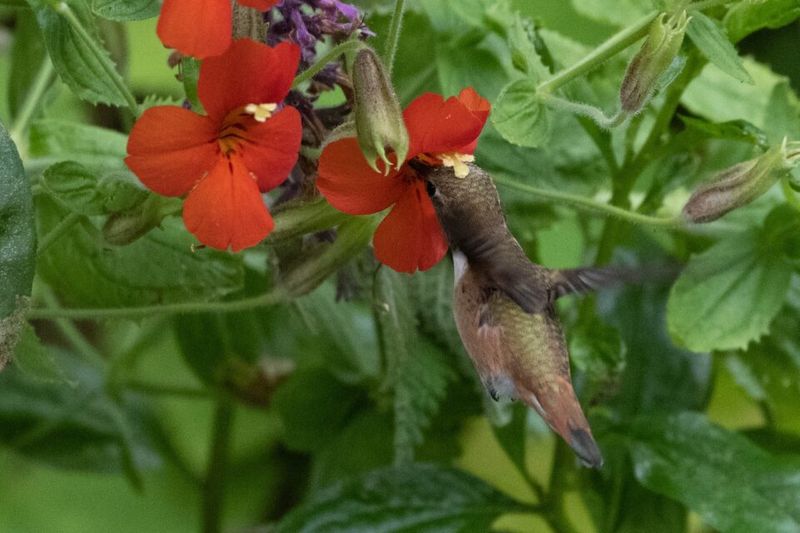
If you wanted to design a flower that screamed “hummingbird, over here!” you’d end up with something very close to scarlet monkeyflower. Those fire-red tubular blooms are practically a neon sign to any passing Anna’s or rufous.
The show runs from summer into fall, which makes this one a reliable late-season anchor. Hummingbirds are one of its main pollinators, so you and the birds both get a front-row seat to the action.
Here’s the catch worth knowing: this plant loves damp feet. Along a pond edge, a drainage ditch, or that soggy spot in the yard you’ve been fighting, it thrives instead of sulking.
Turn your problem wet zone into a hummingbird magnet and call it a win.
4. Pearly Everlasting (Anaphalis emarginata)
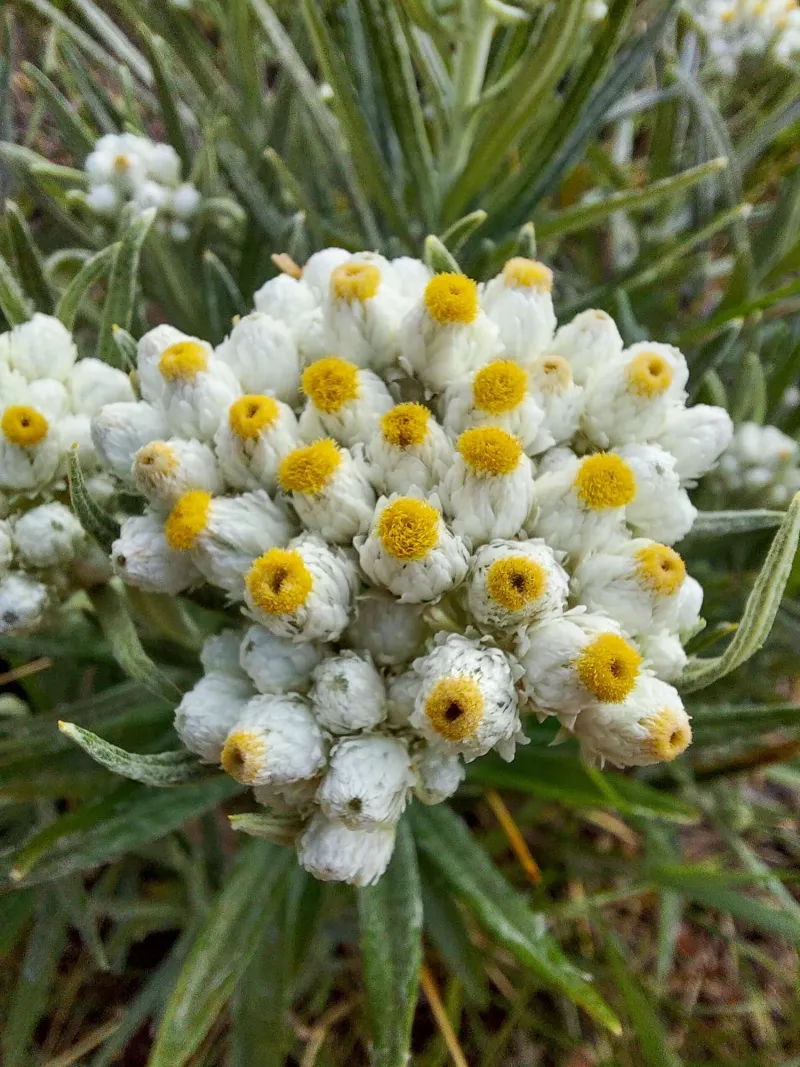
Not every hummingbird plant has to be flashy and red. Pearly everlasting takes the quiet route with clusters of small, papery white flowers over soft silvery-gray leaves.
Your Oregon Garden Changes Every Week. Your Plan Should Too.
Gardening in Oregon changes quickly throughout the season. Every Friday you’ll receive a simple weekly plan showing exactly what to plant, prune, fertilize, harvest, and protect so you never miss the right timing.
Blooming from midsummer into fall, it stretches the foraging window when a lot of showier flowers have already faded. Hummingbirds visit for the tiny insects it draws, and it’s a well-known host for butterfly caterpillars too, so the whole flying crowd shows up.
Drought is no problem for this one. It actually prefers the lean, dry, sunny ground that makes fussier plants pout, which suits our rain-free Oregon summers perfectly.
The blooms dry beautifully on the stem, so you get that everlasting look right through the cooler months.
5. Native Penstemons (Penstemon spp.)
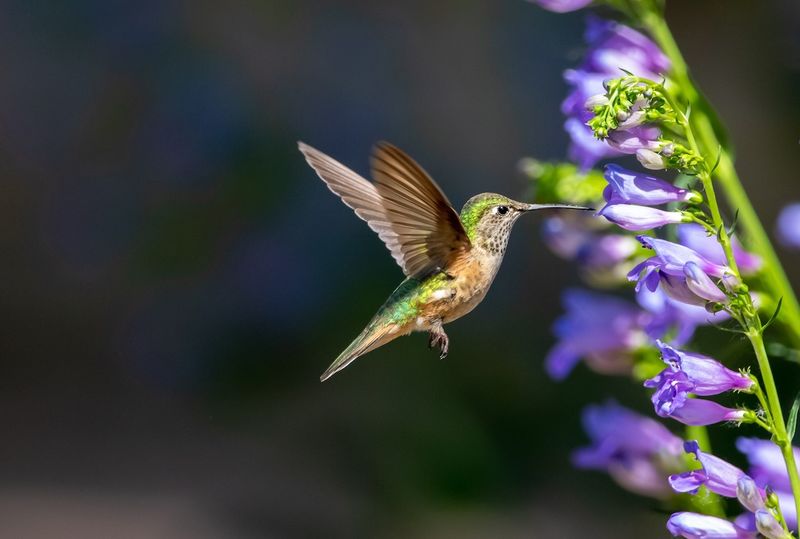
Gardeners who fall for penstemons tend to fall hard, and there’s a whole clearance-rack temptation waiting for you every time you pass the natives table. With so many species native to Oregon, collecting a few different ones is almost inevitable.
Their nickname, beard-tongue, comes from the fuzzy little stamen tucked inside each tubular flower. That tube shape is exactly what hummingbird beaks are built for, which is why the birds work them so eagerly.
Many penstemons peak earlier in the season, but the trick is mixing varieties so something is always in bloom. A few later-flowering types will keep the nectar coming into the tail end of the year.
They want sharp drainage and full sun, so a gravelly slope or a raised spot keeps them thriving through our wet winters.
6. Western Columbine (Aquilegia formosa)
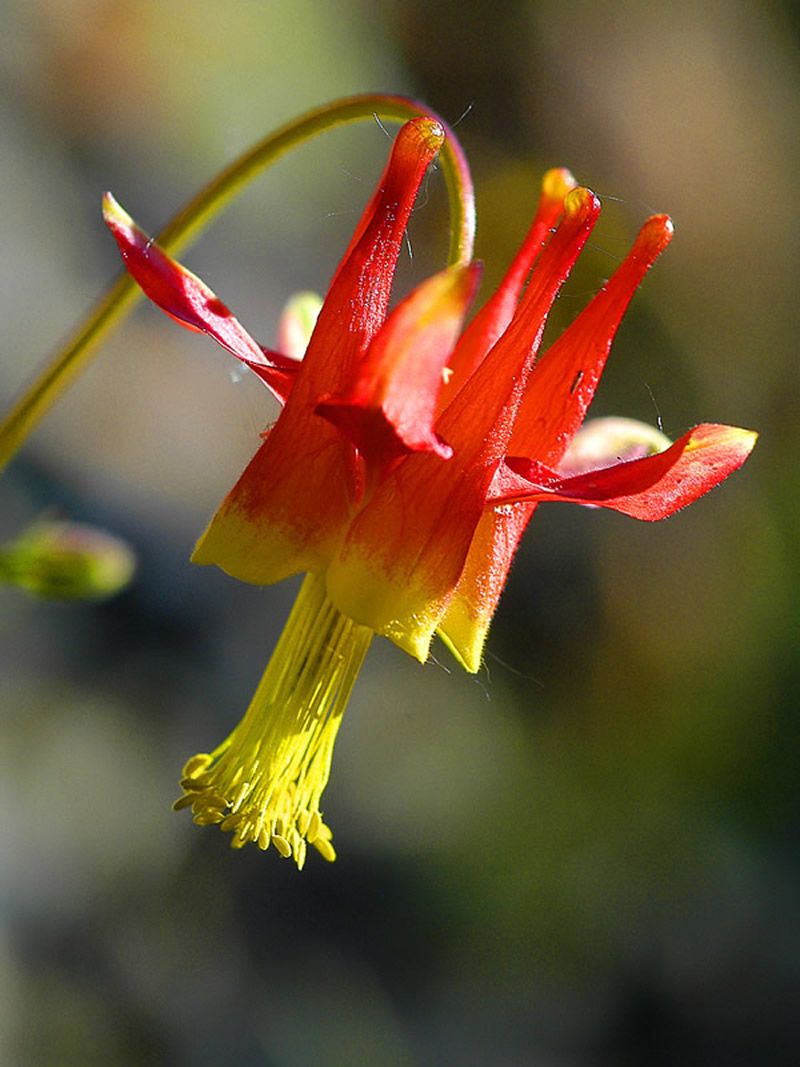
There’s something almost jewelry-like about western columbine, with its nodding red-and-yellow lanterns dangling on thin stems. The flowers seem to float, and hummingbirds absolutely adore them.
Those backward-pointing spurs hold nectar deep inside, tucked away where only a long tongue can reach. That means the birds get a reward the bees mostly can’t touch, keeping the fuel close by.
Bloom time usually runs from spring into midsummer, but in the right spot columbine keeps offering a bit into fall, extending the season for stragglers. It’s a lovely fit for those dappled, part-shade corners under trees where fussier flowers refuse to grow.
Best of all, it self-sows gently, so a single plant can become a cheerful little colony over a few years.
7. Orange Jewelweed (Impatiens capensis)
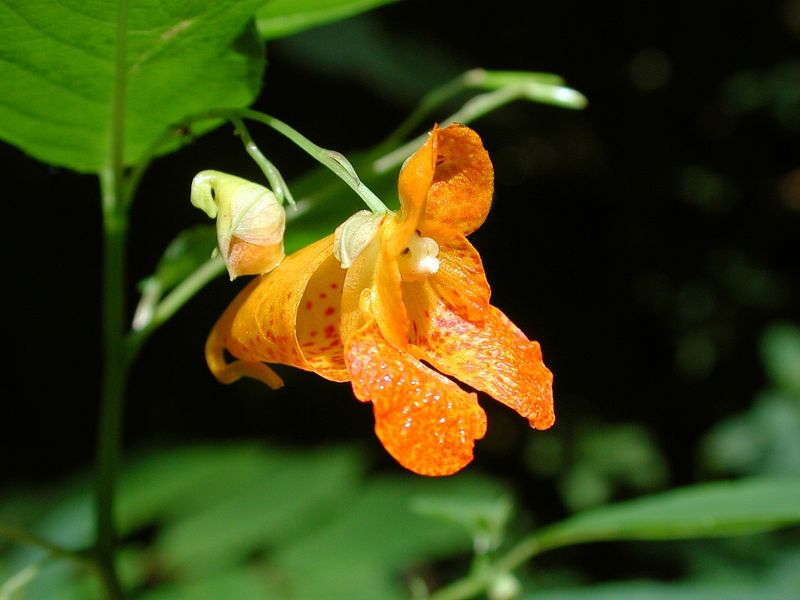
Jewelweed has a fun party trick: brush its ripe seed pods and they pop open and fling seeds everywhere, which is why some folks call it touch-me-not. Kids love it, and honestly, so do plenty of grown gardeners.
As one of the few Impatiens actually native to Oregon, it produces bright orange, spotted flowers from late spring into early fall. Hummingbirds slip right into those dangling blooms for a shady-corner snack.
And shady is the key word here. Jewelweed wants moist, low-light spots where so many nectar plants give up, making it perfect for that damp north side of the house or a spot along a creek.
Let it reseed and it’ll happily return each year to feed the late birds in your garden’s dimmest corner.