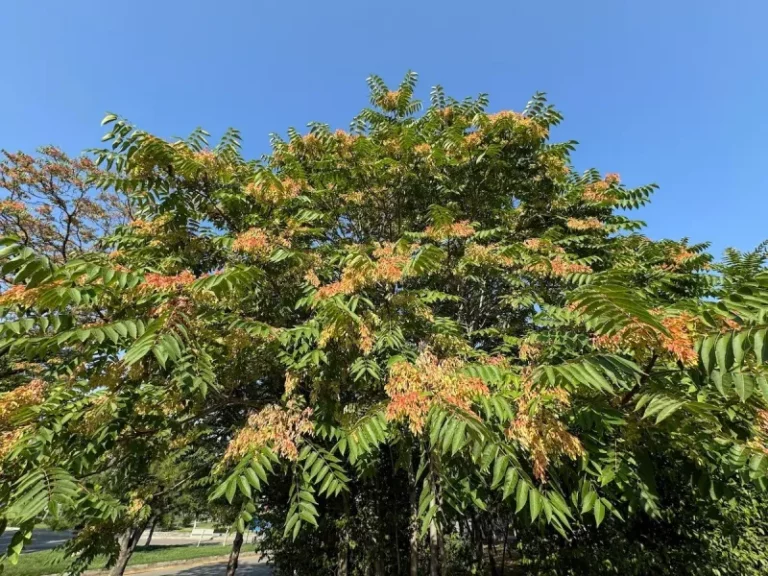
The Blight-Tolerant Chestnut Is Growing Again: How a Single Wheat Gene Became a Promising Restoration Tool
Roughly a century ago, a fungal disease began quietly killing one of the most important trees in eastern North American forests. The American chestnut was a towering food source, a prized timber tree, and a keystone of the woodland ecosystem, and within decades it was functionally gone.
Scientists have spent more than a hundred years searching for a way to bring it back, and a wheat-derived gene called OxO has become the most talked-about tool in that effort. The story is genuinely exciting, but it is also more complicated than most headlines suggest.
The blight erased a forest giant
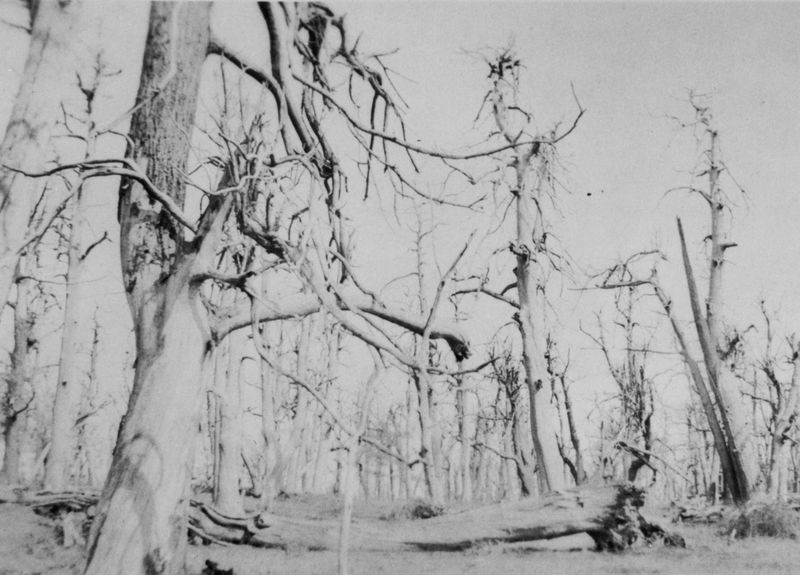
Before the twentieth century reshaped eastern forests, the American chestnut stood as one of the most productive and widely distributed canopy trees on the continent. From Maine to Mississippi and across the Appalachian ridgeline, it supplied dense, rot-resistant timber to builders and furniture makers, and its annual nut crop fed deer, black bears, wild turkeys, and rural communities that gathered chestnuts every fall as a dependable food source.
Chestnut blight arrived with imported nursery stock. The fungus Cryphonectria parasitica was first identified in the United States in 1904, and it spread with devastating speed through a tree population that had no evolutionary resistance to it.
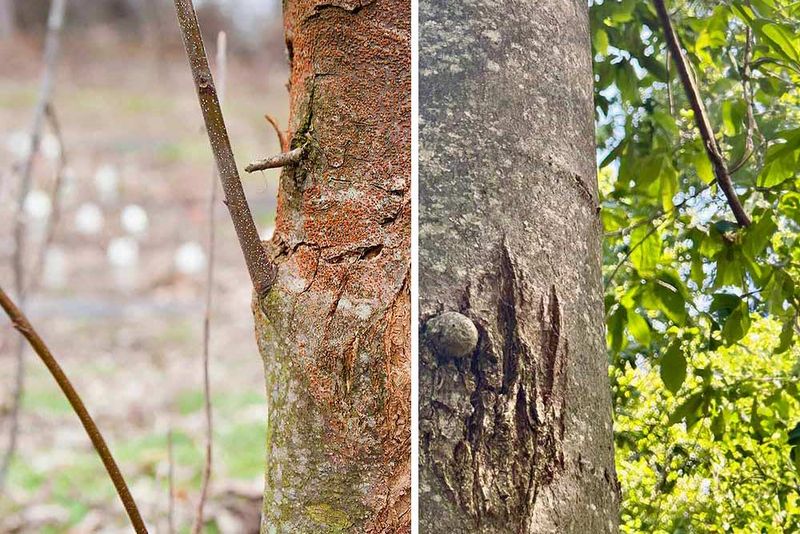
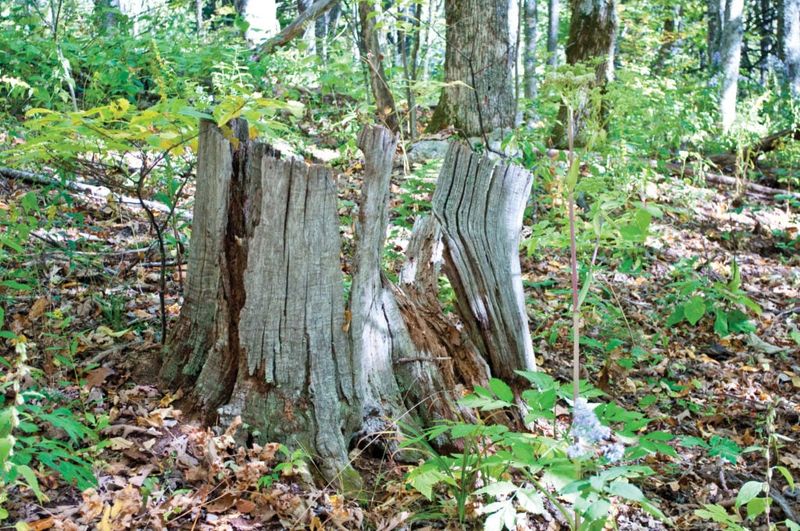
The pathogen girdles stems by cutting off water and nutrient flow, killing everything above the infection point while leaving the root system briefly alive. Trees would resprout from surviving root collars and then die back again before reaching reproductive maturity.
By 1960, USDA Forest Service estimates put the total loss at roughly four billion trees, a figure best understood as a historical estimate of ecological collapse rather than a precise count. The chestnut had effectively vanished from the forest canopy, taking with it the mast production, the timber supply, and the ecological relationships that had built up over thousands of years.
What the borrowed wheat gene actually changes
Cryphonectria parasitica does not simply invade chestnut tissue and digest it. Part of how the fungus kills is chemical: it secretes oxalic acid into the surrounding wood, lowering the local pH and disabling the tree’s defensive responses.
That acidic environment helps the pathogen expand cankers and overwhelm the tissue it is colonizing.
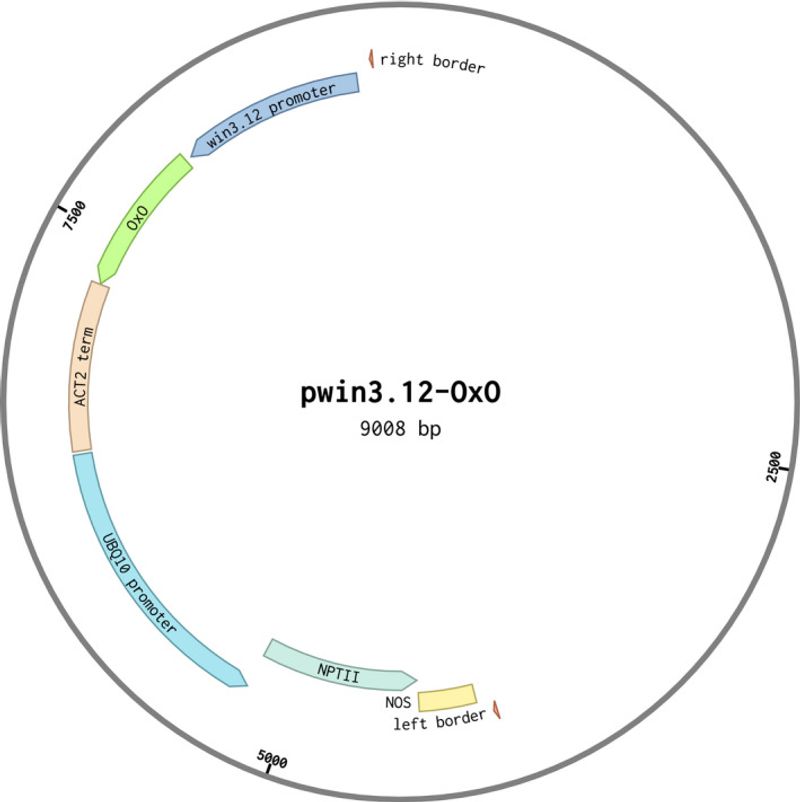
The wheat-derived OxO coding sequence gives chestnut cells a counter to that chemical attack. The gene directs the tree to produce oxalate oxidase, an enzyme that breaks oxalic acid down into hydrogen peroxide and carbon dioxide.
Hydrogen peroxide at controlled concentrations can trigger plant defense pathways, and the removal of oxalic acid takes away one of the fungus’s key tools for expanding damage. Early research on the OxO mechanism confirmed that this approach targets a specific fungal damage pathway rather than acting as a broad fungicide.
Calling it “one gene” is accurate shorthand but not the complete technical picture. The genetic construct in Darling 54 includes regulatory DNA that controls when and where the gene is active, along with an insertion site within the chestnut genome.
The modification does not prevent Cryphonectria parasitica from infecting the tree, and it does not kill the fungus. Some cankers can still grow.
Your Arizona Garden Changes Every Week. Your Plan Should Too.
Gardening in Arizona changes quickly throughout the season. Every Friday you’ll receive a simple weekly plan showing exactly what to plant, prune, fertilize, harvest, and protect so you never miss the right timing.
What changes is the severity of damage in trees carrying sufficient OxO expression, not the presence of the pathogen itself.
Early tests established a promising but conditional effect
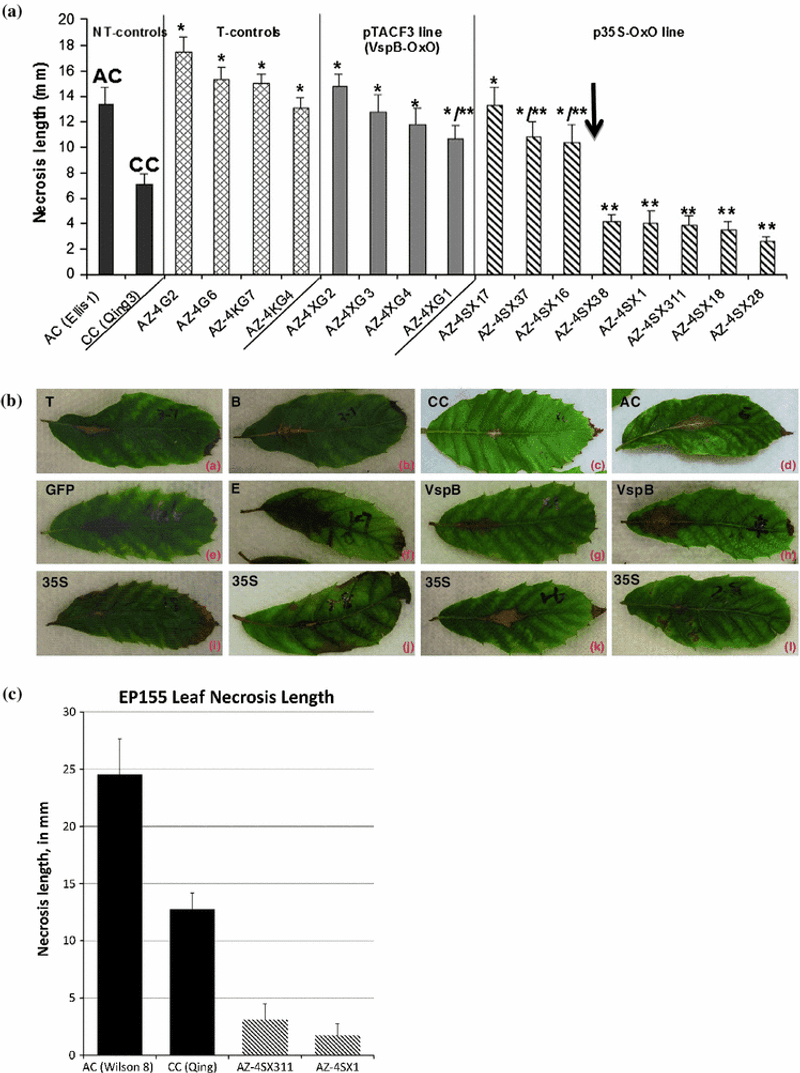
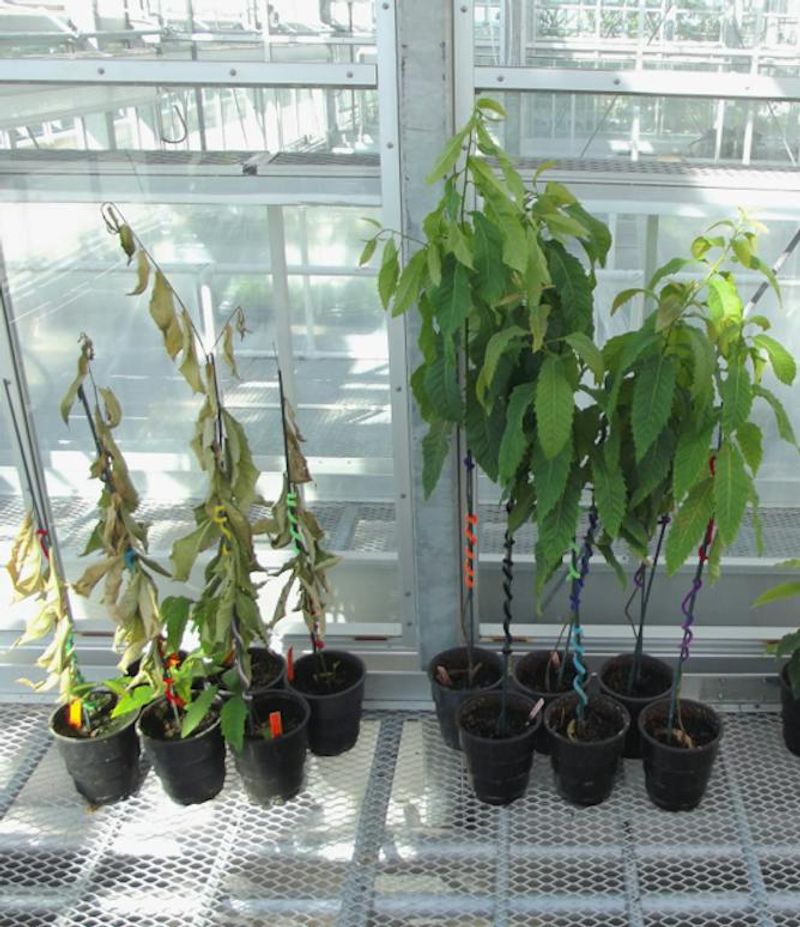
Laboratory and greenhouse results gave researchers early reason for optimism, but those results came with important conditions attached. Leaf bioassays tested whether transgenic chestnut tissue could limit the spread of Cryphonectria parasitica under controlled conditions, and some transgenic events produced lesion sizes comparable to Chinese chestnut, which carries natural partial tolerance developed through its own evolutionary history with the pathogen.
The catch was consistency. Not every transgenic event performed equally well.
Results depended heavily on which specific genetic event was tested and on how much oxalate oxidase the tree’s cells were actually producing. Events with lower OxO expression showed much weaker protection, while higher-expressing events matched or approached Chinese chestnut performance.
That expression threshold matters because it means the trait is not automatically uniform across all trees carrying the gene construct.
Greenhouse results also could not predict how trees would behave across the range of temperatures, soil conditions, fungal strains, and competitive pressures found in real forests. A leaf disc held in a controlled environment at a fixed temperature and humidity is a useful model, but it is a simplified one.
The early evidence established that the OxO approach was worth pursuing seriously, not that it had already solved the problem. Researchers treating those results as proof of forest-scale performance would have been getting ahead of the data, and the field experiments that followed confirmed why caution was warranted.
Field data show meaningful tolerance alongside real tradeoffs
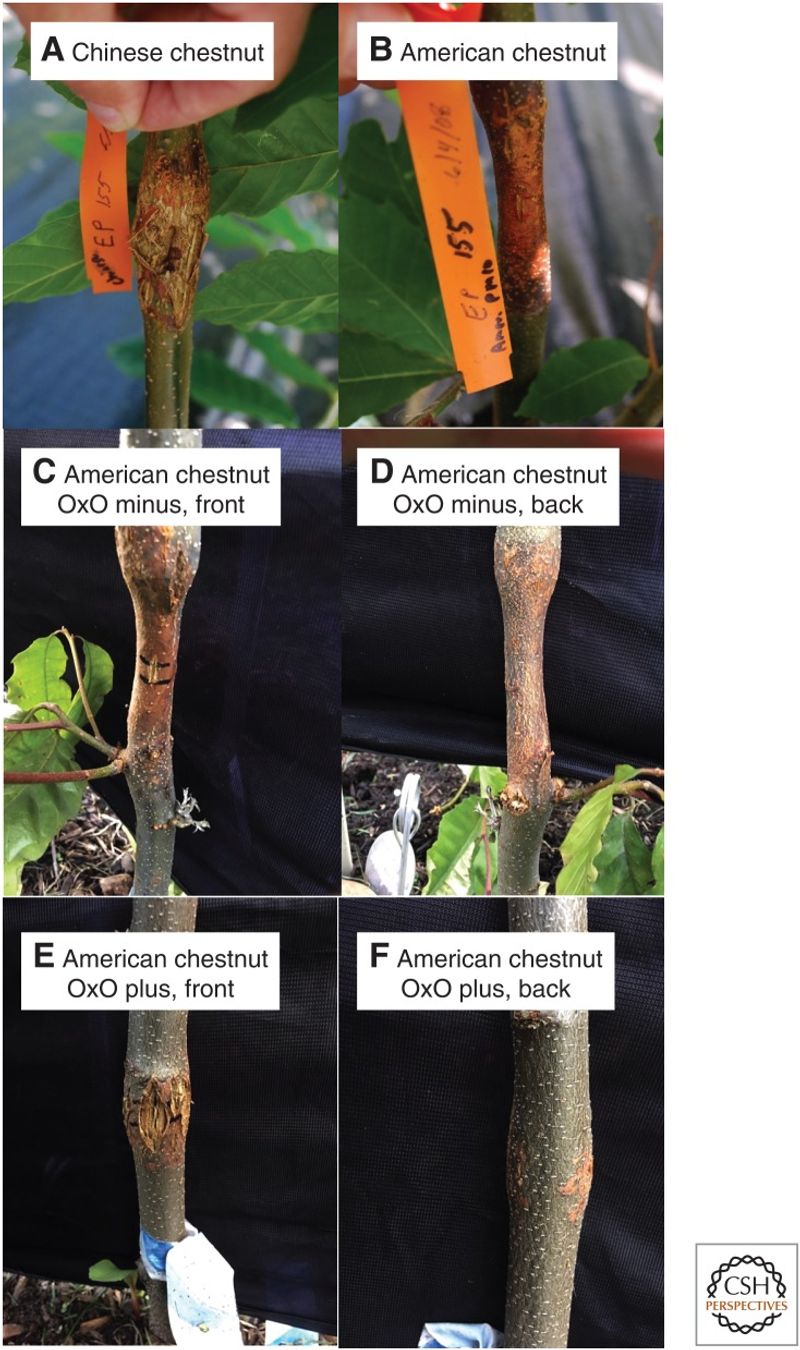
The most detailed recent performance data comes from a 2026 study published in Science. OxO-positive Darling 54 progeny were inoculated with chestnut blight and compared with wild-type full siblings grown under the same conditions.
One year after inoculation, OxO-positive trees had cankers 38% shorter on average than their wild-type counterparts. That is a measurable, meaningful reduction in blight damage.
The same study also reported results that complicate any straightforward success narrative. Resistance varied widely among individual trees.
Among the trees that received the best blight-resistance ratings in their first year of observation, 13% later developed expanding cankers, showing that early ratings did not reliably predict long-term outcomes for every individual. OxO-positive trees also grew 22% more slowly on average than wild-type full siblings, a growth tradeoff that matters for competitive survival in a real forest environment.
Perhaps the most sobering figure is this: only 4% of hemizygous OxO-positive trees in the analyzed population combined high resistance ratings with height growth comparable to wild-type controls. That subset represents what a breeding program would want to select and propagate, but it is a small fraction of the current population.
The study’s authors were explicit that larger and longer field trials are still needed.
A separate 2025 common-garden study found that Darling 54 trees survived and grew in field conditions, though with reduced growth overall and periodically elevated leaf respiration. Those authors also framed the tree as a potential restoration tool rather than a finished restoration population.
Darling 54 and Darling 58 are not interchangeable
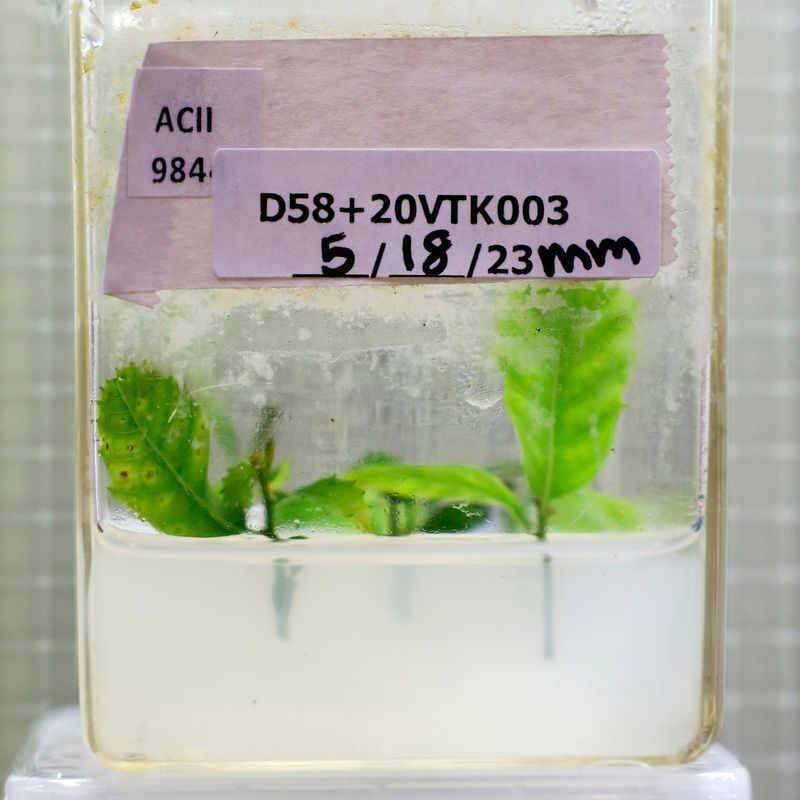
Much of the public discussion about the genetically engineered chestnut used the name Darling 58, and a significant portion of the earlier research was published and promoted under that label. A labeling error later revealed that material described as Darling 58 in a number of studies and outreach efforts actually involved Darling 54.
The two designations are not interchangeable, and the distinction matters for understanding which tree regulatory agencies reviewed and which one the science actually describes.
The American Chestnut Foundation announced in December 2023 that it was discontinuing development of Darling 58 after reporting inconsistent blight tolerance, reduced growth competitiveness, increased mortality rates, and the identity problem that had complicated earlier assessments. That decision effectively ended the foundation’s active work on Darling 58 as a restoration candidate.
Darling 54 is the line that moved through the regulatory process and that current field and common-garden research describes. The TACF’s Darling 58/54 page explains the relationship between the two designations and the correction that was made after the identity error was discovered.
Anyone reading older studies, press coverage, or advocacy materials that reference Darling 58 should verify which line was actually tested before drawing conclusions about the current state of the research or the regulatory record.
USDA deregulation does not equal unrestricted restoration
On August 27, 2026, USDA APHIS issued a determination that Darling 54 was unlikely to pose a greater plant-pest risk than conventional American chestnut and removed it from regulation under the agency’s plant-pest authority. That action, described in the USDA’s official program update, is a specific regulatory finding about plant-pest risk under APHIS jurisdiction.
It is not a declaration that the tree is blight-proof, ecologically proven across all forest settings, or authorized for unrestricted wild planting.
APHIS, EPA, and FDA each have distinct roles in the federal biotechnology oversight framework, and a determination from one agency does not resolve the others’ questions. The EPA regulates plant-incorporated protectants under pesticide law, and the OxO trait falls within that jurisdiction.
As of the time of publication, the EPA matter was an experimental-use-permit application that had been publicly noticed in May 2026, not an issued permit authorizing broad or unrestricted planting. A public notice of an application is not the same as regulatory approval.
FDA’s involvement in plant biotechnology consultations is voluntary, and food and feed safety questions remain separate from the APHIS plant-pest determination. The revised Darling 54 petition submitted to APHIS describes the tree as having enhanced blight tolerance, not complete resistance, and the agency’s action reflects that framing.
Readers who encounter claims that USDA approval means the chestnut is ready to be planted freely across eastern forests should treat those claims skeptically until all three regulatory tracks have been resolved and specific planting guidance has been issued by the relevant authorities.
Restoring a species requires more than blight tolerance
Blight tolerance is one obstacle among many. Forest Service research on American chestnut restoration identifies a cluster of challenges that a transgene cannot solve by itself: adequate genetic diversity across a planting population, suitable soil and site conditions, the presence of Phytophthora cinnamomi root rot that can kill trees before blight ever reaches them, browsing pressure from deer, competition from established forest species, and the long timeline required for trees to reach reproductive maturity and begin contributing to natural regeneration.
Phytophthora root rot deserves particular attention because it was affecting American chestnut roots as early as 1824 and remains active across much of the species’ former range, especially in low-lying areas, riparian zones, and heavy clay soils. A blight-tolerant tree planted on a site with severe Phytophthora pressure may never live long enough to demonstrate its blight response.
The genetic-engineering approach is also not the only restoration pathway under development. Chinese chestnut hybridization programs have been running for more than a century, and blight-resistance breeding using backcross methods continues.
Selection among naturally surviving American chestnuts, genomic selection techniques, biological control using hypovirulent fungal strains, and combinations of these strategies are all part of the broader restoration toolkit. No single method has proven sufficient on its own, and Forest Service literature on chestnut restoration treats multi-generational, multi-strategy programs as the realistic path forward.
The accurate takeaway: a tool for recovery, not recovery itself
Darling 54 represents a genuine scientific achievement. The OxO trait can reduce canker damage in some trees under some conditions, the 38% reduction in canker length is a real result, and the APHIS deregulation of the line on August 27, 2026 marks a meaningful regulatory milestone.
None of that adds up to a blight-proof tree that has already brought the American chestnut back.
Resistance varies across individuals, growth tradeoffs are real and documented, only a small fraction of trees tested combine strong resistance with competitive growth, and the regulatory pathway still involves EPA and FDA processes that the APHIS action did not resolve. The line identity confusion between Darling 54 and Darling 58 is a reminder that the science is still being refined and that public understanding has sometimes run ahead of what the evidence actually shows.
Anyone reading headlines suggesting that a single wheat gene has fully restored the American chestnut should look past the framing. The work is significant, the trajectory is encouraging, and Darling 54 is a useful tool in a restoration program that will take multiple generations and continued scientific evaluation to complete.
For now, readers should not treat the current research as an invitation to seek out or plant Darling trees without verified lawful availability and current authorization from the relevant agencies. The chestnut’s comeback, if it comes, will be a long and carefully managed effort, not an overnight transformation.