Missouri’s Fescue Lawns Have A Seeding Window That Closes Fast
Your yard is quietly running out of chances, and most people never notice until it’s too late to fix. Something under the surface has already started shifting, and it has almost nothing to do with the weather everyone keeps blaming for those brown patches.
Missouri homeowners have far less room for error this month than they realize, even the ones who think they have plenty of time left. Waiting even a week longer than you should can quietly undo every bit of effort you put into that yard over the entire summer.
Every neighbor on your block seems to be working from some calendar you were never handed. That narrow window everyone assumes stretches on for weeks in Missouri is actually closing faster than most people are prepared for.
Ignoring the signs now will cost you far more later than simply admitting you got the timing wrong. You really don’t want to be the one standing outside next spring, wondering why nothing you tried ever worked.
Soil Temperature Sets The Real Cutoff For Fescue Seed
Your calendar might say September, but tall fescue seed pays closer attention to the dirt under your feet. Soil temperature decides when seeds wake up, sprout, and start building roots.
Fescue germinates best when soil sits between 50 and 65 degrees at a two-inch depth. In most of Missouri, that sweet spot lines up with early to mid-September.
Air temperature can fool you, since a chilly morning does not mean the ground has cooled much. Soil holds summer heat longer, then drops steadily once nights stay in the fifties.
A cheap soil thermometer from any garden center solves the guessing game in about ten seconds. Push it two inches deep in the morning, then check again in the afternoon for an average.
Once readings slide below 50 degrees, germination slows to a crawl and seedlings struggle to get going. Seeds may sit in cold soil for weeks, feeding birds instead of growing into a lawn.
Soil that is too warm causes trouble too, because heat invites weeds and fungus that attack tender sprouts. That is why seeding in August heat often disappoints Missouri homeowners.
Fun fact: the University of Missouri Extension tracks soil temperatures at weather stations across the state. Checking their online data takes a minute and gives you a clear picture of your local conditions.
Think of soil temperature as the real trigger for your fall project. Watch the ground, not the calendar, and your seed gets a fair shot at success.
The Four-Week Stretch Most Missouri Lawns Depend On
Picture a Missouri lawn expert circling dates on a kitchen calendar with a red marker. Most of those circles land between late August and late September, and there is a good reason why.
Extension experts suggest a prime window from about August 25 to September 25 for much of the state. Northern counties lean earlier, while the Bootheel and southern areas can stretch a bit later.
Four weeks sounds generous until life gets in the way with school events, football games, and rainy weekends. Suddenly it is October, and the bag of seed is still sitting in the garage.
Your Missouri Garden Changes Every Week. Your Plan Should Too.
Gardening in Missouri changes quickly throughout the season. Every Friday you’ll receive a simple weekly plan showing exactly what to plant, prune, fertilize, harvest, and protect so you never miss the right timing.
Timing matters because young fescue needs six to eight weeks of growth before winter arrives. Those weeks let roots dig deep enough to handle freezing and thawing without heaving out of the ground.
Fall also gives seedlings a huge advantage over crabgrass, which quits growing once cool weather settles in. Spring seeding means competing with weeds and summer heat before roots are ready.
A smart plan is to pick your seeding weekend now and treat it like an appointment. Buy seed, rent equipment, and test your soil a week or two ahead of time.
If the forecast looks rainy, shift a few days earlier rather than later. Losing a week at the end of September hurts far more than losing one at the start.
Getting the job done inside that stretch gives your lawn its best shot at a thick spring green-up. Your future self, mowing a lush yard in May, will thank you.
Seed-To-Soil Contact In Thin Or Bare Patches

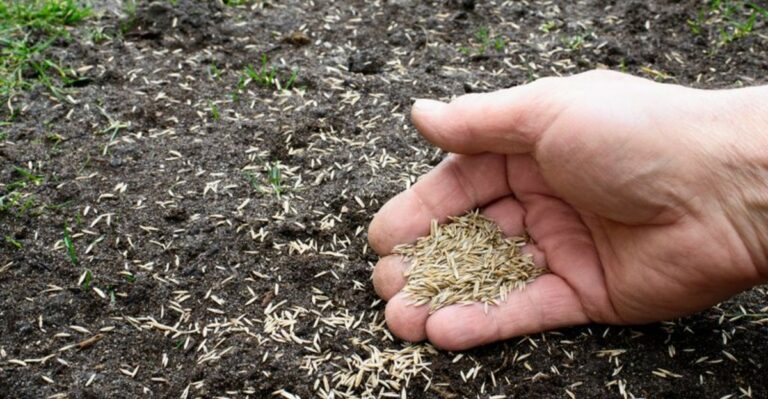
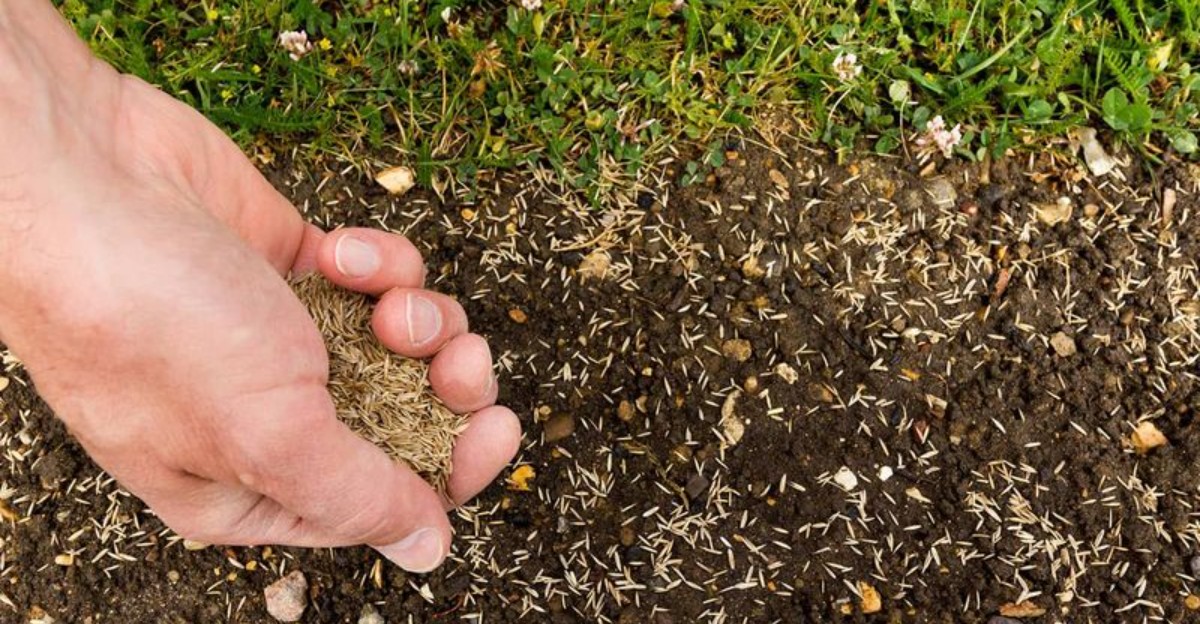
Tossing seed onto hard ground is a bit like throwing popcorn at a brick wall. Most of it bounces, rolls away, or becomes a snack for the local sparrows.
Fescue seed needs to touch soil directly so it can soak up moisture and anchor its first roots. Seed sitting on thatch or packed clay often dries out before it ever sprouts.
For small bare spots, a sturdy garden rake works wonders. Scratch the surface about a quarter inch deep, loosen the soil, and clear away old debris.
Larger thin areas benefit from core aeration, which pulls small plugs of soil from the ground. Seeds tumble into those holes and find cozy, moist pockets to grow in.
Slit seeders are another great option, and many hardware stores rent them for a day. These machines cut shallow grooves and drop seed right into them, giving excellent contact.
Aim for about three to four pounds of seed per 1,000 square feet when overseeding thin turf. Bare ground usually needs a heavier rate, closer to six to eight pounds.
After spreading, lightly rake again or roll the area so seeds press snugly into the dirt. A thin layer of straw or peat moss helps hold moisture without smothering sprouts.
Skip burying seed too deep, since anything below a quarter inch struggles to reach sunlight. Shallow and snug is the magic combination for strong germination.
Birds will still find a few seeds, and that is perfectly fine. Good contact means plenty will survive to fill in those patchy spots.
Starter Fertilizer Timed For New Seedlings
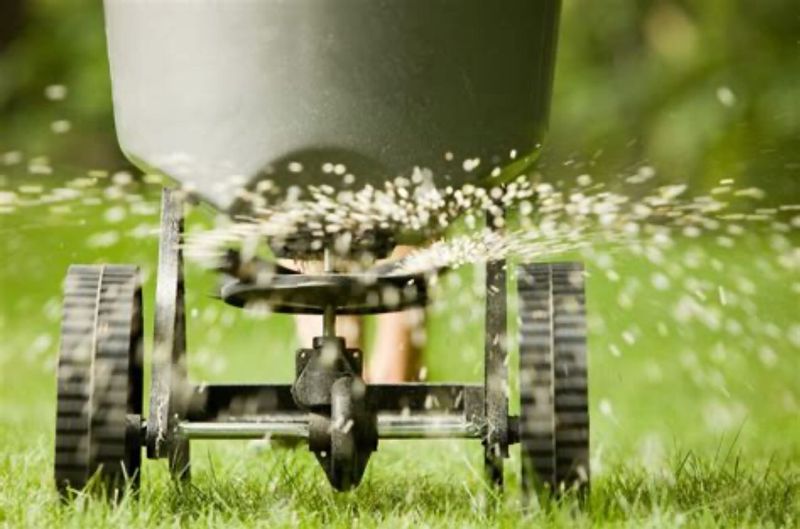
Baby fescue plants are hungry little things, and what they eat first shapes how strong they become. Starter fertilizer gives seedlings a quick meal right when they need it most.
Most starter blends contain more phosphorus than regular lawn food, and phosphorus helps build healthy roots. Look for bags labeled for new lawns or seeding, often with numbers like 18-24-12.
Timing is simple, but it matters more than most people expect. Apply starter fertilizer the same day you seed, either just before or right after spreading.
Waiting too long means seedlings sprout into soil that may lack the nutrients to fuel early growth. Applying weeks ahead risks rain washing much of it away before seeds ever germinate.
A soil test from the University of Missouri Extension costs very little and tells you exactly what your yard lacks. Some Missouri soils already hold plenty of phosphorus, so the test can save money and protect nearby streams.
About four to six weeks after germination, a second light feeding with nitrogen keeps things moving. Seedlings by then have a few leaves and can use extra fuel before cold weather.
Avoid weed-and-feed products during this stage, because most weed preventers stop grass seed from sprouting too. Mesotrione is one exception that some starter products include, so read labels carefully.
Spread fertilizer with a broadcast or drop spreader for even coverage instead of tossing it by hand. Uneven feeding leaves some spots lush and others pale and thin.
Watering Schedules Through The First Three Weeks
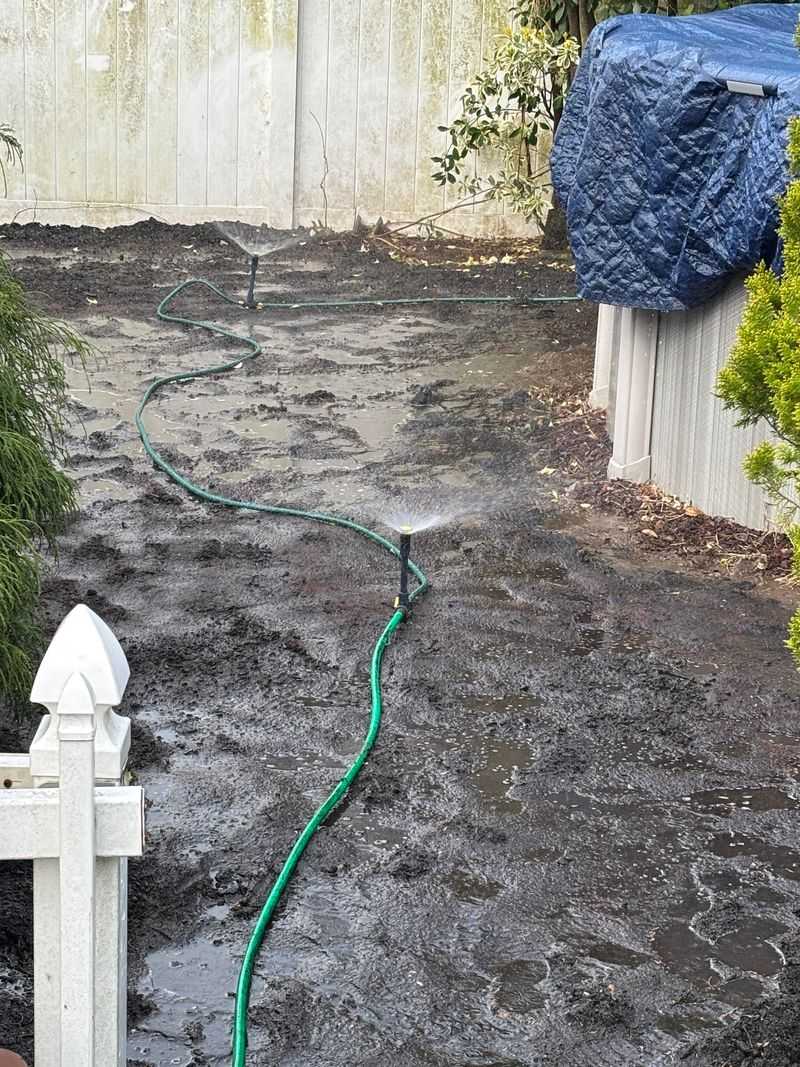
New seed is a bit like a toddler at the beach, thirsty every few hours and fussy if forgotten. The first three weeks of watering can make or break your whole project.
During week one, keep the top inch of soil moist but not soggy. Light sprinkles two or three times a day usually work, especially on warm, breezy September afternoons.
Each session might only last five to ten minutes, depending on your sprinkler. Puddles and runoff mean you went too far, and seeds can wash into clumps.
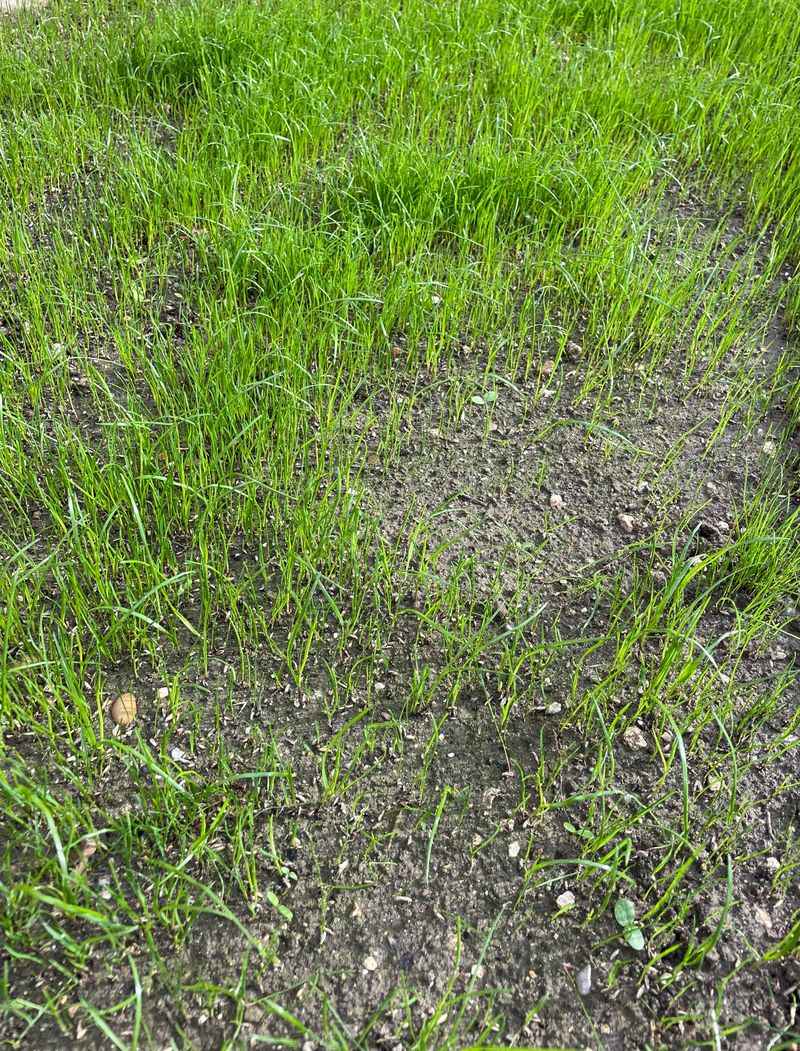
Around week two, most fescue seedlings start popping up like tiny green threads. Cut back to one or two waterings a day, but run each cycle a little longer.
By week three, roots are reaching deeper, so the goal shifts toward fewer, deeper soakings. Watering every other day for longer periods encourages roots to chase moisture downward.
Morning watering beats evening watering for a simple reason: wet grass overnight invites fungus problems. Brown patch disease loves damp, warm nights, and young fescue has little resistance to it.
A cheap hose timer takes the stress out of remembering, especially for busy families. Tuna cans placed around the yard can help you measure how much water actually lands.
Rain counts too, so check the forecast before running sprinklers. Skipping a cycle after a good shower saves water and keeps soil from getting waterlogged.
Hold off on mowing until seedlings reach about three and a half inches tall. Walk on the area as little as possible during these tender weeks.
Late Seeding Risks Ahead Of The First Hard Frost
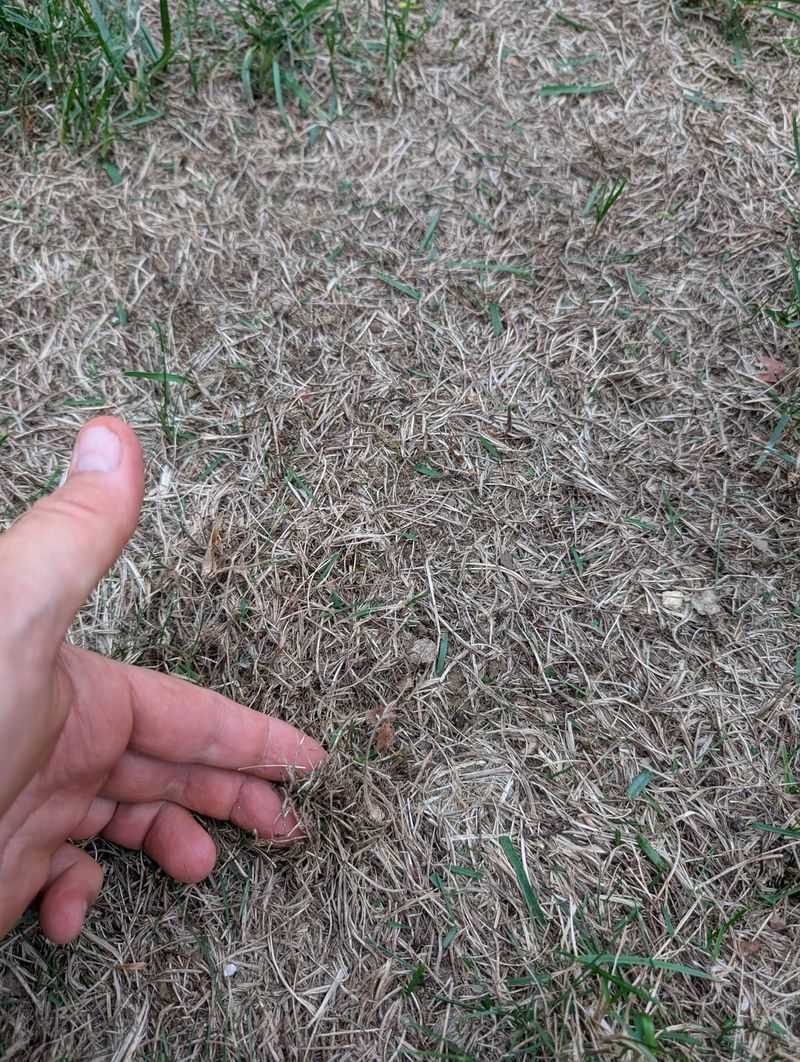
Missouri usually sees its first hard frost between mid-October and early November, depending on where you live. That date quietly acts as the finish line for fall seeding.
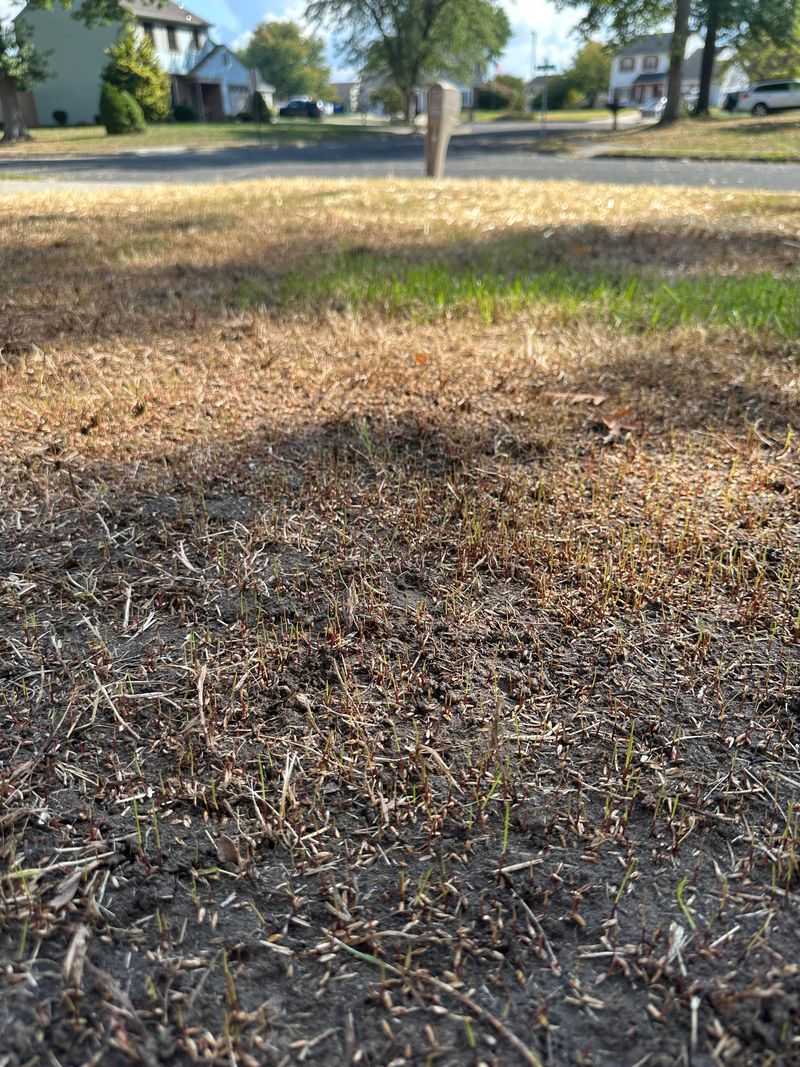
Seedlings that sprout in October may look fine at first, with soft green blades and plenty of promise. Trouble comes later, when roots are too short to survive repeated freezing and thawing.
Frost heaving happens when wet soil freezes, expands, and pushes shallow plants right out of the ground. Exposed roots dry out quickly, and those young plants rarely recover by spring.
Late seedlings also miss out on storing energy before winter. Without those reserves, they come back weak and struggle against spring weeds and summer heat.
Running behind schedule does not mean giving up, though. Dormant seeding places seed on cold soil from late November through February, so it sprouts in spring.
Freezing and thawing work seeds into the soil naturally, which improves contact without extra work. Results are not as strong as fall seeding, but they beat a rushed October effort.
Another option is simply waiting until next August and prepping the soil well ahead of time. Patience can feel frustrating, yet a well-timed planting often outperforms a hurried one.
If you do seed late, choose a spot with good sunlight and protect it with straw. Every bit of warmth and cover helps tender plants hold on through the cold.
Keep an eye on the ten-day forecast and move quickly if you are close to the cutoff. A few days can decide whether your lawn thrives or flops.