Never Touch This Fuzzy Caterpillar In Your Arizona Yard – It Hides Hollow Venomous Spines
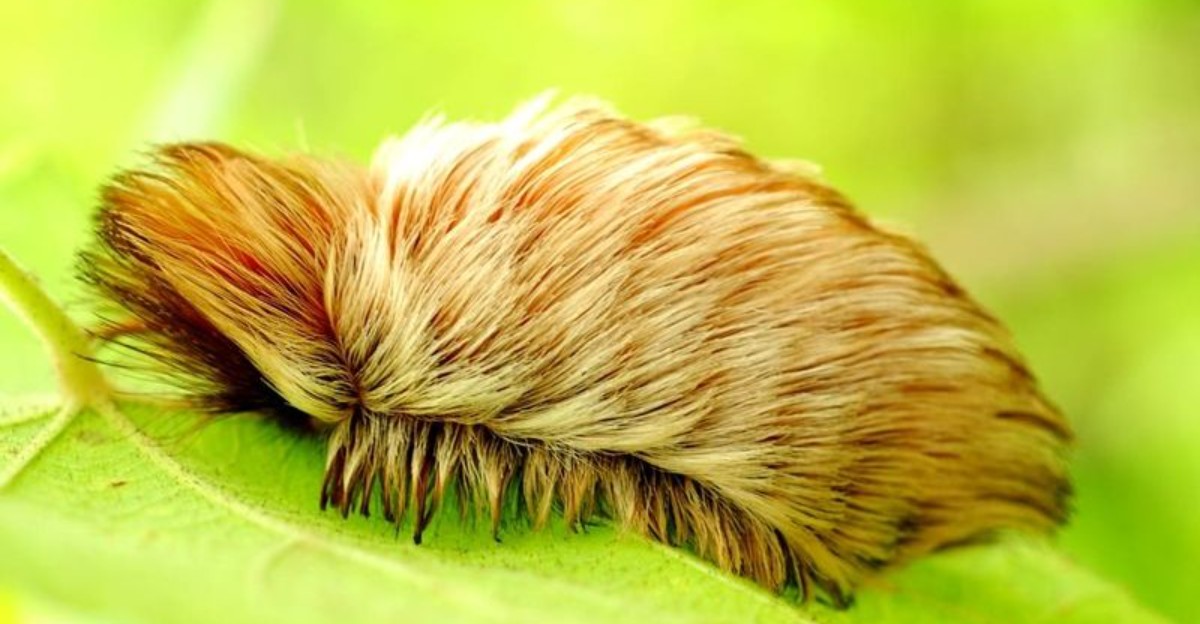
A caterpillar that looks like a tiny tuft of soft fur can actually be one of the more painful insects you might accidentally brush against in your yard. The puss caterpillar, the larva of a flannel moth, hides hollow venomous spines beneath its silky coat that can cause immediate burning pain on contact.
Knowing what to look for and how to respond can save you or your child a lot of discomfort. Here is what Arizona homeowners should understand about this insect and how to handle it safely.
The soft coat hides hollow venomous spines
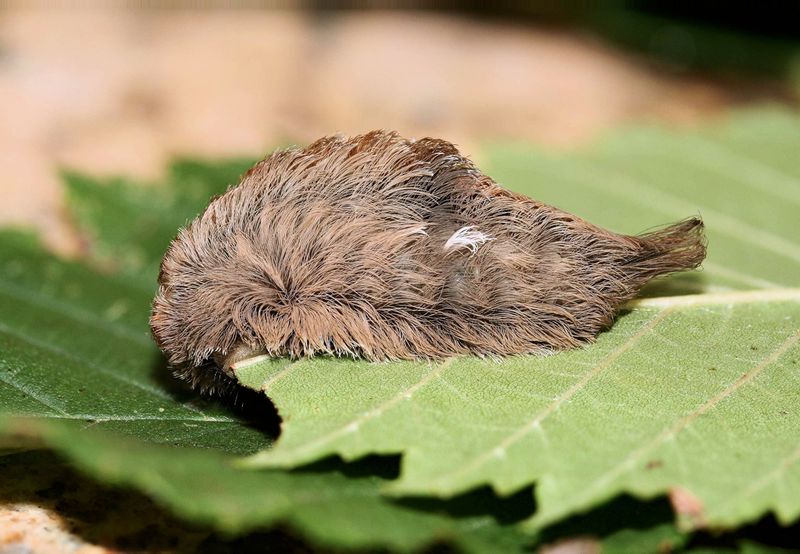
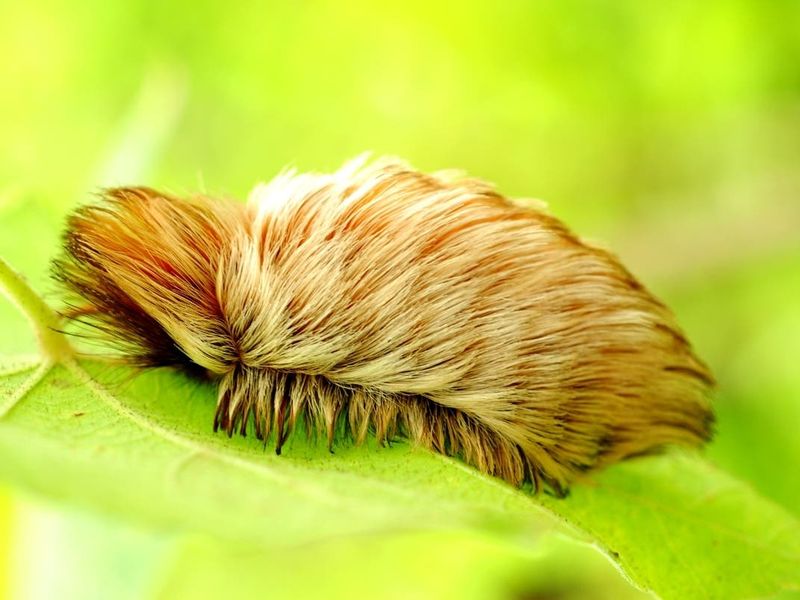
Looks can be deceiving in the insect world, and few examples are more striking than the puss caterpillar. The larva of a flannel moth in the genus Megalopyge, this creature is stout and teardrop-shaped, covered in what appears to be a smooth, silky coat of gray, tan, yellowish, or brown hairs.
That coat is the reason some people reach out to touch it, mistaking it for something harmless or even appealing.
Beneath those longer visible hairs, though, shorter hollow spines connect directly to venom glands. When your skin makes contact, those spines can break or embed themselves in the outer layer, releasing venom into the tissue.
The caterpillar does not need to bite you or even move toward you. A simple brush of your hand is enough.
According to University of Florida IFAS research on the puss caterpillar, this is why the insect is considered one of the more venomous caterpillars in North America. The word venomous is the accurate term here, because the animal delivers its venom through spines rather than being harmful when touched or eaten in the way a poisonous creature would be.
The practical rule is straightforward: do not handle any unidentified fuzzy or spiny caterpillar with bare hands, regardless of how soft it appears.
Arizona has documented pockets of risk

Arizona is not a single uniform landscape, and that matters when talking about where puss caterpillars actually show up. The state stretches from low desert floors near Phoenix and Tucson all the way up through rugged mountain ranges and high-elevation woodlands.
Flannel moth caterpillars are not distributed evenly across all of those zones.
The University of Arizona Cooperative Extension has documented puss caterpillars in Yavapai County, identifying them as venomous and noting encounters near areas like Camp Verde. That is useful local information for central Arizona homeowners, but it does not mean every Phoenix or Tucson yard is equally likely to host one.
Separate distribution research on Megalopygidae in the United States places an Arizona subspecies of Megalopyge opercularis primarily in the high-elevation Madrean Sky Islands of southeastern Arizona, a chain of forested mountain ranges that rise dramatically from the surrounding desert.
What this means practically is that residents in Yavapai County, the Sky Islands region, and nearby transitional habitats have stronger reason to stay alert. Homeowners in low-desert Phoenix and Tucson neighborhoods face a less documented risk, though encounters are not impossible.
Staying aware regardless of your exact location remains a reasonable precaution, especially if you spend time near oak or other deciduous trees that these caterpillars are known to favor.
Your Arizona Garden Changes Every Week. Your Plan Should Too.
Gardening in Arizona changes quickly throughout the season. Every Friday you’ll receive a simple weekly plan showing exactly what to plant, prune, fertilize, harvest, and protect so you never miss the right timing.
Contact—not a bite—causes the injury
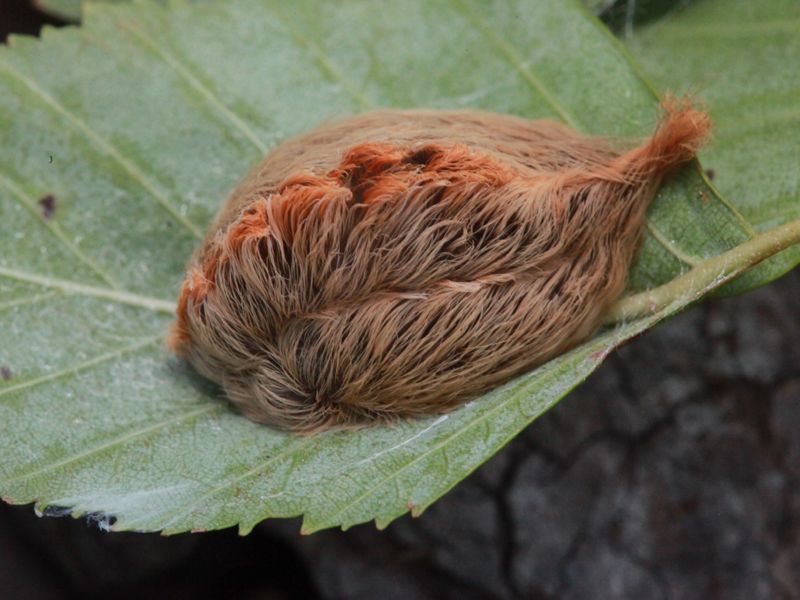
Most people picture a venomous animal as something that actively attacks, bites, or stings. The puss caterpillar works differently.
Resting on a leaf, a branch, or the bark of a tree, it simply waits. Any contact with your skin, including a casual brush while pruning, reaching under a shrub, or picking up a leaf, can be enough to cause an injury.
The mechanism is passive but effective. When pressure or friction meets the caterpillar’s body, the hollow spines beneath its hairs break or embed into the outer skin layer.
Venom then moves through those hollow channels into the tissue. Research into the molecular biology of asp caterpillar venom has found that the venom components are surprisingly complex, which helps explain why the reaction can feel so disproportionate to what seems like a minor graze.
The documented sting concern centers on the living larva. Shed larval material or old cocoons may also carry broken spines worth avoiding, so handling debris near known caterpillar locations deserves the same caution.
Pressing, grabbing, crushing, or sweeping the caterpillar with your hand is especially risky because added pressure drives more spines into the skin. A tool, a stiff card, or gloves and protective clothing are far safer options if you need to move one away from a path or play area.
A sting can produce immediate burning pain
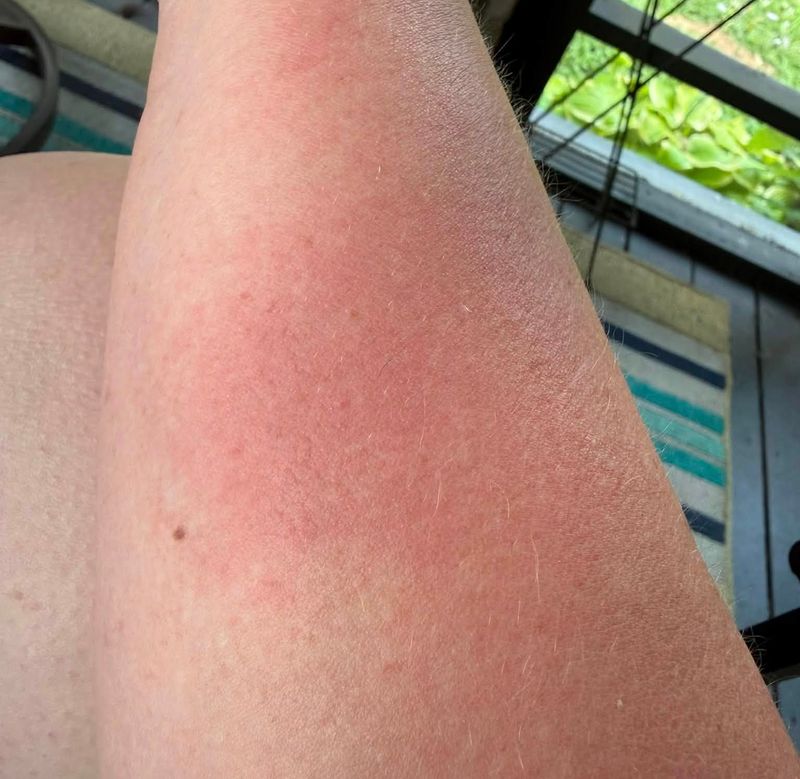
Pain is usually the first sign something went wrong, and with a puss caterpillar sting it tends to arrive fast. Many people describe an immediate burning or stinging sensation at the contact site, followed within minutes by redness, swelling, and itching.
Welts and blisters can develop, and a distinctive spotted or grid-like rash sometimes appears where the spines made contact, roughly matching the pattern of the caterpillar’s body.
Beyond the skin, some people also experience headache and nausea, though these broader symptoms are less common than the localized reaction. The intensity varies from person to person and depends on how much contact occurred and individual sensitivity.
A Texas poison-center study of reported Megalopyge opercularis exposures found that 93% of cases had no more than minor clinical effects, meaning most documented stings produced localized discomfort rather than a medical emergency.
That figure comes specifically from Texas reporting data and should not be read as a guarantee of a mild outcome in every situation. Severe reactions are possible, and factors like the location of the sting, the amount of venom introduced, and the health of the person affected all play a role.
Children, people with allergies, and anyone stung near the face or eyes deserve closer attention. The point is not that stings are always serious, but that they should not be dismissed without monitoring how symptoms develop over the following hour or two.
Keep your hands away from suspected caterpillars
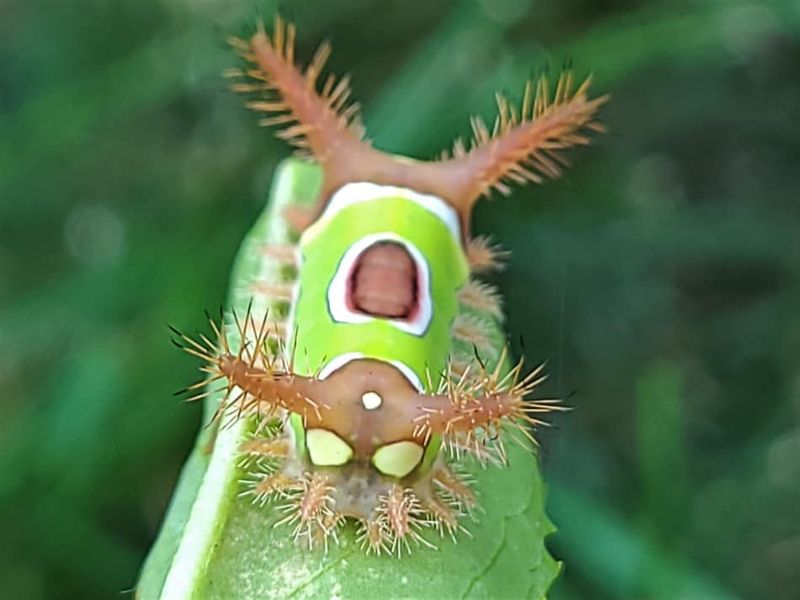
Finding a fuzzy or spiny caterpillar while working in your yard does not require a dramatic response. The most important step is simply leaving it alone with your bare hands.
Picking it up to get a closer look, flicking it away with a finger, or crushing it underfoot are all ways to end up with spines in your skin.
When moving one is genuinely necessary, a long stick, a stiff card, or folded paper gives you safe distance. Gloves add another layer of protection, and long sleeves are worth wearing when you are pruning trees or clearing brush in areas where caterpillars might be resting on branches or bark.
The same caution applies to any unidentified fuzzy or spiny caterpillar, not just suspected puss caterpillars specifically. Poison Control notes that most caterpillars are harmless, and a fuzzy appearance alone does not identify the species or confirm that spines are venomous.
Because you generally cannot tell by looking, the safer habit is consistent: no bare-hand contact with caterpillars you cannot identify.
Visibly contaminated larval material, such as shed skins near a known caterpillar location, deserves the same hands-off approach. If children play in areas where you have seen caterpillars, a quick check of low branches, garden furniture, and ground cover before they go out gives you an easy margin of safety without turning the yard into an off-limits zone.
Use tape and washing after skin contact
Getting spines out of skin quickly reduces the amount of venom that continues to irritate the tissue. The recommended method is straightforward and requires only supplies most households already have.
Press a strip of adhesive tape firmly over the affected area, then pull it away in one smooth motion. Use a fresh piece of tape and repeat the process several times until the visible hairs or spine fragments are lifted off.
After the tape removal, wash the area gently with soap and water. Scrubbing hard or rubbing the skin can push remaining fragments deeper, so a light wash is better than an aggressive one.
A cold pack wrapped in a thin cloth and held against the site can help reduce pain and limit swelling. These steps address the most immediate part of the problem without making things worse.
Eye exposure calls for a different response. If any caterpillar material contacts an eye, rinse it thoroughly with room-temperature water for several minutes.
According to North Carolina Poison Control guidance on caterpillar exposures, eye contact deserves more caution than a small skin graze and warrants a call to Poison Control or a visit to a medical provider even if symptoms seem mild at first. Spines in or near the eye carry a higher risk of complications than a skin sting on the arm or hand.
Know when to call for medical help

Most caterpillar stings resolve with basic first aid and careful monitoring, but some situations call for prompt professional guidance. Breathing difficulty or trouble swallowing after a sting are serious warning signs that require emergency care without delay.
The same applies to widespread hives that spread beyond the contact area, significant swelling of the face or throat, or severe pain that does not ease within a reasonable time after first aid.
Extensive blistering, eye exposure that does not clear quickly with rinsing, or any sting affecting a young child also warrant a call to Poison Control or a visit to a health professional. Children can have stronger reactions relative to their body size, and a sting near the face or eye carries more risk regardless of age.
U.S. Poison Control is available around the clock at 1-800-222-1222.
Specialists there can help you assess whether symptoms require further care and guide you through next steps based on what happened. Calling early, before symptoms escalate, is always a reasonable choice if you are uncertain.
Many documented exposures do turn out to be minor, but worsening symptoms, a child involved, or any sign of a systemic reaction are not situations to wait out at home without guidance.
Treat fuzz as a warning, not a diagnosis
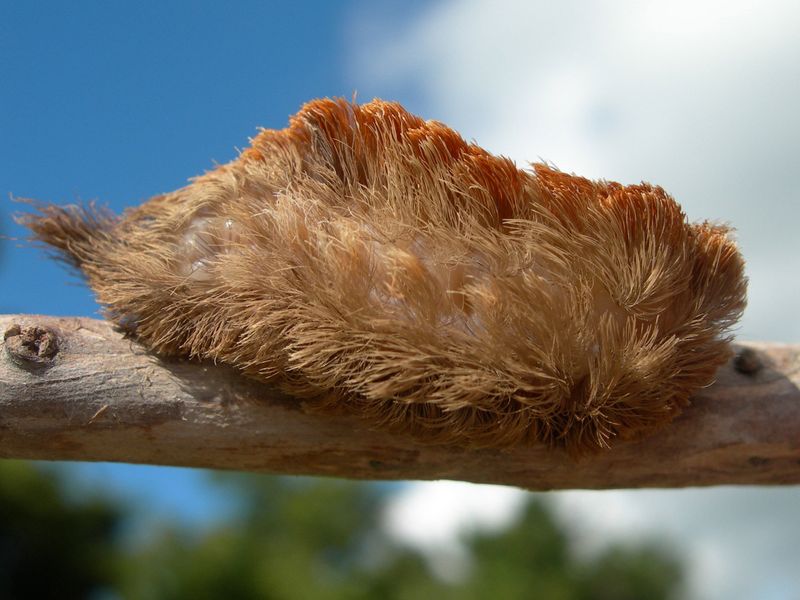
Softness, color, and the absence of bright warning markings are not reliable tools for deciding whether a caterpillar is safe to handle. Some stinging caterpillars are brightly colored; others, including the puss caterpillar, wear muted tan or gray.
Many colorful or fuzzy caterpillars are entirely harmless. Appearance alone cannot tell you which is which.
Puss caterpillars are documented in parts of Arizona, particularly in Yavapai County and the high-elevation Sky Islands of southeastern Arizona, but that does not make them a standard feature of every low-desert yard in Phoenix or Tucson. The practical yard rule that holds up regardless of location is this: keep a safe distance from any caterpillar you cannot identify, use a tool or gloves if moving one is necessary, and skip bare-hand contact entirely.
That single habit protects you from the rare venomous species without requiring you to treat every caterpillar as a threat. The yard stays a place to enjoy, and the caterpillar you leave alone almost certainly goes about its business without incident.