Bare-Root Roses in Arizona: A Practical Option for Regional Winter Planting Windows
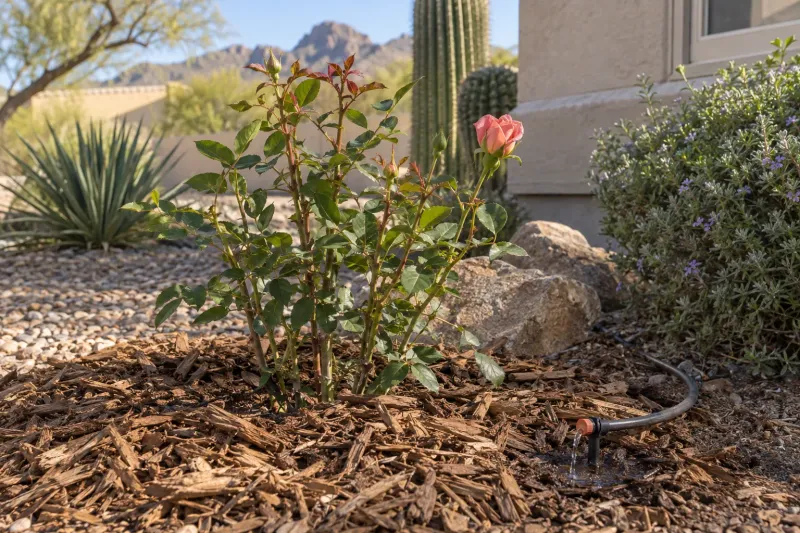
A bare-root rose arrives looking like a bundle of sticks with dangling roots and no soil in sight. Yet in Arizona’s low desert, that scruffy bundle fits right into the winter planting calendar.
Timing matters a lot here, and it changes from the valley floor to the pines. Let’s sort out when, where, and how to plant them.
Dormancy Makes Winter a Practical Bare-Root Window
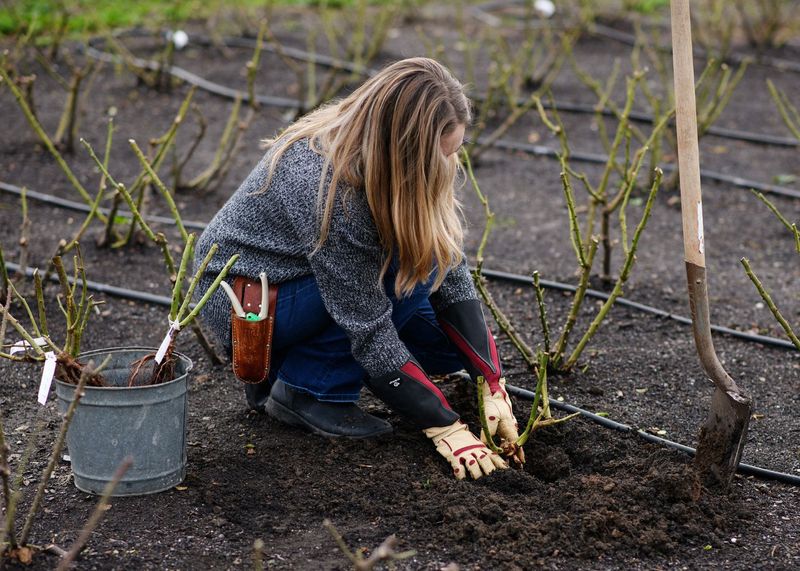
Picture a rose with no pot and no soil, just canes and roots. That is a bare-root rose, and it is sold without soil around its roots.
These plants are generally dormant, while many container roses are sold actively growing.
Dormancy is why winter suits them so well. A sleeping plant is not pushing out leaves and flowers while its roots are still getting settled, so the calendar and the plant line up.
University of Arizona guidance for the low desert recommends a winter window for bare-root roses, which makes this a practical seasonal fit.
That does not make bare-root roses winners over potted ones. General guidance from UC Master Gardeners in Sonoma County treats both forms as good options with different trade-offs.
No Arizona test has shown that one form beats the other, so think of winter bare-root planting as a handy match between plant and season.
Arizona’s Planting Calendar Changes With Elevation
Arizona is not one climate, so it cannot have one rose calendar. For the low desert, University of Arizona Cooperative Extension recommends mid-December through February for bare-root roses.
That is a long window, so you have some room to plan.
Local guides narrow things down. The Pima County February guide says to plant near the end of the month.
Mesa-East Valley Rose Society guidance gives January to mid-February, so valley gardeners will see a slightly different range.
Head uphill and the schedule shifts again. Yavapai County guidance points to February or March for Prescott, Prescott Valley, Chino Valley, Sedona, Cottonwood, and the Verde Valley.
Check the calendar from your own county extension office, and treat any single date as a starting point rather than a rule.
Use October to Prepare, Not to Plant Bare-Root Roses
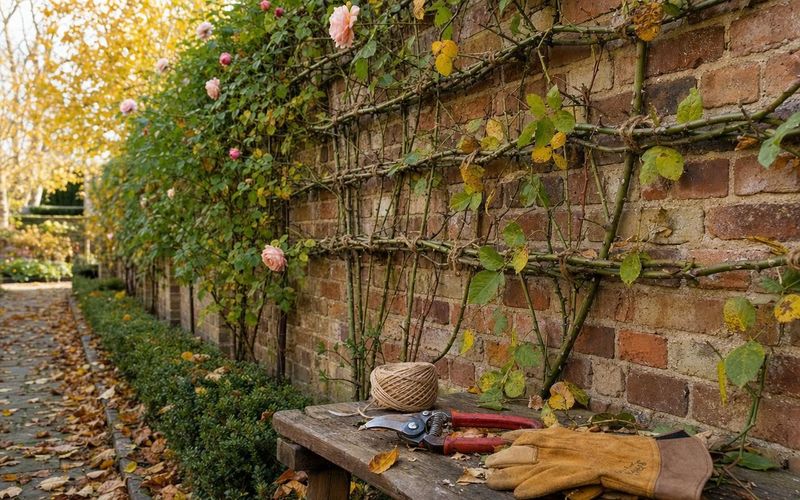
October feels like planting season after a long summer, and the urge is real. For low-desert bare-root roses, though, October is a time to get ready, not to plant.
The cited guidance puts planting in the winter window, starting in mid-December.
Use the fall to confirm your local timing. Look at the low-desert guidance and, if you live in Pima County, the February gardening guide.
Then walk your yard and decide where a rose might go.
Notice which spots get sun and which hold water after a rain. The sources do not prescribe particular October tasks, so this is simply smart planning.
By the time dormant roses show up, you will know exactly where they belong.
Bare-Root and Container Roses Offer Different Trade-Offs
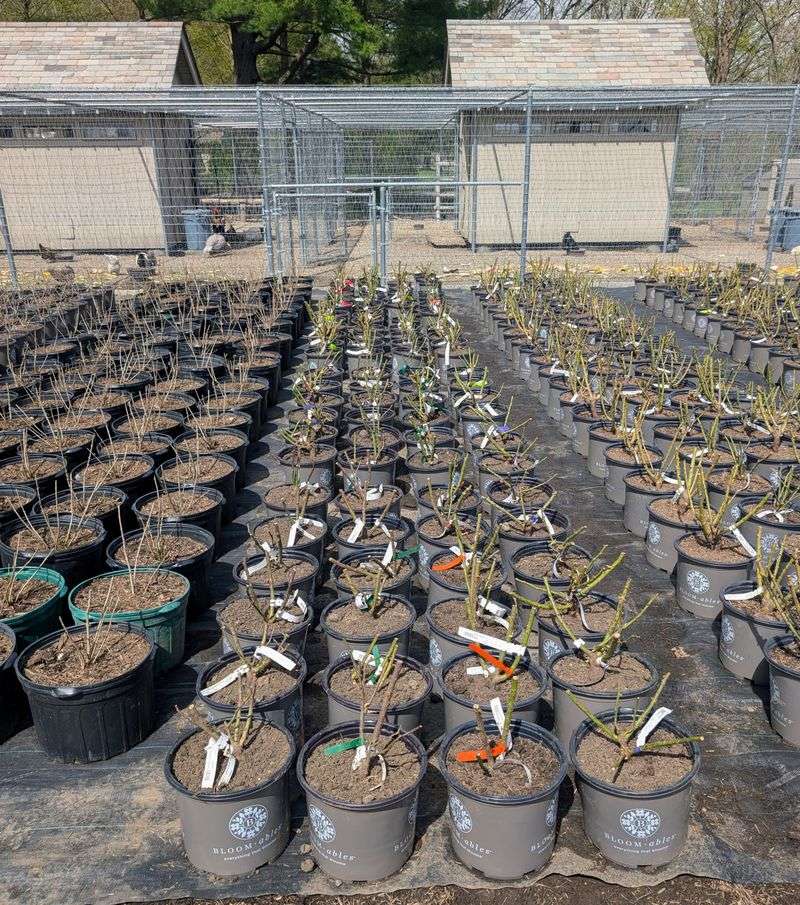
Choosing between a bare-root rose and a potted one is a bit like choosing between ordering online and shopping in person. Each has perks.
UC Master Gardener guidance from Sonoma County describes bare-root plants as generally less expensive and available in a wider selection.
Container roses have their own strengths. They allow more flexibility in planting time, and you can inspect the foliage before you buy.
That helps if you want to see what you are getting.
Keep in mind this is a general comparison, not the result of an Arizona trial. Neither option is a universal winner.
Your budget, your calendar, and how much you want to pick from a big variety can all tip the choice.
Protect Exposed Roots and Check Soil Drainage
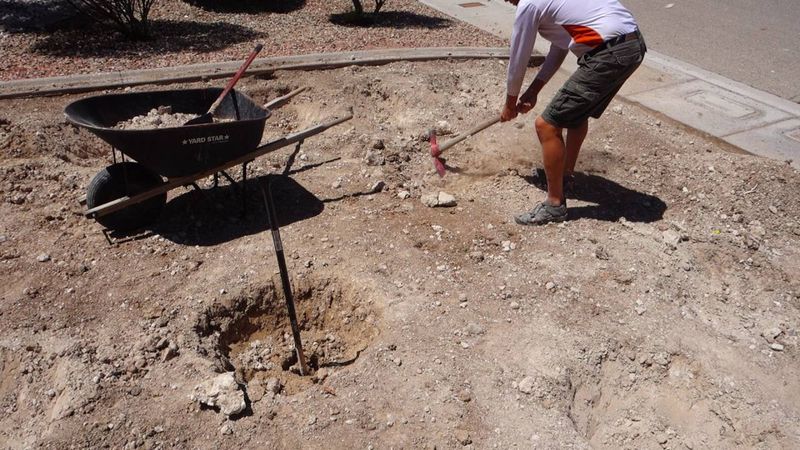
Exposed roots dry out quickly, and dry roots are a poor start. Yavapai County guidance from University of Arizona says to soak the plant for 8 to 24 hours before planting.
Oregon State Extension gives a shorter range of 2 to 24 hours, so follow your supplier’s instructions too.
If planting gets delayed, Oregon State advice is to keep the roots covered with damp material. A damp towel or burlap works as a simple cover.
Keep the plant out of wind and sun in the meantime.
Then check the soil. Arizona soils can have caliche, clay, or bedrock layers that slow water, and University of Arizona guidance flags drainage as a site concern.
Soil varies from yard to yard, so there is no one amendment recipe that fits everyone.
Choose a Sunny Site With Local Heat in Mind
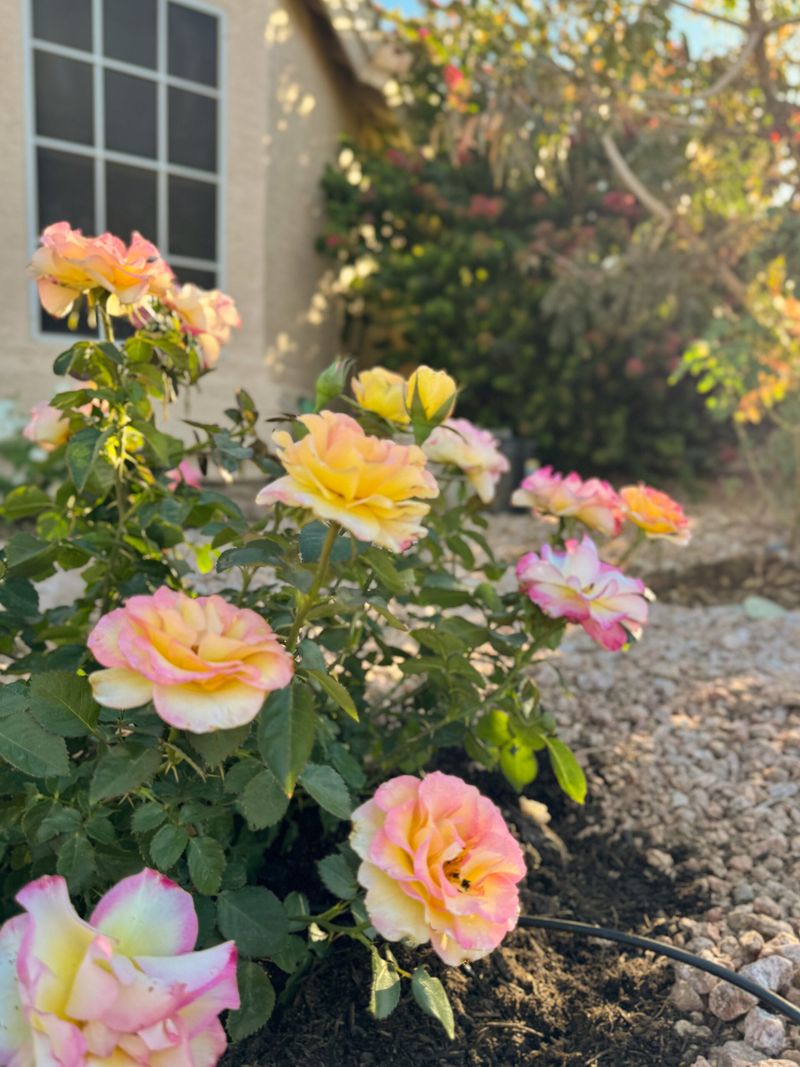
Roses love light, and desert light is plentiful. For the low desert, University of Arizona recommends at least six hours of sun daily.
That gives the plant energy to bloom well.
Heat is the other half of the story. An eastern exposure can give morning sun while offering protection from harsh afternoon exposure.
A spot on the east side of a wall or house is one place to look.
This advice is for the low desert, not a statewide rule. Cooler higher-elevation yards face different conditions, so watch how sun moves across your own space before choosing a spot.
Water Thoroughly at Planting, Then Adjust
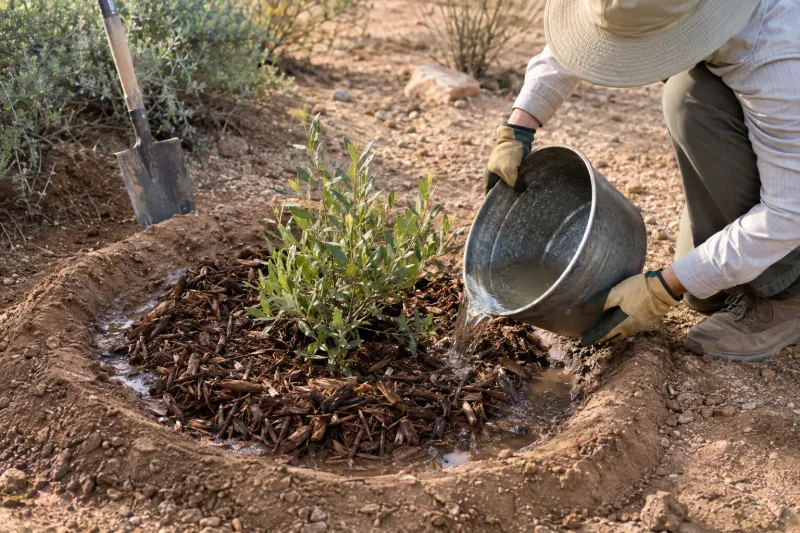
After planting, give the rose a thorough soaking. That settles the soil around the roots and gets things started.
From there, adjust to your soil, the weather, and how well the plant is establishing.
Roses are not drought-proof. University of Arizona’s southern Arizona watering guide gives established roses a winter interval of 7 to 14 days.
That interval is for established plants. A newly planted rose may need water more often at first, so check the soil rather than the calendar.
The low-desert rose guide offers more regional detail.
Let Local Timing Define What “Best” Means
Choose dormant bare-root roses when your local planting window fits your plans. In the low desert, that means the winter window, while higher elevations like Yavapai County look to February or March.
Container roses remain a fine choice if you prefer them.
The sources do not show that either form wins across Arizona. Best simply means a good fit for your place and your calendar.