How To Encourage More Figs Before The Season Ends
Late summer creeps up fast, and gardeners rarely see it coming. One week you’re watering happily, the next you’re counting fruit that simply never showed up, and the tree gives no clue why.
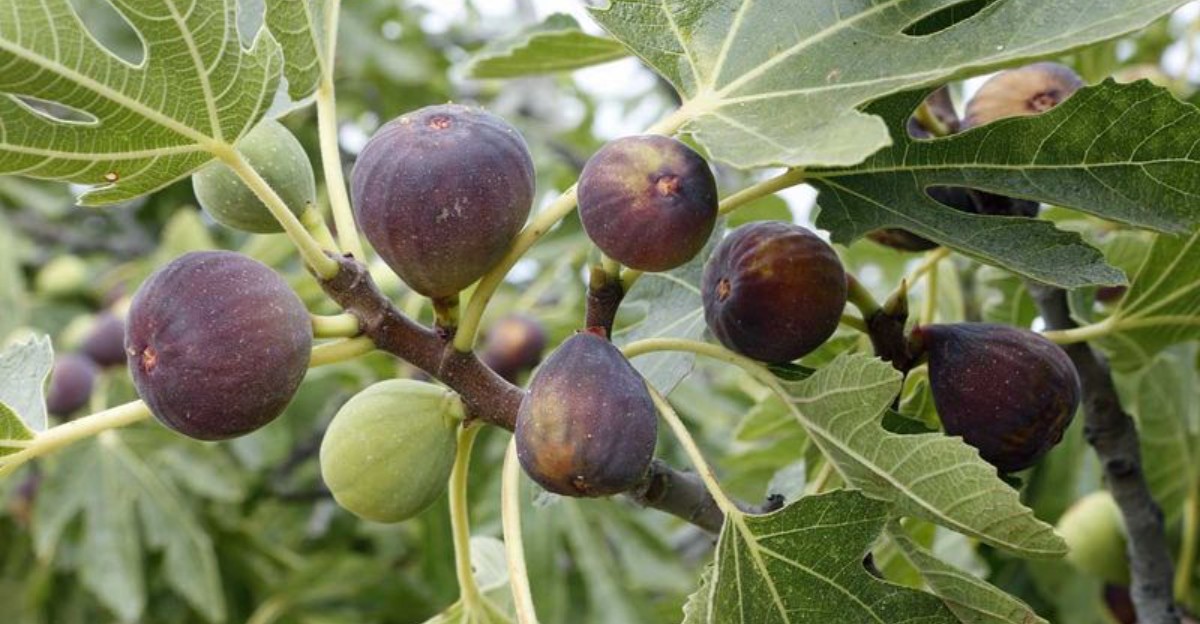
It certainly isn’t for lack of trying on the tree’s part. Leaves the size of dinner plates, plenty of shade, everything about it looks healthy, yet the harvest basket stays surprisingly light.
Cooler nights don’t mean the season is over. There’s still genuine runway left, and a few small adjustments now can push slow-ripening figs toward real sweetness.
It just takes a slightly bossy gardener rather than an endlessly patient one, since gardens tend to reward the former. Even the squirrels have already circled the date on their calendar, which is exactly the kind of nerve worth borrowing.
1. Pinch The Branch Tips To Redirect The Energy
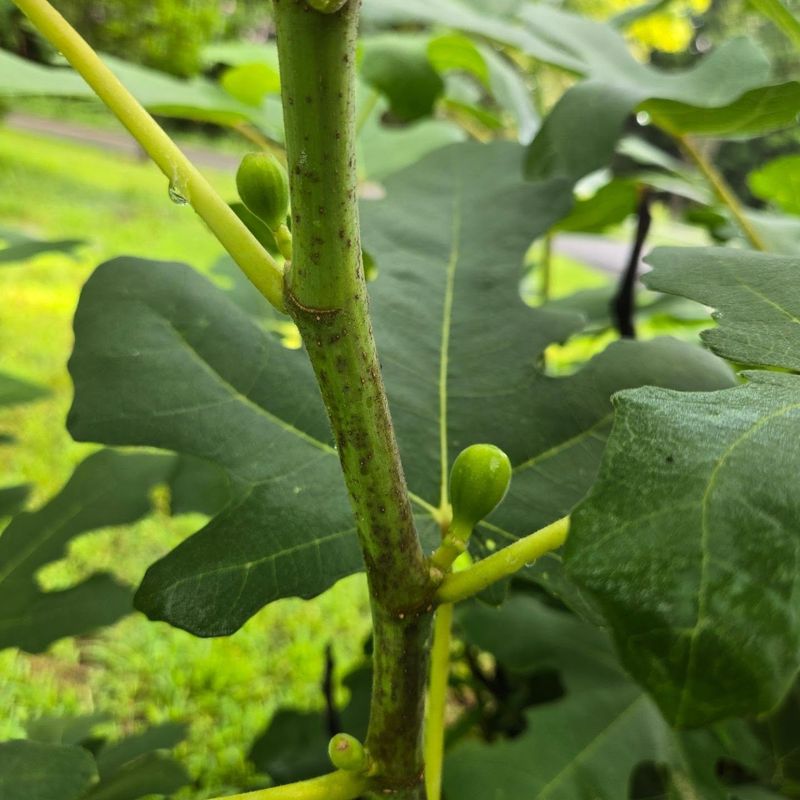
Gardeners in Italy have pinched fig shoots for centuries, and the trick still works beautifully today. Removing the soft growing tip tells the tree to stop stretching and start finishing fruit.
Find the tender green tip at the end of each branch that carries young figs. Snap it off with your fingers, taking roughly the top two inches of new growth.
The energy that would have built more leaves gets pushed into the figs already hanging. Many growers notice faster color change within two or three weeks after pinching.
September is a smart moment for this job in cooler climates with short autumns. Fruit that forms after pinching rarely has enough warm days left to sweeten properly.
Skip the pruning shears unless the tip has hardened into woody stem tissue. Fingers work fine and leave a small wound that seals quickly in warm weather.
Avoid stripping every branch at once if your tree is young and still filling out. Leave a few leaders alone so the plant keeps building structure for next season.
Watch the figs closely afterward and note which branches responded fastest to the pinch. Those branches usually become your best producers the following year too.
Some growers call this topping and swear it is the single biggest late-season boost. Results depend on your climate, but the cost is nothing more than five minutes.
Mark your calendar so you repeat the pinch at the same time next year. Consistency turns a hopeful experiment into a reliable harvest habit.
2. Water Deeply And Steadily For Plump Fruit
Figs swell with water, and a thirsty tree drops fruit faster than you can blink. Steady moisture during the final weeks decides whether your harvest is juicy or leathery.
Erratic watering causes the worst problems, especially the dreaded split skin on nearly ripe fruit. A tree soaked after a dry spell pumps water into figs until they burst.
Aim for a long slow soak twice a week rather than daily sprinkles. Deep water reaches the roots that actually matter instead of evaporating off the surface.
Container figs are hungrier for water because their roots cannot wander off searching. Check pots every morning in September and water whenever the top inch feels dry.
Stick your finger four inches into the soil before reaching for the hose. Damp soil means wait, while dusty soil means your tree is already stressed.
As harvest approaches, some growers ease back slightly to concentrate sugars in the fruit. Do that carefully, because too little water shrinks figs instead of sweetening them.
Morning watering gives roots time to drink before the afternoon heat arrives. Evening soaking can leave soil soggy overnight and invite root troubles.
A simple drip line or soaker hose removes guesswork from the whole routine. Set a timer and your figs get the same drink every single week.
Mulch holds that moisture in place and keeps roots cool through warm September afternoons. Two inches of straw or bark makes a noticeable difference in a fortnight.
3. Ease Off The Nitrogen To Feed For Fruit
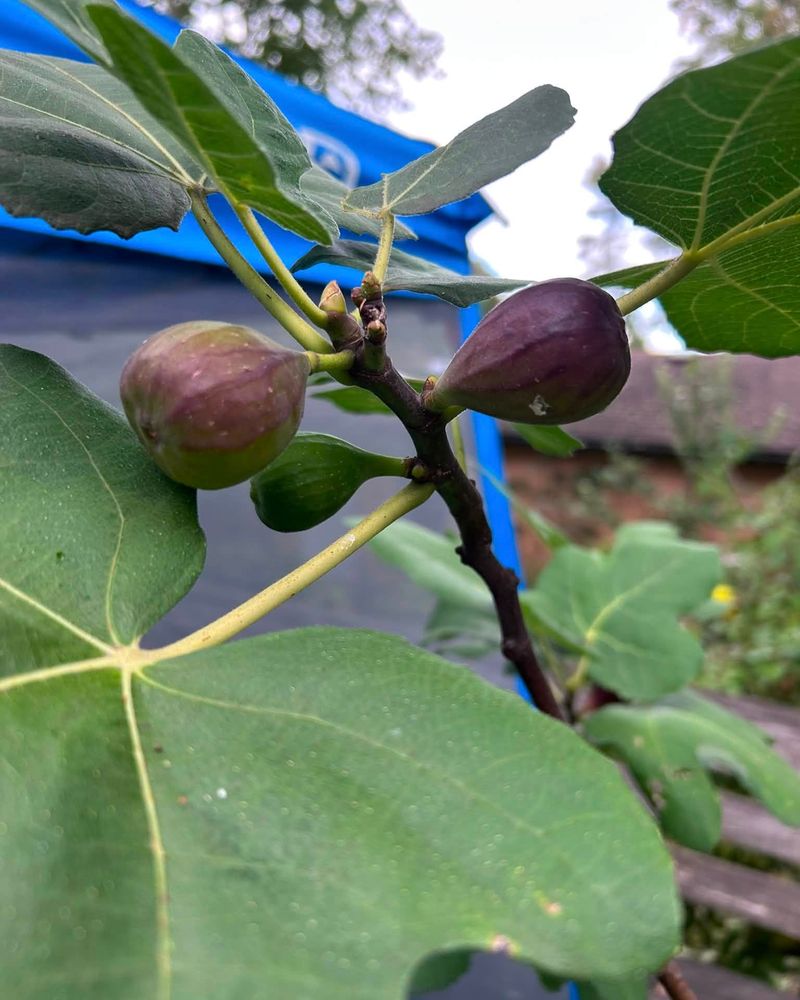
Too much nitrogen gives you a magnificent leafy monster with barely a fig in sight. Trees read heavy nitrogen as a signal to grow branches rather than ripen fruit.
Put away the lawn fertilizer and anything with a big first number on the bag. Grass food and fig food pull the plant in two very different directions.
Potassium is the nutrient that supports flowering and fruit sweetness in most crops. Tomato feed works surprisingly well because it carries plenty of potassium and little nitrogen.
Feed container figs every week or two until the fruit starts changing color. Ground trees usually need far less because their roots reach wider soil reserves.
Wood ash sprinkled lightly around the base adds potassium for gardeners who burn logs. Use a small handful only, since ash raises soil pH quickly when overdone.
Stop all feeding once nights turn cool and growth slows toward the end of autumn. Late pushes of tender growth get damaged by the first hard frost.
Watch the leaves for pale color, which hints the tree needs a gentle boost. Deep green leaves with no fruit usually point to the opposite problem.
Seaweed extract sprayed on foliage gives a quick pick-me-up without heavy nitrogen. Many growers use it fortnightly through late summer with good results.
Keep notes on what you fed and when, because memory fades by spring. Next season you will thank the version of yourself who wrote things down.
4. Strip The Tiny Late Figs That Will Not Make It
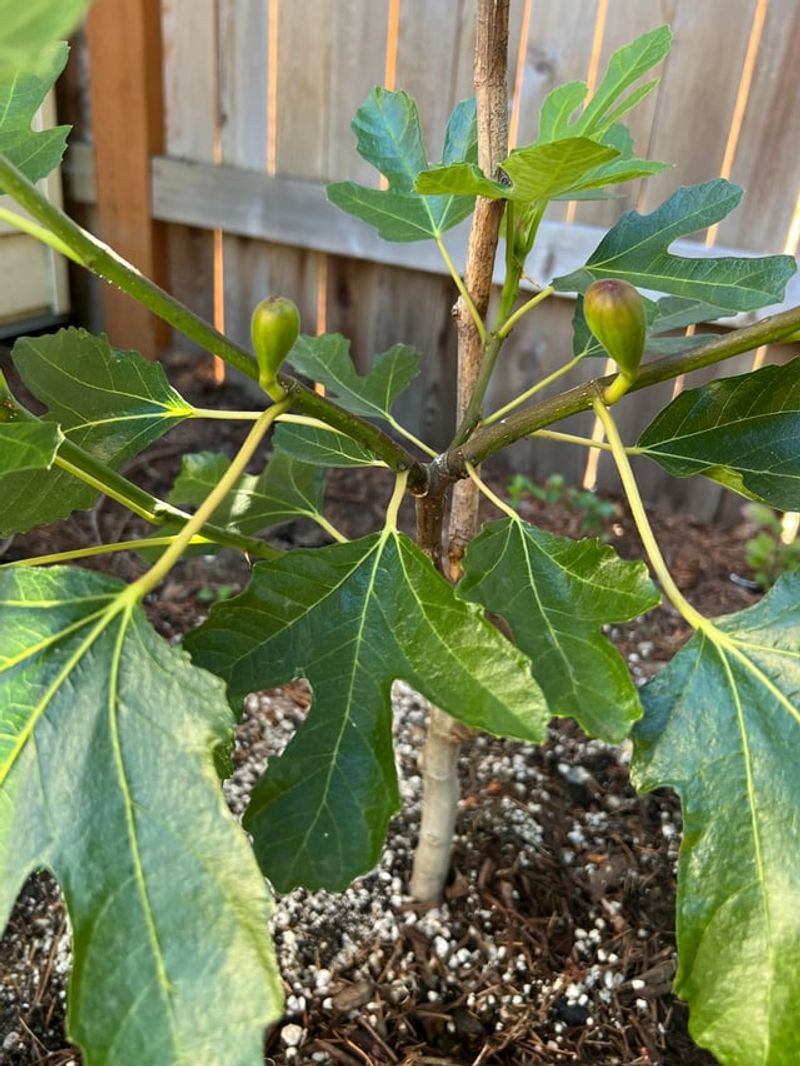
Every fig tree is an optimist, producing far more baby fruit than it can finish. Your job in September is to be the realist who edits that hopeful list.
Look for pea-sized figs near the branch tips that appeared only recently. In cool climates those little ones have no chance of ripening before frost.
Pluck them off with your fingers and toss them on the compost heap. Each one you remove frees sugar and water for figs that are nearly ready.
Keep the fruit the size of a walnut or larger with a slight softening. Those are the figs worth protecting and pampering for the rest of the month.
Warm-climate growers can be gentler because their season stretches deep into autumn. If your region stays mild past October, leave more of the medium fruit alone.
Thinning also improves air movement around the remaining fruit and reduces mold problems. Crowded clusters trap moisture after rain and spoil faster than spaced-out figs.
Overwintering figs in cold regions is a different matter worth knowing about. Tiny embryonic figs near the tips can survive and become next summer’s breba crop.
Check the whole tree in one calm session rather than nibbling at it weekly. One thorough pass gives clearer results and saves your afternoon for better things.
Stand back afterward and admire a tree with fewer figs but far better ones. Quality beats quantity when you are slicing fruit onto toast in October.
5. Trim Shading Leaves To Let The Sun In
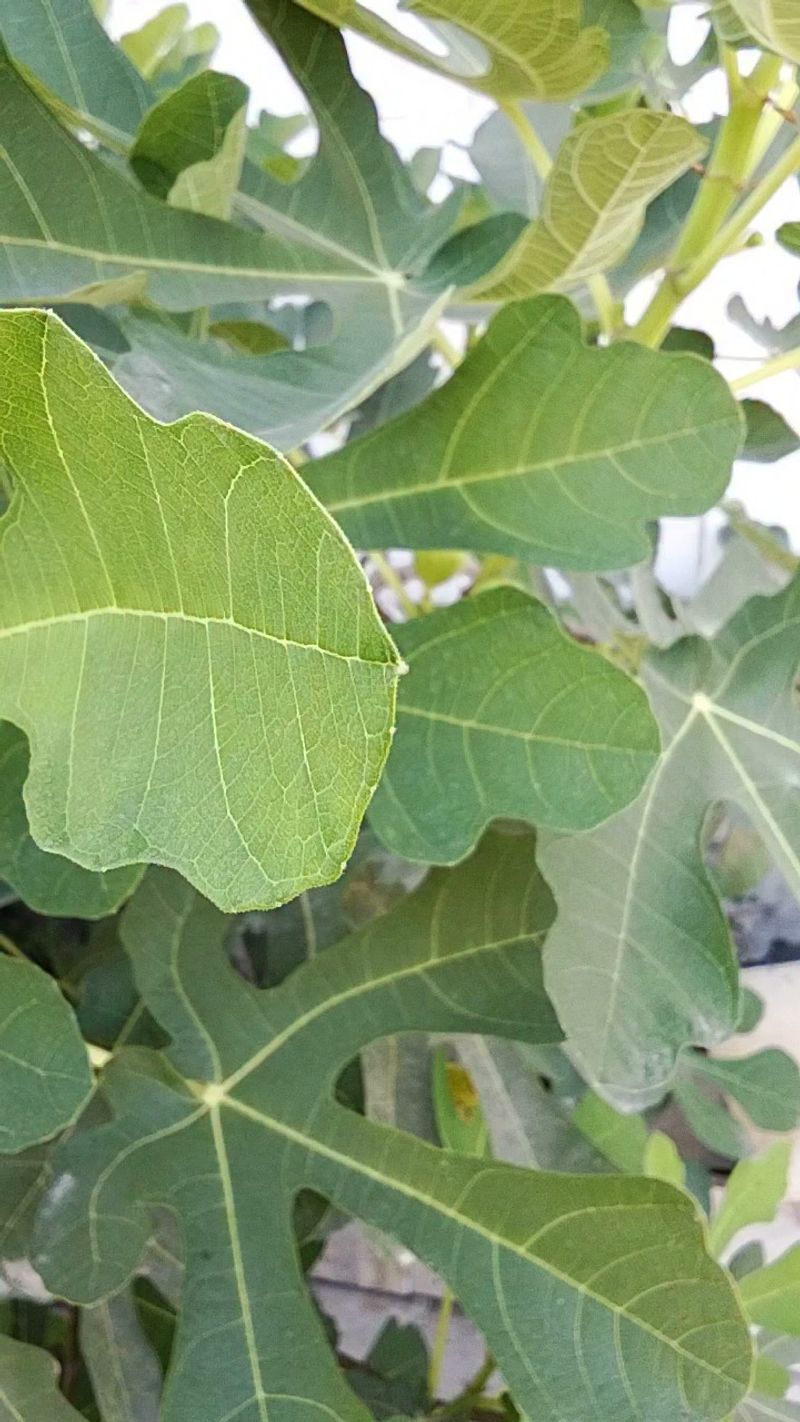
Sunlight is what drives sugar production in a fig, and shade slows that process down. Big fig leaves are famous for blocking the very fruit the tree worked to make.
Walk around your tree and spot figs sitting in permanent gloom under leaf canopies. Snip two or three leaves directly above each shaded fruit to open a window.
Restraint matters here because leaves are the factories that produce sugar in the first place. Removing more than a fifth of the foliage weakens the tree rather than helping.
September sun sits lower in the sky and struggles to punch through dense growth. Opening the canopy makes the most of shorter days and weaker afternoon light.
Cut leaf stalks cleanly near the branch with clean secateurs or sharp scissors. Ragged tears invite problems and take longer for the tree to seal over.
Container growers can skip the pruning and simply turn the pot every few days. Rotation spreads sunlight evenly and ripens fruit on all sides at once.
Reflected light helps too, so nudge pots against a pale wall or fence. Brick and stone hold warmth overnight and gently speed ripening along.
Do the trimming on a dry day so cut surfaces dry fast. Damp weather and fresh wounds are a pairing your tree would rather avoid.
Come back a week later and check for color change on shaded figs. Small adjustments repeated over a month add up to a much better harvest.
6. Warm The Roots With Mulch And Dark Containers
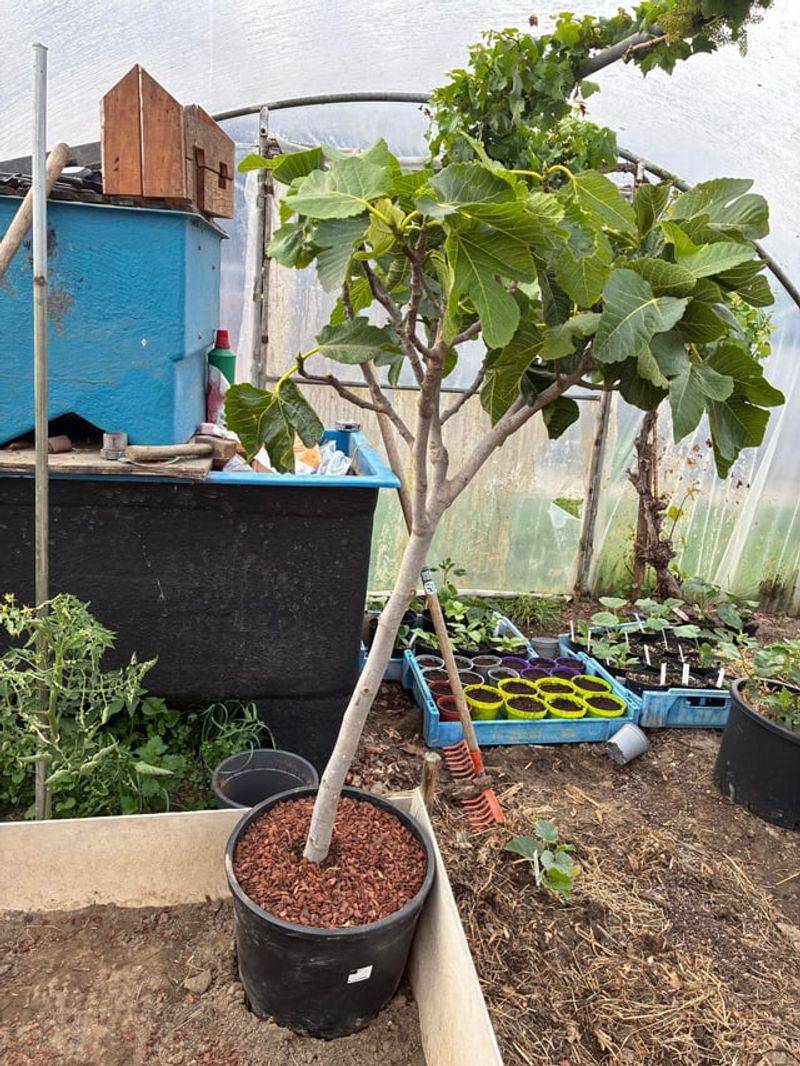
Heat matters most, and roots that stay warm keep ripening on track. Soil temperature often matters more than air temperature during cool September nights.
Black plastic pots soak up sunshine and pass that warmth straight to the root ball. Swapping a pale container for a dark one can add real degrees on sunny days.
A thick mulch layer works like a blanket, holding daytime heat after sunset. Straw, bark chips, or even old compost all do the job nicely.
Position pots on paving or gravel rather than cool grass whenever possible. Hard surfaces store solar heat and release it slowly through the evening.
South-facing walls are prime real estate for any fig tree in a chilly region. The bricks act like a radiator and extend your ripening window by weeks.
Cold snaps stall ripening, so move containers under cover on chilly forecast nights. A porch, greenhouse, or even a garage doorway buys you precious warmth.
Ground trees benefit from a mulch ring roughly as wide as the branches. Keep the material a few inches away from the trunk to prevent rot.
Fleece draped over a small tree on cold nights traps warmth surprisingly well. Remove it each morning so bees and sunshine can reach the plant.
Gardeners in Britain have ripened figs this way for generations against sunny walls. Old kitchen gardens were designed around exactly that kind of borrowed heat.
Measure soil warmth with a cheap probe if you enjoy hard numbers. Warmer soil keeps fruit moving in the right direction, even a few degrees can matter.
7. Try The Oiling Trick For Faster Ripening
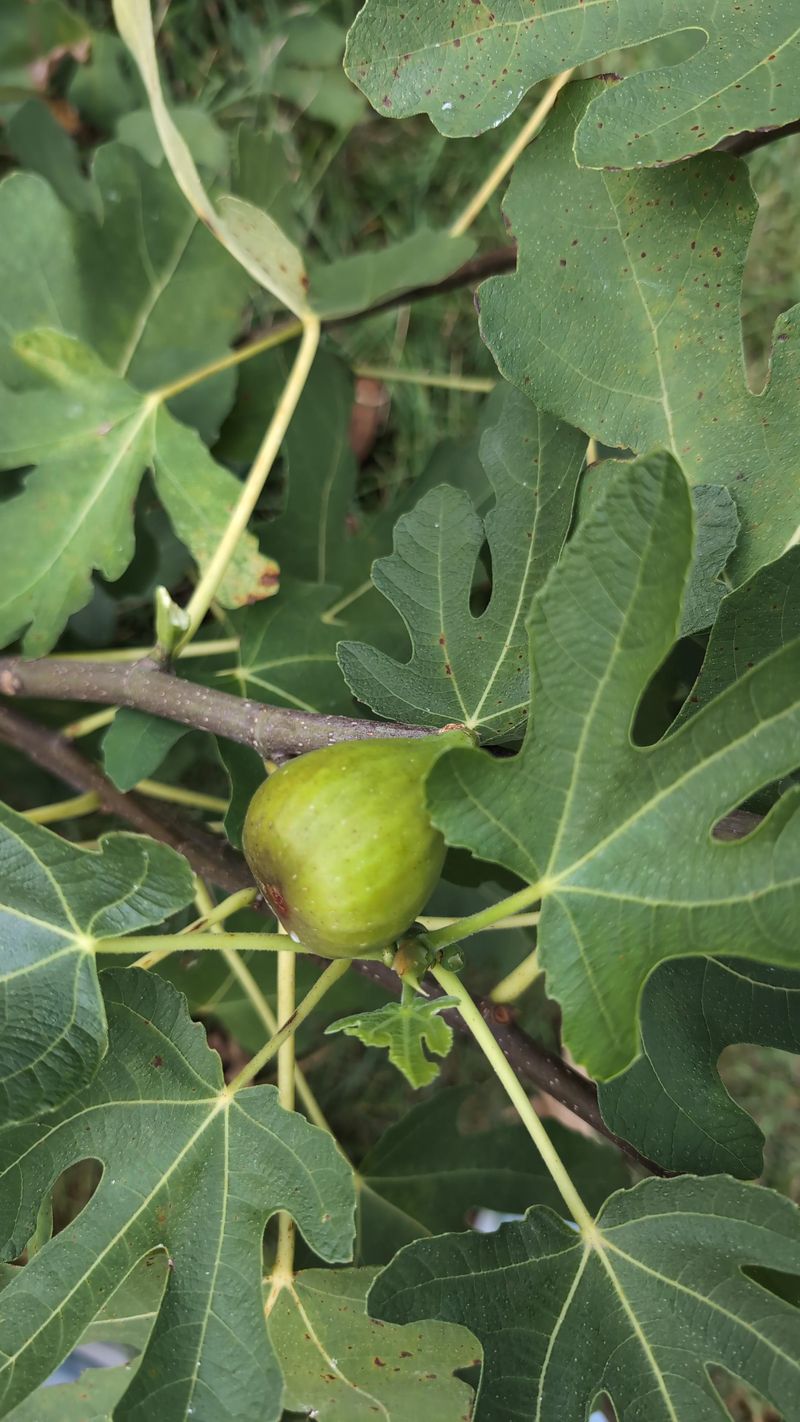
Here is a genuinely odd technique that Mediterranean growers have used for a very long time. A single drop of olive oil on a fig can speed ripening dramatically.
Each fig has a tiny hole at its base called the ostiole. Placing one drop of oil there triggers the fruit to finish within days.
Use a cotton swab or a fine paintbrush for accuracy and minimal mess. Touch only the little eye, not the skin or the stem.
Choose figs that are already swollen and beginning to droop slightly on the branch. Green rock-hard fruit will not respond to the treatment at all.
This method has a track record of cutting ripening time noticeably. The oil appears to affect ethylene production inside the developing fruit.
Flavor stays good, though some gardeners feel treated figs are marginally less sweet. A slightly less sugary fig still beats one that froze while waiting.
Try the trick on five figs first and compare them against untreated neighbors. Side by side results teach you more than any article ever could.
Late September is the ideal window when frost threatens but fruit hangs unfinished. Think of it as a gentle nudge toward the finish line.
Plain olive oil works fine and costs pennies per tree treatment. No fancy products or garden center gadgets are required for this one.
Wash the fruit before eating since oil attracts dust and small insects. A quick rinse under the tap sorts that out in seconds.
8. Protect Ripening Fruit From Flying Pests
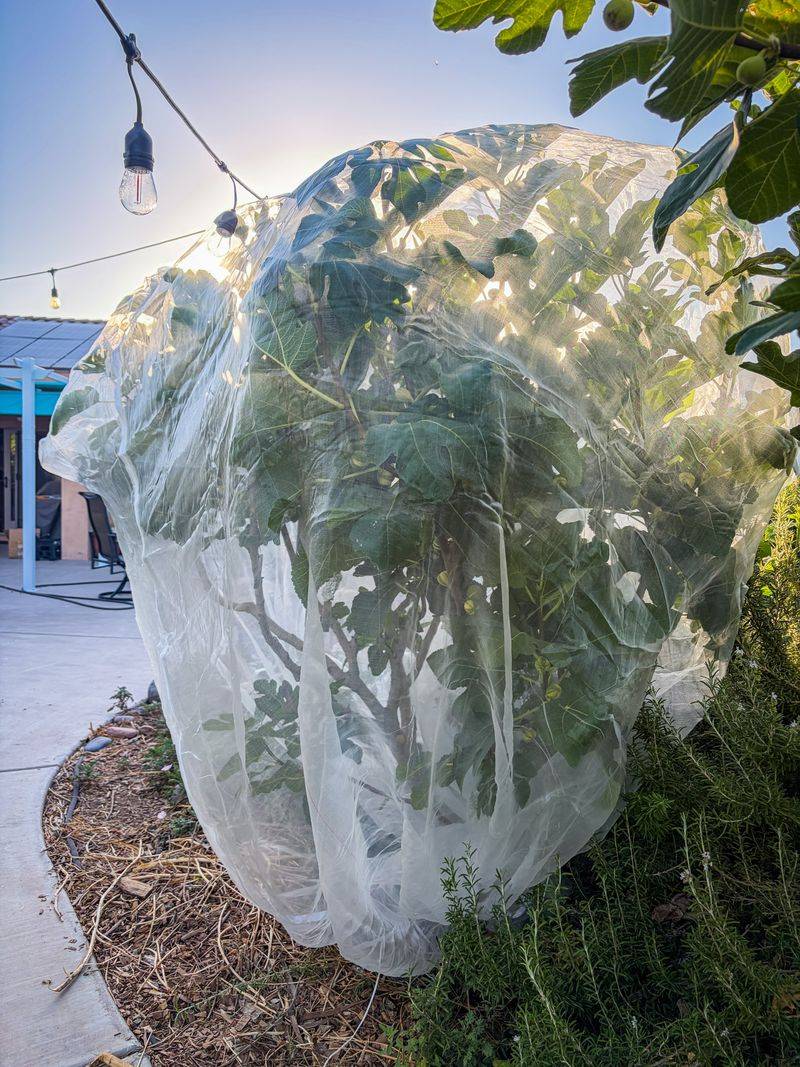
Few things are as frustrating as finding a perfect fig hollowed out by a bird or wasp. Birds and wasps track ripeness better than most gardeners ever will.
Organza bags slipped over individual figs are the cheapest reliable option available. Air and light pass through while beaks and jaws stay firmly outside.
Netting the whole tree works for larger specimens if you secure the edges. Loose netting traps birds, which is unpleasant for everyone involved.
Wasps show up in bigger numbers during September because natural sugar sources are running low. Ripening figs become an easy target almost overnight.
Pick fruit slightly early and finish it indoors on a sunny windowsill. A day or two inside beats losing the whole fig to hungry birds and wasps.
Clear fallen fruit from the ground every few days to keep wasps away. Rotting figs draw wasps from a surprising distance and keep them interested.
Shiny tape or old discs strung in the branches spook birds for a while. Rotate your scare tactics because clever birds figure out the trick fast.
Check bagged figs every couple of days so none get overlooked and spoil. Ripe fruit hides well inside fabric and turns to mush if forgotten.
Wasp traps hung away from the tree pull attention toward sugar water instead. Place them at the garden edge rather than beside your prize branches.
Harvest in the morning when wasps are sluggish and less inclined to argue. Cooler air makes the whole job far more pleasant for you.