Something Is Bringing Indiana Yellowjackets To Every Outdoor Meal This Month
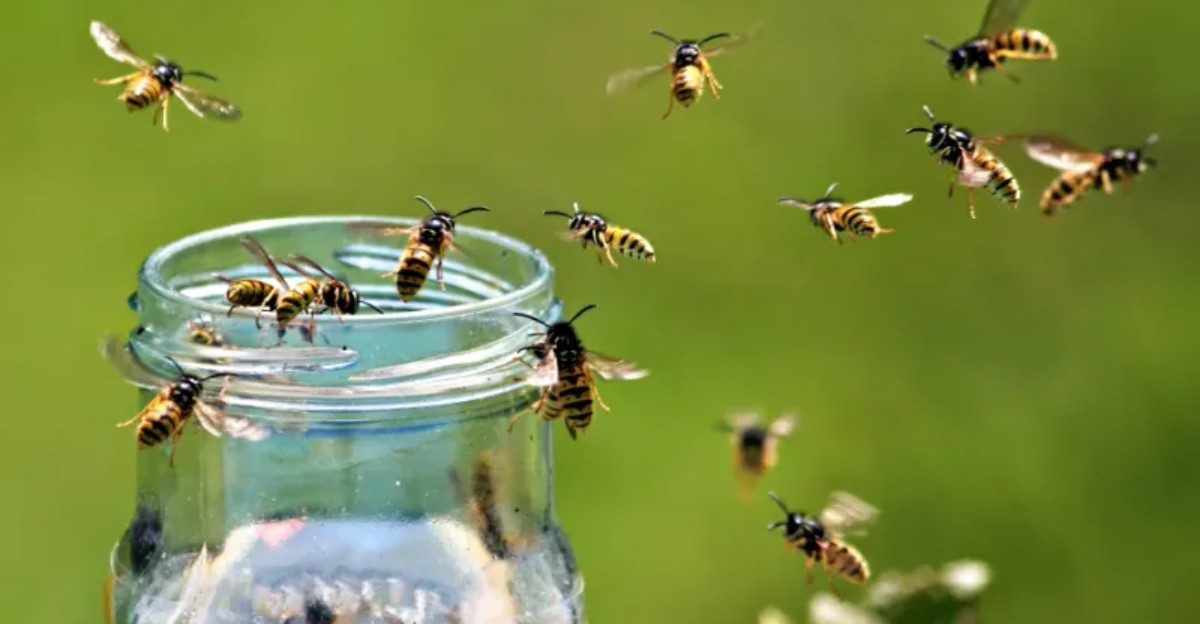
You set the potato salad down for one minute, and your patio suddenly fills with uninvited guests. They arrive fast, they hover low, and they act like they helped pay for the brisket.
Indiana backyards in September turn into open-air buffets, and a very persistent crowd keeps checking the menu. Something about this stretch of late summer changes the mood at every picnic table in the state.
Your lemonade glass becomes a landing strip, and your burger gets inspected before you even take a bite. Kids scatter, paper plates tip over, and somebody starts waving a napkin in every direction.
There is a real reason behind the sudden boldness, and luck has little to do with it. Frankly, your humble potato salad has finally found its own loyal fan club.
The Late-Season Sugar Craving Behind The Swarm
Blame biology rather than bad luck for the persistent crowd circling your backyard grill during September afternoons. Yellowjacket colonies shift their eating habits sharply once summer starts winding down across the Hoosier state.
Through spring and early summer, workers hunt caterpillars, flies, and spiders to feed the hungry young larvae inside. Those larvae repay the favor by releasing a sweet liquid that adult workers happily drink all day.
By late August the queen slows her egg laying, and fewer larvae remain inside the papery nest. That sugary payment dries up, so workers chase the same quick energy anywhere they can easily find it.
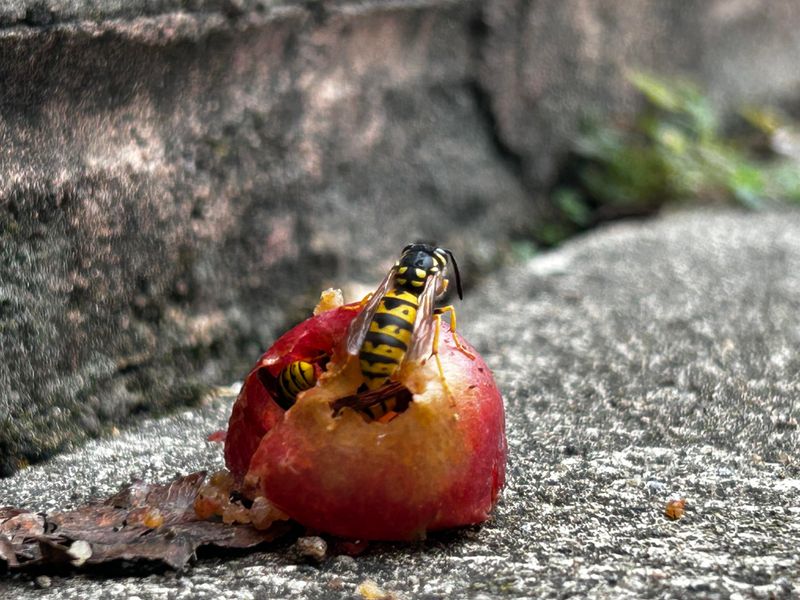
Your open soda can, watermelon slices, and sticky barbecue sauce offer exactly the fuel they suddenly crave. One scout locates your table, flies home, and returns with a hungry crowd of eager nestmates behind her.
Colony size also peaks right now, with some established Indiana nests holding several thousand busy adult workers. More mouths combined with fewer wild food sources means many more visitors hovering above your loaded paper plate.
Protein still interests them, which explains the sudden attention paid to burgers, pulled pork, and fried chicken. Sweet drinks simply win the popularity contest once cool nights arrive and wildflowers finish blooming for the year.
Understanding the switch helps you plan smarter meals instead of swatting wildly and hoping for a little peace. Serve drinks in lidded cups, and your buffet instantly looks far less exciting to passing yellowjacket workers.
September Colony Peaks Across Indiana Backyards
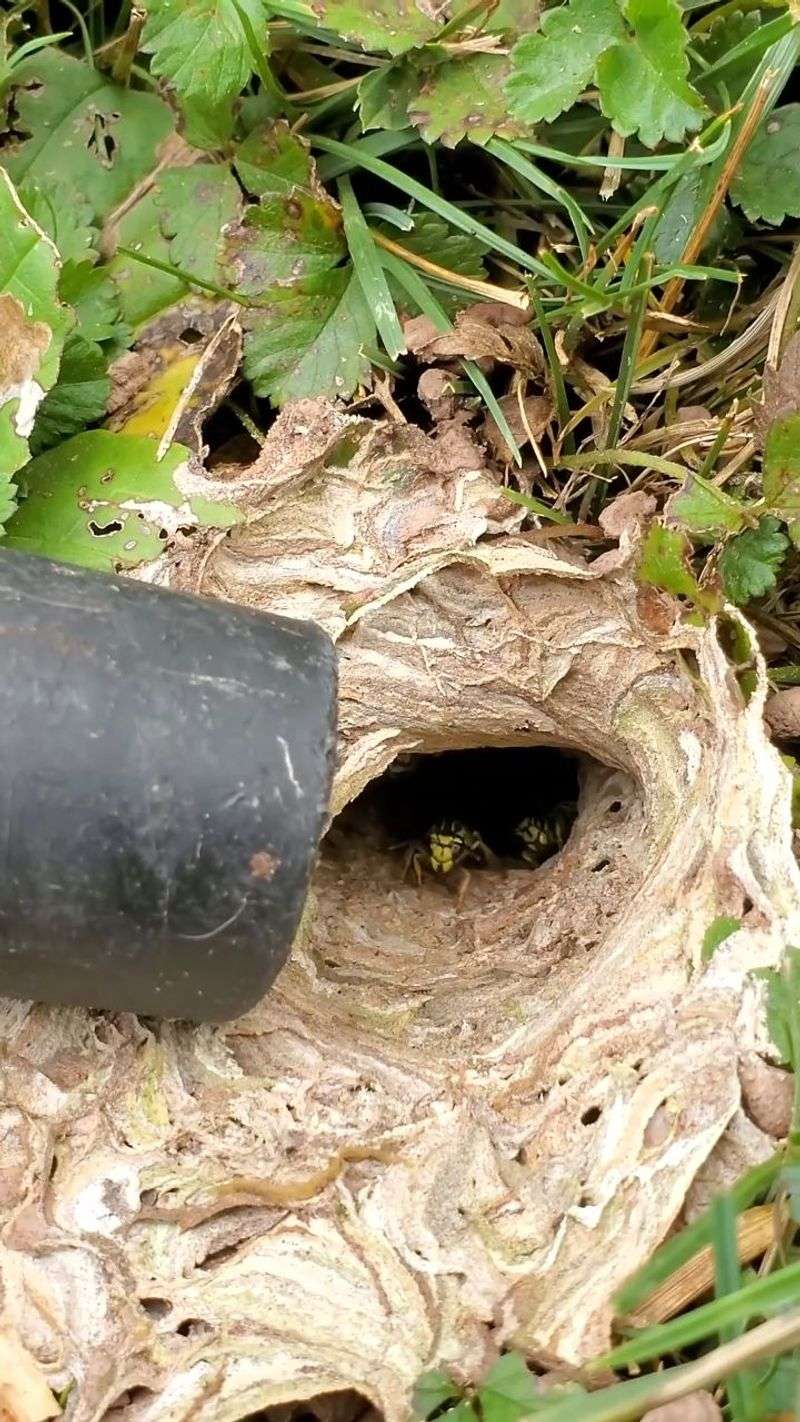
Timing explains plenty, and the middle of September sits right at the top of the yellowjacket calendar. A colony that began with a single lone queen back in April now runs like a crowded factory.
Each nest starts small, often hidden inside an old rodent burrow, a wall void, or thick mulch. Workers spend months expanding that paper structure until it may hold several thousand residents by early fall.
Indiana weather this season handed local colonies a strong head start with a mild spring and warm stretches. Dry summer weeks reduced natural nectar and prey, pushing workers toward human food much sooner than usual.
Activity usually climbs through August, peaks during September, and stays annoying until the first hard frost arrives. Most central Indiana yards see that first real freeze sometime in late October or during early November.
Your Indiana Garden Changes Every Week. Your Plan Should Too.
Gardening in Indiana changes quickly throughout the season. Every Friday you’ll receive a simple weekly plan showing exactly what to plant, prune, fertilize, harvest, and protect so you never miss the right timing.
New queens leave the nest during this same window, which adds even more traffic around your deck. Older workers grow restless, bolder, and much less patient with anyone waving a hand near their faces.
Afternoon hours between noon and five bring the heaviest visits, especially when temperatures sit near eighty degrees. Morning gatherings tend to stay calmer because cool air keeps the insects slow and close to home.
Planning cookouts earlier in the day gives your family a noticeable break from these unwanted table guests. Once frost settles across the state, the whole colony fades away and only future queens survive winter.
Common Picnic Habits That Make Things Worse
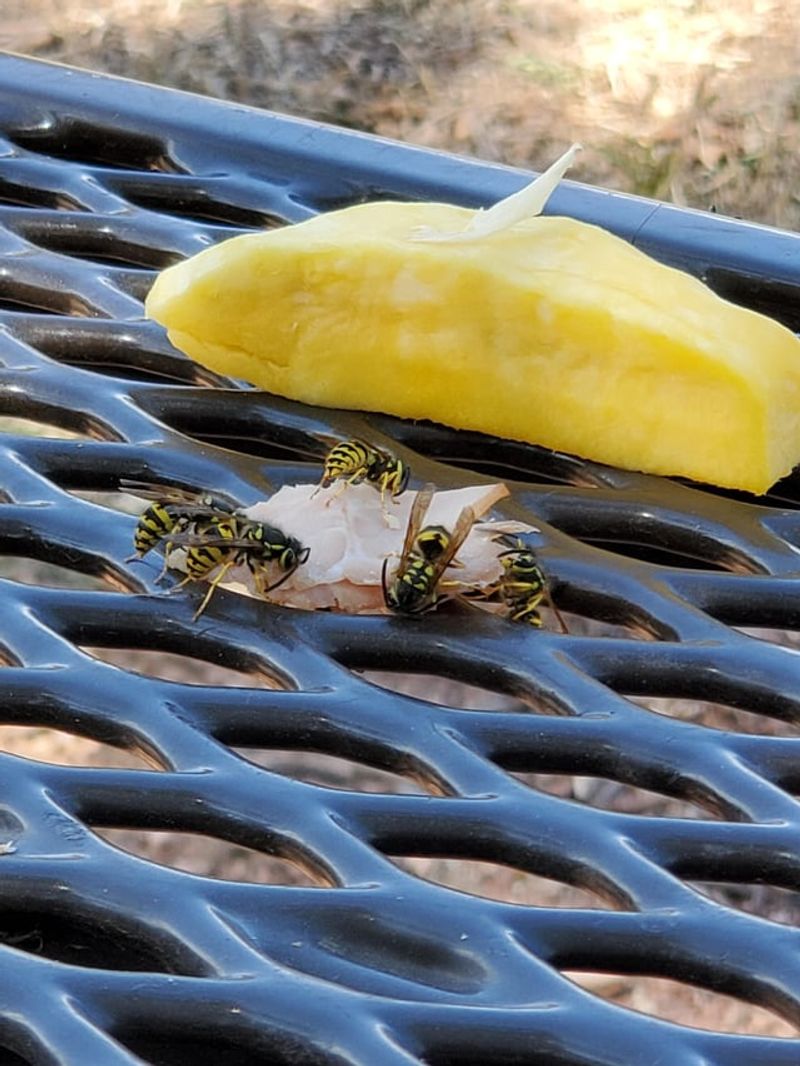
Swatting feels satisfying, yet crushing a single worker releases an alarm scent that summons nearby nestmates fast. That quick hand wave can turn one curious visitor into a small, genuinely defensive group within seconds.
Open aluminum cans rank among the sneakiest hazards at any Indiana tailgate or crowded backyard birthday party. An insect crawls inside chasing sugar, goes unnoticed, and meets your lip during the next long sip.
Uncovered trash barrels parked right beside the food table act like flashing neon signs for hungry foragers nearby. Sticky soda puddles, melon rinds, and greasy napkins keep the crowd coming back long after dessert ends.
Sweet perfumes, scented lotions, and fruity hair products confuse foragers that are searching for late-season flower nectar. Bright floral shirts add to that confusion, although food odors still matter far more than your clothing.
Feeding pets outdoors leaves protein-rich bowls sitting in warm sun, which draws steady insect traffic all afternoon. Fallen apples and pears under Indiana fruit trees break down quickly and pull foragers straight toward your yard.
Spraying a ground nest in bright daylight ranks as the riskiest mistake Indiana homeowners make each September. Hundreds of workers are outside at that hour, and they return home angry with nowhere to go.
Running away while being chased near a nest often makes the whole situation worse instead of calmer. Walk steadily toward indoor shelter, protect your face, and give the nest room to settle down.
Simple Swaps For A Smarter Table Setup
Strategy beats frantic arm flapping, and most useful fixes cost less than one decent bag of charcoal. Treat your whole picnic table like a sealed buffet instead of a wide open neighborhood invitation.
Covered serving dishes make a huge difference, especially for fruit salad, ribs, and anything coated in sugar. Mesh food tents cost only a few dollars at most Indiana hardware stores and last for seasons.
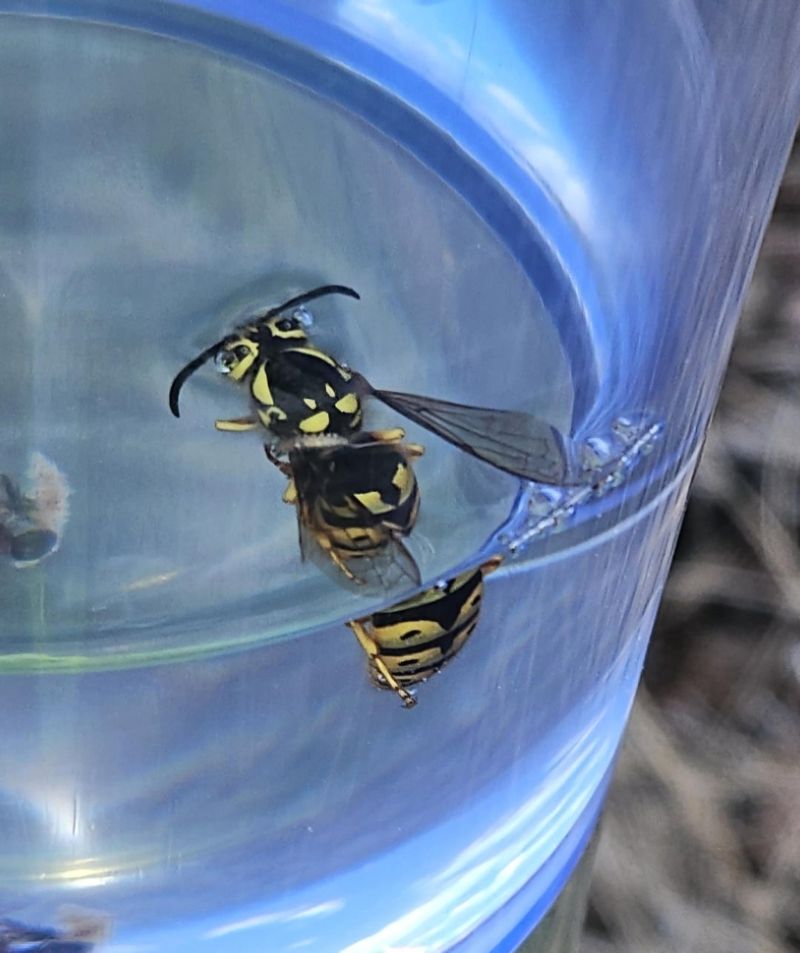
Pour every drink into a cup with a lid and straw, then glance inside before each sip. Cans and open bottles hide visitors well, and nobody enjoys a surprise sting on the lower lip.
Set up a decoy plate roughly twenty feet away, loaded with jelly, ripe fruit, or leftover meat. Foragers often settle for that easy option and leave your family in peace during the actual meal.
Box fans work surprisingly well on a patio because these insects struggle to fly through steady wind. A breeze also scatters the food odors that guide them toward your grill from across the whole yard.
Trash cans need tight lids and a spot far from seating, ideally out near the driveway edge. Wipe spills right away, rinse recycling containers, and keep a damp towel handy for sticky little fingers.
Baited traps help most when hung along the far yard boundary rather than beside your dining area. Place them early in the season, because September traps mostly pull new crowds toward the party.
Fewer Stings At The Family Table
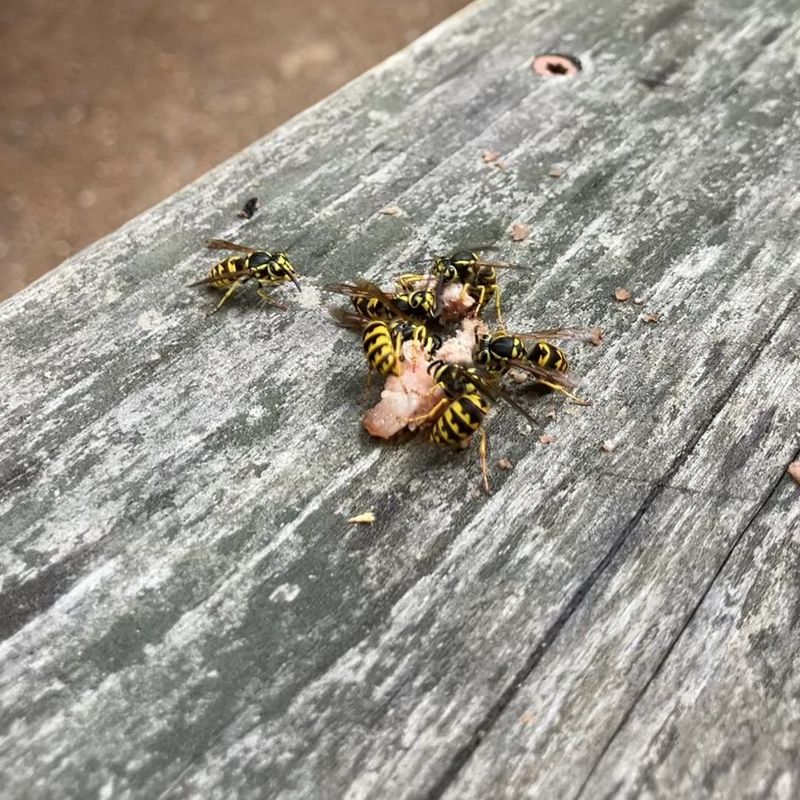
Picture a mid-September cookout where nobody shrieks and the coleslaw sits untouched by six-legged gate crashers. That calmer scene shows up quickly once a family changes just a handful of small daily habits.
Whenever one lands on your bare arm, hold still and let the insect finish its curious inspection. Most workers leave within seconds because bare skin offers nothing sweet or meaty worth hauling back home.
Blowing on it, pinching it, or slapping your own arm raises the odds of an angry sting. Brushing the insect away gently with a paper napkin works better and rarely triggers a defensive response.
Unlike honeybees, yellowjackets sting more than once without losing anything, so retreat calmly rather than sprinting away. Step indoors or into a parked vehicle, because nearby workers give up the chase after a short distance.
For an ordinary sting, wash the spot with soap and water, apply a cold pack, then take antihistamine. Swelling and soreness usually fade within a day or two, although the memory tends to stick longer.
Serious allergic reactions bring hives, dizziness, throat swelling, or sudden trouble breathing shortly after a sting. Those symptoms need emergency care right away, and anyone with a prescribed injector should carry it outdoors.
Teaching kids to freeze instead of flail pays off at every fall festival and Friday night tailgate. Meals feel relaxed again, plates stay full, and your potato salad finally belongs to the family.
Yard Prevention For Next Season
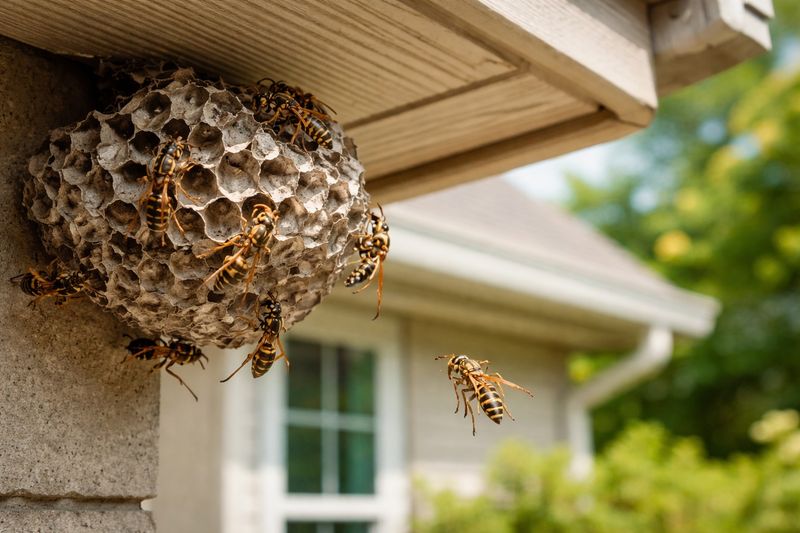
Next year’s quiet cookouts start long before burgers hit the grill, usually around the first warm April days. A searching queen needs only a small gap, an old hole, or one forgotten cavity.
Walk your Indiana property each spring and seal openings around soffits, siding, vents, and outdoor utility lines. Fill abandoned chipmunk burrows with packed soil, and cover compost bins using tight-fitting locking lids.
Watching for steady insect traffic on a sunny morning reveals hidden nests faster than random poking around. Workers stream through one small opening like cars leaving a busy Indianapolis parking garage after a game.
Mark that entrance from a safe distance, then keep everyone clear of the area during daylight hours. Mowing straight over a ground nest sends the whole colony into defense mode within a few seconds.
Treating a nest is safest well after dark, when foragers are home and their movement slows considerably. Hiring a licensed Indiana pest professional makes sense for wall voids, attics, or any known allergy concerns.
Keeping fruit picked up, grills scrubbed, and pet bowls indoors removes the buffet these insects clearly remember. Colonies scout familiar spots, so a tidy yard in July means fewer visitors during September gatherings.
Old nests do not get reused, which means winter cleanup is mostly cosmetic work around the property. Fresh queens choose new addresses every spring, so yearly inspections matter more than tearing down old paper.