14 Garden Plants So Drought-Hardy You’ll Forget The Hose Exists
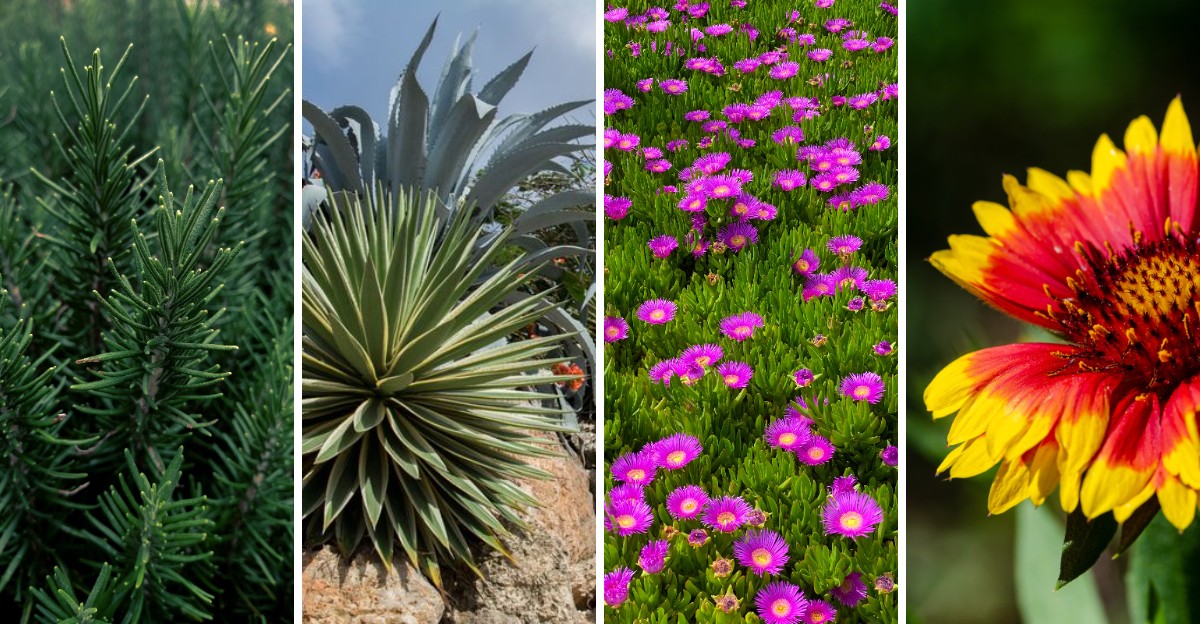
Your hose already senses the shift coming. Water bills climb faster than you’d like to admit. Cracked soil tells a story you’d rather skip. Sprinklers sputter while your patience runs thinner.
Silver-leafed plants shrug off weeks without rain. Bees still arrive, undeterred by the heat. Roots push deeper instead of giving up. Fall offers a window you often ignore.
Planting now rewrites how August treats you. Lavender thrives on neglect once it’s established. Yarrow spreads fast and hardly needs attention. Soil prepared now settles before frost arrives.
Cooler months let roots settle without stress. Timing matters more than you often realize. Savings show up on your water bill fast. Effort drops while resilience climbs steadily.
Next summer could feel unexpectedly calm. That calm starts with choices made today. What you plant this fall decides how relaxed you feel next August.
1. Lavender Shrugs Off The Driest Summers
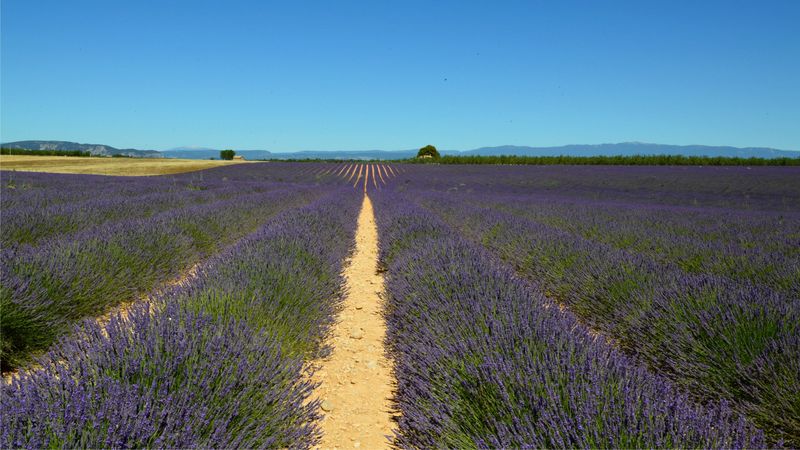
Mediterranean hillsides bake all summer long, and lavender grew up there without any watering can nearby. That rugged heritage shows in every gray-green leaf, each one built to hoard moisture.
Gritty, fast-draining soil and blazing full sun matter far more here than any watering schedule. Soggy roots trouble this plant much more than four rainless weeks in late August.
Water new plants weekly through their first season, then quietly back away and relax. Settled clumps coast through summer on rainfall alone, perfuming the walkway whenever you brush past.
Shear the spent flower stems in early fall, but leave that woody base until spring. Cutting deep into old wood leaves bare patches that rarely fill in again.
Bees, moths, and one satisfied gardener will all approve of such tidy restraint. September planting gives the roots a cool head start well before next summer arrives.
2. Russian Sage Shrugs Off Blazing Heat
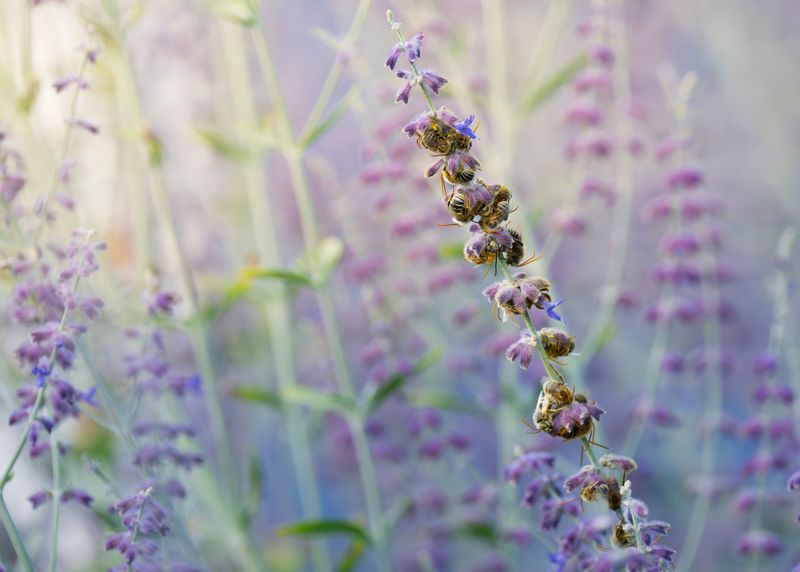
Late summer gardens often sag, yet Russian sage floats above the mess in a violet haze. Silvery stems carry that color from July straight into the cooler weeks of September.
Native to central Asian steppes, this plant learned to handle wind, poor soil, and sun. Rich ground and frequent watering actually make the stems flop over in loose clumps.
Plant it in lean, gritty soil where the sprinkler head cannot quite reach anything. Once roots settle in, rainfall handles the job for the rest of its life.
Cut the whole clump back to about six inches when spring growth appears below. Bees swarm the flowers so thickly that the entire plant seems to hum quietly.
Give each one three feet of elbow room, because they spread wider than expected. Pair it with ornamental grasses for a breezy, low-water border that looks intentional.
3. Yarrow Thrives Where The Hose Cannot Reach
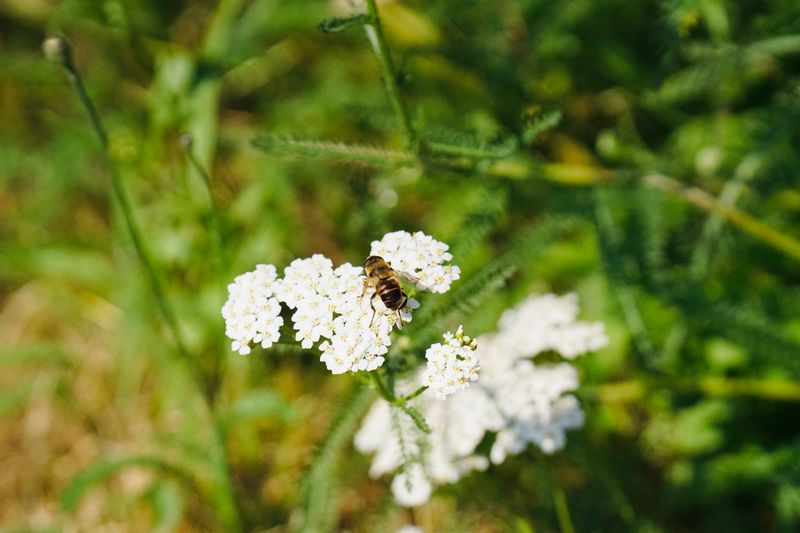
Ancient soldiers reportedly packed yarrow leaves onto wounds, which explains the old nickname soldier’s woundwort. Toughness clearly runs in the family, and modern garden varieties inherited every bit of it.
Flat flower clusters sit above ferny foliage in shades of gold, coral, pink, and cream. Roots travel sideways underground, hunting moisture that shallow-rooted neighbors gave up on weeks earlier.
Poor soil suits yarrow perfectly, while generous fertilizer turns it into a floppy sprawling mess. Skip the compost, skip the sprinkler, and those stems will stand upright all season.
Remove faded heads during summer and a second flush of bloom usually follows quickly. Divide crowded clumps every third autumn, when cool soil helps the pieces settle fast.
Butterflies, hoverflies, and ladybugs treat those flat landing pads like a busy neighborhood diner. Dried stems hold their color beautifully in indoor arrangements right through the winter.
4. Autumn Joy Sedum Stores Water In Its Leaves
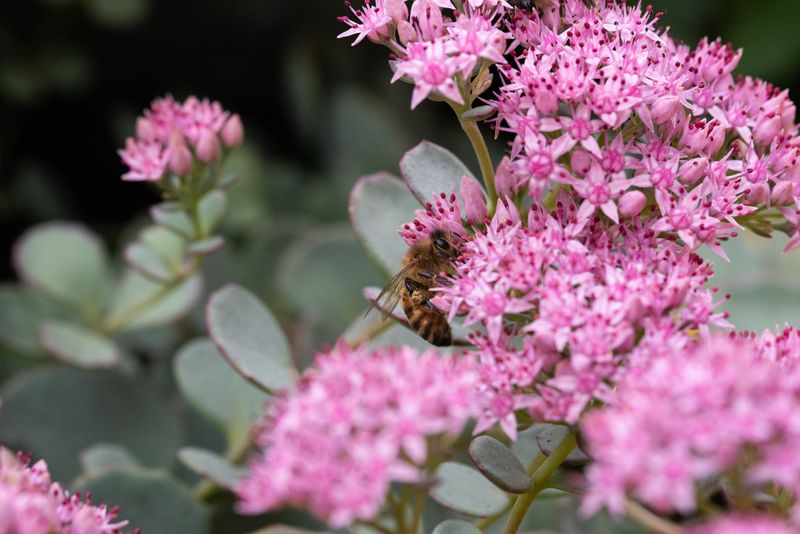
Squeeze a sedum leaf and you feel it: thick, juicy, and packed with stored water. That built-in canteen is exactly why this plant ignores long, rainless summer stretches.
Broccoli-like flower heads open pale pink in late summer, then deepen to a rusty copper. September is prime time, since the blooms peak right when other perennials look tired.
Full sun and average soil keep the stems sturdy, while shade makes them sprawl outward. Too much water causes the centers to split open like a badly packed suitcase.
Leave the dried seed heads standing all winter for frost-rimmed structure and bird snacks. Cut everything back in early spring, right as the new rosettes push through soil.
Snap off a stem, poke it in the ground, and you will have another plant. Few perennials reward low-maintenance care this generously.
5. Purple Coneflower Digs Deep For Its Own Drink
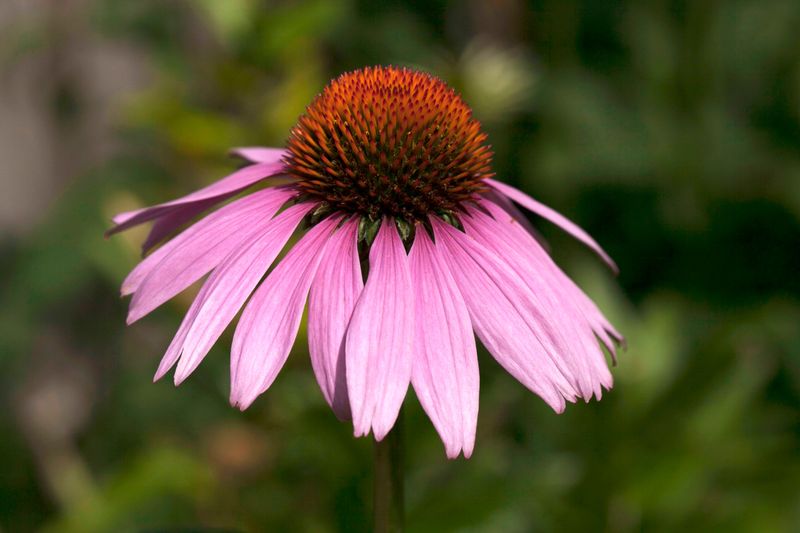
Prairie winds and baking sun shaped echinacea long before anyone tucked it into garden borders. Deep taproots pull moisture from soil layers that shallow-rooted annuals cannot reach at all.
Daisy-shaped blooms with spiky orange centers keep opening from June right into early October. Goldfinches arrive later to crack seeds from the dried cones, so leave those stalks standing.
Sun, decent drainage, and patience during year one cover nearly every care requirement here. Water deeply but rarely at first, coaxing that taproot to chase moisture further downward.
Avoid rich, soggy ground, since crown rot bothers coneflowers far more than drought does. Space plants generously so air moves freely and the foliage stays clean and healthy.
Fall planting works beautifully, giving roots several cool weeks to settle before hard frost. One clump can carry a dry border for a decade with barely any attention.
6. Black-Eyed Susan Blooms Through Rainless Weeks

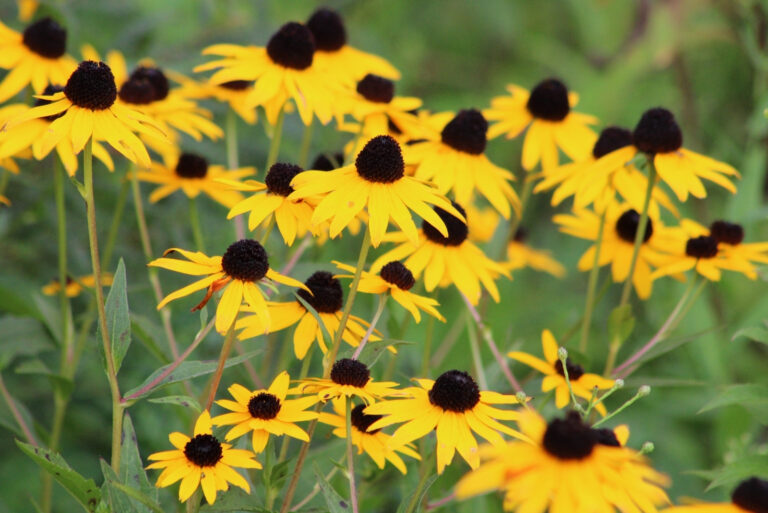
Roadside ditches across the Midwest fill with black-eyed Susans, and nobody waters those ditches. Rudbeckia treats a long heat wave as mildly inconvenient and just keeps blooming anyway.
Golden petals circle a chocolate-brown center, glowing their hardest through August and September afternoons. Slightly fuzzy leaves slow moisture loss, explaining the calm attitude toward long dry spells.
Full sun brings the strongest color, though a little afternoon shade is tolerated fine. Average soil works best; pampered ground produces tall stems that lean on their neighbors.
Cut a few stems for vases, since they tend to stay fresh indoors for several days. Leave the rest for seed, and hungry finches will handle winter cleanup for you.
Clumps expand steadily each year, so divide them occasionally and share extras with friends. Few plants offer this much gold for such a minimal amount of effort.
7. Catmint Keeps Flowering Without Any Fuss
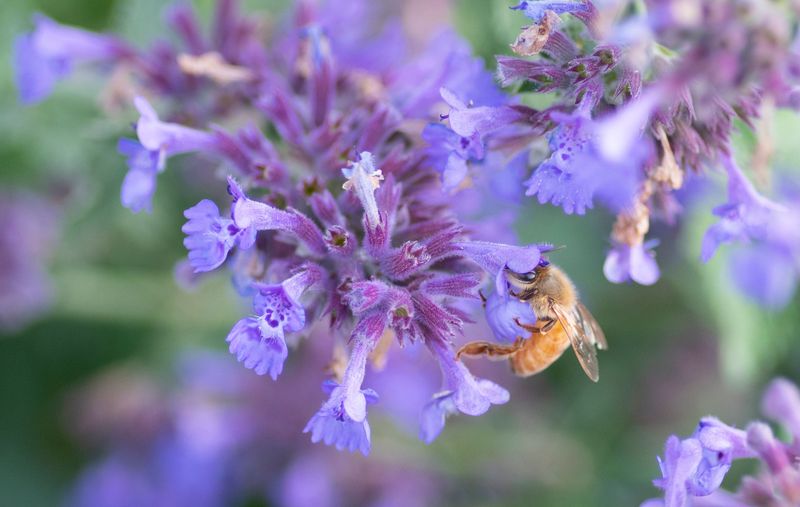
Cats might show mild interest, but catmint’s true audience is every bumblebee within flying range. Clouds of soft lavender-blue flowers smother the gray foliage from late spring through autumn.
Native to dry rocky slopes, this perennial treats a three-week drought as ordinary weather. Roots resent soggy standing water far more than they resent a rainless month.
Shear the entire plant back by half once the first bloom wave starts fading. Fresh growth appears within two weeks, followed by another generous show of purple flowers.
Walker’s Low is a favorite variety, despite its name it reaches up to thirty inches tall. Plant it beside a hot walkway where the scent releases whenever someone brushes past.
Rabbits and deer usually walk right by, thanks to those strongly aromatic leaves. Not much else blankets dry ground so reliably for such a long stretch of months.
8. Rosemary Handles Dry Soil Like A Champion
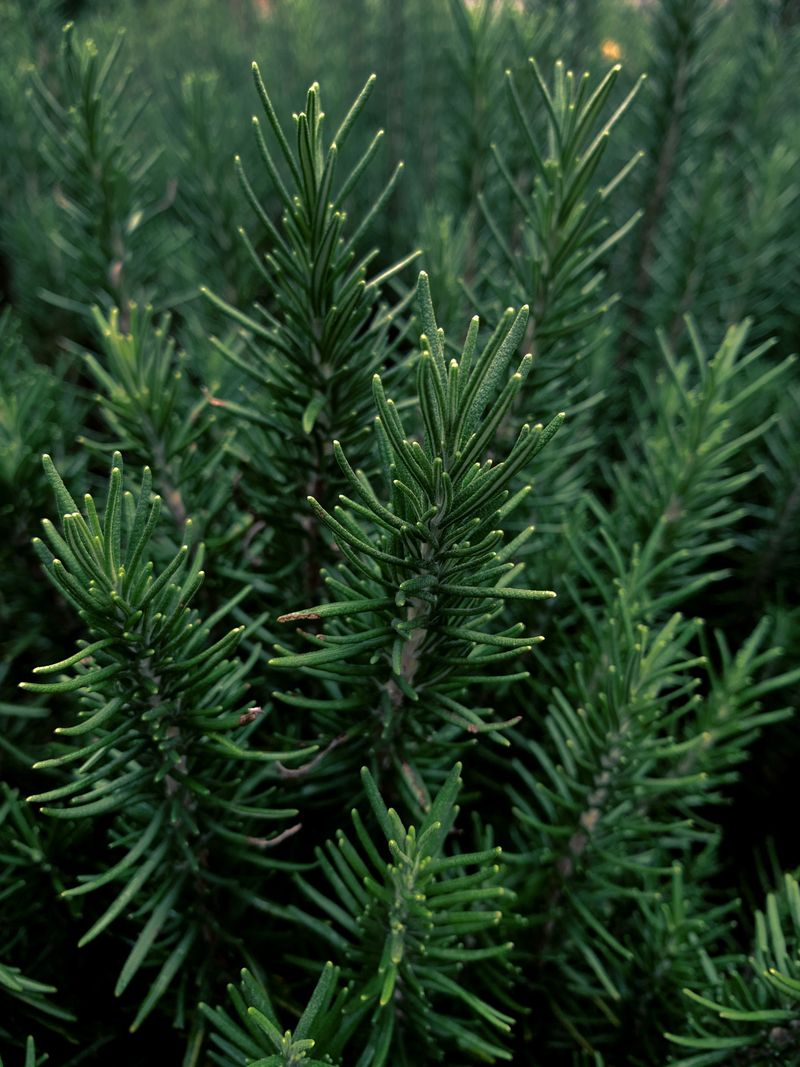
A kitchen herb by trade, rosemary quietly moonlights as one of the toughest garden shrubs. Those needle-like leaves carry a waxy coating that seals moisture in during blistering weather.
Full sun and sharp drainage matter enormously, especially anywhere winters turn wet and heavy. Clay soil is the main problem, so raised beds or gravel mixes help considerably.
Hardy types such as Arp and Hill Hardy survive winters down to roughly zone six, depending on drainage. Colder gardeners can grow it in pots and haul them indoors before frost.
Snip sprigs often, because regular harvesting keeps the plant bushy instead of bare and woody. Blue flowers appear in spring, drawing early bees before most perennials wake up.
Skip the fertilizer entirely, because lean conditions concentrate the oils and improve the flavor. Dinner and drought resistance from the same plant seems like a fine bargain.
9. Blanket Flower Soaks Up Sun And Asks Nothing
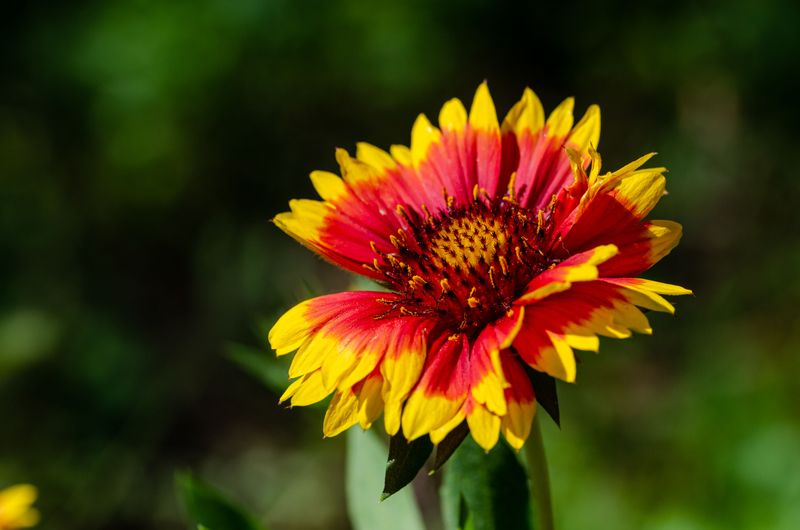
Fiery red and yellow petals earned gaillardia its common nickname, said to echo woven Native American blankets. Color keeps coming from early summer until frost, with barely a pause between waves.
Sandy, lean soil is exactly where this short-lived perennial does its very best work. Heavy clay and constant moisture shorten its life faster than any summer heat wave.
Remove spent blooms regularly to keep flowering going, though leftover seed heads feed small hungry birds. Plants often self-sow politely, filling gaps without taking over the entire flower bed.
Butterflies treat the blooms like a landing strip through the hottest part of summer. Divide clumps every two or three springs to keep them vigorous and blooming well.
Try Arizona Sun for compact mounds, or Goblin for a tidy front-row edging plant. Cheerful, scrappy, and content with neglect, gaillardia asks for very little in return.
10. Lamb’s Ear Wears Fuzz As Its Own Sunscreen
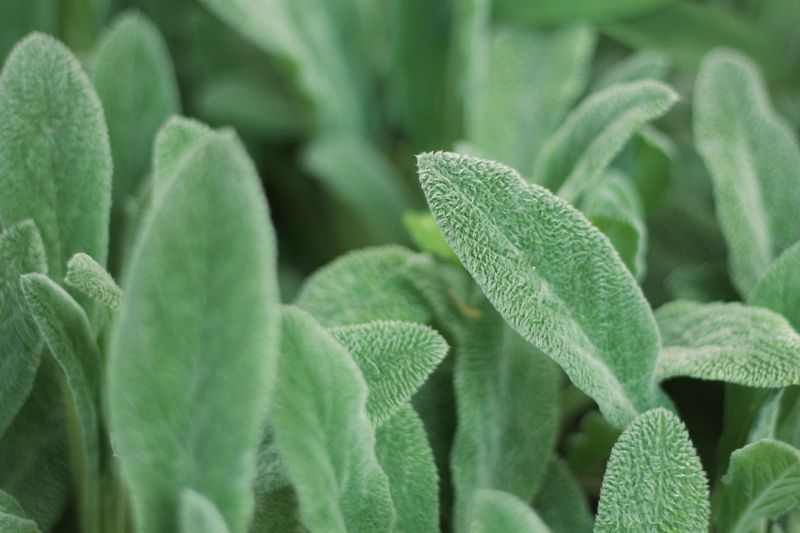
Children reach out to pet lamb’s ear before anyone tells them the plant’s name. Those silvery leaves feel like soft felt, and the fuzz is functional rather than decorative.
Tiny hairs reflect harsh sunlight and trap humidity right against the leaf surface below. Water loss slows dramatically, which is how the plant shrugs through baked summer soil.
Overhead watering is the enemy, since wet fuzzy leaves rot in humid weather. Water the soil directly, or better still, let natural rainfall handle the entire job.
Spreading mats make excellent edging along paths, softening hard lines of stone or brick. Helene von Stein is a favorite variety with larger leaves and fewer flower spikes.
Rake out mushy leaves in early spring so fresh rosettes get light and air. Bumblebees adore the purple flower spikes, even if the foliage steals most attention.
11. Agave Turns Neglect Into A Sculpture
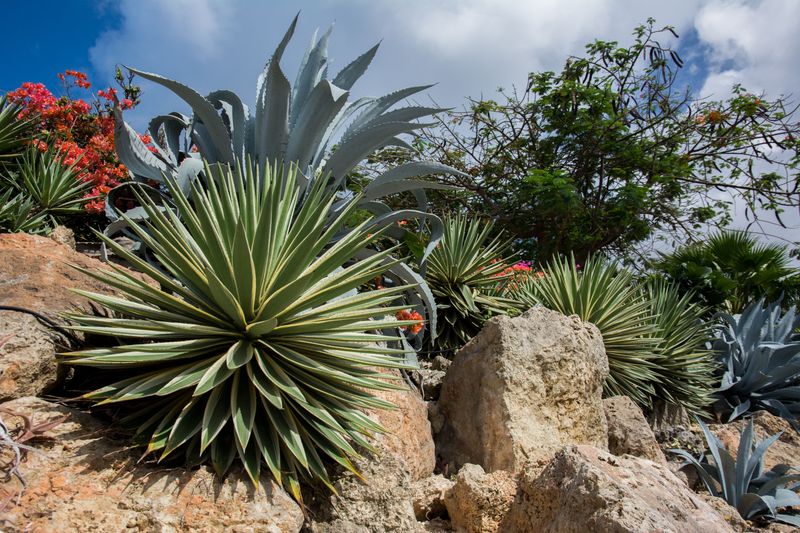
Sculptural, spiky, and mildly dangerous, agave transforms a dry corner into living modern art. Thick fleshy leaves store months of water, which explains its low need for hoses.
Desert origins mean gritty fast-draining soil matters far more than anything else you can provide. Sitting in cold wet winter ground causes much more trouble than blazing summer sun.
Parry’s agave and Havard agave handle cold down to around zone five or six, depending on drainage. Milder regions can grow the dramatic blue-gray types straight in the open ground.
Place them away from walkways, because those leaf tips are genuinely sharp points. Baby offsets appear around the base and transplant easily into pots for lucky friends.
Each rosette flowers once, sends up a tall stalk, then hands over to pups. Patience is required, since that single bloom event can take anywhere from ten to thirty years.
12. Yucca Stands Tall In Baked Ground
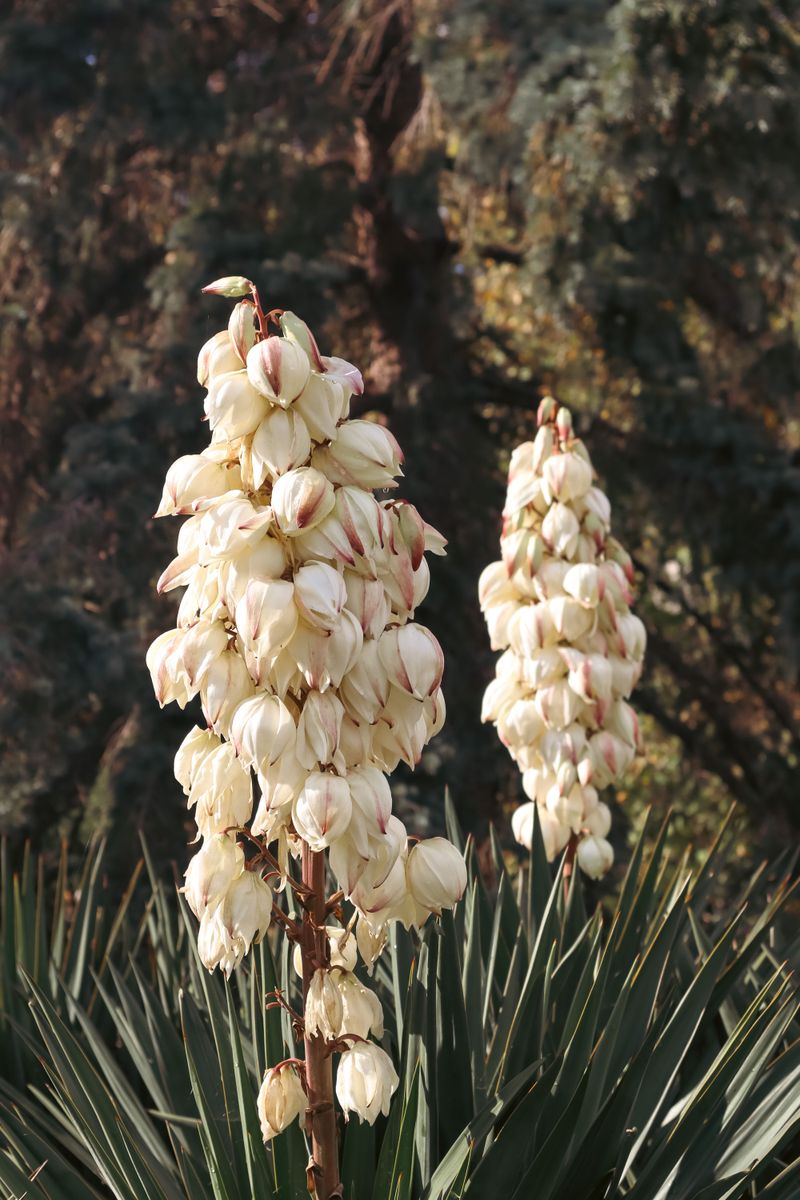
Sword-shaped leaves and towering white flower spikes give yucca a wild, distinctly untamed silhouette. Roots plunge several feet down, tapping moisture long after surface soil turns to dust.
Adam’s needle grows happily across much of the country, surviving cold and heat alike. Sunshine, sandy soil, and being left alone are the only real requirements on the list.
Established plants rarely need water, even during the stretch when lawns turn crispy brown. Fertilizer is unnecessary and usually produces soft floppy growth instead of firm leaves.
Cream-colored bells open on stalks that can climb five or six feet skyward. Yucca moths pollinate those flowers, a partnership that has lasted millions of years.
Trim the brown lower leaves occasionally to keep each clump looking sharp and intentional. Removing an established yucca takes serious digging, so choose the planting spot thoughtfully.
13. Ice Plant Carpets Hot Slopes With Color
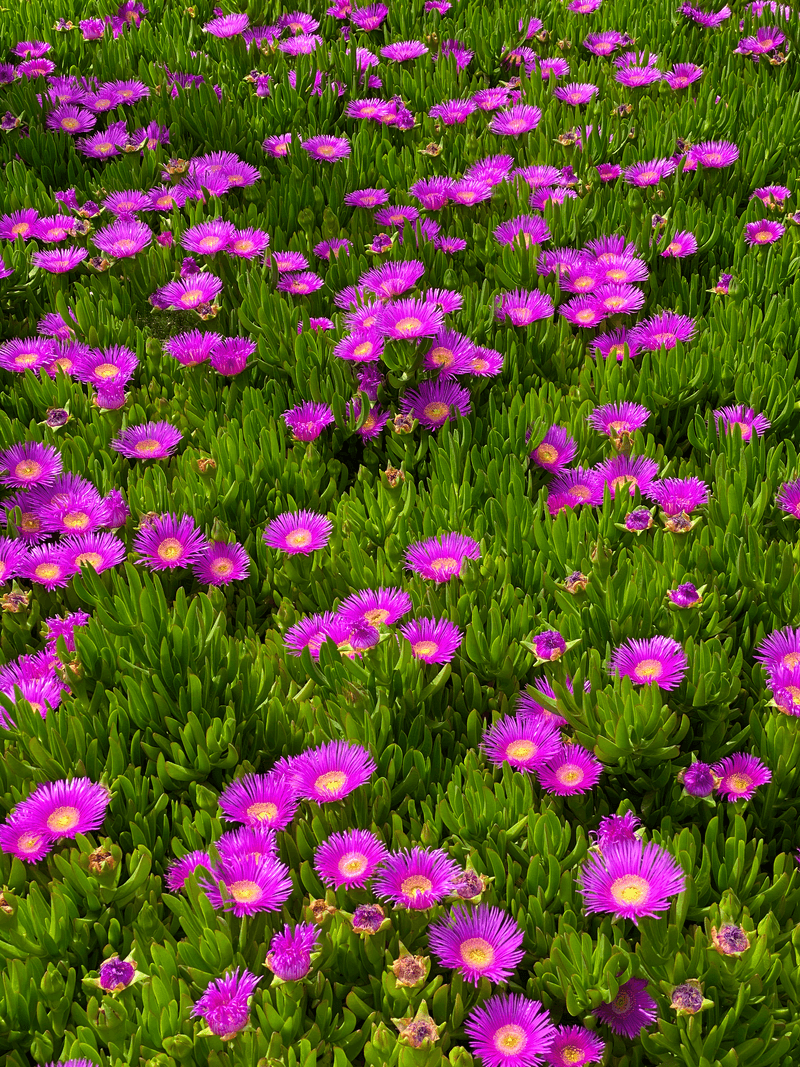
Neon daisies that seem to glitter in sunlight, ice plant flowers look almost artificial. The name comes from tiny cells on the leaves that sparkle like frost crystals.
South African origins explain the appetite for heat, gravel, and sharp fast drainage. Succulent foliage stores its own water, so a rainless month registers as nothing unusual.
Ground-hugging mats cover hot slopes, gravel paths, and sunny rock gardens quite beautifully. Winter wetness is the single real threat, so avoid low spots where water puddles.
Cooper’s ice plant and Table Mountain handle cold winters down to about zone five or six, depending on drainage. Blooms open wide in sunshine and close politely each evening like tiny corner shops.
Skip mulch around the crowns, because bark holds moisture right where it causes harm. Plant in September and expect a glowing carpet of color by next early summer.
14. Blue Fescue Holds Its Color Through Drought
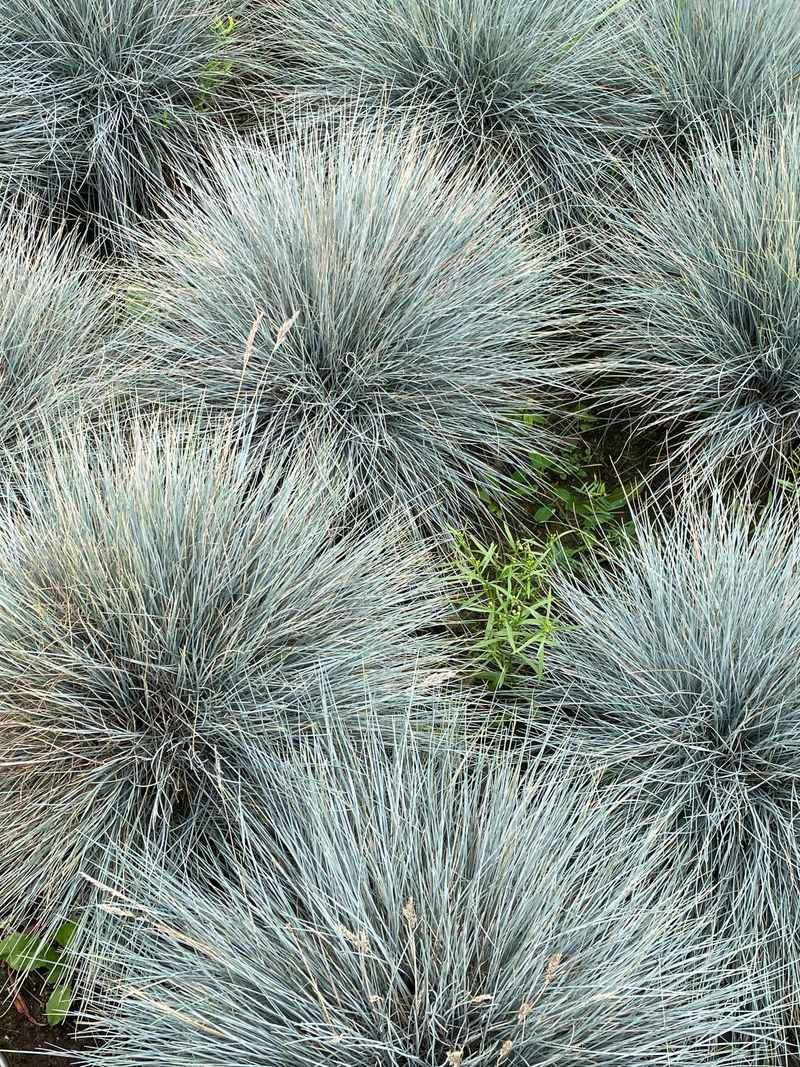
Tidy blue-gray pincushions of grass, fescue brings cool color to the hottest beds. Narrow rolled leaves lose very little moisture, an old trick borrowed from prairie grasses.
Elijah Blue is the classic variety, holding its icy tone through the whole summer. Full sun keeps that color strong, while shade fades it toward plain green.
Drainage matters more than anything, especially in regions with soggy winters and heavy clay. Clumps stay small, roughly a foot wide, so they work as neat repeated edging.
Comb out old brown blades with your fingers each spring instead of shearing hard. Divide every three years, since centers tend to thin out as the plant ages.
Pair it with sedum, yarrow, or gravel for a border that ignores dry spells. September planting lets roots settle in while the soil still holds gentle warmth.