Stop Making This Late-Season Tomato Mistake Before It Hurts Your Harvest
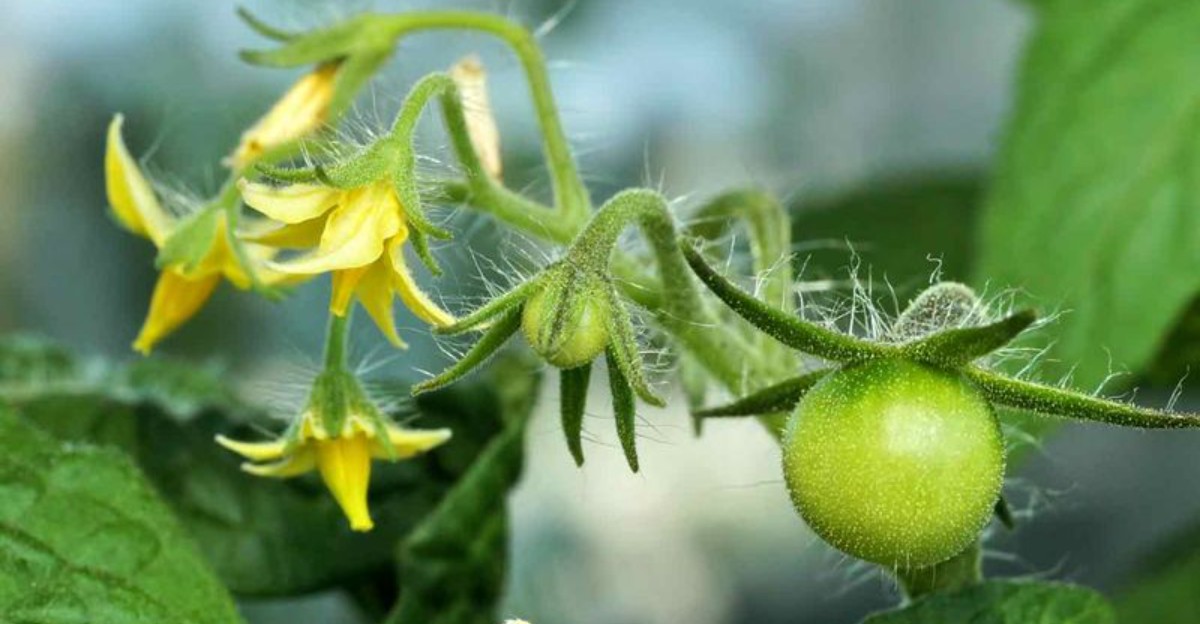
Those bright yellow flowers blooming now are quietly working against your harvest. You want to celebrate each fresh bloom you spot outside. Tomatoes can’t tell that September behaves differently than June.
Late blossoms pull energy from fruit already forming nearby. Your plant simply can’t feed fresh growth and ripening fruit at the same time. Choices you make this week decide what lands on your dinner table.
Frost doesn’t send warnings, and it refuses to wait for your schedule. It arrives fast, catching gardeners who trusted a longer growing season.
Cutting back those late flowers redirects precious energy toward fruit you’ll actually eat. Skip that step, and you risk losing tomatoes still hanging on the vine.
Timing now separates a generous crop from a disappointing outcome. Here’s exactly how to spot which blooms deserve to stay and which need to go.
The Hidden Cost Of September Blossoms
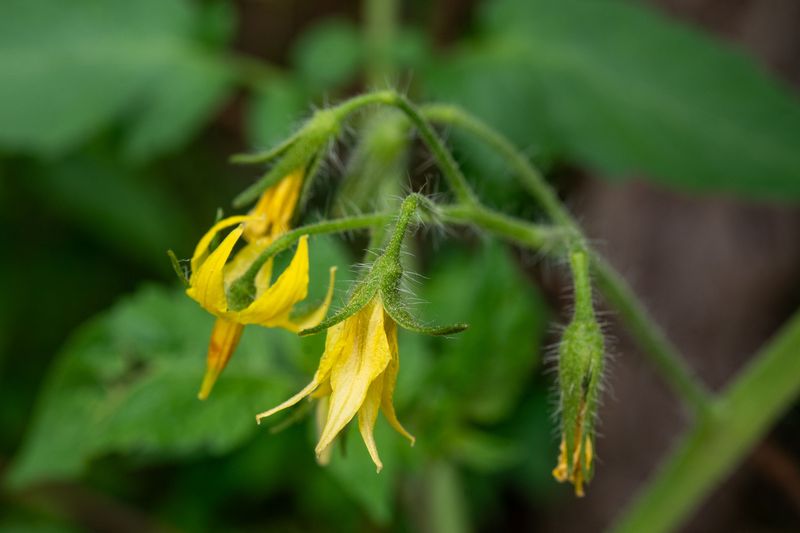
Every yellow flower in September looks like a promise, and most of those promises are empty. Your plant pours real energy into blooms that cannot finish before the cold arrives.
A tomato typically needs about forty to sixty days from open flower to ripe fruit. Count backward from your average first frost date and the timeline gets tight quickly.
Sugars, water, and nutrients travel toward new growth. Fresh blossoms compete directly with the green tomatoes already hanging heavy on your vines.
Gardeners often leave every flower alone, assuming more blooms mean more fruit. That approach slows down ripening for the tomatoes that actually have a real chance.
Late blooms also pull the plant’s focus away from finishing color and sweetness. You end with a crowd of marble sized green fruit and far fewer red ones.
Cool September nights make things worse, since pollination often weakens once night temperatures drop into the mid fifties Fahrenheit. Many of those hopeful flowers simply drop off without setting any fruit at all.
Removing new blossoms feels harsh the first time, like tossing money in the compost. Think of it instead as choosing quality over a long list of unfinished projects.
Experienced growers call this editing the plant, and they do it without guilt. One sharp decision in early September can change how your whole harvest ends.
The fruit already on the vine is your real harvest, and it deserves the fuel. Give it everything, and September turns generous instead of frustrating.
Frost Dates And The Ripening Math
Here is the number that matters most, and it is not the one on the seed packet. Tomatoes need about forty to sixty days from pollination to a fully ripe fruit.
Look up your average first frost date, then subtract those weeks on a calendar. In many northern gardens, that cutoff tends to fall somewhere between late August and mid September. Check your local extension office for your exact date.
Any flower opening after the cutoff is a long shot, no matter how healthy it looks. Weather can be kind, but planning around luck rarely fills a kitchen basket.
Shorter days matter as much as temperature, since ripening depends on stored sugars and warmth. By late September, sunlight hours drop and the plant simply works slower.
Night temperatures below fifty degrees also slow the color change inside the fruit. Green tomatoes can sit for weeks looking stubborn while the calendar keeps moving.
Write your cutoff date on a garden marker or a note on the fridge. A visible reminder beats a vague feeling that there is still plenty of time.
Gardeners in long season areas like Florida or southern Texas get extra room. Even there, intense heat can stall fruit set just as effectively as frost.
Check a local extension website for your county’s frost average rather than guessing. Those dates shift by a week or two across surprisingly short distances.
Once you know the number, every late blossom becomes an easy decision. Math is not romantic, but it does fill buckets with ripe fruit.
The Habit That Can Slow Down Your Harvest
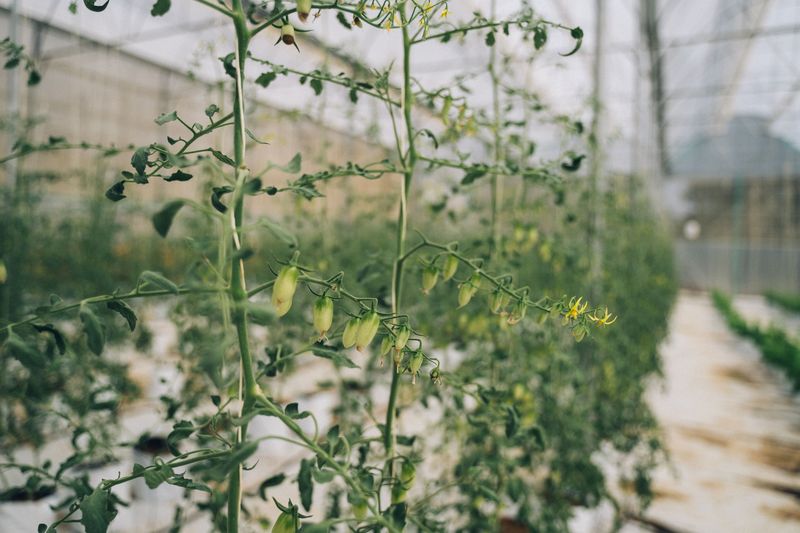
Many gardeners fall into this pattern, often out of optimism. Leaving every late flower and tiny green tomato on the plant feels responsible.
A tomato vine has a fixed budget of sugar, water, and root energy each day. Spreading that budget across fifty fruits means nobody gets a full share.
Picture a sandwich split among too many friends, and everyone leaves the table hungry. Your plant faces exactly the same problem in the first weeks of autumn.
The habit shows up as clusters of pea sized fruit near the growing tips. Meanwhile, the big tomatoes lower down stay pale and firm for weeks.
Some gardeners also keep pouring high nitrogen fertilizer on their plants well into September. That push encourages fresh leaves and new flowers instead of finishing the fruit already there.
Letting suckers run wild adds another layer, because each one wants to bloom. The plant grows taller and busier while the harvest basket stays half empty.
None of it comes from carelessness, which is exactly what makes the habit so common. Gardening instincts say protect every bud, and early autumn quietly asks for the opposite.
Recognizing the pattern is honestly the hardest part of fixing the whole problem. Once you see the wasted effort, pinching off those blossoms gets much easier.
Think of your plant as a worker racing against a tight two-week window. Fewer tasks, finished properly, beat a long list that nobody ever completes.
Topping, Pinching, And A Clean Final Push
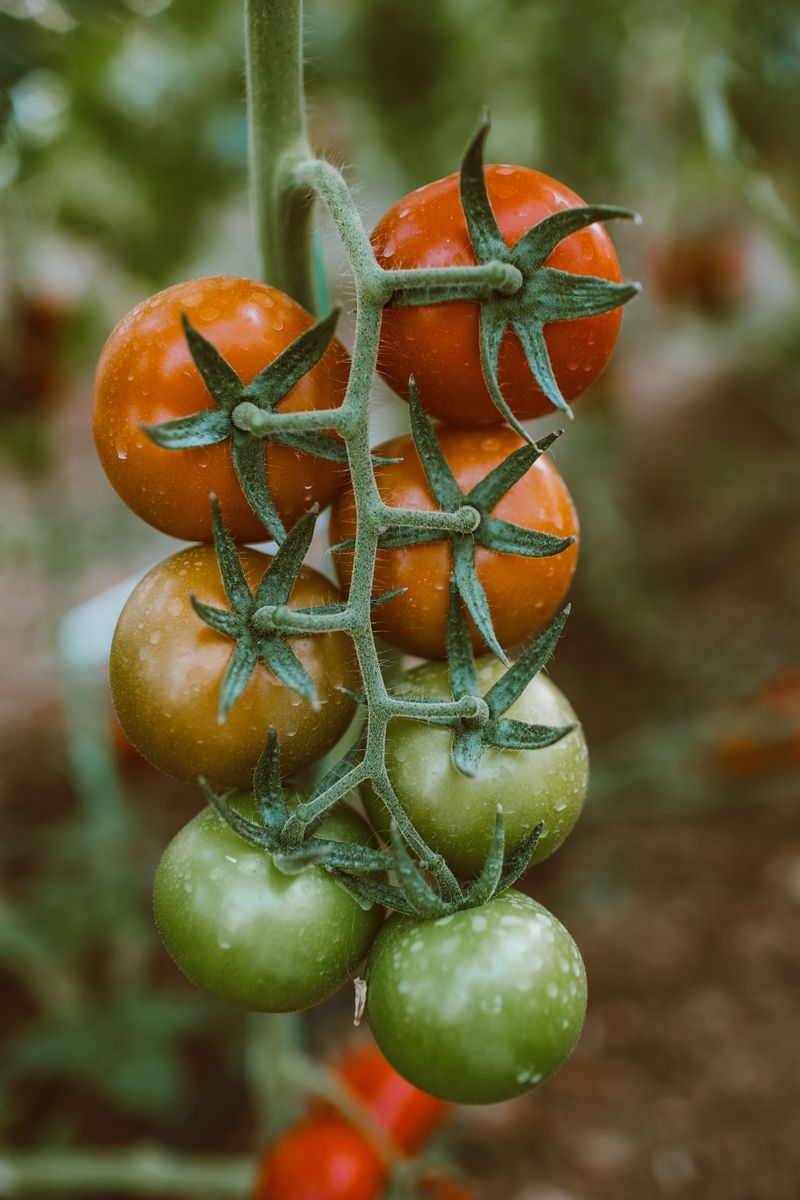
Topping sounds dramatic, but it takes about ten seconds with clean fingers. Snip the growing tip off each main stem roughly four weeks before your frost date.
Removing the growing tip tells the plant to stop climbing upward and start finishing. Energy shifts straight into the fruit already hanging below the place you cut.
Pinch off every open flower and any fruit cluster smaller than a shooter marble. Those tiny tomatoes will not ripen, and they quietly drink from the same well.
Use clean snips or your fingers, and work on a dry morning to limit disease. Wipe blades with rubbing alcohol between plants if anything looks spotted.
Trim lower leaves that touch soil, since they invite blight and hide nothing useful. Leave the upper canopy alone, because tomatoes still need shade from harsh sun.
Cut back sharply on nitrogen and switch to a fertilizer higher in potassium. Water steadily rather than heavily, since swings in soil moisture crack ripening skins.
Keep harvesting fruit that shows the first blush of color on the bottom. Tomatoes finish beautifully on a kitchen counter, and picking signals the plant to ripen more.
Many growers stagger the work, topping determinate types earlier than sprawling indeterminate vines. Determinate plants set fruit all at once, so they need less trimming overall.
Your plant will look a little naked afterward, and that is honestly the point. About ten days later, the sudden color change usually makes the whole trim worthwhile.
Fuller Color And Faster Ripeness On The Vine
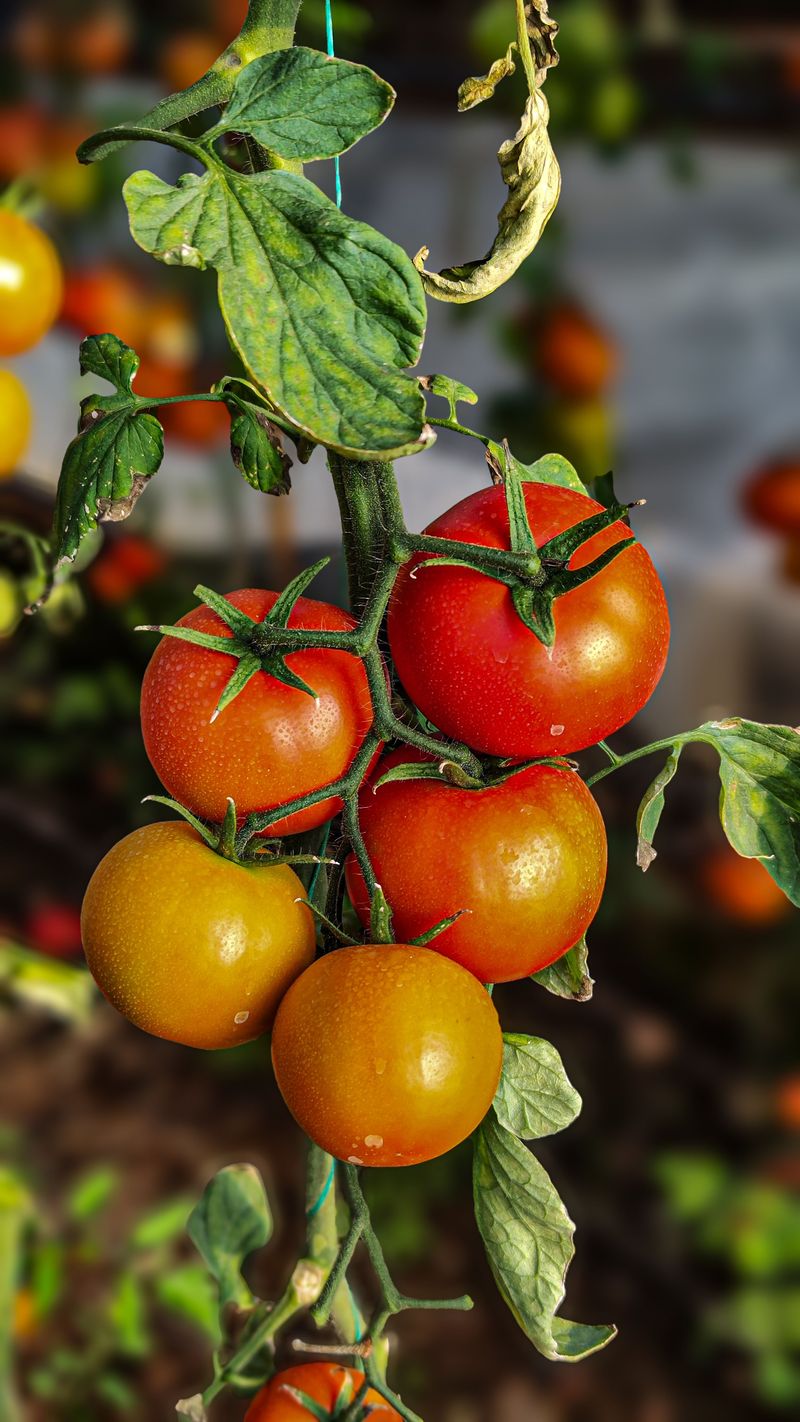
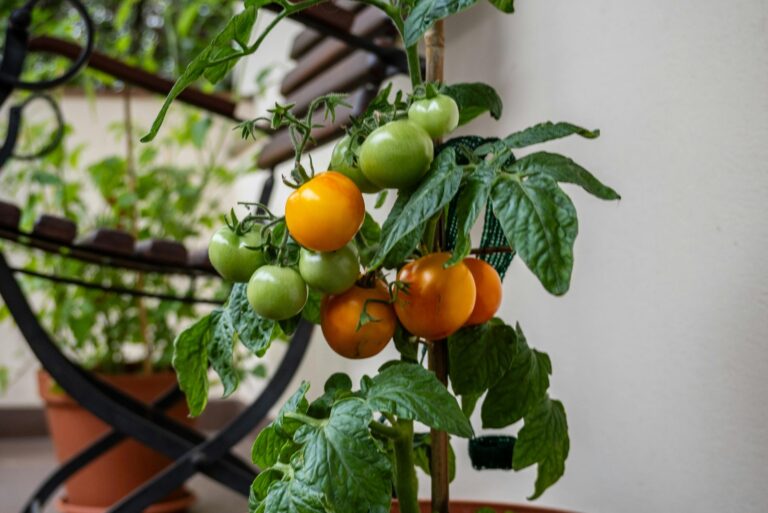
The payoff shows up faster than most people expect, often within a week or two. Green shoulders start softening, and that first blush of orange spreads across the fruit.
Fruit left on a trimmed plant tends to size up noticeably before it colors. Fewer mouths at the table means a bigger share for each tomato.
Flavor improves too, since sugars concentrate rather than spreading thin across brand new growth. Late season tomatoes from a topped plant often taste richer than midsummer fruit.
Harvest windows tighten in a good way, giving you a real batch for sauce. Canning works better when thirty tomatoes ripen together rather than three at a time.
Plants also carry less weight overall, so stems stop snapping under heavy crowded clusters. Air moves more freely through the canopy, which discourages late blight and powdery mildew.
You will notice fewer split fruits as well, because water reaches far fewer targets. Consistent moisture plus a lighter fruit load equals smoother skins at picking time.
Even fruit picked green benefits, ripening evenly indoors instead of staying stubbornly hard forever. A paper bag with a ripe apple speeds that process along nicely.
Many gardeners who try this once stick with it in future seasons. The difference in that final basket is often enough to convince many gardeners.
Your reward is a counter covered in red instead of a compost pile full of green. That trade feels pretty good on a cool October morning.
A Smarter Calendar For Next Season
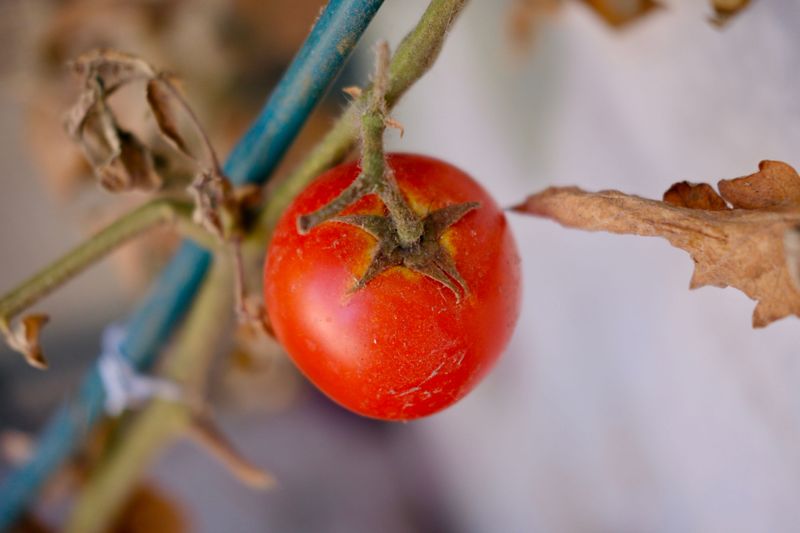
Next spring, the whole problem gets much easier if you plan the ending first. Choose tomato varieties with days to maturity that actually fit your local growing season.
Short season favorites like Early Girl, Stupice, and Glacier ripen well before autumn cold arrives. Big beefsteaks and long season heirlooms need a head start or a greenhouse.
Start seeds indoors six to eight weeks before your average last spring frost date. Transplants that go out strong and stocky set their first fruit weeks earlier.
Mark two dates on the calendar, one for planting and one for topping. That second date saves you from the September guessing game for good.
Keep a simple garden notebook listing what ripened and what ran out of time. Notes from one season beat memory, which tends to be wildly generous.
Consider floating row cover or a low tunnel to stretch warmth deeper into October. A few extra degrees at night can rescue a whole cluster of ripening fruit.
Container growers can wheel their plants toward a sunny south wall as shadows lengthen. Bricks and concrete hold daytime heat and give fruit a gentle nighttime boost.
Succession planting helps as well, with a second small batch set out in early summer. Those younger plants hit their stride while the older vines start winding down.
Good timing turns a frantic autumn finish into a calm, steady harvest. Your future self will thank you while slicing ripe tomatoes in mid October.