The Pennsylvania Plants That Actually Repel Roaches From Getting Near The House
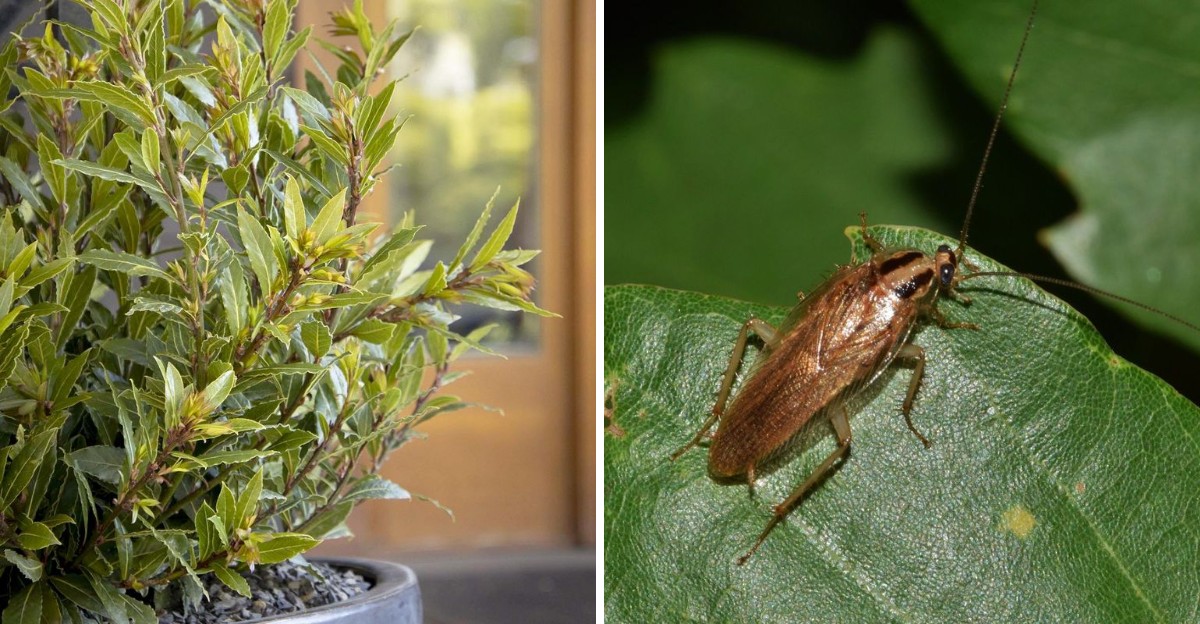
Roaches near a Pennsylvania home are an unwelcome discovery at any time of year, but fall brings them closer to structures as temperatures drop and they seek warmth.
Most homeowners respond with chemical treatments around the perimeter, which work temporarily and then need repeating. There is a different approach worth knowing about.
Certain plants produce natural compounds that roaches consistently avoid. Placed strategically near a Pennsylvania home, they create a living deterrent that works quietly around the clock.
No chemicals, no reapplication, no concerns about repeated pesticide use close to where your family spends time. Here’s what to plant if you want roaches finding your home less worth investigating.
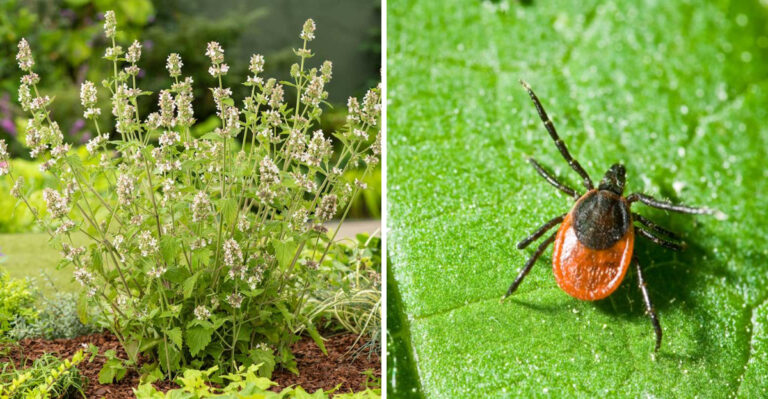
1. Catnip
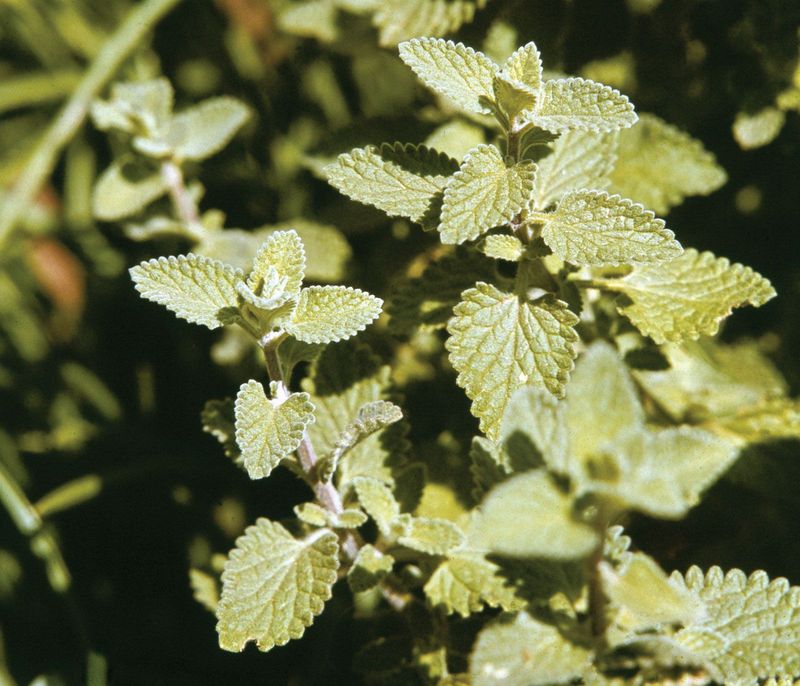
Cats go wild for it, but roaches want nothing to do with catnip. The plant contains a compound called nepetalactone, which studies have shown bugs find highly offensive.
Catnip grows easily across Pennsylvania and handles the state’s chilly winters without much fuss. Plant it in a sunny spot near your back door or along a foundation wall.
Within a season, it fills out into a bushy patch that gives off a minty scent people barely notice but insects hate.
You can also snip a few stems, dry them, and tuck the leaves into small cloth bags. Place these near cabinets, under sinks, or in corners where roaches like to hide. The dried leaves keep their pest-fighting power for weeks.
One thing to keep in mind is that neighborhood cats may visit your garden once they catch the smell. If that bothers you, grow catnip in a hanging basket or a raised planter out of their reach.
This herb spreads quickly, so give it room or keep it in a pot to control its growth. Water it during dry spells, though it forgives forgetful gardeners fairly well.
Fun fact: catnip has been used for centuries in teas to help people relax before bedtime. So while it guards your home from crawling pests, it can also brew into a calming drink for you.
For the strongest effect, plant several catnip clumps around the perimeter of your house. The more scent in the air, the less likely roaches will wander close to your walls and doorways.
2. Rosemary
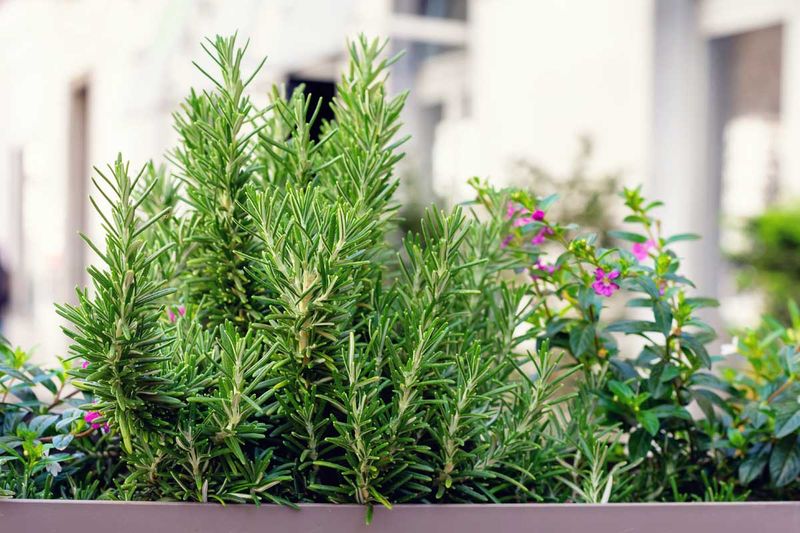
Few herbs earn their spot in the garden like rosemary does. It flavors your dinner, smells amazing, and sends roaches running in the other direction.
The strong, piney scent that makes rosemary so popular in the kitchen is exactly what pests find unbearable.
Roaches use their sense of smell to explore, and rosemary overwhelms them, keeping them away from your doors and windows.
In Pennsylvania, rosemary grows well through spring and summer but struggles in harsh winters.
Many gardeners keep it in pots so they can bring it indoors when the cold sets in. A sunny windowsill in the kitchen makes a perfect winter home, and it guards that room from bugs too.
Plant rosemary in well-drained soil and give it plenty of sunlight. It does not need much water, so let the soil dry out between drinks. Overwatering is the biggest mistake new growers make.
Your Pennsylvania Garden Changes Every Week. Your Plan Should Too.
Gardening in Pennsylvania changes quickly throughout the season. Every Friday you’ll receive a simple weekly plan showing exactly what to plant, prune, fertilize, harvest, and protect so you never miss the right timing.
You can also boil rosemary sprigs in water, let the mixture cool, and pour it into a spray bottle. Mist doorframes, baseboards, and window ledges to create a fresh-smelling barrier that pests avoid.
Snip the stems often to encourage bushier growth and to have fresh sprigs for cooking. Roasted potatoes and chicken taste far better with a little homegrown rosemary.
Did you know rosemary was once burned in sickrooms during old times because people believed it cleared the air?
Today it still freshens spaces while working as a natural pest guard around your Pennsylvania home, all without any chemical sprays.
3. Mint
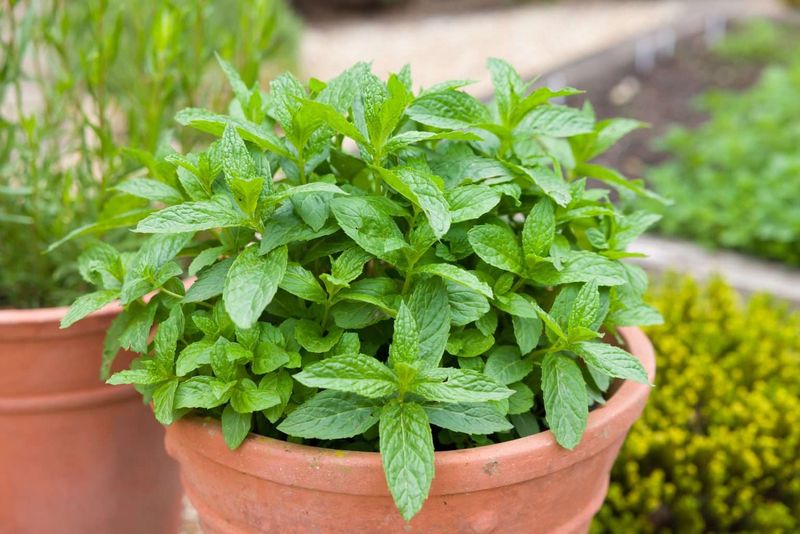
Break a mint leaf between your fingers and you’ll understand why bugs flee from it. That cool, sharp scent is refreshing to us but downright unbearable to roaches.
Peppermint and spearmint both grow like champions in Pennsylvania’s climate. They spread fast, sometimes too fast, so planting them in containers is a smart move. A pot near the doorstep releases scent every time a breeze passes by.
The oils inside mint leaves are the secret weapon. Roaches breathe through tiny openings, and the strong menthol smell irritates them, pushing them far from your walls.
You can make an easy spray by steeping crushed mint leaves in hot water, letting it cool, and adding it to a bottle. Spray it along baseboards, entry points, and window sills for a pleasant barrier that pests refuse to cross.
Mint loves moist soil and partial shade, making it forgiving for beginners. Water it regularly and it will reward you with thick, green growth all season long.
Besides guarding your home, mint gives you leaves for tea, lemonade, and desserts. Few plants offer this much value from a single pot.
Keep the plant trimmed to encourage fresh leaves, since the newest growth carries the strongest scent.
Dried mint sprinkled in cabinets works well too, especially in kitchens where crumbs might tempt hungry insects.
Here’s a tidbit: mint has been grown for thousands of years and was even used by ancient Romans to freshen their homes.
That same freshening power now protects your Pennsylvania house from unwanted crawlers season after season.
4. Bay Laurel
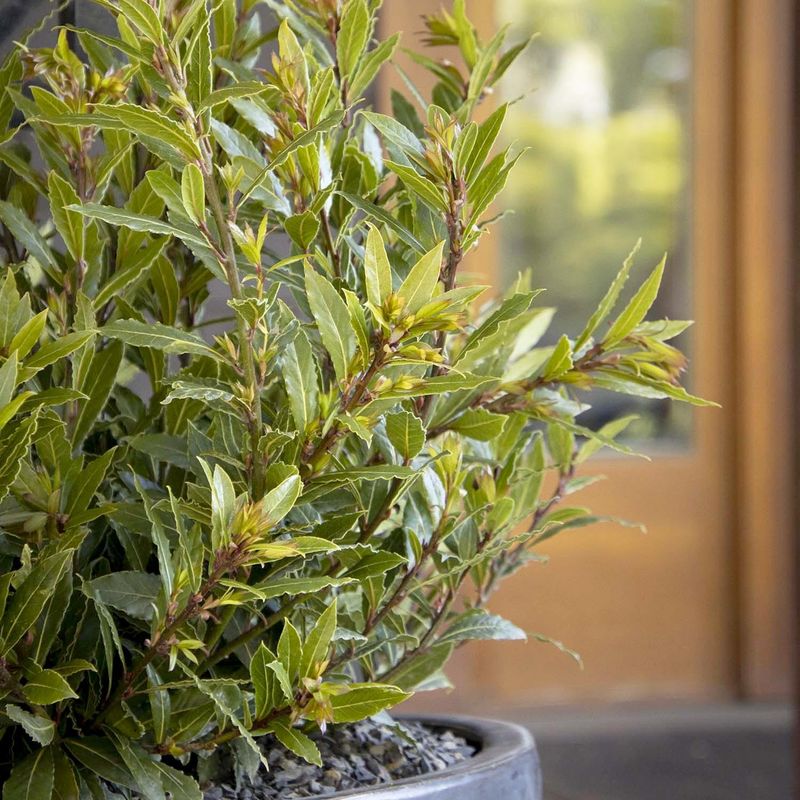
That little dried leaf you toss into soup pots has a hidden talent. Bay laurel, the source of bay leaves, keeps roaches at a distance with its bold aroma.
The leaves contain oils with a scent that insects strongly dislike. While your soup smells wonderful, roaches read that same smell as a warning to stay away.
Bay laurel grows as a small shrub or tree and does well in Pennsylvania pots. Since it dislikes freezing weather, gardeners often move it indoors during winter.
A pot near the kitchen door works perfectly, guarding one of the most common spots pests sneak inside.
Place fresh or dried bay leaves inside pantry shelves, drawers, and cabinet corners. The leaves keep their scent for a long time, so a few go a long way in protecting food storage areas.
Give the plant well-drained soil and steady sunlight. It grows slowly, which means it stays a manageable size and won’t take over your space. Water it when the top of the soil feels dry.
You can harvest leaves anytime for cooking, and using them fresh gives an even stronger flavor than the store-bought dried kind.
Here’s something neat: bay laurel wreaths were worn as crowns by winners in ancient Greece, which is where the phrase resting on your laurels comes from.
That noble little plant now earns a place of honor in your home by keeping crawling pests away.
Tuck a few leaves near entry points and let this classic herb do its quiet, fragrant work all year round.
5. Lavender
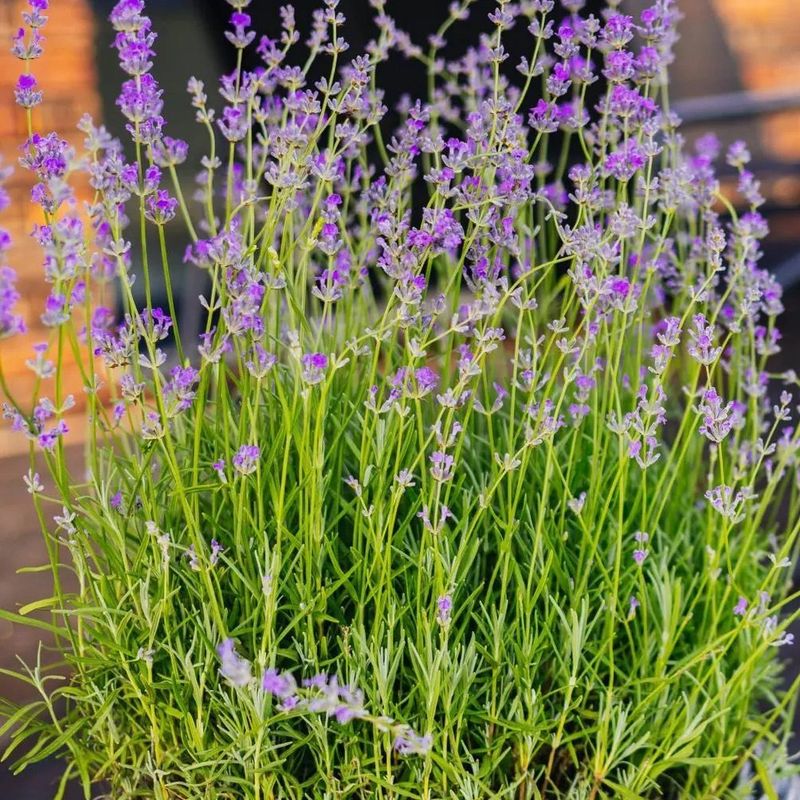
People plant lavender for its calming purple blooms and soothing smell, but that same perfume is a nightmare for roaches. What relaxes us drives them away.
The scent comes from oils packed into the flowers and leaves. Insects find the aroma overwhelming, so a lavender patch near your entryway acts like an invisible fence.
Lavender enjoys Pennsylvania summers and can survive milder winters with a little mulch for protection. It craves full sun and dry, well-drained soil, so avoid overwatering. Soggy roots are its biggest enemy.
Once the flowers bloom, cut and dry the stems, then bundle them into sachets. Slip these into closets, drawers, and dark corners where pests like to gather. The dried buds hold their scent for months.
You can also make a simple lavender spray using dried buds steeped in water. Mist it around windows and doors for a fragrant shield that smells lovely to visitors and awful to bugs.
Beyond pest control, lavender attracts bees and butterflies, adding life and color to your yard. It is one of the prettiest ways to protect a home naturally.
Trim the plant after flowering to keep it neat and encourage new growth next season. A well-shaped lavender bush can last for many years with basic care.
A little history: lavender gets its name from the Latin word for washing, since Romans added it to their baths and laundry.
Centuries later, this fragrant beauty still keeps things fresh while standing guard against roaches trying to sneak into your Pennsylvania home.
6. Chrysanthemums
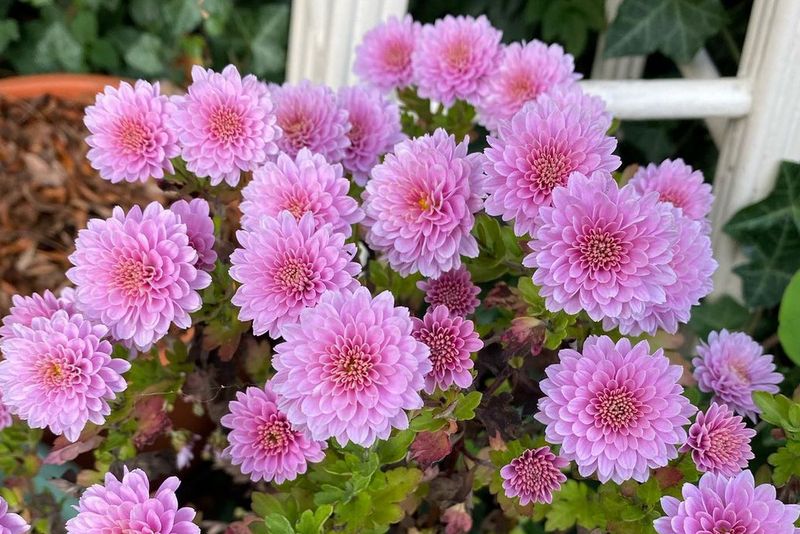
Those cheerful mums that brighten porches every autumn hide a powerful secret. Chrysanthemums contain a natural compound called pyrethrum, which is one of the most effective bug repellents in nature.
Pyrethrum affects the nervous system of insects, making roaches avoid the area entirely. In fact, this compound is so strong that it shows up in many store-bought pest sprays.
Chrysanthemums shine in Pennsylvania’s fall season, when their bright blooms fill garden centers everywhere. Plant them along walkways, near your front steps, or in pots by the door for both beauty and protection.
These flowers love full sun and moist, well-drained soil. Water them regularly, especially during dry stretches, and pinch back early growth to encourage more blooms later.
Colors range from deep reds and golds to soft pinks and whites, so you can match them to your home’s style. Few pest-fighting plants look this good doing the job.
You can dry the flower heads and grind them into a powder to sprinkle in problem areas, though handle it carefully and keep it away from pets and small children.
Mums usually last through several frosts, giving you weeks of color and protection as the weather cools. Many gardeners treat them as seasonal favorites and replant fresh ones each year.
An interesting note: the pyrethrum in these flowers has been used as a natural bug guard for over a century, long before modern sprays existed.
Adding a few pots of chrysanthemums to your Pennsylvania porch means welcoming fall color while quietly keeping roaches far from your front door.
7. Garlic
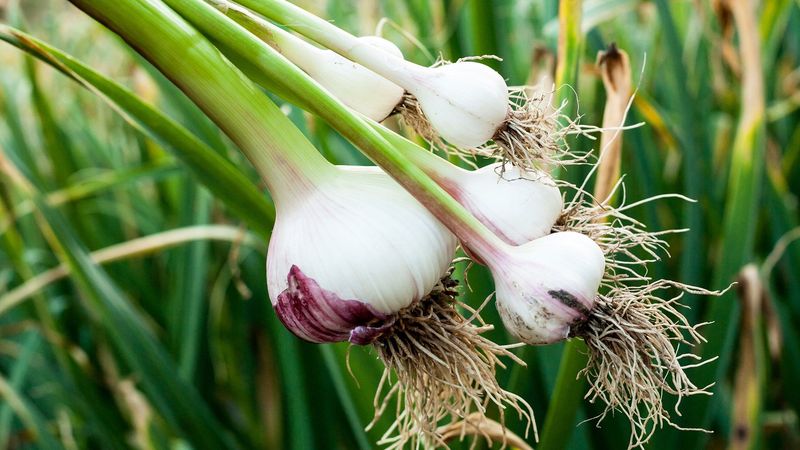
The same bulb that flavors your favorite dinners packs a punch that pests cannot handle. Garlic gives off a sharp, powerful odor that roaches go out of their way to avoid.
The strong sulfur compounds inside garlic are what create that unmistakable smell. To us it means tasty food, but to insects it signals a place to stay far away from.
Garlic grows well in Pennsylvania, especially when planted in fall for a summer harvest. Tuck the cloves into loose, well-drained soil in a sunny spot and let winter do part of the work for you.
You don’t have to wait for the harvest to get pest protection. Crush a few cloves, mix them with water, and let the blend sit overnight. Strain it, pour it into a spray bottle, and mist doorframes and baseboards to keep bugs out.
Growing garlic near entryways adds a natural scent barrier while giving you fresh bulbs for cooking. It is one of the most useful plants any home garden can hold.
Keep the soil weeded and lightly watered as the plants grow tall green stalks. When the lower leaves turn brown, your bulbs are ready to dig up and enjoy.
Fun fact: garlic has been used for thousands of years, not just for meals but also as a folk remedy and a bug guard in old farmhouses.
Planting a small patch in your Pennsylvania yard connects you to that long tradition while helping keep roaches away from your home naturally.