9 Coastal Virginia Yard Tasks To Finish Before The Storm Season Peaks
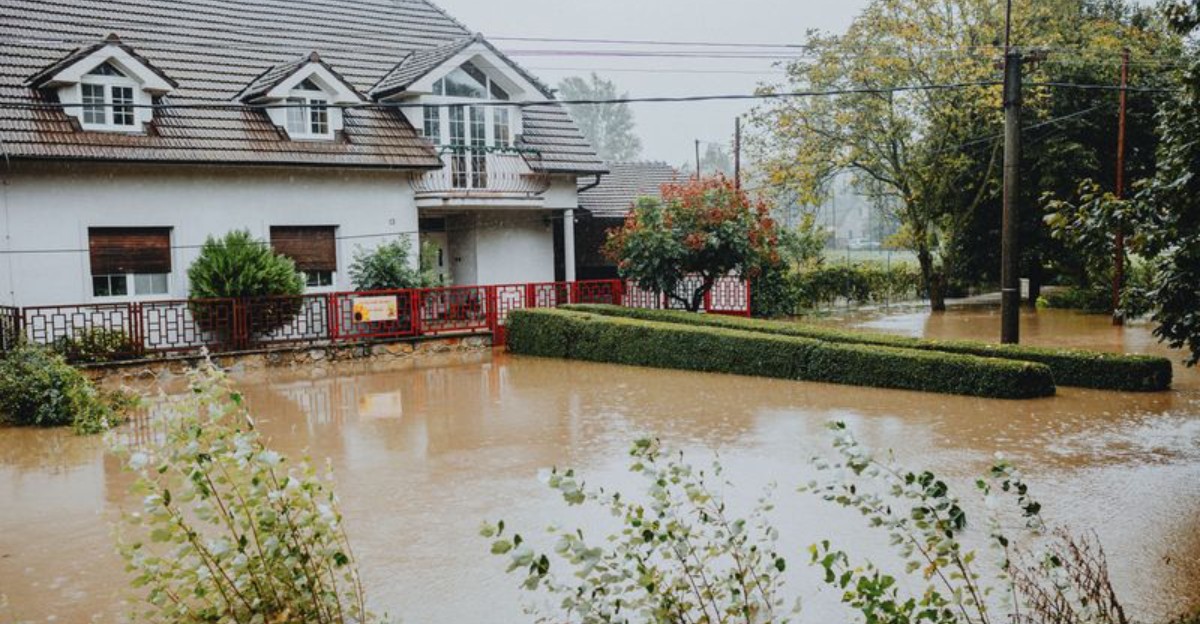
The air changes before a coastal storm arrives. Cicadas quiet down, the breeze picks up, and the forecast suddenly becomes the main topic of conversation.
Hurricane season runs from June through November. Along Coastal Virginia, late summer and early fall can bring heavy rain, strong winds, and storm surge.
Yard damage often starts with simple problems. A loose chair, weak branch, or clogged drain can become a bigger headache when the weather turns rough.
A little preparation can make a difference. Grab your gloves and rake, then work through these tasks before the busiest part of the season arrives.
1. Inspect Large Trees For Weak Limbs And Cracks
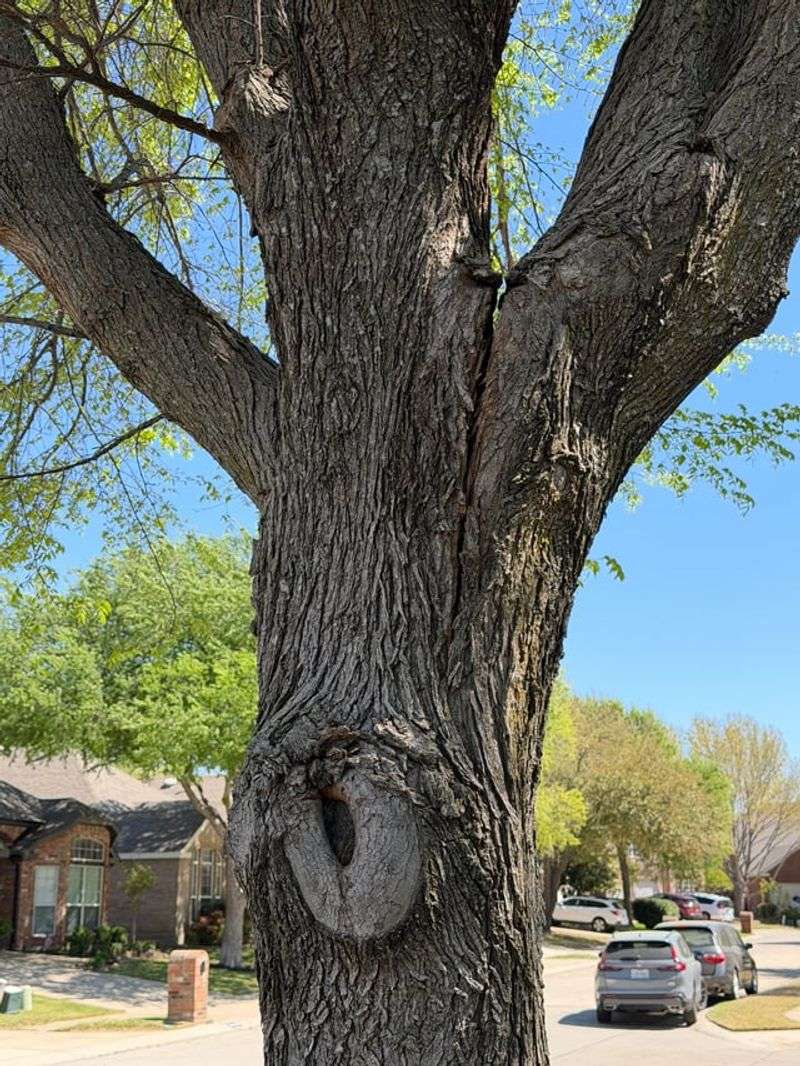
That big shade oak you love can turn risky in a hurry once gusts arrive. A slow walk around every mature tree is the cheapest storm insurance you will find.
Look up first and hunt for hanging or lifeless branches. Arborists call them widowmakers because they snap loose with very little warning.
Next, study the trunk from several angles. Cracks, hollow pockets, and peeling bark suggest the wood inside has grown soft.
Mushrooms or hard shelf-like conks near the base deserve real attention. Fungal growth there can indicate decay or other problems in the tree.
Leaning matters too, especially if the lean is new. Fresh soil heaving or exposed roots on one side means the anchor system is slipping.
Long periods of rain can leave some Coastal Virginia soils saturated, which can make trees more vulnerable to wind damage. A tree that stood firm in July can wobble in a soggy September.
Write down what you find with photos on your phone. Dated pictures help an arborist compare changes and help with insurance later.
Pay special attention to trees within falling distance of your roof, driveway, or power lines. Those are the ones worth a professional opinion first.
An ISA-certified arborist can spot problems that homeowners miss from the ground. Many offer inspections that cost far less than repairing a crushed fence.
Do the walkthrough in early summer if you can. Appointment books fill fast once storm names start showing up on the news.
Healthy trees cool your house and lift property value. Checking them is care, not paranoia.
2. Prune Problem Branches Before Storms Approach
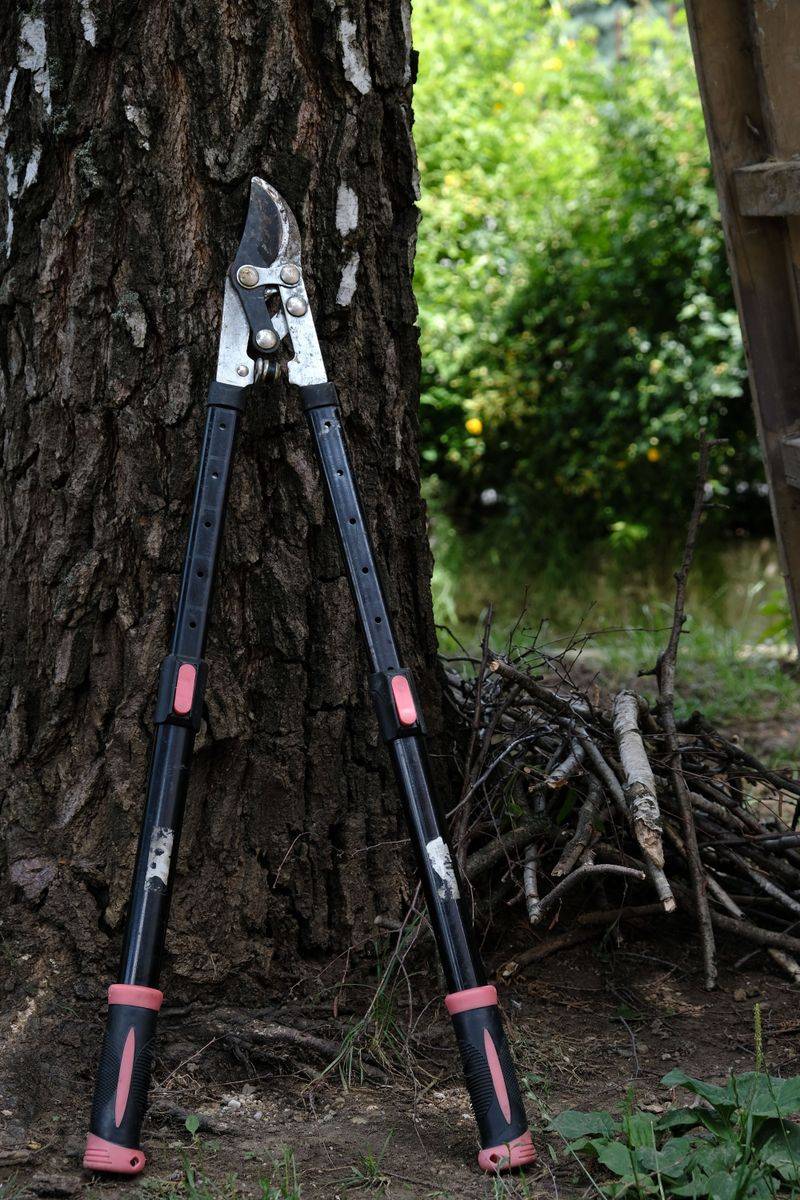
Smart pruning is less about looks and more about letting wind slip through. A dense canopy acts like a sail, and sails catch gusts hard.
Start with the obvious offenders: brittle limbs, diseased wood, and branches that rub against each other. Rubbing wounds the bark and invites decay right where strength matters.
Branches with narrow V-shaped unions are weak spots. Wider U-shaped attachments hold up far better under pressure.
Thinning the interior by a modest amount helps air pass instead of pushing. You want a tree that flexes, not one that fights.
Skip topping, which means chopping the main leaders flat. Regrowth after topping is fast, spindly, and poorly attached, which makes the next storm worse.
Pruning timing depends on the tree, but late-winter pruning is appropriate for many trees. Avoid pruning simply to prepare for a storm unless the branch is hazardous.
Your Virginia Garden Changes Every Week. Your Plan Should Too.
Gardening in Virginia changes quickly throughout the season. Every Friday you’ll receive a simple weekly plan showing exactly what to plant, prune, fertilize, harvest, and protect so you never miss the right timing.
Keep your saw sharp and your ladder off the tree. If a cut requires climbing above head height, hand the job to a pro with ropes and insurance.
Professionals can check large trees periodically and recommend pruning when the structure or condition calls for it. That rhythm keeps limbs balanced without stressing the canopy.
Haul cuttings away instead of stacking them behind the shed. A brush pile becomes flying debris once the wind picks up.
One more perk: thoughtful pruning protects the shady tree canopy that makes Virginia Beach neighborhoods so pleasant in August. Strong trees benefit your whole street, not just your yard.
3. Clear Loose Furniture And Yard Decorations
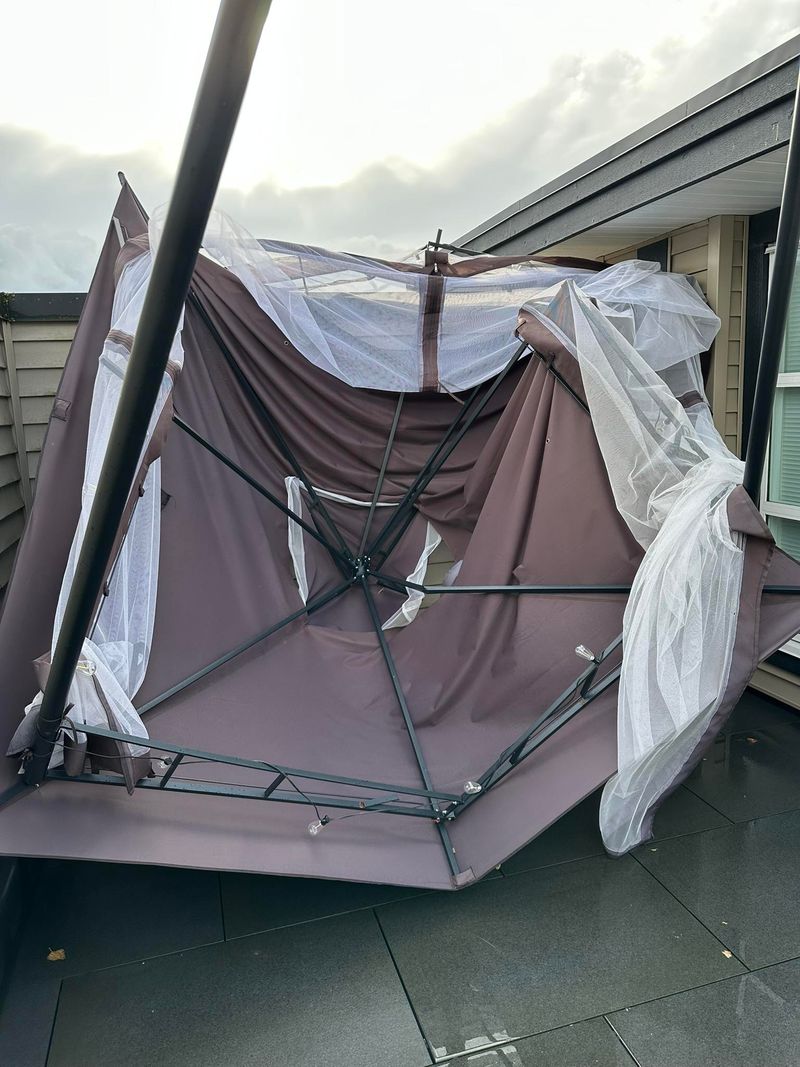
Picture a plastic Adirondack chair sailing across a cul-de-sac at fifty miles an hour. That image is exactly why loose yard items go indoors early.
Wind does not care what something cost. A cheerful gnome and a heavy umbrella both become projectiles once gusts get serious.
Make a quick inventory list of everything outside. Patio chairs, cushions, side tables, birdbaths, wind chimes, and kids’ toys all belong on it.
Store the lightweight pieces in a garage or shed first. Cushions and umbrellas are the fastest fliers, so they move to the front of the line.
Tables with glass tops deserve extra care. Shattered glass in a flooded yard creates a cleanup headache that lasts for weeks.
Heavy items that cannot fit inside need anchoring. Ratchet straps looped through deck posts or ground anchors hold grills and benches in place nicely.
Propane tanks should be kept upright and secured outdoors, away from doorways and other hazards.
Trampolines and playsets are the sleeper hazards in many backyards. Anchor kits work, though disassembling the trampoline mat is even smarter.
Do a final sweep after sunset the day before a storm. Flashlights reveal the stray watering can you forgot behind the hydrangeas.
Your neighbors will appreciate the effort more than you realize. Most wind damage in tight neighborhoods comes from items that belonged to somebody else.
4. Secure Garbage And Recycling Containers
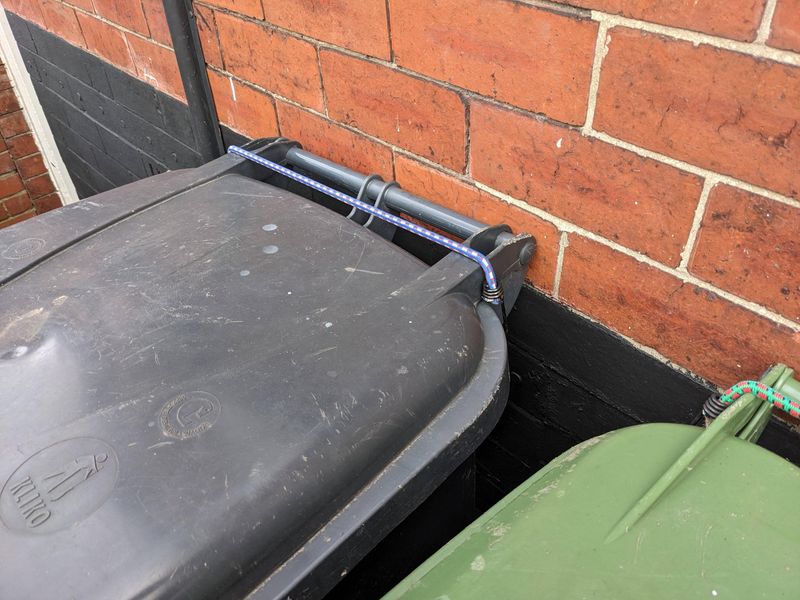
An empty rolling bin weighs almost nothing, which makes it a champion tumbler. Once it starts rolling downhill, it takes out mailboxes and car doors along the way.
Bins also pop open and scatter trash across yards. Cleanup after the storm doubles when your recycling ends up in a neighbor’s azaleas.
The simplest fix is bringing containers into the garage. If space is tight, tuck them against a wall on the leeward side of the house.
No garage? Lay bins on their sides with lids latched and wheels wedged.
A bungee cord through the handle adds useful holding power.
Strapping bins to a sturdy fence post or deck rail works well too. Avoid tying them to anything flimsy, since the bin will simply take it along.
Watch collection schedules closely during active weather. Cities often pause pickup, so setting bins at the curb the night before backfires.
Weight can help if you must leave containers outside. A couple of sandbags or a paver inside the bottom lowers the center of gravity.
Rinse bins beforehand if they are grimy. Standing storm water plus old food residue creates a smell nobody wants to meet later.
Label your bins with your address in permanent marker. Wandering containers find their way home much faster that way.
Handle this chore days ahead rather than hours. It takes five minutes and prevents damage that costs real money.
5. Clear Drains And Low Spots Before Heavy Rain
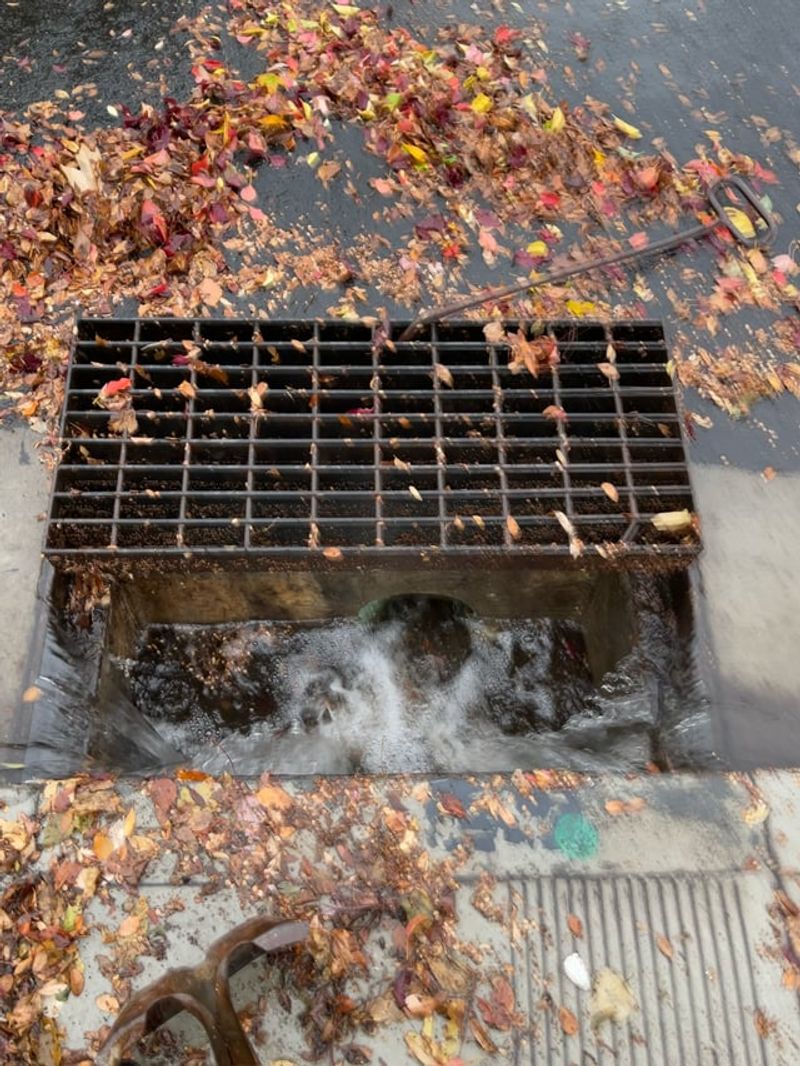
Water is the quiet troublemaker of hurricane season. Wind grabs headlines, yet soaked drywall and flooded crawl spaces cause most of the repair bills.
Gutters top the checklist. Scoop out leaves, pine needles, and shingle grit so rain actually reaches the downspouts.
Run a hose through each downspout afterward to confirm flow. A clog hiding in the elbow sends water straight down your foundation wall.
Extensions matter as well. Aim discharge about ten feet from the house when the site allows, so water is directed away from the foundation.
Walk the yard and note puddles that linger after regular showers. Those low spots fill first and hold water longest during tropical downpours.
French drains, dry wells, and simple regrading can move that water along when the site is suitable. Filling shallow dips with topsoil and seed can also help with minor drainage problems.
Check the curbside storm inlet in front of your home. Debris there backs water up the street, a familiar sight during heavy rain.
Clear yard drains and grated catch basins too. A quick pull of matted leaves restores the flow you paid to install.
Do not forget window wells and crawl space vents. Sandbags and clean gravel around them buy valuable inches of protection.
Tide timing plays a role along the coast. Rain arriving at high tide drains slowly, so every clear pathway counts double.
Repeat the gutter check midseason. Late summer storms drop plenty of leaves on their own.
6. Move Potted Plants Away From Exposed Areas
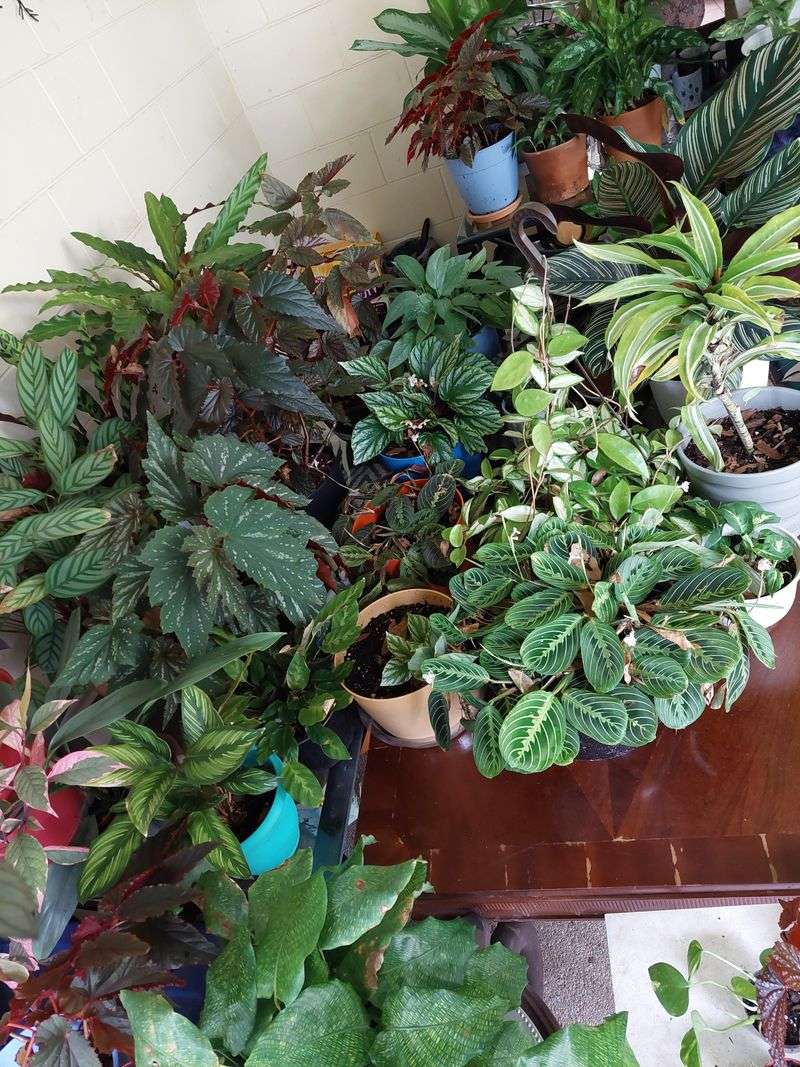
Container gardeners feel this one personally. All summer you coaxed those ferns and peppers along, and one gust can undo the whole show.
Small pots go first since they tip and roll easily. Terracotta is especially risky because broken shards travel far and hurt.
A garage floor, shed corner, or enclosed porch makes a fine shelter. Group pots close together so they brace one another.
Hanging baskets should come down entirely. Their hooks fail, and swinging baskets batter siding and windows before they let go.
Large planters that cannot be moved can be nestled against a solid wall. Turning them on their sides lowers wind resistance and protects the foliage.
Consider draining saucers and trays ahead of time. Standing water plus days of rain drowns roots and invites mosquitoes.
Salt spray is a real factor in gardens near the water. Rinsing leaves with fresh water after a storm helps plants bounce back.
Stake tall tropicals if moving them is impossible. Several sturdy stakes with soft ties can provide better support than a single thin pole.
Bring tender herbs and specialty plants indoors for a few days. Kitchen windowsills work fine as temporary housing.
Snap a photo of your arrangement before dismantling it. Rebuilding the display afterward becomes a five-minute job instead of a puzzle.
Plants are patient. Give them a safe corner and they will greet you when the sun returns.
7. Check Slopes Where Stormwater Could Collect
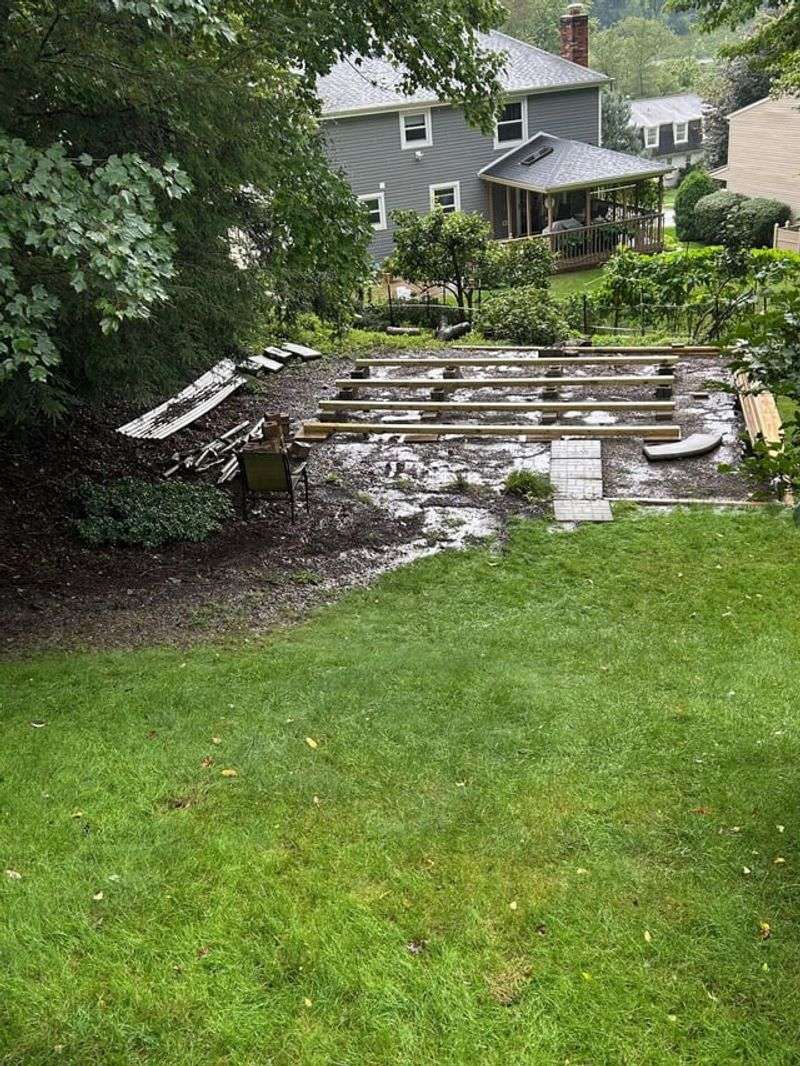
Slopes look harmless until four inches of rain hit in six hours. Then they turn into little rivers that carve channels through mulch and grass.
Walk your property during a steady rain if you can do it safely. Watching where water actually travels teaches more than any diagram.
Look for bare soil, fresh gullies, and mulch stacked against fences. Those clues show the paths runoff already prefers.
Plant groundcover or deep-rooted grasses on troublesome inclines. Roots knit the soil together and slow water on its way down.
Terracing with landscape timbers or stone breaks a long slope into steps. Each step gives water a place to pause and soak in.
Heavier mulch such as shredded hardwood resists floating away. Pine nuggets and light bark tend to end up in the street.
Skip unnecessary watering in the weeks before a storm. Soil that is already saturated has less capacity to absorb more rain, and saturated conditions can increase the risk of tree instability.
Groundwater levels sit higher across much of Coastal Virginia than they did decades ago. Modest storms can flood areas that once stayed dry.
Check that swales and ditches along property lines stay clear. Grass clippings and branches block them quickly.
Talk with neighbors upslope about shared drainage. Water problems rarely respect property lines, and joint fixes often work better.
A little grading work now prevents washed-out beds later. Your back and your wallet will both thank you.
8. Protect Lawn Areas From Flood Debris
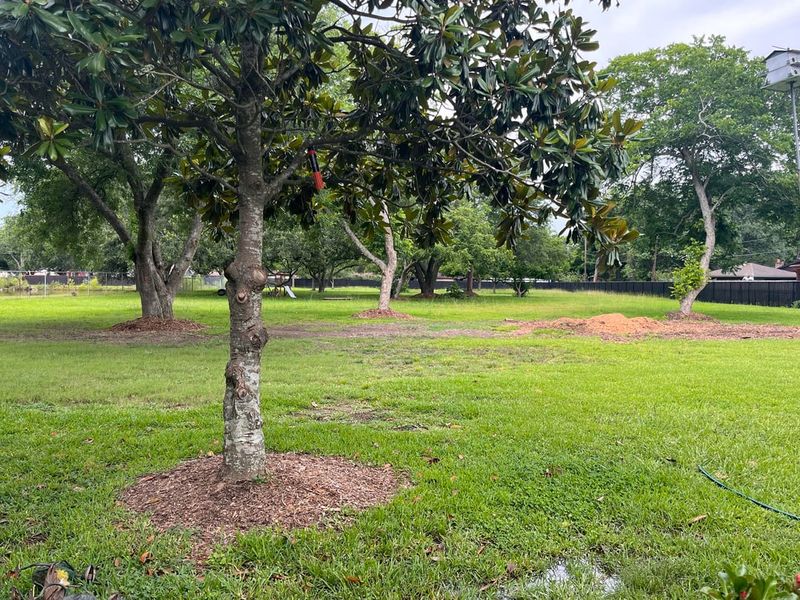
Lawns take a beating during tropical weather, and not just from water. Branches, leaves, shingles, and stray lumber pile up fast across open turf.
You cannot stop debris from arriving, but you can shrink the amount your own yard produces. Every loose branch and brush pile removed now is one fewer mess later.
Mulch rings around trees do double duty. They shield roots from soggy soil stress and keep mower damage off trunks.
Keep mulch a few inches away from the bark instead of piled against it. Volcano-shaped mounds trap moisture and encourage rot.
Mow to a normal height before a storm rather than scalping the grass. Slightly taller blades shade the soil and recover faster from flooding.
Hold off on fertilizer when heavy rain is forecast for Coastal Virginia. Heavy rain can wash nutrients off the lawn and into nearby waterways before plants can use them.
After the weather clears, get debris off the turf quickly. Grass smothered under wet leaves for a week turns yellow and thin.
Separate vegetative debris from construction material when you pile it curbside. Cities collect yard waste and storm debris on different schedules.
Watch for salt-water intrusion in low neighborhoods. Deep watering with fresh water afterward can help dilute and flush salt from the root zone.
Reseed thin patches once the ground firms up. Cool fall temperatures are actually great for new grass in this region.
9. Store Tools And Equipment Before Strong Winds
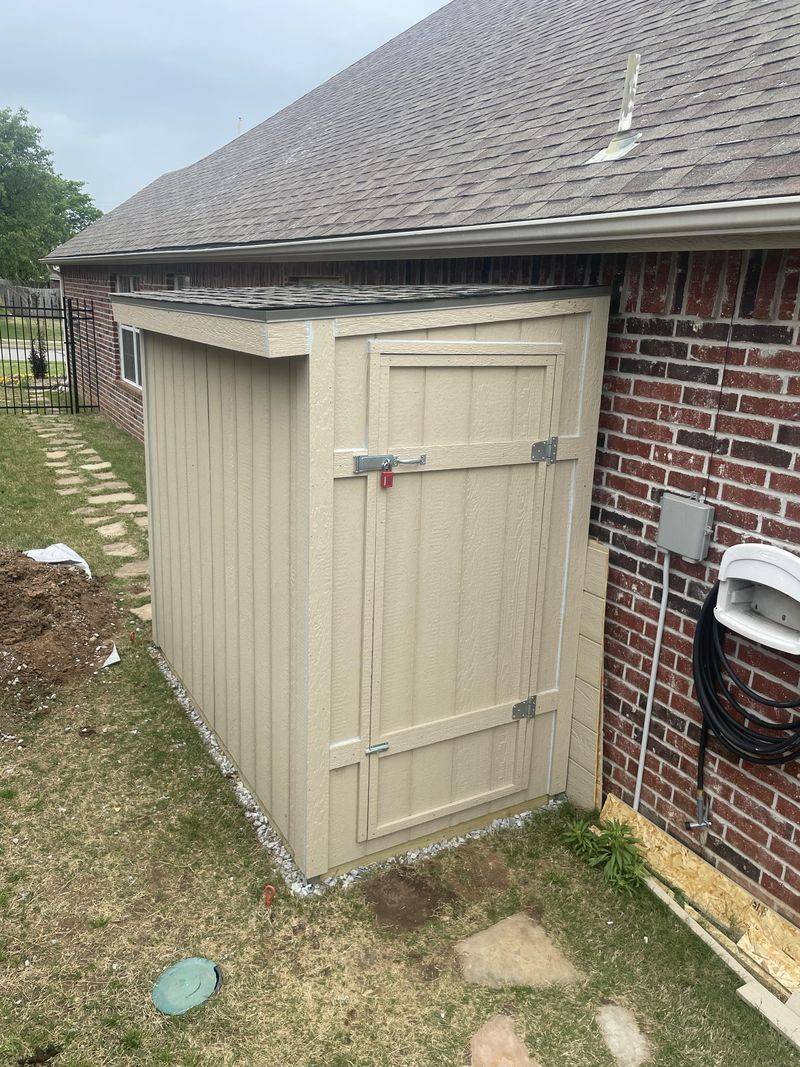
A rake tine to the window screen is a lousy way to learn this lesson. Tools left leaning against the house become airborne quickly.
Round up the long-handled gear first. Rakes, shovels, hoes, and loppers stack neatly in a corner of the shed.
Mowers, trimmers, and blowers belong inside too. Water in the engine or electrical system turns a working machine into scrap.
Drain or safely store gas cans away from living spaces. Tight caps and an upright position prevent spills and fumes.
Wheelbarrows should go in flipped upside down. Left upright, they fill with rain and then roll around the yard.
Ladders deserve special respect since they slide and catch wind like giant kites. Lay them flat inside or strap them to a wall.
Check that the shed itself is ready. Hinges, latches, and anchor bolts take a real beating during storms.
Charge batteries and gather your post-storm kit before power flickers. A chainsaw with fuel, work gloves, and a headlamp make cleanup far easier.
Keep a tarp and rope handy in an easy-to-reach spot. Covering a damaged roof section fast limits water intrusion inside.
Take pictures of your organized yard and equipment. Documentation speeds up any claim you might need to file.
Finish this task and you can actually relax when the radar lights up. Preparedness beats scrambling in the rain at midnight.