The Fall Nutrient Boost Michigan Perennials Need Before They Go Dormant
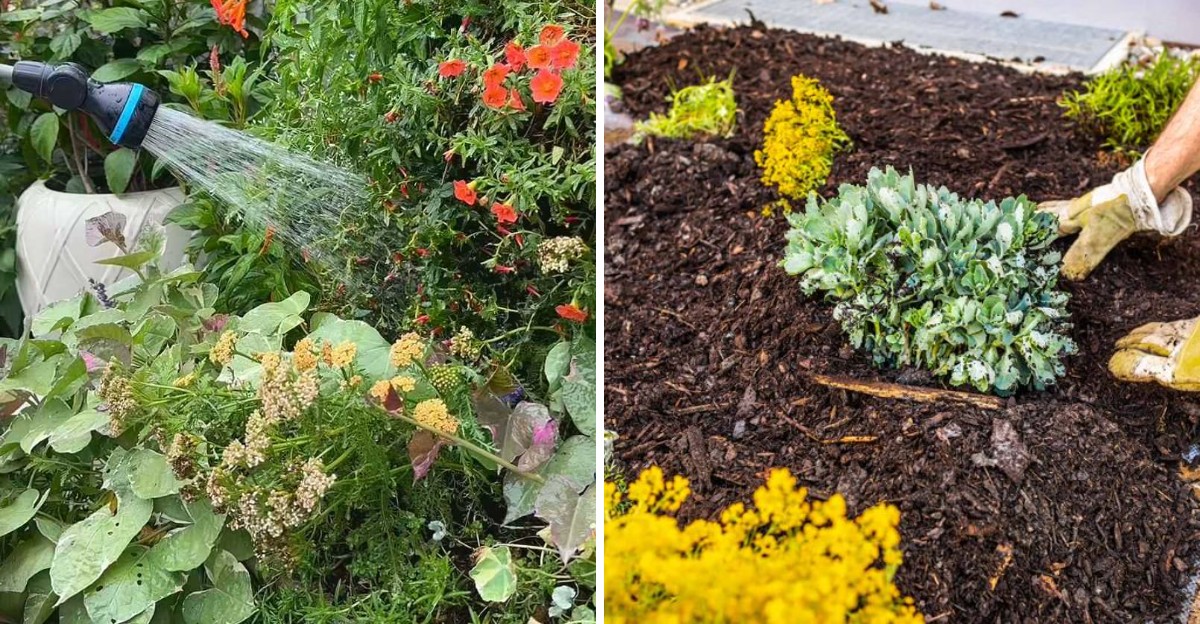
Michigan perennials go through an important nutrient-storing process each fall, drawing on root reserves that will directly determine how strong their growth is when they emerge again next spring.
Michigan perennials naturally prepare for dormancy in fall, and established plants in healthy soil usually do not need a special nutrient boost.
Use a soil test to determine whether fertilizer or lime is actually needed. Because this process happens gradually as temperatures cool, timing this nutrient boost correctly matters just as much as providing it at all.
Skipping this step can leave perennials with weaker root systems heading into winter, even if they performed well throughout the growing season.
Giving perennials this extra support now can translate directly into fuller, more vigorous growth once spring finally arrives.
1. Do Not Automatically Fertilize In Fall
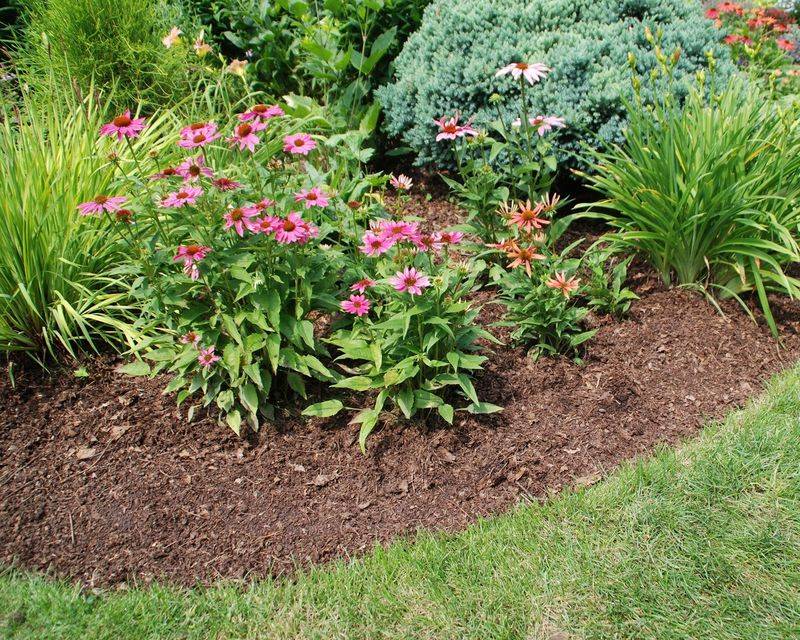
Reaching for a bag of fertilizer every fall feels natural, but your established perennials rarely need it. Plants that have grown in your garden for a year or more usually have deep roots that already find plenty of food in the soil.
Adding nutrients they do not need wastes your money and can even cause harm. Extra fertilizer can build up in the soil, throw off the natural balance, and push plants to grow when they should be slowing down.
As the days get shorter, perennials naturally shift their energy toward their roots to prepare for winter.
Feeding them at this time can send confusing signals. Instead of settling in for rest, they may try to grow tender shoots that will not survive Michigan’s freezing temperatures.
There is also a bigger picture to think about. Runoff from unused fertilizer can wash into lakes and streams, and Michigan has plenty of both.
Skipping unnecessary feeding helps protect the water your community depends on.
The smarter move is to watch your plants and let their behavior guide you. Healthy leaves, steady growth during the season, and strong blooms usually mean your soil is doing its job just fine.
Save fertilizer for the times a plant truly shows it needs help. When you resist the urge to feed out of habit, you save resources and let nature handle the rest.
Your perennials know how to prepare for dormancy, and often the best thing you can do is simply step back and let them.
2. Use A Soil Test To Find Real Nutrient Needs

Guessing what your garden needs is a bit like shopping without a list. You might grab things you already have and forget what really matters.
A soil test takes the guesswork out and shows you exactly what is happening beneath your plants.
For just a small fee, you can send a sample to Michigan State University Extension and get a detailed report. The results tell you your soil’s pH level and which nutrients are high, low, or right on target.
Armed with real numbers, you can make smart choices. If your test shows plenty of phosphorus, you skip adding more.
If it reveals a low pH, you know lime might help. This kind of accuracy protects your plants and your wallet.
Your Michigan Garden Changes Every Week. Your Plan Should Too.
Gardening in Michigan changes quickly throughout the season. Every Friday you’ll receive a simple weekly plan showing exactly what to plant, prune, fertilize, harvest, and protect so you never miss the right timing.
Collecting a sample is easy. Dig a few small scoops from different spots in your bed, mix them together, and follow the mailing instructions.
Fall is a great time to do this because labs are often less busy and you have all winter to plan.
Without a test, it is easy to add the wrong thing and create new problems. Too much of one nutrient can block a plant from using another, leaving your perennials struggling even when the soil looks full of food.
Think of a soil test as a checkup for your garden. It gives you a clear picture instead of a hunch.
Once you know what your soil truly holds, every decision you make afterward becomes simpler, cheaper, and far more likely to keep your plants thriving.
3. Avoid Excess Nitrogen Before Winter

Nitrogen is the nutrient that makes leaves grow lush and green, which sounds wonderful until you think about timing. Late in the season, that burst of leafy growth becomes a problem rather than a gift.
When you feed perennials heavy nitrogen in fall, you push them to sprout tender new shoots. Those soft stems and leaves need time to toughen up, and by autumn there simply are not enough warm days left.
Michigan’s first hard freeze can arrive quickly. New growth that has not matured gets damaged easily, which weakens the whole plant right when it should be storing energy for winter.
Instead of helping, extra nitrogen pulls your perennials in the wrong direction. They spend precious energy building leaves that cannot last, leaving fewer resources tucked safely in the roots.
Plants have a natural rhythm. As daylight fades, they slow their growth and begin moving nutrients downward for storage. A late nitrogen boost interrupts that process and confuses their internal clock.
If you use fertilizers, check the label for the first number, which stands for nitrogen. High-nitrogen blends are best saved for spring and early summer when plants have months to grow strong.
Come fall, the kindest thing you can do is let your perennials wind down. Skip the leafy feeding and allow them to focus on their roots.
Strong roots are the secret to surviving a Michigan winter. When you avoid pushing new growth at the wrong time, your plants enter dormancy ready and rested, prepared to burst back to life once the warmth returns.
4. Focus On Adequate Moisture

Water often matters more than food when fall rolls around. Many gardeners forget that dry autumn weather can stress plants just as much as summer heat, and no amount of fertilizer fixes thirsty roots.
Perennials still drink even as they slow down for the season. Their roots keep working underground, pulling in moisture to store for the cold months ahead.
Newly planted perennials need extra attention. Since their roots have not spread far yet, they cannot reach deep water and rely on you to keep the soil evenly damp.
Plants that struggled through a hot, dry summer also benefit from a good drink. Giving them steady moisture helps them recover and build strength before dormancy.
Check the soil with your finger a couple of inches down. If it feels dry, it is time to water deeply rather than with a quick sprinkle. Deep watering encourages roots to grow downward, where they stay safer during winter.
Michigan falls can swing between soggy and bone dry, so pay attention to the weather. When rain is scarce, a good soak once or twice a week usually does the trick.
Keep watering until the ground freezes. Well-hydrated roots handle cold far better than dry, stressed ones, and moist soil actually holds warmth a little longer.
Skipping fertilizer but keeping up with water is one of the smartest fall moves you can make. It costs almost nothing, protects your investment, and sets your perennials up to greet spring looking refreshed instead of worn out from a thirsty winter.
5. Protect The Root Zone With Mulch
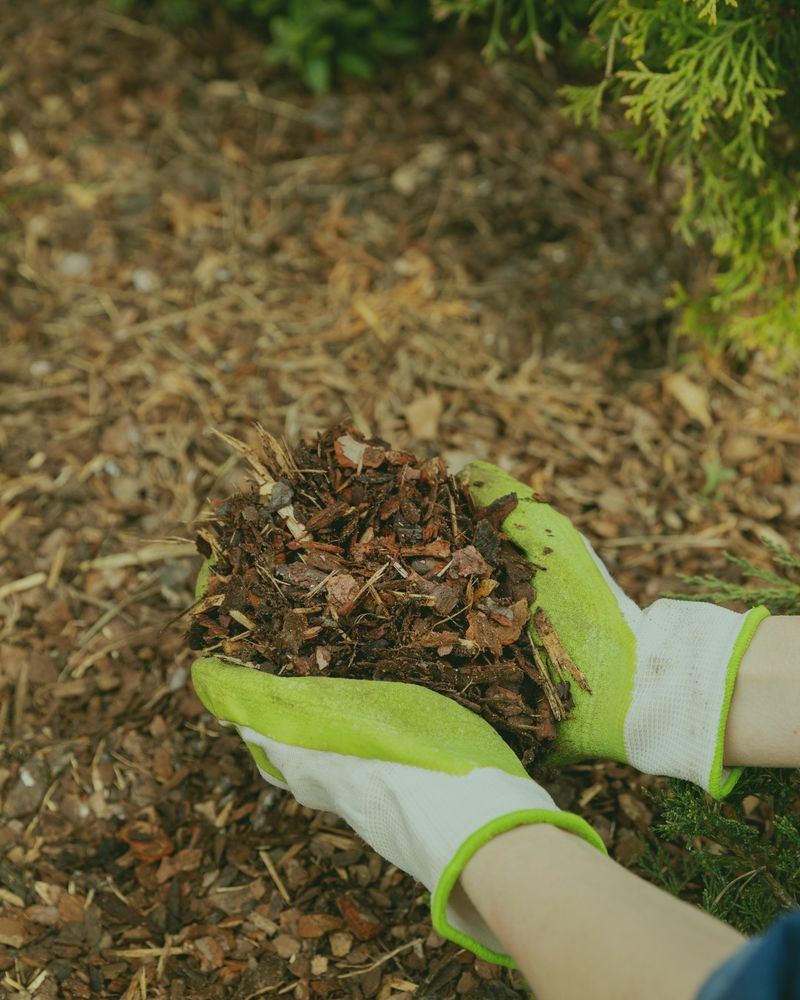
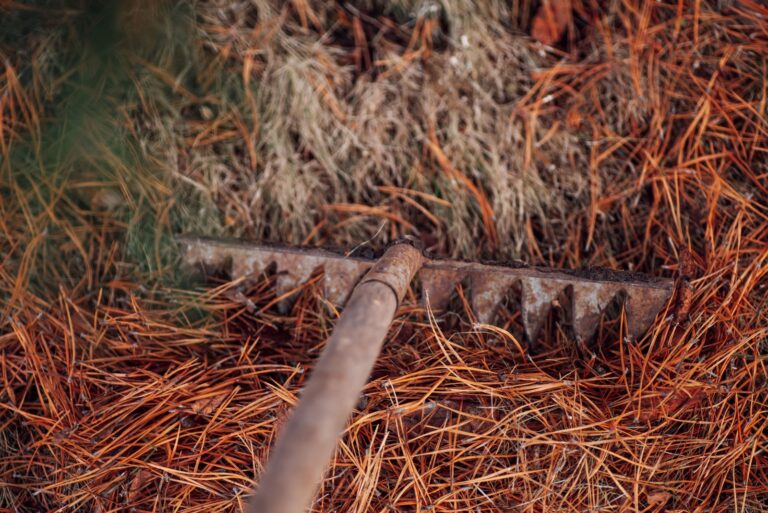
Think of mulch as a cozy blanket for your garden. A layer of shredded leaves, bark, or straw spread over the soil does more for winter survival than almost anything else you can add.
The biggest gift mulch gives is steady soil temperature. Michigan winters bring wild swings between thaw and freeze, and those changes can heave plants right out of the ground.
Mulch acts as a buffer. It keeps the soil from warming up too fast on sunny days and refreezing at night, which protects delicate roots from being pushed and pulled.
Moisture is another win. A good mulch layer slows evaporation, so the water you give your plants sticks around longer instead of drying out in the wind.
Two to three inches is the sweet spot. Too little does not do much, while too much can trap dampness against stems and invite trouble.
Keep the mulch pulled back a couple of inches from the crown of each plant. Piling it right against the base can hold moisture where you do not want it and cause soft spots.
Organic mulches offer a bonus too. As they slowly break down over the season, they feed the soil and improve its texture, so you get long-term benefits with almost no effort.
Wait until the ground has cooled before spreading your winter layer, usually after a light frost or two. Applying it too early can keep the soil warm and delay dormancy.
Once your perennials are tucked in properly, they will ride out the cold in comfort and emerge ready to grow.
6. Replace Nutrients Through Organic Matter
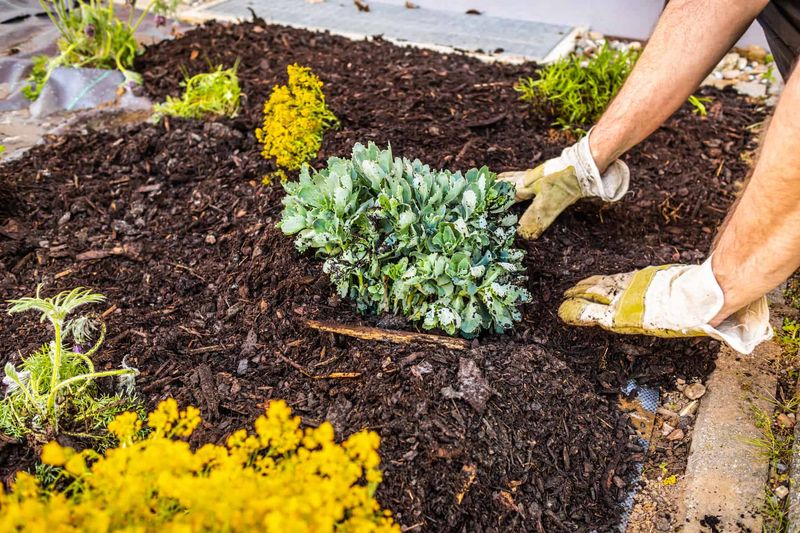
Compost is one of the most generous things you can offer your garden. Rich, crumbly organic matter feeds the soil slowly and builds a healthy home for roots over time.
Unlike fast-acting fertilizers, compost works gently. It releases nutrients little by little and improves the soil’s structure, helping it hold both water and air in just the right balance.
Earthworms and helpful microbes love organic matter. As they break it down, they create a living system that keeps your soil rich and full of energy year after year.
A thin layer of compost spread over your beds in fall does wonderful things. Winter weather helps work it into the ground, so by spring your soil is softer and more fertile.
Still, compost is not a cure-all. If your soil test points to a specific shortage, like low potassium or a pH that is out of range, compost alone may not fix it.
In those cases, you need the right amendment for the exact problem. Adding organic matter is great for overall health, but it should not replace a targeted solution when a real deficiency shows up.
Think of compost as building a strong foundation rather than a quick repair. It supports everything else you do in the garden and rarely causes harm.
Decomposed leaves, aged manure, and finished compost all count as good organic matter. Layer them on now and let time do the work.
When you feed the soil instead of just the plants, you create a garden that becomes more resilient and productive with each passing season, needing less help from you over time.
7. Leave Healthy Foliage Until The Plant Is Done Using It

The urge to tidy up the garden hits hard in fall, but sometimes patience pays off. Leaving healthy leaves in place a little longer actually helps your perennials prepare for winter.
Green foliage keeps working even as the season winds down. Through photosynthesis, those leaves capture sunlight and turn it into energy the plant stores in its roots.
Cut everything back too soon, and you cut off that final round of food-making. The plant loses a chance to fill its roots with the resources it needs for a strong spring.
Wait until the leaves naturally fade and turn brown or yellow. That color change is your signal that the plant has finished pulling energy inward and no longer needs its foliage.
Standing stems offer extra perks through the cold months. They catch snow, which acts as insulation, and they give shelter and seeds to birds looking for winter food.
Some gardeners love the look of frost-covered seed heads and grasses too. Leaving them adds beauty and texture to an otherwise bare landscape.
Of course, use good judgment. If foliage looks diseased or covered in pests, remove it promptly so problems do not spread or wait around until spring.
For healthy plants, though, there is no rush. You can always finish your cleanup in late fall or wait until early spring before new growth begins.
By letting your perennials use their leaves fully, you work with nature instead of against it. The reward is stronger, better-fed plants that bounce back quickly once the warm weather returns.
8. Let Soil-Test Results Guide Spring Fertility

Fall is a quiet season that gives you time to think ahead. Instead of dumping fertilizer before winter, use these slower months to make a smart plan for spring.
Your soil test results are the perfect starting point. They show you exactly what your garden has plenty of and what it might be missing, so you never guess again.
Maybe your test reveals a pH that needs adjusting. Lime raises pH while sulfur lowers it, and fall is a fine time to apply lime since it works slowly over winter.
Other corrections are better saved for spring. Nutrients like nitrogen are best added when plants are actively growing and can use them right away.
Planning now means you buy only what you truly need. No more grabbing random bags at the store and hoping they help your beds.
Write down what each area of your garden requires. A simple list keeps you organized and turns spring feeding into an easy, targeted task.
Blanket fertilizing before winter tends to waste product and can even harm your plants and nearby water. A guided approach protects both your garden and the environment.
Think of fall as your planning stage and spring as your action stage. One sets you up, and the other lets you follow through with confidence.
When spring arrives, you will know exactly what to do and when to do it. That kind of preparation takes the stress out of gardening and leads to healthier, more colorful perennials.
Working from real information instead of habit is the smartest gift you can give your garden all year long.