What It Means When Owls Start Calling At Night In Michigan This Fall
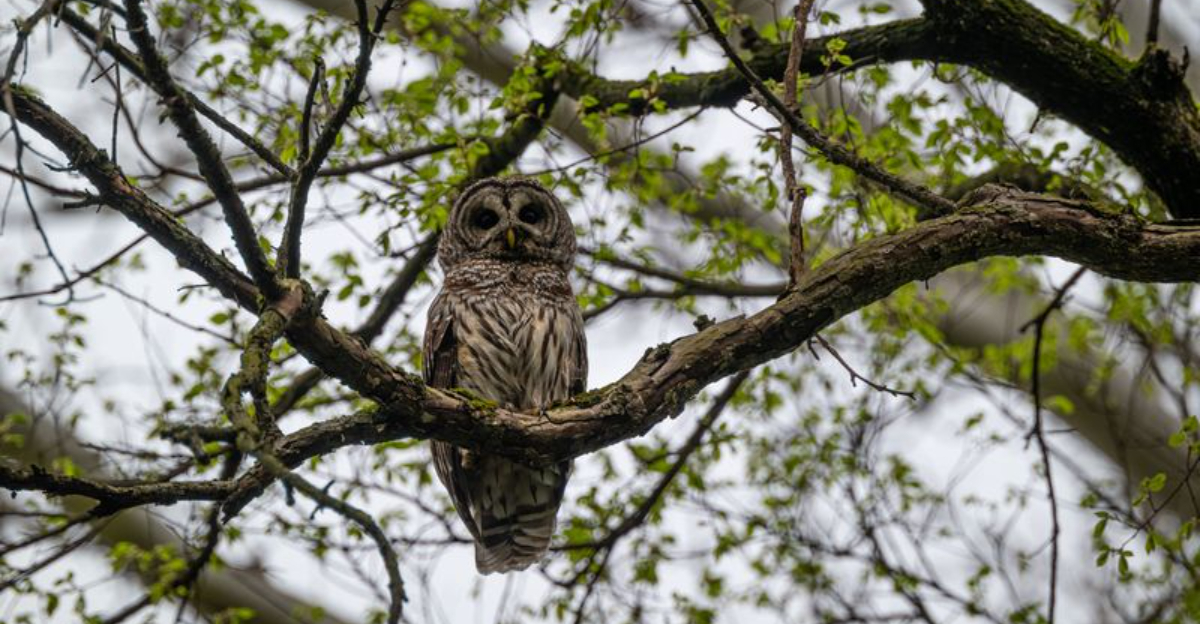
Owls tend to go quiet through much of the summer, so when their calls suddenly return on fall nights in Michigan, it’s easy to wonder what’s changed.
This seasonal uptick isn’t random. As young owls leave their parents’ territory to find their own space, established adults become more vocal in reasserting control over their hunting grounds.
In fall, owls may call for several reasons, including defending territory, communicating with mates, and interacting with young.
This period of increased chatter often overlaps with early courtship behavior in some species, adding another layer to the nighttime sounds.
The result is a noticeably livelier soundscape after dark, even though nothing about the season initially seems tied to birds.
For Michigan residents noticing more hoots, screeches, and calls lately, there’s a clear explanation behind it. Here’s what’s really happening when owls start calling more often on fall nights.
1. They Are Establishing Or Defending A Territory
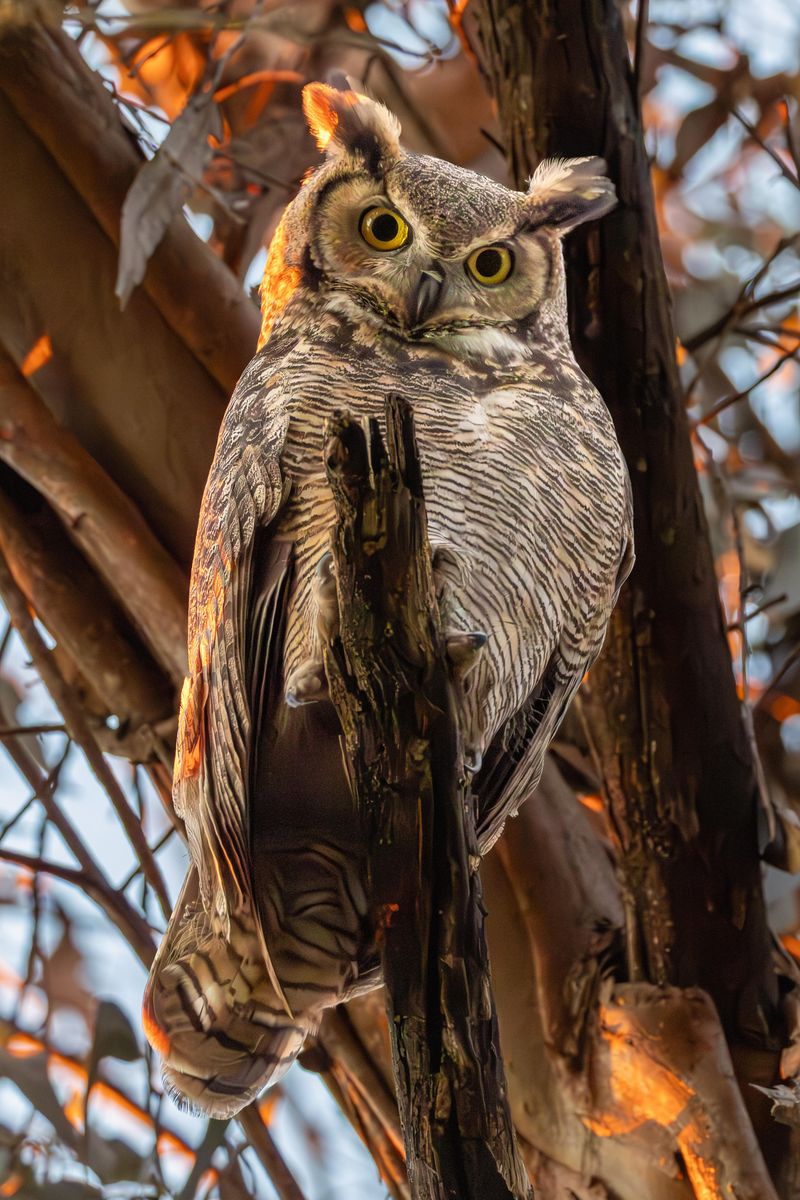
Picture an owl as a landlord who announces the property lines with its voice instead of a fence. During fall, resident owls may become more vocal as they defend their territories, while young and migrating owls may also be moving through the area.
Those hoots carry a clear message to nearby birds. Repeated calling from the same tree or corner of your yard usually means one confident owl is guarding its turf, not a whole crowd moving in overnight.
Sound travels far on quiet fall evenings, so a single owl can seem like it is everywhere. The same bird may call from one branch, glide to another, and start again, which tricks your ears into thinking several are present.
Great horned owls are especially bold about this in autumn. They often begin claiming space early because they nest sooner than most birds, sometimes as early as winter, so they want the best territory locked down first.
If you hear the same rhythm night after night, that steady pattern points to one resident rather than many visitors. Take comfort in knowing this is normal behavior and a sign of a healthy habitat.
You can help by keeping tall trees standing and leaving quiet corners undisturbed. Owls value spots with good perches and open sightlines for spotting food below.
Rather than feeling crowded, think of that voice as a neighbor settling in. A calling owl marking its territory means your yard offers something worth protecting.
2. A Mated Pair May Be Communicating
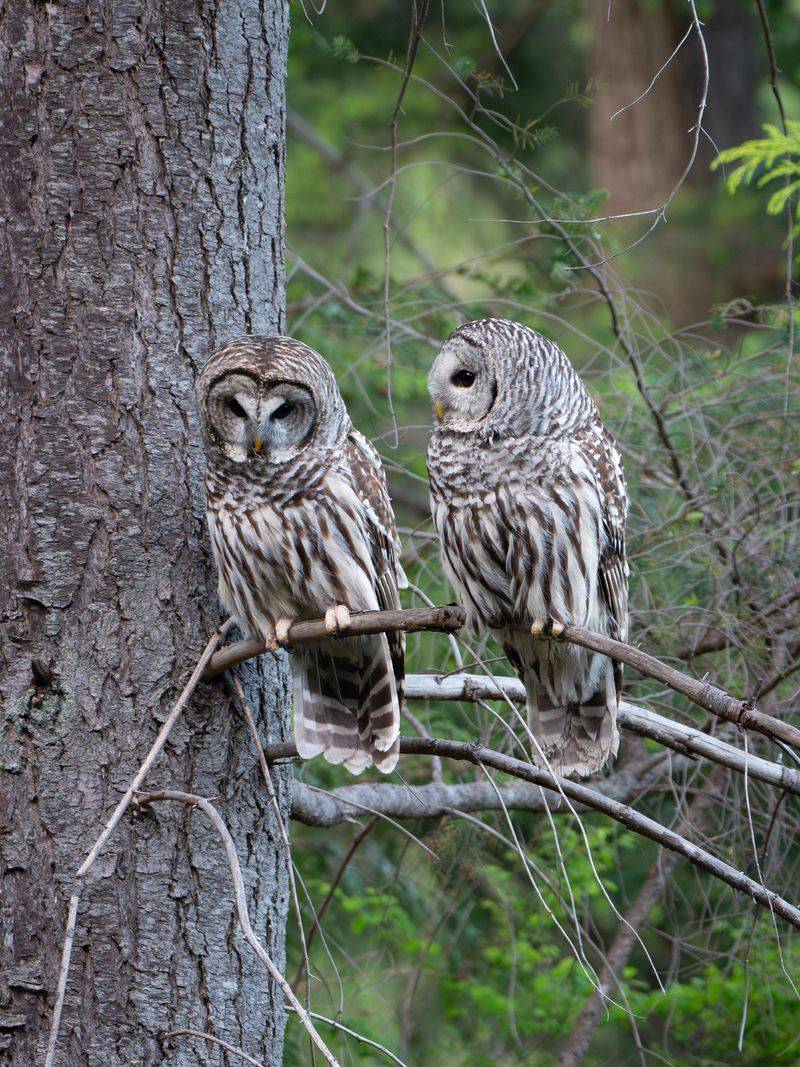
Some of the sweetest nighttime chatter comes from owls that have paired up. In Michigan, certain species stay together for a long time, and fall is when many pairs strengthen their bond before the busy nesting season ahead.
Listen closely and you might notice two voices answering back and forth. One owl calls, then the other replies, almost like a conversation between old friends who never run out of things to say.
Great horned owls often show this clearly. The male usually has a deeper voice, while the female sounds a bit higher, so a duet can trick you into thinking two different species are nearby.
Your Michigan Garden Changes Every Week. Your Plan Should Too.
Gardening in Michigan changes quickly throughout the season. Every Friday you’ll receive a simple weekly plan showing exactly what to plant, prune, fertilize, harvest, and protect so you never miss the right timing.
Barred owls take it even further with wild hooting matches that can rise into cackles and caws. These loud exchanges help partners stay connected across the dark woods when they cannot see each other.
The calling keeps the pair in contact while they hunt in separate spots. It also reminds each bird that its mate is still close, which matters as they prepare to raise young.
Hearing this back and forth is a special treat. It means a settled couple has chosen your area, a good sign that the habitat can support two hungry hunters.
You can enjoy the duet by simply staying quiet and letting them carry on. There is no need to respond or interfere, since the birds are talking to each other, not to you. A pair that calls together often stays in the same neighborhood for years.
3. Young Owls May Still Be Begging
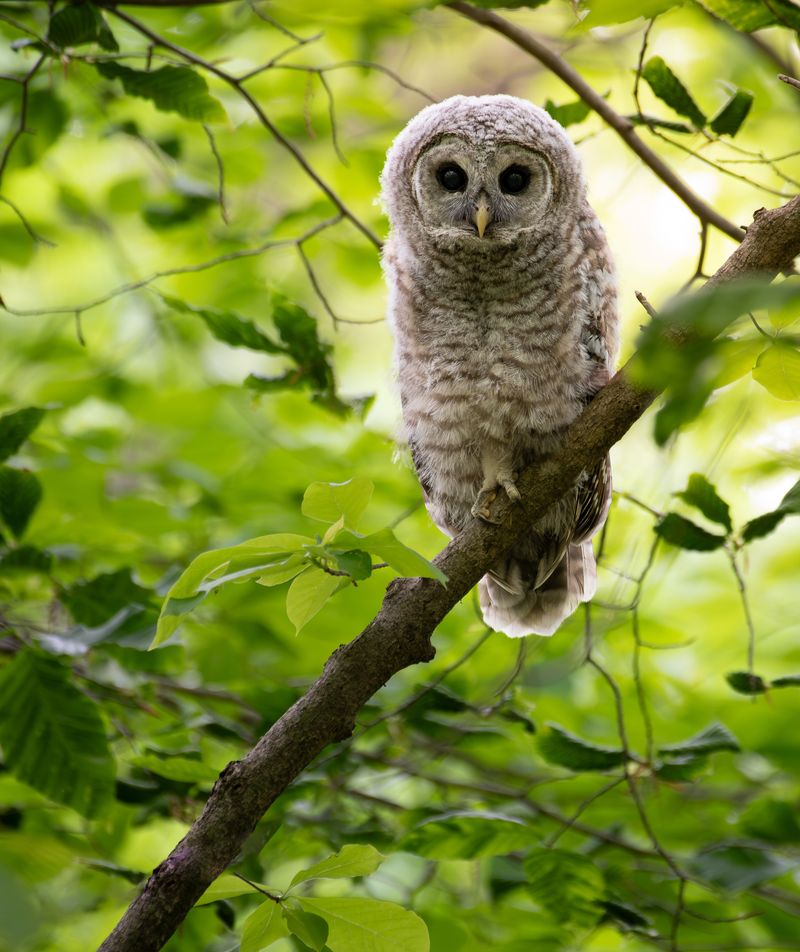
Not every nighttime cry comes from a grown, powerful hunter. Some of the noise belongs to young owls that hatched earlier in the year and still lean on their parents for meals.
These youngsters make raspy, whining sounds that are hard to miss. The begging calls repeat over and over, almost like a squeaky hinge, as the young bird asks the adults to bring more food.
By fall, many juveniles have grown large but have not fully mastered hunting on their own. They tag along near their parents and beg loudly whenever hunger strikes, which can be often.
The volume can fool you into thinking your yard suddenly filled with owls. In truth, a single hungry youngster can produce enough racket to sound like a whole flock hiding in the trees.
Eastern screech-owls and barred owls both raise young that beg this way. If you hear a scratchy, insistent call rather than a smooth hoot, chances are good a teenager of the owl world is nearby.
This stage does not last forever. As autumn moves along, the young birds sharpen their skills and start finding food themselves, so the begging slowly fades into the quieter calls of adults.
Enjoy this brief window while it lasts. Hearing a young owl practice its voice means a family raised its chicks successfully in or near your neighborhood.
Give them room to grow, and you may soon hear that same bird graduate to confident, full hoots of its own.
4. Cooler Nights Make Their Calls Easier To Notice
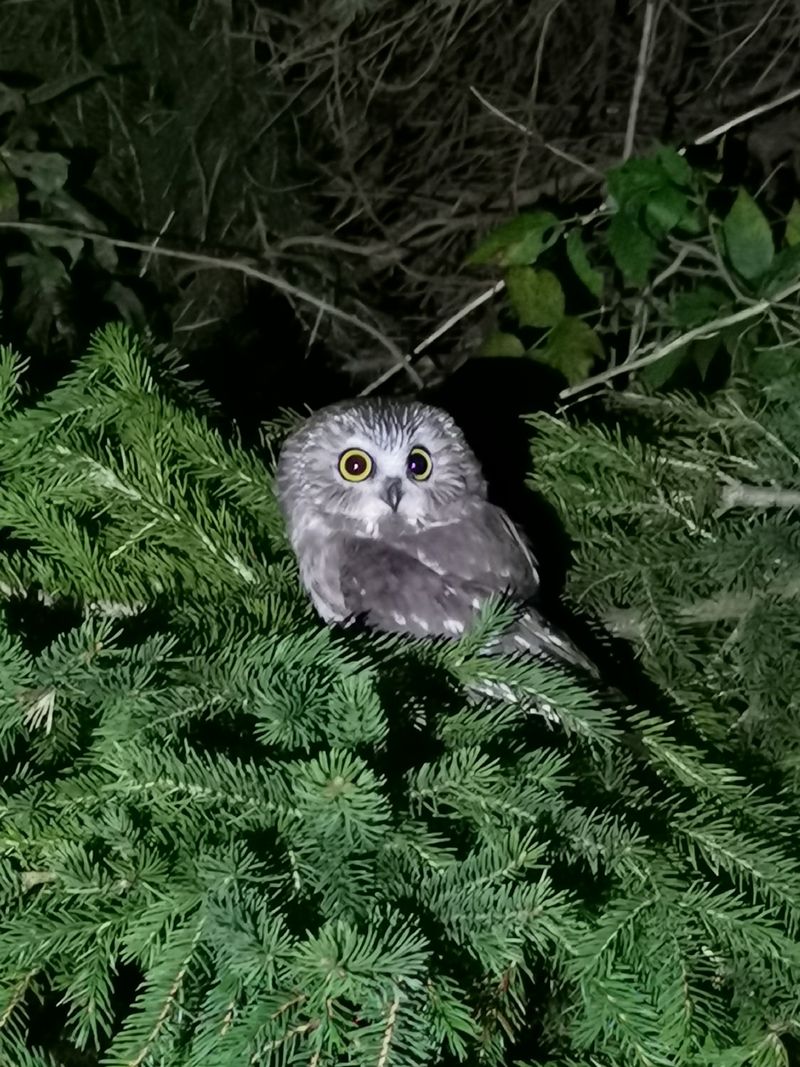
Owls do not suddenly show up when the weather cools, but you sure do hear them more. Fall changes the world around your home in ways that make owl voices stand out like never before.
Once the leaves drop, sound moves through the trees with far less to block it. Bare branches let those hoots travel farther and reach your window with surprising clarity.
The season also quiets the competition. Summer nights buzz with insects and frogs, but as temperatures fall, those noisy neighbors settle down and leave the stage open for owls.
People change their habits too. On cool evenings you might crack a window, sit on a porch with a warm drink, or take a slow walk under the stars, and that is exactly when owls speak up.
Air behaves differently in cooler weather as well. Crisp, calm nights carry sound cleanly, so a distant call can seem much closer than it really is.
All of these small shifts add up. The owls are simply doing what they always do, but the quiet, open, chilly nights of fall hand you a front row seat to the concert.
You can make the most of it by stepping outside a few minutes after dark. Give your ears time to adjust and stay still, and the sounds of the night will slowly reveal themselves.
Once you start paying attention, you may realize your neighborhood was never as silent as you thought.
5. Your Yard May Be Near Good Hunting Habitat
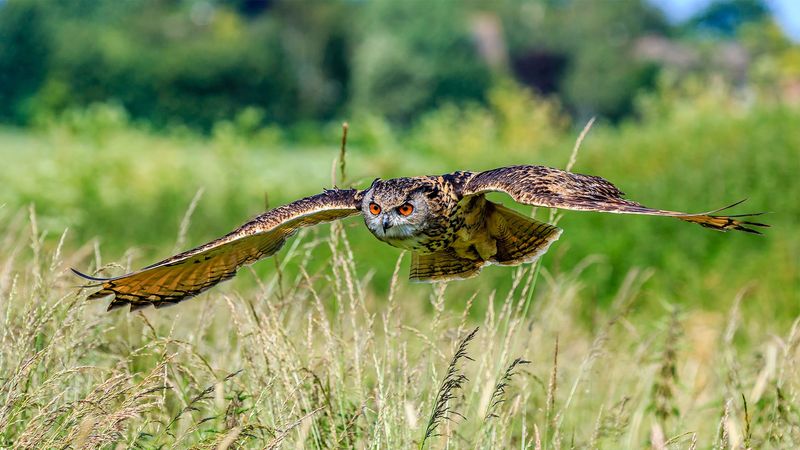
Owls follow their stomachs, and a yard full of food is like a glowing welcome sign. When small critters gather near your home, hungry hunters often show up to take advantage.
Mice, voles, and other little animals love the cover of gardens, brush piles, and tall grass. Where they thrive, owls are quick to notice and stick around to hunt.
The Michigan DNR points out that owls play an important role as predators of rodents and other small animals. That makes them helpful guests who keep pesky populations in check for you.
Calling near a rich hunting ground can be an owl’s way of claiming the buffet. A bird that finds steady meals in your area has good reason to announce that the spot belongs to it.
Fall makes this even more likely. As gardens fade and fields get cut, small animals search for new shelter, sometimes right around your foundation, sheds, or compost.
You can welcome these natural pest controllers with a few simple choices. Leaving a snag tree standing or setting up a sturdy perch gives owls a comfortable place to watch and wait.
Skip rodent poisons if you want owls around. Those chemicals can harm the very birds that would happily handle your rodent problem for free.
Think of a calling owl as proof that your yard supports a living food web. That voice in the dark means the balance of nature is working right outside your door.
6. An Owl May Simply Be Passing Through
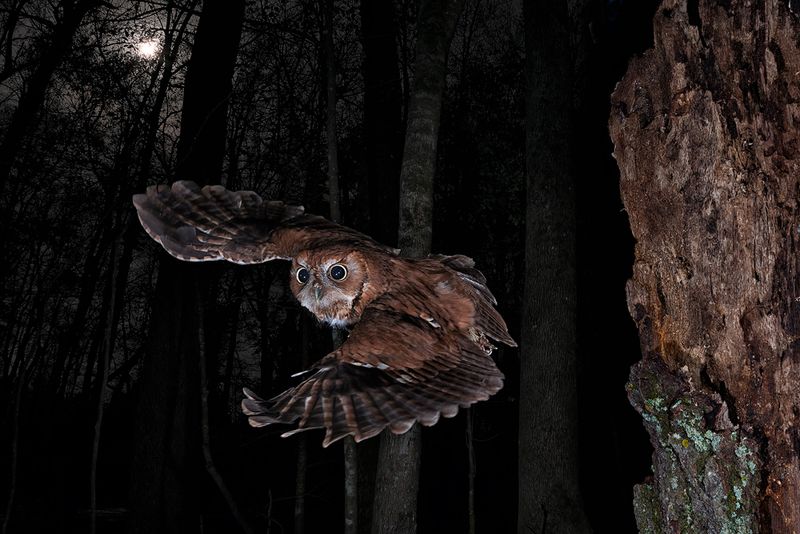
A single hoot in the night does not always mean an owl moved into your yard for good. Sometimes the caller is just a traveler stopping briefly on a longer journey.
Fall brings a great wave of bird movement across Michigan. Many species pass through the state as they head to warmer regions, and some owls join that seasonal shuffle.
Certain northern owls drift south when food gets scarce up north. They may pause in a friendly patch of trees, call a few times, and then continue on their way after a night or two.
This is why a mystery hoot might appear one evening and vanish the next. The bird was scouting, resting, or simply announcing itself before moving along to fresh ground.
Even local owls wander more in fall as young birds search for their own territories. A passing youngster may test out your yard with a few calls before deciding it belongs elsewhere.
So try not to assume every owl you hear has settled in permanently. The dark is full of birds on the move, and your area might be one stop among many on their route.
If the calls fade after a short while, that traveler likely found a spot more to its liking. If the same voice returns night after night, then you may have gained a true resident.
Either way, hosting a passing owl, even for one evening, is a small gift from the changing season.
7. The Call Can Reveal The Species
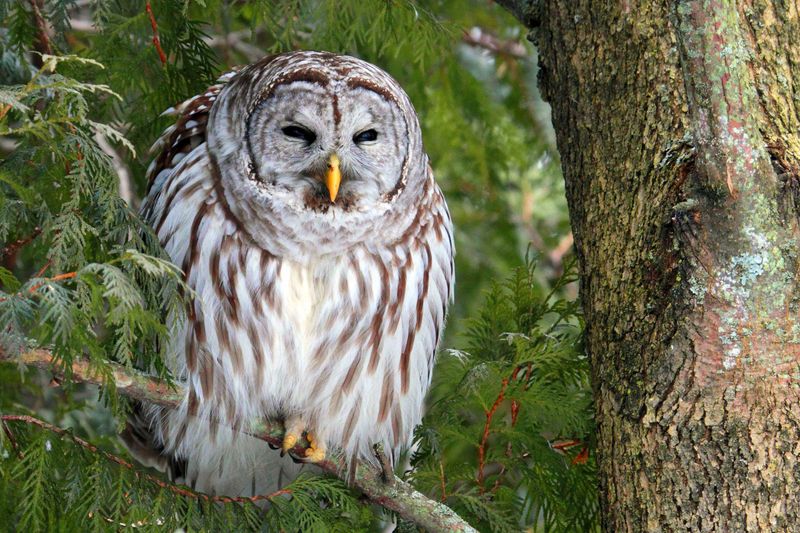
Every owl has its own signature sound, almost like a personal voice you can learn to recognize. Once you tune in, the darkness starts telling you exactly who is out there.
Barred owls are famous for a hooting phrase that sounds like the question, who cooks for you. Their calls are loud, rhythmic, and easy to pick out once you know the pattern.
Great horned owls deliver a series of deep, steady hoots. Their voice is low and booming, the classic sound many people imagine when they think of an owl in the woods.
Eastern screech-owls break the mold completely. Instead of hooting, they make a soft, trembling whinny or an even tone trill that sounds a little spooky but is truly small and harmless.
Because these species sound so different, one call does not mean every hoot nearby comes from the same bird. Two calls that seem alike might belong to two separate owls, or two very different species sharing the woods.
Paying attention to tone, rhythm, and length helps you sort them out. A booming beat, a wild cackle, and a wavering trill each point to a different neighbor in the trees.
Gardeners can turn this into a fun challenge. Keep a little notebook by the door and jot down what you hear, then match the sounds to recordings from a trusted bird guide.
Over time you will build a mental map of the owls living around you, and each night becomes a chance to identify a familiar friend.
8. Give Calling Owls Plenty Of Space
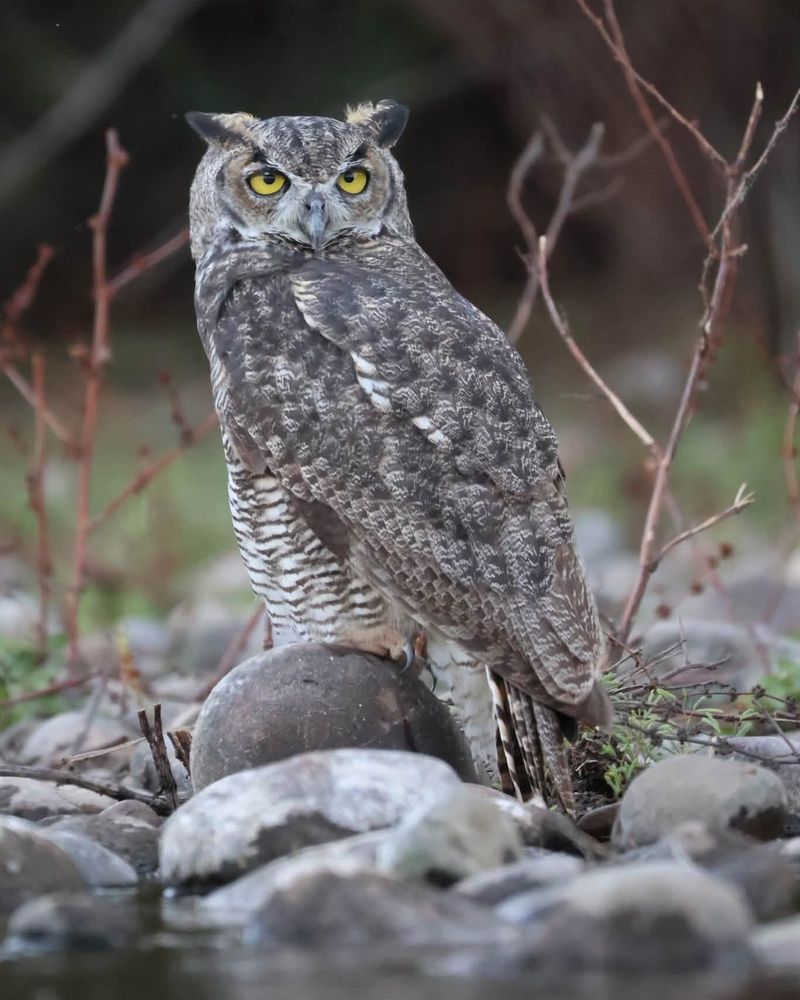
Falling for the magic of owls is easy, but the best way to enjoy them is from a respectful distance. These birds thrive when we admire them without crowding their world.
Resist the urge to chase a call across the yard. Owls need calm, quiet space to rest during the day and to hunt without stress when night falls.
Playing owl recordings to lure them closer might seem clever, but it can backfire. The sounds trick a bird into thinking a rival has arrived, which wastes its energy and pulls it away from finding food.
Repeated recordings can be especially rough during busy seasons. An owl that spends time answering a fake rival has less time to hunt, raise young, or defend real territory.
Bright lights and loud noise also push owls away. If you want them to stick around, keep outdoor lighting soft and let the darkness stay peaceful.
Binoculars are your best friend here. They let you enjoy every detail of a perched owl while the bird stays comfortable and undisturbed on its branch.
Keep pets indoors at night when owls are active nearby. This protects your animals and lets the owls hunt naturally without feeling crowded.
By watching quietly and letting owls live on their own terms, you become a good neighbor to the wildlife around you. That patience pays off with more sightings, richer calls, and the joy of knowing your yard is a safe haven for these amazing night birds.