The Reasons To Plant Ninebark In Your Pennsylvania Yard And How To Get One Started This Fall
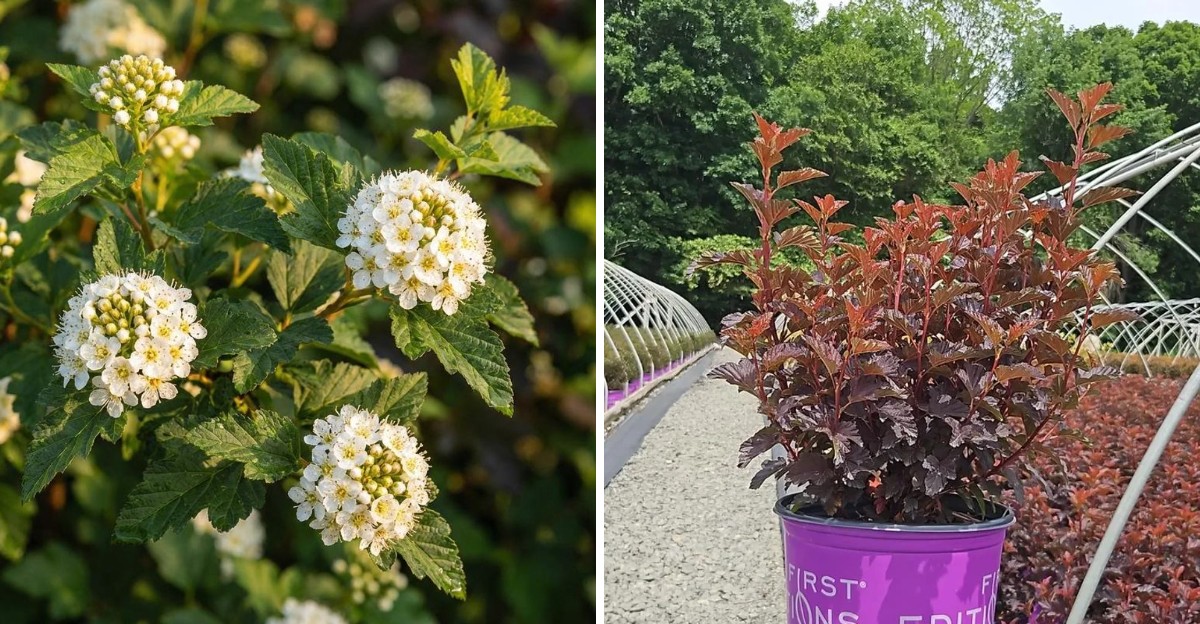
Ninebark is one of those native Pennsylvania shrubs that earns genuine enthusiasm from every gardener who grows it. It doesn’t have the mainstream recognition of more heavily marketed ornamentals.
But what it delivers across the full growing year, for wildlife, for the garden, and for the homeowner who wants something tough and beautiful, puts many celebrated shrubs to shame.
In Pennsylvania, finding plants that handle the full range of climate conditions without constant intervention is genuinely valuable. Ninebark does exactly that, and it does it while looking beautiful through every season.
Fall is one of the best times to get one established. Here’s exactly why ninebark belongs in your Pennsylvania yard and how to plant one this season.
1. It Thrives In Pennsylvania’s Climate
Few shrubs feel as at home in Pennsylvania as ninebark. It is native to much of the eastern United States, so our weather is exactly what it wants.
Cold winters do not bother it one bit. Ninebark is rated for hardiness zones 2 through 8, and most of Pennsylvania falls comfortably inside that range.
That means you will not have to baby it through frosty nights or worry about it struggling when snow piles up.
Hot, humid summers are also no problem. Once its roots are settled, ninebark shrugs off dry spells and keeps growing without constant watering.
That toughness makes it a smart pick for busy homeowners who cannot fuss over their plants every day.
Because it belongs here naturally, ninebark works with the local soil, rainfall, and seasons instead of fighting against them.
You will spend less money on extra care and less time treating problems. Native plants tend to bounce back from stress far better than fussy imports.
Another bonus is how well it fits into different parts of your yard. Full sun, part shade, clay soil, or sandy patches all suit it fine. It even tolerates the salty spray near driveways and roads that harms many other shrubs.
If you have ever watched a plant slowly fade because it just could not handle Pennsylvania weather, ninebark offers a refreshing change. It is built for this place.
Planting one means choosing a shrub that already knows how to live here, which sets you up for years of easy, dependable growth without endless guesswork or repair work.
2. Colorful Leaves Brighten Every Season
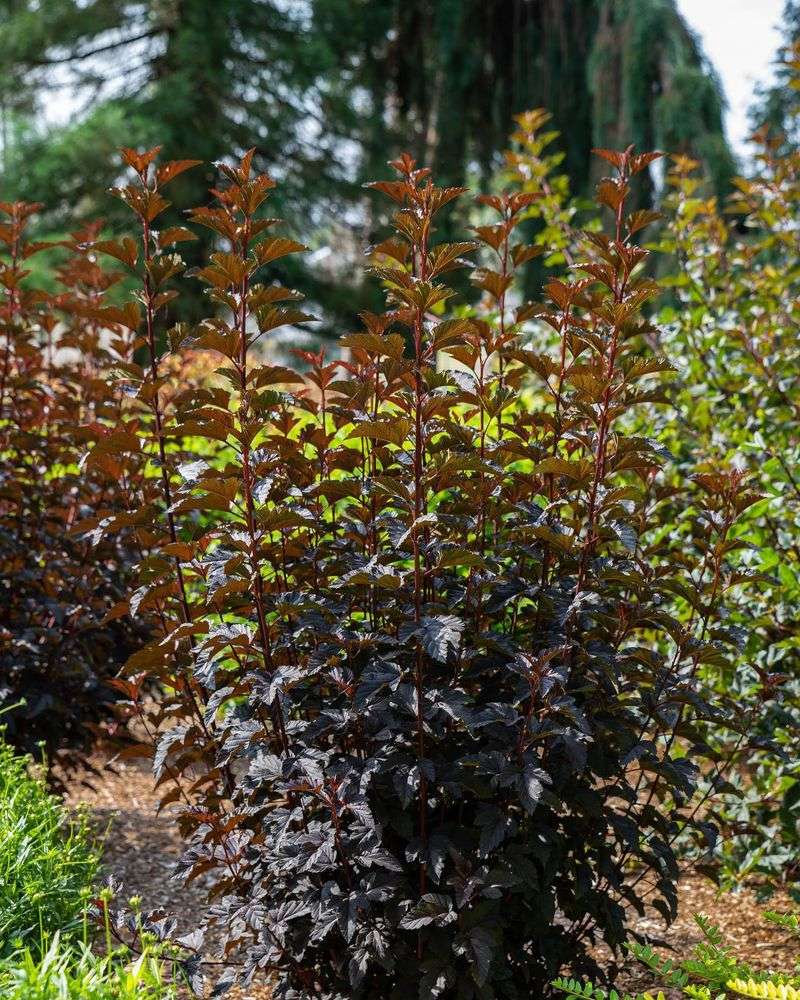
One look at a ninebark in full leaf and you understand why gardeners love it. The foliage comes in shades that most shrubs simply cannot match.
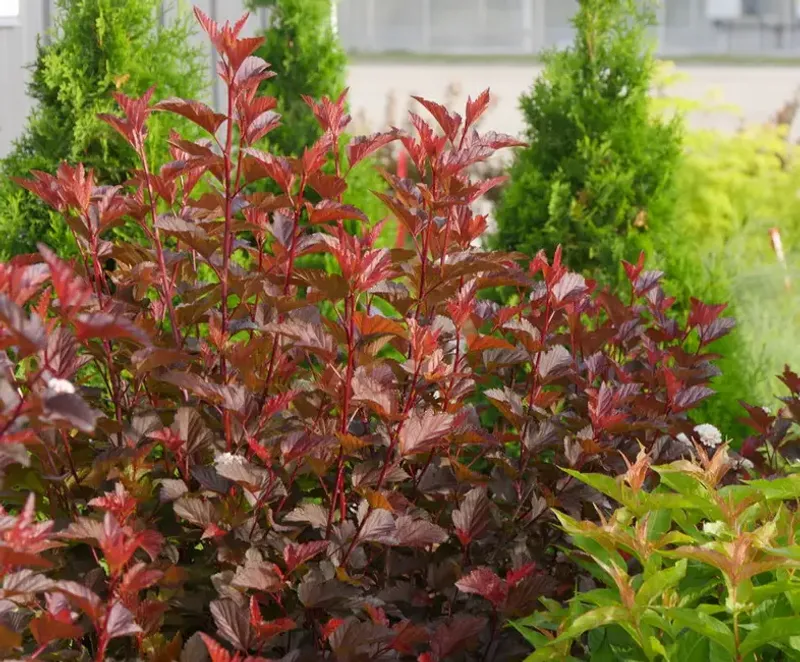
You can find varieties with deep burgundy leaves, bright gold ones, or copper tones that shift through the seasons.
Popular types like Diabolo show off wine-red leaves, while Dart’s Gold glows in warm yellow. These colors give your yard a splash of interest even when nothing is blooming.
Spring brings fresh new growth in soft tones. As summer arrives, the leaves deepen into their signature rich color.
Come autumn, many types turn shades of red, orange, or bronze that pair beautifully with falling leaves around them.
Your Pennsylvania Garden Changes Every Week. Your Plan Should Too.
Gardening in Pennsylvania changes quickly throughout the season. Every Friday you’ll receive a simple weekly plan showing exactly what to plant, prune, fertilize, harvest, and protect so you never miss the right timing.
Because the color lasts for months, you get a plant that pulls its weight far longer than flowers alone would. A single ninebark can act as a bold focal point in a flower bed or blend into a mixed hedge for a layered look.
Placing a dark-leaved variety next to lighter green plants creates striking contrast that makes both stand out. Gardeners often use ninebark this way to add drama without much effort.
The colorful foliage also helps hide the parts of your yard you would rather not see, like a plain fence or an old shed wall. A row of these shrubs turns a dull spot into something worth looking at.
If you want lasting curb appeal that does not depend on constant blooms, ninebark delivers season after season. Its leaves alone are reason enough to give this shrub a spot in your Pennsylvania landscape.
3. Pretty Flowers Invite Pollinators
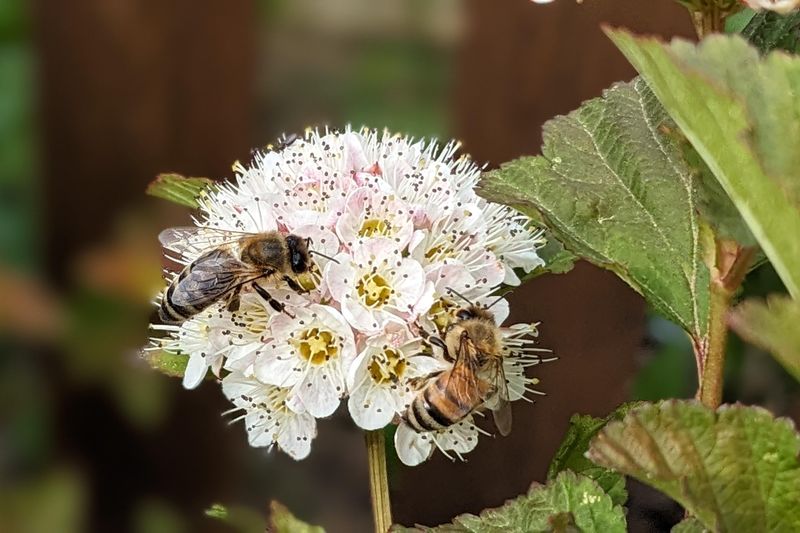
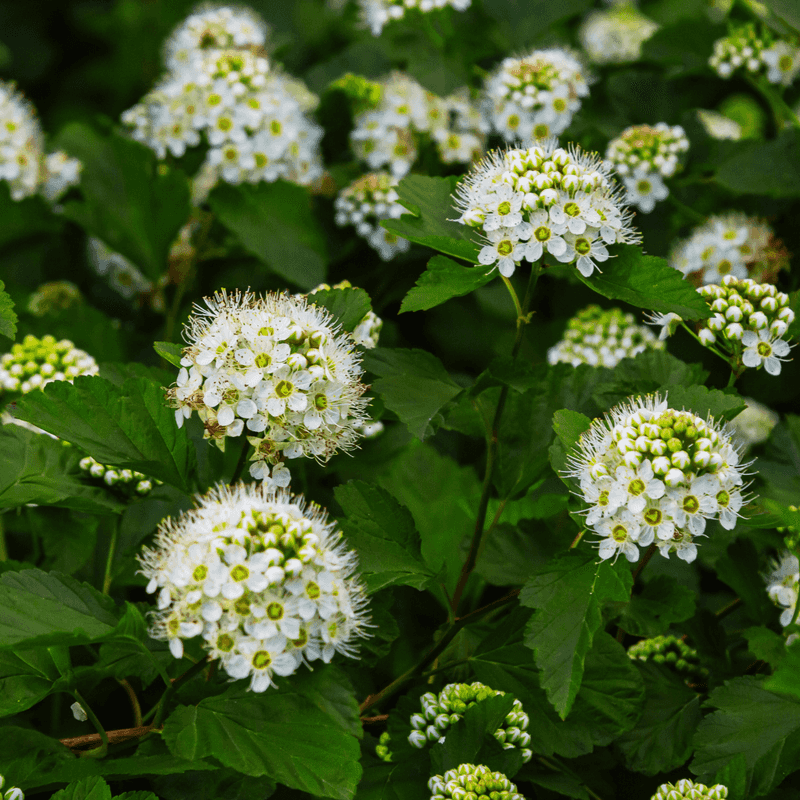
Late spring turns ninebark into a buzzing hotspot. Small clusters of white or soft pink flowers cover the branches and draw in all kinds of helpful visitors.
Bees, butterflies, and other pollinators flock to these blooms for nectar and pollen. By planting ninebark, you give these important insects a reliable food source right in your own yard. That support matters more than ever as natural habitats shrink.
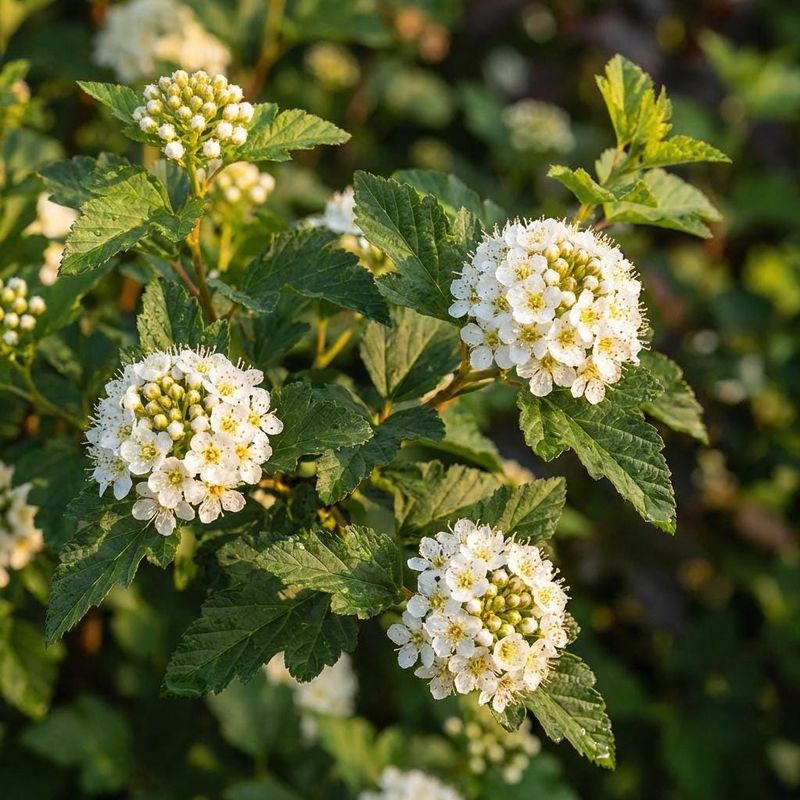
The flowers grow in rounded bunches that look a bit like tiny bouquets. They appear in May or June, adding a gentle, cheerful touch just as the garden fills out for the warm season.
Watching pollinators work the blossoms is a simple joy. Kids especially love spotting the bees and butterflies that stop by, and it turns your yard into a living classroom.
Healthy pollinator activity also helps the rest of your garden. When bees visit ninebark, they move on to your vegetables, fruit trees, and other flowers, boosting the harvest you get from them.
After the blooms fade, they leave behind small seed clusters that add texture through summer and fall. Some of these even attract birds looking for a snack, stretching the shrub’s usefulness across more of the year.
You do not need to spray or fertilize heavily to get this show. Ninebark flowers on its own with very little help from you.
If building a friendlier space for wildlife is on your wish list, this shrub checks that box beautifully. A few ninebark plants can turn a quiet corner into a busy, buzzing gathering place for the creatures that keep gardens thriving.
4. Peeling Bark Adds Winter Interest
The name says it all. Ninebark got its name from bark that peels away in thin layers, showing off a textured, papery look that stands out in the cold months.
When winter strips the leaves away, many shrubs turn into plain sticks. Ninebark does the opposite. Its reddish-brown, shredding bark becomes the star of the show against a snowy backdrop.
This feature gives your yard something to admire even in January and February. A garden with winter interest feels alive instead of empty, and ninebark delivers that texture without any extra effort from you.
Old folklore claimed the bark had nine layers, which is where the fun name comes from. While it may not truly have nine, the peeling habit really does create that stacked, weathered appearance.
Positioning a ninebark where you can see it from a window is a smart move. On gray winter days, its warm bark tones bring a cozy touch to the view outside.
The exfoliating bark also looks great in mixed plantings with evergreens. The rough, curling texture plays nicely against smooth needles and glossy leaves nearby.
Because the bark shows best on mature stems, an older ninebark grows more beautiful over time. You get a plant that rewards patience with richer character each year.
If your landscape tends to look bare and boring once the snow arrives, this shrub offers an easy fix.
Its bark keeps the scenery interesting through the quietest season, proving that ninebark earns its keep even when everything else has gone dormant and still around it.
5. Low Maintenance And Easy To Grow
Busy people, this one is for you. Ninebark asks for very little once it settles in, making it a dream for anyone who does not want a demanding garden.
After the first year, it rarely needs watering unless the weather turns very dry. Its roots reach deep and pull moisture from the soil on their own, so you can skip the daily hose routine.
Pruning is simple too. A light trim right after the flowers fade keeps the shape tidy, but the plant will look fine even if you leave it alone. There is no fancy shaping or constant clipping required.
Pests and diseases mostly leave it alone. While powdery mildew can show up in humid spots, choosing a resistant variety and giving it good airflow usually prevents trouble before it starts.
Ninebark is not picky about soil either. Clay, loam, sand, wet, or dry, it adapts to most conditions found in Pennsylvania yards. That flexibility means you can plant it almost anywhere and expect success.
It handles neglect gracefully, which is perfect for new gardeners still learning the ropes. Even a few mistakes will not ruin your shrub, since it forgives and keeps growing.
Fertilizer is rarely needed. A layer of mulch and the occasional dose of compost gives it all the nutrients it wants.
If you have ever felt overwhelmed by high-maintenance plants, ninebark offers a welcome break.
It lets you enjoy a lush, colorful yard without spending every weekend on chores. Plant it, water it early on, and then simply sit back and watch it flourish.
6. Great For Privacy And Erosion Control
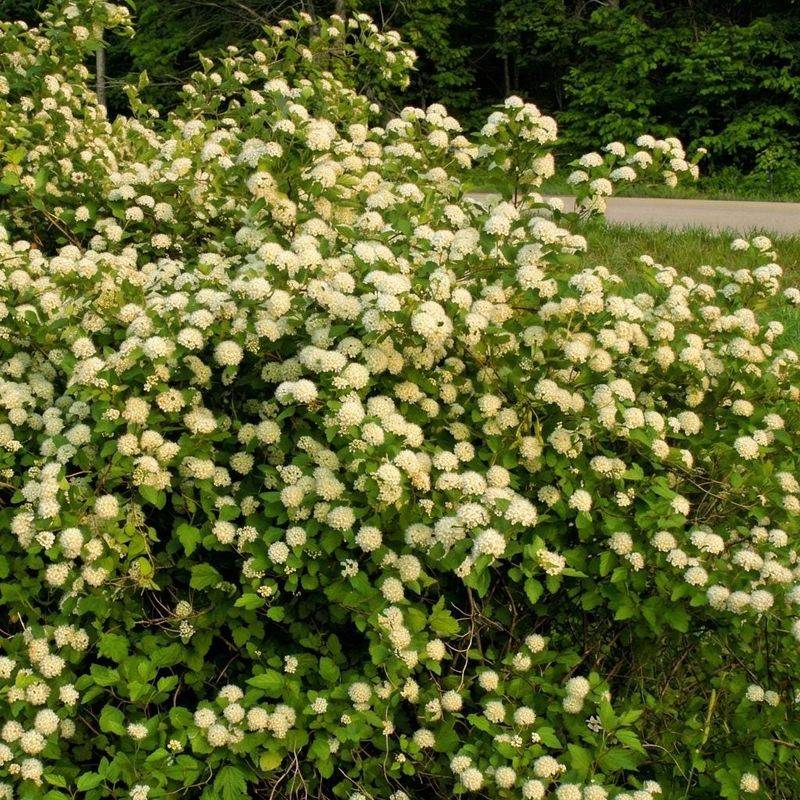
Need to block a view or hold a hillside in place? Ninebark handles both jobs with ease, making it more than just a pretty face in the garden.
Planted in a row, these shrubs grow into a thick, leafy screen. That living wall gives you privacy from neighbors or a busy street without the harsh look of a fence.
A mature ninebark can reach five to ten feet tall and just as wide, depending on the variety. That size fills space quickly and creates a natural border around your property.
The dense branching also offers shelter for birds. Many small species tuck into the tangle of stems to nest and hide from predators, turning your hedge into a wildlife haven.
On slopes and banks, ninebark really shines. Its spreading roots grip the soil and hold it steady, which helps stop erosion when heavy rain washes down a hill.
Places where grass struggles to grow are perfect for this shrub. It anchors loose ground and covers bare patches that would otherwise wash away or turn muddy.
Because it tolerates tough spots, you can use ninebark along ditches, driveways, and other tricky areas. It works hard where prettier plants would fail.
Grouping several together builds a stronger root network, giving even better protection against runoff.
If part of your yard needs a screen, a windbreak, or a way to keep the soil in place, ninebark solves the problem while still looking good.
It combines beauty and function in a way that few other shrubs can match, earning its spot in practical Pennsylvania landscapes.
7. How To Plant One This Fall
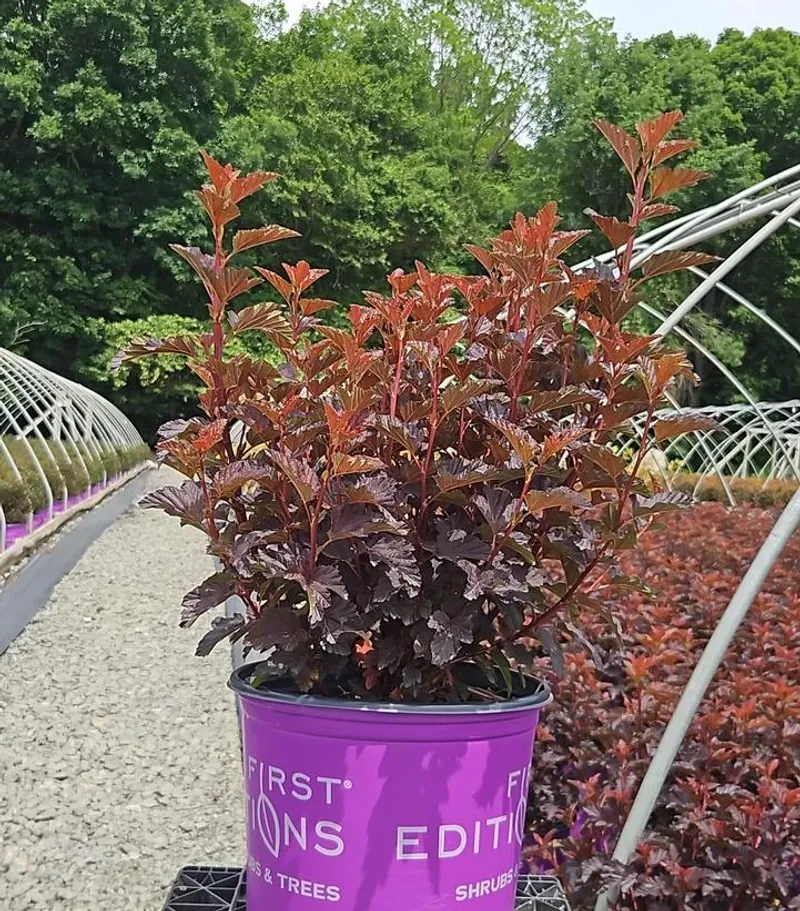
Ready to get started? Fall is the ideal time to plant ninebark, and the process is easier than you might expect.
Begin by picking a spot with full sun to part shade. More sun usually means better leaf color and more flowers, so aim for at least six hours of light if you can.
Dig a hole about twice as wide as the root ball but no deeper. You want the top of the roots to sit level with the ground, not buried too far down.
Gently loosen the roots if they look tightly wound, then set the plant in the hole. Backfill with the soil you dug out, pressing lightly to remove air pockets.
Water it well right after planting. Deep, thorough watering helps the roots make contact with the surrounding soil and settle in for the season ahead.
Spread a two to three inch layer of mulch around the base, but keep it a few inches away from the stems. Mulch locks in moisture and shields the roots from cold snaps.
Through the fall, check the soil and water whenever it feels dry. Cooler air means less watering than summer, yet young plants still need steady moisture until the ground freezes.
Skip the fertilizer for now. Feeding in fall can push tender new growth that will not handle winter well, so wait until spring instead.
You can find ninebark at local nurseries or garden centers across Pennsylvania. Choose a healthy plant with strong stems and good color.
With these simple steps, your new shrub will settle in nicely and reward you with growth come spring.