Why Georgia Gardeners Should Plant Trees This Fall Instead Of Waiting For Spring
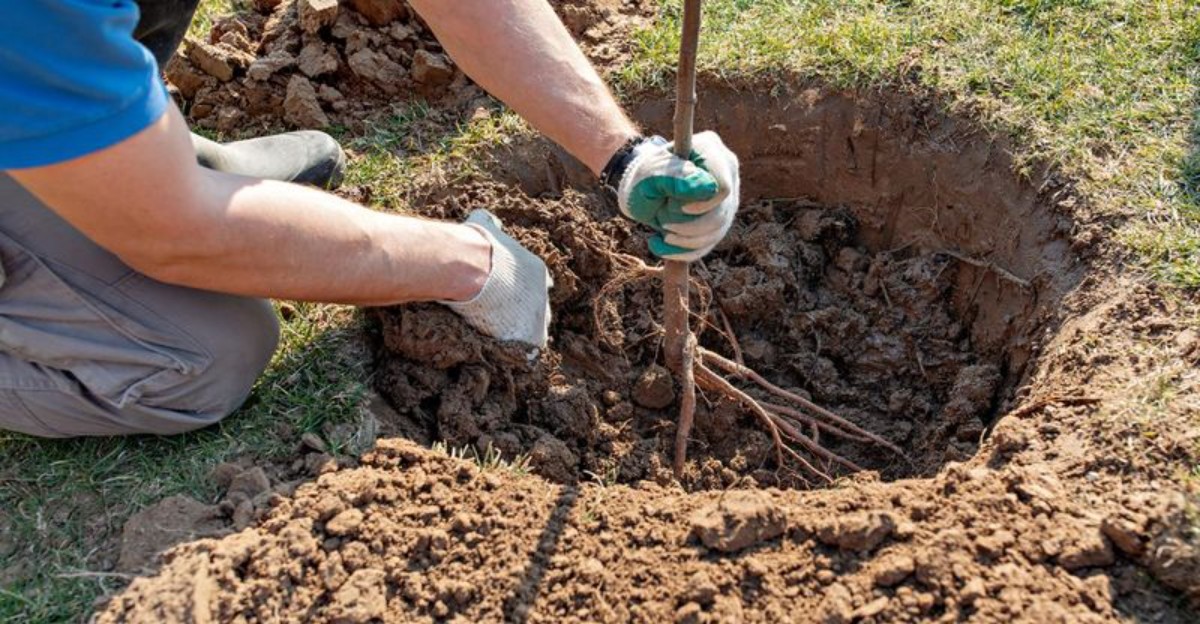
Spring gets most of the attention for planting trees, but waiting until then can mean missing a useful opportunity. Fall offers conditions that can make establishment easier for many choices.
The advantage starts underground, where roots can keep developing after top growth begins slowing.
Cooler air also reduces stress that comes with planting during hotter months. In Georgia, soil can remain warm enough for root activity into the season.
That combination gives a tree time before the demands of next summer arrive.
Choose a suitable tree and planting site, then let fall weather gently support the early establishment period. Good timing cannot fix poor planting, but it can give your tree a much better beginning.
Plant this fall, and spring can arrive with roots already settling into their new home.
1. Cooler Fall Weather Gives New Trees An Easier Start
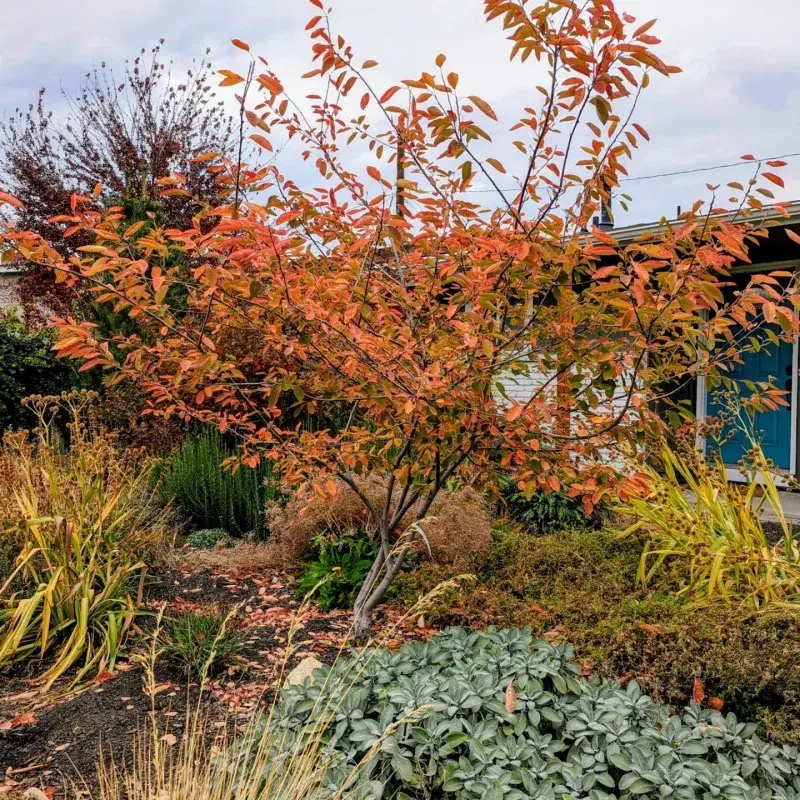
Heat is the real enemy of a newly planted tree, and autumn takes that enemy off the field. Transplanting always shocks a tree a little, so anything that lowers stress helps.
Once daytime highs settle into the seventies, a sapling loses far less water through its leaves. Less water lost means less strain on roots that have not spread out yet.
Summer planting in Georgia can be brutal on young stock, especially in full sun.
You will notice the difference in wilting alone. A tree planted in September or October rarely droops the way a June planting does by mid afternoon.
Cooler air also makes the job easier on you, which matters more than people admit.
Digging a wide planting hole in red clay takes effort, and nobody does careful work while overheating. Slower, more careful planting usually means a better root flare and a properly sized hole.
Aim for a hole two to three times as wide as the root ball, but no deeper than the ball itself.
Keep the top of the root flare slightly above grade so the trunk does not sit in wet soil. Backfill with the native soil you removed rather than heavy amendments.
Mild weather buys your tree weeks of low stress before winter, and that head start tends to show up next season.
2. Warm Soil Lets Roots Keep Growing After Planting
Soil holds heat long after the air turns crisp. That lag is the quiet advantage behind fall planting, and it works in your favor for weeks.
Ground temperatures in much of Georgia stay warm well into November, sometimes later in the southern counties.
Roots stay active in warm soil even when the branches above look finished for the year. So while the top of the tree slows down, the bottom keeps working.
Spring planting flips that timing in a less helpful way.
Soil in March is still cold, and cold soil slows root activity right when leaves are demanding water. A tree can leaf out beautifully and still struggle underground.
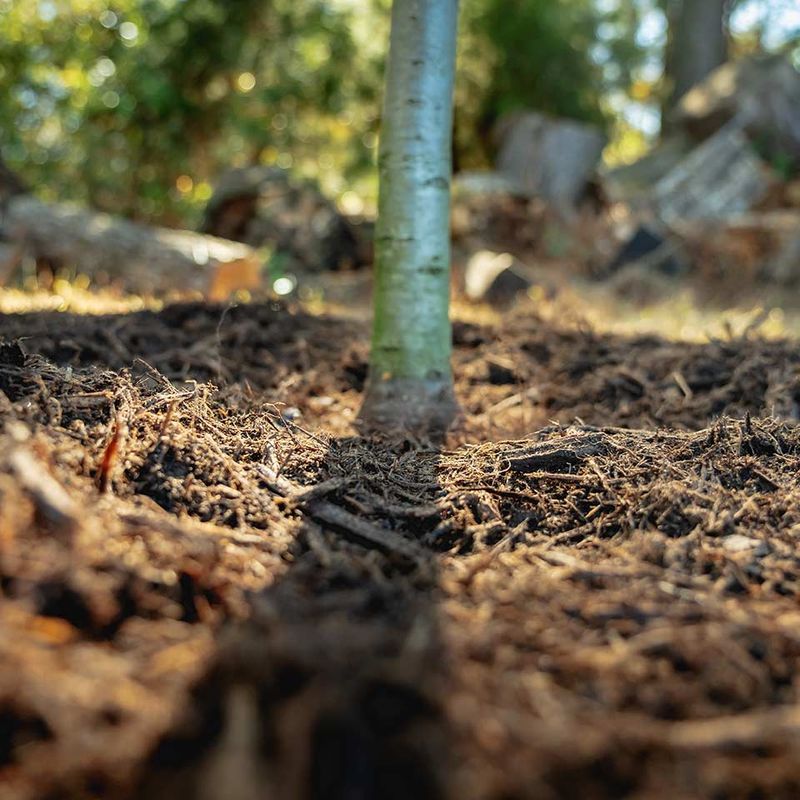
Mulch helps you stretch the warm window a little longer. Spread two to three inches of shredded bark or pine straw over the root zone, keeping it off the trunk.
Your Georgia Garden Changes Every Week. Your Plan Should Too.
Gardening in Georgia changes quickly throughout the season. Every Friday you’ll receive a simple weekly plan showing exactly what to plant, prune, fertilize, harvest, and protect so you never miss the right timing.
Skip the mulch volcano piled against the bark, since trapped moisture there invites rot and pests.
Check soil moisture by hand rather than guessing. Push a finger a couple inches down, and water when it feels dry rather than on a rigid schedule.
Exact soil temperatures vary by region, sun exposure, and soil type, so watch your own yard. Sandy spots cool faster than heavy clay, and shaded areas cool faster than open lawn.
3. Fall Rainfall Can Help Newly Planted Trees Stay Hydrated
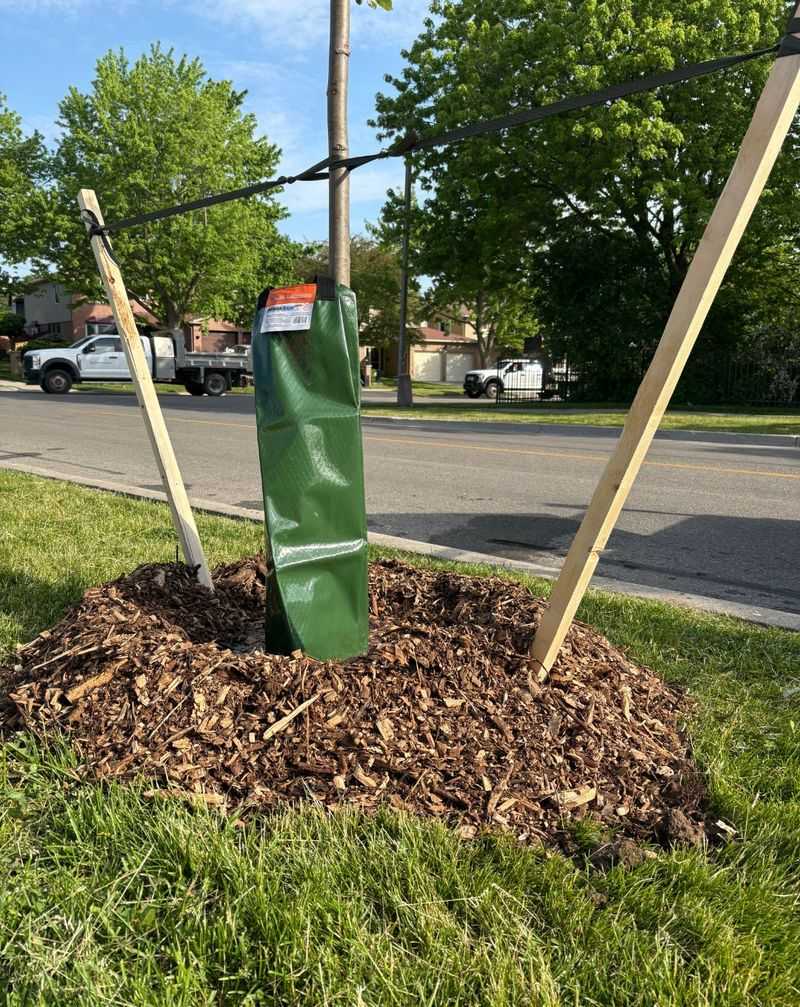
Rain does the watering you would otherwise be doing by hand. Autumn and early winter tend to bring more consistent moisture than the dry stretches of late summer.
That does not make irrigation optional, but it usually lightens the load.
Georgia weather swings, and some falls turn dry for weeks at a time. Plan on watering anyway, then treat rainfall as a bonus rather than a guarantee.
A slow soak beats a quick spray. Let a hose trickle at the base for fifteen or twenty minutes, or use a bucket with small holes drilled in the bottom.
Deep watering pushes roots downward instead of encouraging shallow surface growth.
Newly planted trees generally need water once or twice a week through their first season, adjusted for rain and soil drainage. Clay holds moisture longer, so overwatering there is a real risk.
Poke into the soil before you water, since soggy roots cause as many problems as dry ones.
Keep watering into late fall until the ground freezes or stays consistently damp. Evergreens especially benefit from moisture heading into winter, since they keep losing water through their needles.
A three inch mulch ring reduces evaporation and helps rainfall soak in rather than run off sloped ground.
4. Root Growth Gets A Head Start Before Spring Arrives
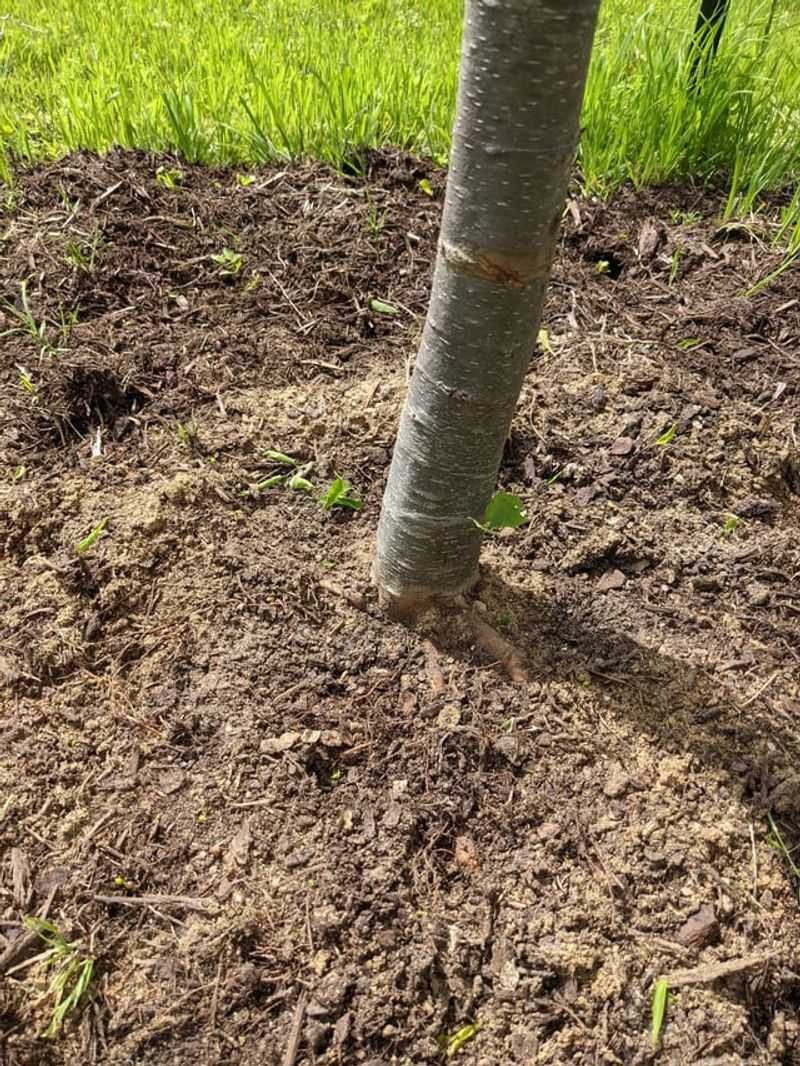
Months of quiet underground work separate a fall tree from a spring one. While the yard looks asleep, roots are spreading through cooling soil.
By March, that tree already owns territory a spring planting has not touched yet.
Timing is the whole point here. Planting between late September and early December works well across most of Georgia, with the earlier end better for the mountains.
Give the tree six weeks or so before hard freezes settle in.
Root establishment happens gradually, and a single season rarely finishes the job. Larger trees take longer, often a year of establishment per inch of trunk diameter.
Still, every week of early root growth counts when spring demands arrive.
Loosen circling roots before the tree goes in the ground. Container stock often has roots wrapping the pot, and those need to be sliced or teased outward.
Remove wire baskets, twine, and burlap from the top of balled stock once the tree sits in the hole.
Skip heavy fertilizer at planting time, since it pushes top growth you do not want yet. A soil test tells you far more than a guess at the garden center.
Water well, mulch, and let the roots do their thing through winter.
5. Established Roots Help Trees Handle Their First Summer
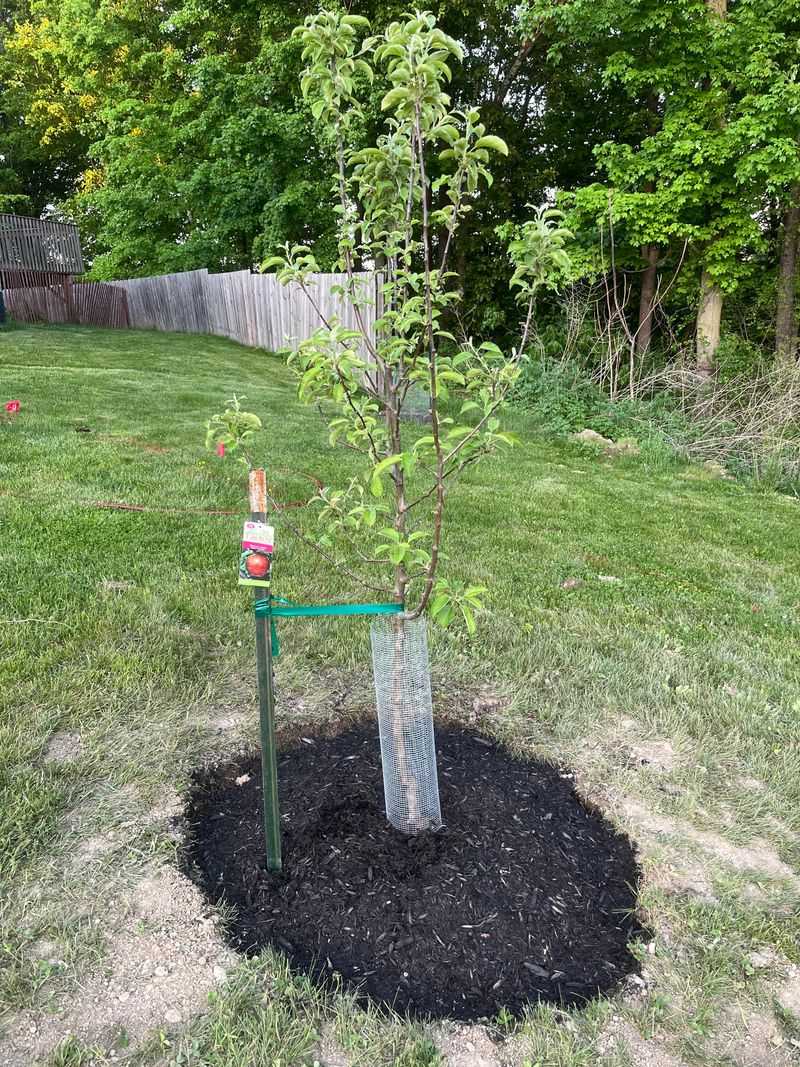
July is the real test, not planting day. Southern summers hit young trees hard, and the ones that cope best usually went into the ground months earlier.
Wider roots reach more soil moisture, which buys the tree time between waterings.
Picture two identical dogwoods, one planted in October and one the following April. By August, the fall tree typically shows less leaf scorch and holds up better on hot afternoons.
Results still depend on species, drainage, and how faithfully you water.
Georgia summers bring long dry spells that punish shallow root systems. A tree with only a pot sized root ball drains its available water fast.
Do not assume a fall planting means you can quit watering.
First summer care matters regardless of when you planted. Keep the mulch ring refreshed, pull grass away from the base, and water deeply during dry weeks.
Grass competing at the trunk steals both water and nutrients, and string trimmers do real damage to thin bark.
Watch for early wilting in the morning, which signals genuine drought stress. Afternoon droop in extreme heat is often temporary and recovers overnight.
Trees with a fall head start simply have more margin for error when the weather turns unforgiving.
6. Dormant Trees Need Less Energy For New Top Growth
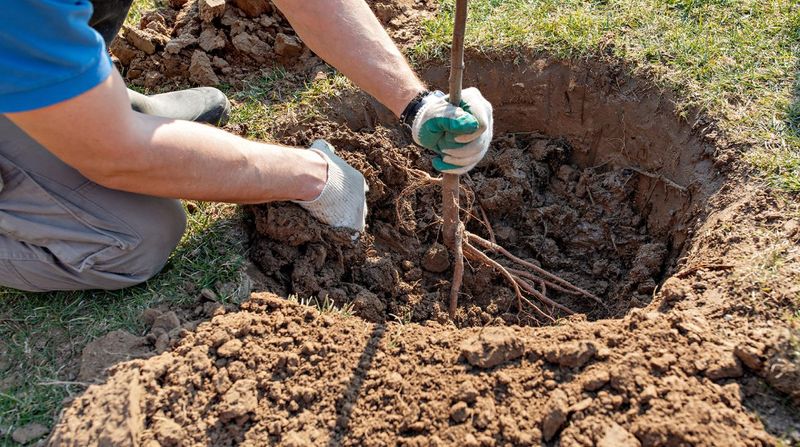
A leafless tree is not doing nothing. Dormancy simply shifts where its energy goes, and that shift favors roots.
Without leaves to support, the tree spends less on top growth and more on getting settled.
Deciduous species show this best. Once the leaves drop, water loss falls sharply, so transplant shock hits softer than it would in spring.
Bare root stock in particular does best when planted dormant.
Spring works the opposite way. Buds break, leaves expand, and the tree demands water from roots that have not spread far enough to supply it.
That mismatch is why spring plantings sometimes look rough by June.
Hold off on pruning at planting time except for broken or damaged branches. Old advice about cutting back the top to balance the roots has largely been set aside.
Leave the healthy branches alone and prune for structure a year or two later.
Staking is another thing people overdo. Most trees stand fine on their own, and only tall or top heavy stock in windy spots needs support.
If you do stake, use wide flexible straps and remove them within a year.
Dormant planting across Georgia gives the tree a calm entry into your yard, and calm beginnings tend to produce steadier trees.
7. Proper Fall Planting Sets Trees Up For Stronger Growth
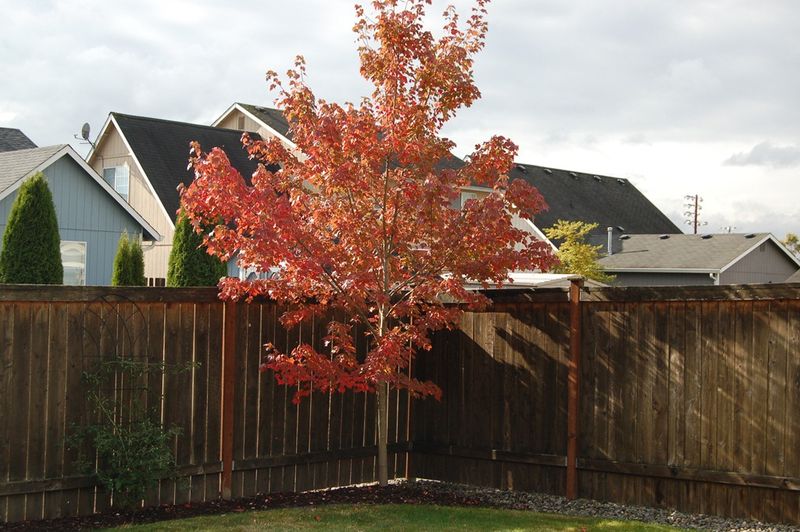
Good timing cannot rescue sloppy planting. Depth, hole width, and species choice decide far more than the calendar does.
Get those right in fall and the tree has every advantage going into spring.
Planting too deep is the most common mistake in home yards. Find the root flare where the trunk widens, and keep it visible above the soil line.
Burying the flare invites bark problems and slow decline over several years.
Match the tree to the site before you dig. Native options like white oak, red maple, serviceberry, and eastern redbud handle Georgia conditions well when placed correctly.
Check mature size against nearby power lines, foundations, and septic fields.
Drainage deserves a quick test. Fill the hole with water, and if it still holds water hours later, pick a different spot or a species tolerant of wet feet.
Heavy clay traps moisture, and few trees enjoy sitting in it.
Water thoroughly at planting to settle the soil and remove air pockets. Then mulch in a flat ring, roughly three feet across, and keep it a few inches off the trunk.
Check on the tree through winter, especially after wind or heavy rain. Small corrections now prevent bigger headaches down the road.