Pennsylvania Vegetable Garden Companions Worth Growing During Spotted Lanternfly Season
Spotted lanternfly season can make a Pennsylvania vegetable garden feel busier for all the wrong reasons.
One insect suddenly gets most of the attention, and every new plant near the tomatoes starts looking like a possible solution. That is where garden advice can get slippery.
Some herbs earn their space for reasons that have nothing to do with driving lanternflies away, while other popular claims sound useful without holding up well.
The difference matters.
A plant can still strengthen the garden even when it does not solve the headline pest. Flowers can change who visits the bed, long bloom periods can keep useful insects around, and a kitchen herb can justify its space before anyone talks about pest control.
So which companions are worth growing during a season dominated by one notorious insect?
The answer is less about creating a botanical force field and more about building a garden that keeps working on several fronts while the real lanternfly management happens elsewhere through the long, hot Pennsylvania summer still ahead.
1. Let Cilantro Flower For Beneficial Insects
Cilantro becomes more interesting to insects right around the moment many gardeners decide it has become useless.
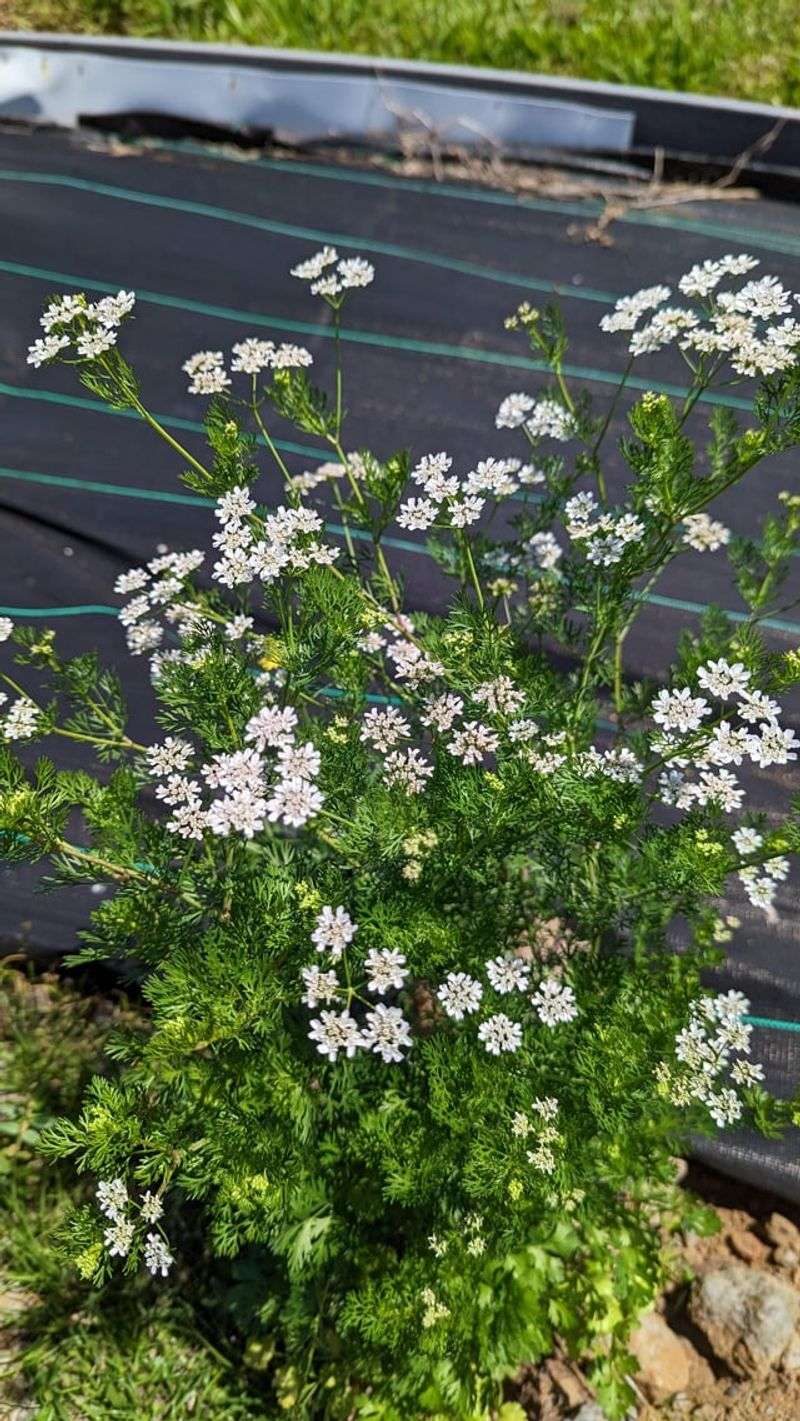
Once warm weather pushes the plant to bolt, tall stems rise above the leafy base and open into flat clusters of tiny white flowers.
Those blooms can attract hoverflies, small parasitic wasps, bees, and other insects that use shallow, easy-to-reach nectar sources.
That makes a few flowering plants worth keeping.
Leave some cilantro alone after the leaves become sparse, while harvesting the rest earlier for the kitchen. The flowers add activity to the vegetable bed without taking much extra space, and the seed that follows is coriander.
Do not give the plant a job it has not earned.
Flowering cilantro has not been shown to repel spotted lanternflies or stop them from feeding. Its value comes from supporting a broader community of insects, including species that prey on aphids, caterpillars, and other familiar vegetable-garden pests.
Summer heat sends cilantro to flower quickly.
Part shade can slow the process for plants being grown mainly for leaves, while a sunny plant reserved for flowers can be allowed to stretch. Collect mature seed for cooking or let a small amount fall for another crop.
Cilantro may not chase the headline pest away.
It still turns one short-lived herb into leaves, flowers, seed, and habitat before the season is finished.
2. Grow Dill Beside The Vegetable Bed
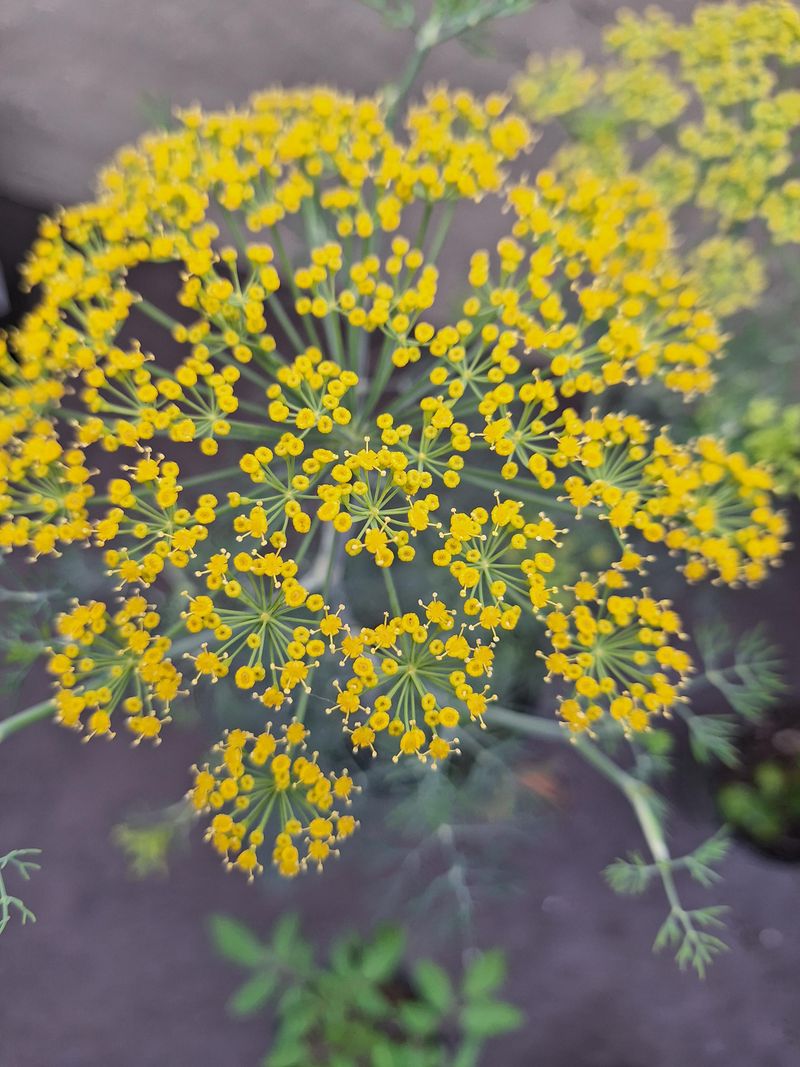
Dill earns its keep long after the first handful of feathery leaves goes into the kitchen.
As the plant matures, tall stems carry broad yellow flower umbels that are easy for small beneficial insects to visit. Hoverflies, tiny wasps, bees, and other flower-feeding insects can use those blooms while moving through the vegetable garden.
Give dill some height room.
Flowering plants can reach several feet, so the back or edge of a bed works better than the front of a short pepper row. Open sun and well-drained soil support sturdy growth, while repeated sowings can spread the harvest and bloom period.
Your Pennsylvania Garden Changes Every Week. Your Plan Should Too.
Gardening in Pennsylvania changes quickly throughout the season. Every Friday you’ll receive a simple weekly plan showing exactly what to plant, prune, fertilize, harvest, and protect so you never miss the right timing.
One old warning deserves retirement.
Dill and fennel do not cross-pollinate with each other because they belong to different genera. Keeping them apart may still make sense simply because both can become tall, airy plants that compete for light and space, but muddled hybrid seed is not the reason.
Dill also has no proven role as a spotted lanternfly repellent.
Its useful work is more ordinary and more believable: feeding flower visitors, supplying leaves and seed for the kitchen, and adding another bloom shape to a garden that might otherwise be dominated by vegetable flowers alone.
Let a few umbels mature after flowering.
Seed can be saved, used for pickling, or allowed to scatter lightly.
Dill does not need a heroic pest-control story. It already does enough by being productive above, below, and beyond the salad bowl.
3. Give Fennel Room To Flower
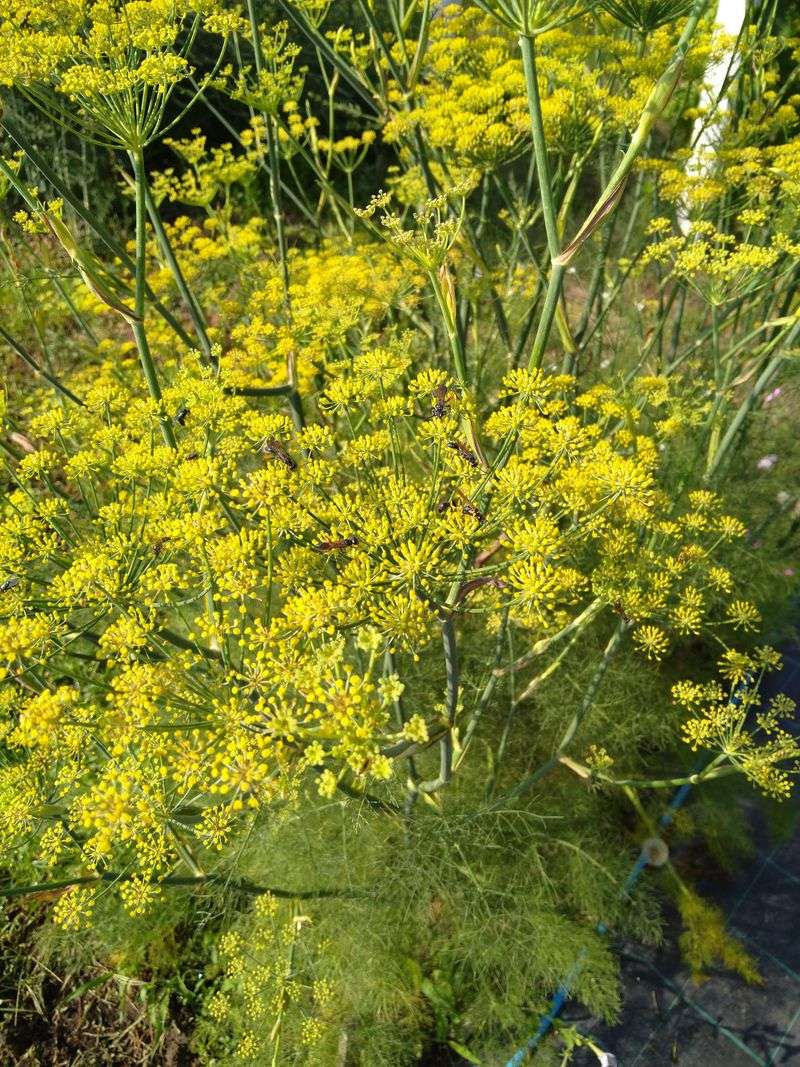
Fennel can become one of the tallest flowering herbs near a Pennsylvania vegetable garden, which is reason enough to plan its location before planting.
Mature plants send up broad yellow umbels above fine, feathery foliage. Those flowers can draw bees, hoverflies, wasps, and other insects, while swallowtail caterpillars may use the foliage as a host plant.
The plant needs elbow room.
Place fennel at the edge of the garden, beside a fence, or in a separate herb bed where its height will not shade shorter vegetables.
That spacing is more useful than repeating the common claim that fennel poisons nearby crops. Evidence for strong, practical allelopathic effects in an ordinary home bed is far less clear than garden folklore suggests.
Use spacing to solve a space problem, not a chemistry story.
Bronze fennel works especially well where ornamental value matters, while culinary fennel can provide fronds, pollen, and seed.
Bulb fennel is managed differently because gardeners want the swollen base rather than a towering flowering plant.
None of those forms should be sold as spotted lanternfly control.
The flowers may support useful insects, but they do not create a protective ring around tomatoes or peppers.
Let the plant earn its place honestly.
It adds height, motion, scent, host-plant value, and a long-lasting flower display. In a crowded garden, that is plenty. Fennel becomes easier to appreciate once it stops being asked to perform tricks nobody has actually proven it can do.
4. Plant Oregano For Long Summer Bloom
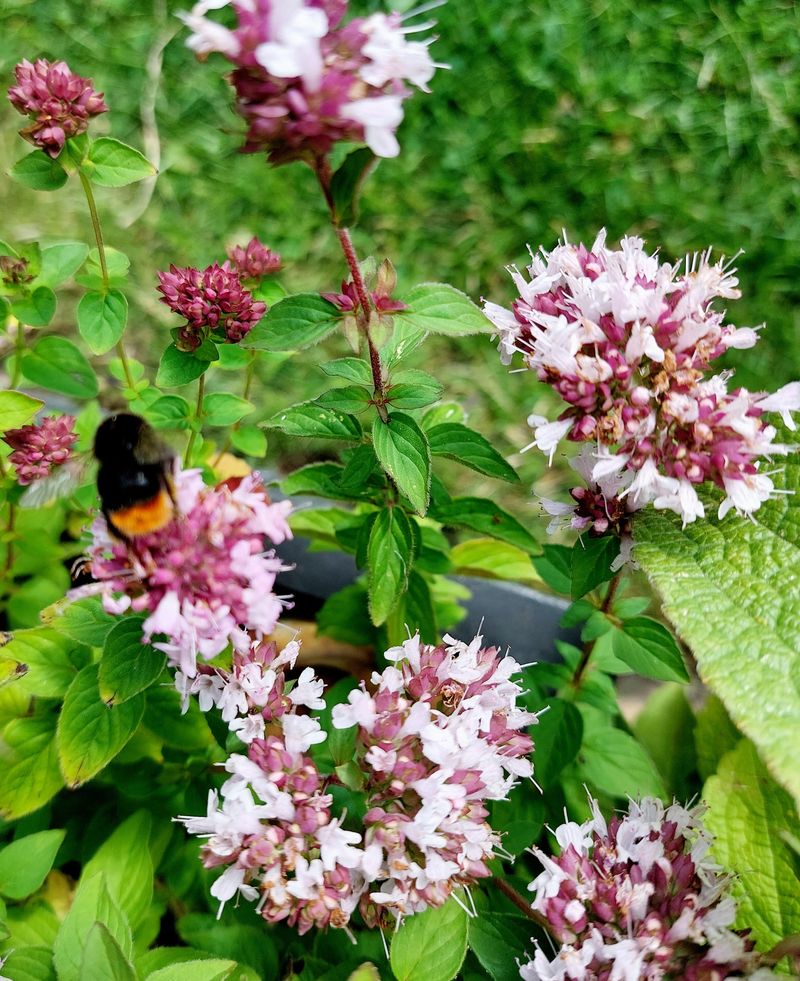
Oregano is easy to overlook while it is being harvested, then suddenly impossible to ignore once the flower clusters open.
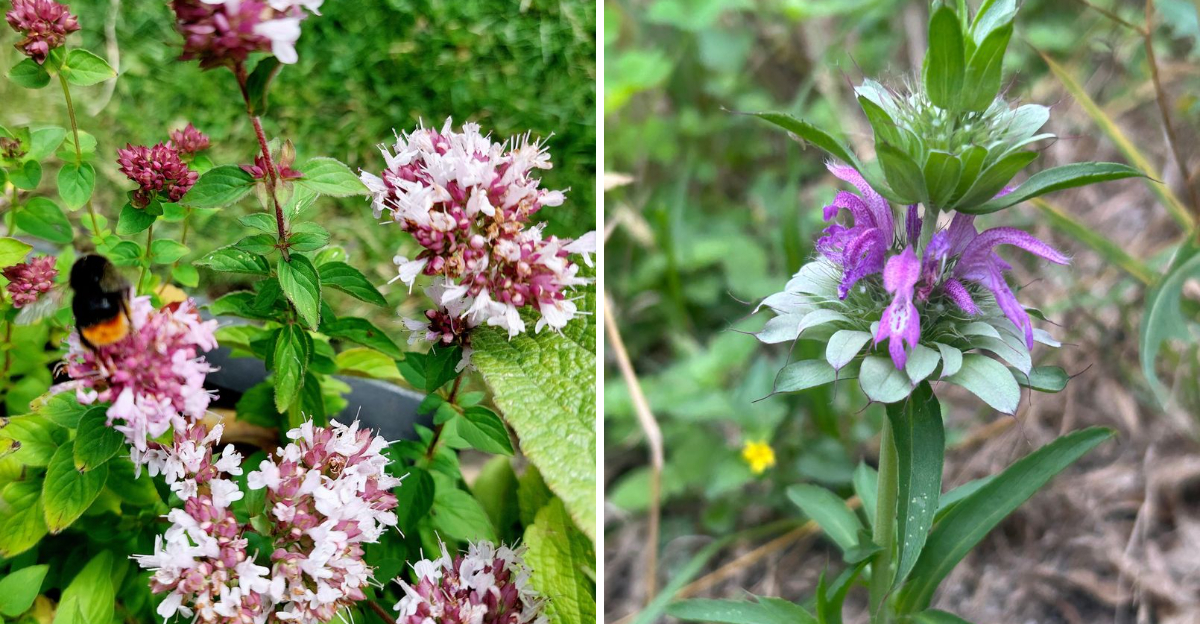
Established plants can bloom through a long stretch of summer, carrying small pink, lavender, or white flowers above aromatic foliage.
Bees and many other flower visitors return to those clusters repeatedly, especially when several stems bloom at once.
That makes oregano useful near a vegetable bed.
Full sun and sharp drainage keep the plant compact and aromatic. Heavy, wet soil can weaken it, so a raised edge, herb bed, or container often works better than a low spot that stays damp after summer storms.
Contain the spread early.
Many oregano plants expand by creeping stems and can wander beyond their assigned space. A pot beside the garden or regular edge trimming keeps the herb productive without letting it elbow into peppers or paths.
Leave part of the plant in flower before cutting it back.
The kitchen still gets plenty of stems, while insects get a dependable bloom source while spotted lanternfly activity draws attention across Pennsylvania.
That overlap does not make oregano a lanternfly deterrent.
No solid evidence shows that planting it among vegetables reduces lanternfly feeding or keeps adults out of the garden.
Oregano belongs for better reasons.
It is perennial, useful in the kitchen, attractive in bloom, and capable of supporting insect activity for weeks. Sometimes a companion earns permanent space simply by doing several modest jobs extremely well.
5. Let Thyme Flower Along Sunny Edges
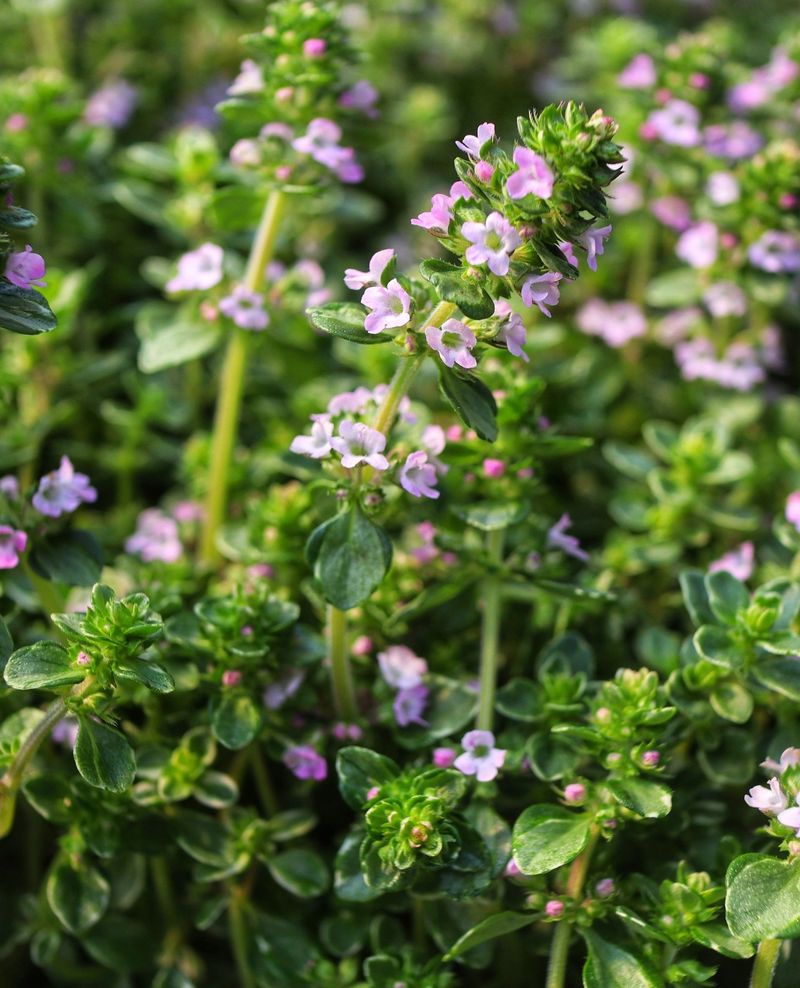
A low herb can make a surprisingly busy border once thyme starts blooming.
Tiny pink, purple, or pale flowers open just above the foliage, creating a shallow nectar source that bees and other small insects can use without the plant towering over neighboring vegetables.
That compact habit makes thyme especially useful along raised-bed edges, stone paths, and sunny corners.
Dry footing suits it.
Well-drained soil and strong light keep the stems dense, while constantly wet ground can thin the plant or create root trouble.
Established thyme handles short dry stretches well, which is useful during a Pennsylvania summer when the herb bed may not receive the same irrigation as tomatoes.
Let at least part of the patch flower fully.
Harvest another section for cooking, then trim flowering stems lightly after the bloom fades to encourage fresh growth and keep the mound from becoming woody.
The scent may tempt gardeners to assume thyme repels whatever insect is currently causing trouble.
Spotted lanternfly is not a proven target.
Planting thyme beside vegetables should not replace egg-mass removal, trapping decisions, or other management aimed specifically at lanternflies. The herb contributes in a different lane.
It feeds flower visitors, stays low, covers sunny edges, and provides a perennial kitchen crop without demanding much room.
That makes it a useful companion during spotted lanternfly season even though the lanternflies themselves never received the eviction notice.
6. Use Lemon Balm Away From Tight Rows
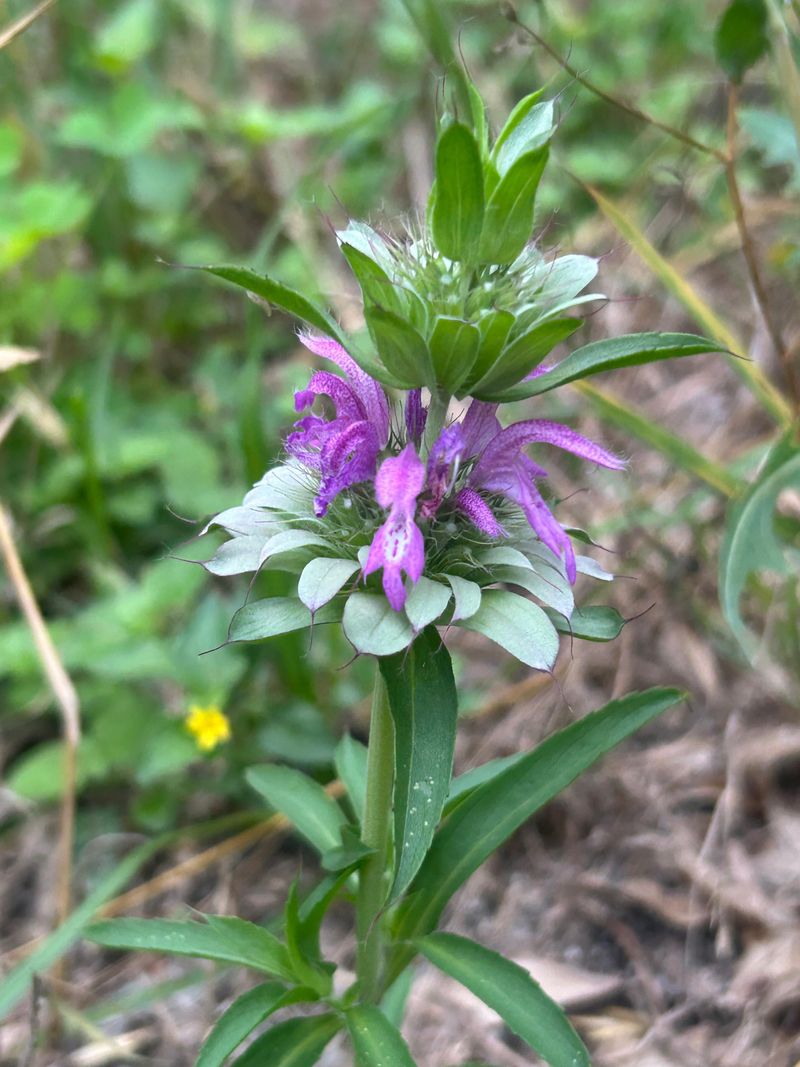
Lemon balm smells far more restrained than it behaves.
The citrus-scented leaves make a pleasant tea herb, and small pale flowers can attract bees and other insects through summer.
The plant also tolerates some afternoon shade, giving Pennsylvania gardeners a flowering herb for corners where thyme or oregano may thin out.
Its spreading habit is the real management issue.
Lemon balm can expand by stems and seed, so a container, dedicated patch, or carefully edged area near the vegetable garden is usually easier than placing it between tight tomato rows.
Removing flower heads before seed matures also slows volunteer seedlings where spread is unwelcome.
Keep some blooms where insect habitat is the goal.
A pot beside the garden entrance or fence can flower without competing directly with vegetables for room. Container culture also makes it easier to move or divide the plant later.
Do not confuse strong scent with proven repellence.
Lemon balm has no established record of keeping spotted lanternflies away from vegetables. Aromatic foliage may smell powerful to people, but that alone does not demonstrate meaningful control of a specific insect.
Its real value is simpler.
The plant offers fragrance, culinary use, repeat growth, and flowers in a manageable footprint when contained properly.
That is enough reason to grow it.
The trick is keeping lemon balm from turning one companion plant into an entire companion neighborhood before anyone notices what happened.
7. Grow Rosemary Where Pennsylvania Winters Allow
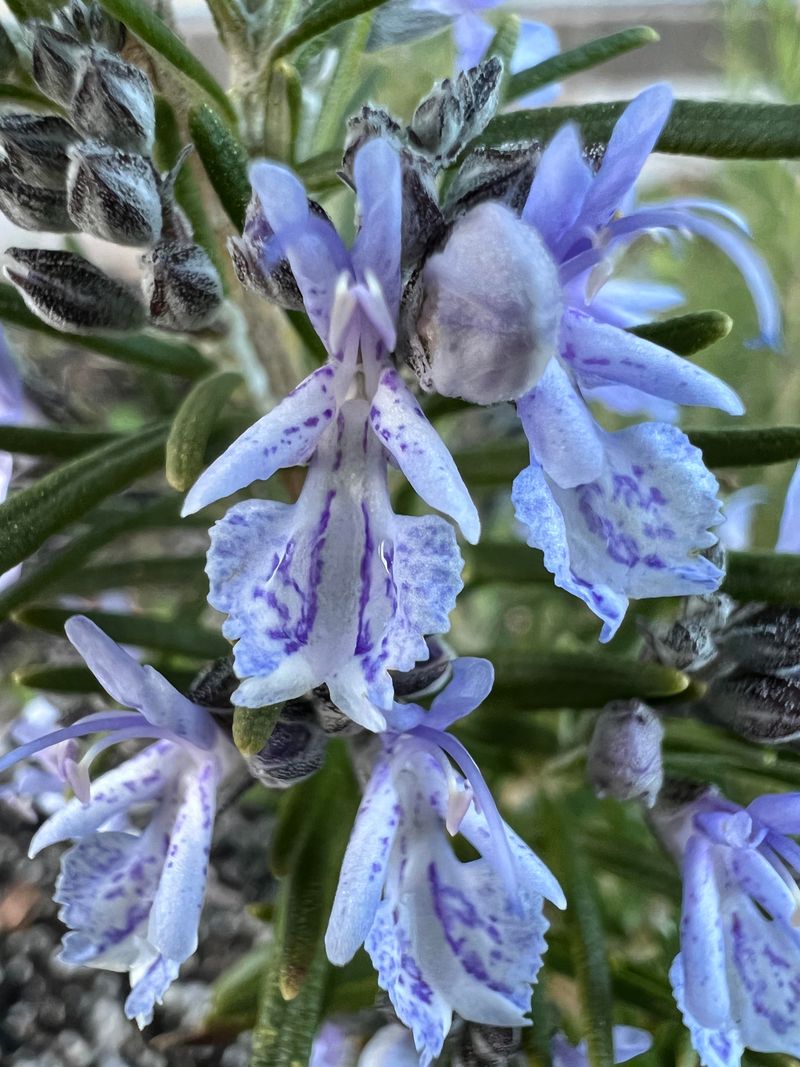
Rosemary brings structure to a summer herb collection long after softer annuals have started looking tired.
The woody stems carry aromatic leaves, and mature plants can produce small blue, violet, or pale flowers that attract bees when bloom occurs. In Pennsylvania, the biggest challenge is not summer. It is getting the plant through winter.
Treat container culture as the dependable option.
A pot lets rosemary spend the warm months beside the vegetable garden in full sun and fast-draining mix, then move to a protected location before hard freezes threaten.
Winter survival outdoors varies by cultivar, site, and cold severity, so a sheltered microclimate should never be treated as a statewide guarantee.
Drainage matters all year.
Rosemary dislikes a constantly wet root zone, and indoor plants often struggle from too much water combined with lower winter light.
Let the upper mix dry somewhat before watering again and keep the pot in the brightest practical location during its indoor stay.
Outdoors, the plant adds culinary value without taking over the bed.
Its fragrance may sound promising in a season dominated by spotted lanternfly concerns, but no reliable evidence shows rosemary drives lanternflies away from nearby crops.
That does not reduce its usefulness.
A movable rosemary pot can provide flowers, cooking stems, evergreen texture, and a sunny accent beside vegetables for months.
It simply belongs in the garden as rosemary, not as a lanternfly security system wearing needles.