Brown Patches Are Spreading Across Indiana Lawns In A Matter Of Days
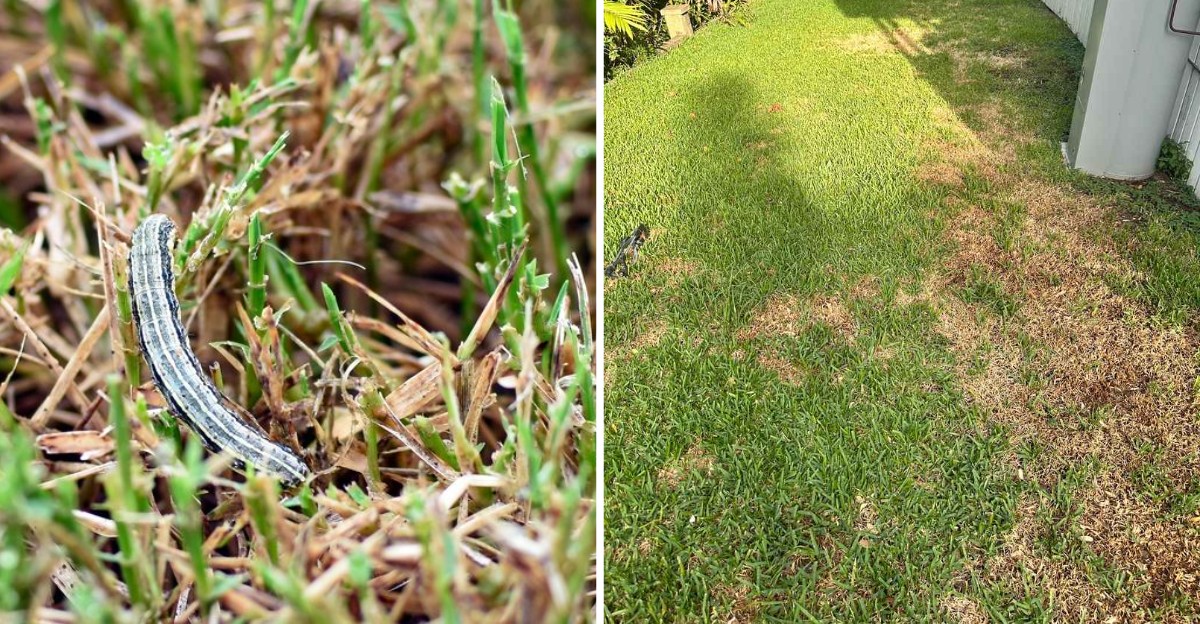
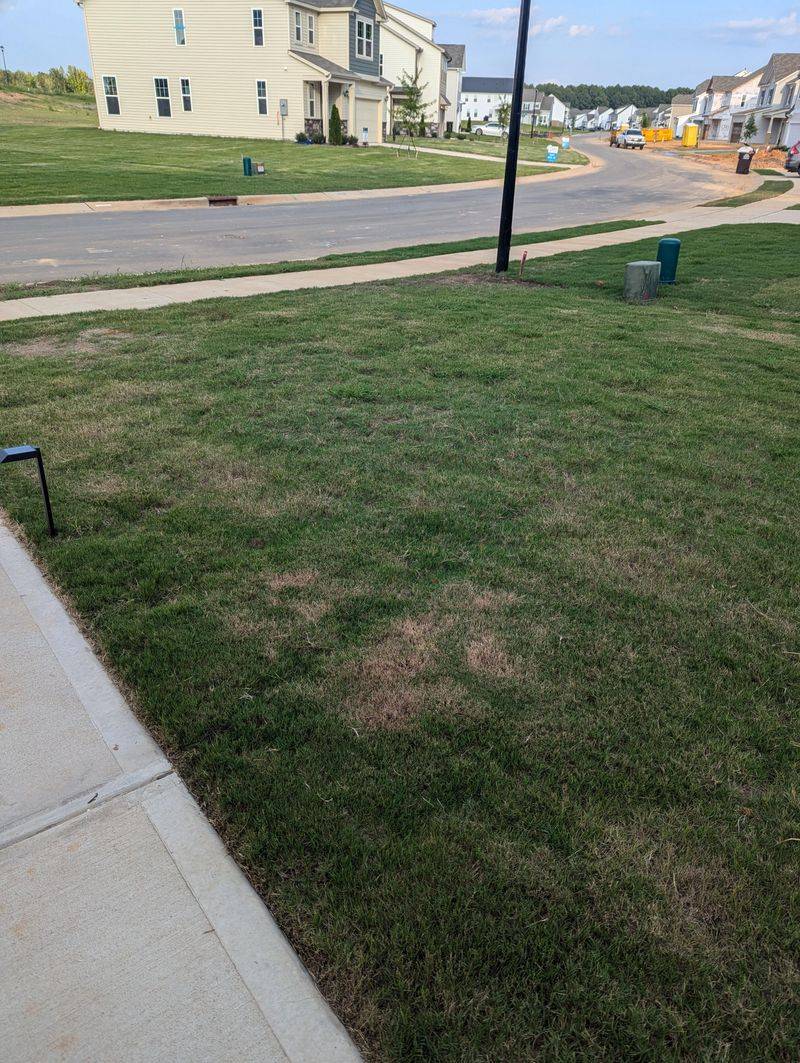
Your lawn looked like a putting green on Friday afternoon, smooth and thick. By Monday morning it wore odd tan blotches that seemed to spread while you slept.
Neighbors blame the August heat, the sprinkler timer, or that bargain fertilizer from the hardware store. Meanwhile, the real cause is chewing quietly at the base of the grass blades.
Indiana yards have been trading green for brown in days, not weeks, from Evansville up to Fort Wayne. Homeowners step outside with morning coffee, squint hard at the thinning turf, then check the calendar again.
Something out there is feeding heavily tonight, unnoticed. The birds gathering on your lawn already noticed, they were just there for the meal.
The Overnight Culprit Behind Hoosier Turf Loss
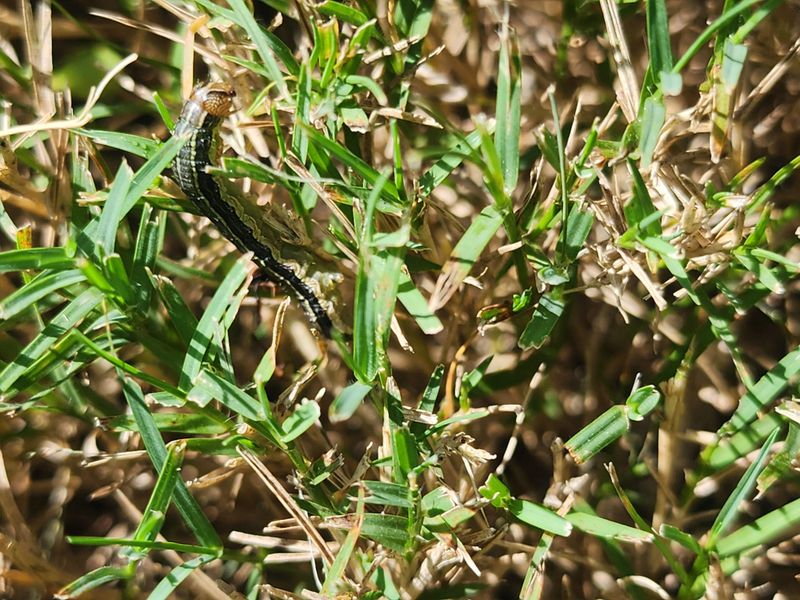
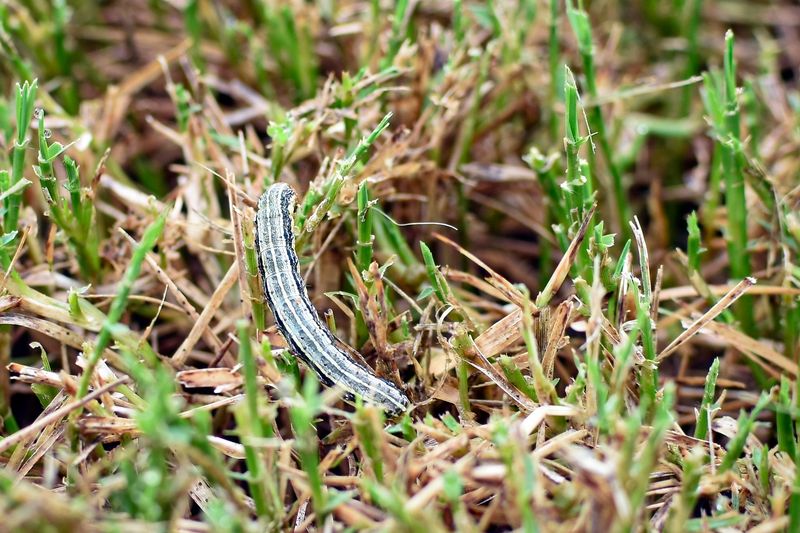
Fall armyworms are the reason your yard changed color faster than an Indiana weather forecast. These striped caterpillars arrive by the thousands and feed on grass blades until little green remains.
The adult is a plain brown moth that rides summer storm fronts north from the Gulf states. She lays egg masses on fences, siding, tree bark, then the caterpillars drop into the grass.
Young larvae are tiny and pale, so most Indiana homeowners miss them for a week or more. Appetite explodes in the final growth stages, which is when whole patches thin out overnight.
Look closely for a pale upside-down Y marking stamped on the dark head capsule. Four raised dots form a square on the last body segment, a reliable field clue.
Damage begins as ragged chewed edges on leaf tips, then turns into sunken tan areas. Grass often looks scalped, as though someone set the mower blade far too low by accident.
Cool season lawns like Kentucky bluegrass, tall fescue, and ryegrass are common targets here. Newly seeded areas and lush fertilized turf attract the heaviest feeding of all in late summer.
Birds crowding one section of the lawn usually signal a hidden buffet below the canopy. Trust the wildlife, grab a flashlight after dark, and part the grass with your fingers.
One severe year can produce two overlapping generations before Indiana nights finally turn cold. Scouting weekly through August and September keeps small problems from turning into large bare ones.
Late Summer Timing Of The Feeding Surge
Back in 2021, Midwest lawns took such a hard hit that sod farms sold out fast. Hoosier yards saw the same pattern, with feeding peaking between late July and mid September.
Moths rarely survive an Indiana winter, so most infestations begin as a long flight north. Storm systems from Texas and the Gulf coast carry them up the Mississippi valley.
Each generation takes roughly a month in warm weather, so the numbers stack up fast. By the third or fourth wave of the season, the population reaching Indiana can be enormous.
Warm humid nights above 70 degrees speed feeding and shorten the caterpillar stage noticeably. Hot dry stretches also stress the turf, which makes identical damage look far worse.
The window from egg to full grown larva can close in roughly two to three weeks. That speed is exactly why brown patches seem to appear between one mowing and the next.
Your Indiana Garden Changes Every Week. Your Plan Should Too.
Gardening in Indiana changes quickly throughout the season. Every Friday you’ll receive a simple weekly plan showing exactly what to plant, prune, fertilize, harvest, and protect so you never miss the right timing.
Southern Indiana counties tend to report trouble first, followed by central and northern areas. Reports here often follow a week or two after Kentucky and Tennessee growers see activity.
Frost finally ends the feeding, which usually arrives in October across most of the state. Until then, any warm stretch can support another round of hungry larvae in your yard.
Mark your calendar for weekly lawn checks starting in the last week of July. Ten minutes of scouting beats replacing half a yard of sod next October.
Drought Damage Mix-Ups That Waste Precious Days
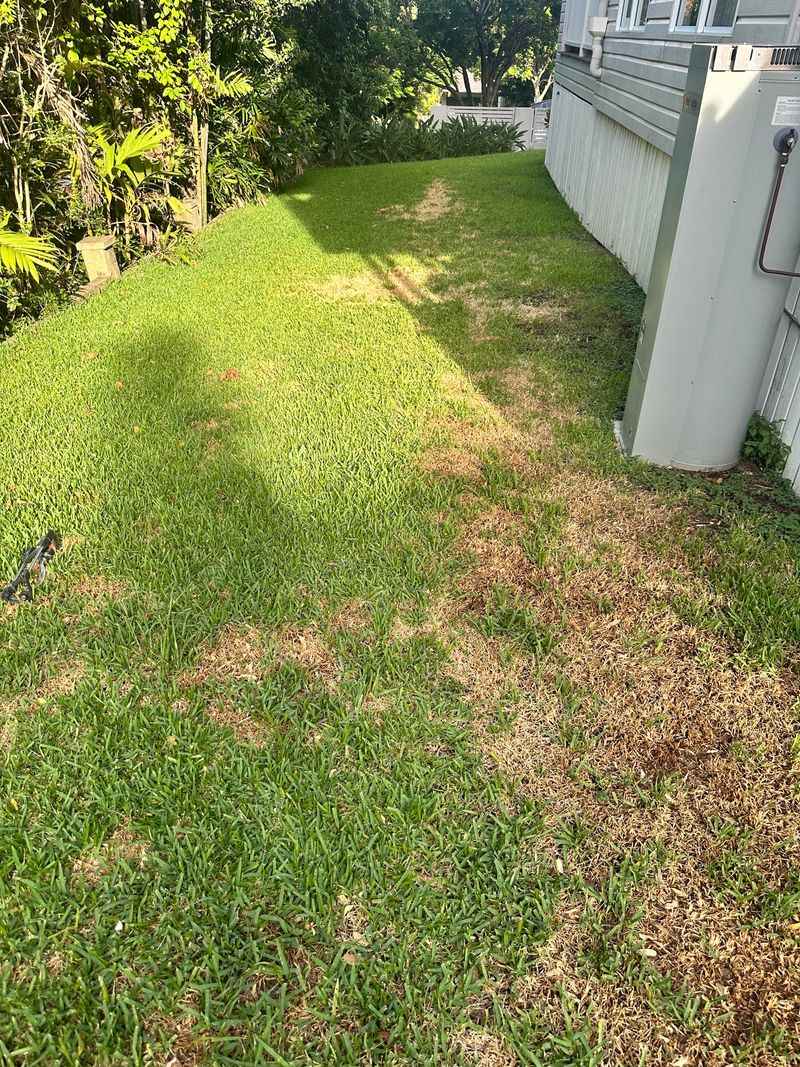
Most Hoosiers reach for the garden hose first, and honestly that reaction makes plenty of sense. Sprinklers run for a week while the caterpillars keep working, and the patches only grow.
Drought damage tends to spread evenly and shows up first near sidewalks, driveways, or slopes. Insect damage shows sharp edges that creep outward like a slow tide across the yard.
A simple soap flush test settles the question in about five minutes flat. Mix a few tablespoons of dish soap into a gallon of water, then pour it on the edge.
Irritated larvae crawl up to the surface within minutes, which makes counting them fairly easy. Three or more caterpillars per square foot means treatment is worth your time today.
Another common slip is dumping nitrogen fertilizer on struggling grass right in the middle of a heavy feeding period. Tender new growth simply feeds the hungry crowd and pushes the damage along faster.
Spraying at high noon wastes product because the larvae hide near the soil during heat. Late afternoon or evening applications reach them while they climb upward to feed on blades.
Mowing right after a treatment removes the treated leaf blades, which throws your money away. Wait a few days, then cut as usual and keep watching the edges for activity.
Skipping the scouting step is easily the priciest error in the whole bunch. Guessing wrong in late August can mean reseeding an entire front yard next spring.
Fast Control Options For Heavy Infestations
Speed matters far more than perfection once the caterpillar count crosses that treatment threshold. Liquid products containing bifenthrin, cyfluthrin, or lambda-cyhalothrin work quickly on active feeding larvae in turf.
Spinosad offers a softer option and carries labels for lawns where pets and pollinators visit. Bacillus thuringiensis works as well, though mainly on caterpillars under half an inch long.
Read the product label twice for the turf rate, not the ornamental plant rate. Mixing a stronger batch does not help and can harm the very grass you want to save.
Mow the lawn first so the spray reaches the leaf surfaces where larvae actually feed. Apply in the evening, since these caterpillars do most of their chewing after the sun sets.
Skip heavy watering right after a liquid application, because rinsing washes away the protection. Granular products differ and need light irrigation to move the material down into the canopy.
Spot treating the damaged area plus a ten foot buffer usually handles the whole problem. Marching larvae move outward, so that buffer catches the ones heading toward fresh green grass.
Larvae longer than an inch are tough customers and may shrug off the lighter products. At that size, they are close to burrowing down into the soil to pupate anyway.
Check the treated area two days later using another soap flush to confirm results. Hire a licensed lawn service if the yard is large or the numbers look overwhelming.
Lawn Recovery After The Feeding Stops
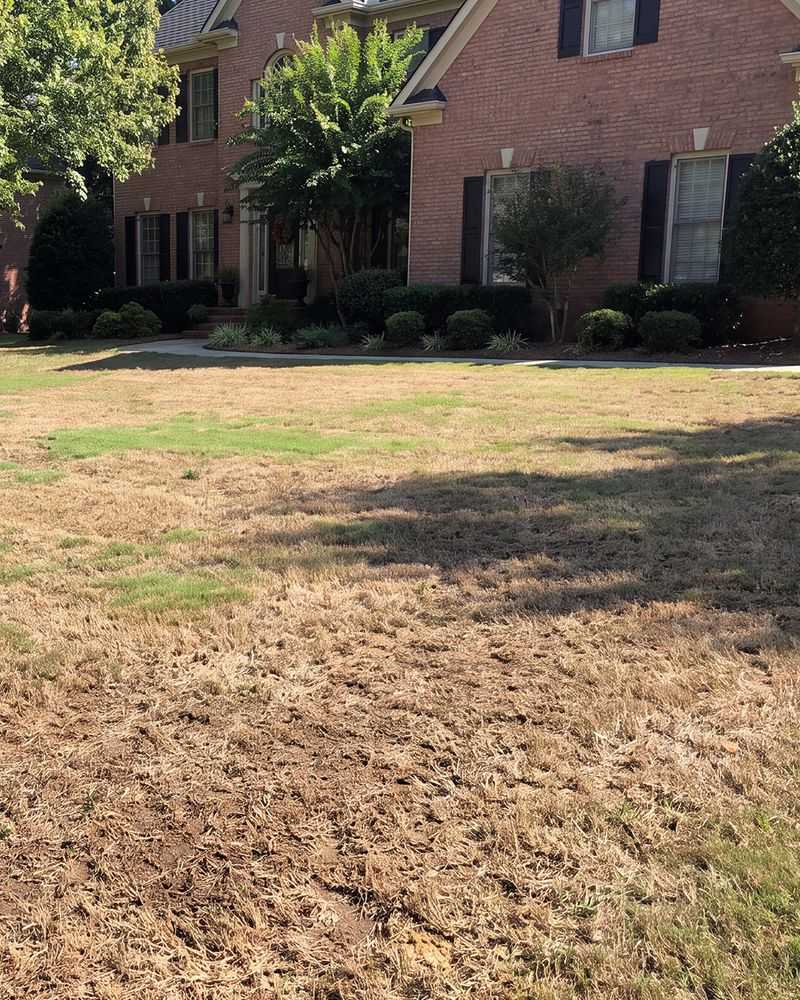
Recovery arrives faster than most worried homeowners expect once the chewing finally stops. Fall armyworms feed on leaf blades, not roots, so the crowns underneath usually stay intact.
Kentucky bluegrass spreads through underground stems and fills thin spots on its own schedule. Tall fescue and ryegrass grow in bunches, so bare areas there often need fresh seed.
Steady water is the first step, roughly one inch per week including any rainfall. Deep soakings twice a week beat a daily sprinkle that only wets the top surface.
A light nitrogen feeding about a week after control helps the grass push out new blades. Half a pound per thousand square feet is plenty for that first gentle boost.
September happens to be the best seeding month in Indiana, which is genuinely lucky timing. Rake the bare spots, spread quality seed, then keep the surface moist for about two weeks.
Hold off on broadleaf herbicide for at least a month while the stressed turf rebuilds. Weakened grass absorbs those products unevenly, which can thin an already struggling lawn further.
Mow a little higher, around three inches, so the remaining blades gather more sunlight. Taller grass also shades the soil and keeps young seedlings from drying out too quickly.
Most Indiana lawns green up within two or three weeks after the last feeding ends. Weedy patches are the bigger long term worry, so watch those thin areas again next spring.
Season Ahead Prevention For Indiana Yards
Prevention here is less about constant spraying and more about simply paying attention. Purdue Extension posts pest alerts each summer, and those updates give Hoosiers a real head start.
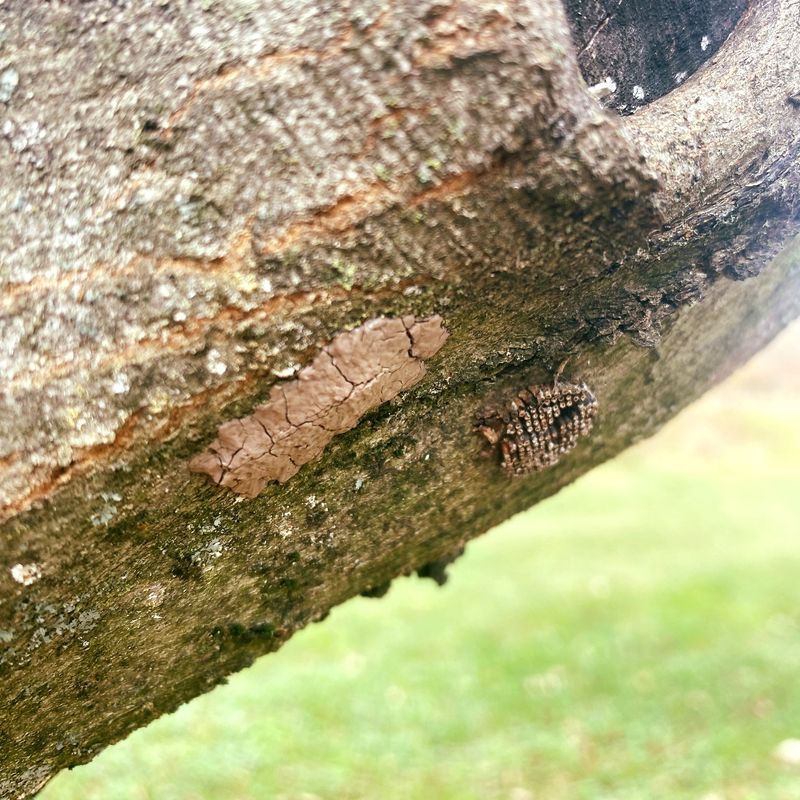
Porch lights pull the brown moths in, so glance at siding and door frames at night. Fuzzy gray egg masses look like small cotton smudges stuck onto flat outdoor surfaces.
Scrape those masses off fences, gutters, and playsets using a putty knife or the hose. Each cluster can hold a hundred eggs or more, so a few minutes pays off.
Go easy on late summer nitrogen, since soft lush growth is exactly what the moths prefer. Steady moderate feeding builds thicker turf that handles summer stress far better than pampered grass.
Seed blends with endophytes give tall fescue and ryegrass some built-in insect resistance too. Ask for endophyte enhanced varieties next time you buy grass seed at the garden center.
Blanket spraying the entire yard in July rarely pays off and costs plenty of money. Most products break down within a few weeks, long before the moths reach your neighborhood.
Natural helpers already live in your yard, including parasitic wasps, ground beetles, and hungry starlings. Leave them room to work by skipping unnecessary broad insecticide use around the lawn.
Keep a simple note on your phone about when the patches appeared this year. Next August, that little record will tell you exactly when to start checking the lawn again.