Done With The Garden Until Spring? A Messy Indiana Yard Might Be Doing More Good Than You Think
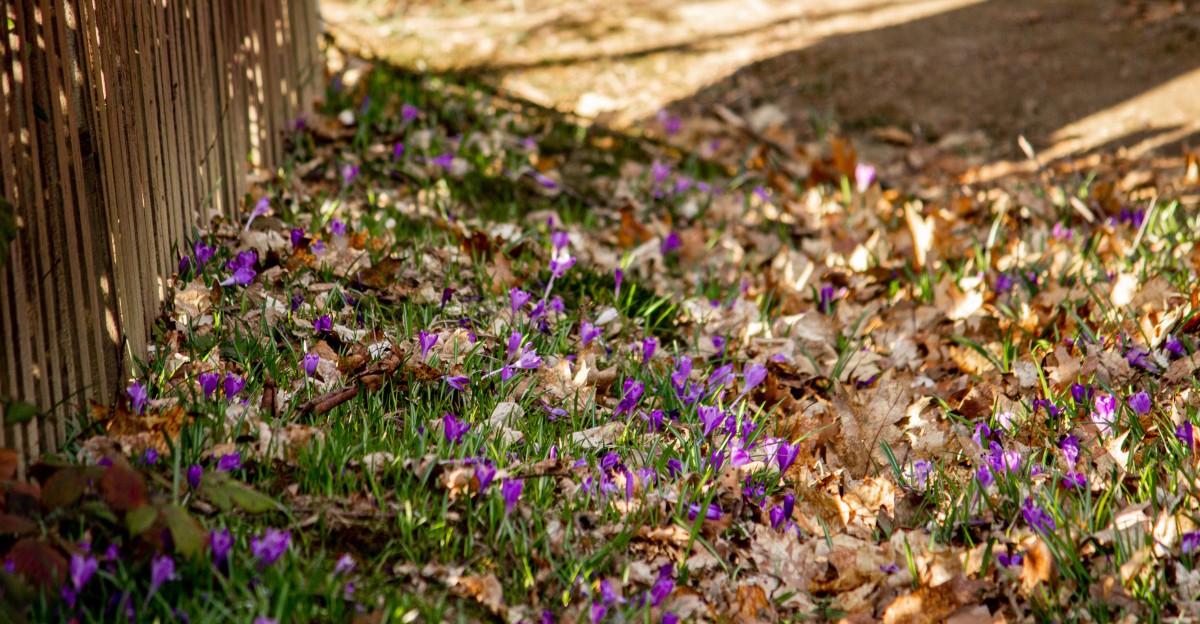
Late fall in Indiana comes with a familiar soundtrack of leaf blowers, rakes, and rustling yard bags. By the end of the month, most beds look swept clean and ready for winter.
I used to rake every corner bare by Thanksgiving. My beds looked neat, but they were also quiet, empty, and a lot less lively than I realized.
In Indiana, cold months can feel like a pause button for gardeners. Out in the yard, though, plenty is still going on. Native bees are tucked inside hollow stems.
Caterpillars are wrapped in leaves. Seed heads are feeding hungry finches on gray mornings.
You’re in for a big surprise about how much work your yard does without you. So what happens if you simply put the rake down and let a little mess stay?
Those Leaf Piles Are Hiding More Caterpillars And Beetles Than You Realize
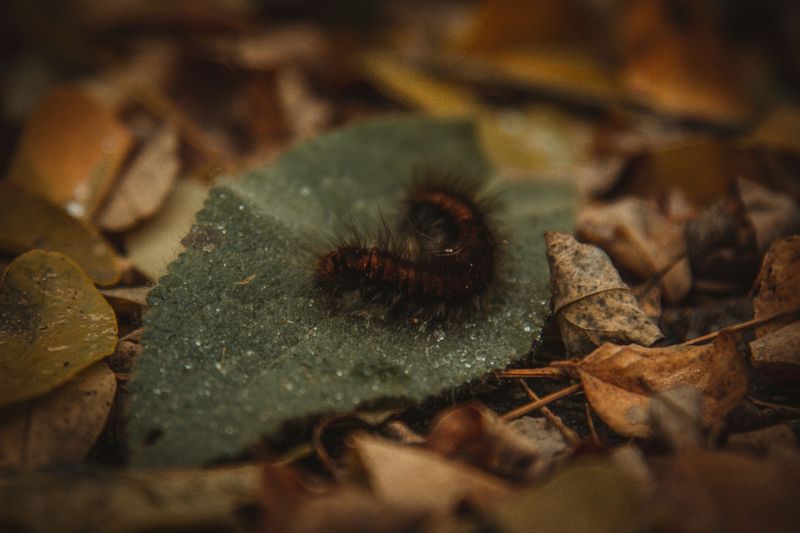
Flip over a damp oak leaf in December and you might find a fuzzy woolly bear curled up like a tiny cinnamon roll. That caterpillar plans to spend the whole winter right there. Come spring, it wakes up, eats a little, and turns into an Isabella tiger moth.
Lots of insects use fallen leaves the same way. Many moth and butterfly species overwinter as eggs, caterpillars, cocoons, or chrysalises in leaf litter. Firefly larvae, ground beetles, and spiders hide there too. Many of these critters help gardeners by eating slugs and other pests.
Leaves work like a fluffy comforter. They trap air, hold moisture, and soften the swings between freezing nights and mild afternoons. Bare ground offers far less of that protection.
When leaves get bagged and hauled to the curb, every creature inside goes with them. That’s a big loss for a yard that wants birds, butterflies, and fireflies next summer.
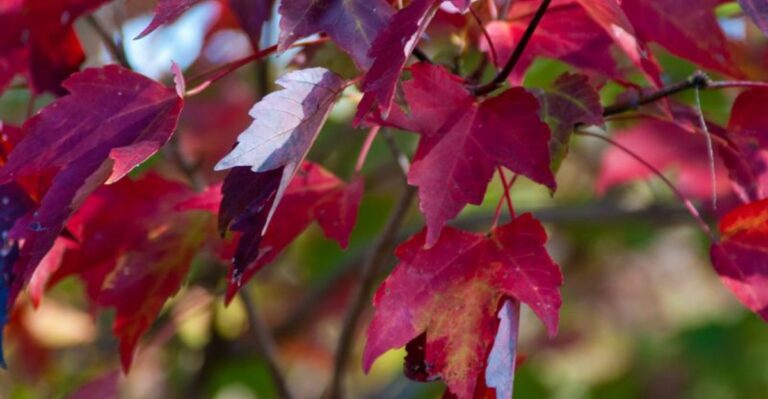
You don’t need to leave your whole lawn buried. Rake or blow leaves into flower beds, under shrubs, and around tree bases instead. Purdue Extension and the U.S. Fish and Wildlife Service both encourage keeping some leaves in place for wildlife. Your plants get mulch, and the bugs keep their bedroom.
Hollow Stems Make Snug Winter Homes For Native Bees
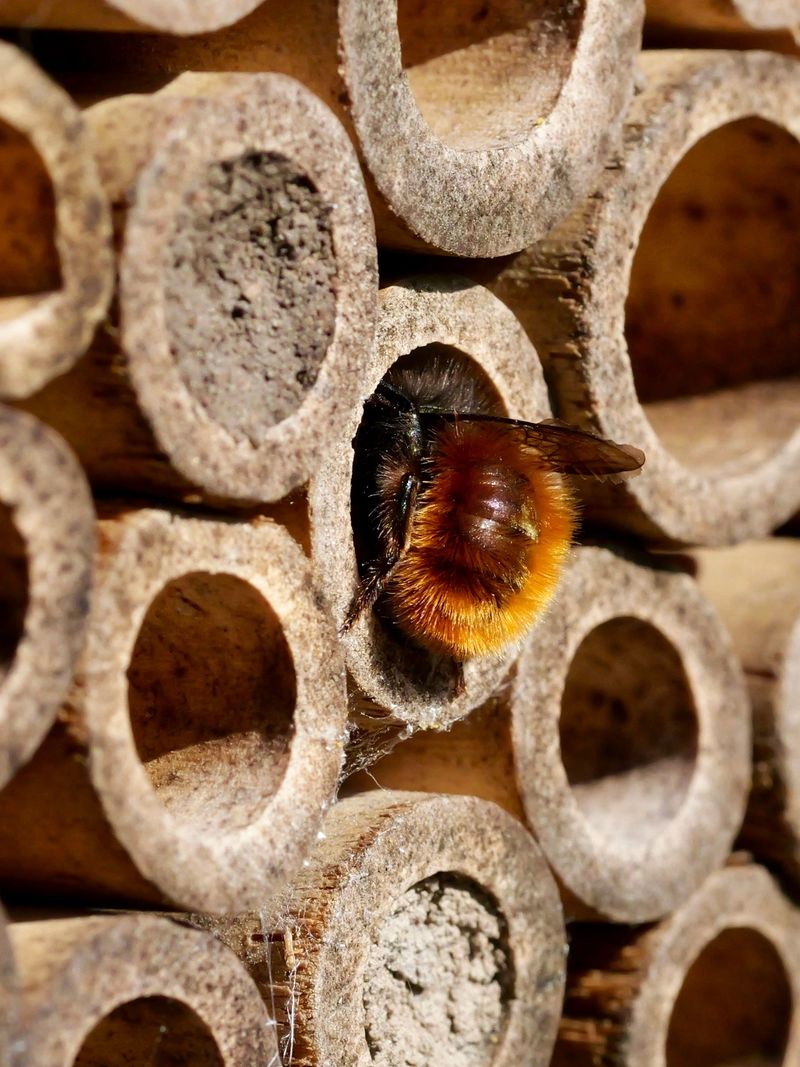
Small carpenter bees and mason bees are pros at moving into empty real estate. Many of them nest inside hollow or pithy plant stems, and their young spend winter sealed inside.
About 30 percent of native bee species nest in cavities like these, according to the Xerces Society. The rest mostly nest in bare soil. Either way, the old stems and untouched ground in your beds matter more than they look.
Stems from plants like bee balm, Joe-Pye weed, goldenrod, coneflower, and native sunflowers are favorites. Raspberry and elderberry canes get used too.
A smart trick helps if you dislike the floppy look. In spring, cut stems down to about 8 to 24 inches tall instead of flush with the ground. Leave those stubble stems standing. New growth will hide them in a few weeks.
Your Indiana Garden Changes Every Week. Your Plan Should Too.
Gardening in Indiana changes quickly throughout the season. Every Friday you’ll receive a simple weekly plan showing exactly what to plant, prune, fertilize, harvest, and protect so you never miss the right timing.
Bees will happily lay eggs in those freshly cut tubes the next summer. Their babies grow inside and emerge the following year. It’s a two-year cycle, so patience pays off.
Personally, I love that this tip takes less effort than a full cleanup. You just snip higher and walk away. The bees handle the rest.
Goldfinches Love Snacking On Dried Coneflower Seed Heads
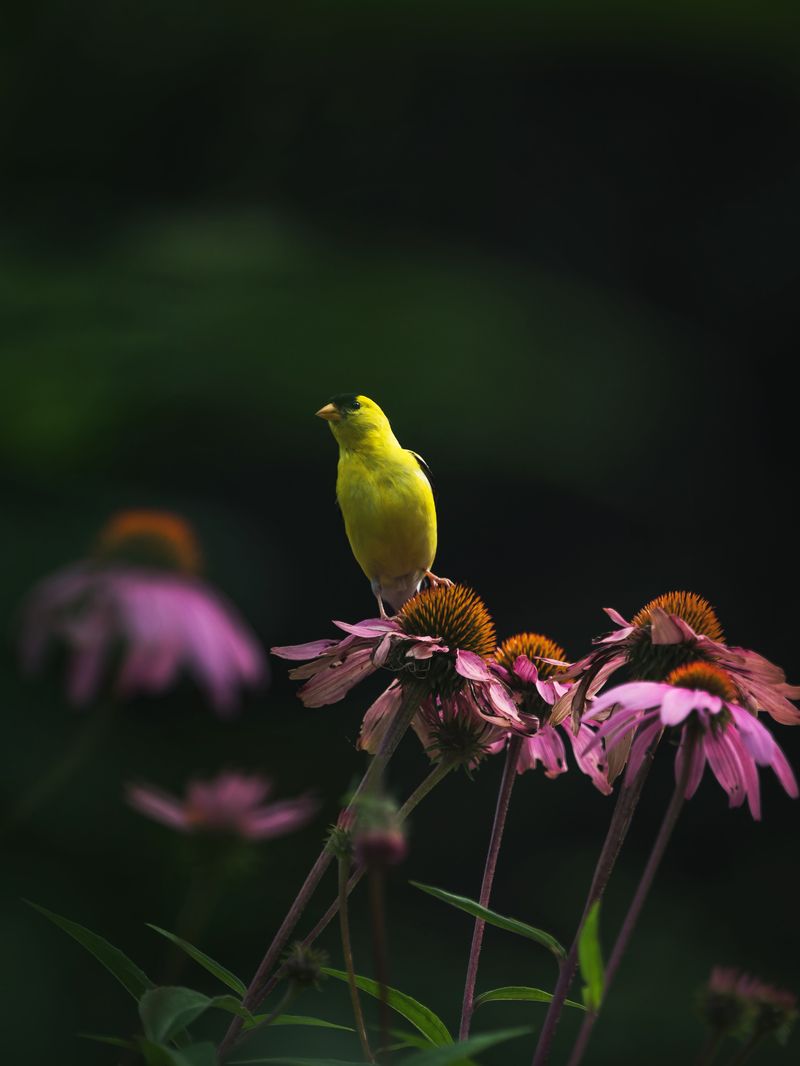
Few sights brighten a gray January morning like a goldfinch tugging seeds from a crusty coneflower. In winter, the males trade their bright yellow for an olive-brown coat. They still bring plenty of cheer.
Spent flower heads are a natural bird feeder you don’t have to refill. Coneflowers, black-eyed Susans, native sunflowers, asters, and goldenrod all hold seeds into the cold months.
Chickadees, cardinals, and juncos join the party too. Juncos often hop beneath the plants, picking up seeds that fall to the snow.
Birds also hunt for insects tucked in stems and leaves. Chickadees can pick out tiny eggs and larvae from bark and plant debris. That protein helps them handle freezing nights.
Native grasses like little bluestem and switchgrass add even more. Their seed heads feed birds, and their clumps give shelter from the wind.
So before you grab the pruners, take a peek at your seed heads. If they still look full, leave them standing. You’ll get a front-row seat to winter bird watching from your kitchen window. I can’t imagine a better trade for skipping a chore.
Fallen Leaves Quietly Feed Your Garden Soil All Winter
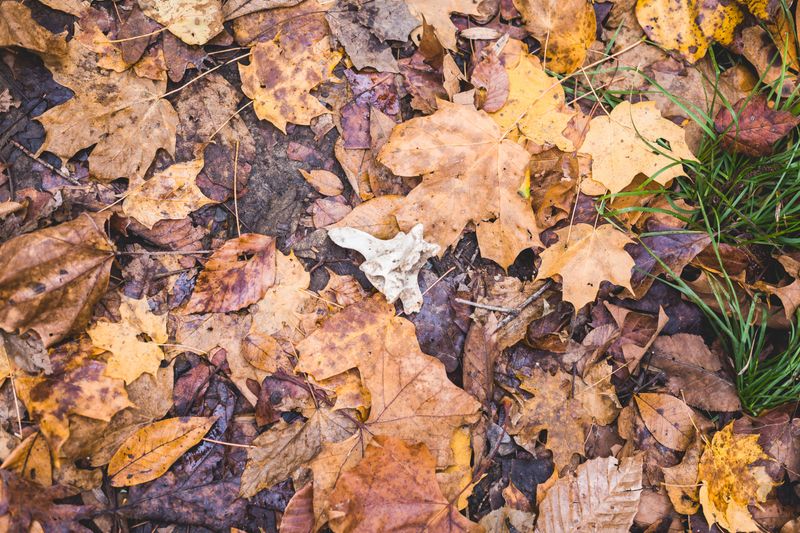
Earthworms are the night shift workers of your yard. While you’re inside with hot cocoa, they’re pulling bits of leaves down into the ground.
Leaves hold nutrients that trees pulled from deep in the soil. As fungi, bacteria, worms, and millipedes break them down, those nutrients slowly return to your beds. The result is richer, darker soil with more organic matter.
Organic matter works like a sponge. It helps soil hold water during dry spells and drain better after heavy rain. That’s helpful in many Indiana yards, where clay soil can turn sticky and hard.
A leaf layer also guards bare soil from erosion. Rain and melting snow can wash away loose topsoil when nothing covers it.
Shredding helps leaves break down faster and keeps thick, matted layers from smothering delicate perennials. Mow part of them, spread the pieces 2 to 3 inches deep on beds, and leave some whole leaves for overwintering insects.
By spring, much of that layer will have started softening and breaking down. You’ll save money on bagged mulch and compost too. Free soil food from your own trees is hard to beat.
A Leafy Blanket Helps Perennial Roots Handle Freeze And Thaw
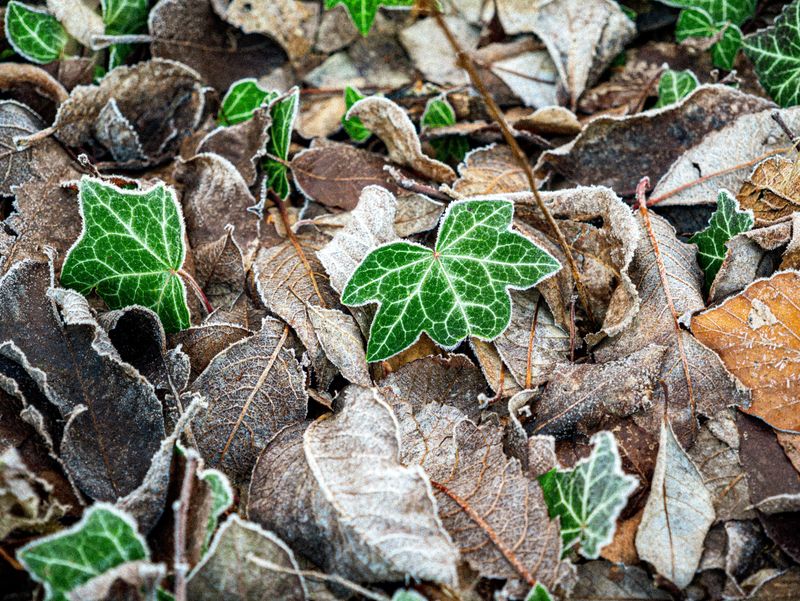
Winter in Indiana loves to play games. One day it’s 15 degrees, and three days later it’s 50 and muddy. Those swings can be rough on plant roots.
When soil freezes and thaws over and over, it expands and shrinks. That movement can push shallow roots right out of the ground. Gardeners call it frost heaving, and it often hits young perennials planted in fall.
A layer of leaves or other mulch helps keep soil temperatures steadier. It doesn’t stop the ground from freezing. It mostly slows down those wild ups and downs.
Standing stems help in a sneaky way too. They catch blowing snow and hold it in place. Snow is a great insulator, so a drift in your bed acts like a cozy quilt.
Indiana stretches from about USDA zone 5b in the northwest to 6b and 7a in the far south. Northern gardens usually see deeper, longer freezes, so mulch matters even more there.
Check your beds after a thaw. If you spot a plant lifted up, gently press it back down and add more mulch. That quick fix can save your favorite perennial.
Some Diseased Plants Still Deserve A Fall Haircut
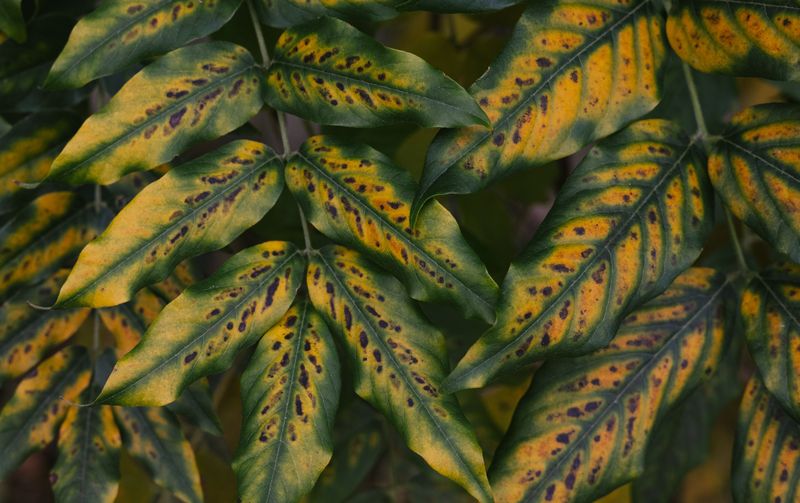
A messy yard doesn’t mean ignoring problems. A few plants are better off trimmed back before winter, and your spring garden will thank you.
Purdue Extension notes that some diseases and pests overwinter on old foliage. Peonies with leaf blotch or botrytis, bee balm and phlox with heavy powdery mildew, and hollyhocks with rust are good candidates for removal.
Iris is another one to watch. Iris borer moths lay eggs on old leaves in fall. Cutting back and removing those leaves can help reduce borer trouble next year.
In the vegetable patch, clean up tomato, squash, and other crops that had disease. Leaving infected vines around can give problems a head start next season.
Toss diseased material in the trash or yard waste pickup. Home compost piles often don’t get hot enough to break down disease organisms.
The trick is being picky. Healthy coneflowers, grasses, and asters can stay standing. Only remove the troublemakers.
I like thinking of it as selective tidying. You protect your plants and still leave plenty of shelter for wildlife. It’s a balance that makes sense for real gardens.
Your Lawn Can Share Its Leaves Without Getting Smothered
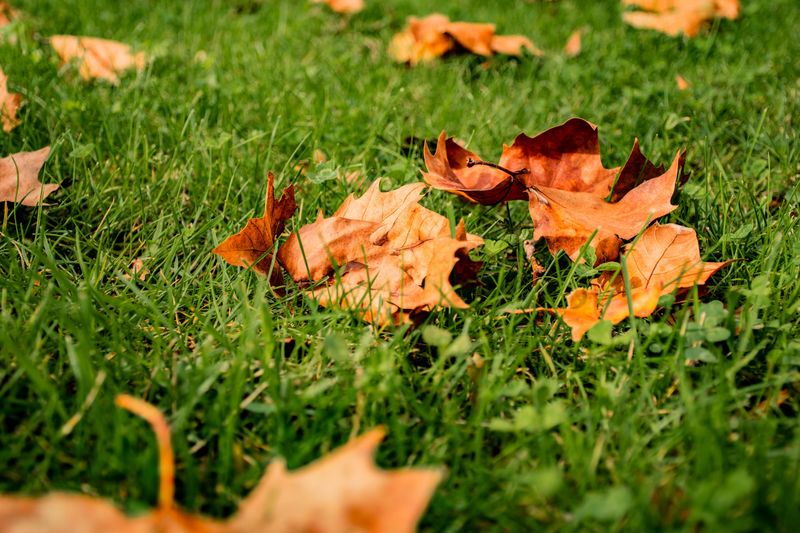
Grass needs sunlight, even in late fall. A thick, wet mat of leaves can block light, trap moisture, and leave your turf patchy by spring.
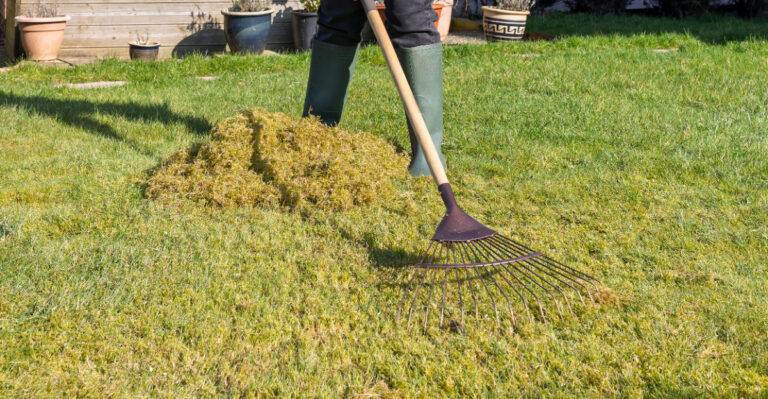
Mulch mowing is an easy middle ground. Purdue turf experts have long supported mowing leaves into small pieces and leaving them on the lawn. The bits slip down between grass blades and break down over the winter.
Aim to still see grass after you mow. If leaves are too deep, mow more often or rake some off. Those extra leaves can move into your beds or under shrubs.
A simple plan works well for many families. Keep the lawn mostly clear, then let flower beds, borders, and back corners hold the bulk of the leaves.
Leave at least one spot untouched if you can. Whole leaves under trees give insects better shelter than shredded bits. Moths and other critters often need that intact layer.
Check your local rules too. Some neighborhoods and HOAs have yard appearance guidelines, so tucking leaves into beds keeps things neat from the street. You get a tidy front lawn and a wild, helpful backyard. Everyone wins.
Wait For Warm Spring Days Before Clearing Those Garden Beds
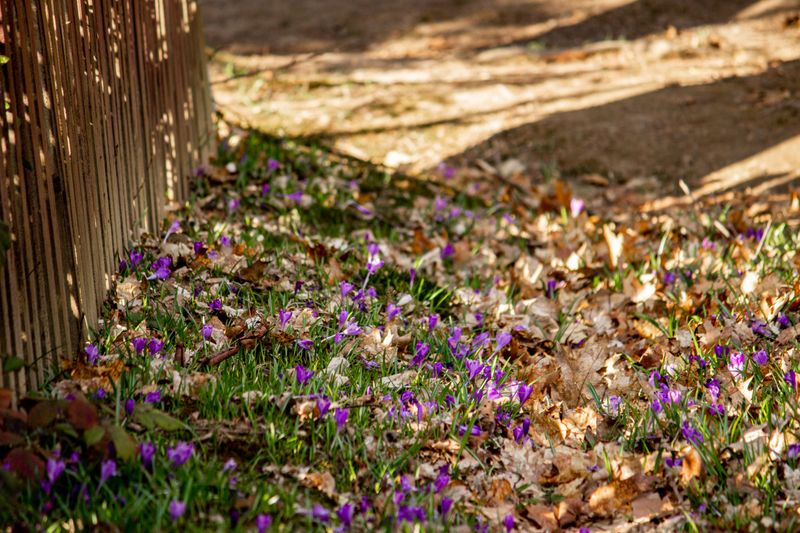
Spring fever hits hard after a long gray winter. The first sunny Saturday in March, everyone wants to clean up. Hold off just a bit longer.
Many overwintering insects need warmth before they wake up and move out. A common guideline from groups like the Xerces Society is waiting until daytime temps stay around 50 degrees for about a week. In much of Indiana, that often lands in April, a little earlier in the south and later up north.
When you do start, go slow. Cut old stems to 8 to 24 inches instead of yanking them out. Leave leaves in beds as mulch around new shoots.
If you must move debris, pile it loosely in a back corner for a few weeks. Late sleepers can still crawl out.
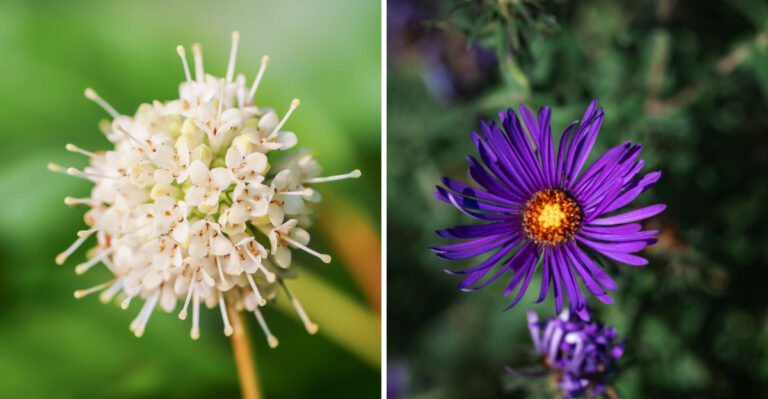
Plan for next year too. Adding native plants like coneflower, little bluestem, and New England aster gives birds and bees even more winter support. Avoid invasive plants such as Callery pear and burning bush.
The best takeaway is simple. Your garden doesn’t stop working in winter. A little patience and a little mess can give you a livelier, healthier yard every spring.