Sections Of Indiana Lawns Are Peeling Back Like Carpet, And Something Below Is Responsible
You walk across your Indiana lawn in September and something feels oddly squishy underfoot. The grass shifts like a cheap bath mat sliding across a slick tile floor.
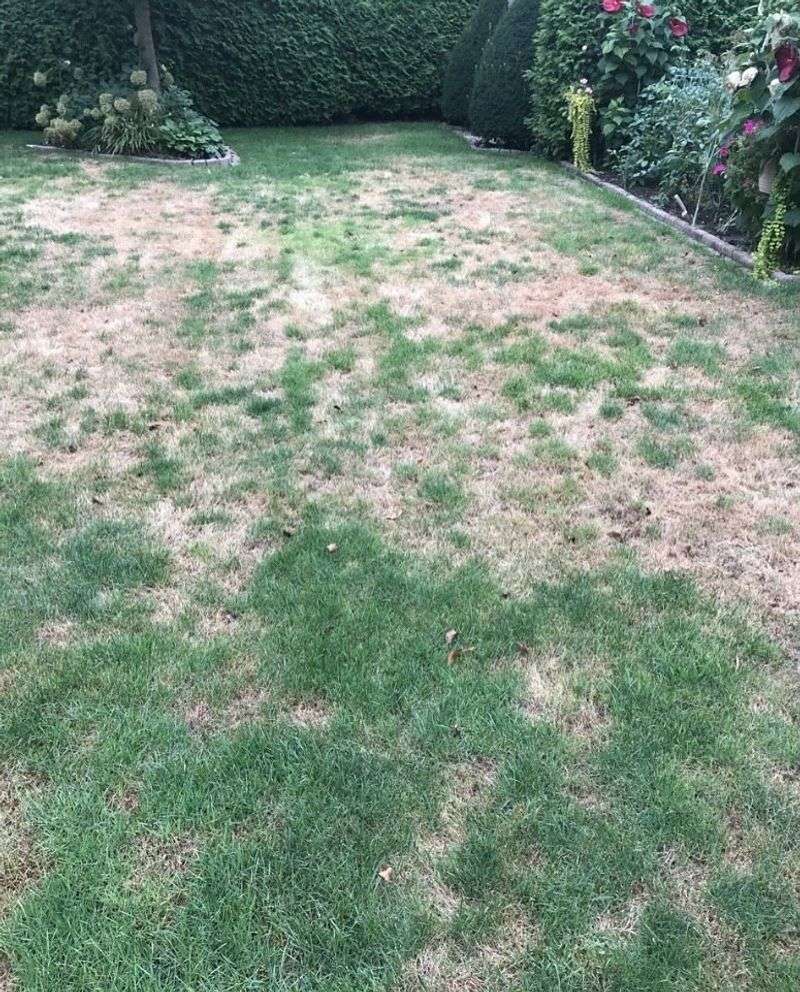
Bend down, grab a brown patch, and it lifts right up with almost no effort. No roots hold it down, just loose crumbly soil and a faint earthy smell.
Your neighbor swears it is drought, and your uncle blames the dog next door. Neither theory explains why your turf rolls back like a welcome rug at a yard sale.
Meanwhile, robins and starlings keep landing in the same spots and pecking with suspicious enthusiasm. Something down there has their full attention, and now it has yours too.
Your lawn is not misbehaving without reason. It is simply hosting an underground buffet that you did not agree to cater.
Hungry Larvae Feeding Just Under The Surface
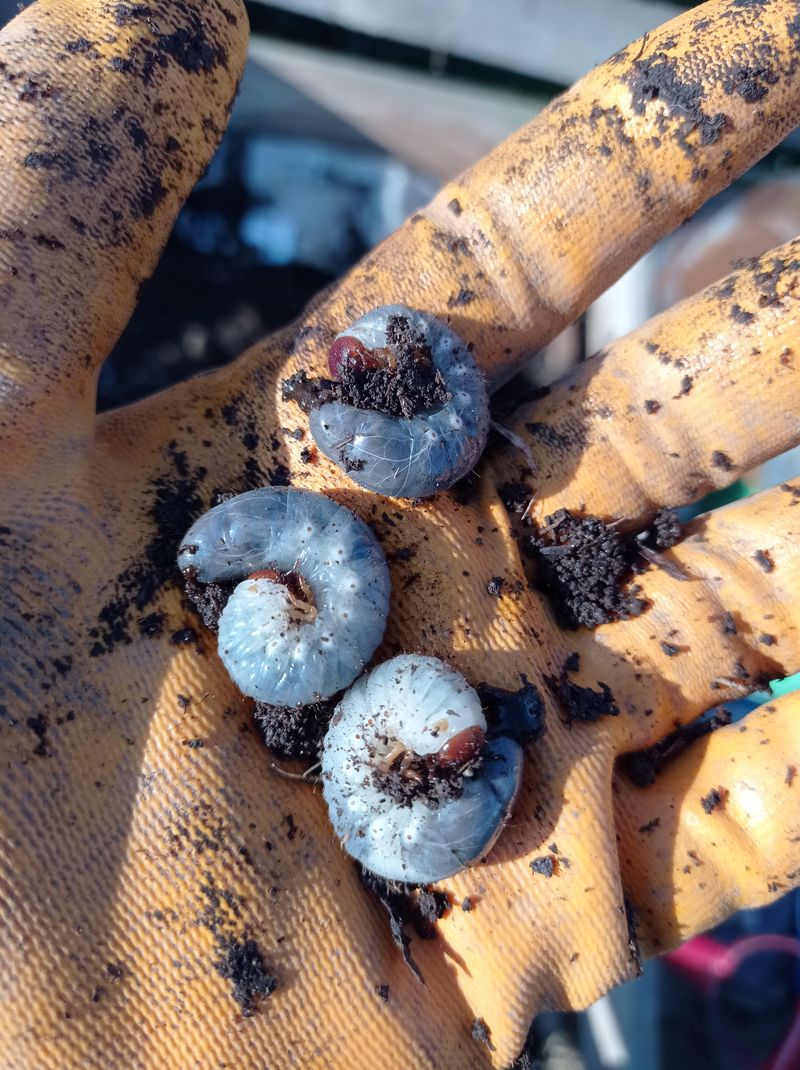
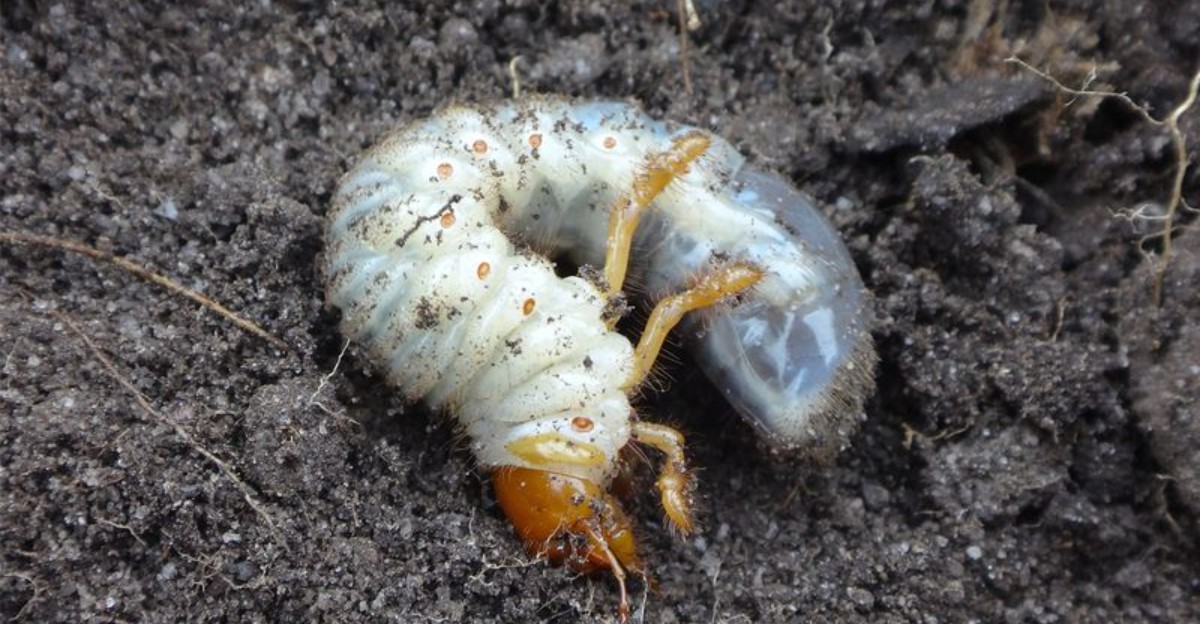
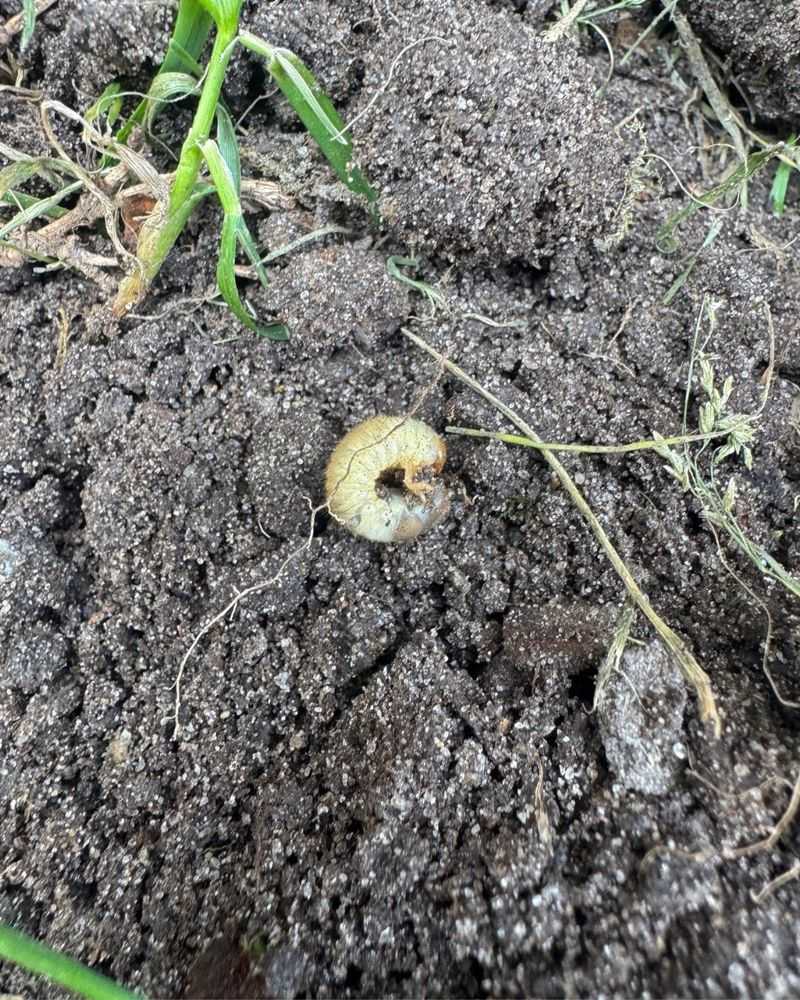
Picture a tiny, C-shaped creature with a creamy white body and a tan little head. It lives about an inch below your grass and eats almost nonstop all day long.
Meet the white grub, the young form of beetles like Japanese beetles and masked chafers. In Indiana, these larvae are the number one reason lawns peel back like old carpet.
Adult beetles lay their eggs in sunny lawns during early summer. By late summer, the eggs hatch and the hungry babies start munching on tender grass roots.
Roots are what anchor turf to the soil, a lot like nails holding carpet to a floor. Once grubs chew them away, the grass has nothing left to grip.
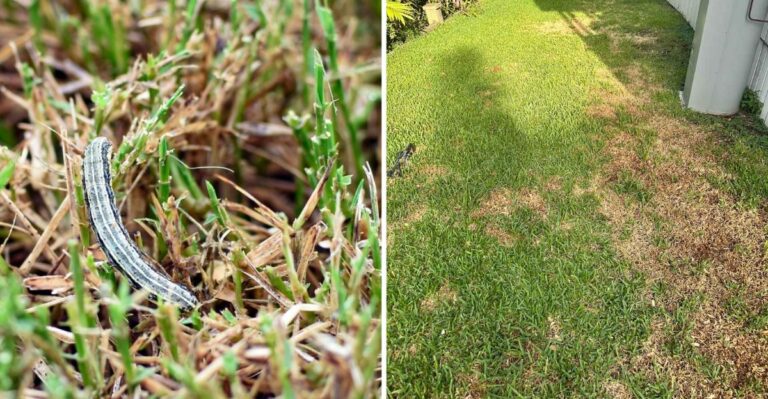
Damage usually shows up in August and September, right when the larvae are biggest and hungriest. Brown, wilted patches can look like simple drought stress at first glance.
Extra watering will not solve the issue, because thirsty roots are not the real problem. Missing roots are the trouble, and no amount of hose time can grow them back overnight.
Fun fact: a Japanese beetle grub can grow to nearly an inch long before winter arrives. That is a surprising amount of appetite packed into one squishy little body.
Keep an eye on sunny areas and spots near beetle favorites like roses, grapes, or linden trees. Those zones tend to get hit first and hardest each year.
Catching the problem early saves money and plenty of backyard frustration. Your lawn will thank you with thicker, greener growth when spring comes around again.
The Tug Test For Loose Turf
Grandpa had a trick for checking sick lawns, and it did not cost a single penny. He would grab a handful of grass and give it a firm, steady pull.
Healthy turf fights back when you tug it, because strong roots dig deep into the soil. Grub-damaged turf gives up fast and lifts like a loose flap of carpet.
To try it yourself, pick a brown or spongy patch near the edge of the damage. Grab the grass close to the ground with your whole hand and pull upward.
If the sod peels back easily, you have a strong clue that roots are missing. If it stays put, the browning might come from heat, drought, or a lawn disease instead.
Your Indiana Garden Changes Every Week. Your Plan Should Too.
Gardening in Indiana changes quickly throughout the season. Every Friday you’ll receive a simple weekly plan showing exactly what to plant, prune, fertilize, harvest, and protect so you never miss the right timing.
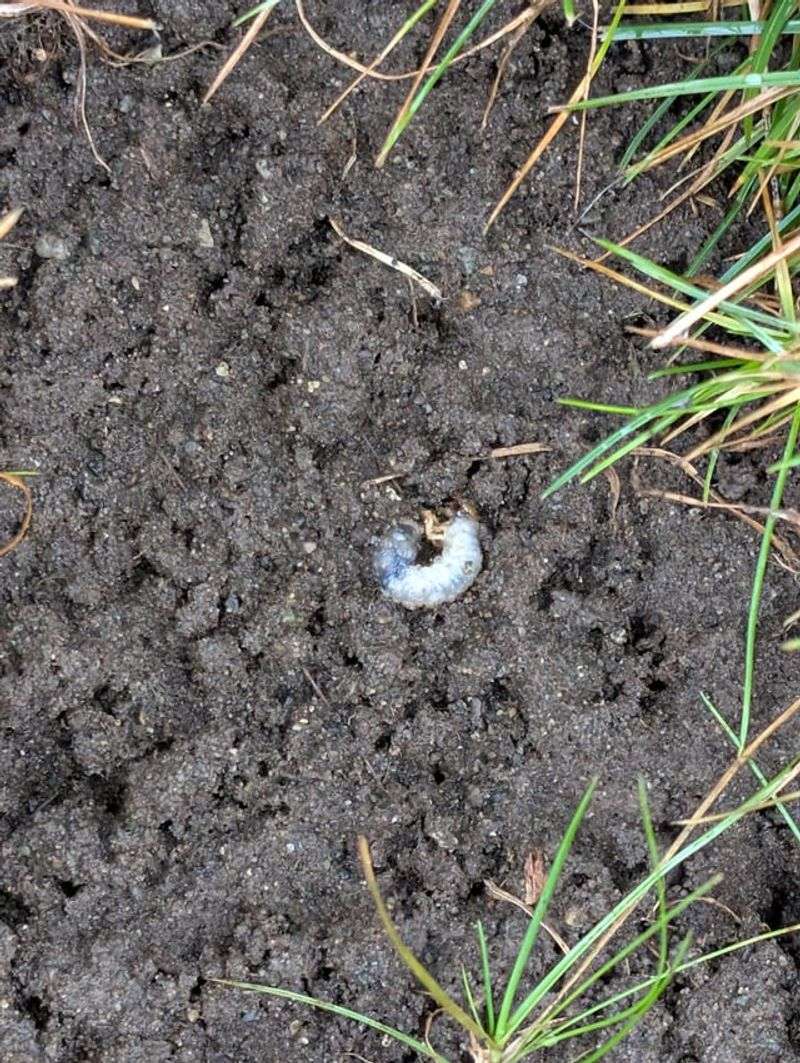
Look closely at the soil once the turf lifts away from the ground. You may spot white curled grubs resting right there, looking a bit surprised by the sunlight.
Test several spots, not just one, since grubs often cluster in some areas and skip others. Healthy green sections make a helpful comparison for what normal feels like.
A simple garden trowel works too if you prefer a neater method. Cut a small square flap on three sides, then fold it back like opening a book.
Afterward, just press the turf back down and water it well. Loose sod often reroots if the pests get handled quickly and the weather stays mild.
Sometimes the easiest lawn tools are the ones attached to your own arms. A few quick tugs can tell you more than hours of guessing.
Grub Counts That Signal A Real Problem
Ten. That little number is the magic line many lawn experts use when judging grub trouble in a typical yard.
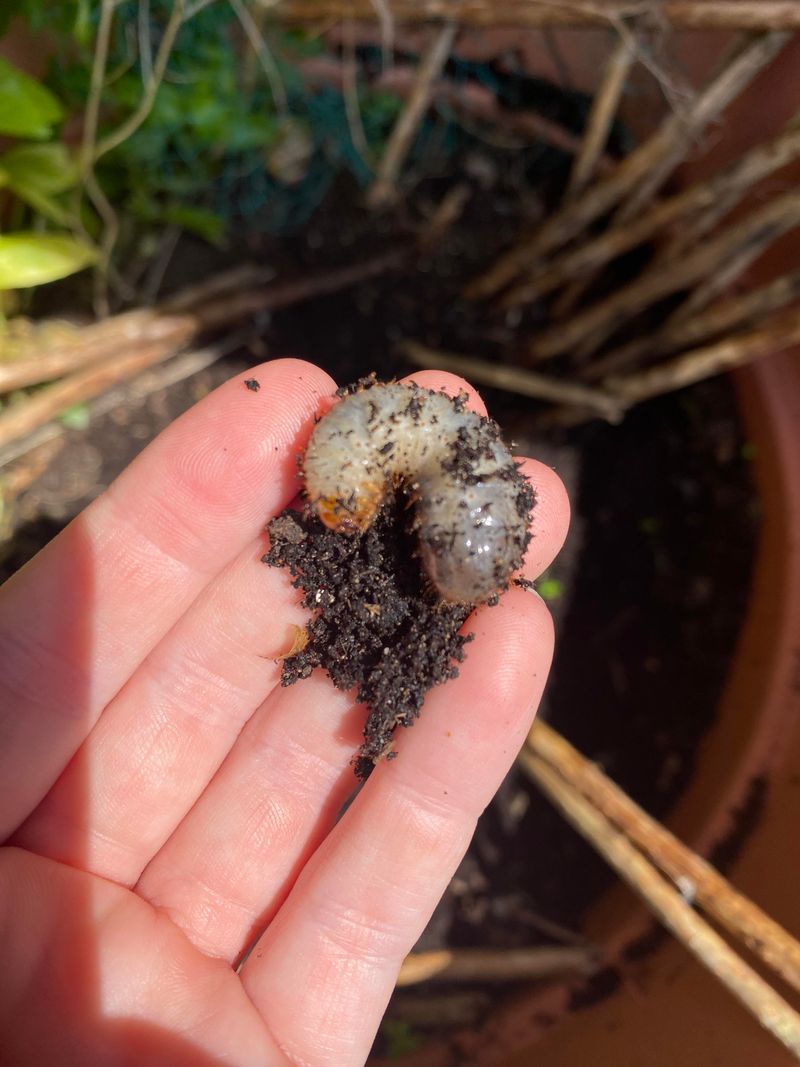
Extension turf specialists suggest counting grubs in one square foot of soil. Finding fewer than five usually means your lawn can handle them without treatment.
Somewhere around five to ten per square foot, damage starts to show up in most lawns. Once counts climb past ten, peeling and brown patches become far more likely.
To do a count, cut a square foot of sod on three sides with a flat shovel. Peel it back and gently sift through the top two or three inches of soil.
Count every grub you see, including tiny ones hiding in clumps of dirt. Then repeat this in four or five spots around the yard for a fair average.
Healthy, well-watered lawns can sometimes tolerate slightly higher numbers than stressed ones. A thin, sunburned lawn may struggle even with a modest group of larvae.
Write your numbers down on paper or in your phone. Tracking counts each September helps you notice patterns over a few seasons.
Low counts mean you can skip chemicals and save money. Nature, including birds and helpful ground beetles, often keeps small populations in check.
High counts mean it is time for action before the damage spreads wider. Knowing the real number keeps you from treating a problem that might not even exist.
Nighttime Digging By Skunks Or Raccoons
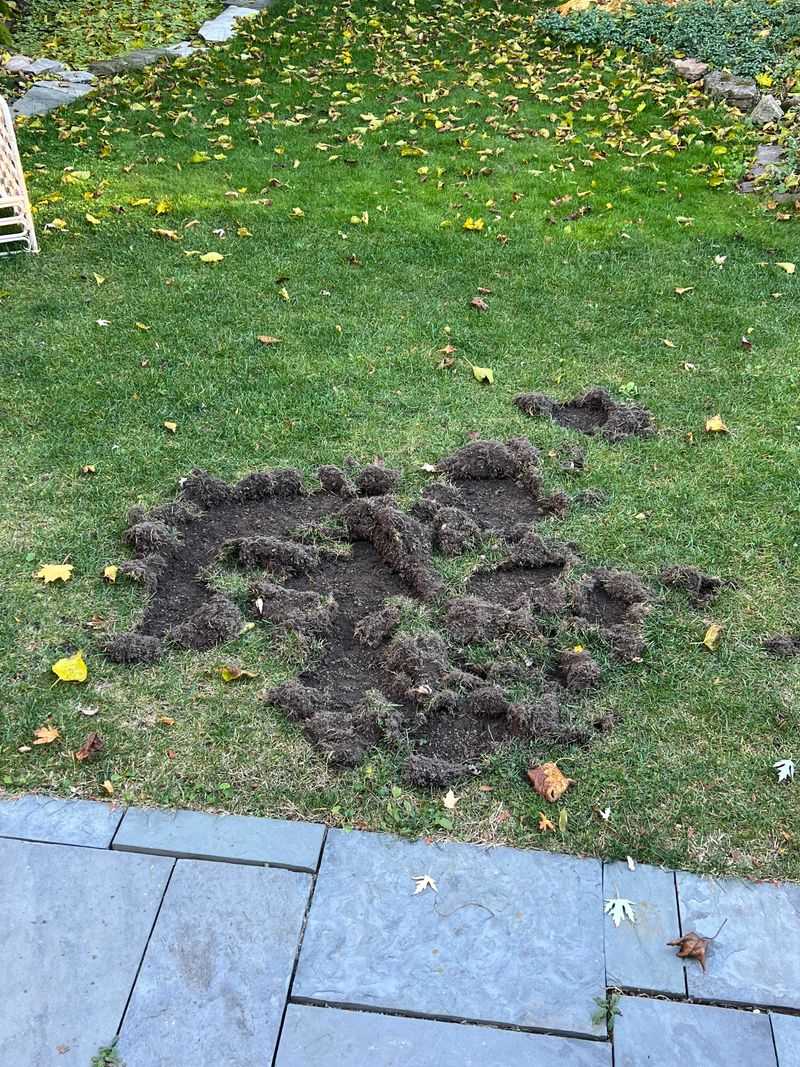
You go to bed with a tidy lawn and wake up to what looks like a tiny bulldozer party. Clumps of sod are flipped over like pancakes all across the yard.
Chances are, a skunk or raccoon visited while you slept. Both animals adore grubs and will happily tear up turf to find a crunchy midnight snack.
Skunks usually leave small, cone-shaped holes about three or four inches wide. They poke their noses down and scoop out grubs one bite at a time.
Raccoons tend to be messier and much more dramatic about it. They use their clever front paws to roll back big pieces of loose sod.
Here is the silver lining in all that mess. Animal digging is a loud signal that grubs are living in your lawn in good numbers.
Chasing the animals away rarely fixes things for long. As long as the buffet stays open, hungry diners will keep showing up after dark.
Controlling the grubs removes the reason for the visits in the first place. Most digging slows down once the food supply drops off in a week or two.
Meanwhile, press flipped sod back into place each morning and water it gently. Many chunks will reroot if they are not left drying in the sun.
Motion-activated sprinklers can also startle curious critters without harming them. A surprise shower at 2 a.m. makes most raccoons rethink their dinner plans quickly.
Curative Treatments That Work Best In Early Fall
Timing matters more than almost anything when treating grubs. Treat too late, and the larvae move deep underground where products cannot reach them.
Curative treatments target grubs that are already feeding in your soil right now. They work fast, often within a few days, which makes them ideal for September problems.
Trichlorfon and carbaryl are two common curative ingredients found at garden centers. Both act quickly on young grubs sitting near the soil surface.
Preventive products like chlorantraniliprole work differently from curatives. They go down in spring or early summer and stop newly hatched grubs before damage begins.
For best results with curatives, mow first and then apply the product evenly. Water with about half an inch right away to push it down into the root zone.
Read every label carefully and follow the directions closely. Keep kids and pets off treated grass until it dries and the label says it is safe.
Prefer a natural option instead of chemicals? Beneficial nematodes are microscopic worms that hunt grubs, and they work best in moist, warm soil.
Milky spore is another organic choice, though it works slowly on Japanese beetle grubs. It can take a couple of years to build up in the soil.
Treat only areas where counts are high, not your whole property. Spot treating saves money and protects the helpful insects living in healthy sections.
Repairing Bare Spots Before The Ground Cools
September in Indiana is like a secret bonus round for lawn lovers. Warm soil and cooler air create perfect conditions for new grass to sprout.
Once grubs are under control, it is time to fix the damage they left behind. Waiting too long means seed may not root before frost arrives in late October.
Start by raking out loose, brown turf and any leftover debris. You want bare soil showing so the seed can touch the ground directly.
Loosen the top half inch of soil with a rake or garden claw. A light layer of compost mixed in gives young seedlings a healthy start.
Choose a seed that matches your yard, like tall fescue or Kentucky bluegrass. Both grow well in Indiana and handle cold winters without much fuss.
Spread the seed evenly, then gently rake it so it settles into the soil. A thin layer of straw helps hold moisture and keeps birds from stealing snacks.
Water lightly once or twice a day until the new grass reaches about two inches tall. After that, switch to deeper watering a few times each week.
Hold off on mowing until the blades reach around three inches. Cutting too soon can yank tender seedlings right out of the ground.
By Thanksgiving, those ugly patches should be filling in nicely. Come spring, your lawn will look so good that the neighbors might ask for your secret.