The One Thing North Carolina Salvia Needs Before September Ends
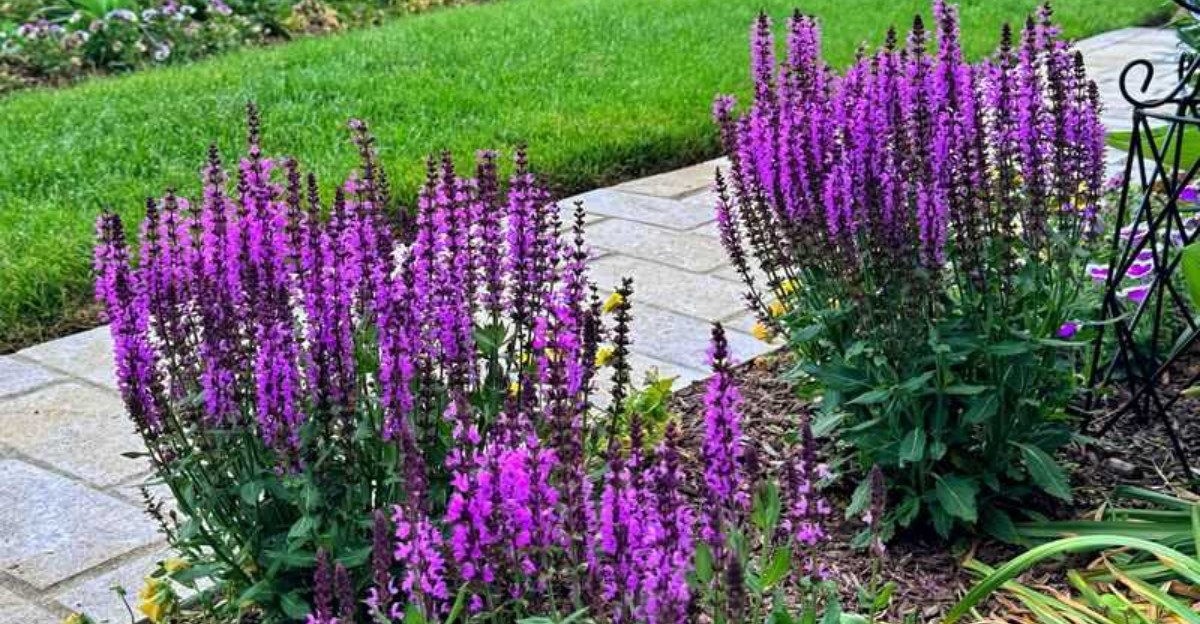
Salvia has kept North Carolina gardens colorful throughout summer, but as September winds down, this plant has one particular need that plays a real role in how well it transitions into fall and returns again next year.
Because salvia is often producing its final rounds of blooms this time of year, its requirements shift slightly compared to earlier in the season.
Overlooking this need now can leave the plant weaker heading into cooler weather, even after months of strong, reliable blooming.
Since salvia can be slow to bounce back from stress once temperatures drop, addressing this before the month ends matters more than it might initially seem. A little extra attention now helps set salvia up for a fuller return come spring.
1. Keep The Root Zone From Drying Out
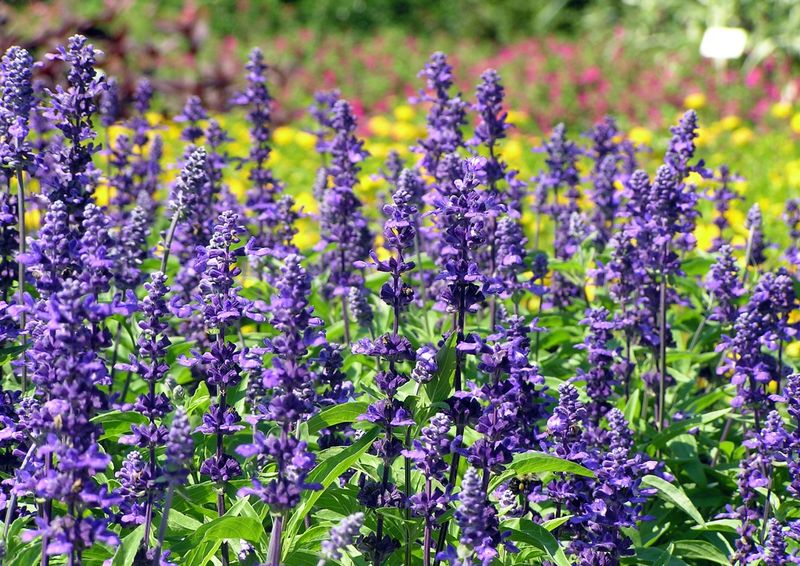
Salvia is a tough plant, and once it settles in, it can handle a bit of dry weather without complaint. Older, well-rooted plants stretch their roots deep into the soil, so they find moisture even when the top layer feels dusty.
New plantings tell a different story. If you tucked a young salvia into the ground this summer, its roots are still small and shallow. During a hot, dry September stretch, those little roots can struggle to find enough water on their own.
The same goes for any salvia that already looks stressed from the heat. Wilting leaves, drooping stems, and faded color are all signs the plant could use a good drink to bounce back.
Here is the key balance. You want the soil around the roots to stay slightly moist, not soggy or soaked. Deep, occasional watering works far better than frequent light sprinkles because it encourages roots to grow downward.
Try watering slowly at the base early in the morning. That way the moisture soaks in before the afternoon sun heats things up, and the leaves stay dry, which helps prevent problems.
Think of it like giving your plant a steady supply of energy for its final push of blooms. A little consistency now keeps the flowers coming and the plant strong.
Skip the habit of drenching the soil every single day. Salvia dislikes wet feet, so aim for that happy middle where the ground feels cool and damp a few inches down.
2. Check Soil Before Watering
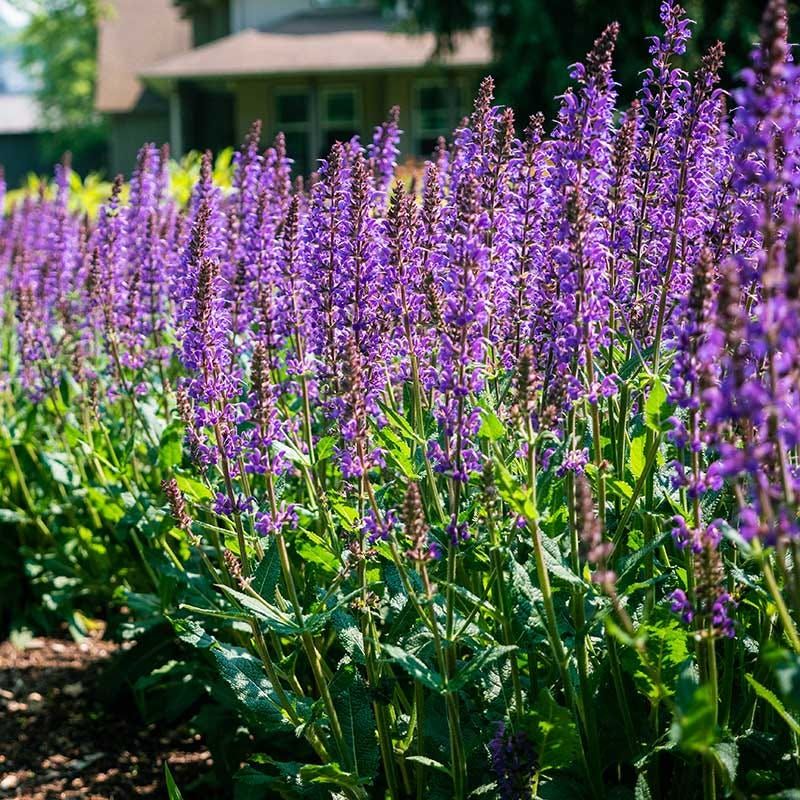
Watering on a strict schedule sounds tidy, but it can trick you. North Carolina weather loves to change its mind, swinging from muggy heat to sudden rain in the same week. A calendar has no idea what happened outside yesterday.
Your fingers make a much better tool than any timer. Push one down into the soil near the roots, about two inches deep. If it feels damp and cool, hold off. If it feels dry and crumbly, it is time to water.
This little habit saves you from two common mistakes. Overwatering leaves roots gasping in soggy ground, while underwatering leaves a stressed plant begging for a drink. Checking first keeps you right in the sweet spot.
Your North Carolina Garden Changes Every Week. Your Plan Should Too.
Gardening in North Carolina changes quickly throughout the season. Every Friday you’ll receive a simple weekly plan showing exactly what to plant, prune, fertilize, harvest, and protect so you never miss the right timing.
September rains can be sneaky too. A big storm might dump enough water to keep the soil moist for days, meaning your plant needs nothing extra from you at all.
On the flip side, a warm, breezy afternoon can dry out the top layer fast, even if it rained recently. That is why touching the soil beats guessing every time.
Container salvias dry out quicker than those in the ground, so give pots a closer look. Their soil can feel bone dry while the garden bed stays cozy and moist.
Once you get into the rhythm of checking first, watering becomes almost effortless. You water only when the plant truly needs it, which saves time, saves water, and keeps your salvia thriving through the shifting fall days.
3. Avoid Heavy Fall Fertilizing
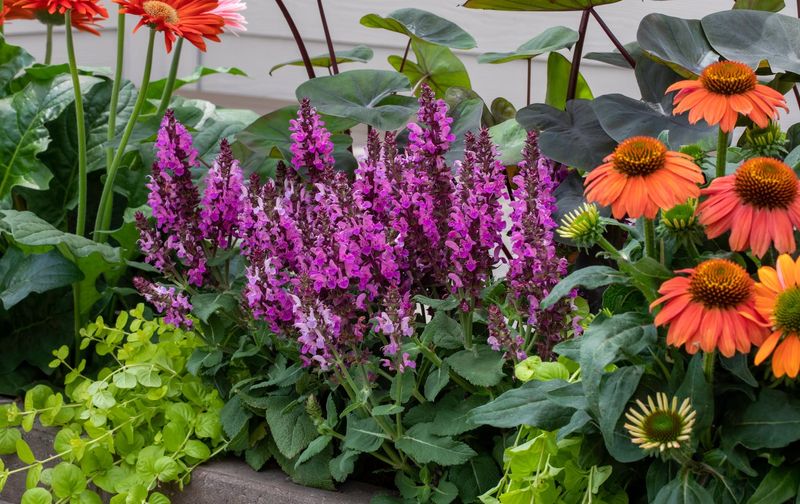
Feeding plants feels caring, but salvia does not want a big meal at the end of September. Established perennial salvias already have what they need stored in their roots to finish the season nicely.
Piling on strong nitrogen fertilizer this late causes more harm than help. Nitrogen pushes plants to grow lots of soft, leafy new shoots, and that tender growth arrives at the worst possible time.
As temperatures cool, that fresh growth has no chance to toughen up before the first chilly nights. Soft stems and leaves get damaged easily when the weather turns, leaving your plant weaker instead of stronger.
There is another downside too. When a plant spends energy making new leaves, it puts less effort into settling down and storing strength for next spring. You want your salvia calm and ready to rest, not racing to grow.
If your soil was decent all summer and the plant looked healthy, it likely needs no feeding at all right now. A rich, balanced garden bed carries salvia through fall just fine.
Save the real feeding for spring, when new growth is welcome and the whole season lies ahead. That timing matches the plant’s natural rhythm perfectly.
For gardeners who really want to help, a thin layer of compost around the base works better than fertilizer. It feeds the soil slowly and gently without forcing a growth spurt.
Holding back now is one of the kindest things you can do. Let the plant slow down naturally and it will reward you later.
4. Remove Faded Flower Spikes If Needed
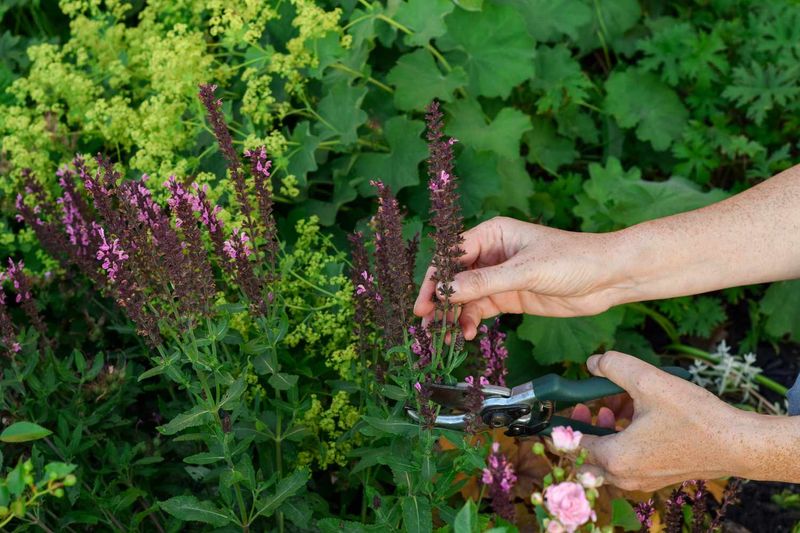
Nothing tidies up a salvia faster than snipping off the tired, faded flower spikes. Once blooms fade to brown and lose their color, they no longer add beauty and can make the whole plant look scruffy.
Clipping those spent stalks is called deadheading, though we can simply call it a gentle trim. Reach down to where the faded spike meets healthy growth and make a clean cut with sharp snips.
Here is the exciting part. Many salvia types respond to this trim by pushing out a fresh round of blooms. The plant stops spending energy on old, finished flowers and redirects it toward new buds instead.
Not every salvia reacts the same way, so results depend on the species and how warm your fall stays. Some varieties bloom again eagerly, while others just look neater without a second show.
Either way, you win. A tidy plant with the old spikes removed looks fresh and cared for, which brightens the whole garden bed as the season shifts.
Keep this trim light and simple. There is no need to chop the plant down or remove healthy leaves, since you are only tidying the finished flowers.
A quick walk through the garden every few days makes deadheading easy. Snip a spike here and there, and the job never piles up into a big chore.
Your pollinator friends appreciate the effort too. Fresh blooms mean more nectar for bees and butterflies enjoying the last warm weeks of the growing season.
5. Give Salvia Plenty Of Sun
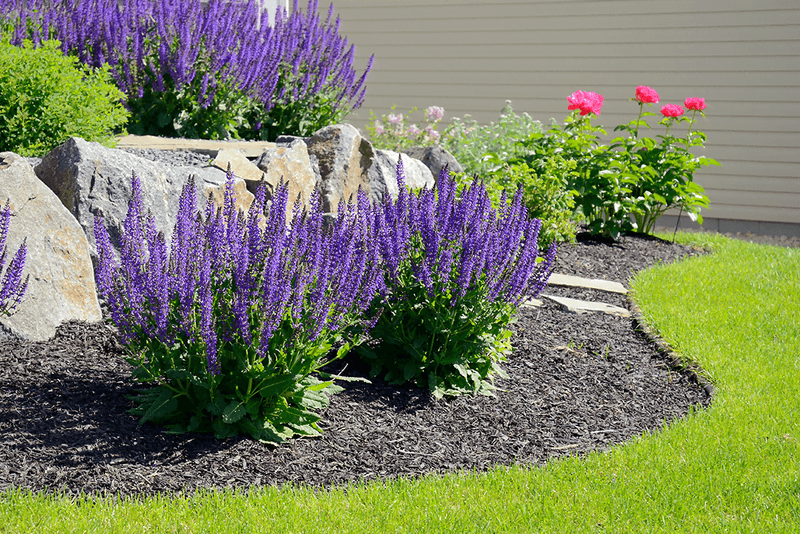
Sunshine is salvia’s best friend, plain and simple. Most of the ornamental salvias grown in North Carolina gardens crave full sun, which means at least six hours of direct light each day.
Light does more than make the plant look bright. It fuels the whole plant, powering the food-making process that keeps stems sturdy and flowers coming strong.
When salvia gets enough sun, the difference shows. Stems stand tall and firm, colors pop with intensity, and the plant produces far more blooms than one stuck in the shade.
Plants growing in too much shade tell a sad story. They stretch and lean toward the light, growing tall and floppy with fewer flowers and weaker stems that flop over easily.
As September rolls on, the sun sits lower in the sky and days grow shorter. Trees and tall neighbors may cast longer shadows than they did in midsummer, so a spot that was sunny in July might be shadier now.
Take a moment to notice where the light falls on your garden during the day. If your salvia sits in a newly shady corner, keep that in mind for future planting plans.
You cannot move the sun, but you can trim back branches or nearby plants that block light. Opening up the space helps your salvia soak in every ray available.
For anything you plant next season, pick the brightest, most open spot you have. Giving salvia that full, generous sunshine sets it up to thrive from the very start.
6. Keep The Crown Well Drained
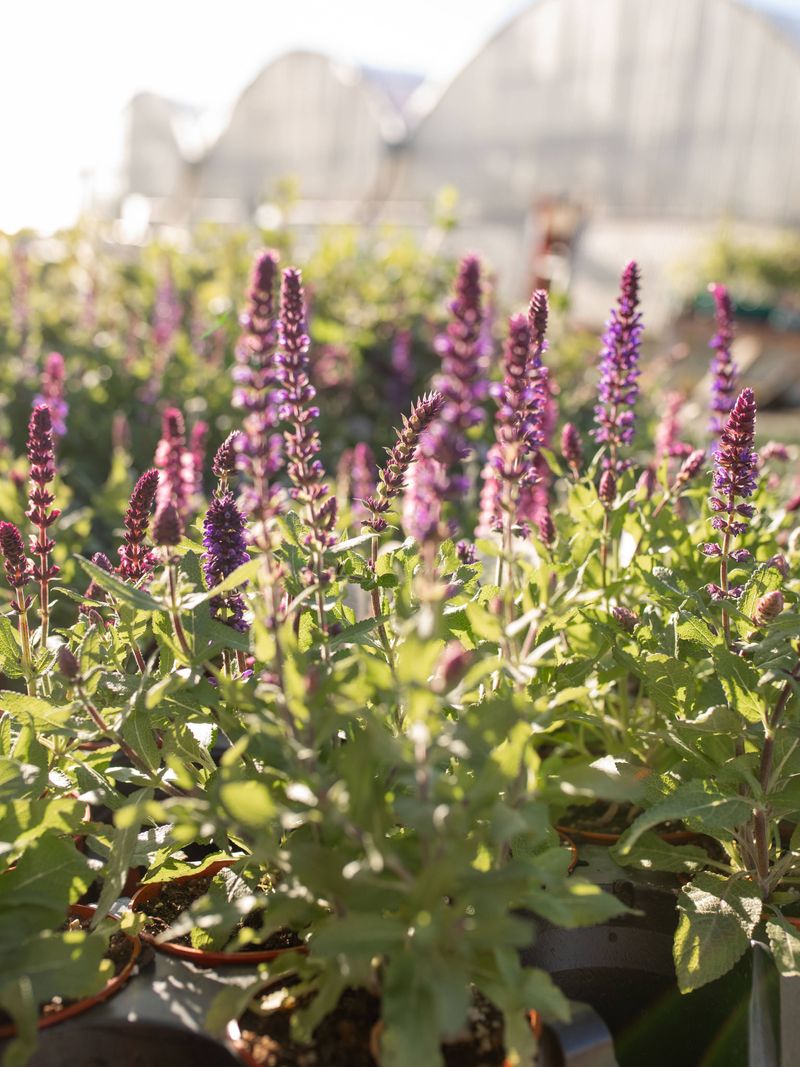
If there is one thing salvia truly dislikes, it is sitting in soggy ground. The crown, where the stems meet the roots, needs to stay well drained or the plant starts to suffer.
Persistently wet soil suffocates the roots. Without air pockets in the ground, roots cannot breathe, and problems like rot creep in quickly, weakening even a strong, healthy plant.
North Carolina falls can bring heavy, soaking rains that linger. When water pools around the base and refuses to drain, salvia grown in that spot really struggles to stay healthy.
Good drainage solves the problem before it starts. Soil that lets water pass through keeps the crown from staying wet for days, which is exactly what salvia wants.
Take a look at your garden after a big storm. If water sits in puddles for hours around your plants, that spot drains too slowly for happy salvia.
You can improve heavy clay soil by mixing in compost or planting on a slight mound. Raising the crown just a little keeps it above standing water during those rainy stretches.
Raised beds work wonders too. They lift the whole root zone up where excess water drains away naturally, giving salvia the dry-footed home it loves.
Container plants need drainage holes and airy potting mix. Sitting water in a pot causes the same trouble as a soggy garden bed, so let that water escape freely.
Get the drainage right and salvia rewards you with strong roots and steady growth, rain or shine, all the way through the shifting fall season.
7. Avoid Cutting Healthy Plants Back Too Hard
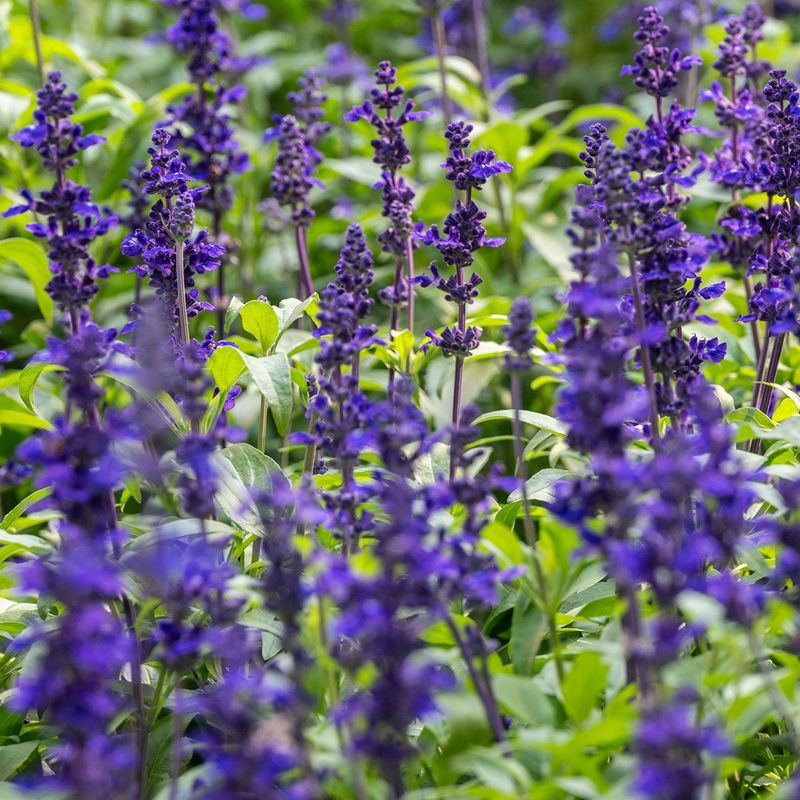
There is a common myth that every salvia needs a big September chop. Before you reach for the shears, know that not all salvias want the same treatment.
Different types behave in different ways. Some salvias are perennials that come back each year, while others act more like annuals, and each responds to pruning in its own manner.
Cutting a healthy plant back too hard can backfire. A severe haircut this late might trigger tender new growth that has no time to toughen before cold nights arrive.
It can also strip away leaves the plant still needs. Those green leaves keep making food and storing energy in the roots for next year, so removing them all works against the plant.
The smart move is to learn what kind of salvia you have. A quick check of the plant tag or a search by name tells you whether it wants a trim now or a wait until spring.
For many perennial salvias, a light tidy in fall is plenty, with the bigger cutback saved for early spring. Others prefer being left alone until new growth appears.
When in doubt, do less rather than more. You can always trim a bit later, but you cannot glue leaves and stems back on once they are gone.
Matching your pruning to the exact plant keeps it strong and ready for what comes next. A gentle, thoughtful approach beats a heavy hand every single time, and your salvia will show its thanks with healthy growth.
8. Let The Plant Enter Fall Naturally
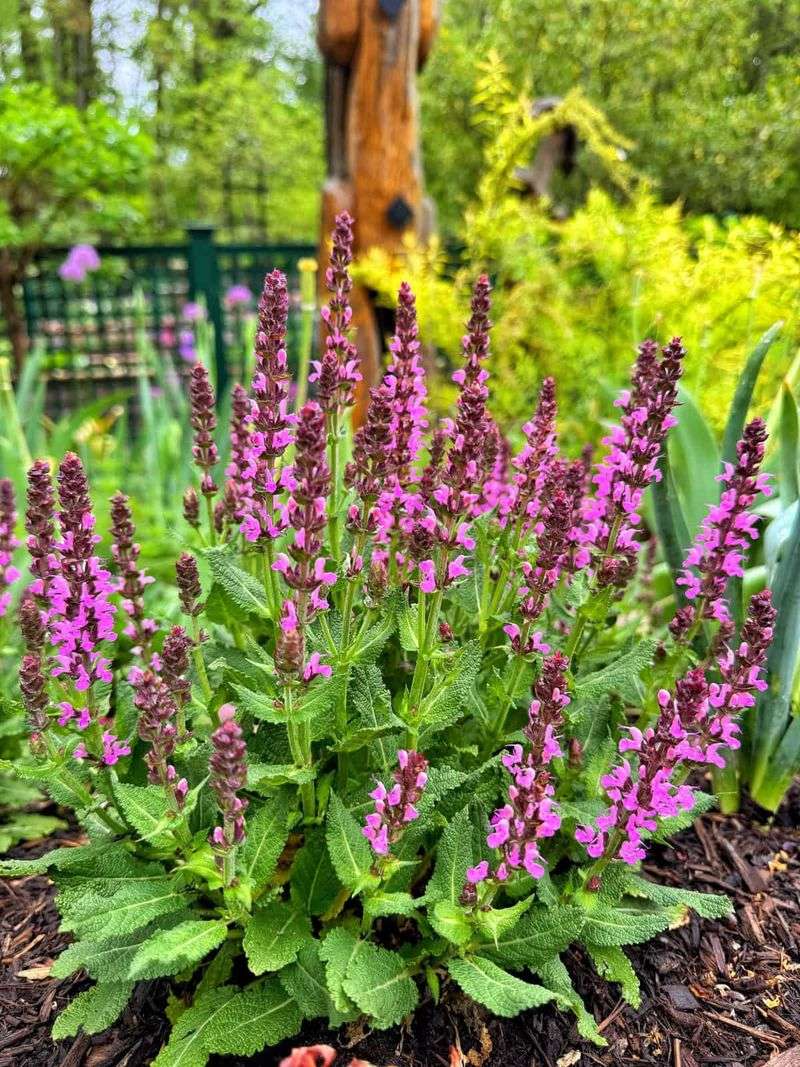
After all the tips about watering, sun, and trimming, the final one is refreshingly easy. Let your salvia ease into fall at its own gentle pace.
Everything you have done this season adds up. Steady moisture, good drainage, plenty of sunlight, and a light hand with fertilizer all work together to help the plant finish strong.
As the days grow shorter and the air turns crisp, salvia naturally begins to slow down. That is exactly what should happen, and it is nothing to worry about.
A well-cared-for salvia uses these cooler weeks to store energy in its roots. That hidden strength is what powers next spring’s fresh burst of growth and color.
Resist the urge to fuss too much now. Trying to force more blooms or extra growth with heavy feeding or drastic pruning only disrupts this peaceful wind-down.
Think of it as the plant catching its breath after a long, busy season of blooming. Your job shifts from pushing growth to simply supporting a calm, healthy slowdown.
Keep an eye out for standing water after storms and give a drink only when the soil truly dries out. Beyond that, let nature take the lead.
A salvia that enters fall in good shape handles the cooler weather with ease. Strong roots and a rested plant mean a better comeback when warm days return.
So take a breath alongside your garden. You have set your salvia up for success, and now the season’s gentle rhythm carries it the rest of the way.