What It Means When California Plants Start Slowing Down In Fall
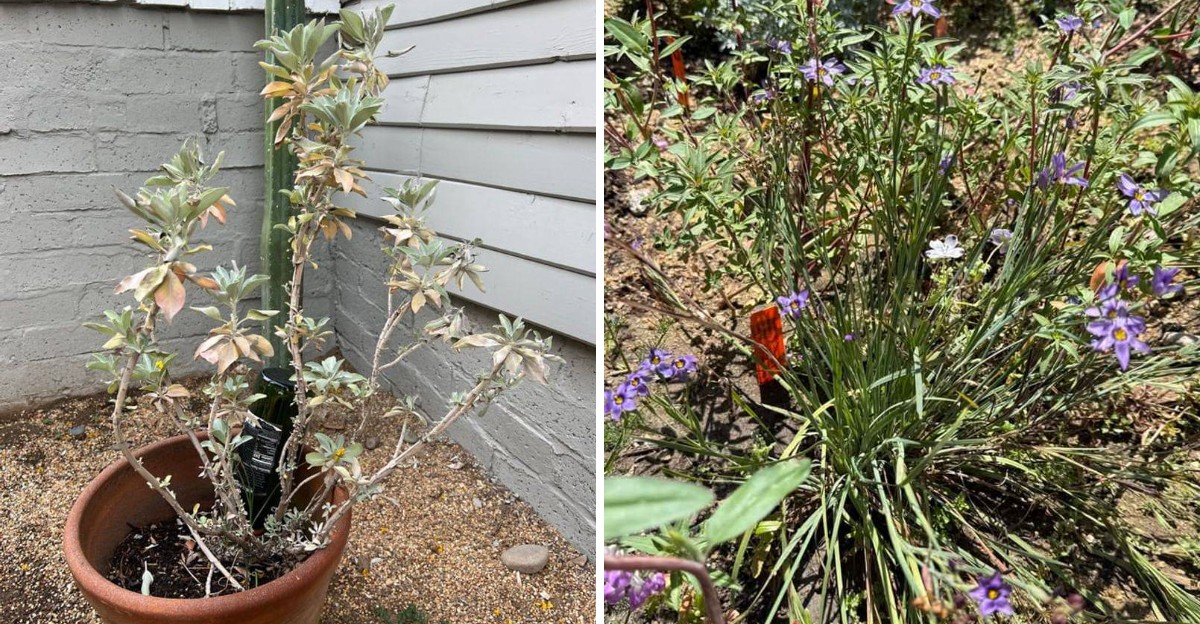
Something strange happens in a lot of California yards every October, and it convinces plenty of good gardeners that they’ve made a mistake.
The tomatoes stop climbing. The roses put out half the buds they did back in June, and the citrus tree seems to shrug off a feeding schedule that worked perfectly all summer.
That reaction, checking for pests, testing the soil, wondering what went wrong, is understandable. It’s also based on a misread.
Nothing broke. Nothing failed. California plants aren’t responding to a mistake in the garden at all.
They’re responding to light, and light is telling them something the calendar already knows. Autumn isn’t a problem to fix.
It’s a signal every plant in that yard has been quietly waiting for, and understanding it changes almost everything about how the next few months should actually go.
1. Shorter Days Signal Dormancy Ahead
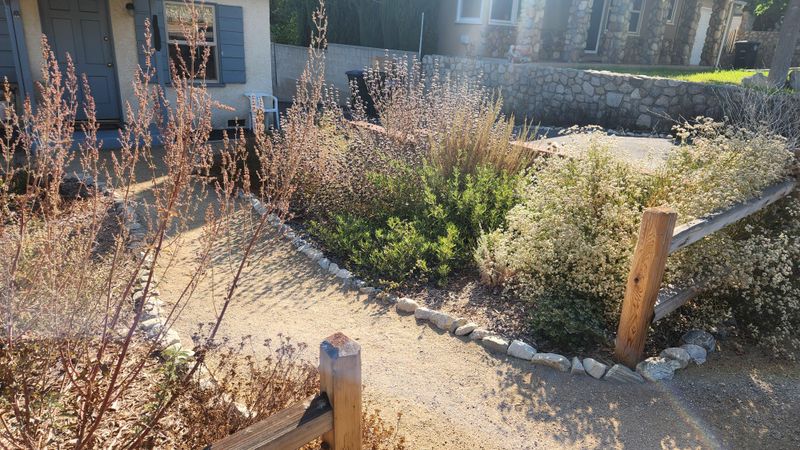
Long before the first cool night arrives, plants are already counting daylight hours. Scientists call this response photoperiodism, and it’s one of the most reliable signals in the entire plant world.
Temperature in California can swing wildly from week to week. Day length, on the other hand, never lies about what season is actually coming.
UC Agriculture and Natural Resources points to shortening days as a primary trigger behind the slowdown gardeners notice each fall. Special light-sensing pigments inside leaves track how long darkness lasts each night.
Once those dark stretches pass a certain point, hormones shift and the plant begins preparing for its quiet season. What that preparation looks like varies quite a bit by species.
Deciduous fruit trees pull nutrients out of their leaves and set buds for next year. Perennials start hardening off stems so freezing nights cause less damage later on.
Even evergreen shrubs, which keep their foliage year-round, quietly ease off the fast growth pace of summer. Here’s the part that trips up newer gardeners in mild coastal or valley climates especially.
A warm 80-degree afternoon in November does not cancel the signal, because the plant is responding to darkness, not heat. That’s exactly why a salvia can look sluggish even during a genuine heat spell.
Understanding the cue takes a lot of guesswork out of fall gardening. Instead of pushing plants to perform, you can work with the rhythm they already follow naturally.
Ease back on high-nitrogen fertilizer, skip heavy pruning on frost-sensitive plants, and let the shortening days do their job without interference.
2. Growth Naturally Pauses Before Winter
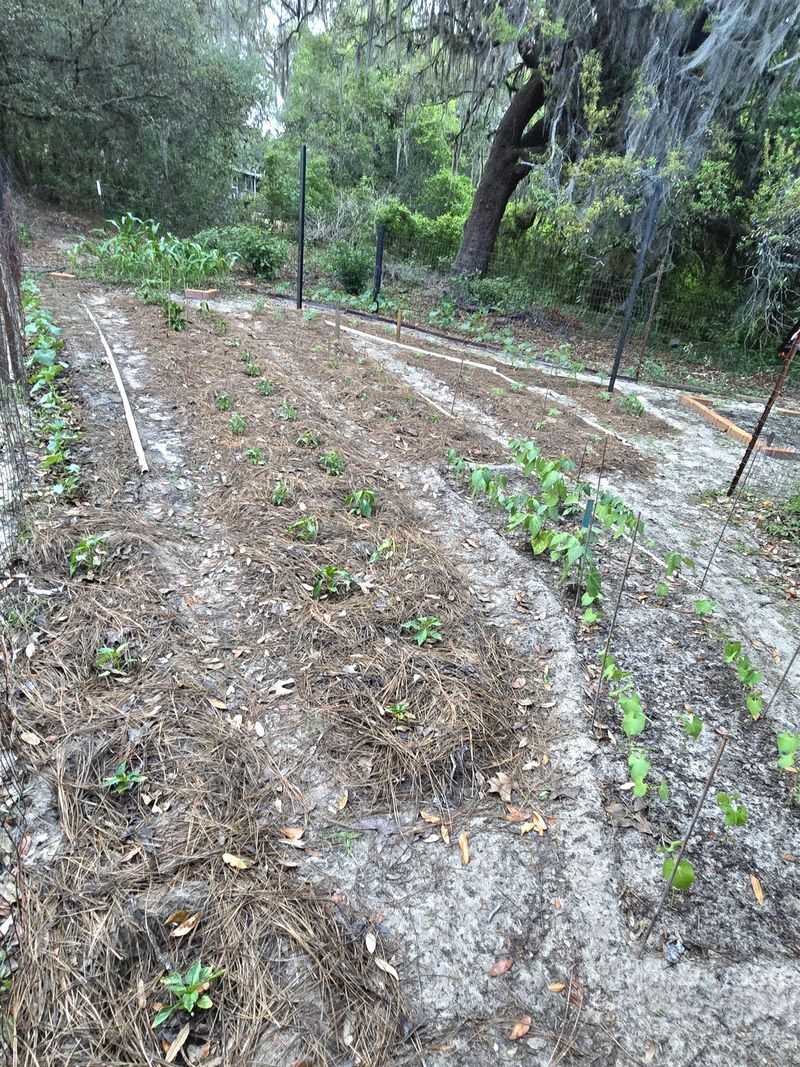
Autumn works a bit like the plant version of packing up after a long workday. The push for new stems, flowers, and fruit winds down, and maintenance mode takes over instead.
Nothing dramatic happens overnight, which is exactly why the change surprises so many people. Annual vegetables are the most obvious example of this shift.
Summer tomatoes, peppers, and squash finish their life cycle and stop setting fruit even when the vines still look perfectly green. Perennials such as lavender, sage, and ornamental grasses hold their shape but add almost no new length during this stretch.
Your California Garden Changes Every Week. Your Plan Should Too.
Gardening in California changes quickly throughout the season. Every Friday you’ll receive a simple weekly plan showing exactly what to plant, prune, fertilize, harvest, and protect so you never miss the right timing.
Fruit trees in California follow an especially predictable pattern through this period. Many require a set number of chill hours, meaning time spent below roughly 45 degrees, before they’ll bloom properly the following spring.
The winter pause isn’t wasted time in any sense. It’s a requirement built directly into the tree’s biology.
Gardeners sometimes fight this by fertilizing heavily, hoping to squeeze out one more growth spurt before the season ends. That approach usually backfires badly.
Tender new shoots forced late in the season have no time to harden off, and they often get damaged by the first real cold snap that follows. A better plan is to shift your own energy elsewhere instead.
Fall is prime time in most of California for planting cool-season crops like lettuce, broccoli, and peas, and for setting in new trees and shrubs. The soil is still warm, rain is on the way, and the ground does the real work while the tops rest quietly above it.
3. Reduced Light Limits Photosynthesis
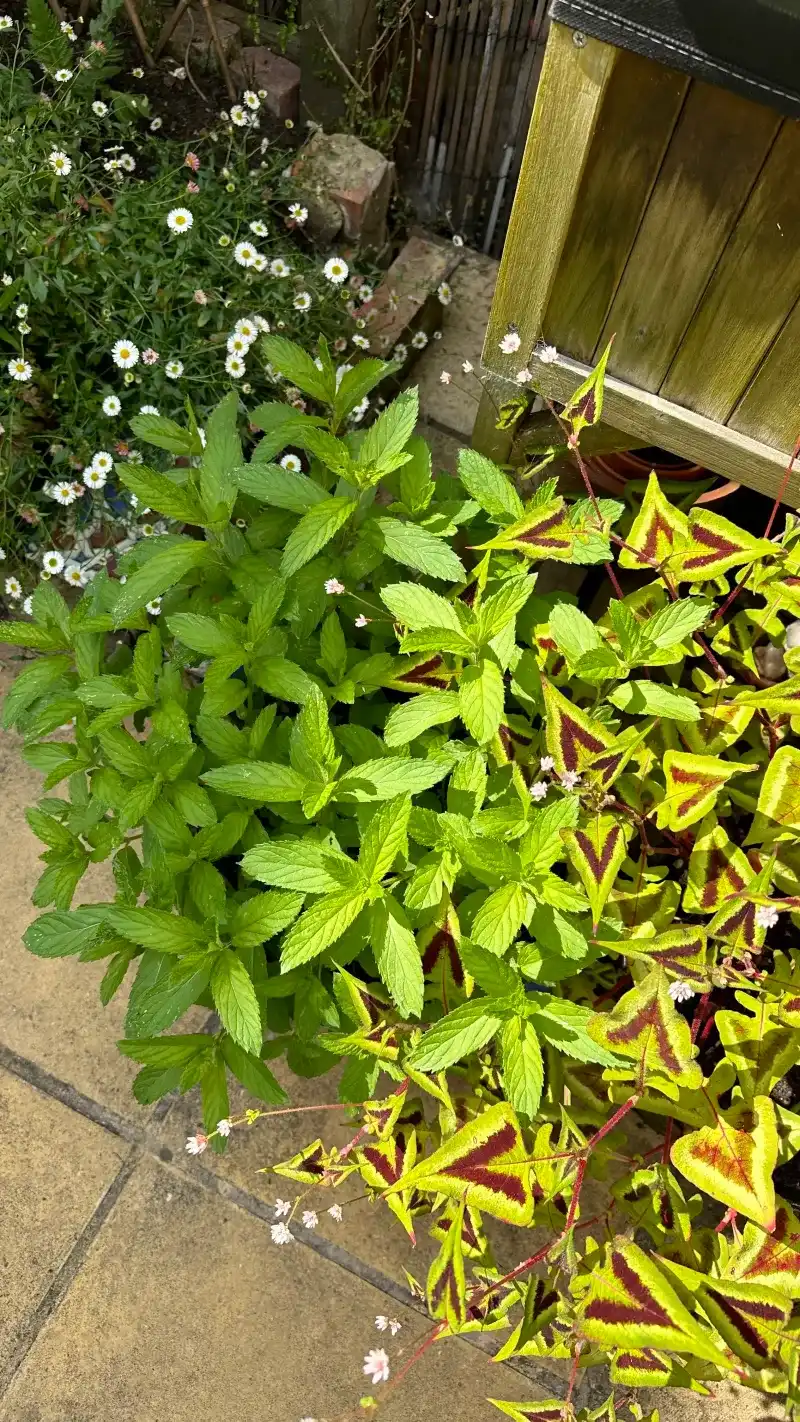
Sunlight is food, plain and simple. Plants use light energy to convert carbon dioxide and water into sugars, and those sugars fuel every inch of new growth that follows.
Cut the light supply, and the growth budget shrinks right along with it. Two things happen at once as autumn settles in.
Days get shorter, so there are simply fewer hours of usable light available each day. The sun also sits lower in the sky, which means its rays travel through more atmosphere and strike leaves at a sharper angle, delivering less punch per hour of exposure.
Add California’s fall fog along the coast, and the difference becomes striking fast. A bed that soaked in nine hours of direct sun in July might get four filtered hours in November instead.
Nearby fences, walls, and evergreen trees throw longer shadows too, shading spots that stayed bright all summer long. Less fuel coming in means the plant has to spend carefully.
Growth slows, older leaves may yellow and drop, and flowering tapers off gradually. None of that signals disease in any way.
It’s basic math playing out in real time. You can nudge things in your favor with a few small adjustments.
Move containers to the sunniest part of the yard, thin out branches that block light on cool-season vegetable beds, and clean dust off greenhouse panels or windows if you grow indoors.
Light-colored walls bounce extra brightness onto nearby plantings too, which helps more than most people expect during the dim stretch between November and February.
4. Water Needs Drop Along With Growth
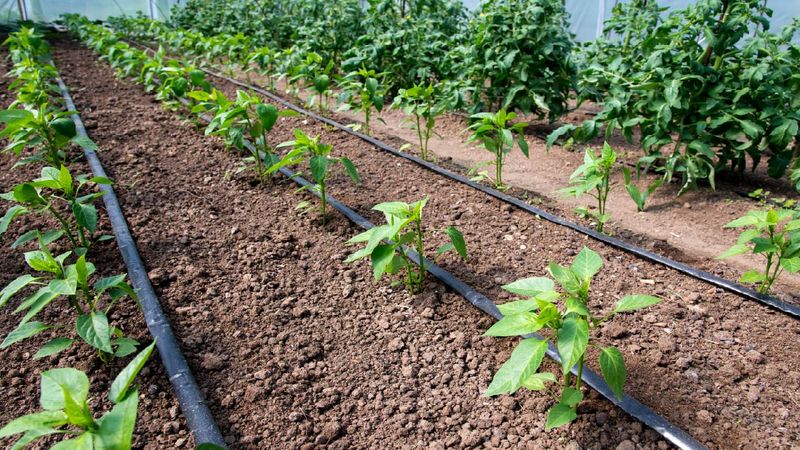
Overwatering causes more fall plant losses in California than frost ever does. Once growth slows, a plant is no longer pumping water up through stems to build new tissue.
That means the soil stays wet far longer than it did back in August. Cooler air holds moisture better, and evaporation drops sharply as a result.
Shorter days mean less transpiration too, the process where plants release water vapor through their leaves. Put those factors together, and a bed that needed water three times a week in summer might need it once every week or two now.
Soggy soil starves roots of oxygen and invites root rot fungi that thrive in cool, wet conditions. Yellow leaves and drooping stems can look exactly like drought stress on the surface.
That resemblance leads worried gardeners to water even more, which only makes the problem worse. The fix, thankfully, is simple and completely free.
Push a finger two or three inches into the soil before watering anything at all. Dry at that depth means go ahead and water; still damp means wait a little longer.
UC ANR recommends adjusting irrigation controllers seasonally rather than leaving them on a summer schedule all year round. Shut systems off entirely during and after rain, and remember that mulch holds moisture much longer once the weather cools down.
Container plants deserve a closer look during this stretch too. Pots tucked under eaves stay bone dry, while those sitting in the open may end up sitting in runoff for days after a single storm passes through.
5. Slower Growth Is Not A Warning Sign
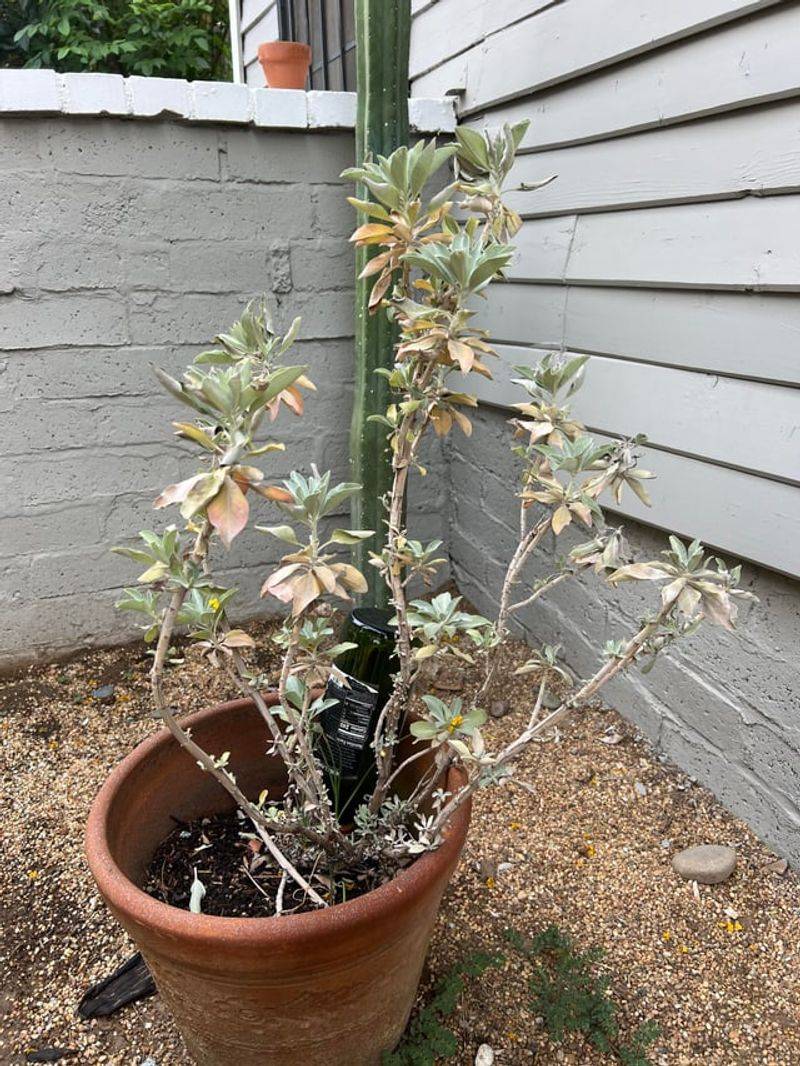
Panic is the most common reaction to fall slowdown, and it’s also the least useful one available. A plant that stops growing in October is usually doing precisely what its genetics tell it to do.
Treating normal dormancy like an emergency often causes the real damage in these situations. Here’s how to actually tell the difference between rest and genuine trouble.
Seasonal slowdown looks even across the whole plant, affects similar species in the same yard, and comes with firm stems and intact buds throughout. Actual problems tend to show up in patches instead, things like one wilted branch, sticky residue, spotted leaves, or chewed edges.
Check the undersides of leaves for insects, look at the base of the stem for mushy tissue, and scratch a small spot of bark with your thumbnail. Green underneath means the plant is alive and simply resting for the season.
Resist the urge to intervene during this stretch. Heavy fertilizer in late fall pushes soft growth that cold weather will damage badly once temperatures drop.
Aggressive pruning removes protective structure and can strip away next spring’s flower buds, which many shrubs already set back in summer. Gardeners moving to California from colder states get thrown off most often by all this.
Mild winters make plants look like they should keep performing year-round, and they simply won’t. That pause is healthy and expected.
Give the garden permission to coast through the season, keep an eye out for genuine pest or disease symptoms, and save the big projects for late winter when the timing actually helps rather than hurts.
6. Energy Shifts Toward Roots, Not Leaves
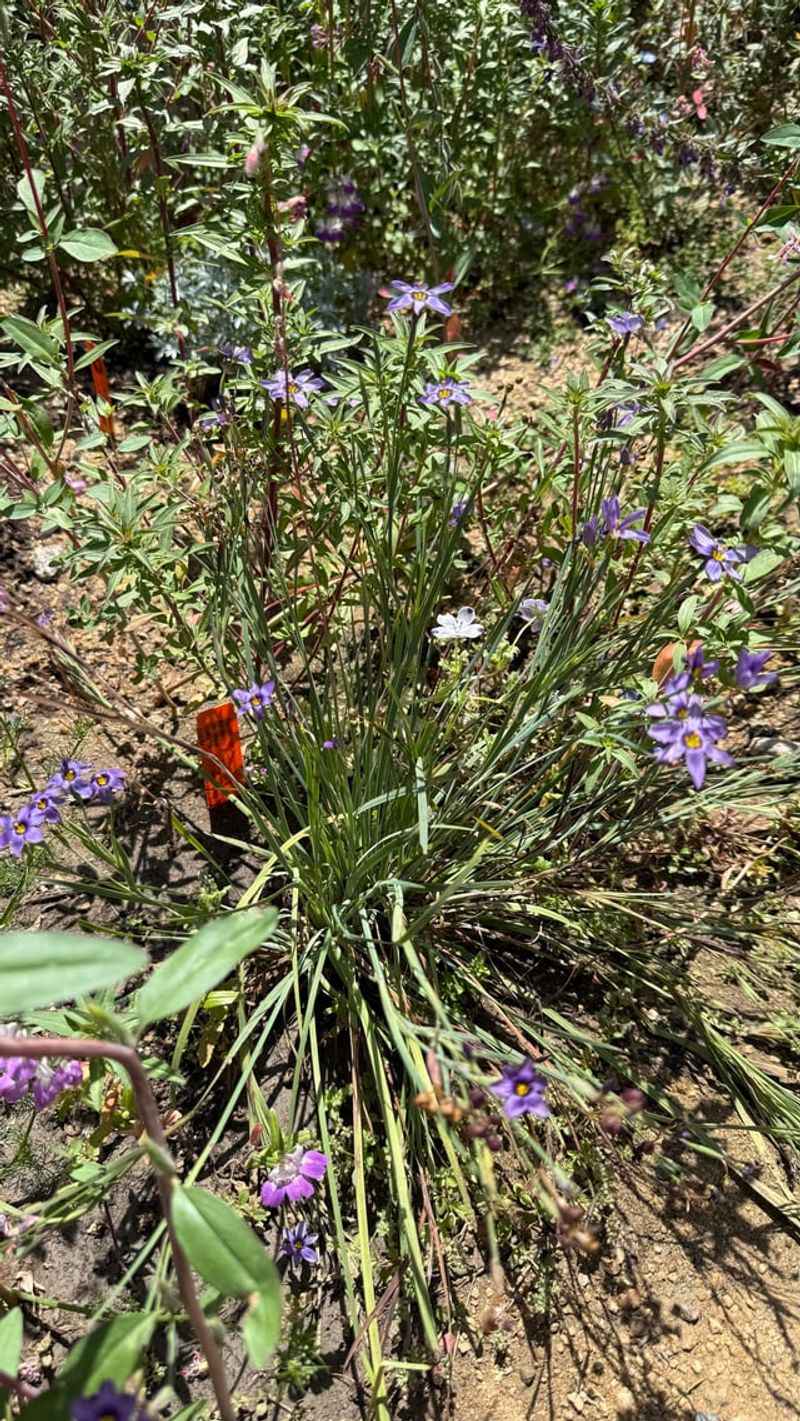
Below the surface, autumn is actually one of the busiest seasons of the entire year. While leaves and stems quiet down up top, plants redirect stored sugars and starches downward instead.
That redirected energy thickens existing roots and pushes out fine new feeder roots into the cooling soil below. Soil temperature explains the timing behind all of this activity.
California ground holds summer warmth well into November and December across much of the state, even after the air itself turns chilly. Warm soil plus moisture from early rains creates ideal conditions for root expansion during this window.
Landscape professionals build their entire planting calendars around this pattern. Fall is widely considered the best planting window in California for trees, shrubs, and perennials, especially natives such as manzanita, ceanothus, and toyon.
Put them in the ground now, and they spend months developing roots before ever facing their first hot summer. There’s a nice bonus in bulbs too, worth mentioning here.
Daffodils, freesias, and other fall-planted bulbs quietly build root systems through winter, which is exactly why they explode with bloom in spring without any extra effort required from you.
Support the underground work with a few small moves of your own. Spread two or three inches of mulch to moderate soil temperature and slow moisture loss, but keep it pulled back from trunks directly.
Skip nitrogen-heavy fertilizers that encourage top growth instead of root growth, and avoid compacting wet soil by walking on beds after rain.
What looks like a sleepy garden above ground is actually laying the foundation for everything that shows up next April.
7. Most Plants Resume Normally In Spring
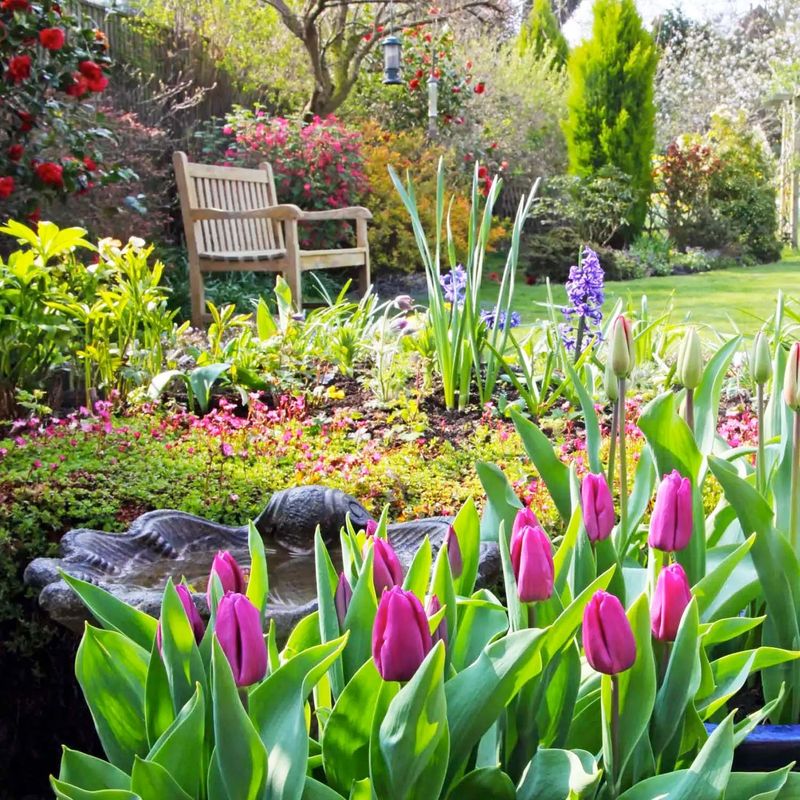
Come February and March, the garden flips a switch almost overnight. Days lengthen, light intensity climbs, and soil warms back up, and plants that looked completely checked out start pushing buds seemingly out of nowhere.
Deciduous fruit trees often bloom first in this sequence, sometimes while nights are still genuinely cold. Roses break dormancy fast once pruned in winter, catching up to the season quickly.
Perennials send up fresh shoots from crowns that looked like bare sticks all season long. Native shrubs green up right alongside the last of the winter rain, completing the picture.
Everything stored during the quiet months gets spent in that first flush of growth. Deep roots grown back in November feed the burst of foliage that shows up in March.
Buds set the previous summer open into the flowers gardeners were hoping to see all along. A few simple tasks in late winter help set the stage properly for this transition.
Prune dormant fruit trees and roses before buds swell, refresh mulch, clean up fallen leaves that might harbor disease, and hold off on fertilizer until active new growth actually appears.
Keep records if you can manage it throughout the season. Jotting down when your peach bloomed or when your lavender greened up gives you a personal baseline to work from.
After two or three seasons of notes, you’ll recognize normal timing for your specific yard without much guesswork left. Autumn quiet is not the end of anything happening in the garden.
It’s the pause between chapters, and the story picks right back up the moment the light returns in spring.